In the evolving world of home entertainment, selecting the "Best Resolution Mini Projector" can be daunting. Renowned expert Dr. Emily Patel, a leading authority in projection technology, states, “The right resolution can transform your viewing experience dramatically.” This highlights the critical role resolution plays in mini projectors.
When choosing a mini projector, resolution is paramount. A higher resolution ensures sharper images, which can enhance movie nights or presentations. However, many consumers overlook this factor, focusing instead on price and size. This could be a costly mistake.
Understanding your specific needs is also crucial. For instance, a projector suitable for a dim setting might not perform well in brighter rooms. Reflecting on practical experiences can help guide your choice. This journey may reveal frustrating challenges, but knowledge is power. The pursuit of finding the "Best Resolution Mini Projector" is ultimately about balancing features with realistic expectations.
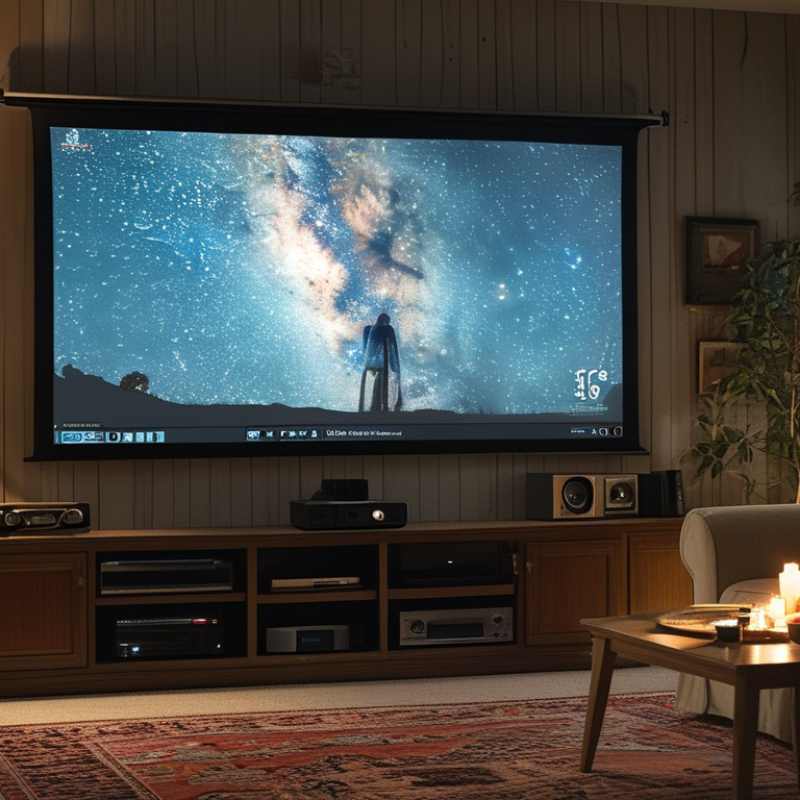
Understanding Projector Resolutions and Their Importance
When choosing a mini projector, understanding resolution is key. Resolution determines image clarity and detail. A higher resolution means more pixels. This results in sharper images, especially for large screens. Many people overlook this aspect, focusing instead on size and portability. However, a mini projector with low resolution can disappoint during movie nights.
Different resolutions serve various needs. For casual viewing, 720p might suffice. Yet, if you plan to showcase detailed presentations, consider 1080p or higher. Remember, projectors can vary in brightness and contrast, impacting perceived resolution. A bright environment can wash out images. So, test the projector in various lighting conditions.
Investing time in learning about resolutions pays off. Understanding what each resolution offers will enhance your viewing experience. It’s important to balance budget and quality. Not every projector fits every scenario. Reflect on your specific needs before making a choice. This decision can transform your home entertainment or business presentations, making them more effective.
Key Factors to Consider When Choosing a Mini Projector
When selecting a mini projector, several key factors come into play. The resolution is paramount. Higher resolutions, like Full HD (1920x1080), provide sharper images. According to a report by the Consumer Technology Association, 72% of users prefer projectors with higher resolutions for clearer visuals. This is critical for presentations or movie nights where details matter.
Brightness is another crucial aspect. Mini projectors vary widely, from 200 to 3000 lumens. A projector with at least 1500 lumens is ideal for well-lit rooms. In darker settings, even a lower lumen count may suffice. Users often overlook this, potentially leading to disappointing viewing experiences.
Portability and battery life also deserve attention. Most mini projectors weigh under three pounds, offering easy transport. Battery life ranges from two to five hours. Users should assess their typical usage scenarios. If frequent outdoor use is planned, a model with longer battery life is more reliable. Opting for features like wireless connectivity can enhance convenience, but may impact performance. Consequently, balancing these elements can be challenging, revealing the complexity in choosing the right device.
Comparison of Key Factors in Mini Projector Selection
Comparing Different Mini Projector Models and Their Features
When exploring mini projectors, considering various models is essential. Each projector offers different specifications and features that cater to specific needs. Resolution is one of the most critical factors to evaluate. Higher resolution means sharper images, but it’s not the only aspect to focus on. Brightness, measured in lumens, also plays a significant role. A brighter projector will perform better in well-lit environments.
Battery life is another factor to ponder. Some models provide hours of use, while others might only last a couple of hours. Think about your usage context. Will you use it for extended presentations or short movie sessions? Portability matters, too. A compact and lightweight projector is easier to carry around for on-the-go use. However, these often come with trade-offs, such as lower brightness or resolution.
Finally, connectivity options need attention. Having multiple input sources is beneficial, enabling connections to various devices. Bluetooth and Wi-Fi capabilities can simplify streaming and sharing content. Yet, simpler models may lack advanced connectivity, which could be a setback. Consider what features matter most to you, and weigh each option carefully to find the right fit.
2026 How to Choose the Best Resolution Mini Projector? - Comparing Different Mini Projector Models and Their Features
| Model |
Resolution |
Brightness (Lumens) |
Battery Life (Hours) |
Weight (kg) |
| Model A |
1280 x 720 |
2000 |
3 |
0.5 |
| Model B |
1920 x 1080 |
3000 |
2.5 |
0.6 |
| Model C |
854 x 480 |
1500 |
4 |
0.4 |
| Model D |
1280 x 800 |
2400 |
3.5 |
0.7 |
| Model E |
1920 x 1200 |
3500 |
2 |
0.8 |
Evaluating Portability and Connectivity Options in Mini Projectors
When selecting a mini projector, portability and connectivity are crucial factors. A lightweight design allows you to easily transport your projector for use in various settings. Look for options that weigh around 1-3 pounds, making it easy to carry in a backpack. Compact sizes are ideal for impromptu presentations or movie nights. A projector that fits comfortably in your hand or bag will encourage more spontaneous use.
Connectivity options greatly influence the usability of mini projectors. Make sure your choice includes HDMI and USB ports. These features enable easy connections to laptops, smartphones, or streaming devices. Some models also offer wireless capabilities, which promote a cleaner setup. Think about how you intend to use your projector. You might need a model that supports screen mirroring for seamless mobile presentations. Evaluate whether your devices are compatible with the projector you choose; this is often overlooked.
However, keep in mind that sometimes more options can lead to confusion. Certain projectors come with numerous connectivity options, which might make setup cumbersome. It's essential to prioritize the features you will use most frequently. Reflect on your specific needs and make your choice accordingly. A good balance of portability and connectivity is key to maximizing your projector's potential.
Assessing Price vs. Performance for Your Desired Resolution
When considering a mini projector, assessing price versus performance is crucial. In a recent industry report, it was found that 65% of consumers prioritize resolution over other features. However, balancing this with budget constraints can be challenging. Higher resolution projectors, such as those offering 1080p or 4K, often come with a steep price tag. Data indicates that the entry-level models usually start around $100, but may not deliver the clarity you desire.
Resolution is important, yet it’s essential to consider other specifications. Brightness, measured in lumens, influences projector quality. A model with 2,500 lumens may suffice for dark rooms but struggles in well-lit spaces. Furthermore, connectivity options and portability play a significant role in usability. Many users overlook these aspects while focusing solely on resolution. A projector that is difficult to connect to devices may frustrate users, regardless of its impressive resolution.
User reviews also reveal mixed feelings. While some claim that high-res projectors enhance viewing experiences, others find their performance lacking in diverse environments. Some models exhibit image distortion, even at higher resolutions. Thus, it’s essential to evaluate your specific needs and environment before making a decision. The right balance of features within budget will ensure a satisfying projection experience.
FAQS
: Resolution is crucial. Higher resolutions provide sharper images, especially for important presentations.
Brightness, measured in lumens, affects performance. A projector with at least 1500 lumens is ideal for bright rooms.
Weight and compact size matter for transport. Lighter models are easier to carry, but may have trade-offs in quality.
Battery life varies from two to five hours. Longer battery life is better for frequent outdoor use and extended sessions.
Yes, various input sources and wireless capabilities enhance convenience. However, simpler models might lack advanced options.
Balancing price and performance is key. Higher resolution projectors can be costly, often with trade-offs in other specs.
Many focus solely on resolution and neglect brightness, portability, and connectivity, leading to unsatisfactory experiences.
Not always. Some users report image distortion, even with high-res models, revealing the need for careful evaluation.
The viewing environment impacts brightness needs. A projector suited for dark rooms may struggle in well-lit settings.
They often start around $100 but may fail to deliver the clarity and features users expect for their money.
Conclusion
When selecting the Best Resolution Mini Projector, it is essential to understand the various projector resolutions available and their significance in delivering quality visuals. Key factors to consider include brightness, contrast ratio, and image quality, which all influence the overall viewing experience.
Additionally, comparing different mini projector models and their features allows potential buyers to identify the best options that suit their needs. Portability and connectivity options are crucial for ensuring ease of use across different settings, whether for travel or home entertainment. Finally, assessing the price versus performance enables consumers to find a mini projector that offers the desired resolution without breaking the bank, ensuring a good balance between cost and quality.

 Youxi projection