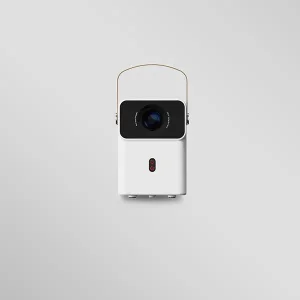
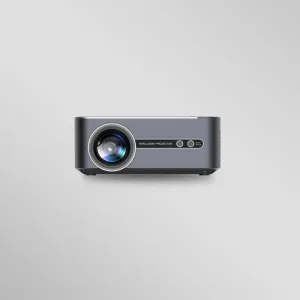
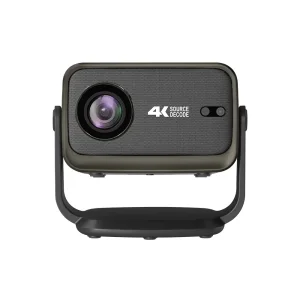
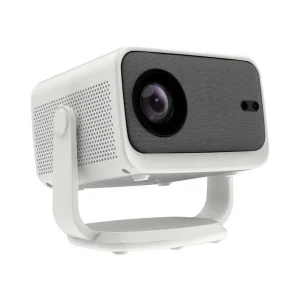
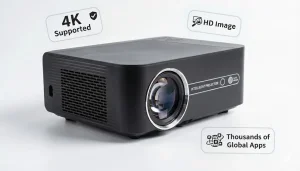
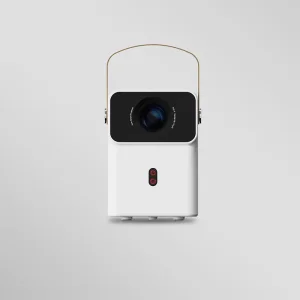
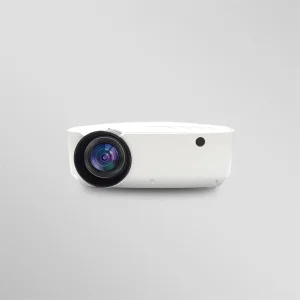
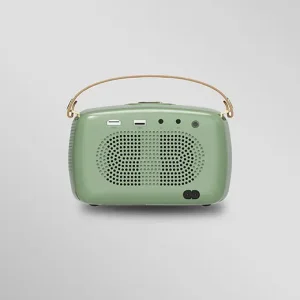
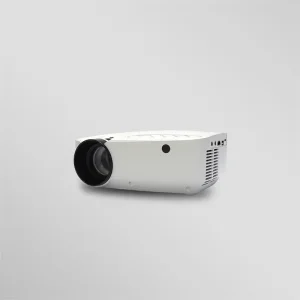
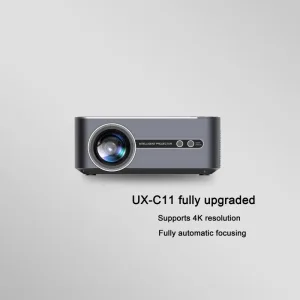
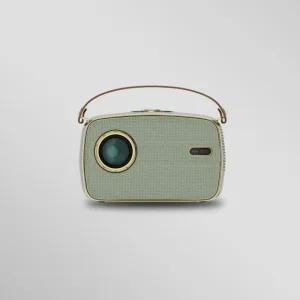
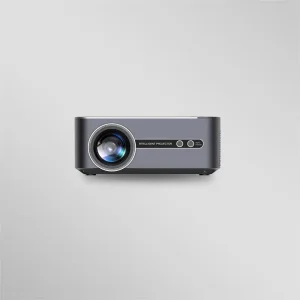
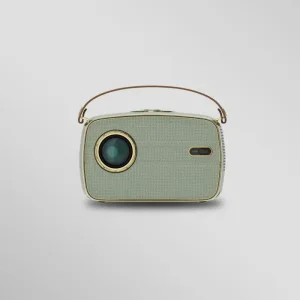
Explore our foundational smart projector modules, featuring high-lumen optical engines, integrated Android ecosystems, and custom tooling.
Leveraging deep technical engineering, vertically integrated manufacturing, and comprehensive global logistic networks.
Founded in April 2021, Youxi specializes in the comprehensive research, development, assembly, and vertical integration of high-performance smart projection systems and wearable devices. We manage the entire product lifecycle internally—spanning industrial design, optical path configuration, thermal simulation, SMT integration, precision structural assembly, and final compliance testing.
By consolidating our software engineering team in Shenzhen with our specialized manufacturing center in Fenggang Town, Dongguan, we ensure seamless transition from initial prototyping to volume production. We operate in compliance with major global environmental and trade frameworks, actively integrating eco-friendly manufacturing methods, lead-free soldering, and energy-conserving thermal algorithms into our product design pipelines.
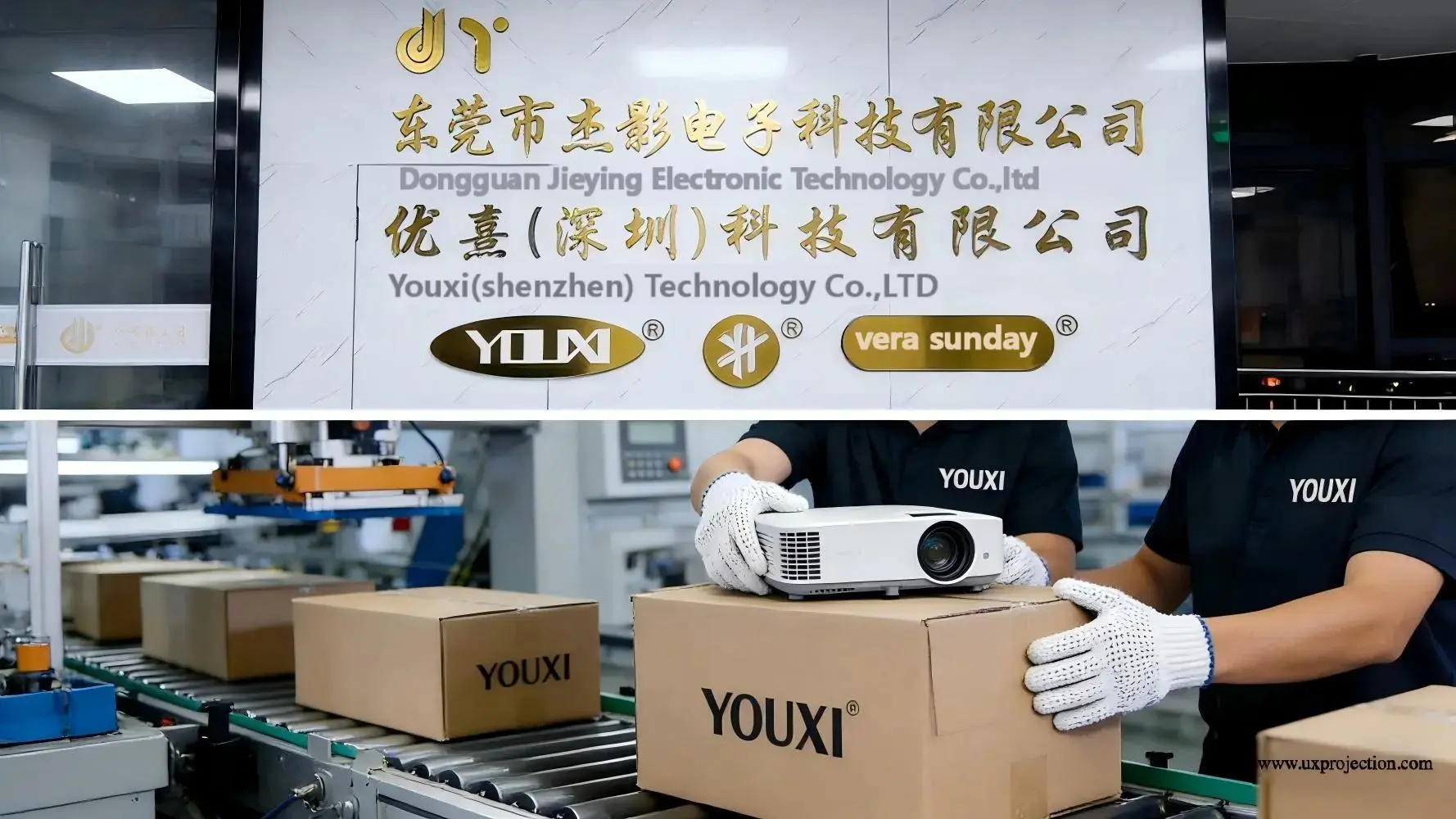
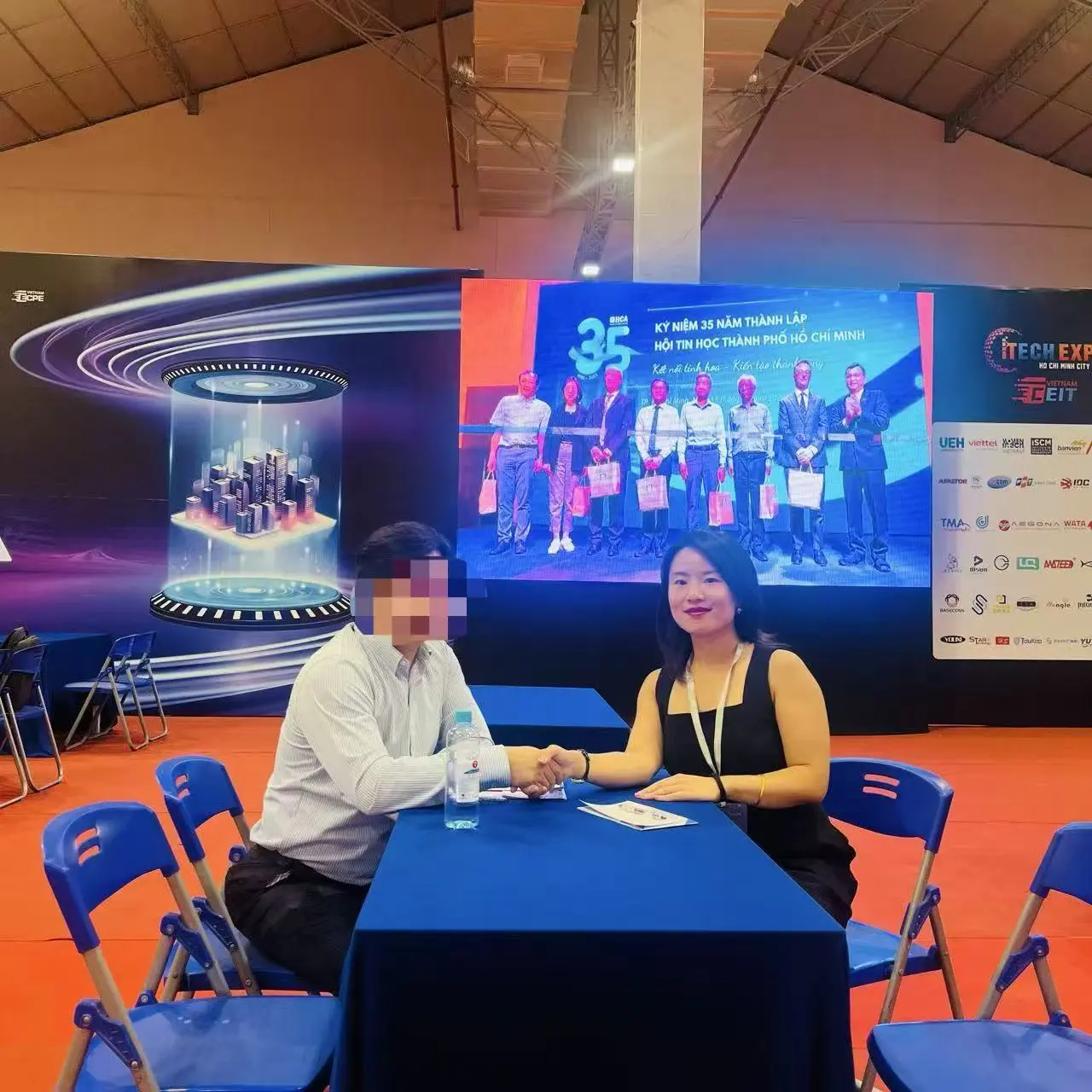
Fig 1: Supply Chain System & Logistics Hub Mapping
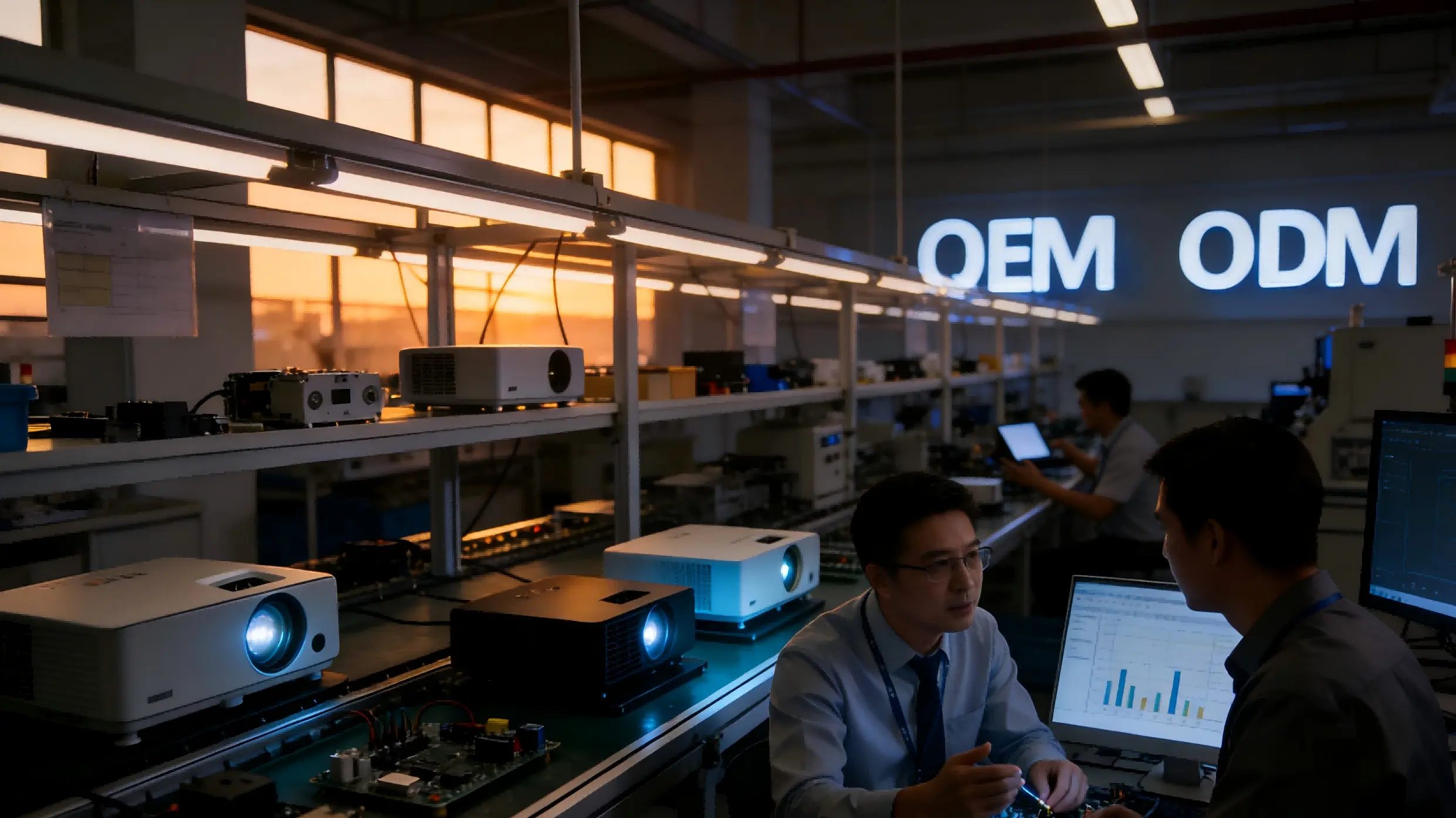
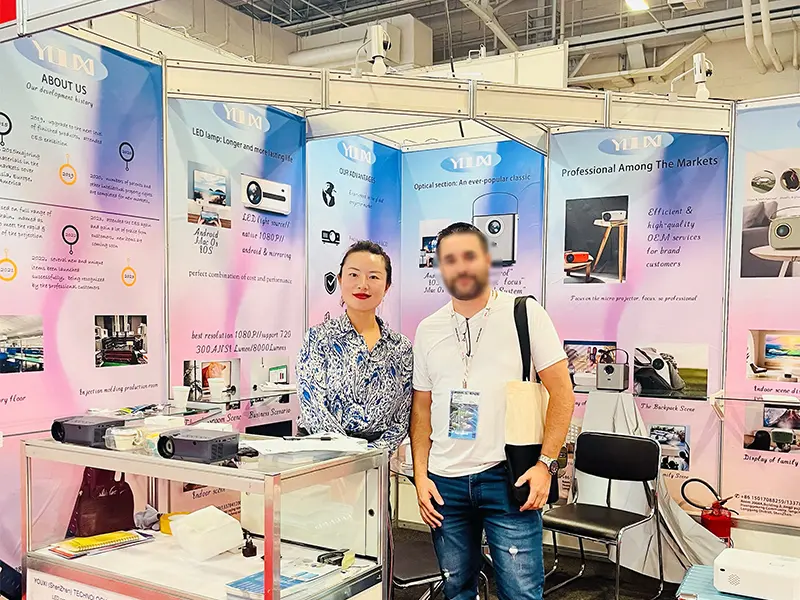
Fig 2: Optical Engine Housing Alignments
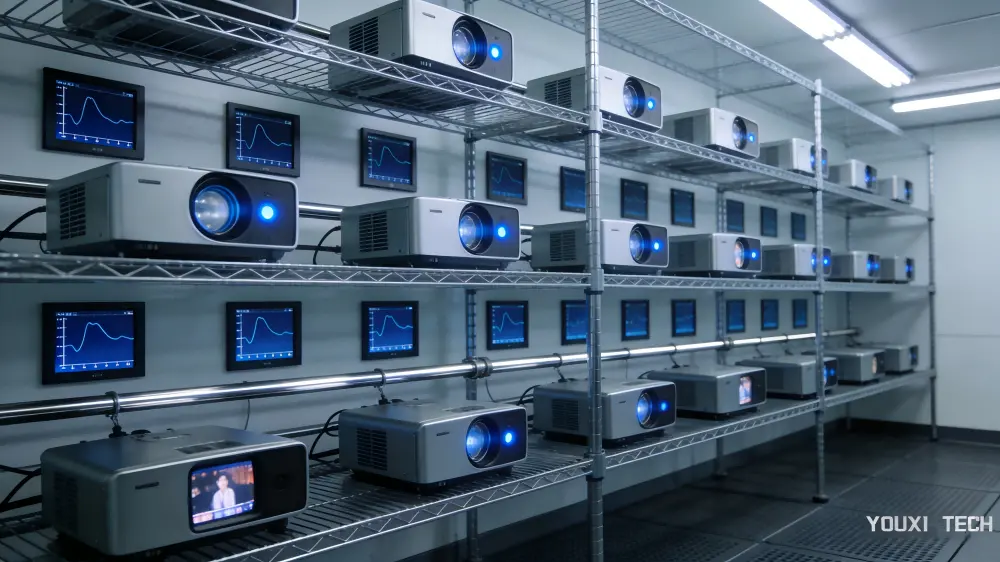
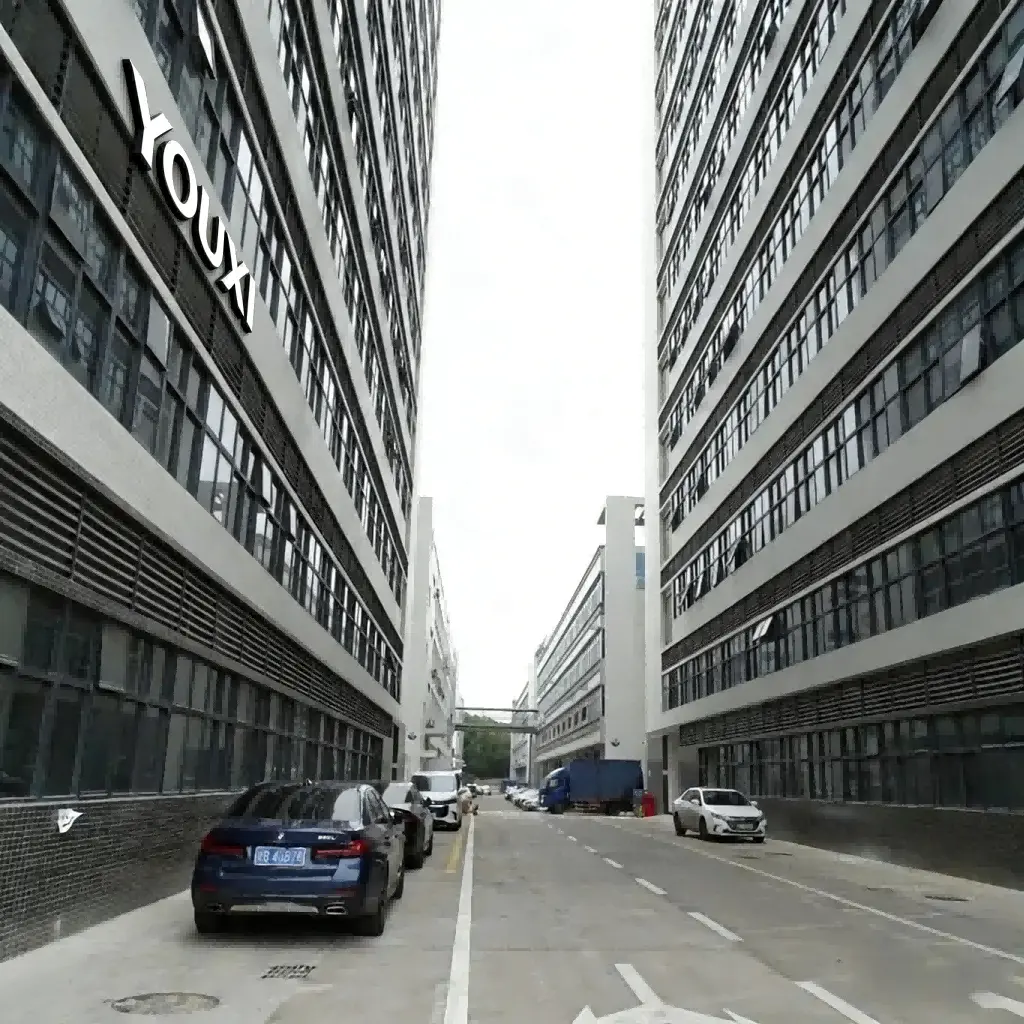
Fig 3: Optical Path Alignment Quality Control
Pioneering advancements in optical efficiency, closed-path thermal dynamics, and deep software-hardware synergy.
Conventional LCD projectors are susceptible to dust infiltration, resulting in black spots and rapid thermal degradation. Our R&D has engineered a fully enclosed optical engine rated at IP5X dust resistance. By isolating the LCD panel and optical components from the cooling airflow channel, we extend operational lifetime to >30,000 hours while maintaining 90% luminance uniformity over time.
Utilizing robust quad-core Cortex-A53/A55 processors paired with ARM Mali GPUs, our projection platforms support hardware-level AV1, VP9, and H.265 decoding up to 4K resolution. Our customized Android OS integrates seamless Over-the-Air (OTA) updates, custom launcher branding options for OEM customers, and optimized driver paths for low input-latency projection.
Incorporating Time-of-Flight (ToF) distance sensors and high-precision CMOS camera modules, our projectors run real-time autofocus, auto-keystone correction (±45° vertical and horizontal), and obstacle avoidance algorithms, delivering an instantly square and sharp display on any surface within 1.5 seconds.
For global buyers, navigating optical specifications requires rigorous technical transparency. A Native 1080P (1920x1080 physical pixels) display module utilizes a physical LCD panel of exact dimensions (typically 3.97-inch to 5.7-inch in LCD projectors) to render high-fidelity images without scaling artifacts. Contrast this with units that claim "4K Support" while only containing a 720P physical chip. Our native 1080P setups process 4K inputs, downscaling them with advanced bicubic filtering to preserve micro-details, ensuring genuine high-definition clarity.
Configuring tailored firmware and physical hardware form-factors to address targeted commercial sectors.
Optimized for high dynamic contrast and cinematic color spaces. Features dual-band Wi-Fi 6, Bluetooth 5.2 for wireless soundbar integration, and pre-integrated streaming frameworks.
Primary Spec: 350-600 ANSI LumensDesigned for clear text visibility in ambient light. Features HDMI CEC support, screen split utilities, office-document viewers built into the Android launcher, and multi-user casting protocols.
Primary Spec: High Brightness OpticCompact enclosures featuring ergonomic carrying handles, Type-C power input compatibility for power bank operations, and shockproof drop-resistant structures.
Primary Spec: Compact Form & HandleConfigured for 24/7 reliability. Custom firmware blocks default settings access, forcing a localized portal loop or customized advertising carousel upon system boot.
Primary Spec: Kiosk Mode FirmwareInside our production facilities, where specialized manufacturing processes ensure high-yield rates and consistent reliability.
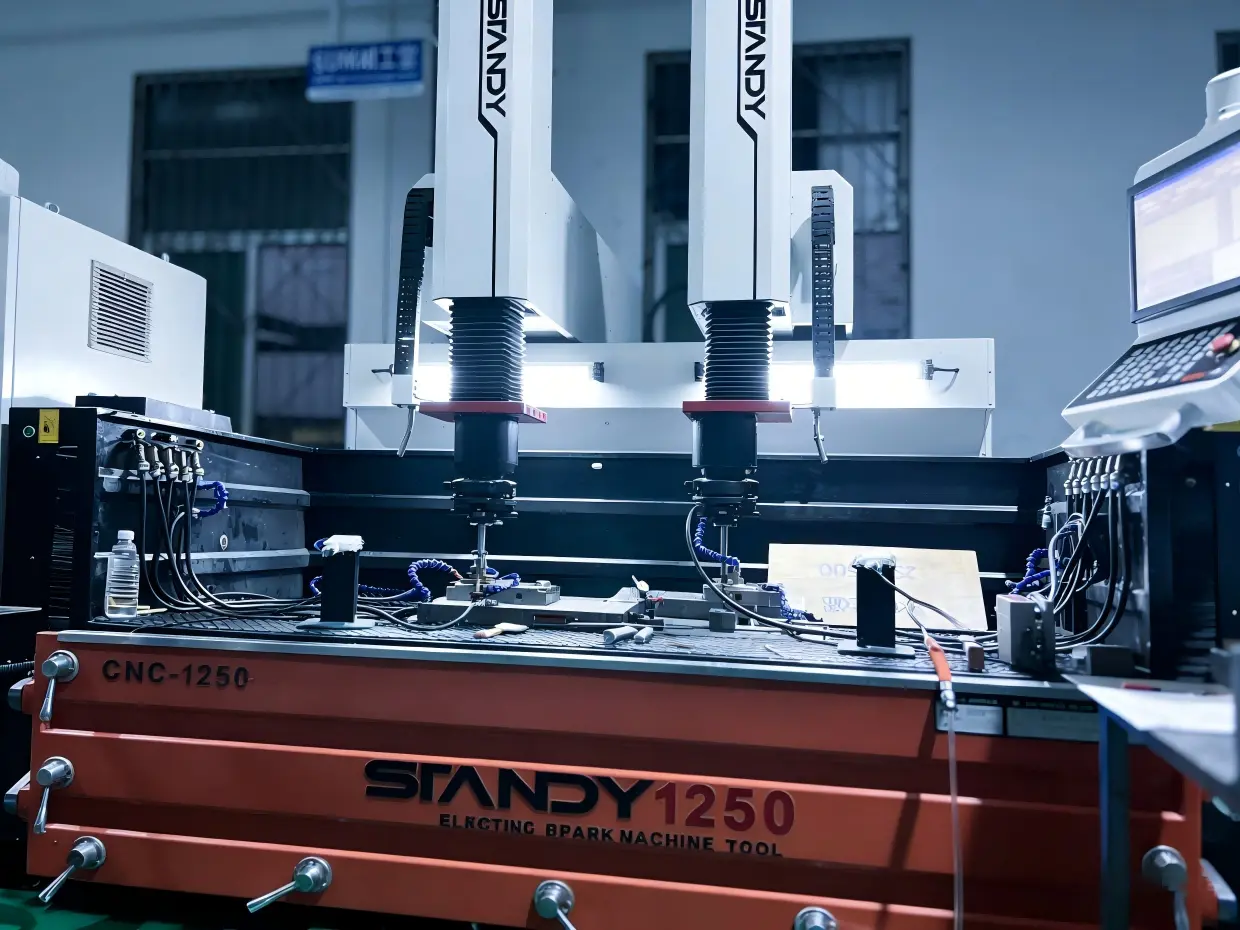
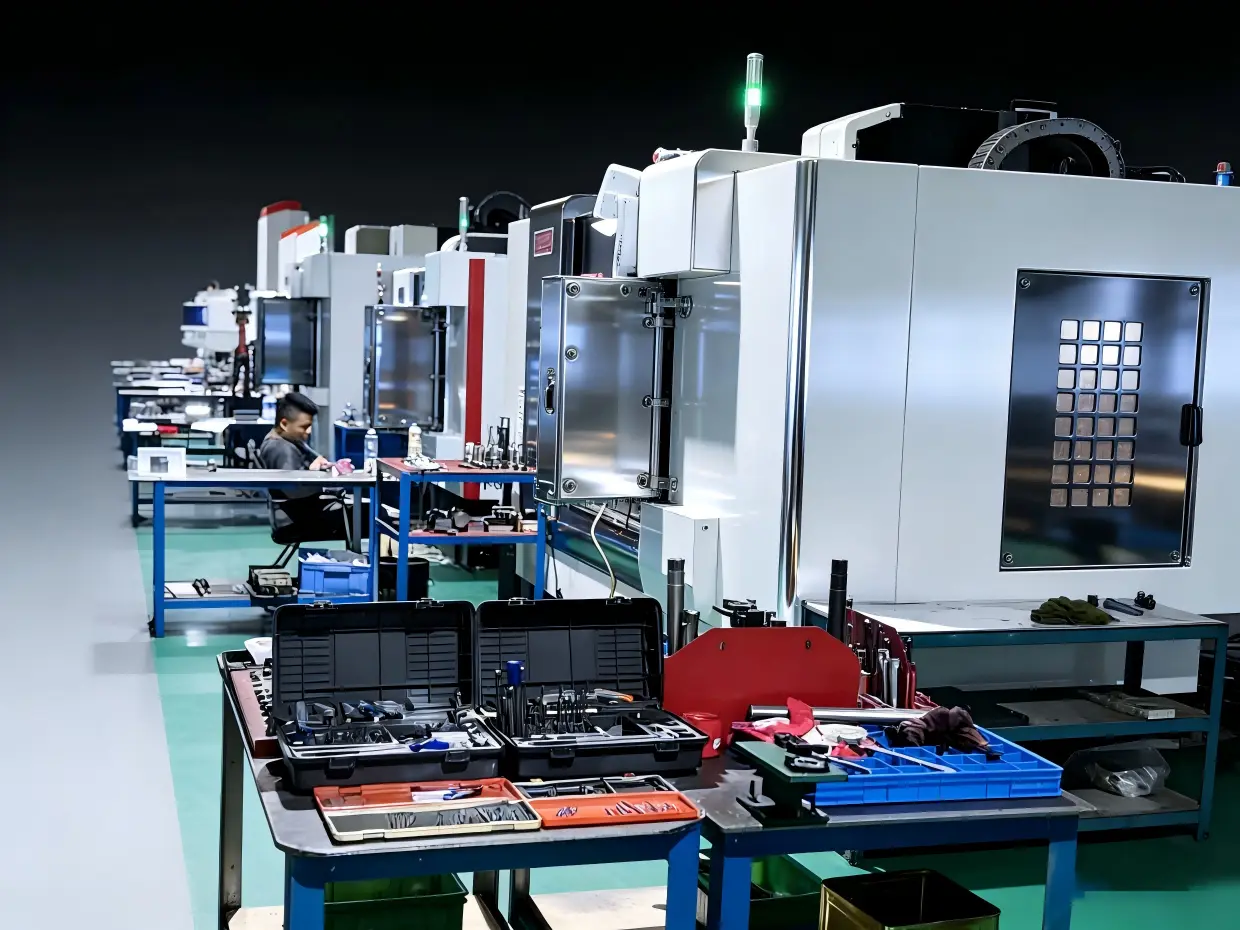
The structural integrity of a projector housing determines its long-term thermal stability and acoustic resonance. Located adjacent to our core assembly plant, our dedicated mold injection workshop utilizes advanced CNC milling centers and high-tonnage injection machines. We maintain tolerances of <0.02mm to ensure perfect alignment of optical mounts and seal tracks, eliminating light leakage and chassis rattles.
Spanning a total footprint of 4,000 square meters, our production floors are structured around strict 5S cleanliness standards. Dust particles represent the primary failure vector in LCD optics; thus, our optical alignment and panel integration processes are conducted within Class 10,000 dust-free clean enclosures. Over 100 assembly technicians execute structured procedures to ensure that every unit produced is free of internal dust contamination.
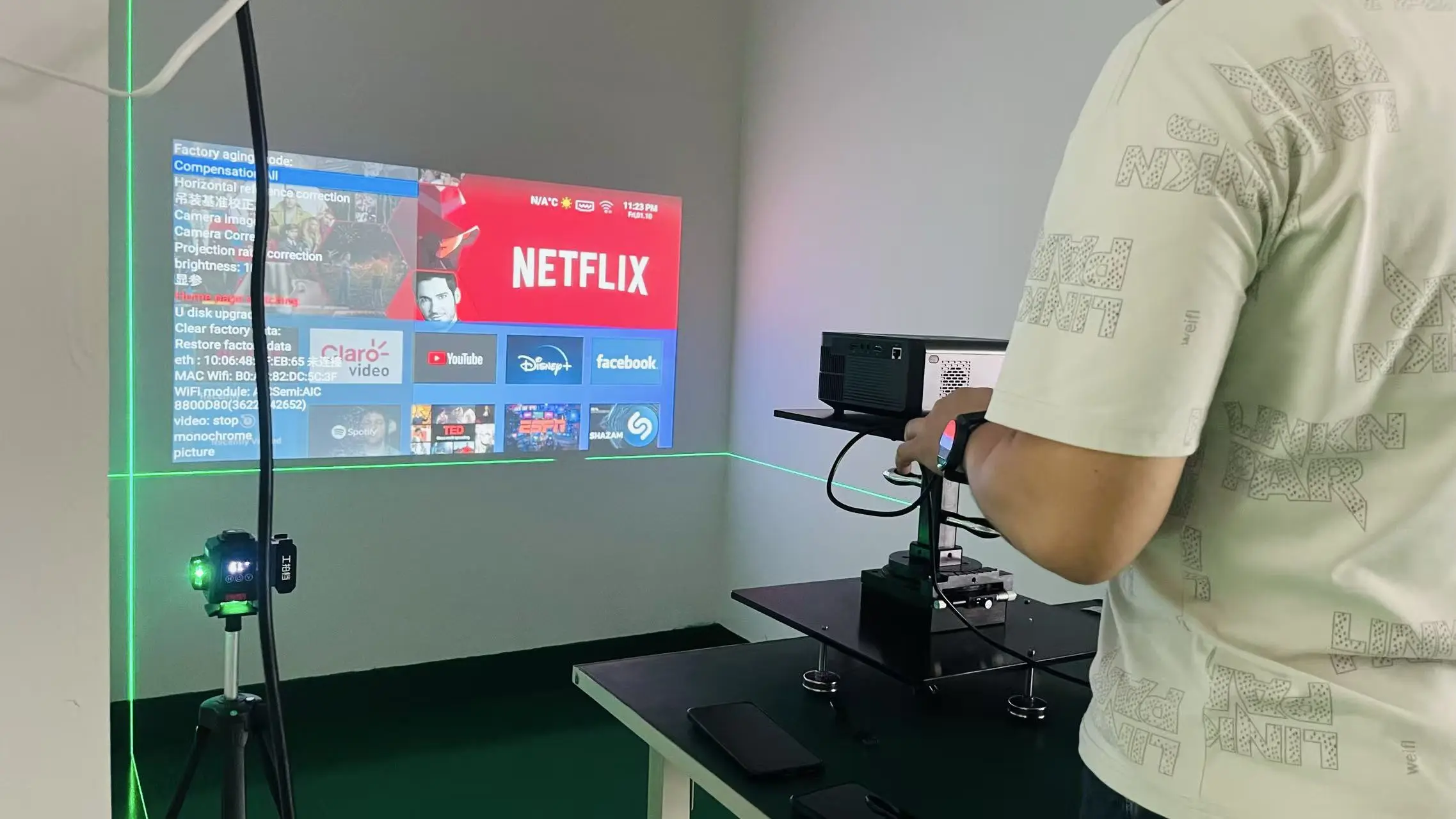
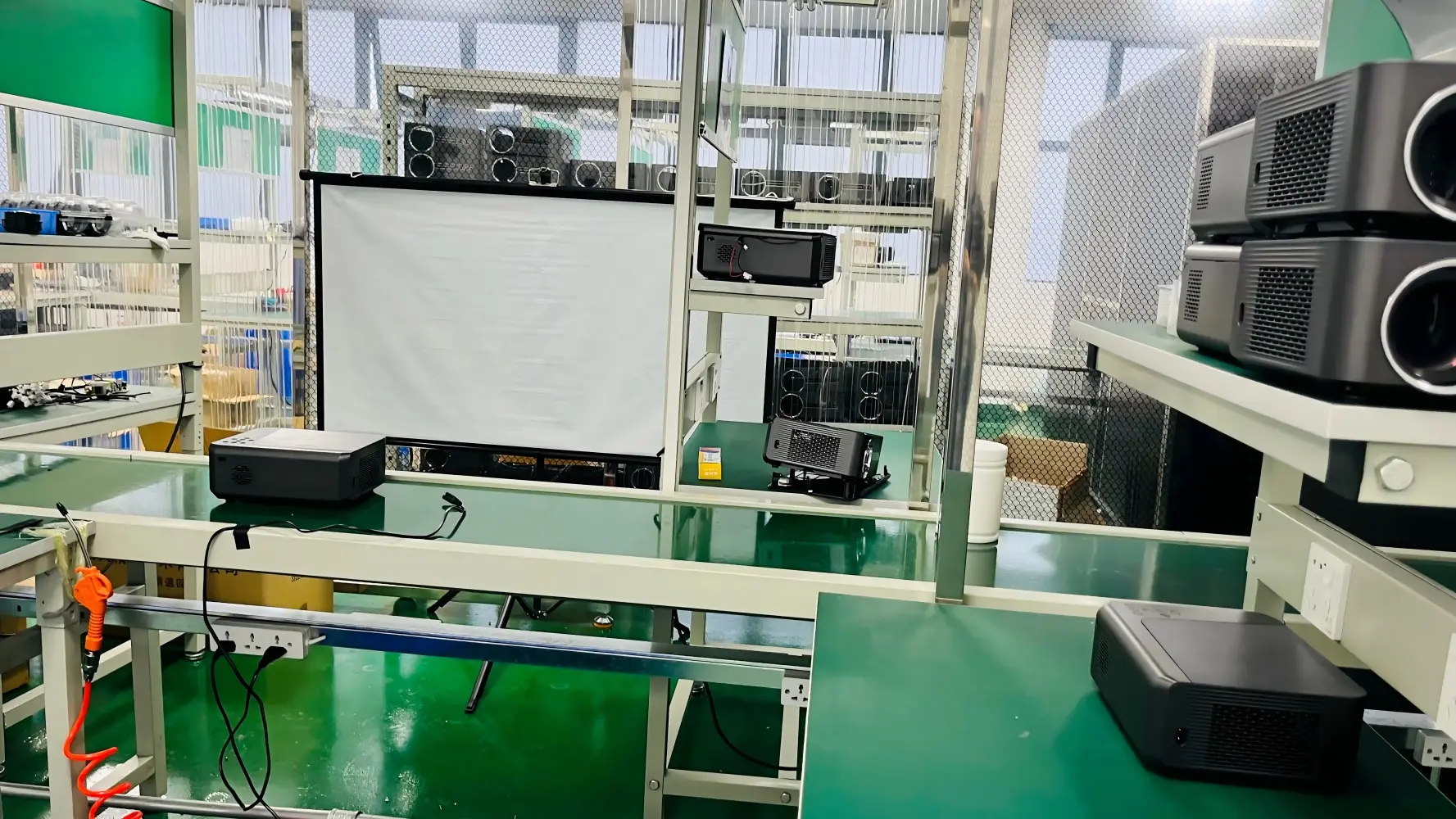
To maintain low return rates, we operate 12 dedicated testing rooms divided into two functional QC groups. Our quality protocol includes Incoming Quality Control (IQC) on driver boards and LEDs, In-Process Quality Control (IPQC) immediately following optical assembly to calibrate image geometry, and Outgoing Quality Control (OQC) to verify color temperature, ANSI lumen output, and network stability.
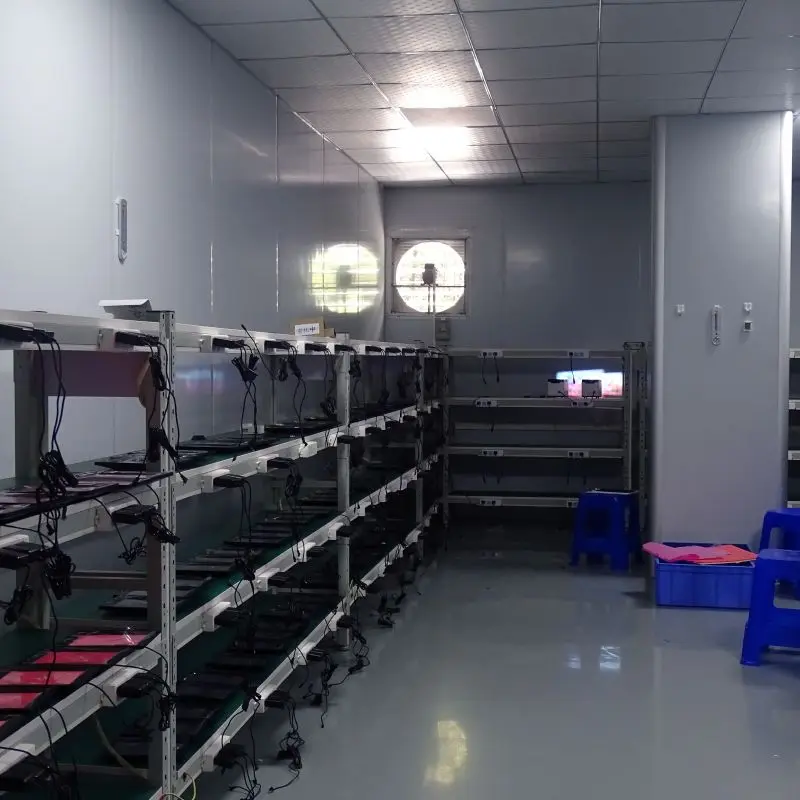
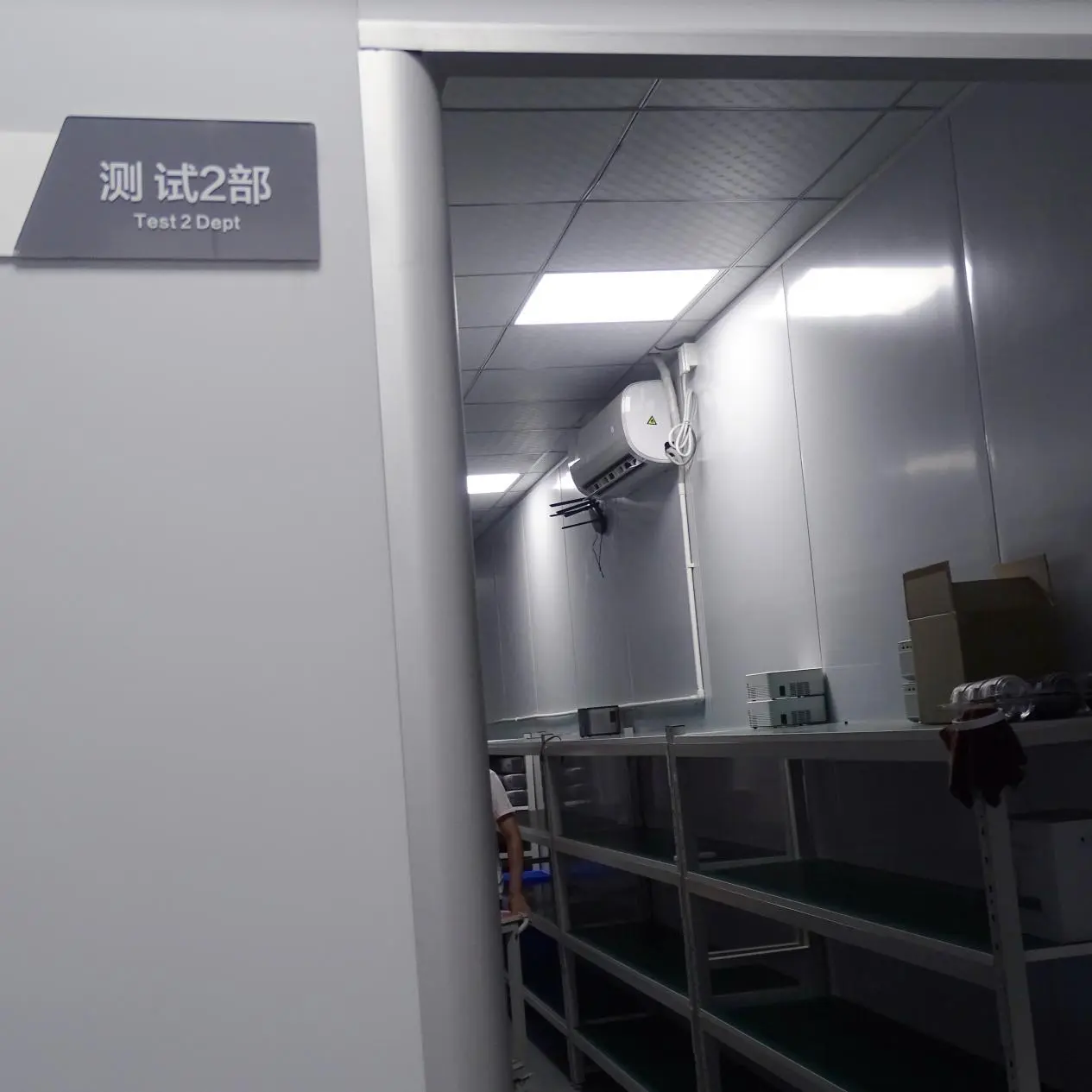
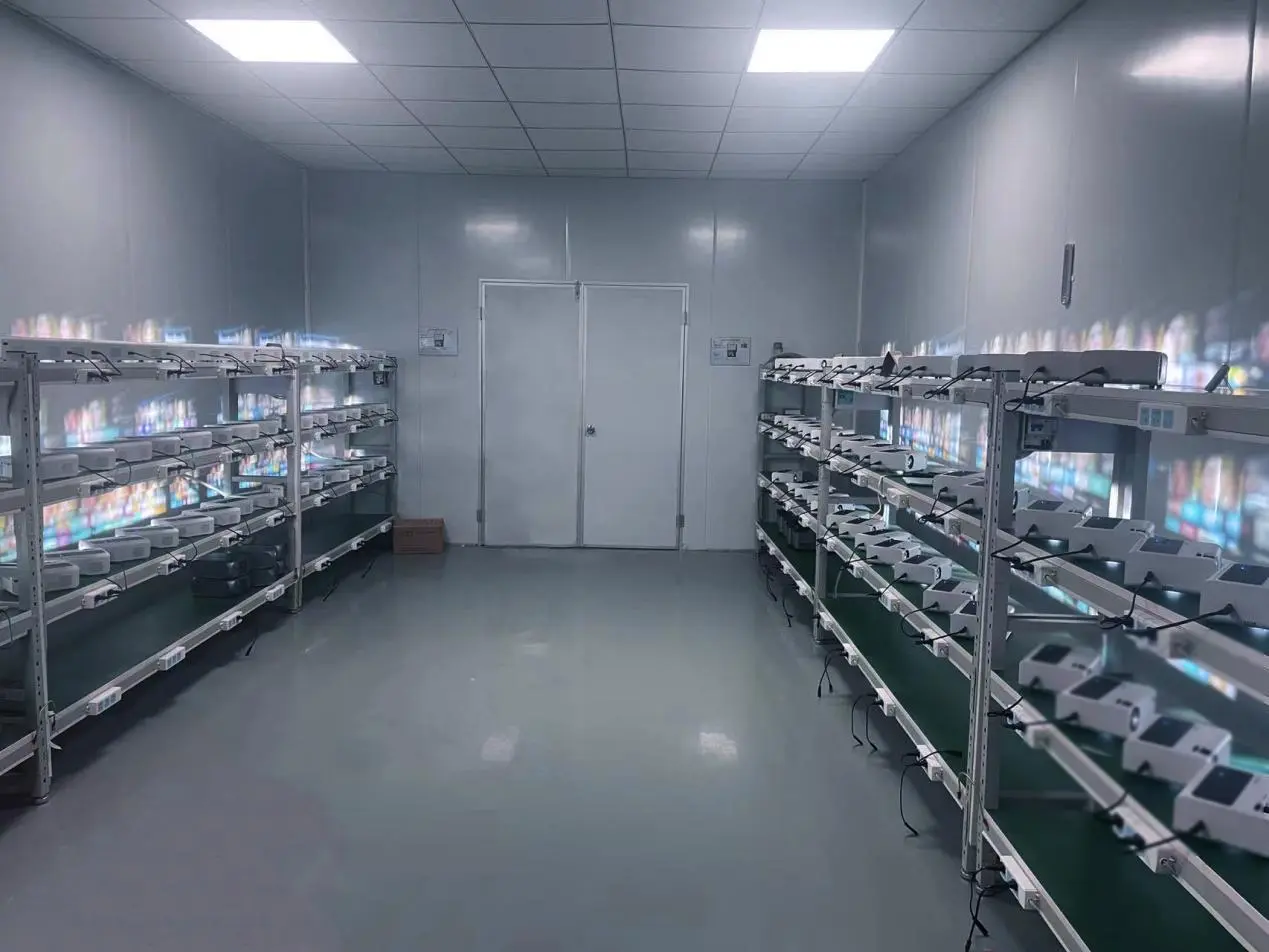
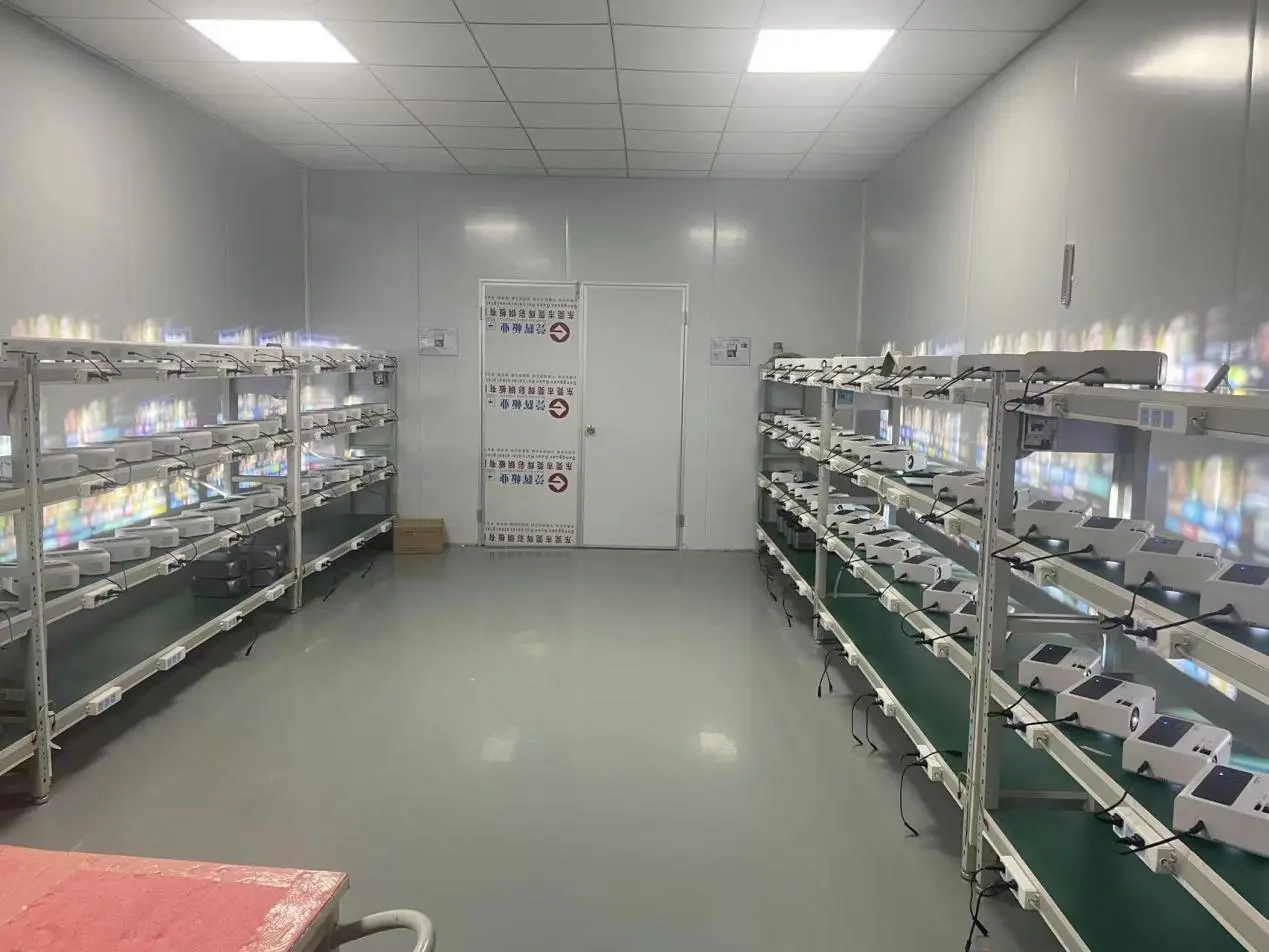
Electronic infant mortality and thermal runaway risks are minimized by routing 100% of finished assemblies through our high-capacity burn-in chamber. Positioned next to the testing department to minimize transit handling, the chamber hosts up to 200 machines simultaneously. Each projector undergoes continuous power-cycle testing and high-brightness output tracking for 4 hours to verify fan curve response, LED driver thermal plate dissipation, and processor stability.
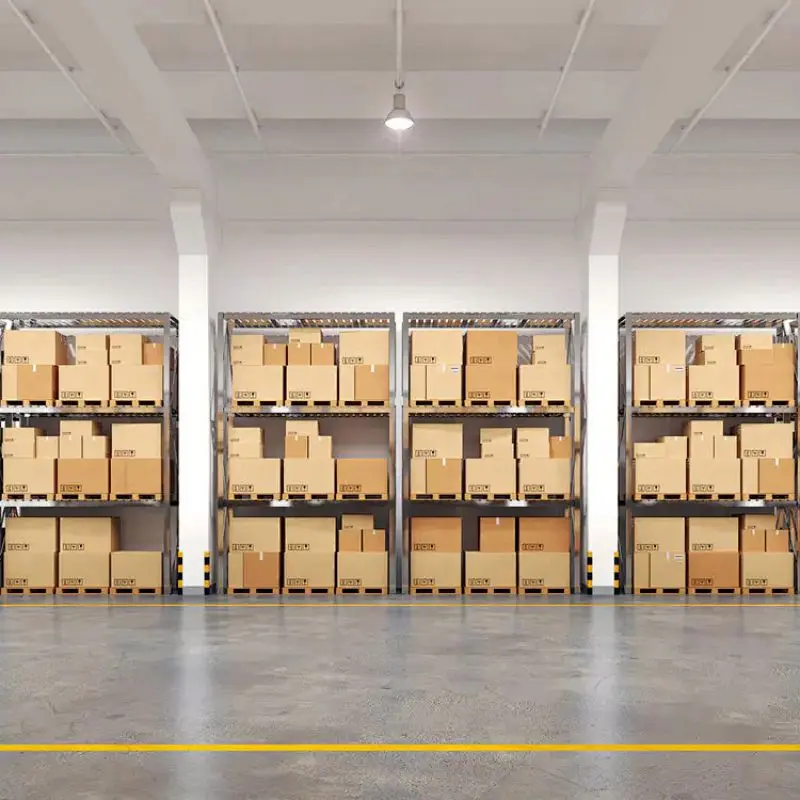
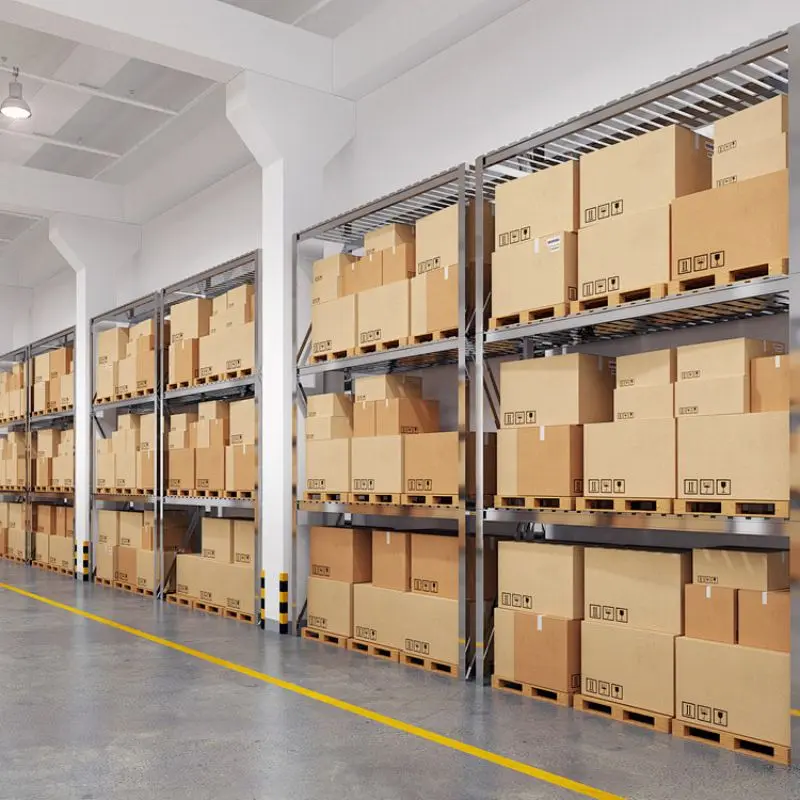
Our finished product warehouse covers a designated 300 square meters, integrated directly with the final packaging line to prevent shipping delays. The space is humidity-controlled and protected from temperature spikes to safeguard the sensitive optical polarization elements inside the projectors. We utilize standard heavy-duty pallets and drop-tested master cartons to ensure that all B2B shipments arrive intact.
Meeting regional regulatory requirements and localized user experience demands across global markets.
All hardware configurations are built with CE, FCC, RoHS, CCC, Telec, and KC compliant componentry. We handle localized electrical safety assessments, ensuring correct power supply units (PSU) and fused plug variations are bundled for target retail destinations.
For premium streaming services like Netflix, Prime Video, and Disney+, we offer Widevine L1 certified hardware options. This allows users to access high-definition (1080P/4K) content natively, avoiding the standard Widevine L3 limitations that restrict streams to 480P resolution.
Our Android firmware builds support over 40 global languages. Remote control units can be customized with dedicated button layouts for regional voice assistants, and we provide localized Quick Start Guides in multi-lingual packaging designs.
Understanding customization limits, packaging design processes, and logistical lead times for volume manufacturing.
Youxi operates as a dedicated partner to global brands, e-commerce distributors, and wholesale agencies. We provide two core cooperation models:
Our baseline Minimum Order Quantity (MOQ) starts at 500 units for standard brand customization, scaling to 2,000+ units for bespoke housing tooling modifications. Lead times range from 15 working days for standard orders to 35-45 days for complex custom designs.
Direct technical explanations addressing key B2B sourcing inquiries, certification requirements, and mechanical parameters.
Explore our compact, high-value smart projector designs, engineered for outdoor portability and smart home ecosystems.
 Youxi projection