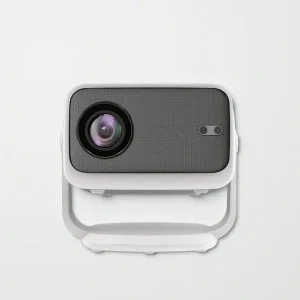
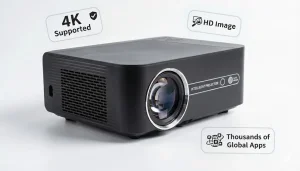
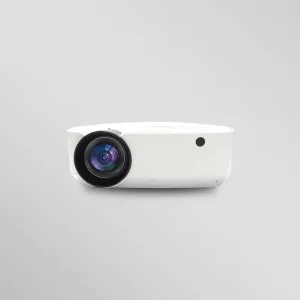
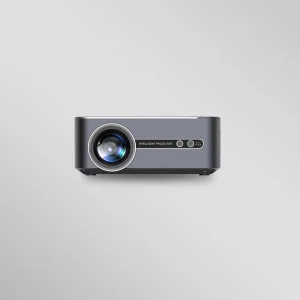
Premium OEM/ODM Micro-projection and Smart Android Projection Devices Direct from Dongguan Factory Production Lines
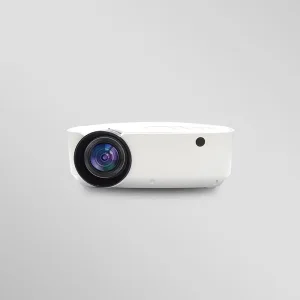
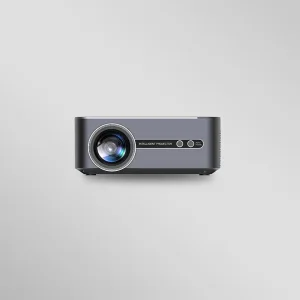
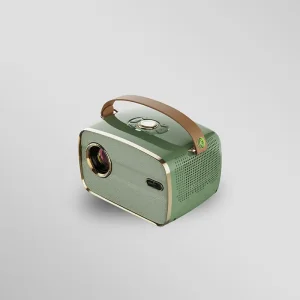
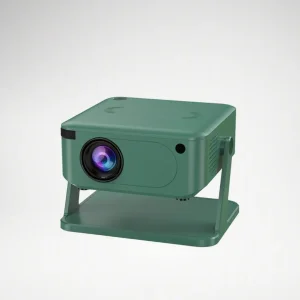
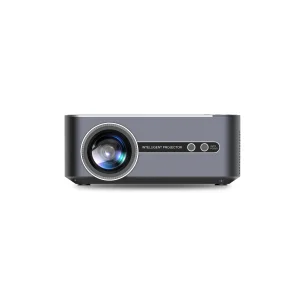
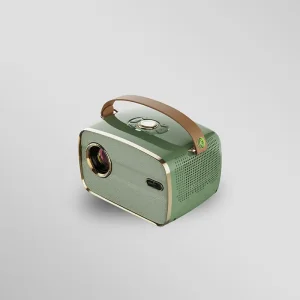
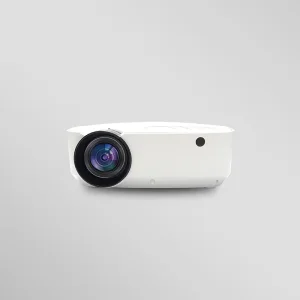
Analyzing the Convergence of Mobile Communications and Optoelectronic Engineering in Modern Projector Phones
The term "Projector Phone" has evolved beyond the monolithic integration of a micro-projector inside a standard cellular chassis. Today, it describes an entire ecosystem: pocket-sized projection hardware, micro-DLP optical engines, and intelligent software middleware that connects natively with modern smartphones. Historically, micro-projection suffered from physical boundaries: severe thermal throttling, dim outputs, and rapid power drainage.
Over the past five years, Chinese manufacturing hubs in Shenzhen and Dongguan have redefined this product sector. The combination of high-efficiency LED light paths, advanced Digital Light Processing (DLP) DMD chips, and innovative Liquid Crystal on Silicon (LCoS) panels has enabled projector systems to decrease in size by 65% while increasing ANSI Lumens by over 300%. Modern portable projection systems function either as integrated units (smart projectors running Android/Google TV) or modular components linked via USB-C, Wi-Fi, and Bluetooth 5.0 to act as secondary screens for smart mobile devices.
SEO Insight & Information Gain: When sourcing "Projector Phones," contemporary B2B buyers search for compatibility, optical engine efficiency, thermal footprint, and built-in Smart OS licensing. A simple hardware wrapper is no longer competitive; value lies in certified operating systems (such as Official Netflix & Google TV certifications) and advanced system architecture.
The global demand for portable micro-projection technology has bifurcated into distinct commercial lanes:
Requires high native resolution (FHD 1080P/4K decode), immediate wireless casting (AirPlay/Miracast), and compact sizing to fit into laptop sleeves.
Demands robust housings, cost-effective replacement lamps/LED cycles (20,000+ hours), and localized system setups for environments with limited internet connectivity.
Prioritizes low noise, integrated speakers, autofocus, automatic keystone adjustment, and pre-licensed platforms like Netflix and YouTube.
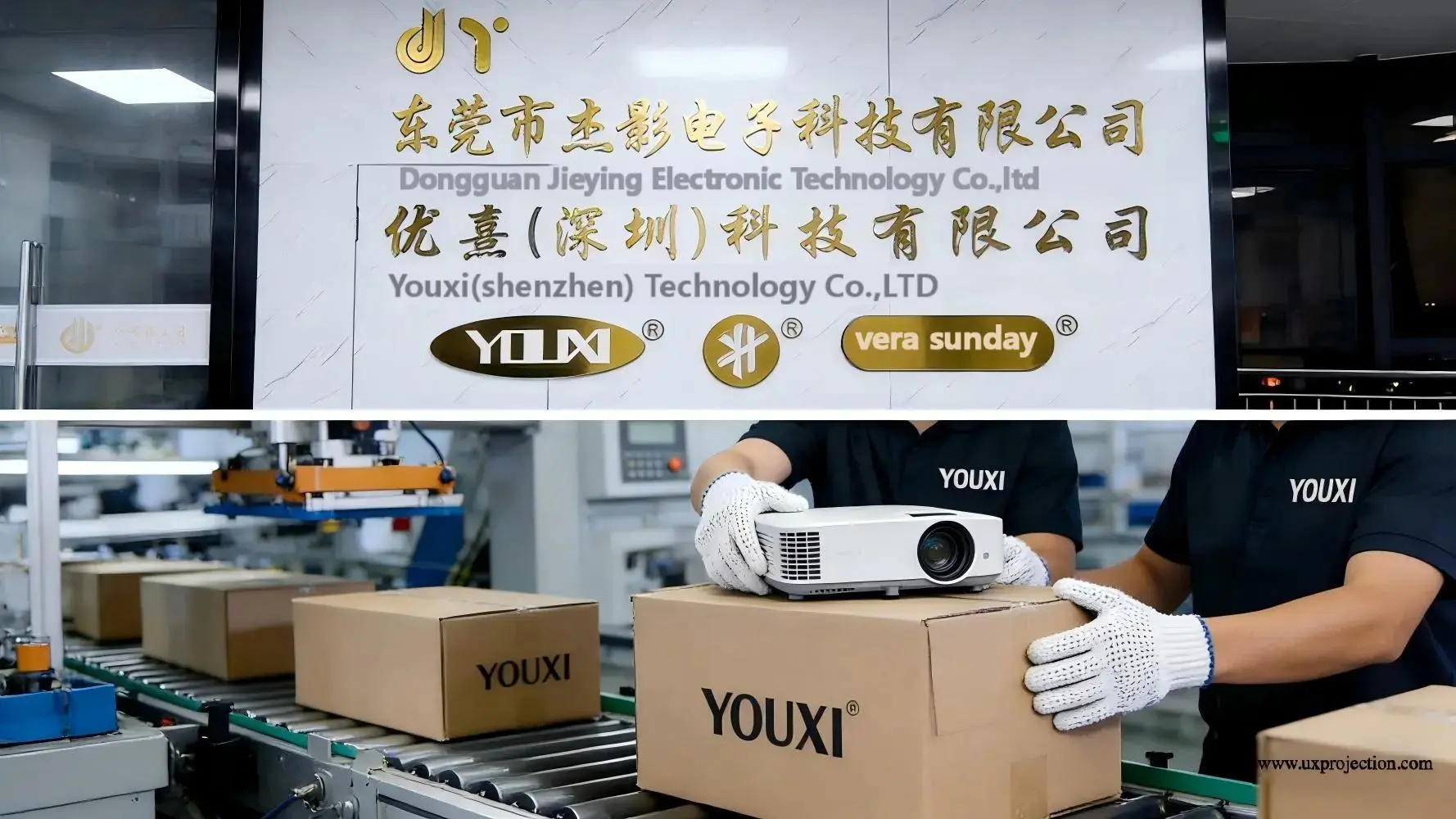
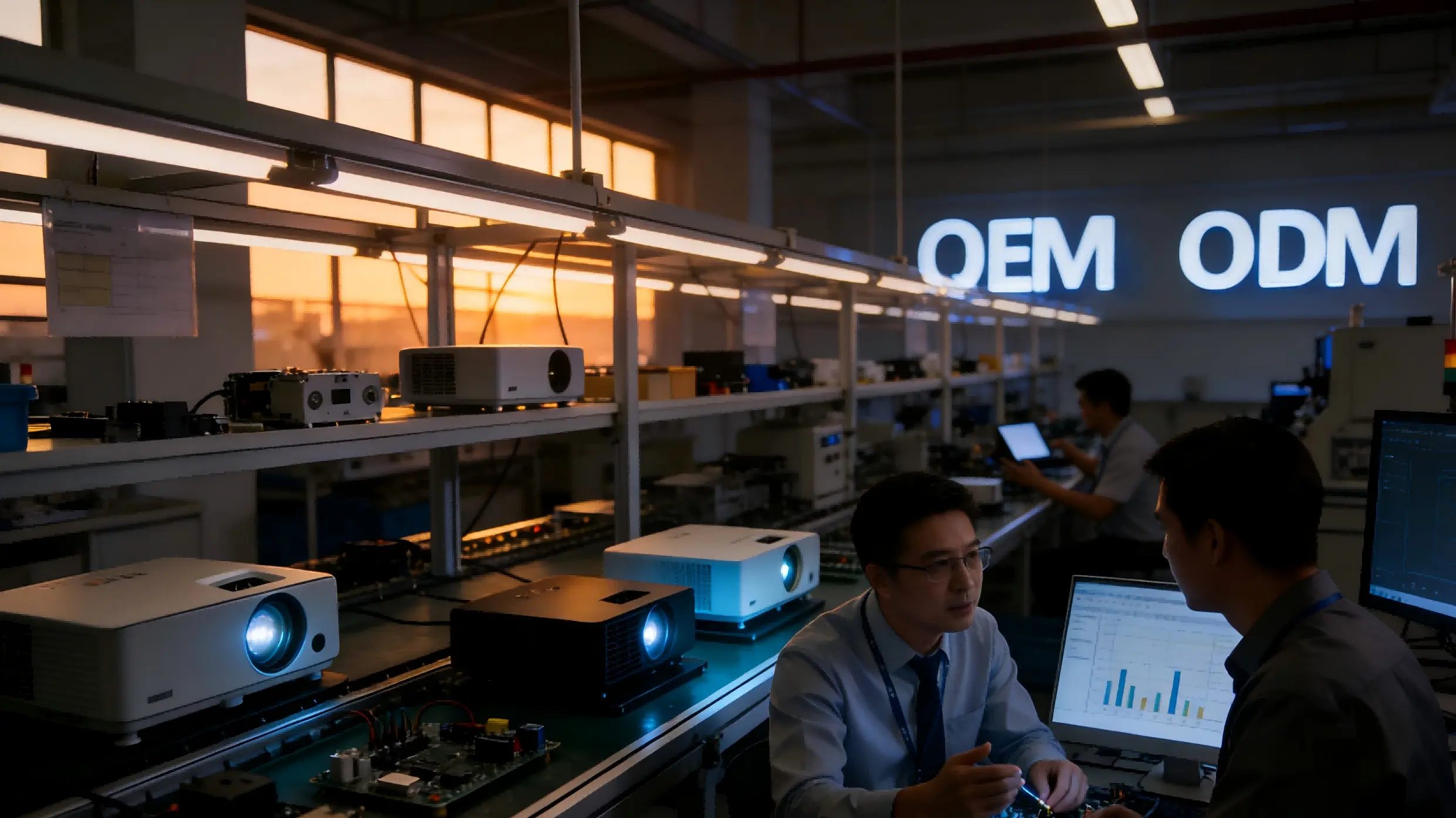
Established in April 2021, Youxi (Shenzhen) Technology Co., Ltd. specializes in the research, development, and vertical integration of smart projection hardware, wearable smart devices, and high-performance micro-optical engines. By controlling every stage of the product lifecycle—from basic lens assembly to finished, certified software stacks—Youxi provides global enterprise brands, wholesale agents, and system integrators with unparalleled OEM/ODM services.
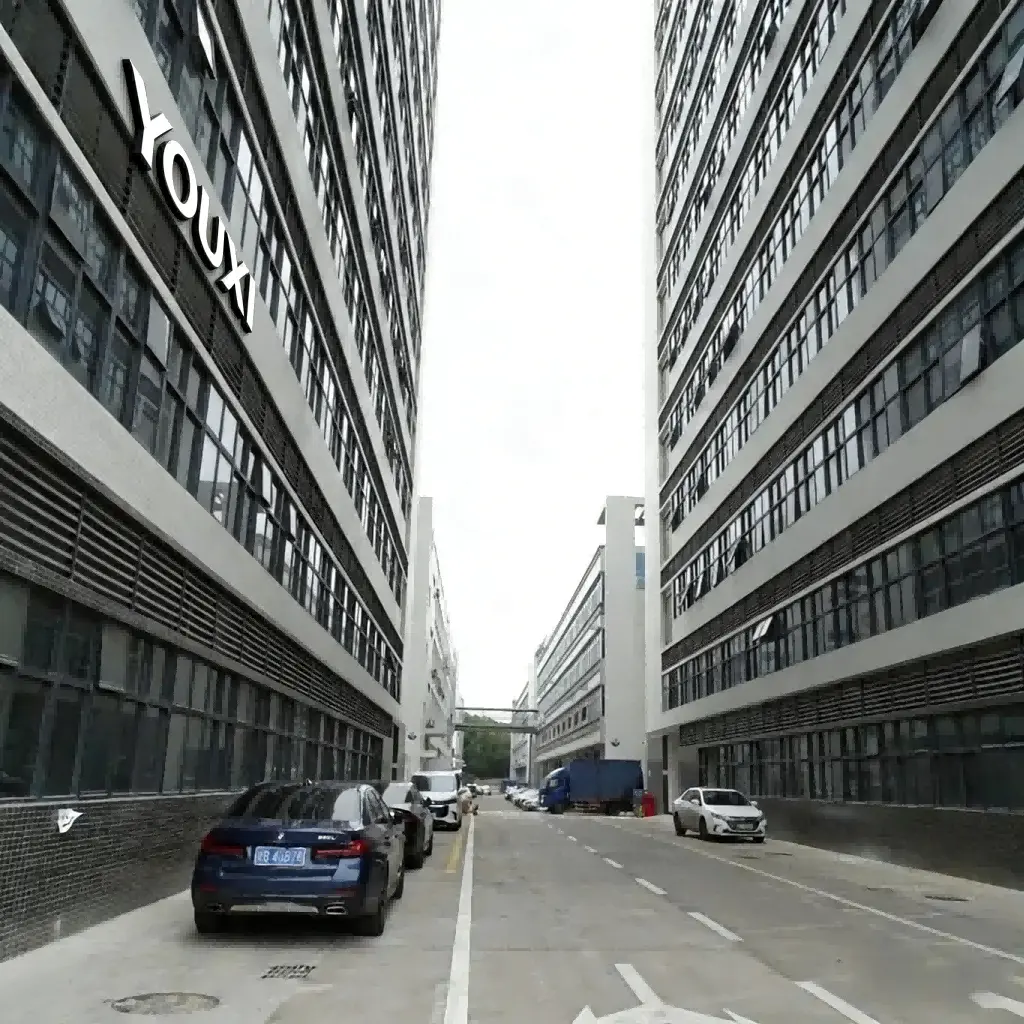
Operating in the heart of China's optical-electronic corridor, Youxi leverages strategic geographical positioning. Our corporate headquarters in Shenzhen facilitates rapid R&D turnaround, component sourcing, and international commerce, with the Hong Kong Port situated just 40 minutes away.
To support high-capacity deployment schedules, Youxi manages its principal manufacturing assets through a dedicated 1,000-square-meter facility in Fenggang Town, Dongguan City. This hub is optimized for precision assembly, housing modern lines capable of exceeding 30,000 monthly units.
Our manufacturing processes follow eco-conscious principles. By using energy-efficient designs, green materials that meet RoHS directives, and waste reduction methods during plastic injection, we contribute to global sustainable manufacturing goals.
Youxi offers comprehensive custom services:
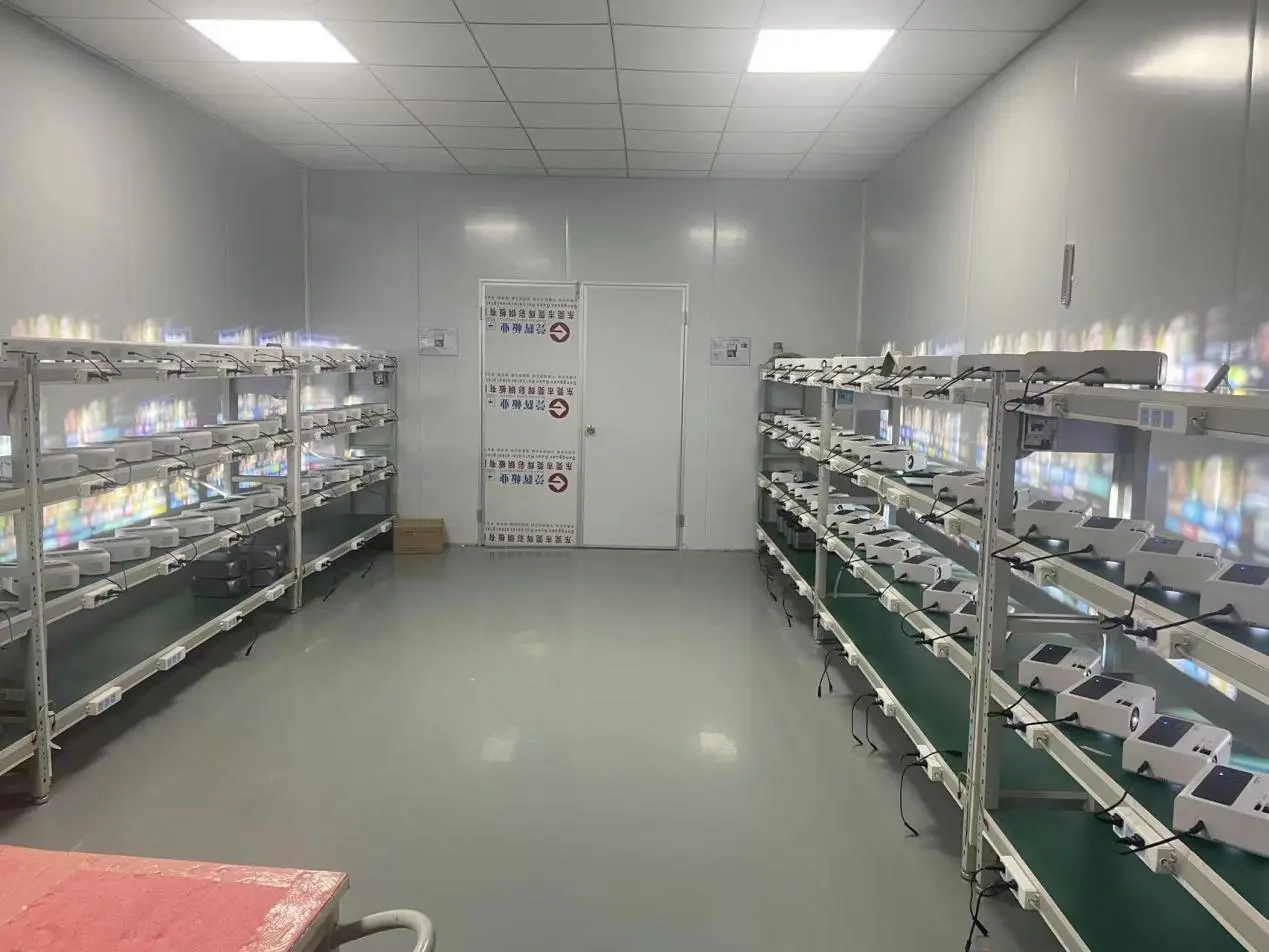
Explore the specialized, dust-free manufacturing zones and testing infrastructures that ensure consistent product quality.
China's manufacturing dominance is built on supply chain integration. In Youxi's manufacturing facility, optical alignment, thermal modeling, and plastic injection occur in close physical proximity, reducing typical lead times.
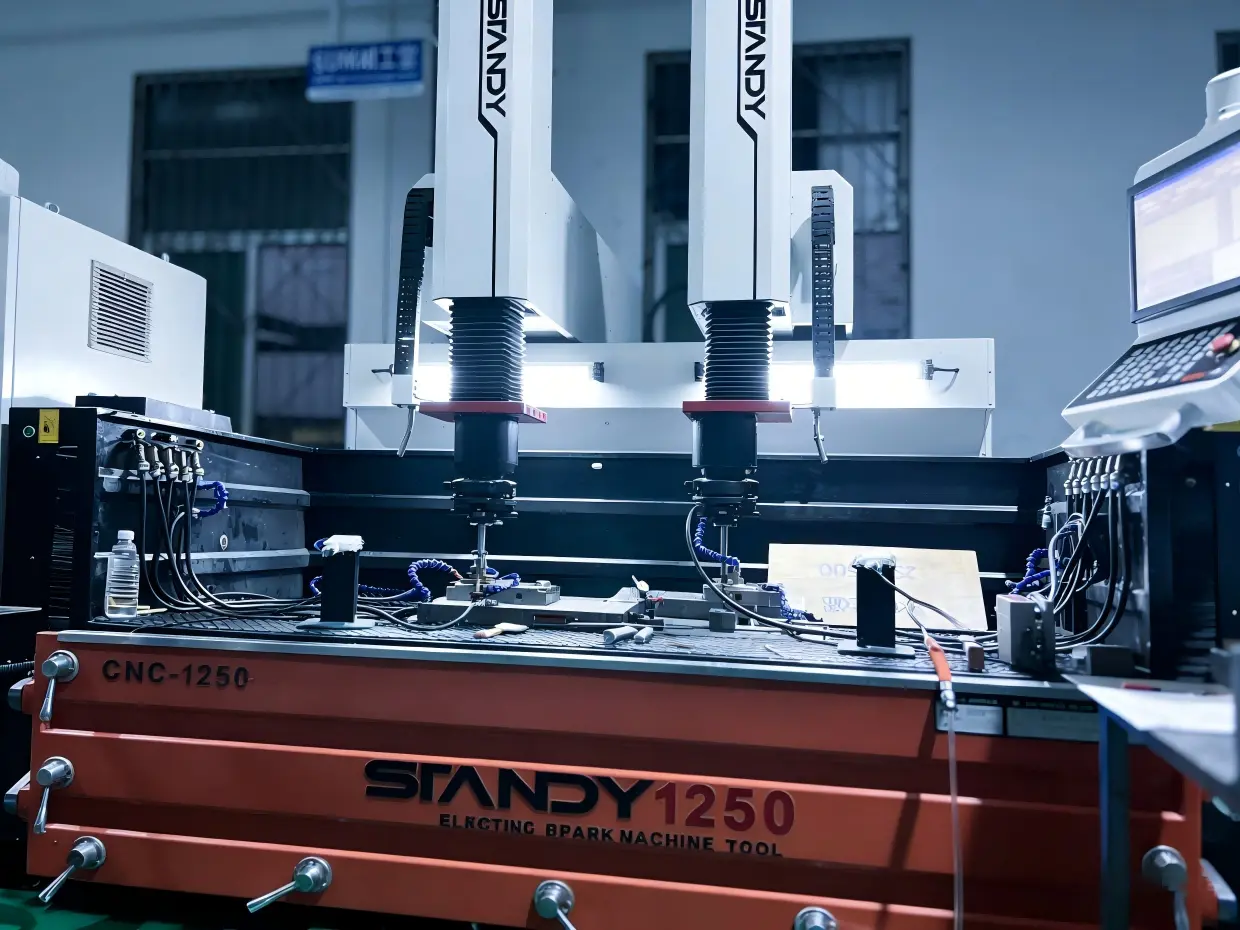
Our dedicated mold and injection workshop is situated next to the main production floor. Outfitted with high-precision CNC units and digital plastic-injection machines, it produces projector casings that meet demanding structural tolerances. Strict control over the molding process prevents light leakage and ensures optimal alignment of the micro-projection lens elements.
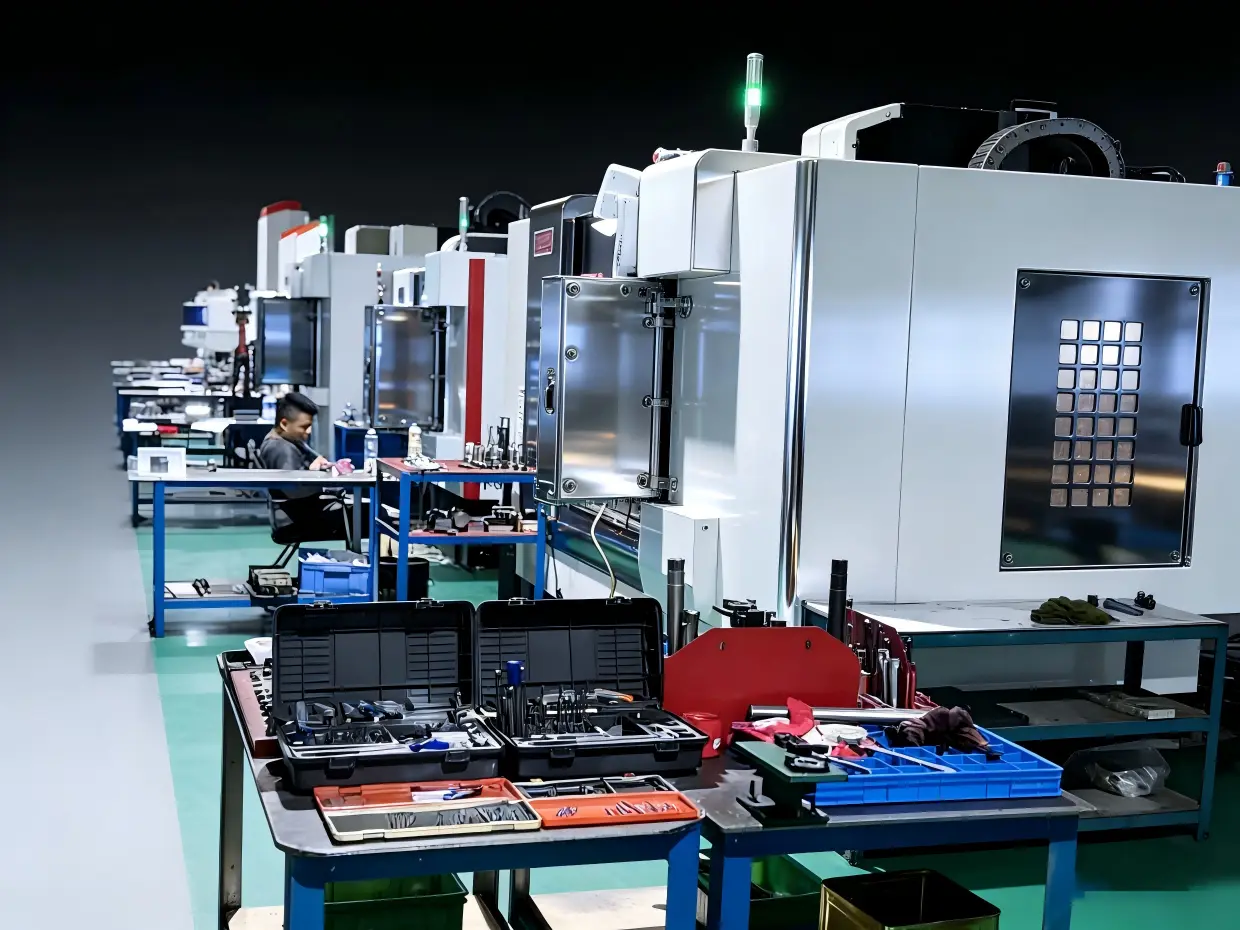
Dust is a major cause of defect in micro-projection manufacturing, often resulting in permanent black spots on the projected image. Our clean assembly spaces use a 5S management protocol. This system helps prevent contamination during the pairing of LCD panels, polarizing filters, and LED light sources. Over 100 experienced workers run our clean lines, ensuring a monthly maximum assembly capacity of 50,000 projection units.
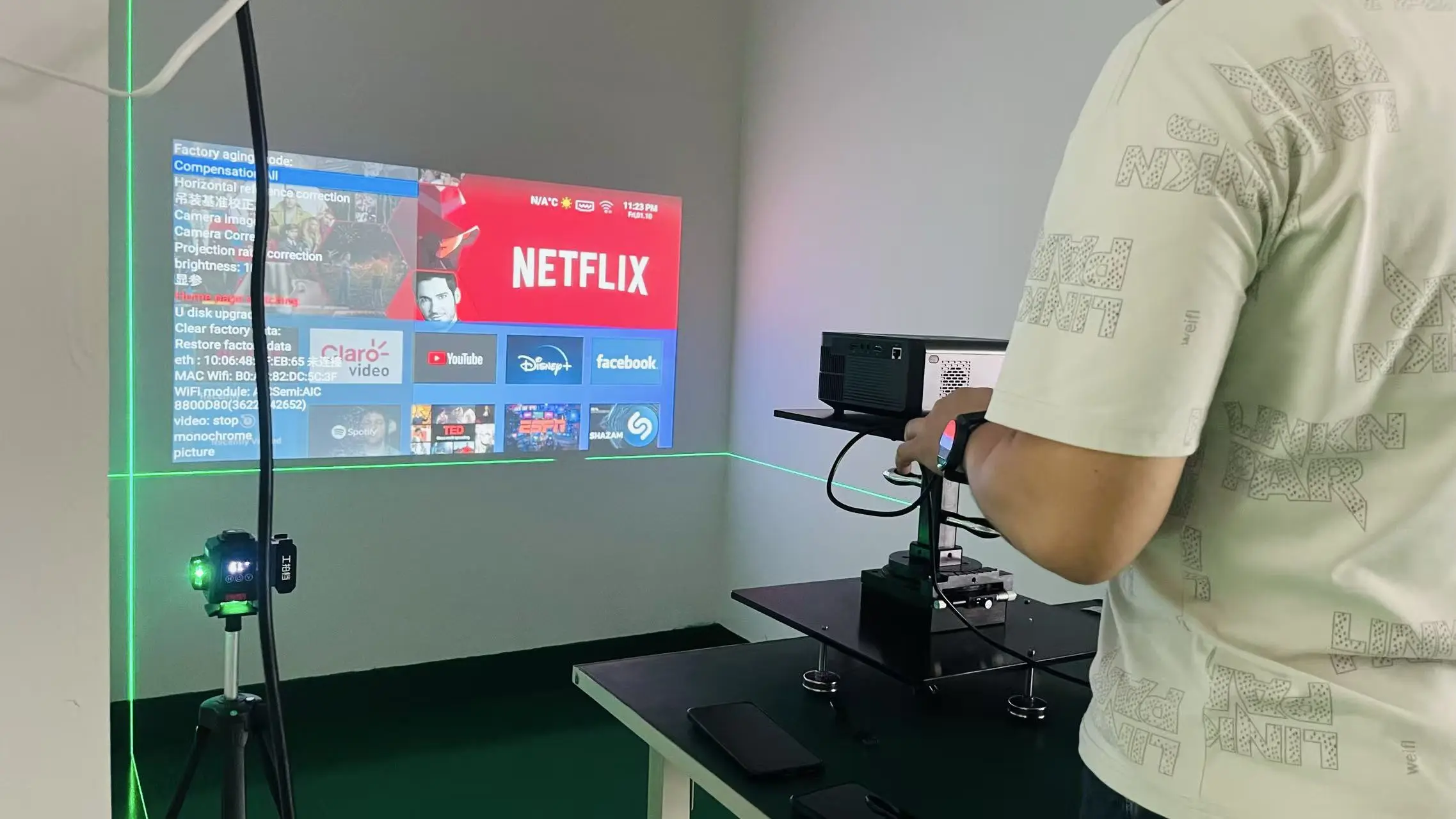
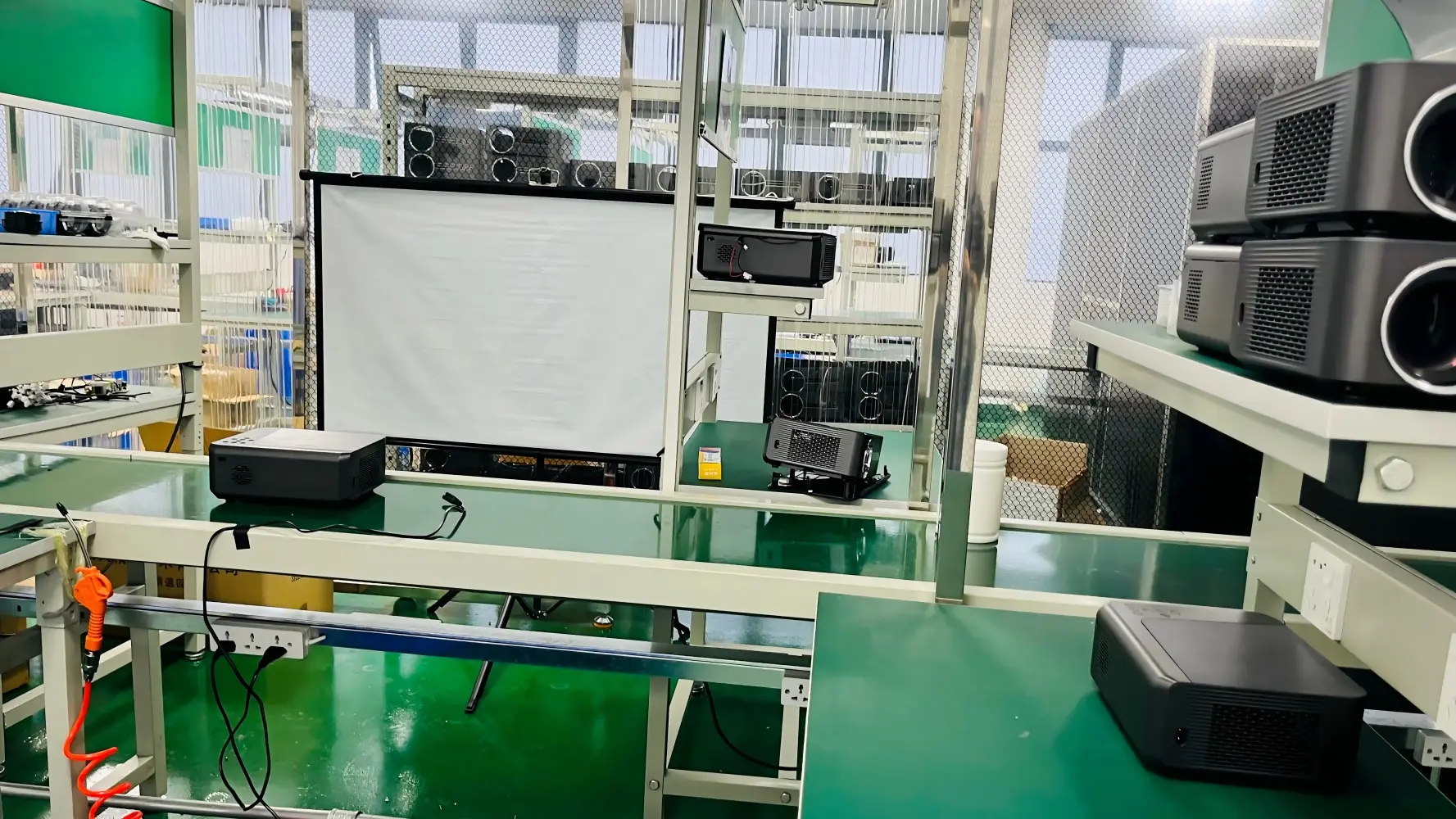
To maintain low RMA (Return Merchandise Authorization) rates, Youxi utilizes two distinct quality control teams across 12 testing rooms. Our quality inspectors execute a three-part inspection flow:
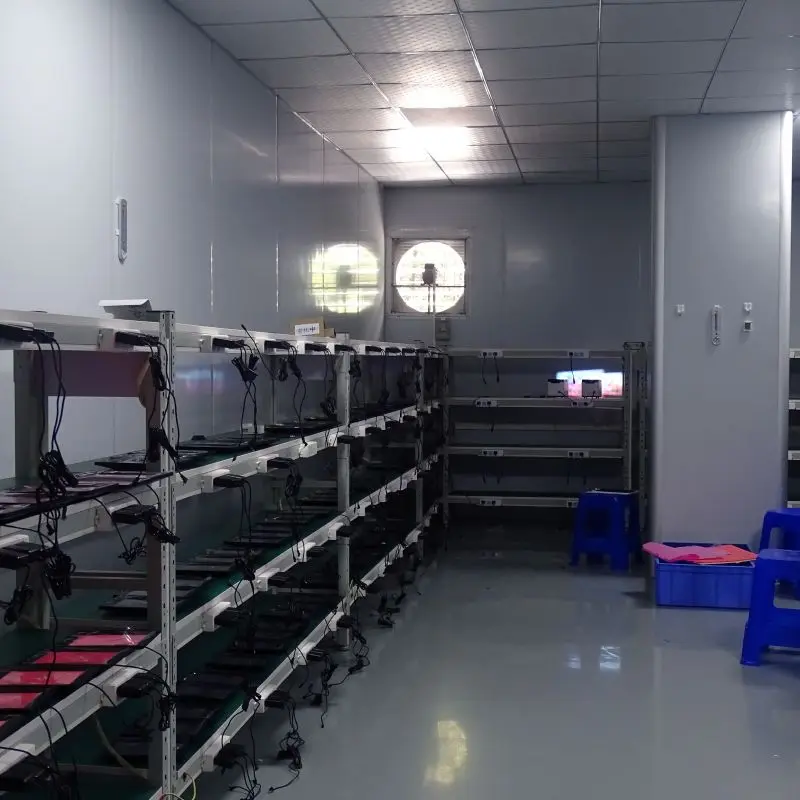
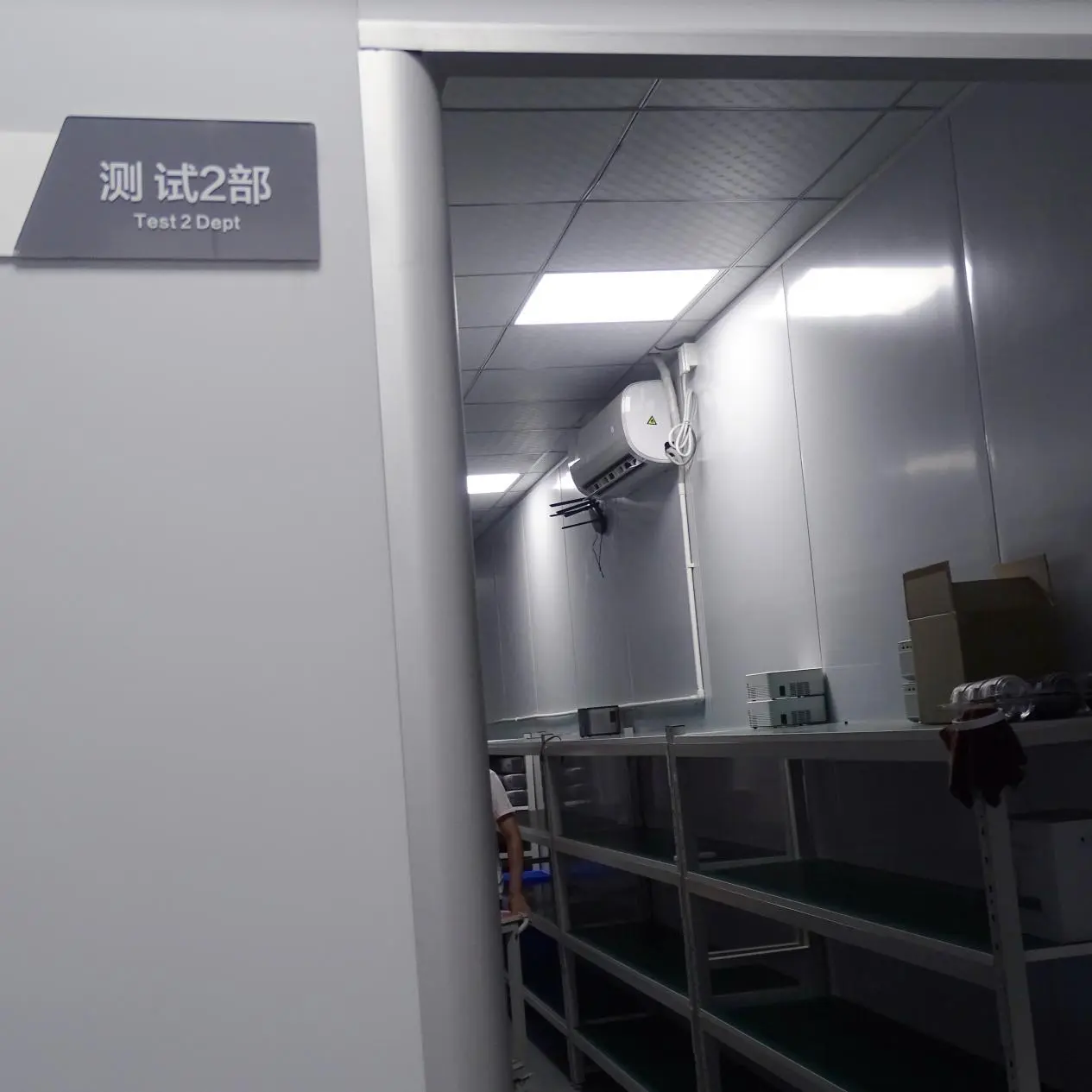
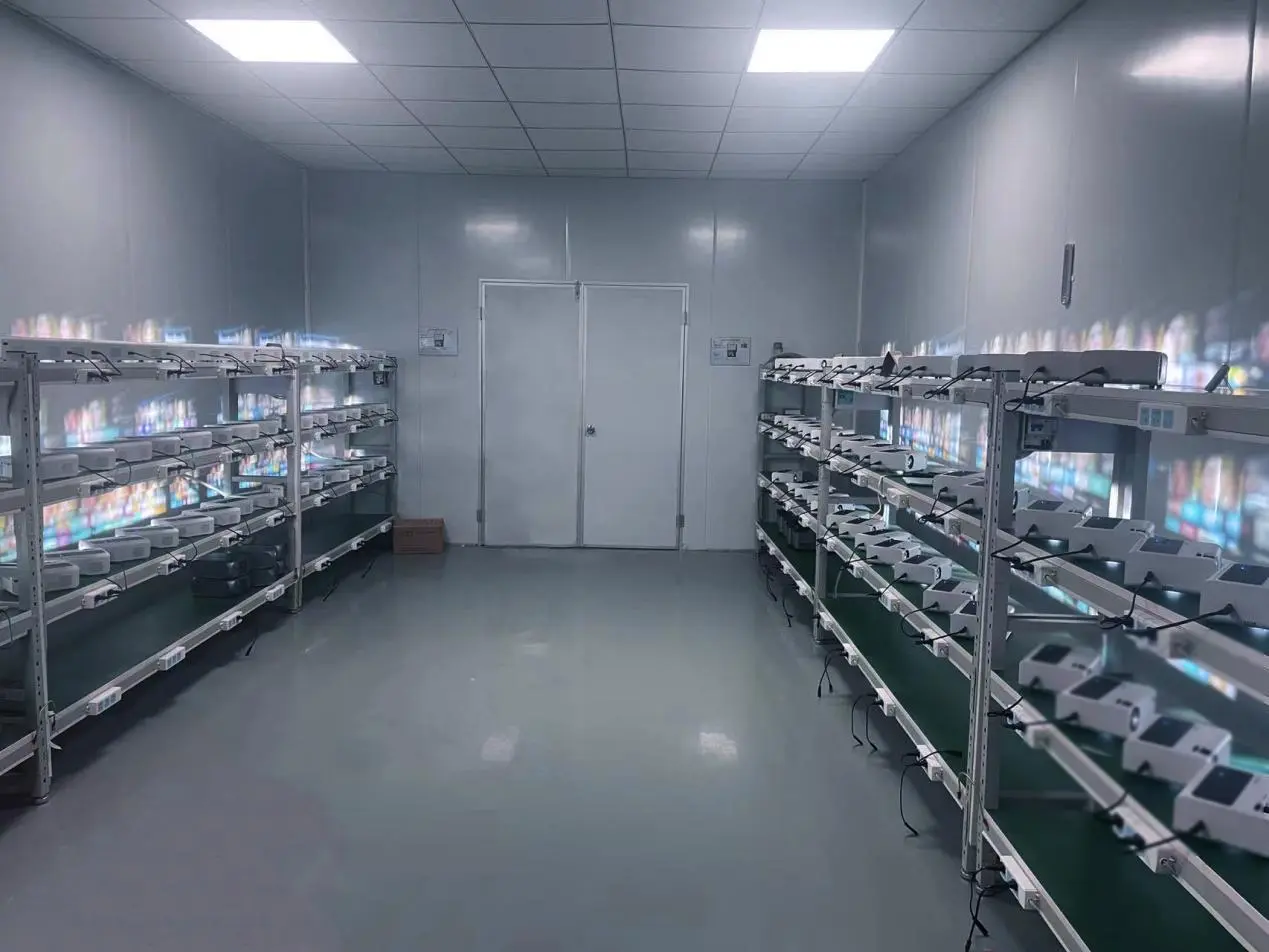
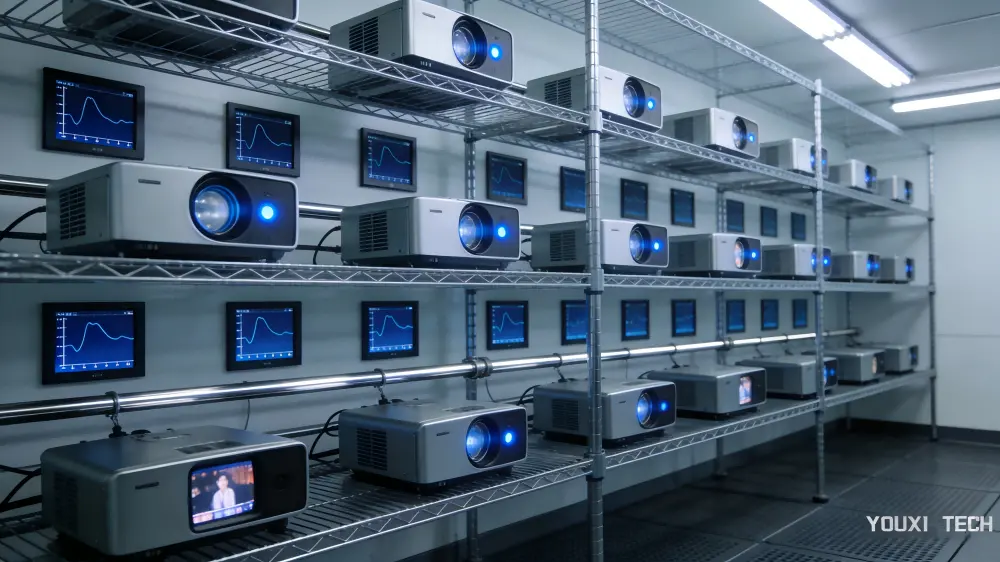
Micro-projectors generate substantial heat during operation. Our high-load aging chamber, located adjacent to the main testing rooms, runs up to 200 devices simultaneously. Undergoing continuous operation tests for 4 to 8 hours under controlled temperatures, every unit is evaluated for heat dissipation performance, motherboard stability, and light engine durability.
Our facility includes a dedicated 300-square-meter warehouse for finished products, located directly next to the packaging line. This arrangement speeds up transition from final labeling to container packing, preventing environmental contamination and ensuring immediate transport readiness for export through nearby Shenzhen or Hong Kong ports.
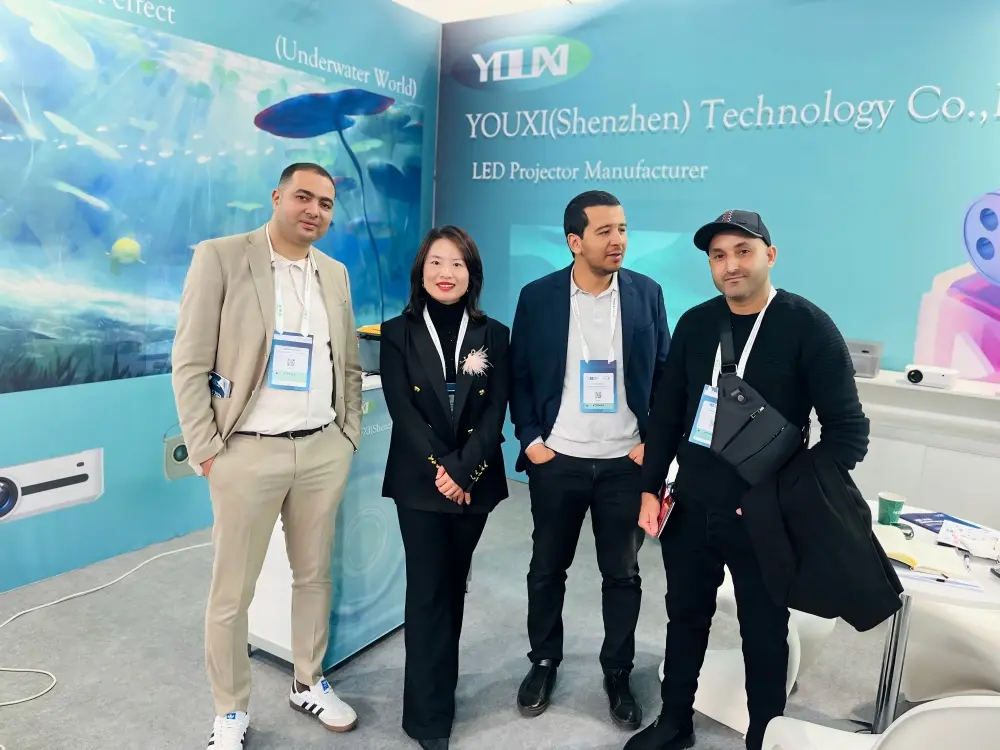
Our products serve distributors, education partners, and corporate clients across the globe.
How Modern Micro-Projection Systems Solve Complex Display Challenges Across Fields
In remote learning environments, traditional interactive flat panels (IFPs) are difficult to ship and install safely. A smart portable projector, paired with a mobile phone running educational apps, can project a 150-inch display onto a wall. This setup creates an interactive classroom using a micro-projection engine that operates on low-wattage DC sources or external battery packs.
Civil engineering, maritime operations, and military reconnaissance groups often require on-site schematic reviews. Standard mobile devices do not support group reviews. Micro-projection modules connected to field smartphones allow technical teams to review blueprints or maps on-site, even in challenging field conditions.
Glamping, outdoor events, and hospitality businesses use battery-powered projection units to create outdoor movie spaces. These systems feature automatic keystone adjustment and integrated high-fidelity Bluetooth audio, allowing operators to set up entertainment areas without long power cords.
For urban renters who prefer not to buy large televisions, mini smart projectors serve as an alternative. These systems run streaming apps natively and can project onto walls or ceilings, offering a flexible display option for compact living spaces.
Technical Sourcing and Integration Answers for Optical Engineers and Procurement Directors
Broaden Your Optical Product Offerings with Certified Portable Devices and Multi-media Projector Platforms
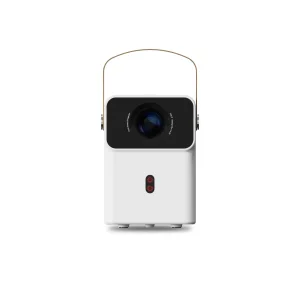
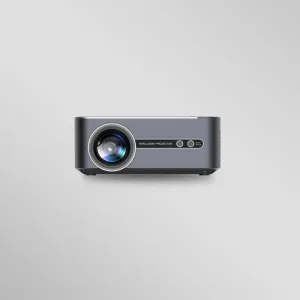
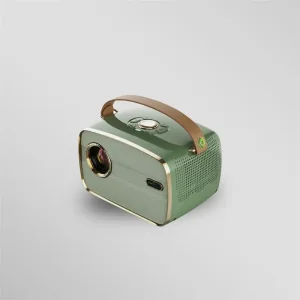
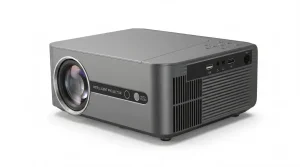
 Youxi projection