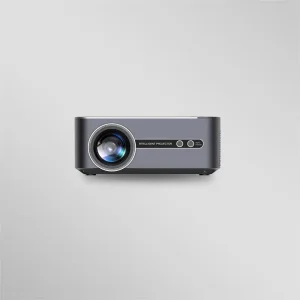
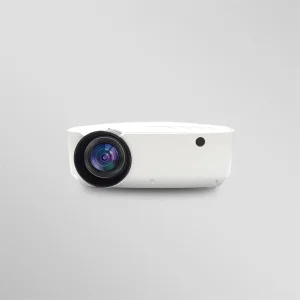
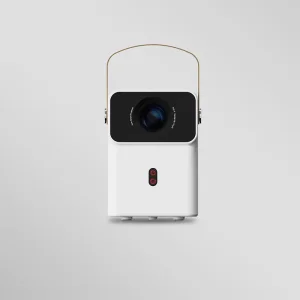
Evaluate our precision-engineered projection devices designed for high operational runtime, optimal luminescent efficiency, and structural versatility across smart environments.
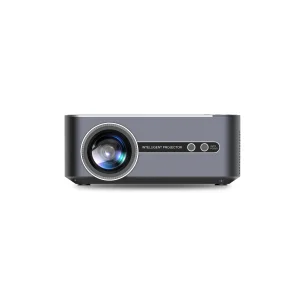
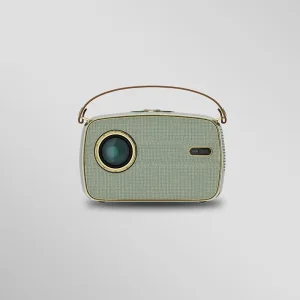
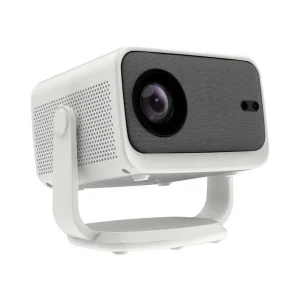
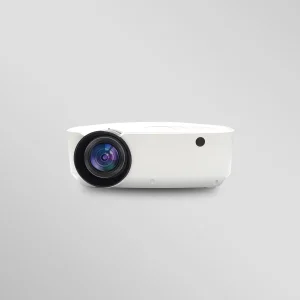
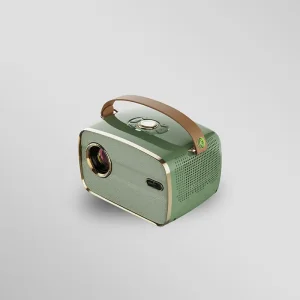
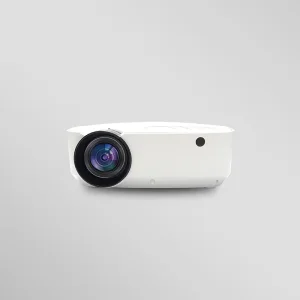
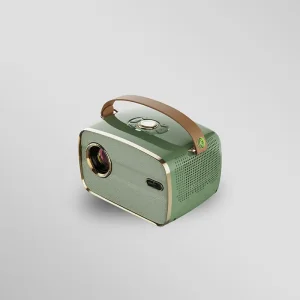
In the current paradigm of corporate communication, educational infrastructure, and immersive visual spaces, a projection system is no longer classified as a passive display peripheral. Rather, it operates as a key component of workflow integration. Modern business workflows depend heavily on flexible, high-fidelity visual representations. Selecting projection systems based solely on low-cost acquisitions often results in sub-optimal integration, elevated maintenance downtime, and limited device longevity. This document provides a detailed technical breakdown of optical specifications, architectural features, and pricing dynamics to help B2B buyers make informed procurement decisions.
Modern projector functions are defined by three major characteristics: optical throughput (brightness and contrast), smart OS integration, and structural versatility. This whitepaper systematically evaluates these categories to provide supply chain managers, integration engineers, and corporate buyers with the metrics required to calculate Total Cost of Ownership (TCO) and maximize Return on Investment (ROI) across their hardware fleets.
The operational value of an enterprise-grade projection system is determined by several core performance components. Below, we break down these functions, detailing their impact on system performance and usability.
While native hardware resolutions are commonly 720p or 1080p, the ability to decode 4K input signals is crucial for modern enterprise media configurations. This enables clear text rendering and complex visual displays without requiring downgrades in media formats.
Using solid-state light sources provides a lifespan of up to 30,000 operational hours. This reduces maintenance costs by eliminating the replacement cycles and color degradation associated with traditional metal-halide lamps.
Automated adjustments, including real-time auto-focus and auto-keystone correction, ensure the projected image remains properly aligned and proportioned. This is useful for portable systems that are frequently relocated.
Integrated Android or Google TV platforms support wireless screen casting protocols (Miracast, AirPlay, Chromecast). This enables cable-free presentations directly from mobile devices or laptops, simplifying setup in meetings.
Short-throw optical designs reduce the distance required to project large images. This feature minimizes shadows and lens glare, making it suitable for tight environments such as huddle rooms or small classrooms.
Comprehensive inputs including HDMI, USB, and audio outputs, alongside Bluetooth and Wi-Fi networks, allow these systems to connect with traditional desktop interfaces, remote cloud servers, and wireless audio setups.
Corporate procurement teams must match projector specifications to specific operational requirements. Modern devices serve a range of needs, from portable presentation tools for small teams to large, permanent installations for enterprise spaces.
Enterprise display deployments generally fall into three functional tiers:
These environments require small, quiet devices with fast wireless connectivity, wide viewing angles, and instant start/stop capabilities. High portability and auto-keystone correction allow these units to be quickly shared and deployed across multiple rooms.
For high-use environments, the primary requirements are structural durability, low operational noise, dust protection (sealed optical paths), and high ANSI lumen output. Sealed engines protect internal components from dust buildup, helping to prevent image degradation over time.
Outdoor use demands robust chassis designs, integrated smart operating systems, dynamic light adjustment features, and loud, clear on-board speakers. This reduces the need to carry external audio equipment for portable setups.
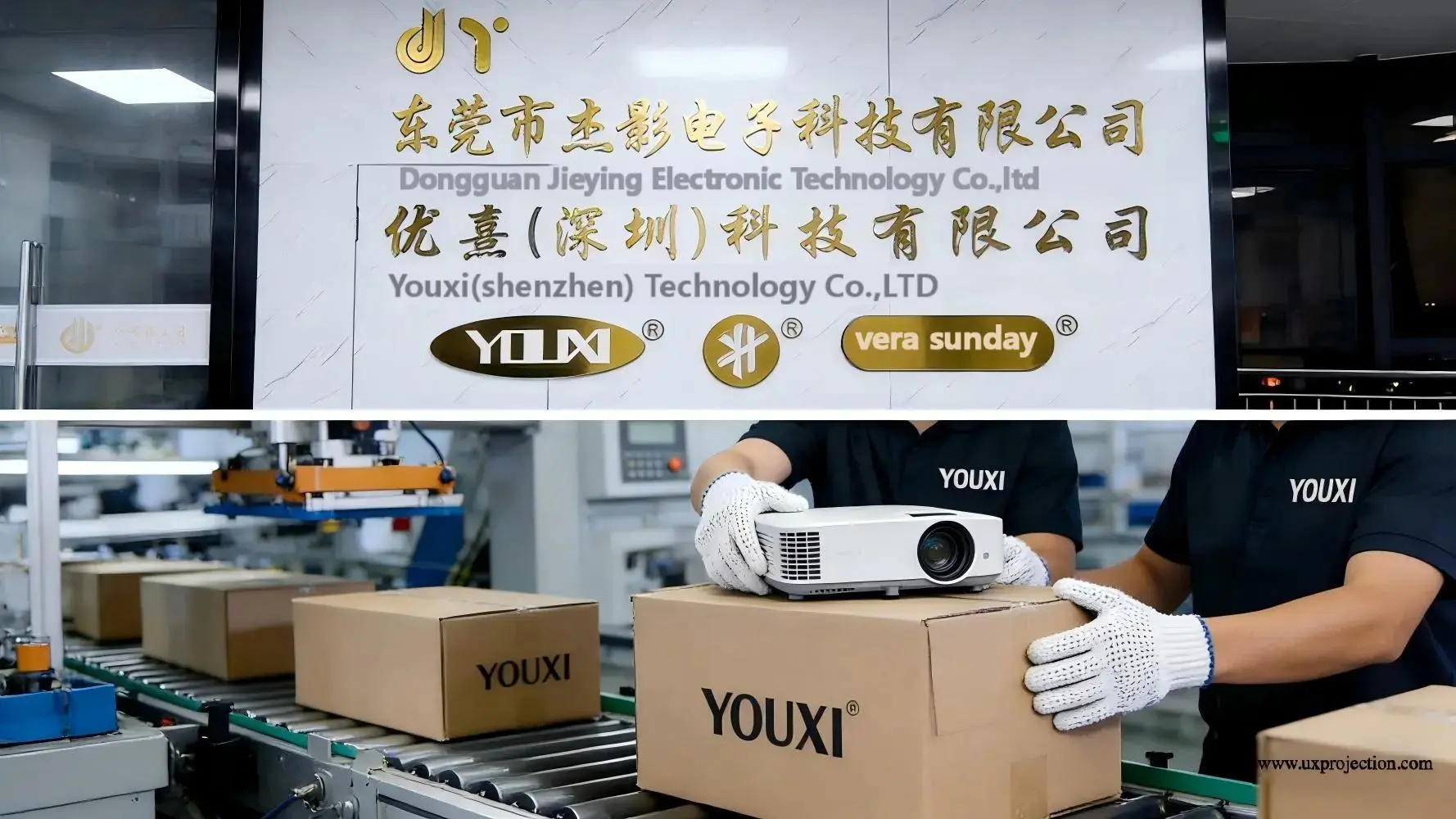
Founded in April 2021, Youxi (Shenzhen) Technology Co., Ltd. specializes in the R&D, manufacturing, and integration of smart projection systems and wearable devices. We manage the entire product lifecycle from research to assembly and final quality checks, ensuring compliance with international quality standards.
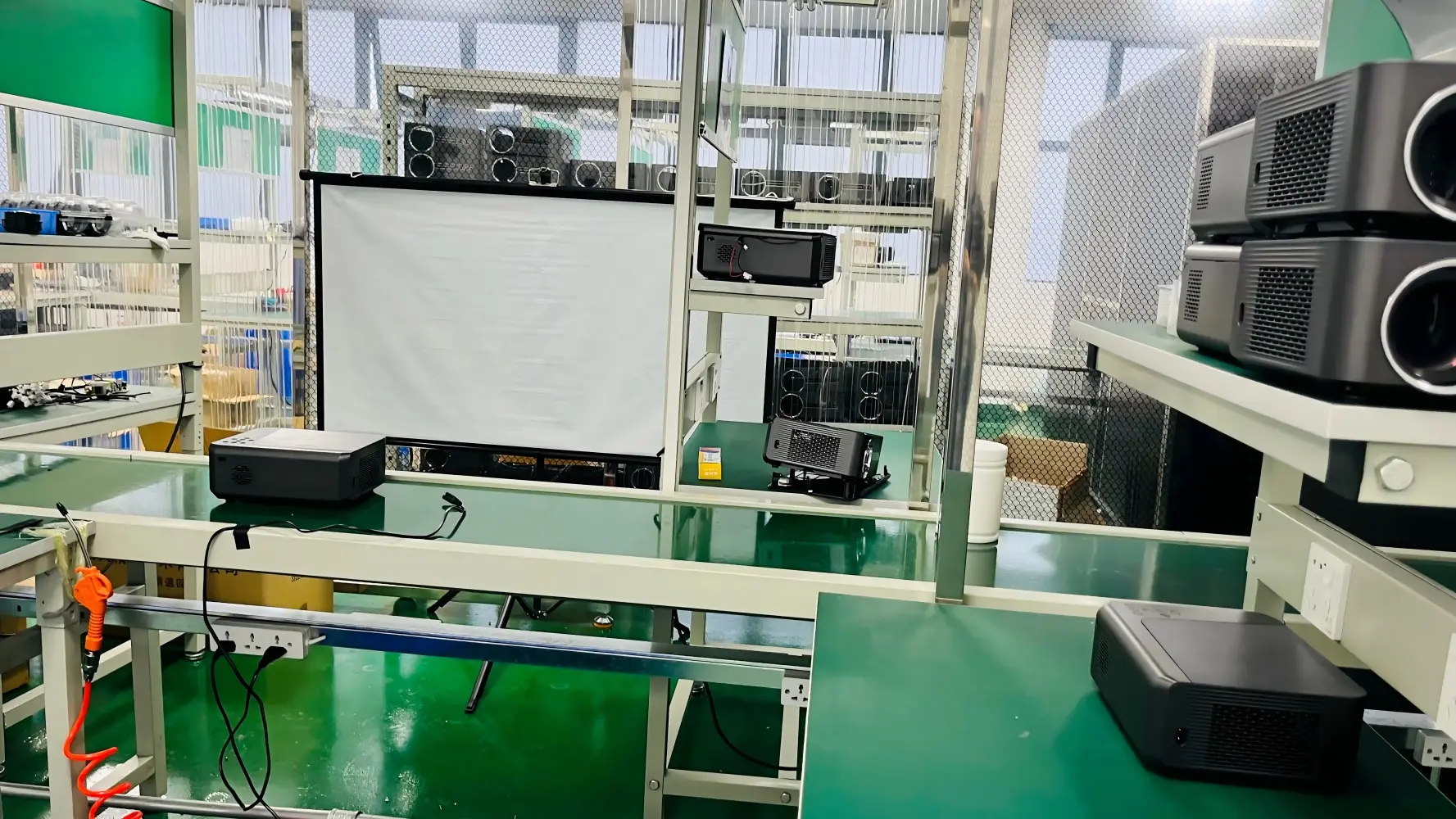
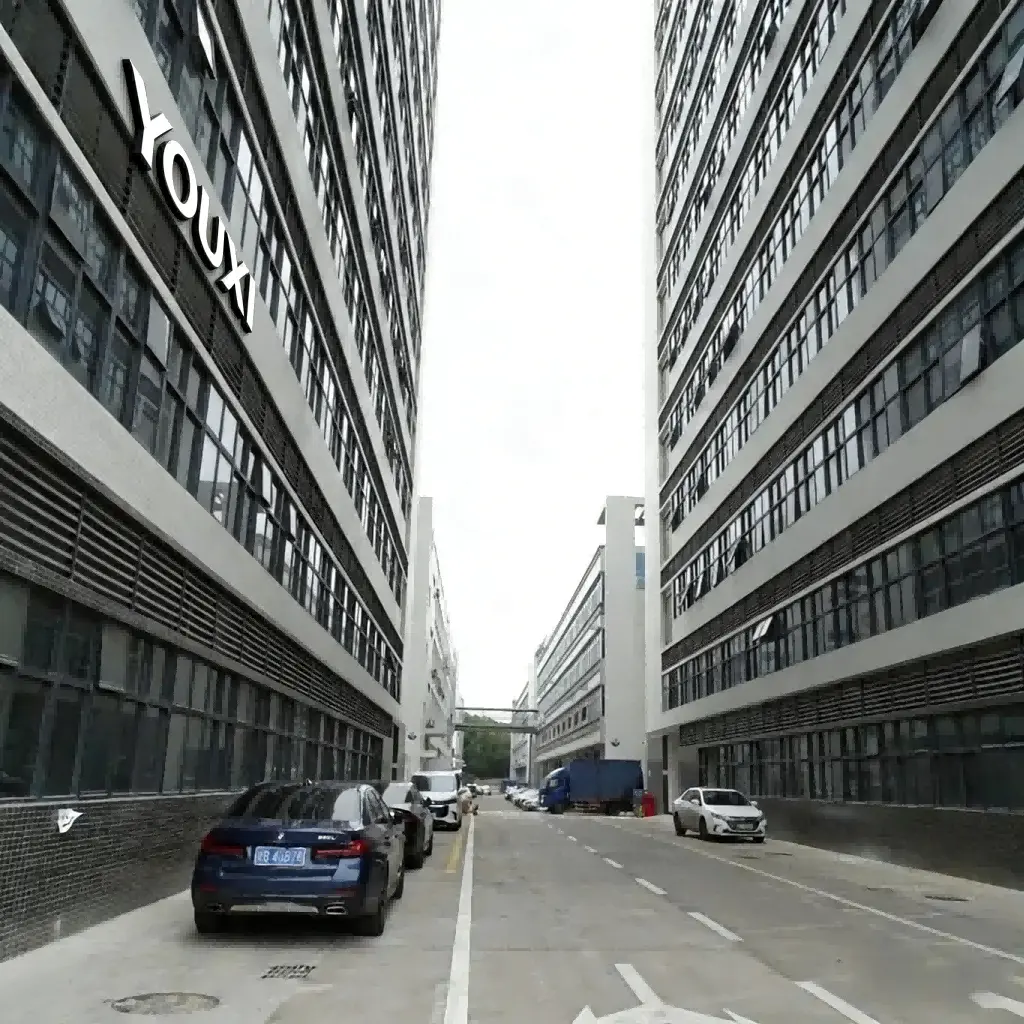
Our headquarters is located in Shenzhen, offering proximity to Hong Kong Port (approximately 40 minutes travel time) for streamlined international logistics. To support volume manufacturing, Youxi runs an assembly facility in Fenggang Town, Dongguan City. This facility spans 4,000 square meters, employs around 100 assembly technicians, and has a monthly production capacity of up to 50,000 units. The facility is managed according to 5S standards, using dust-free production areas to protect optical components during assembly.
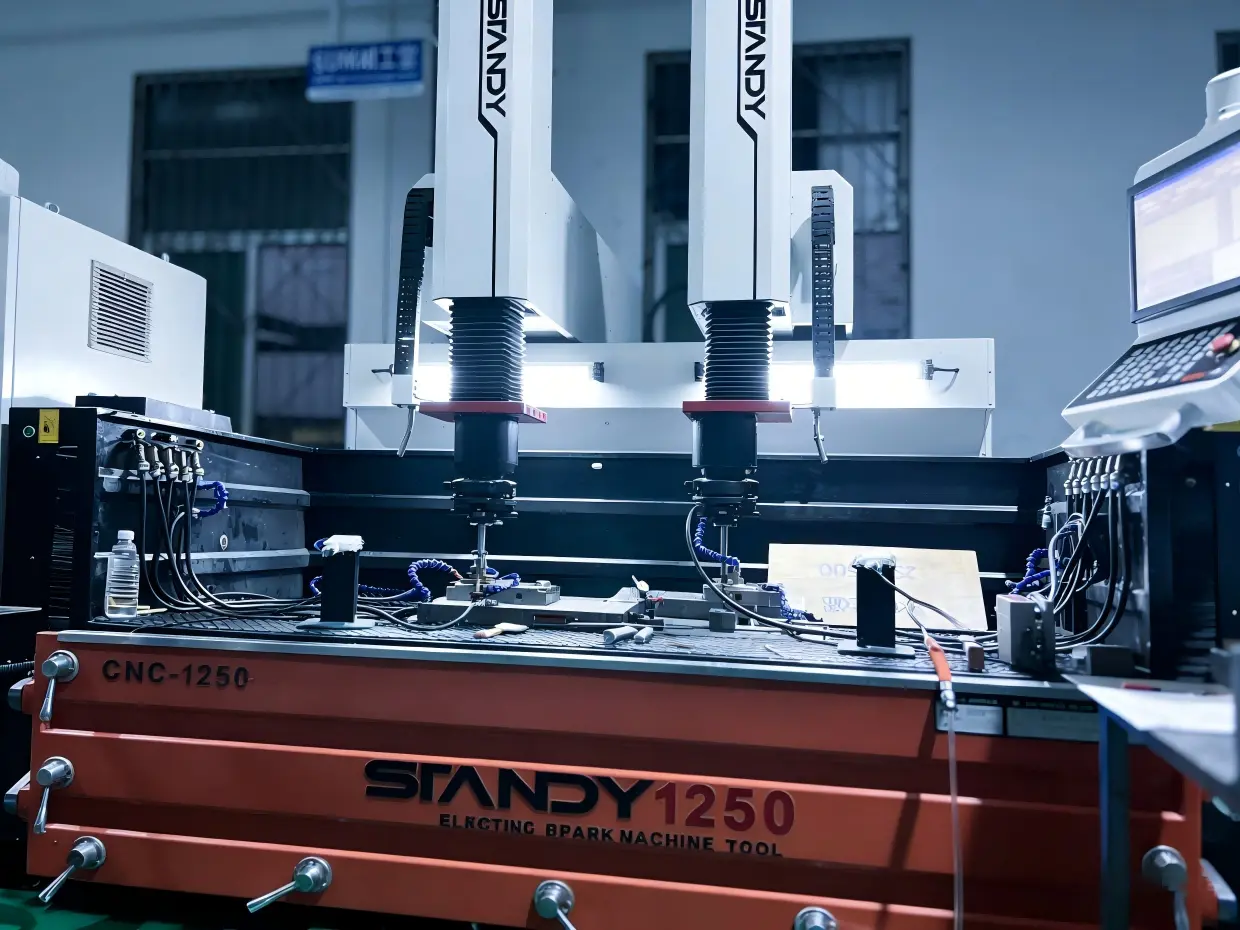
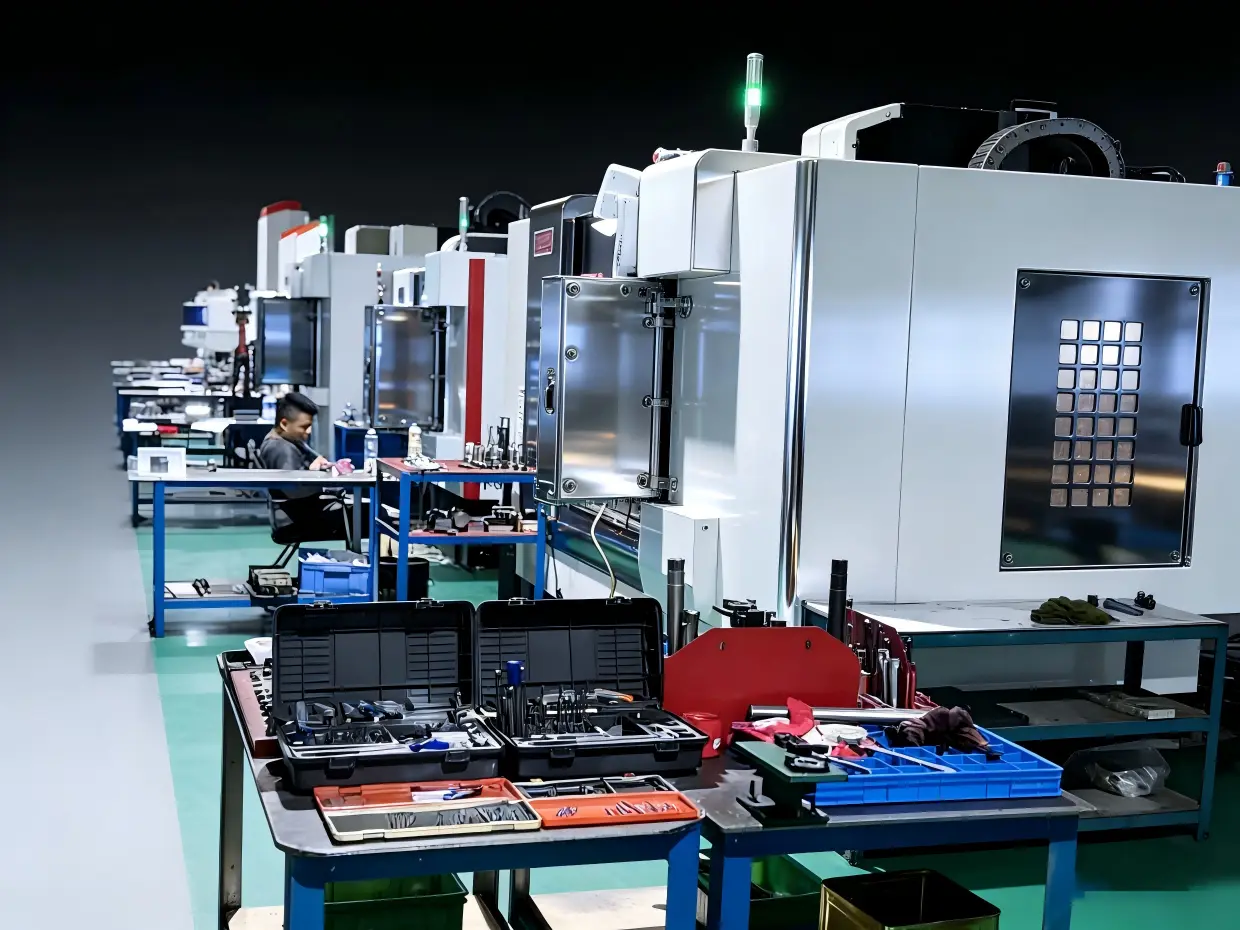
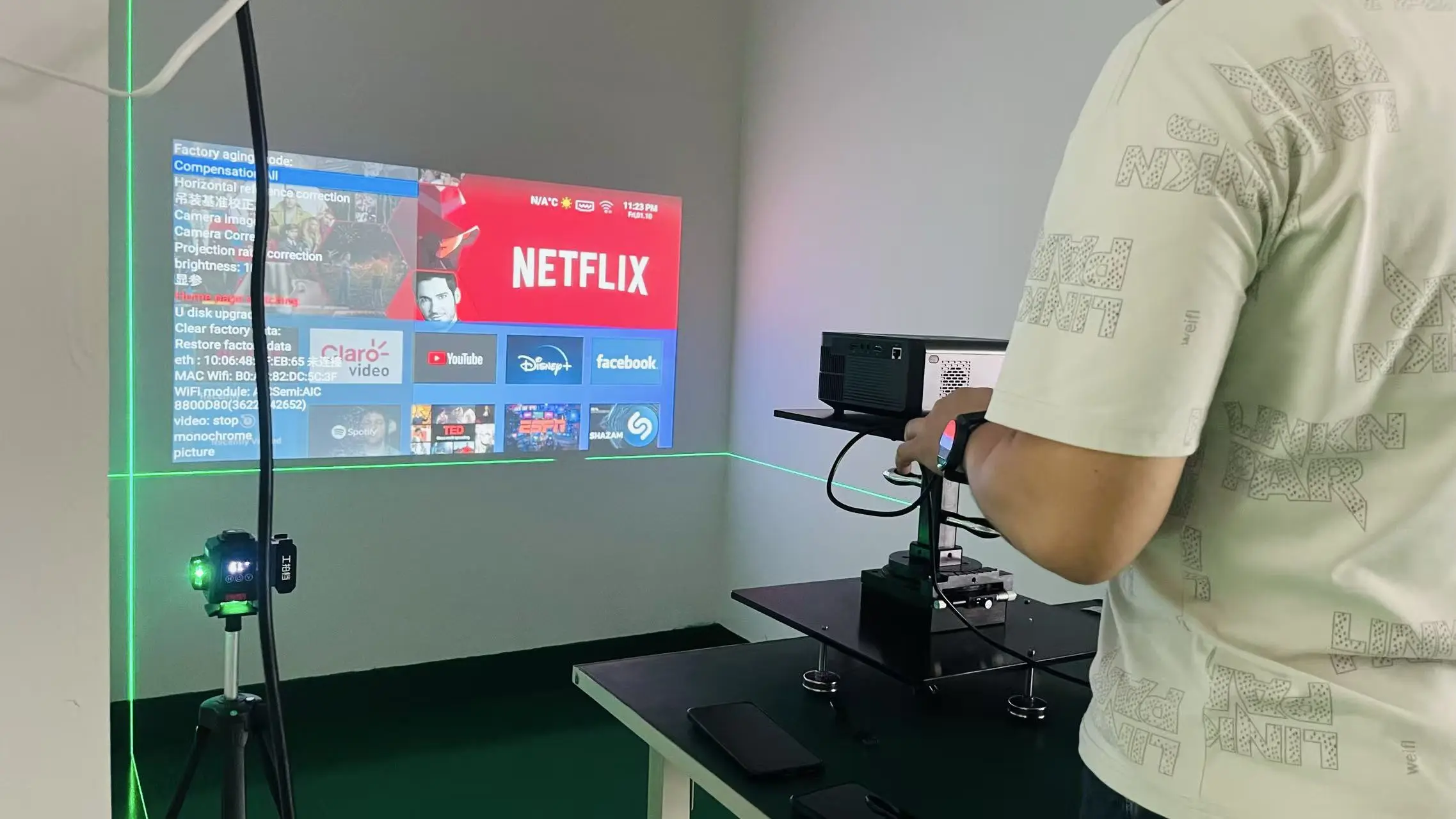
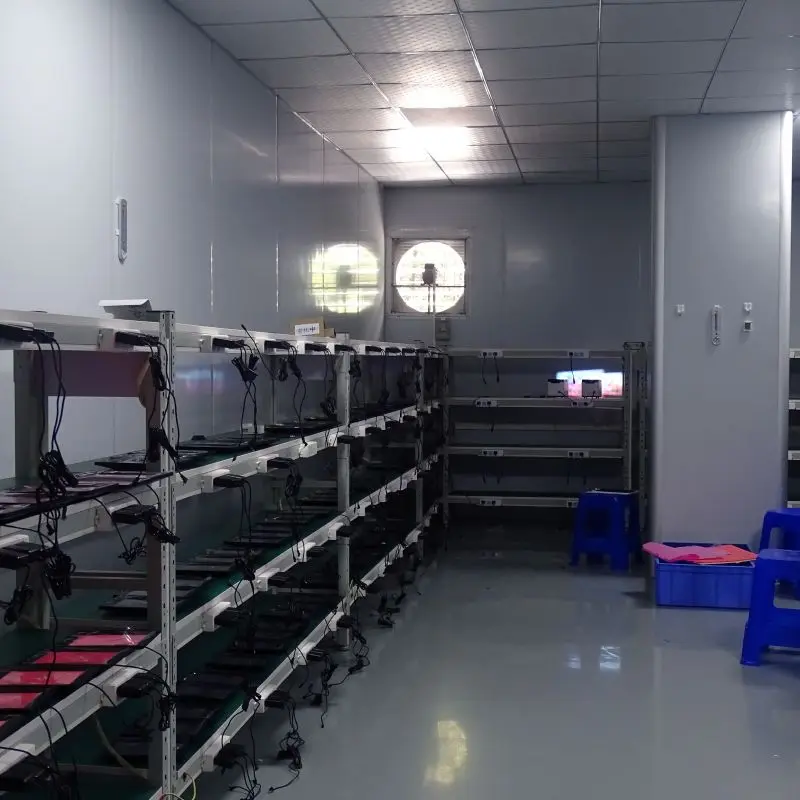
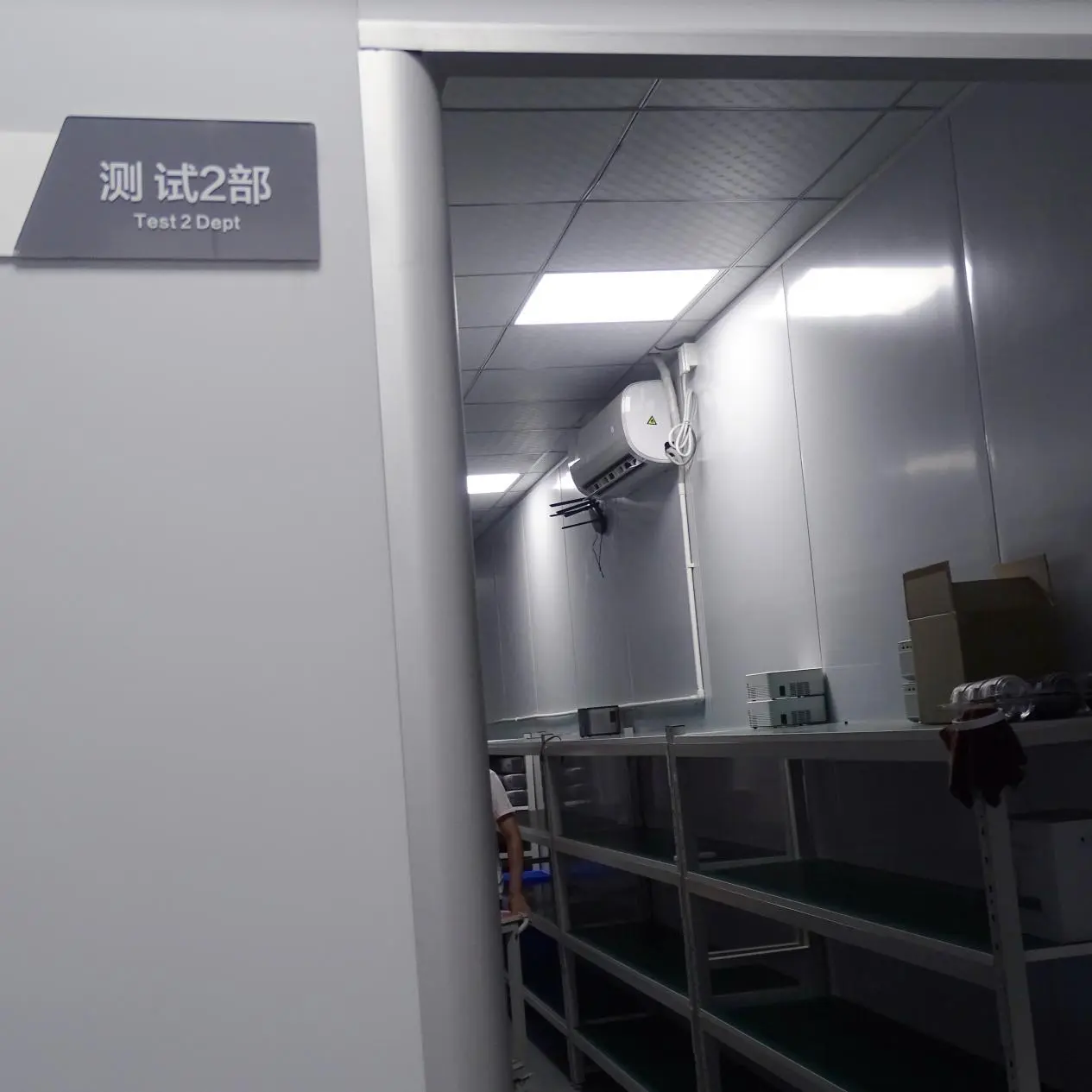
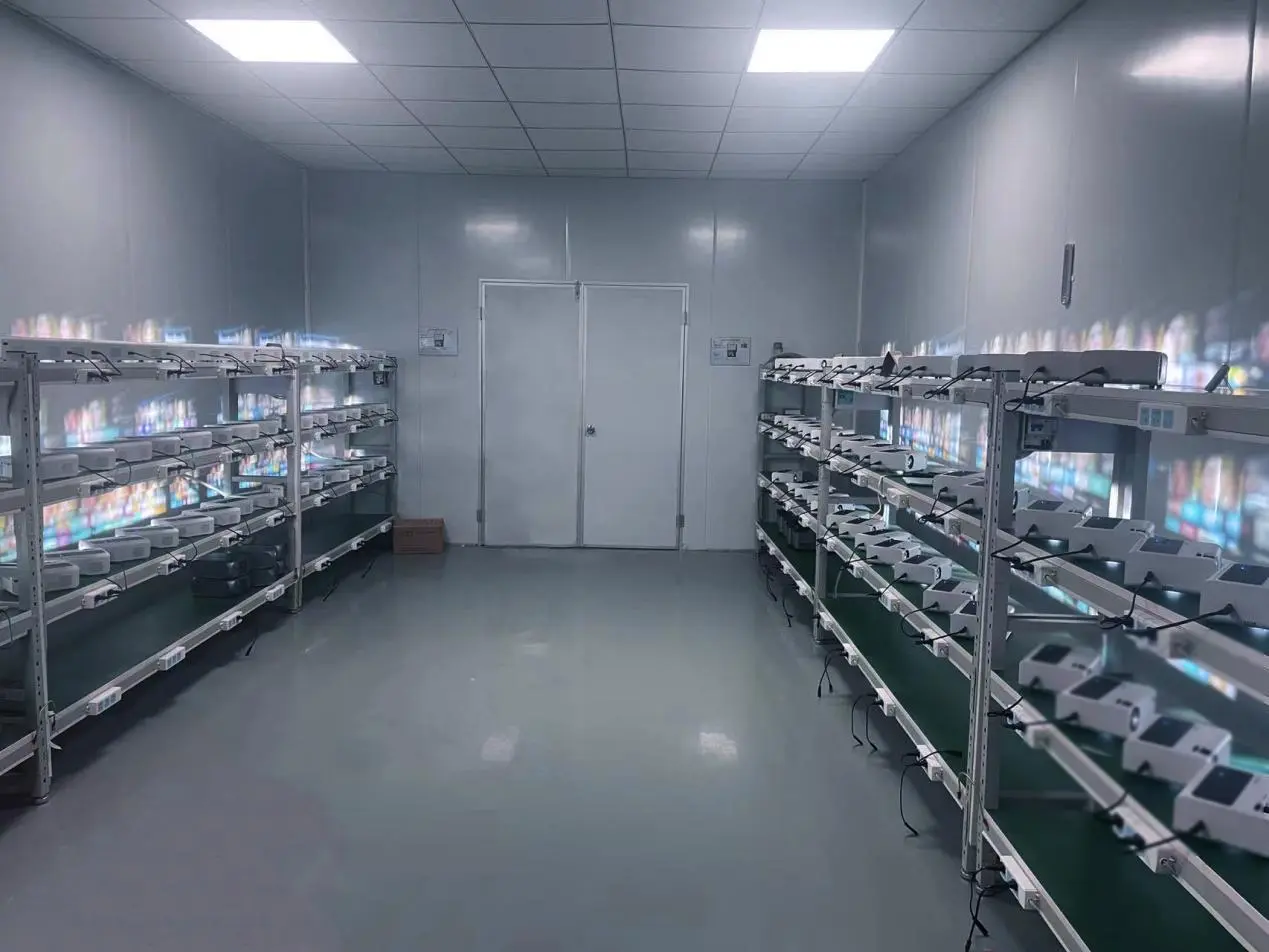
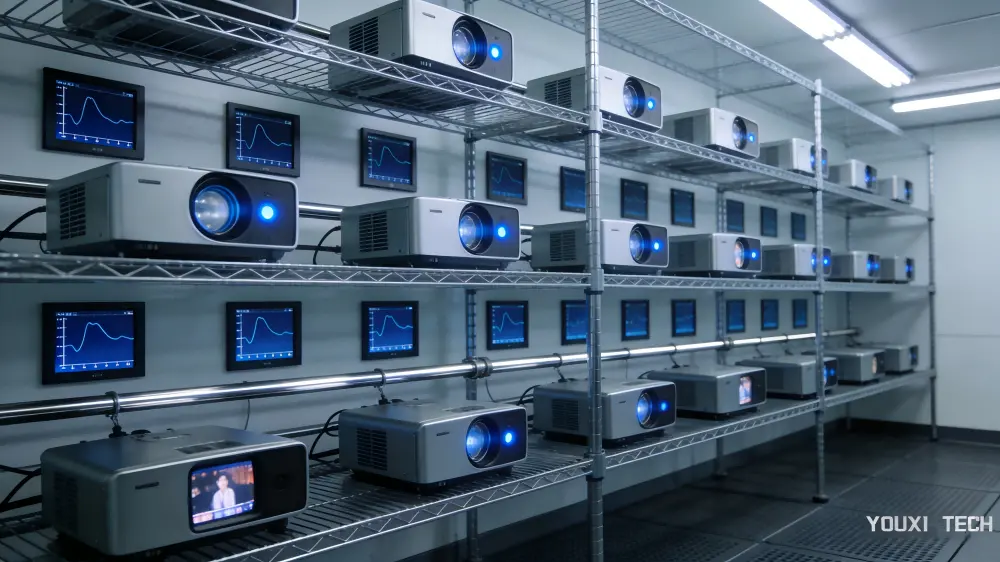
Our quality control process is built on systematic testing to minimize post-purchase defects. Our facility includes 12 testing rooms staffed by quality inspectors who inspect incoming raw materials, conduct post-assembly diagnostics, and carry out final evaluations before shipping. Additionally, our aging test room can accommodate up to 200 devices simultaneously, testing them under high-load conditions to ensure long-term performance stability.
As the visual display industry evolves, projector architecture is shifting from basic lamps to high-efficiency, solid-state light engines with smart software features. Procurement managers should watch these key technological developments:
Next-generation projectors are moving beyond basic optical focus. Real-time AI processing uses built-in cameras to adjust brightness, contrast, and color balance dynamically based on the room's ambient light levels.
While LED technology serves the portable and mid-range display categories well, laser phosphor projection engines are expanding into higher brightness segments, enabling clear viewing even in brightly lit spaces.
Projectors are integrating more features of modern smart TVs, featuring certified operating systems like Android TV and Google TV alongside built-in security systems to integrate safely with corporate IT networks.
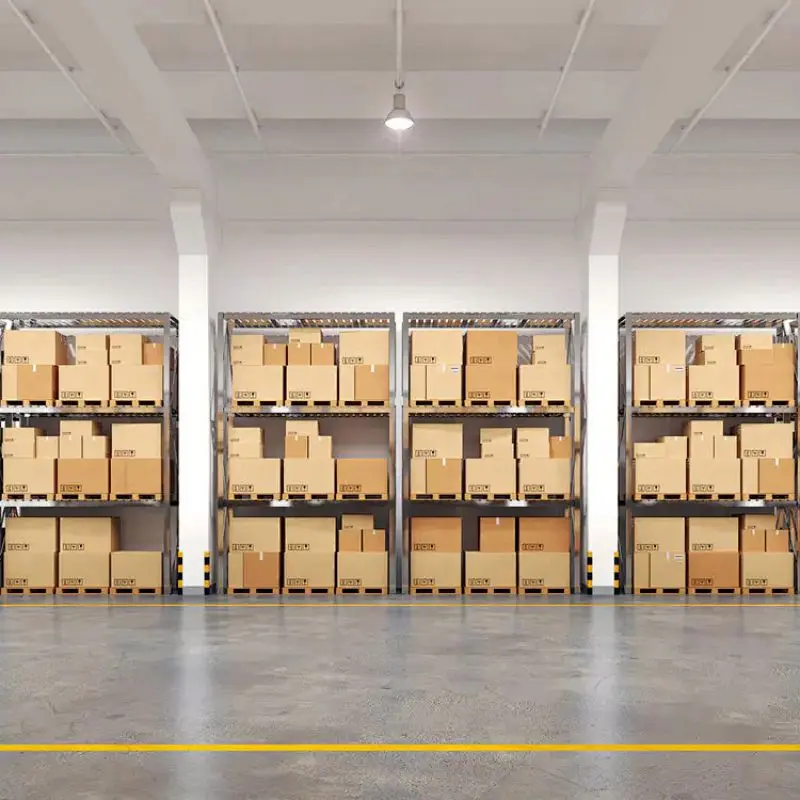
Shipping precision electronics worldwide requires adherence to international standards and efficient logistics. Youxi coordinates transport through our Shenzhen headquarters, leveraging close connections to Hong Kong's shipping terminals to manage containerized sea freight and air cargo routes.
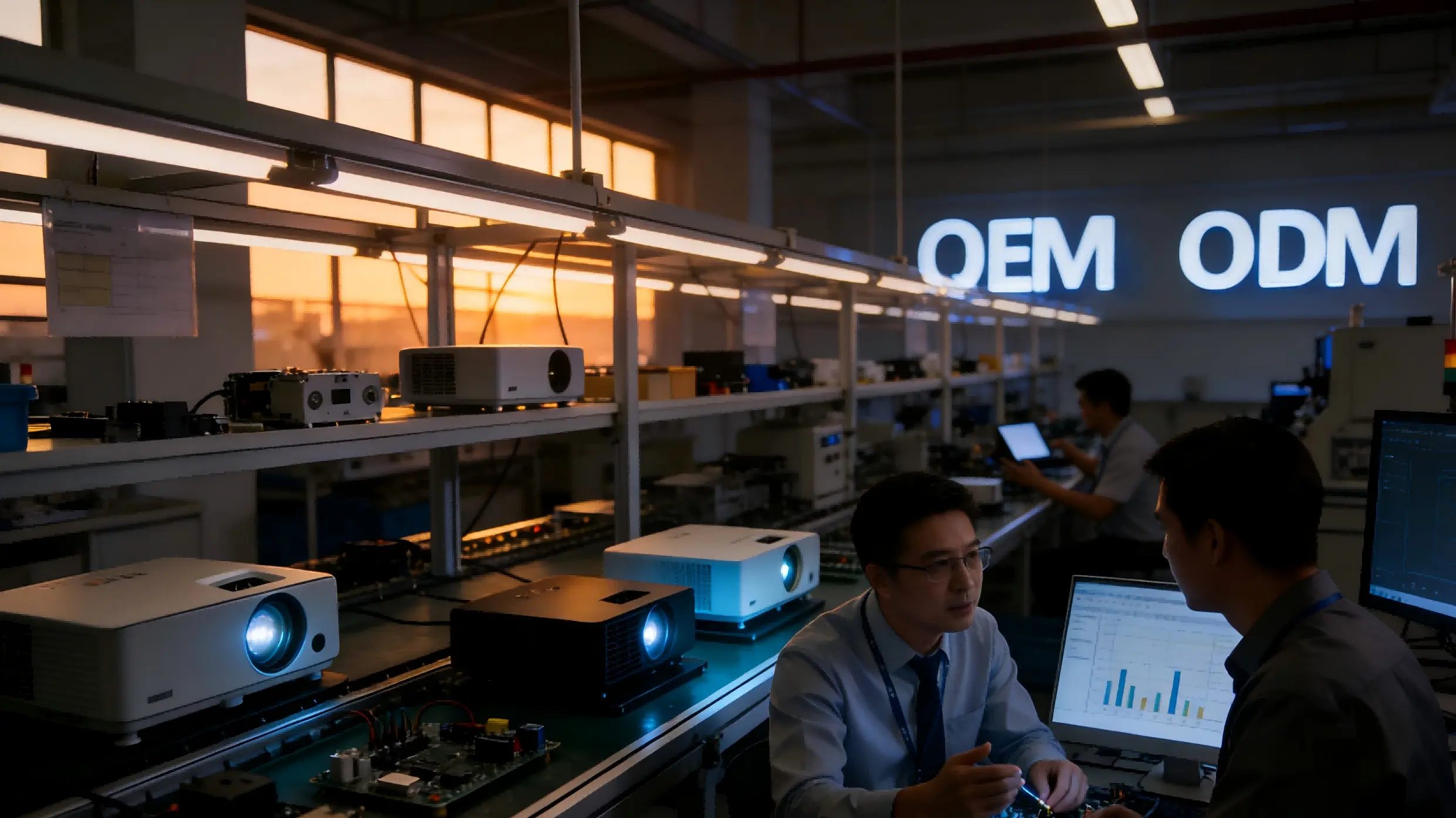
Projector cost structures are determined by optical specifications, processor choices, and volume requirements. We offer three primary supply configurations to suit different project scales:
For brands and distributors seeking reliable entry-level and mid-range projectors with localized packaging.
For custom hardware modifications, dedicated firmware builds, and customized retail branding.
For corporate enterprise, industrial, and government tenders requiring precise material specifications.
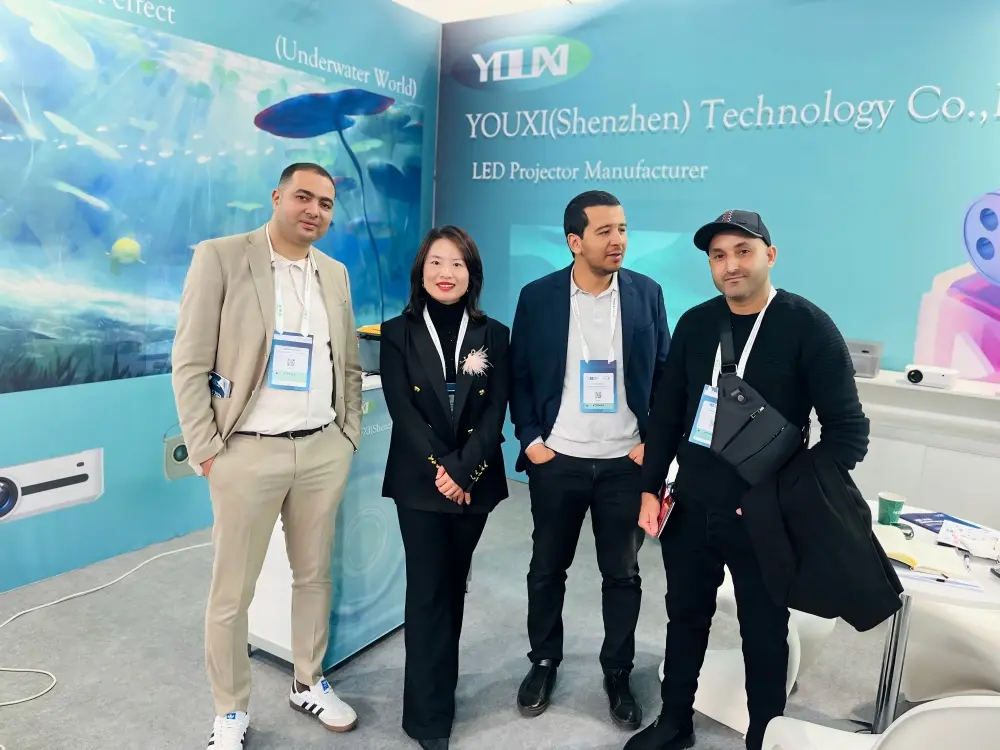
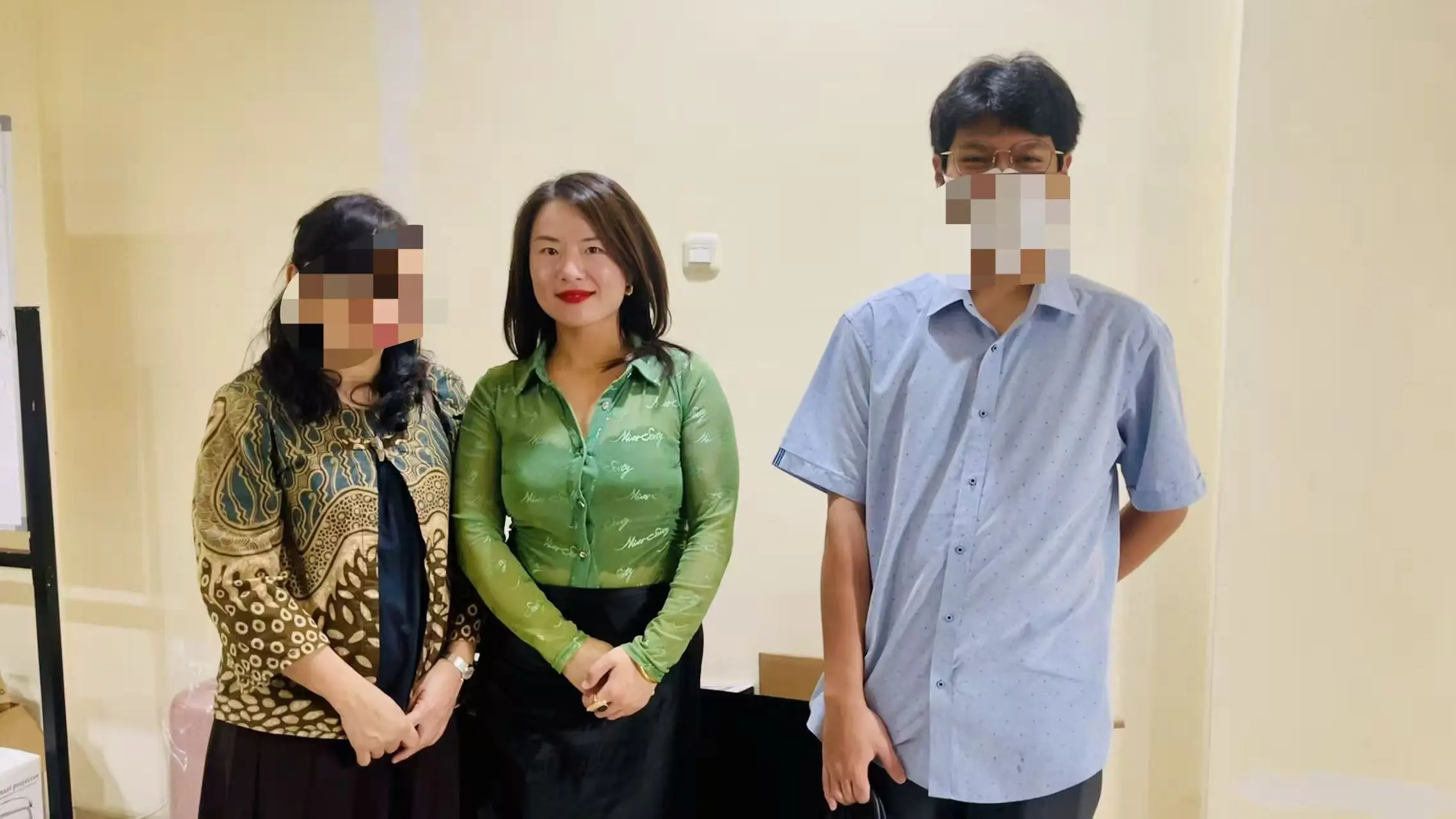
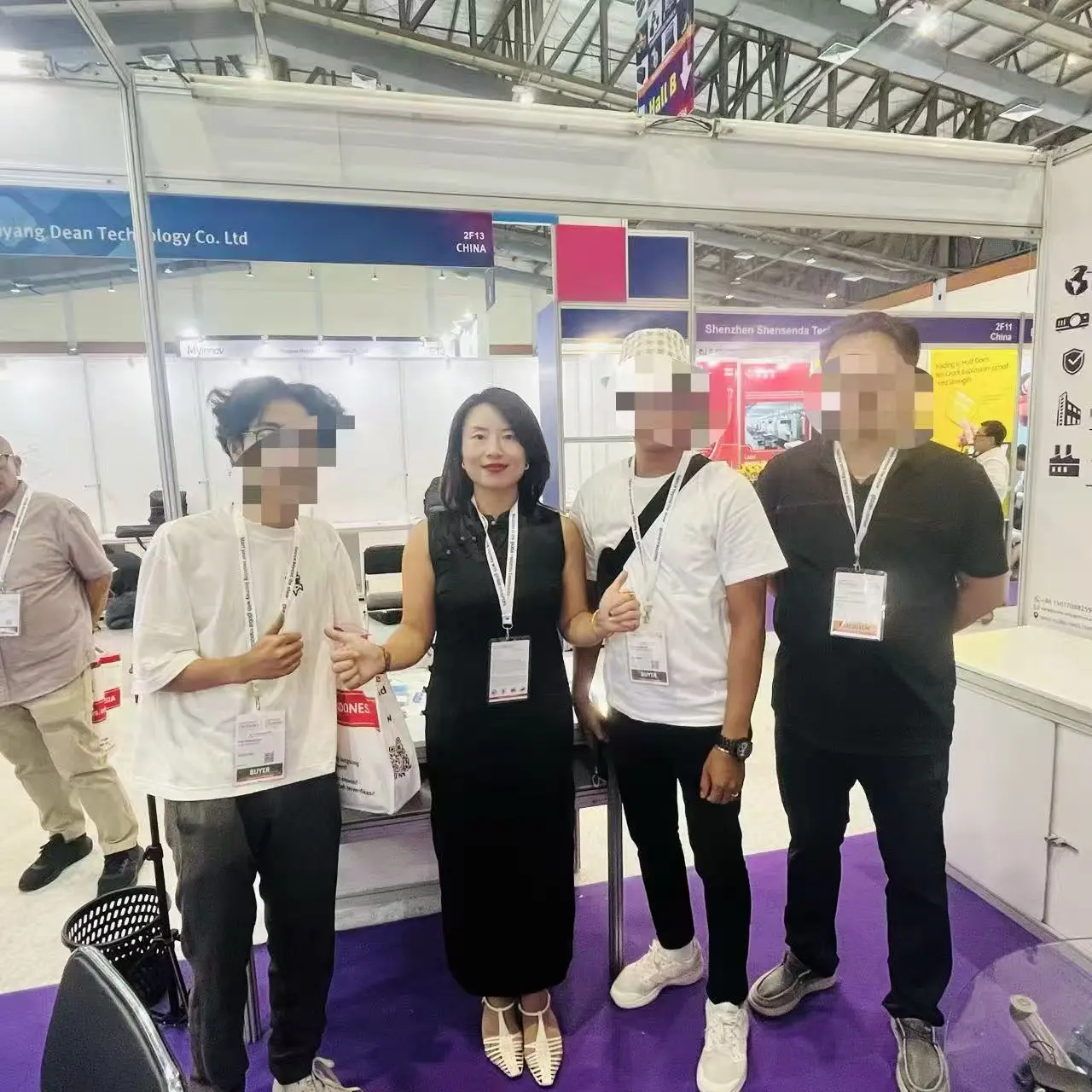
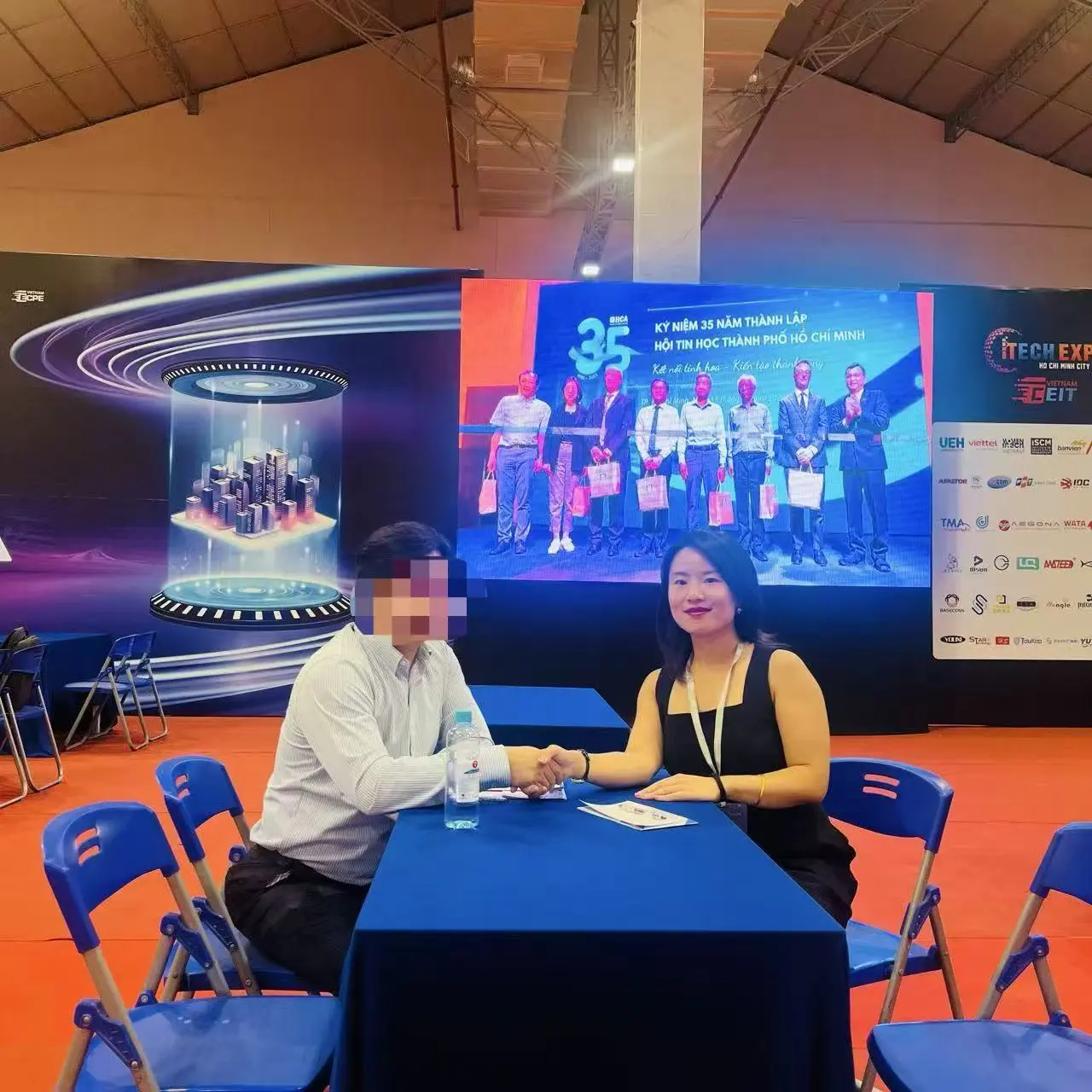
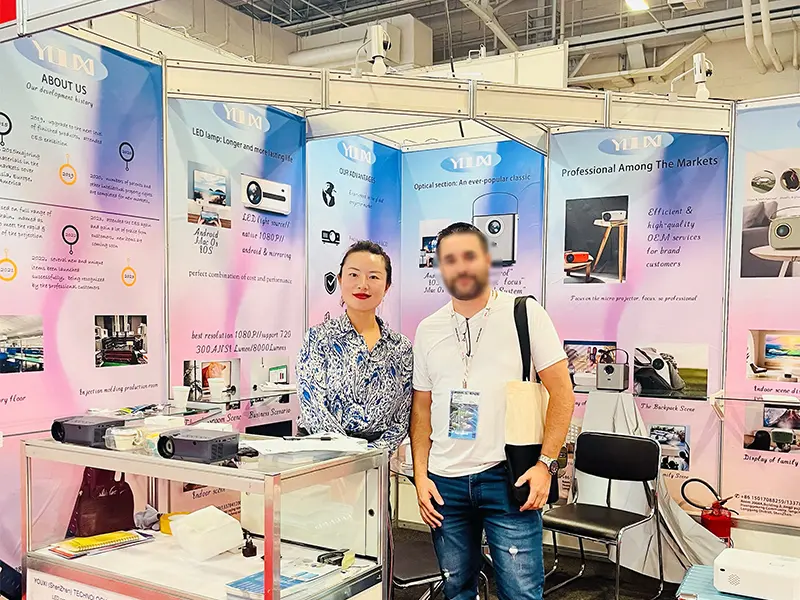
Deployments of our projection technology across diverse regional markets and retail partner operations.
Answers to common technical, logistics, and customization questions about our projection systems.
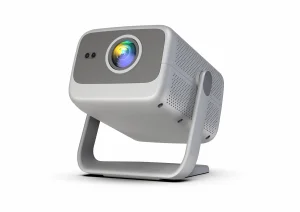
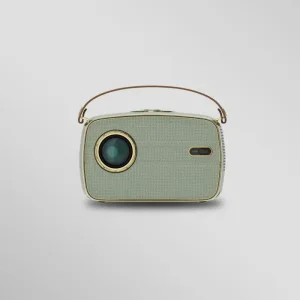
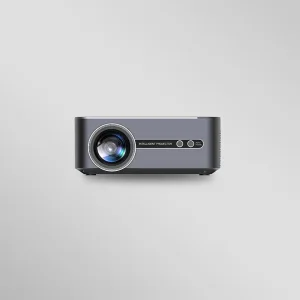
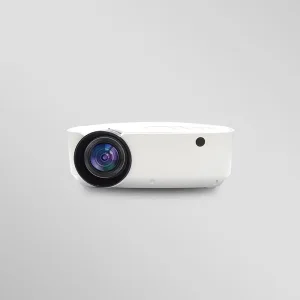
Review our full range of projection equipment, designed to meet diverse requirements for brightness, physical dimensions, and smart operating systems.
Speak with our sales and technical support teams to plan custom branding options, request samples, or request detailed quotes for bulk orders.
 Youxi projection