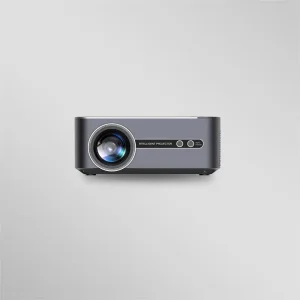
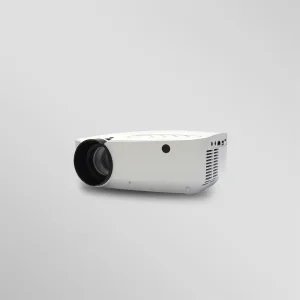
Direct from our manufacturing hub - featuring next-generation wireless connectivity, robust optical systems, and tailored smart system architectures.
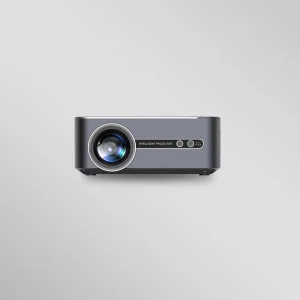
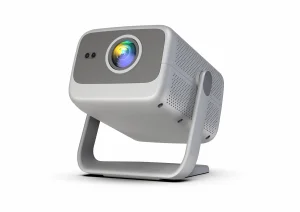
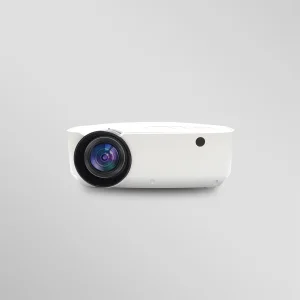
The global high-end projection sector is undergoing a profound structural transition. Large venue projectors, defined primarily by their ability to generate massive screen sizes with high luminous flux (often exceeding 5,000 to 10,000 ANSI lumens), are no longer confined to traditional lecture halls. Driven by developments in solid-state illumination—specifically blue laser diodes and RGB pure laser setups—these systems are reshaping public visual spaces.
In the commercial, enterprise, and educational arenas, organizations are demanding display solutions that counteract high ambient light without degradation of color accuracy. From large-scale architectural 3D mapping and immersive digital galleries to regional assembly lines and corporate boardrooms, the market size is experiencing rapid compounding annual growth. The demand is heavily focused on long-term reliability, low maintenance cycles (achieved through sealed optical blocks), and a reduction in Total Cost of Ownership (TCO).
China, specifically the Shenzhen-Dongguan industrial corridor, functions as the primary technological anchor for the international projection system supply chain. This region integrates physical mechanical development with localized tooling, component sourcing, and electrical design to accelerate product iteration cycles.
By consolidating raw materials, optics development, specialized lens alignment units, and plastic mold injection shops within close proximity, Chinese manufacturers minimize logistics latency. An assembly design change can go from CAD rendering to working prototype in days rather than weeks. This allows high scalability, maintaining highly competitive price lists while adhering to strict Western regulatory standards such as CE, FCC, RoHS, and CCC.
"The logistical concentration of optical glass polishing, DLP/LCD packaging, and smart SoC integration within the Pearl River Delta guarantees a structural lead in both turnaround speeds and scaling thresholds."
Expert R&D, Manufacturing, and Integration of Intelligent Projection Systems and Wearable Smart Devices
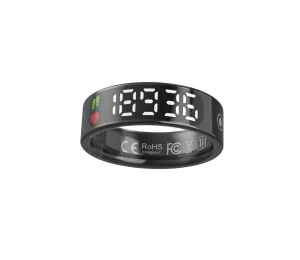
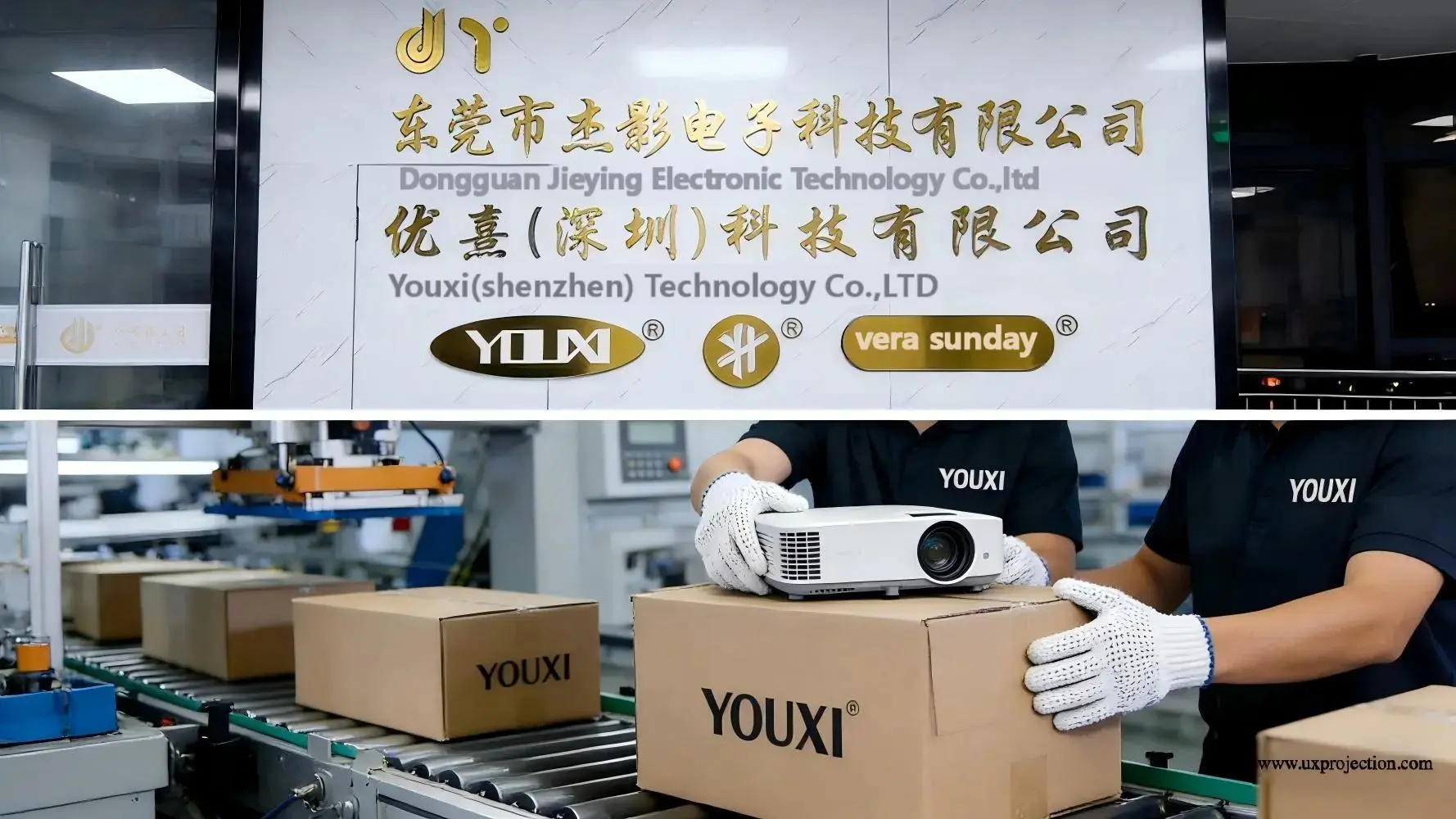
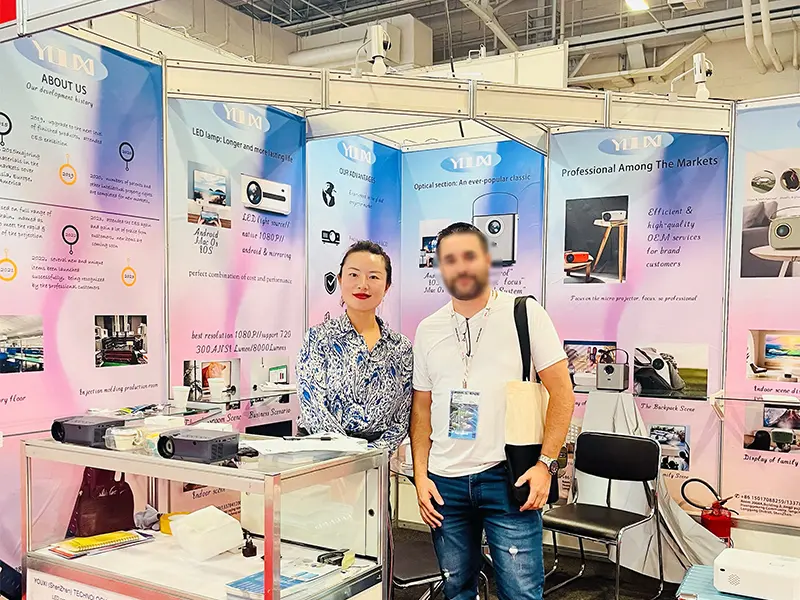
Founded in April 2021, Youxi (Shenzhen) Technology Co., Ltd. specializes in the research, development, manufacturing, and integration of intelligent projection systems and wearable smart devices. Our team maintains complete control over the entire lifecycle of our products, starting from the preliminary design stages, moving into high-precision tooling, assembly, and executing extensive quality assurance procedures. We ensure that raw material sourcing, assembly, packaging, and final export operations meet high international quality standards.
Dedicated to sustainability, Youxi implements energy-conscious designs, uses eco-friendly materials, and minimizes industrial footprint, actively participating in green manufacturing initiatives. Headquartered in Shenzhen, a leading global tech hub, we have immediate access to regional shipping lines, placing us just 40 minutes from Hong Kong Port.
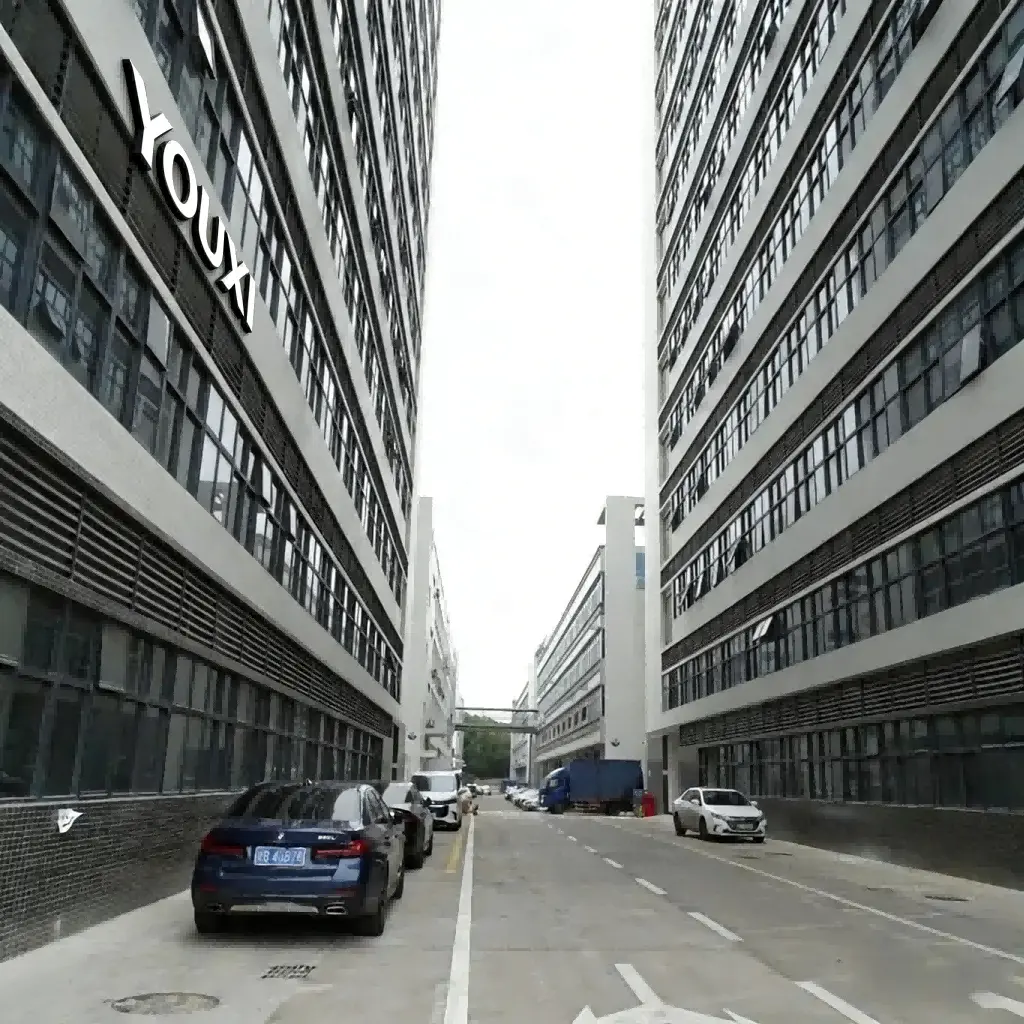
To support high-volume distribution, Youxi operates a dedicated assembly facility spanning 1,000 square meters in Fenggang Town, Dongguan City (located 25 minutes from the headquarters). This facility houses 100 professionals and supports a base monthly production capacity exceeding 30,000 units, which can scale up to 50,000 units monthly. We offer OEM, ODM, and MSM (Material-Specified Manufacturing) services, as well as joint venture partnerships.
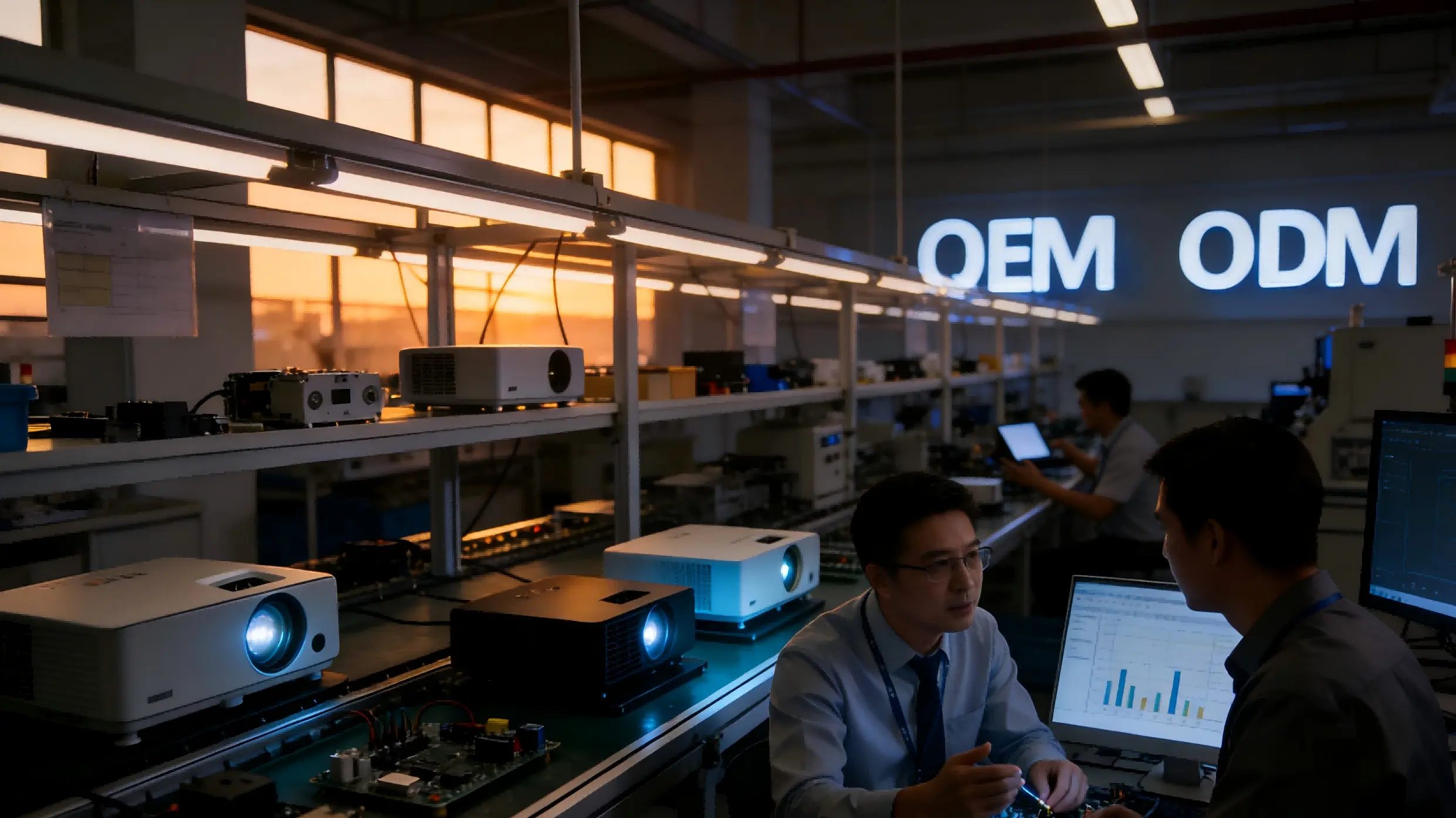
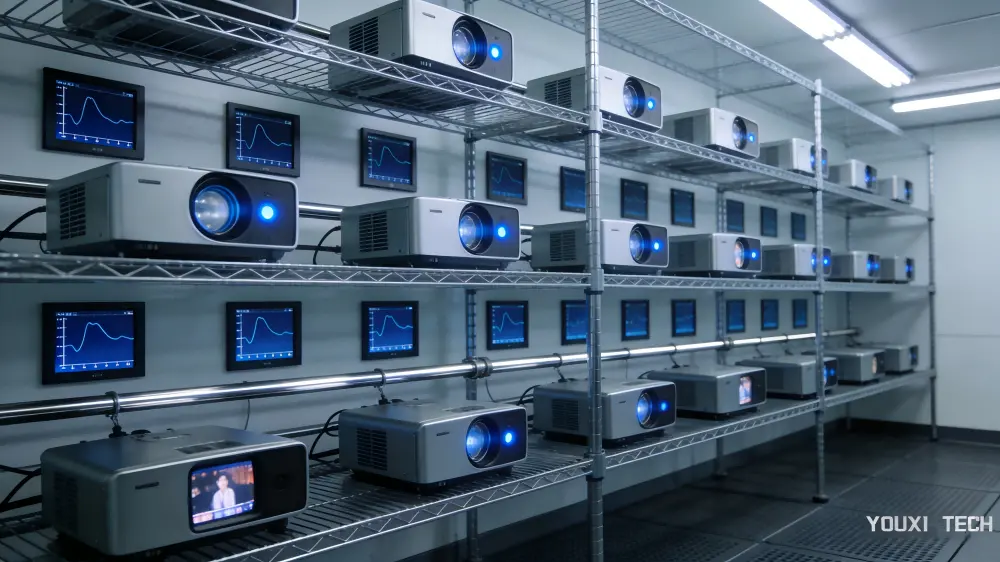
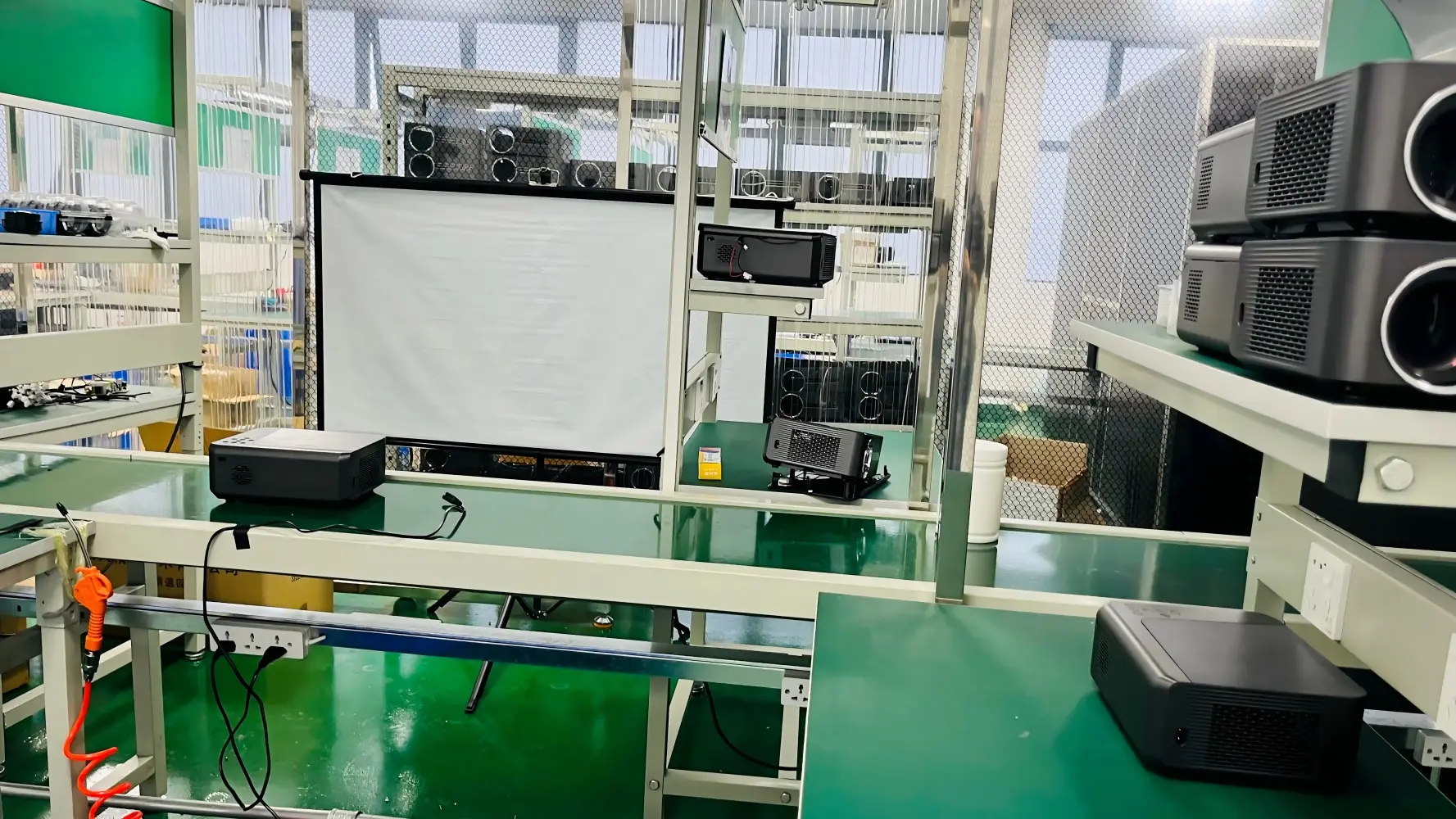

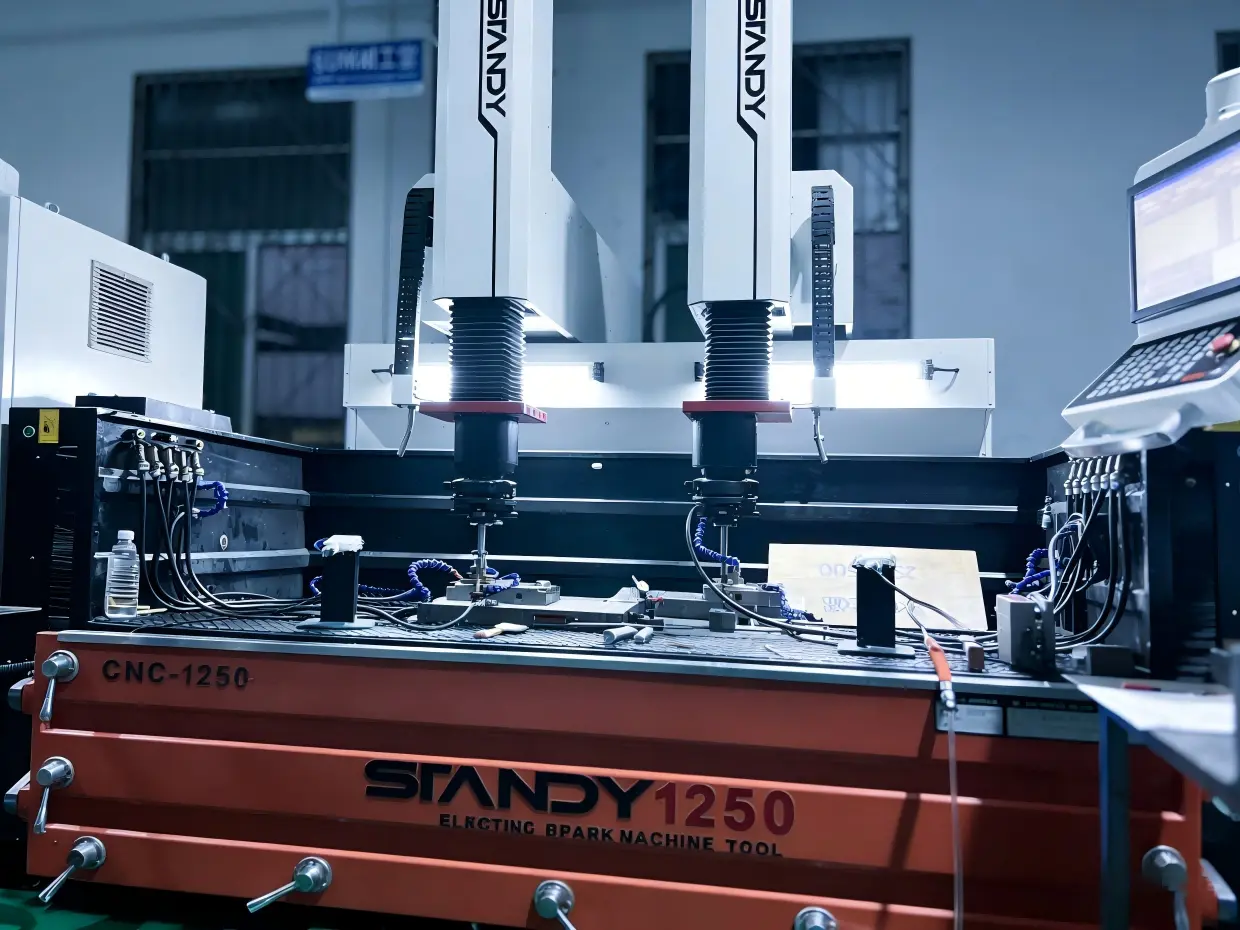
Inside Youxi's manufacturing workflow: from raw mold injection and 5S-compliant dust-free assembly to multi-phase stability testing.
The dedicated mold and injection tooling facility is situated alongside our main facility, configured with CNC machinery that exceeds standard precision levels. This allows us to establish the necessary structural integrity for heat dissipation paths, airtight sealed light blocks, and customized outer enclosures for our projectors.
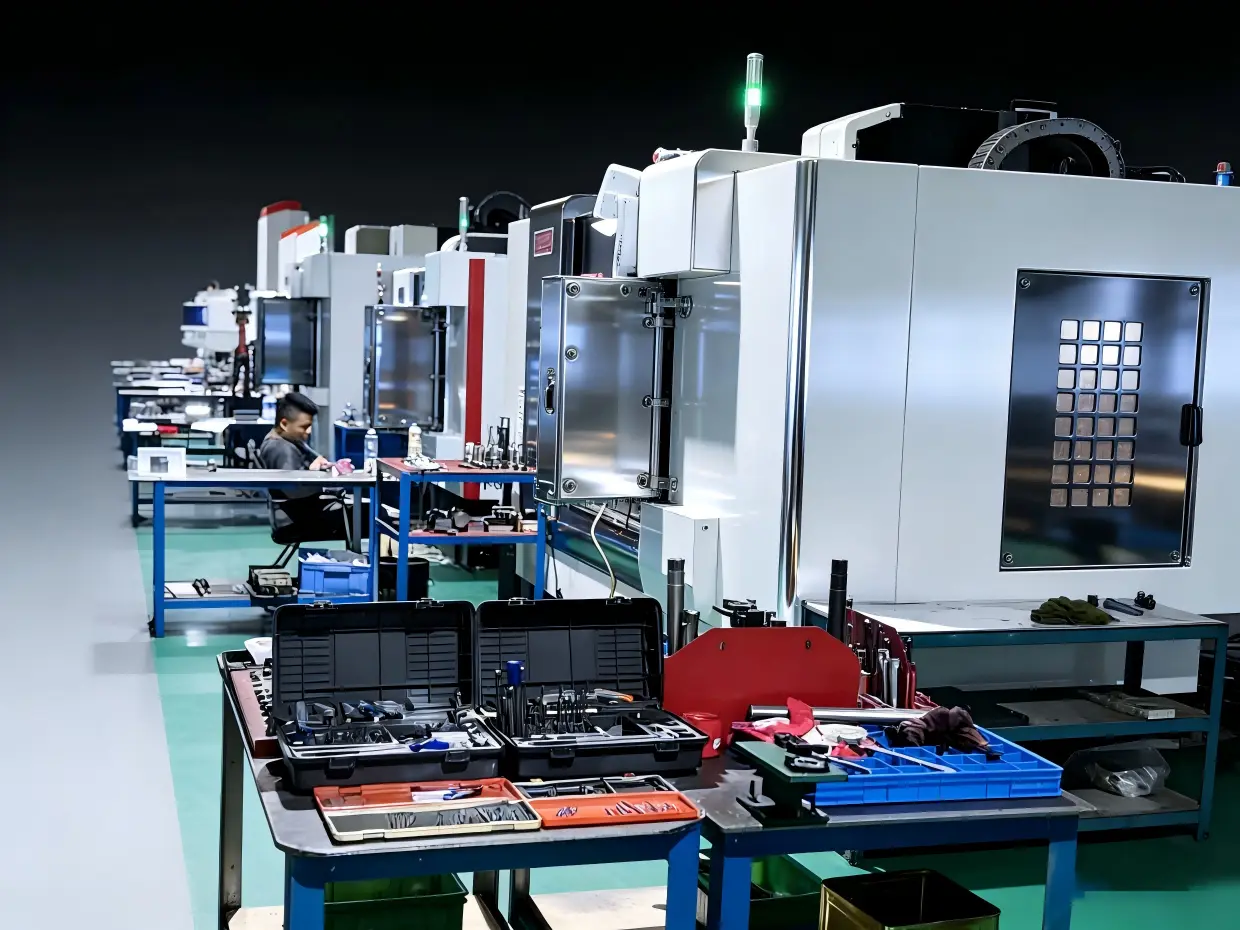
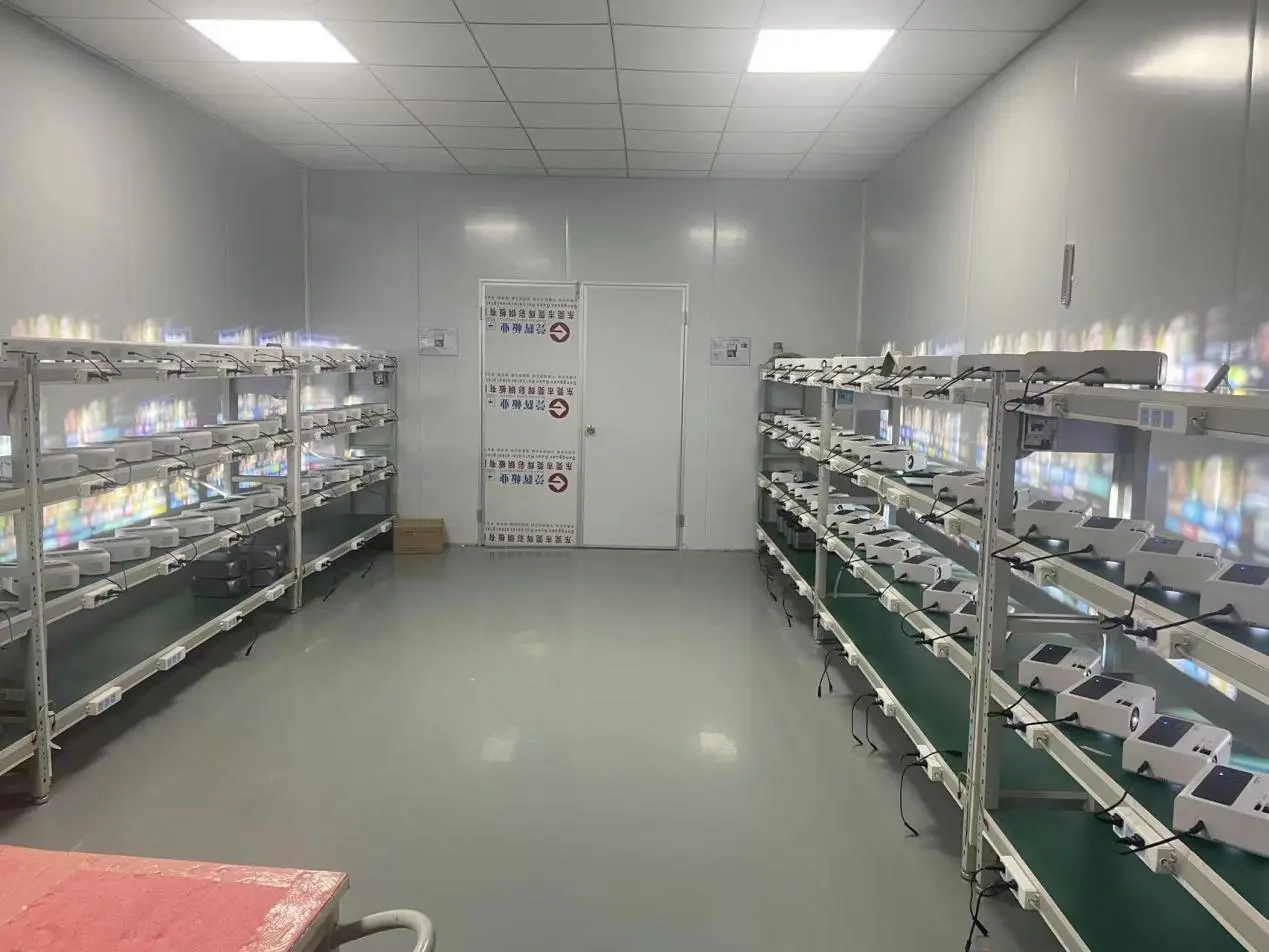
Spanning a production space of 4,000 square meters, our facility includes cleanroom assembly stations operating under 5S dust-free guidelines. This layout is designed to prevent particulate contamination on LCD panels, polarizing filters, and optical mirrors. Over 100 trained assembly operators ensure the reliability of each unit.
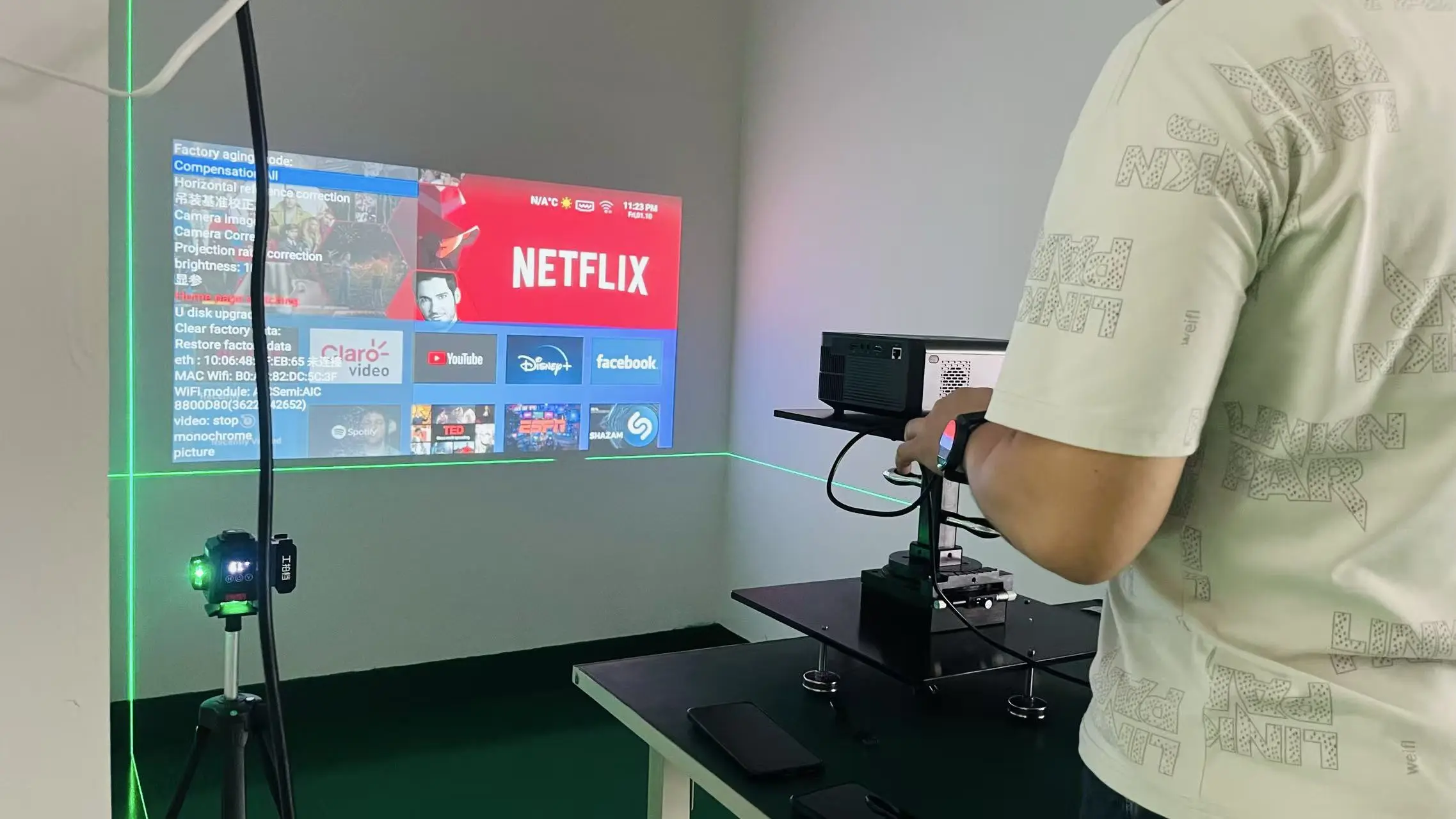
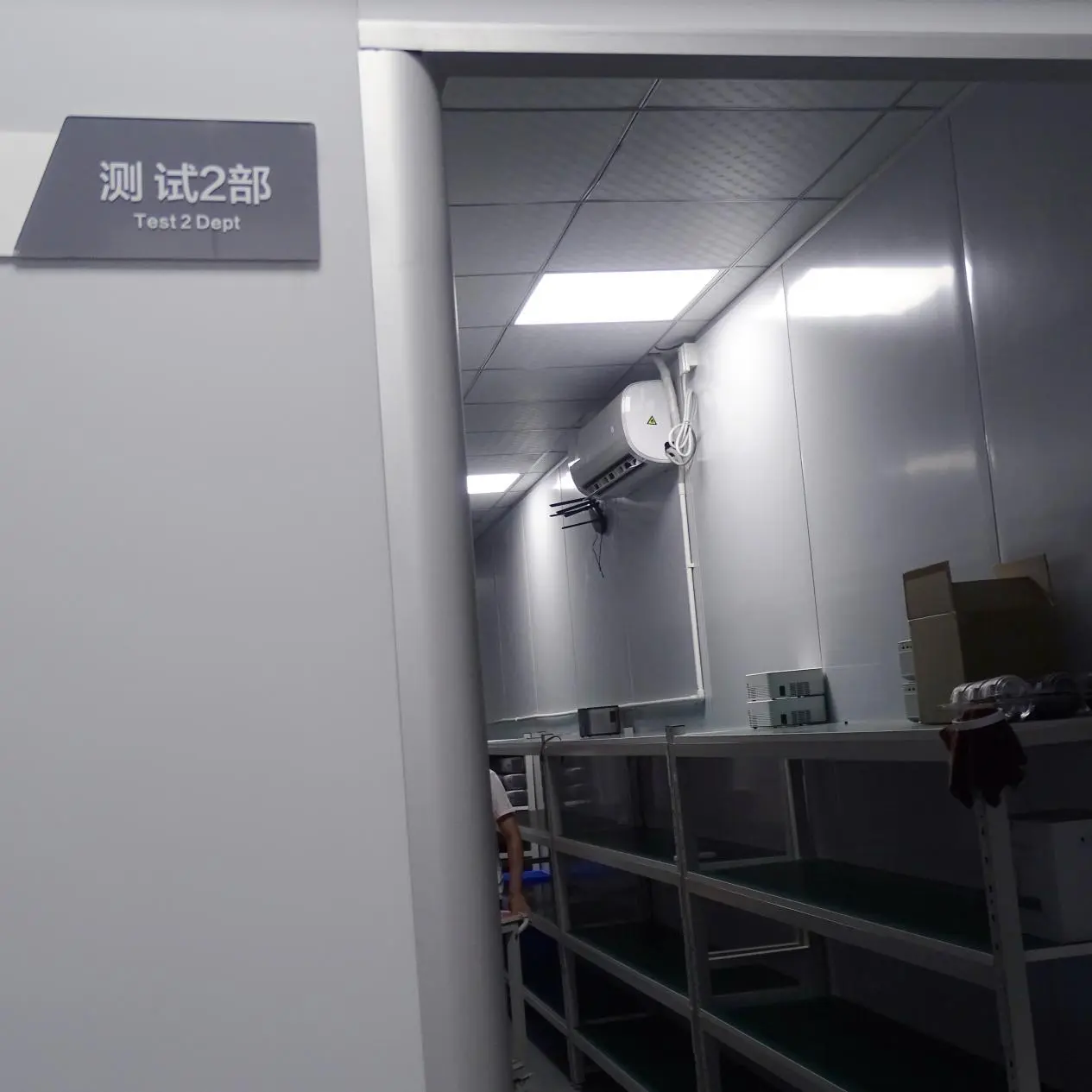
To manage potential hardware challenges before distribution, we maintain two distinct testing departments containing 12 dedicated inspection rooms. Our quality inspectors conduct incoming material checks, post-assembly alignment tests, and final random sampling evaluations of brightness, color mapping, and focus consistency.
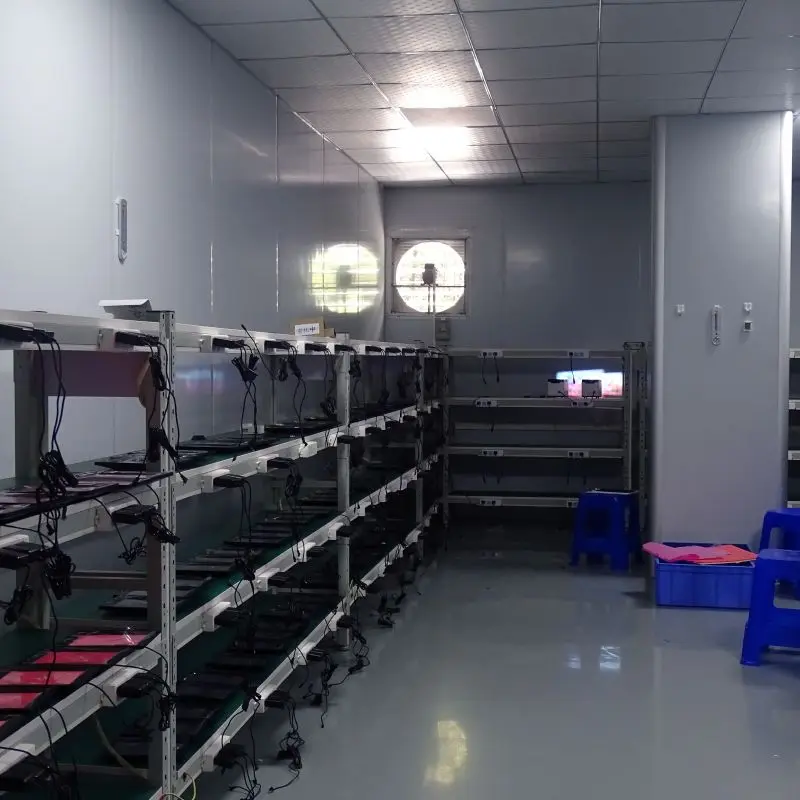
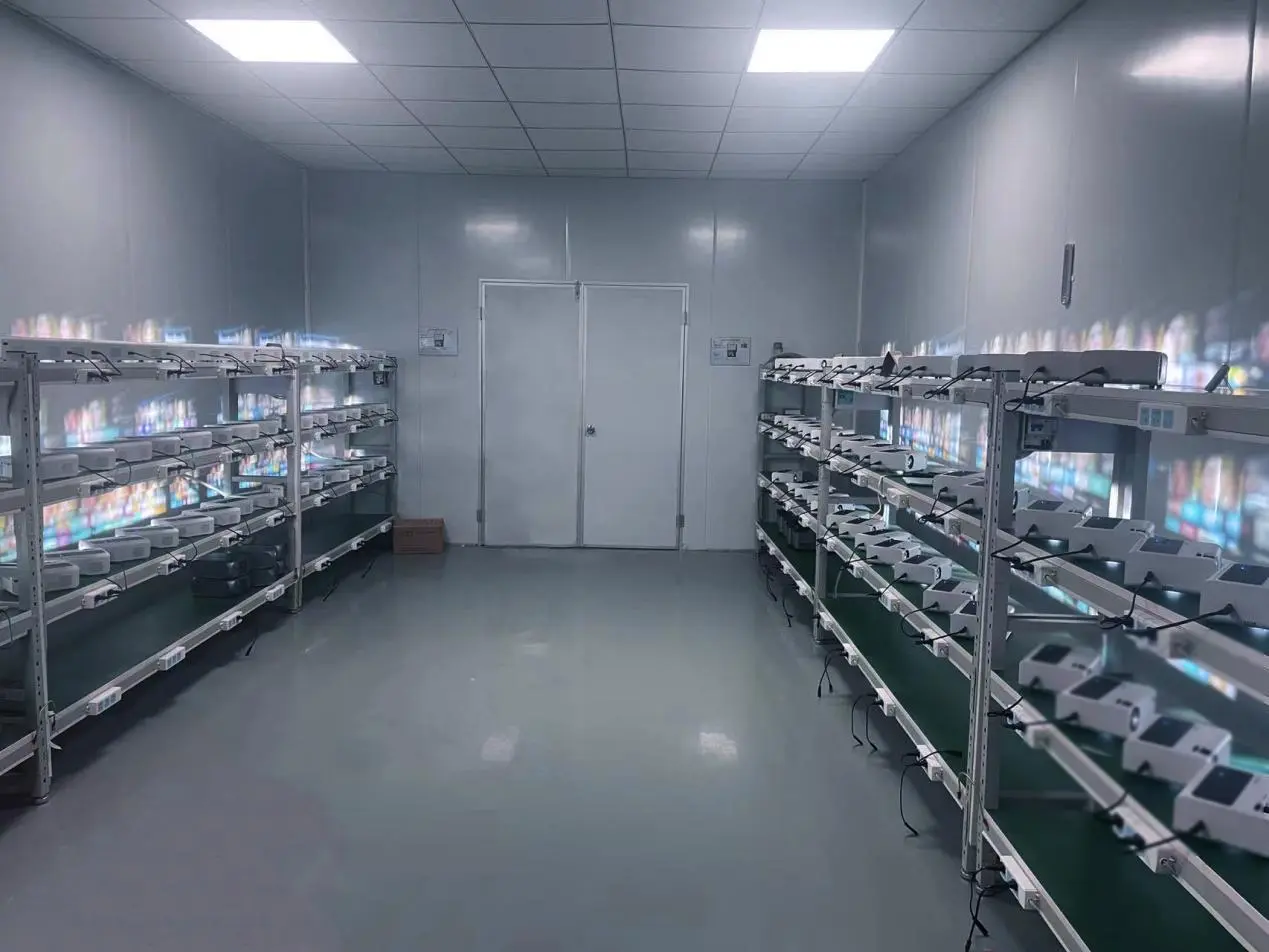
Positioned adjacent to the functional testing area, our aging facility holds space for 200 projectors to run continuously. This process validates thermal dissipation systems, ensures electronic drivers remain stable under heat loads, and confirms laser diode arrays operate reliably over time.
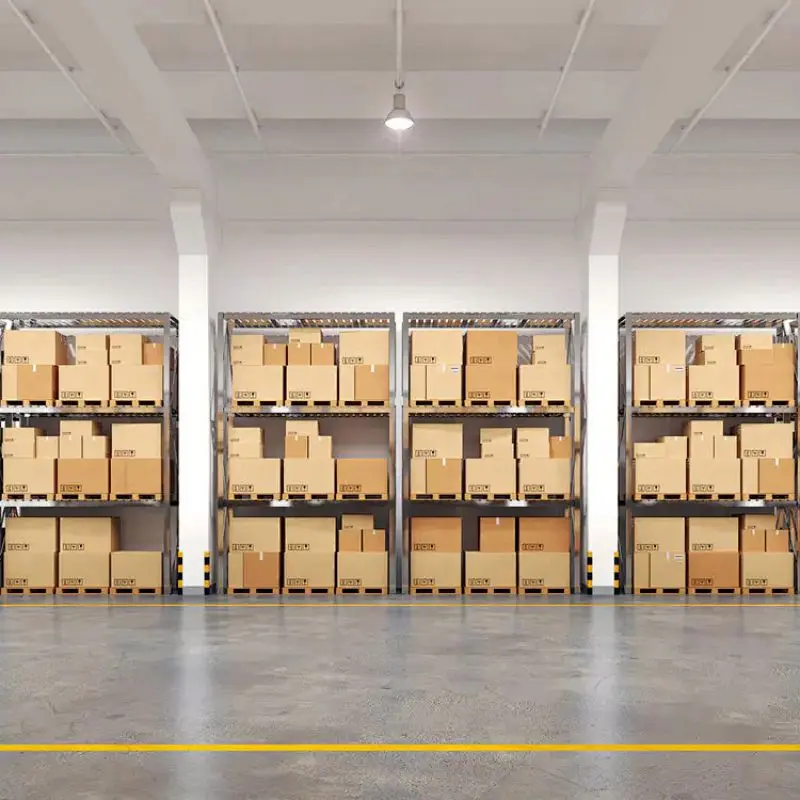
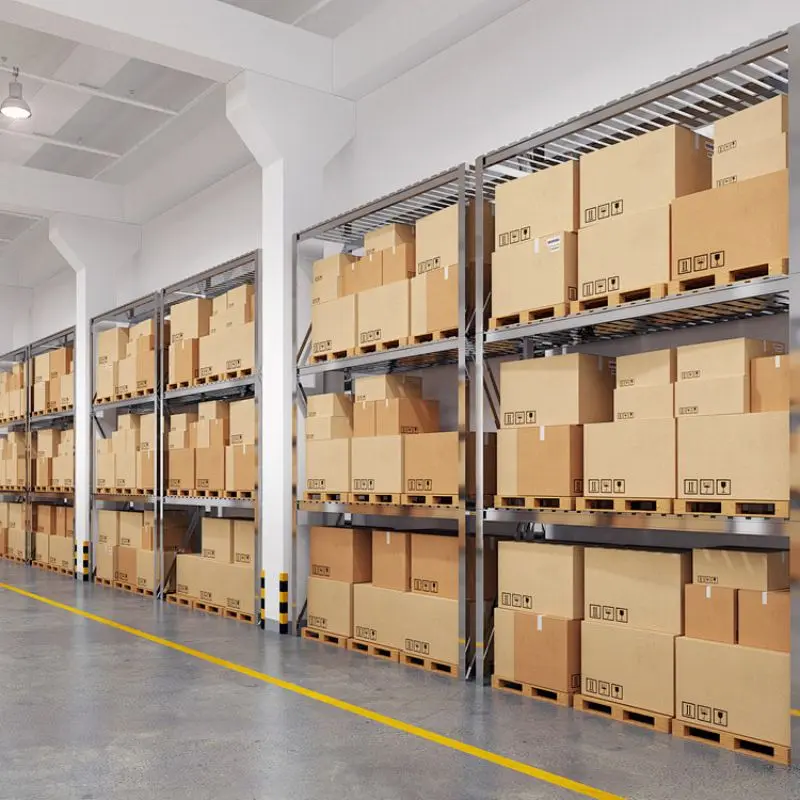
Adjacent to our packing area, the warehouse spans 300 square meters. The space uses moisture-control systems to shield optical instruments from moisture. It is designed to facilitate order sorting, loading, and transit dispatch directly to regional shipping ports.
Adapting high-performance visual technology to meet specific physical demands across diverse public environments.
Large auditoriums require high lumens to maintain legibility under ambient daylight or overhead LED lighting. By using dual-lamp or laser-phosphor engines coupled with localized short-throw lensing, institutions can project data-heavy slides, video streams, and interactive educational materials without needing to dim the room lights.
For historical landmarks, exhibition centers, and interactive art projects, projectors need consistent color profiles and edge-blending integration. Advanced optical setups allow developers to combine multiple projection streams into single, large, high-resolution visuals. Built-in geometric correction helps align displays on uneven surfaces.
Control hubs and shopping displays require stable, continuous performance. Utilizing liquid-cooled laser optics, these systems operate reliably in 24/7 commercial settings. IP5X-certified optical path designs help protect the internal electronics from dust buildup, reducing maintenance needs in high-traffic public venues.
When purchasing AV hardware at an enterprise level, evaluating initial cost estimates alone is insufficient. Procurement managers must analyze the total lifespan cost, which includes bulb replacement schedules, power usage, warranty terms, and downtime risks.
Our factory-direct tier structures pricing based on volume commitments, chosen illumination technologies, and specific custom requirements (such as custom software integration or ruggedized outer chassis). Solid-state laser projectors require a higher initial investment compared to traditional mercury-lamp systems, but they eliminate bulb replacement costs, bringing down the cost per hour over years of operation.
Additionally, specifying structural requirements early—such as choosing between fixed long-throw lenses and interchangeable motorized systems—allows us to align production with your project needs, minimizing post-sale adjustment costs.
Explore our secondary lineup optimized for educational spaces, portable business applications, and high-fidelity video setups.

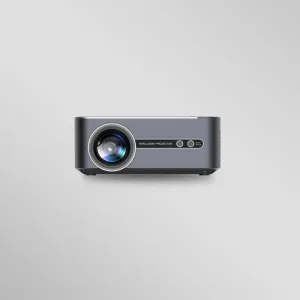
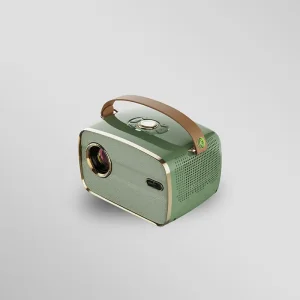
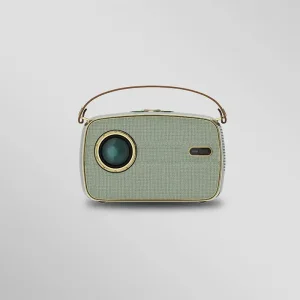
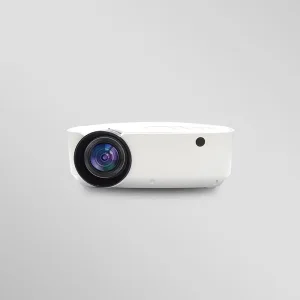
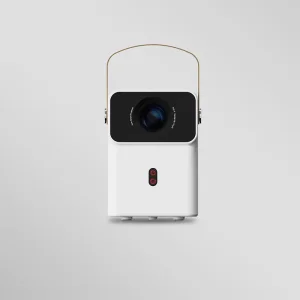
The projection industry is shifting toward smart automation and advanced connectivity. Hardware integrations like built-in camera arrays and processing chips are standardizing automated layout tuning. Technologies such as auto-focus, automatic 4-point keystone correction, and real-time screen fit help reduce setup time in multi-projector matrices.
Wireless capabilities are also advancing. Integrating dual-band Wi-Fi and Bluetooth allows stable connections without long cable runs. For high-bandwidth requirements, protocols like HDBaseT remain the standard, enabling uncompressed 4K video signals to travel over category network cabling up to 100 meters.
Furthermore, manufacturing processes are moving toward sealed-engine designs. Fully sealed optical engines prevent ambient dust from settling on internal polarizing elements, keeping maintenance needs low over long periods of operation.
Expert answers addressing the concerns of purchasing managers, commercial integrators, and distributors.
 Youxi projection