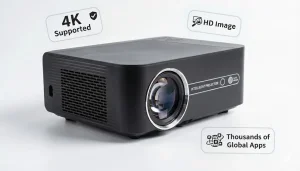
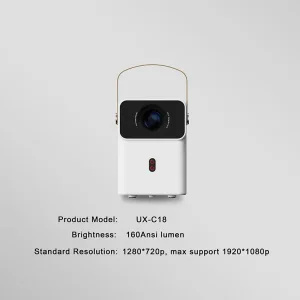
Explore our premium selection of certified smart projectors, home entertainment systems, and OEM/ODM wearable modules.
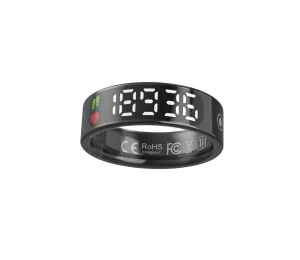
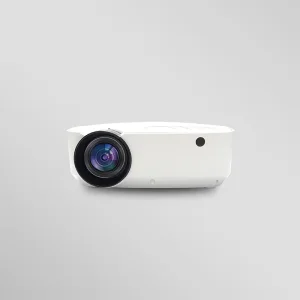
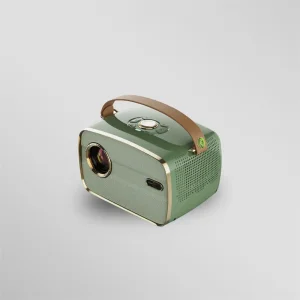
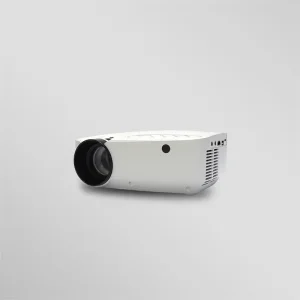
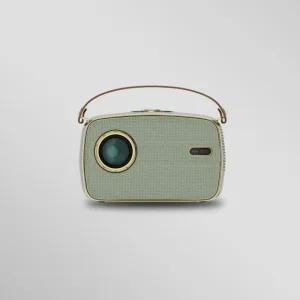
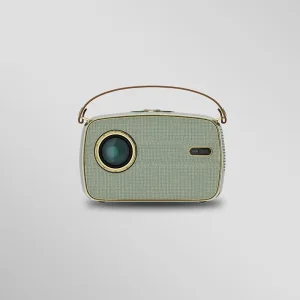
Navigating compliance, electromagnetic compatibility, optical safety, and energy metrics in global markets.
In the rapidly changing consumer electronics and enterprise projection sector, global regulatory compliance has shifted from a mere legal check-box to a core driver of brand reputation, supply chain resilience, and marketplace access. As high-lumen, laser, and solid-state LED projection technologies expand into schools, boardrooms, and outdoor home setups, compliance frameworks like CE, FCC, RoHS, Energy Star, CCC, CB, and BIS have become vital entry criteria. Projectors integrate high-voltage light engines, wireless radio modules, high-frequency optical processing paths, and power units, making strict quality standards essential. Without these certifications, products risk border delays, heavy penalties, and immediate removal from key channels.
Modern procurement officers must look beyond raw cost-per-unit. A comprehensive projector certification ensures that the unit protects eyes from light-path radiation, mitigates fire hazards from power supply designs, and controls electromagnetic emissions to prevent signal interference. This systematic focus reduces legal risk, lowers return rates, and enhances overall customer satisfaction.
Ensures dual-band Wi-Fi, Bluetooth 5.0, and optical engines do not radiate RF fields that interfere with medical devices, corporate LAN systems, or consumer networks. Meets FCC Part 15 and CE RED standards.
Addresses eye safety and heat management under IEC 62471 standards. Validates light source safety, active cooling airflows, and auto-shutdown controls if the projector detects blockages.
Adheres to RoHS and REACH limits on lead, mercury, and cadmium. Promotes sustainable design with post-consumer recycled plastics and efficient power management configurations.
Understanding the critical metrics B2B buyers evaluate during high-volume projector tenders.
In the global commercial projector supply chain, corporate, government, and educational procurement requirements extend far beyond initial pricing list quotes. Sourcing leaders typically balance total cost of ownership (TCO) against performance metrics, technical support structures, and factory reliability. A quality projection system operates as a long-term utility inside corporate meeting spaces, classrooms, and retail venues.
Key parameters such as the Mean Time Between Failures (MTBF), light source longevity (typically over 30,000 hours), thermal mitigation curves, dust protection ratings, and systemic software stability (like official Android TV or Google TV certification) are central to the buying decision. Organizations prefer suppliers that provide complete compliance documentation alongside clear factory inspections, ensuring lower operational overhead, minimal warranty claims, and consistent, long-term performance.
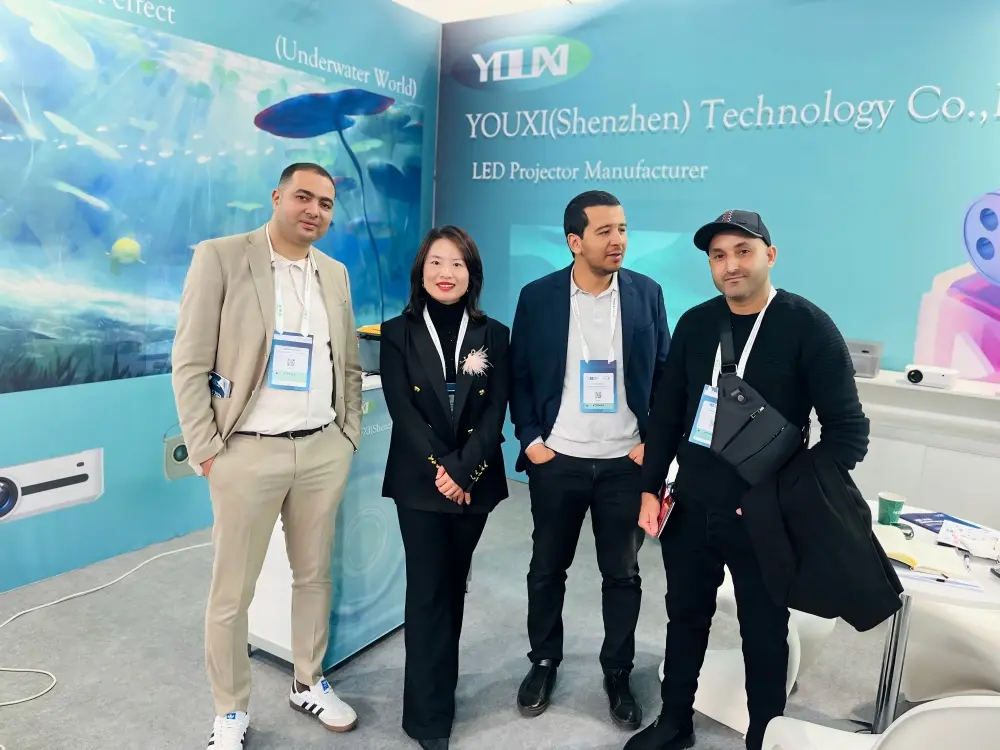
Youxi (Shenzhen) Technology Co., Ltd. - Driving precision assembly and quality-driven manufacturing.
Founded in April 2021, Youxi (Shenzhen) Technology Co., Ltd. specializes in the R&D, manufacture, and integration of intelligent projection systems and wearable smart devices. We maintain end-to-end capabilities across the product lifecycle—from initial R&D and precision assembly to quality assurance—ensuring compliance with international standards at every stage, from raw materials to final packaging. Committed to sustainable operations, Youxi integrates energy-efficient design, eco-conscious materials, and waste-reduction practices into our business model, contributing to green manufacturing.
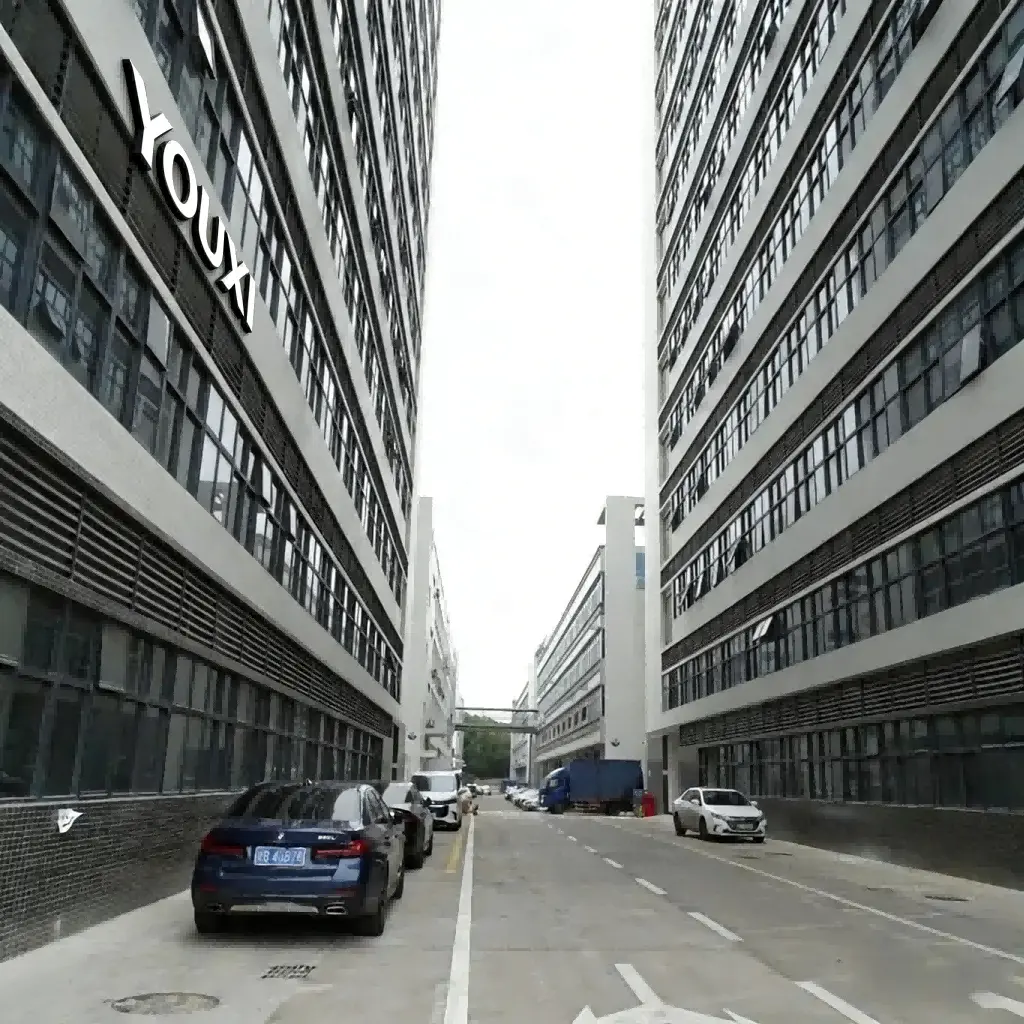
Headquartered in Shenzhen—a leading innovation hub in Southern China—we benefit from strategic proximity to the Hong Kong Port, with a travel time of approximately 40 minutes. To support scalable production, Youxi operates a dedicated assembly facility spanning approximately 1,000 square meters in Fenggang Town, Dongguan City (a 25-minute drive from headquarters). The facility currently employs around 100 professionals and maintains a monthly production capacity exceeding 30,000 units. Its robust quality management system, certified supply chain, and vertically integrated operational framework ensure consistent product reliability and timely delivery.
Youxi offers comprehensive service solutions, including branded product development, OEM/ODM customization, and material-specified manufacturing (MSM). We also actively pursue strategic partnerships through authorized distribution and joint venture models.
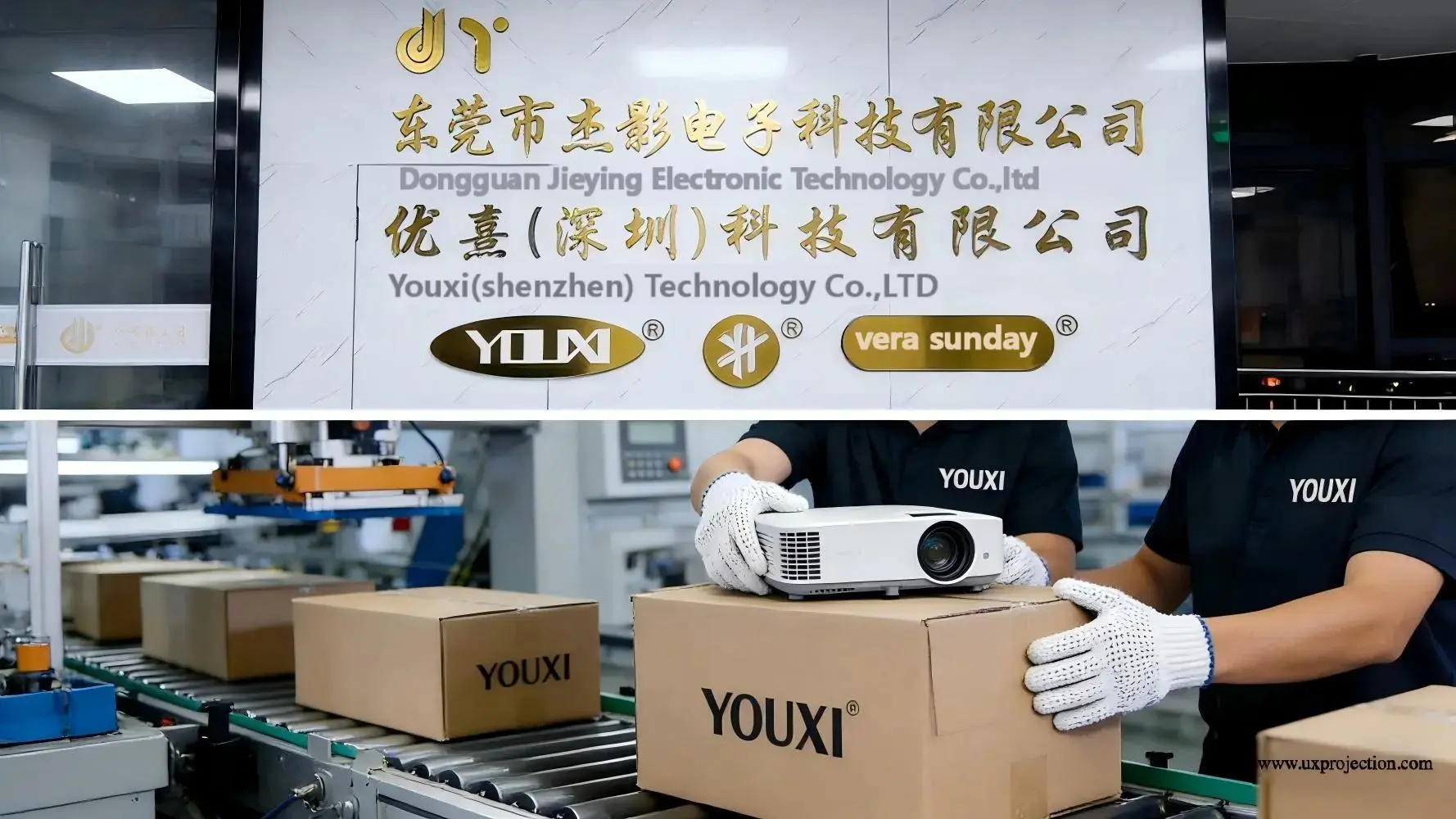
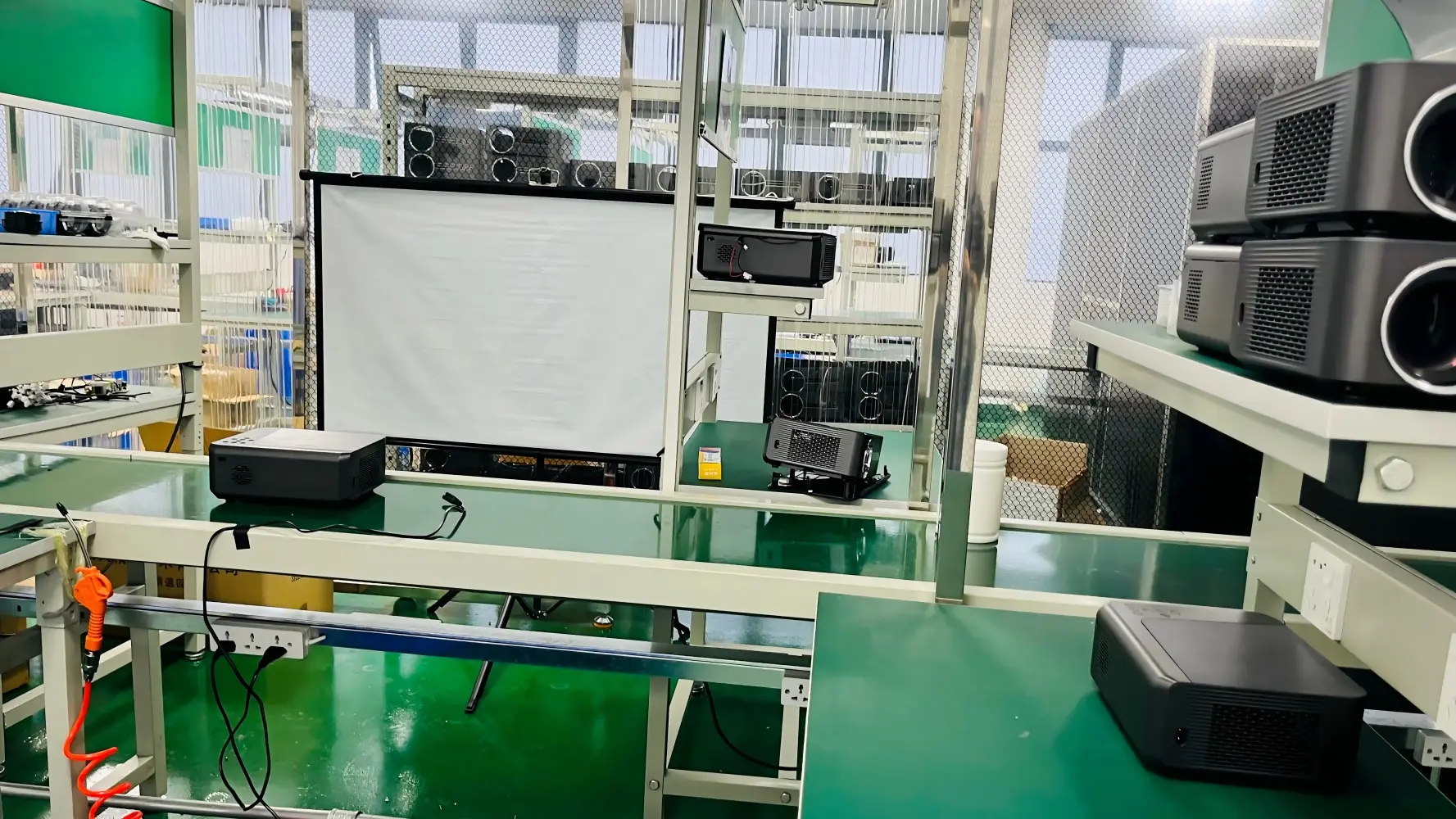
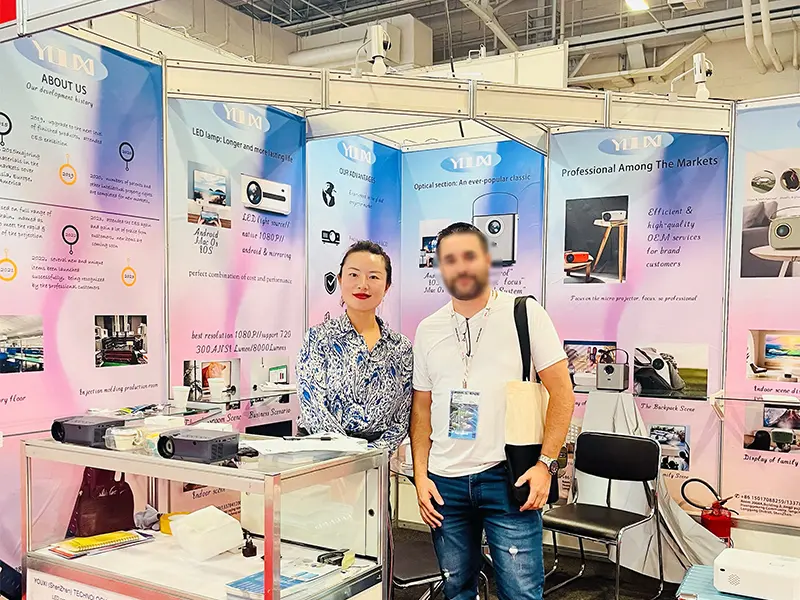
A detailed breakdown of Youxi's manufacturing facilities, assembly standards, and quality controls.
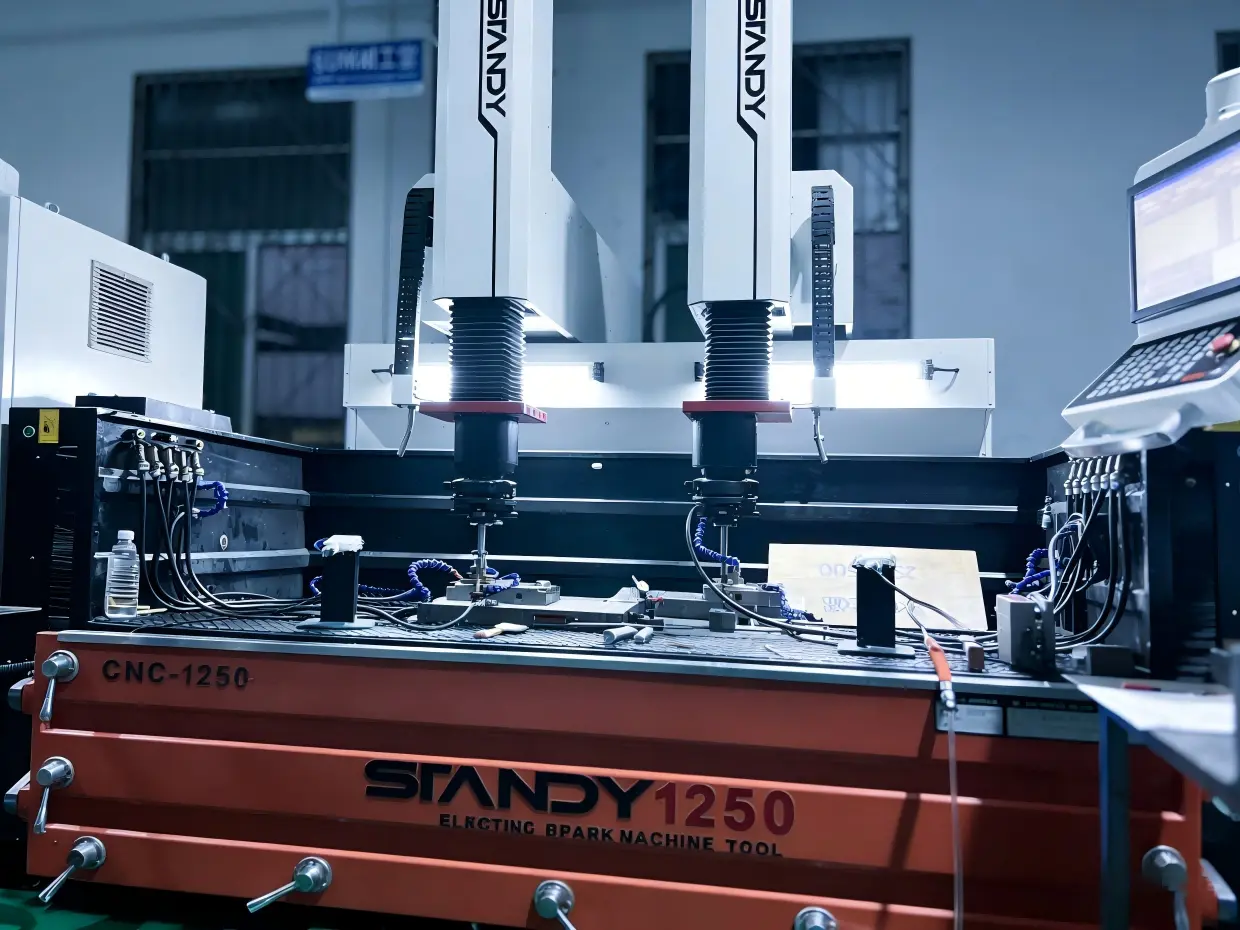
Our mold and injection molding workshop is located next to our factory, equipped with digital machines above conventional standards to ensure a strong foundation for each product shell and lens barrel.
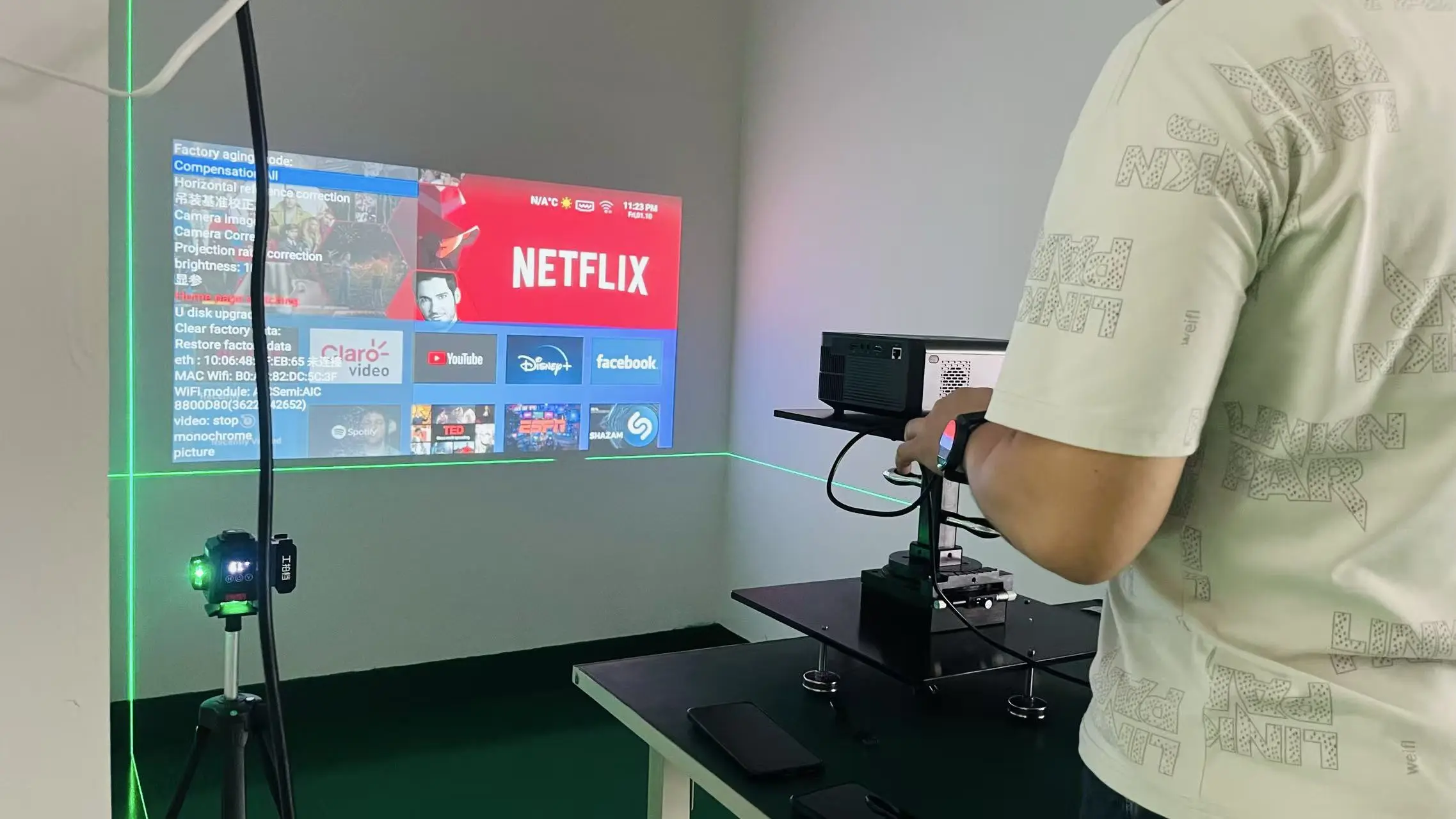
Covering an area of 4,000 square meters. The factory features dedicated production, injection molding, assembly, and testing workshops to handle high volumes. Following recent adjustments, over 100 qualified assembly workers are distributed across departments, trained to high professional and ethical standards.
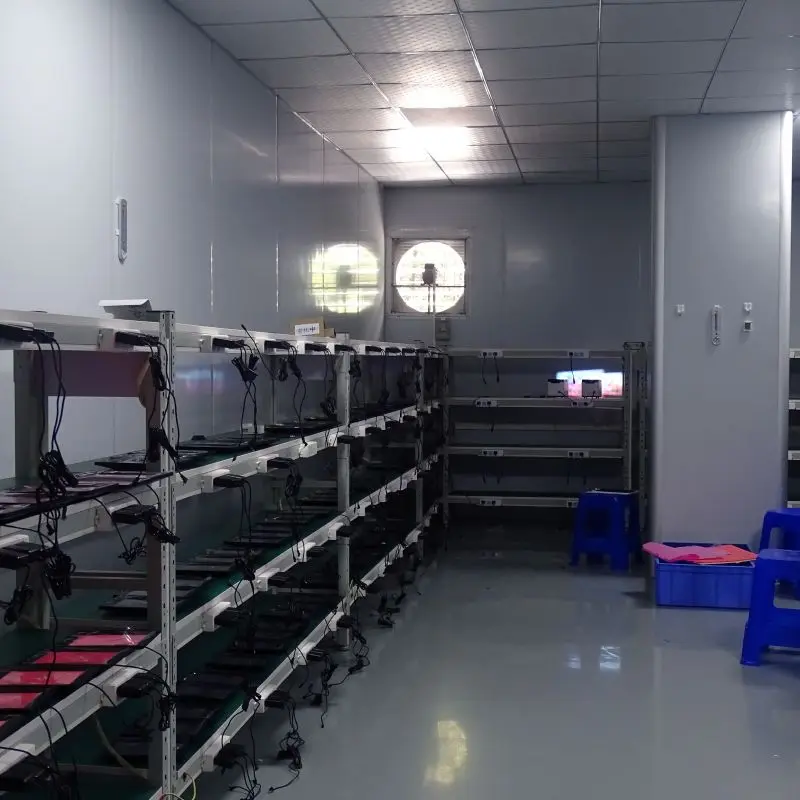
To ensure machine performance and control defect rates for customers, we have established two groups of test rooms, containing 12 rooms total. Senior quality inspectors test incoming materials, conduct post-assembly inspections, and run final checks before shipment.
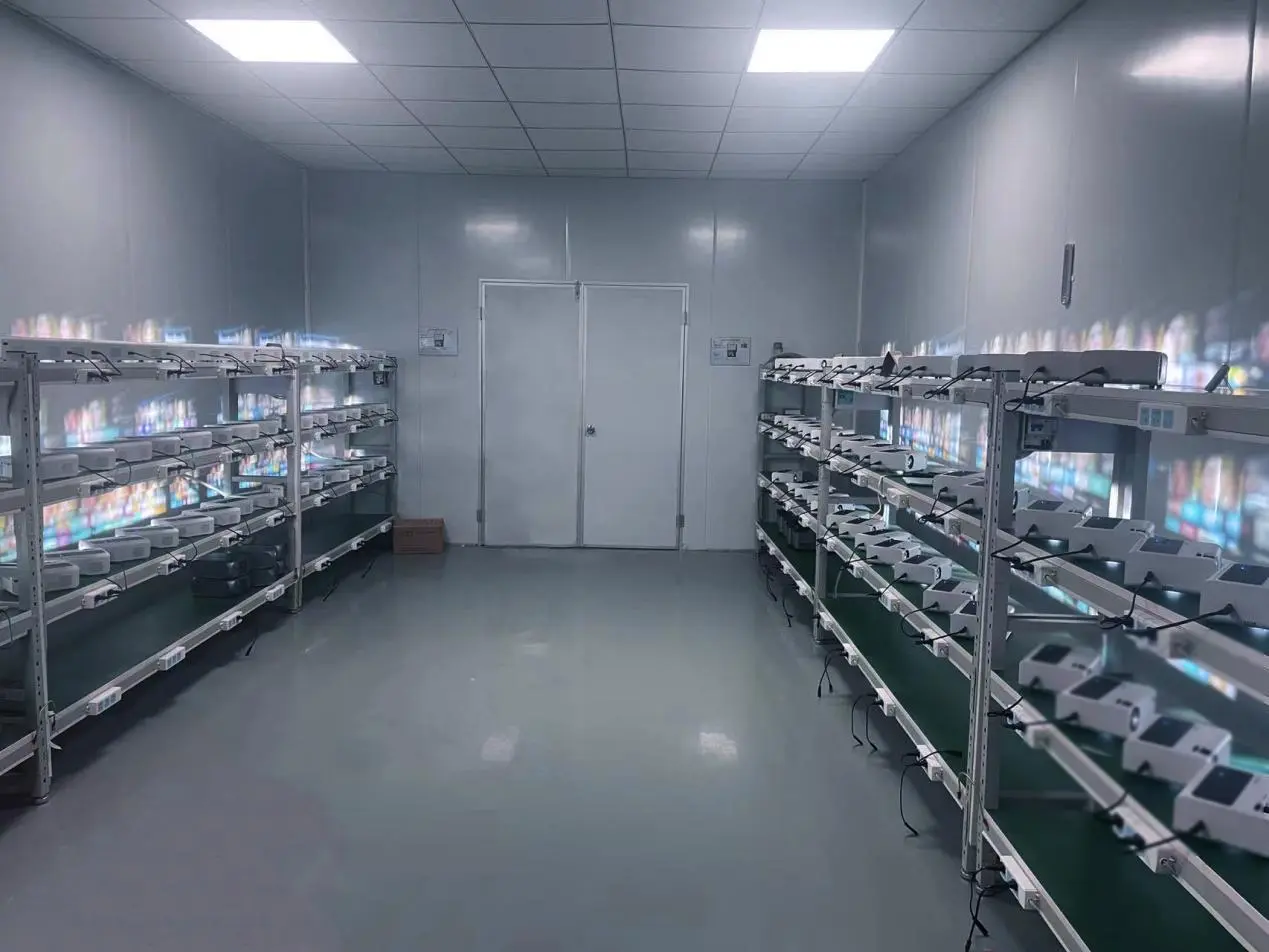
Located next to the functional test room to improve efficiency and reduce errors, our aging test room can accommodate at least 200 machines simultaneously for continuous duty-cycle testing.
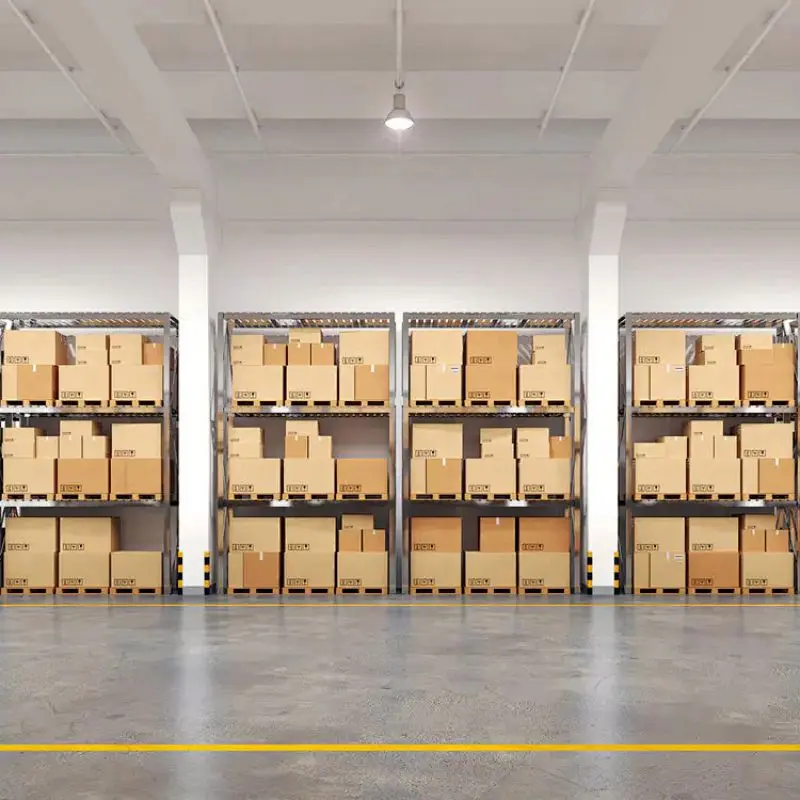
A dedicated 300 square meter storage facility located next to the packaging line, organized for secure storage and efficient dispatch of ready-to-ship products.
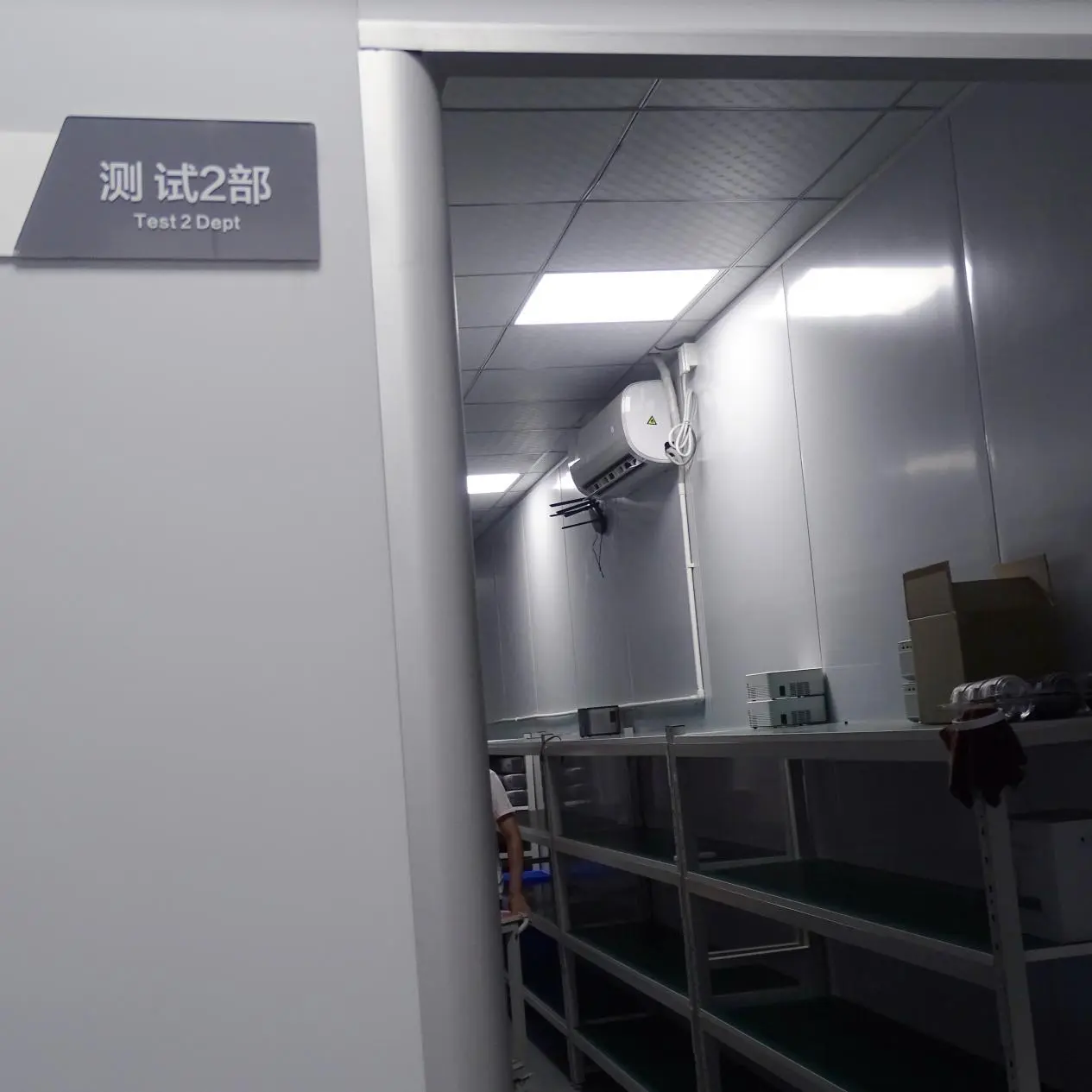
Our workshops are designed based on 5S cleanroom standards. We introduce advanced manufacturing equipment, CNC machinery, and high-end test instruments to meet diverse client specifications.
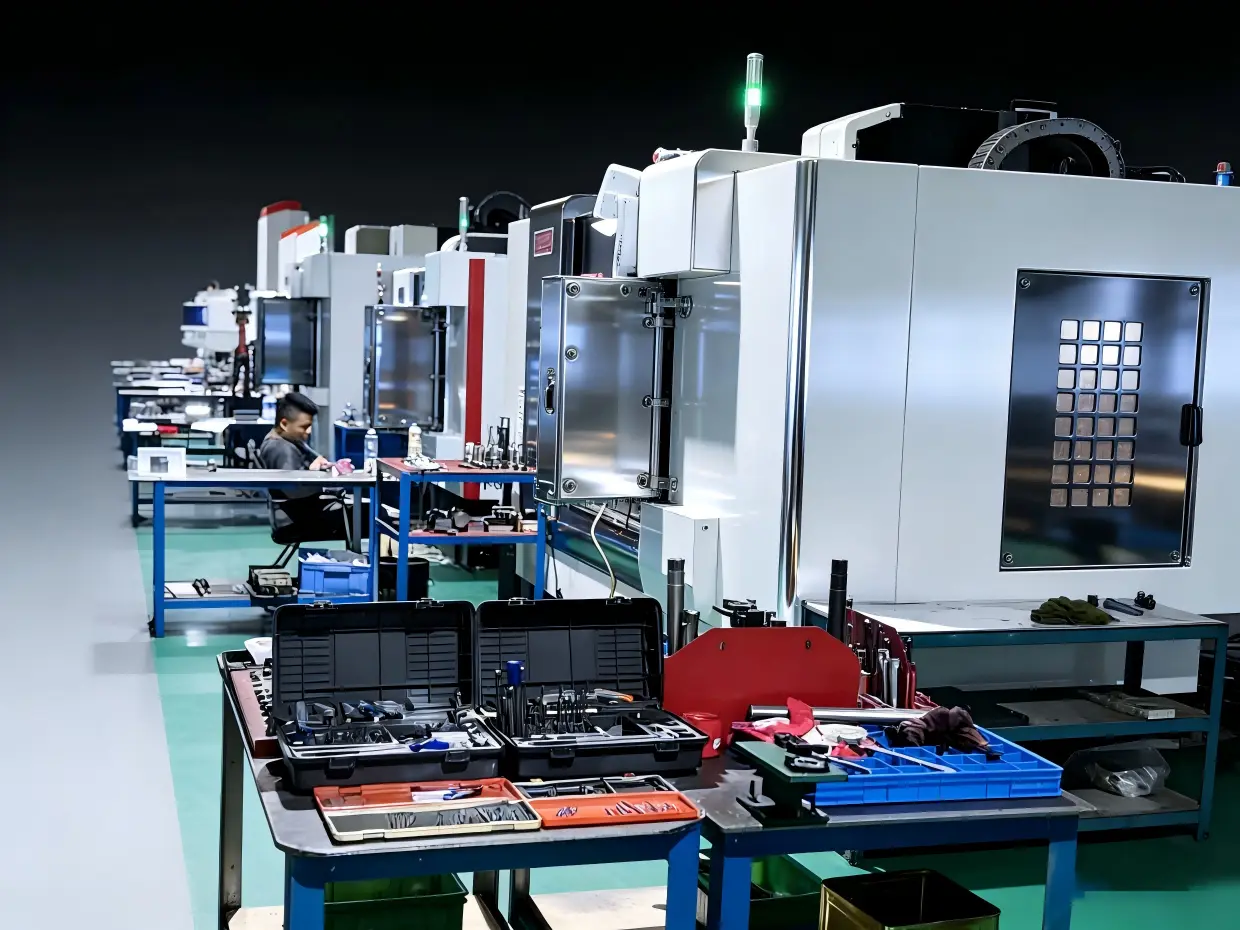
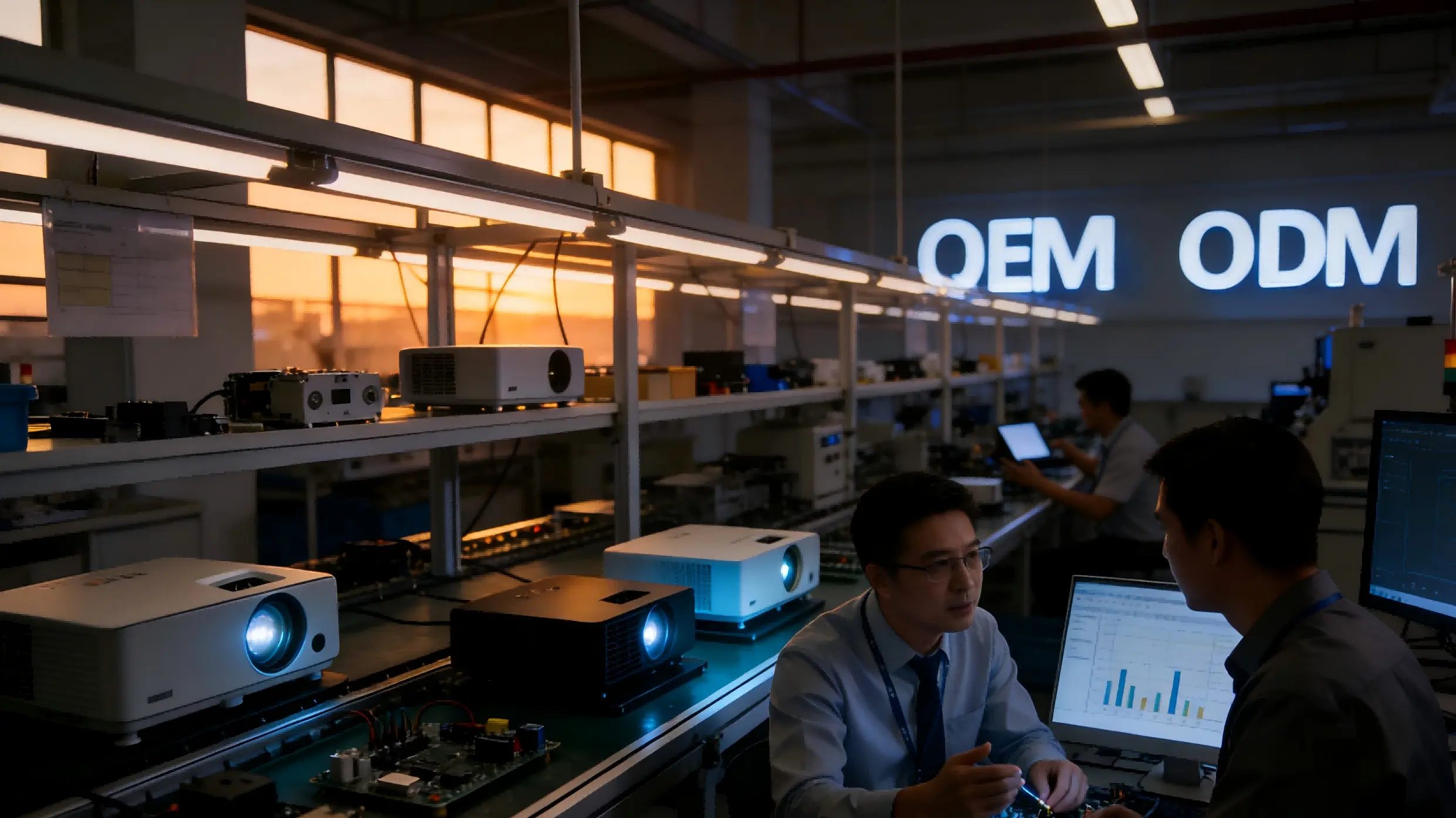
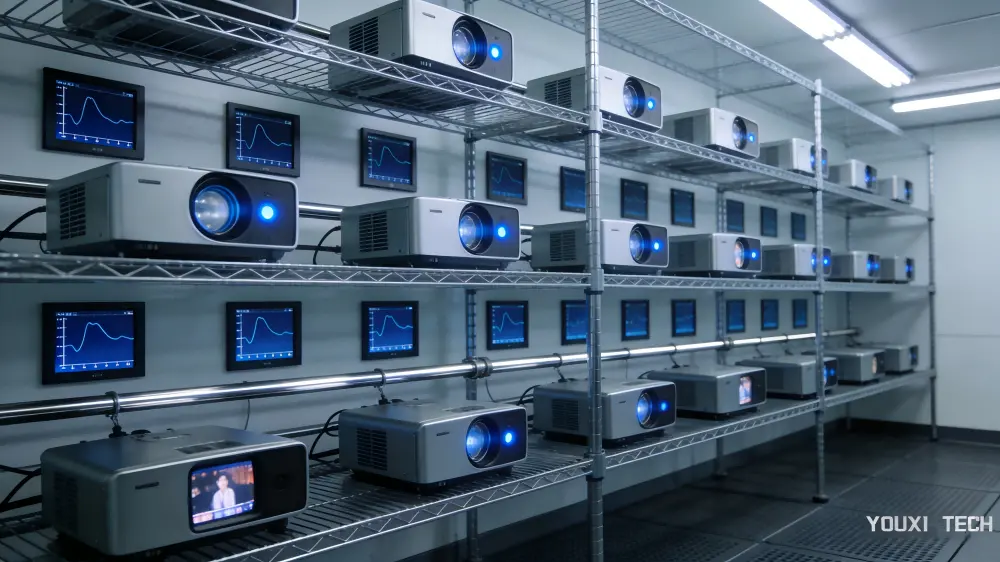
We hope this overview of our production lines is helpful. If you have any questions, please feel free to leave us a message. Our technical and sales teams will respond as soon as possible.
Adapting projection technologies to specific regulatory markets and diverse usage environments.
The global projection market is evolving beyond simple home theater setups. Today's commercial, educational, and outdoor environments require tailored designs to meet specific local operating conditions:
At the same time, regional markets enforce strict environmental policies. The European Union's Ecodesign Directive requires lower standby power levels, while India's BIS framework mandates local testing to protect consumers. Working with a vertically integrated supplier like Youxi simplifies compliance, helping brands launch new models quickly while avoiding technical and regulatory roadblocks.
Expert answers to common questions about international certifications, pricing, and factory operations.
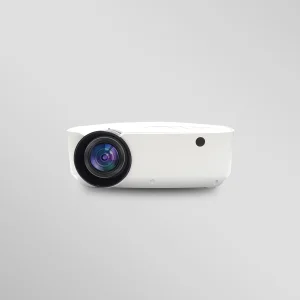
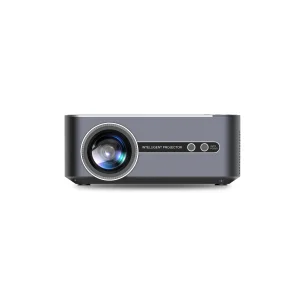
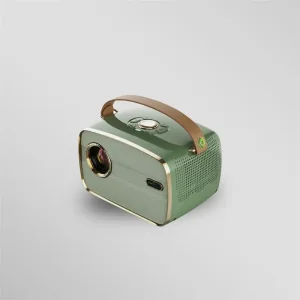
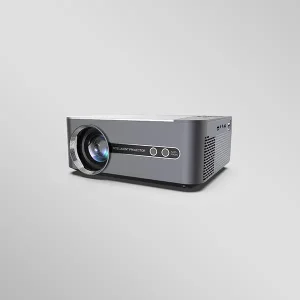
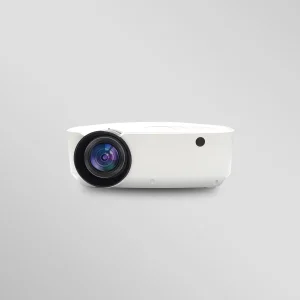
Explore our advanced mini and smart projection hardware systems. Contact us for custom quotes.
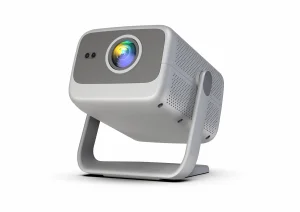
 Youxi projection