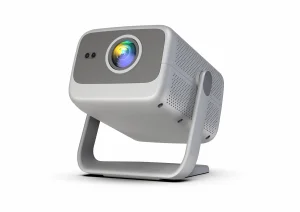
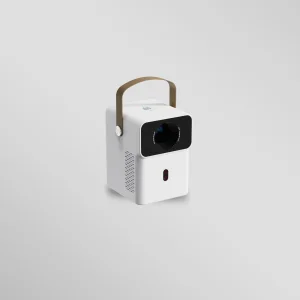
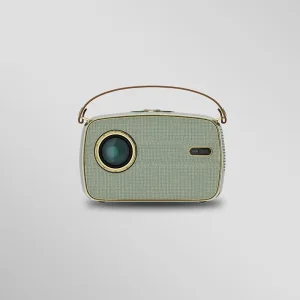
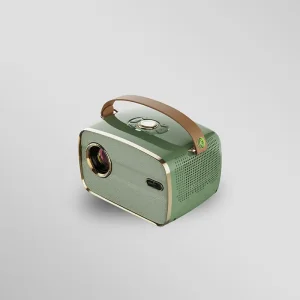
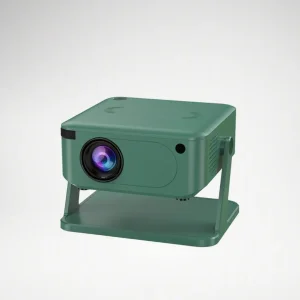
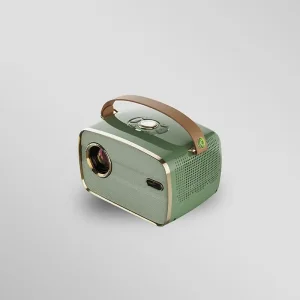
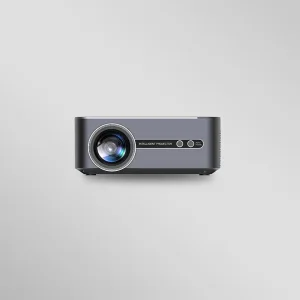
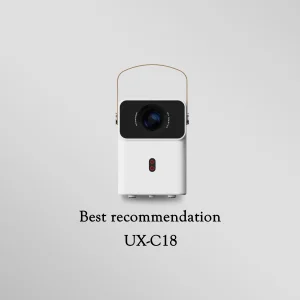
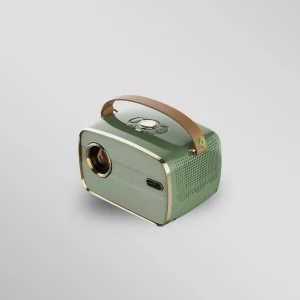
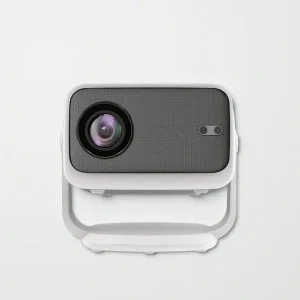
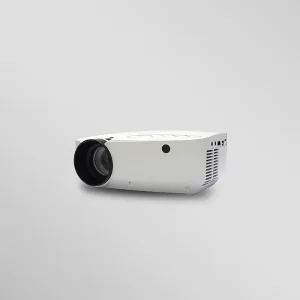
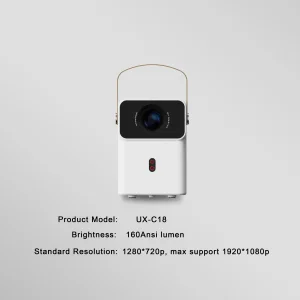
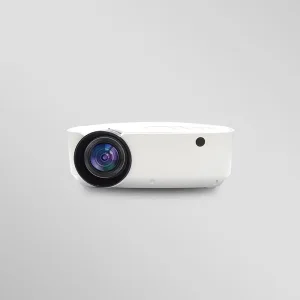
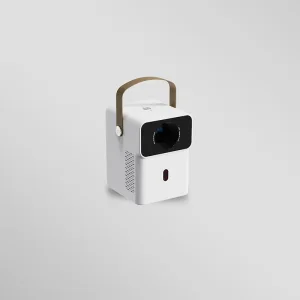
Engineered to deliver exceptional color accuracy and clear image visibility under strong ambient light. Explore direct quotes and specification matrices below.
For modern corporate offices, bright boardrooms, and daytime home theaters, traditional projection units often suffer from washed-out colors and weak contrast. Understanding how to select the best projector in bright room environments requires analyzing several key technical metrics.
Standard home cinema projectors operate between 1,000 and 1,500 ANSI lumens, which is insufficient for rooms with open windows. For clear readability without drawing the shades, units must output at least 3,500 to 5,000 ANSI Lumens, or utilize concentrated solid-state LED arrays that maximize light efficiency.
High nominal contrast ratios (e.g., 100,000:1) drop in bright environments because ambient light raises the screen's black level. Employing Ambient Light Rejection (ALR) screens and high native dynamic contrast engines prevents the image from losing details in dark areas.
To consistently combat ambient light, the light source operates at high power. Our high-lumen commercial projectors feature advanced copper heat-pipe cooling structures and dustproof enclosures, extending optical engine lifespan up to 30,000 hours with minimal maintenance requirements.
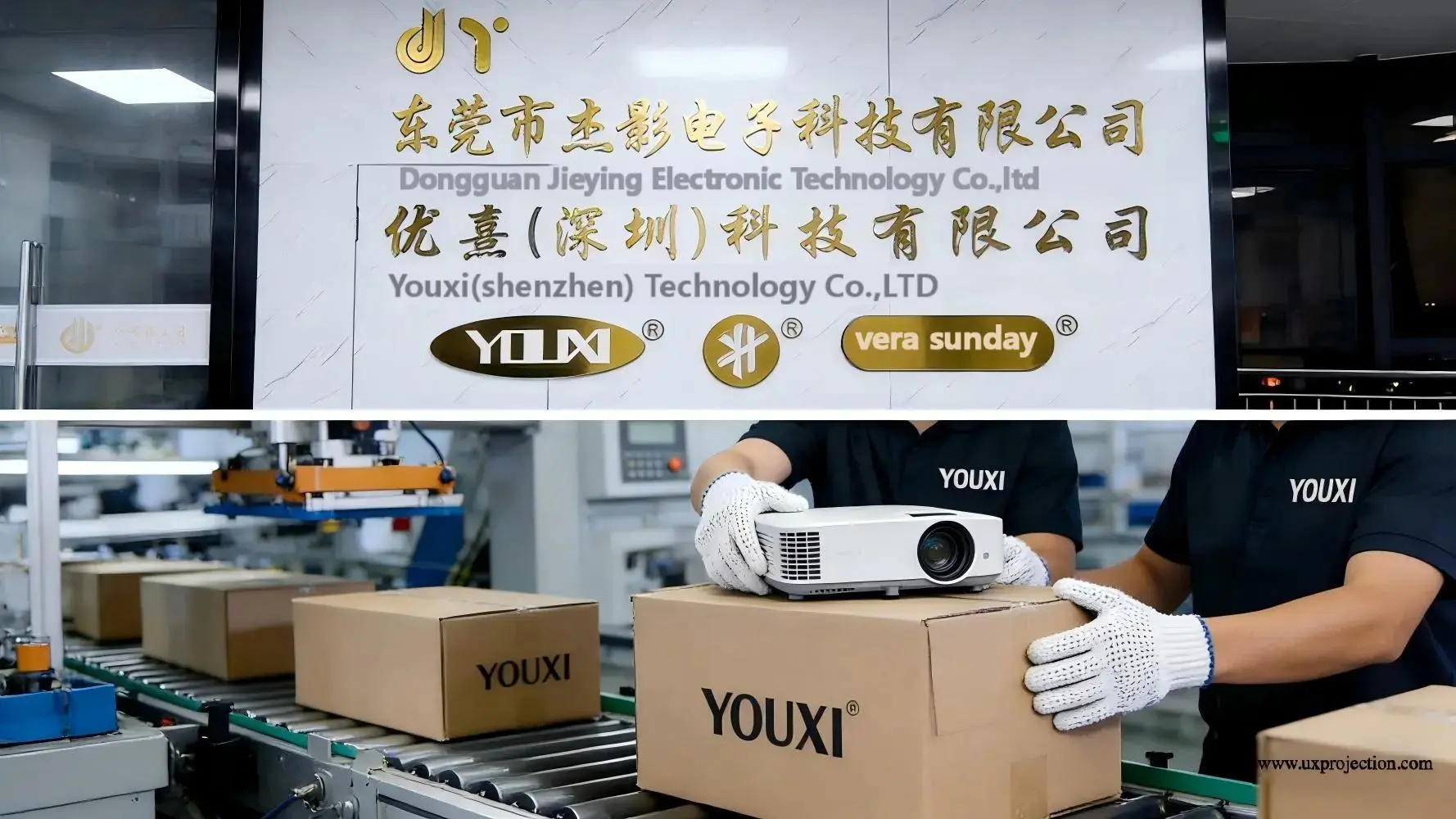
Founded in April 2021, Youxi (Shenzhen) Technology Co., Ltd. specializes in the research, development, manufacturing, and integration of intelligent projection systems and wearable smart devices. Our company manages the entire product lifecycle—from R&D and precision assembly to quality assurance—ensuring compliance with international standards from raw material sourcing to delivery. Committed to sustainable operations, Youxi integrates energy-efficient design, eco-conscious material selection, and waste-reduction practices into its manufacturing processes.
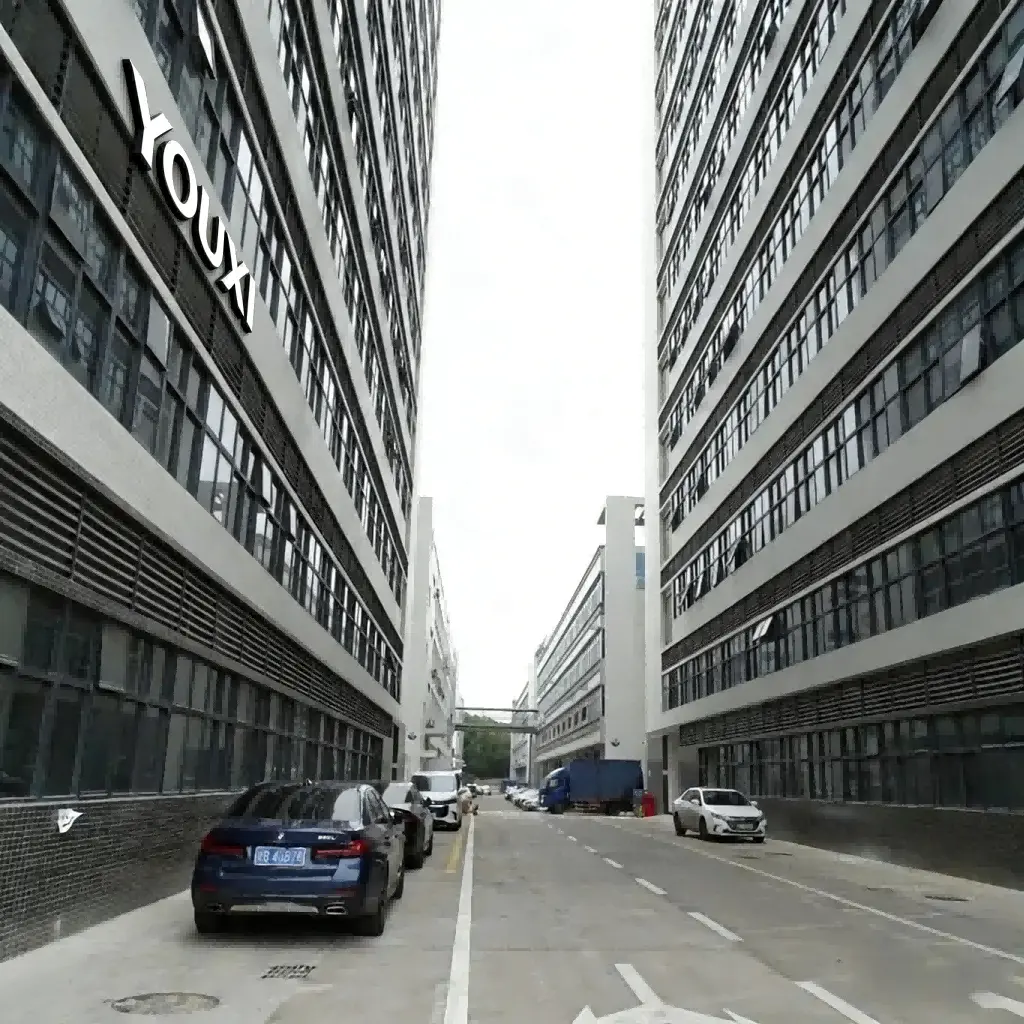
Headquartered in Shenzhen, a leading technology hub in Southern China, our company is strategically located near Hong Kong Port, allowing for efficient logistics with a transit time of approximately 40 minutes. To support high-volume manufacturing, Youxi operates a dedicated assembly facility spanning approximately 1,000 square meters in Fenggang Town, Dongguan City (a 25-minute drive from headquarters). The facility currently employs approximately 100 professionals and maintains a monthly production capacity exceeding 30,000 units. Our quality management system, certified supply chain, and integrated operational structure ensure consistent product reliability and timely shipping schedules.
We provide a comprehensive range of service solutions, including branded product development, OEM/ODM customization, and material-specified manufacturing (MSM). We also build strategic partnerships through authorized distribution and joint venture business models.
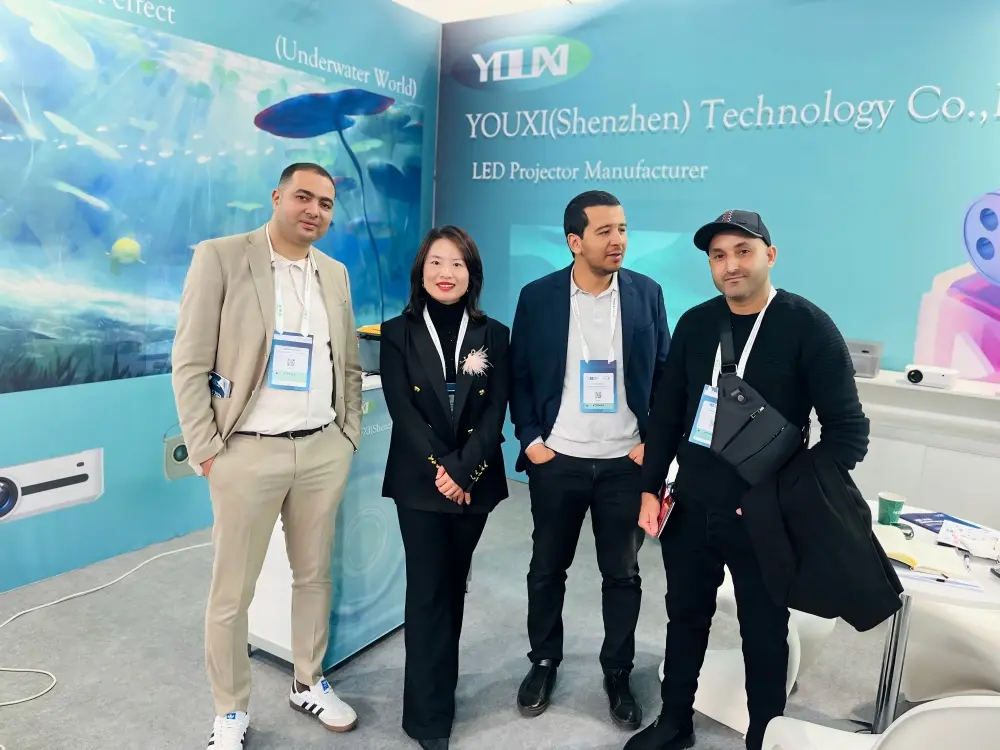
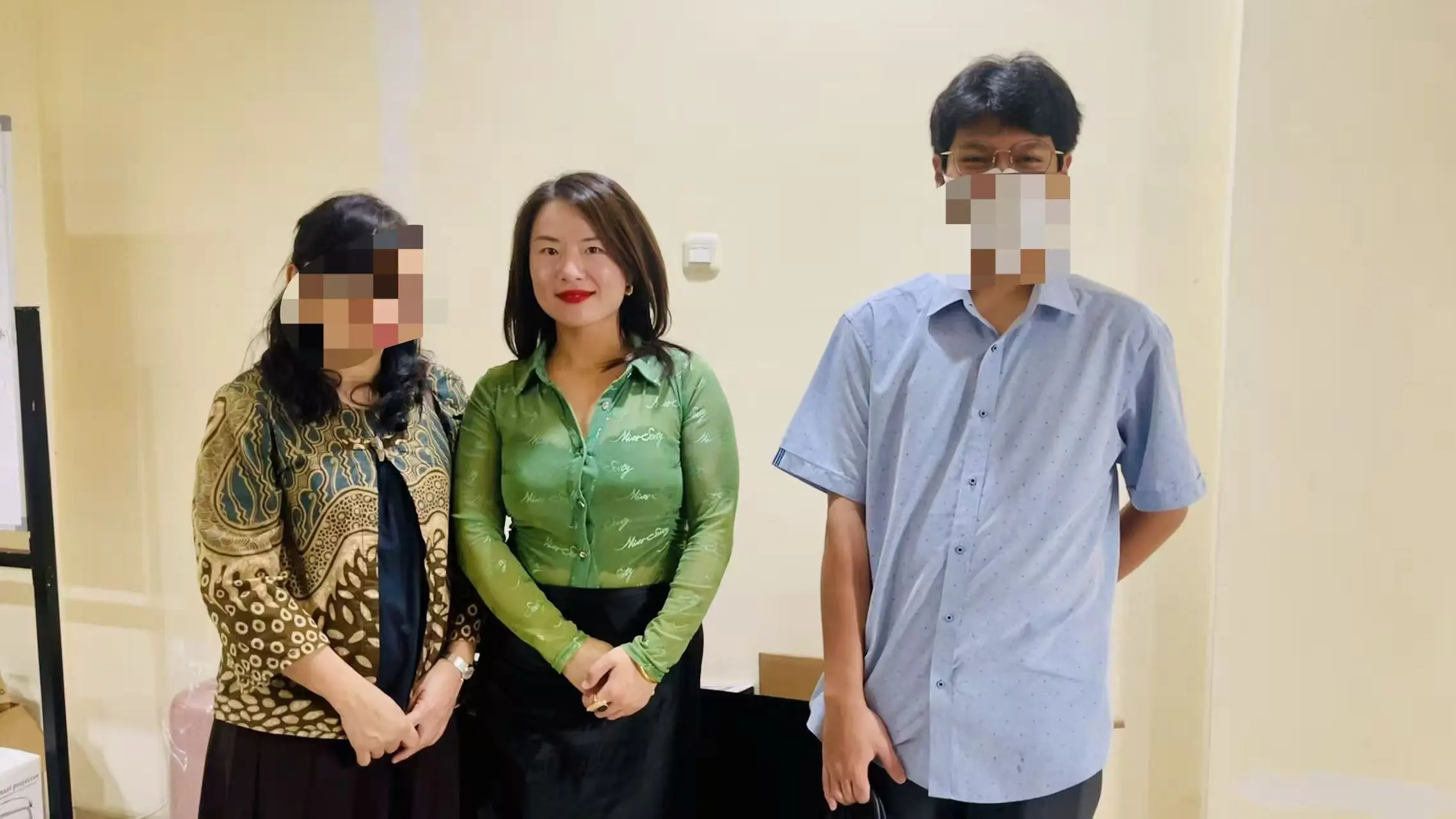
From domestic supply chain optimization to global distribution channels, Youxi maintains a consistent presence across key logistics and exhibition hubs.
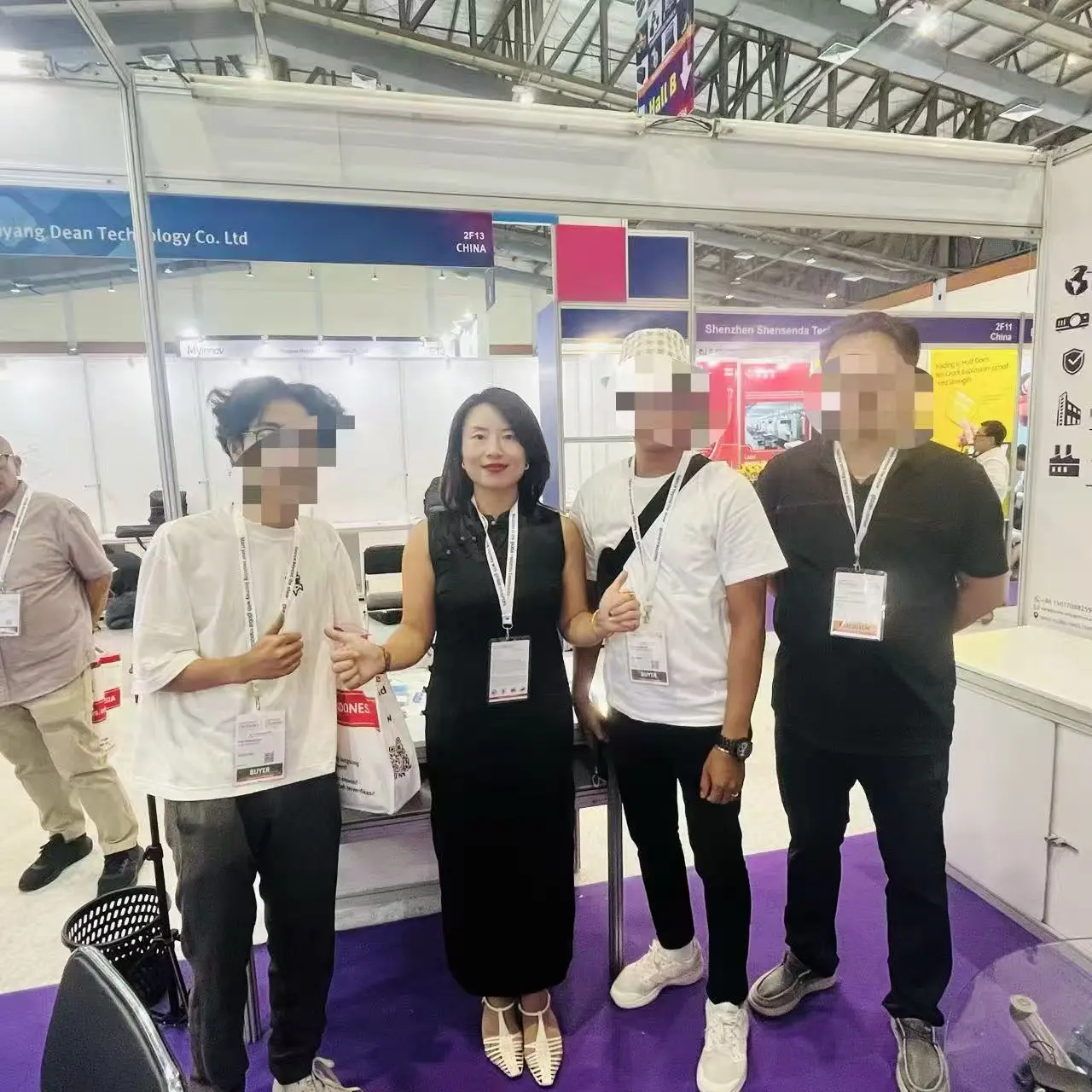
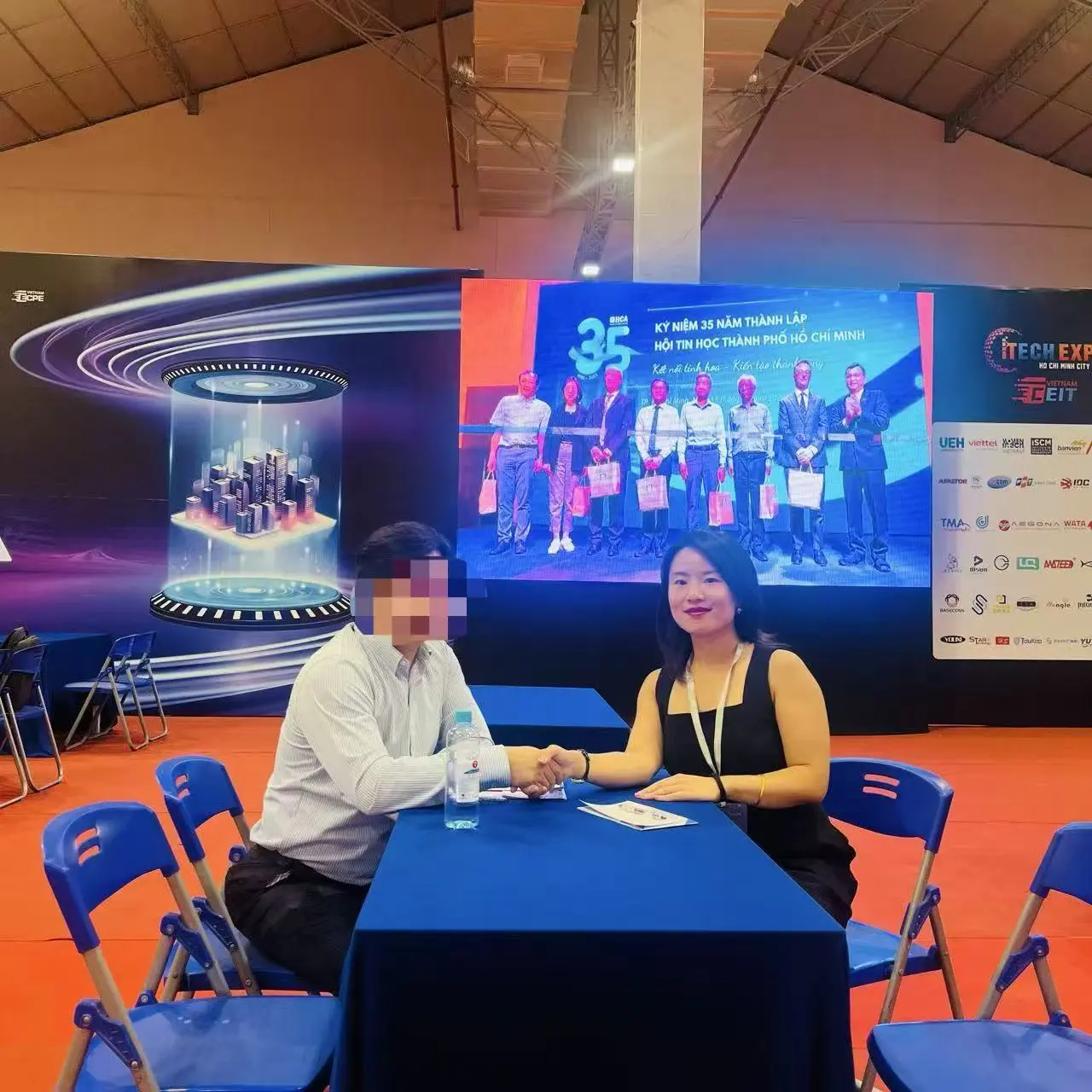
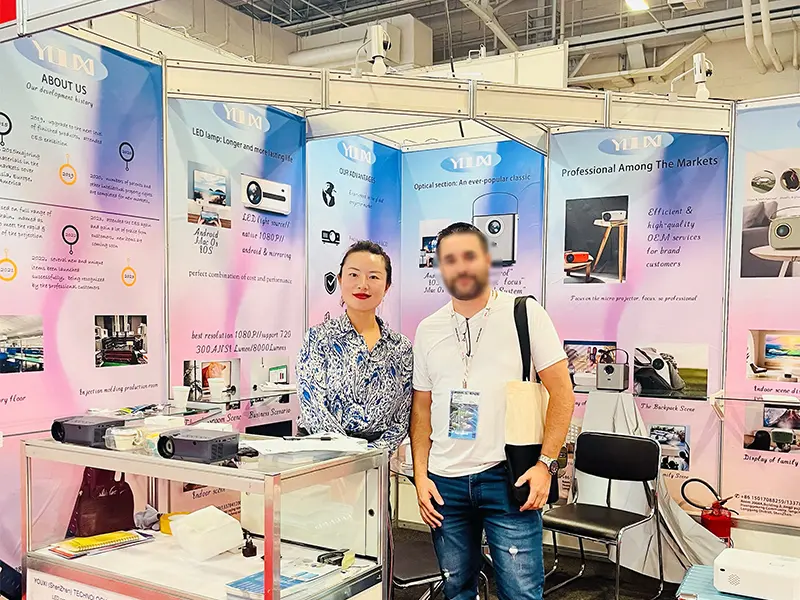
Our vertically integrated manufacturing process controls the production cycle from raw plastics to packaged projection units.
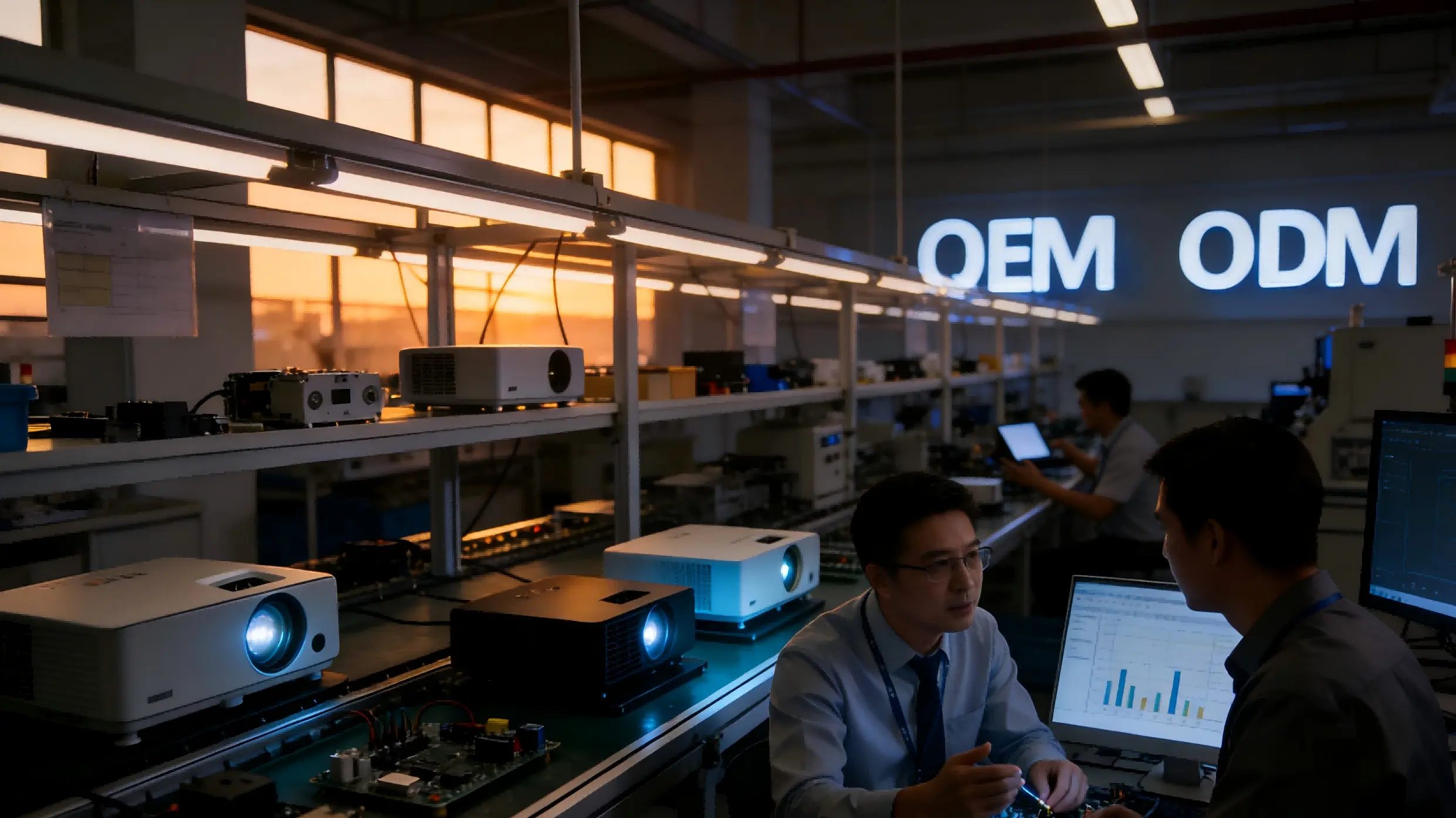
The mold development and injection molding workshop is located adjacent to our factory. It is equipped with digital machinery that meets or exceeds standard market specifications to ensure high dimensional accuracy for each structural enclosure.
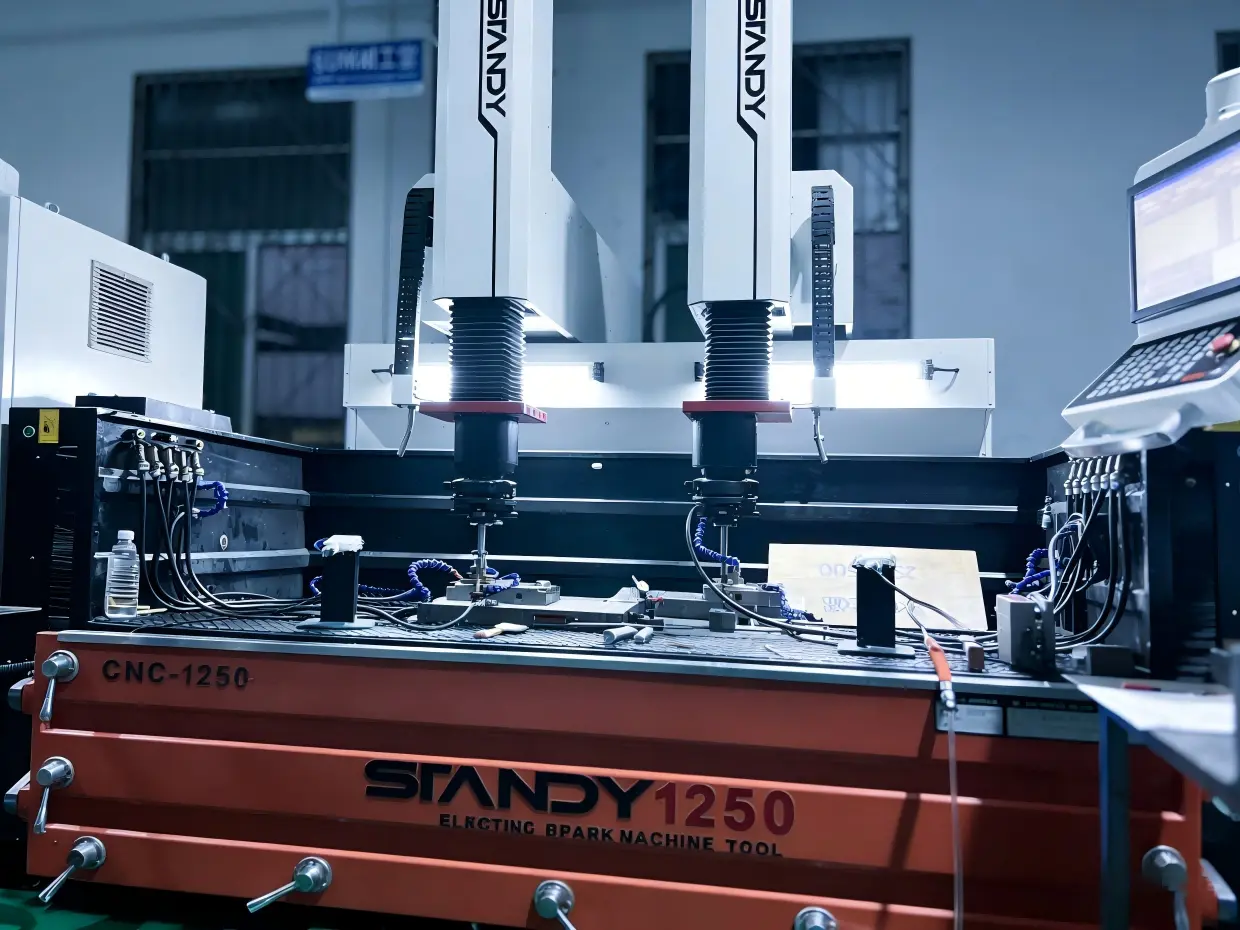
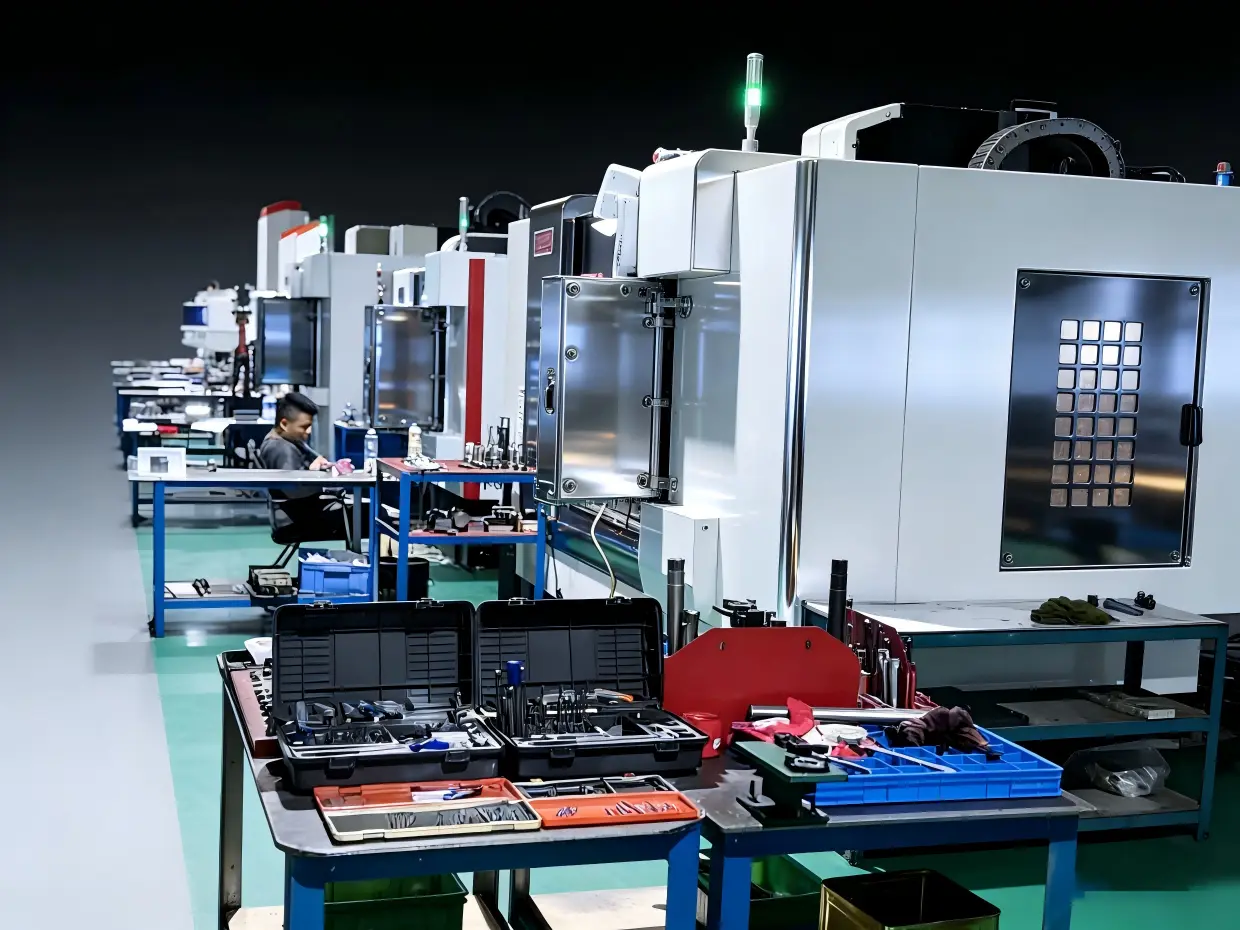
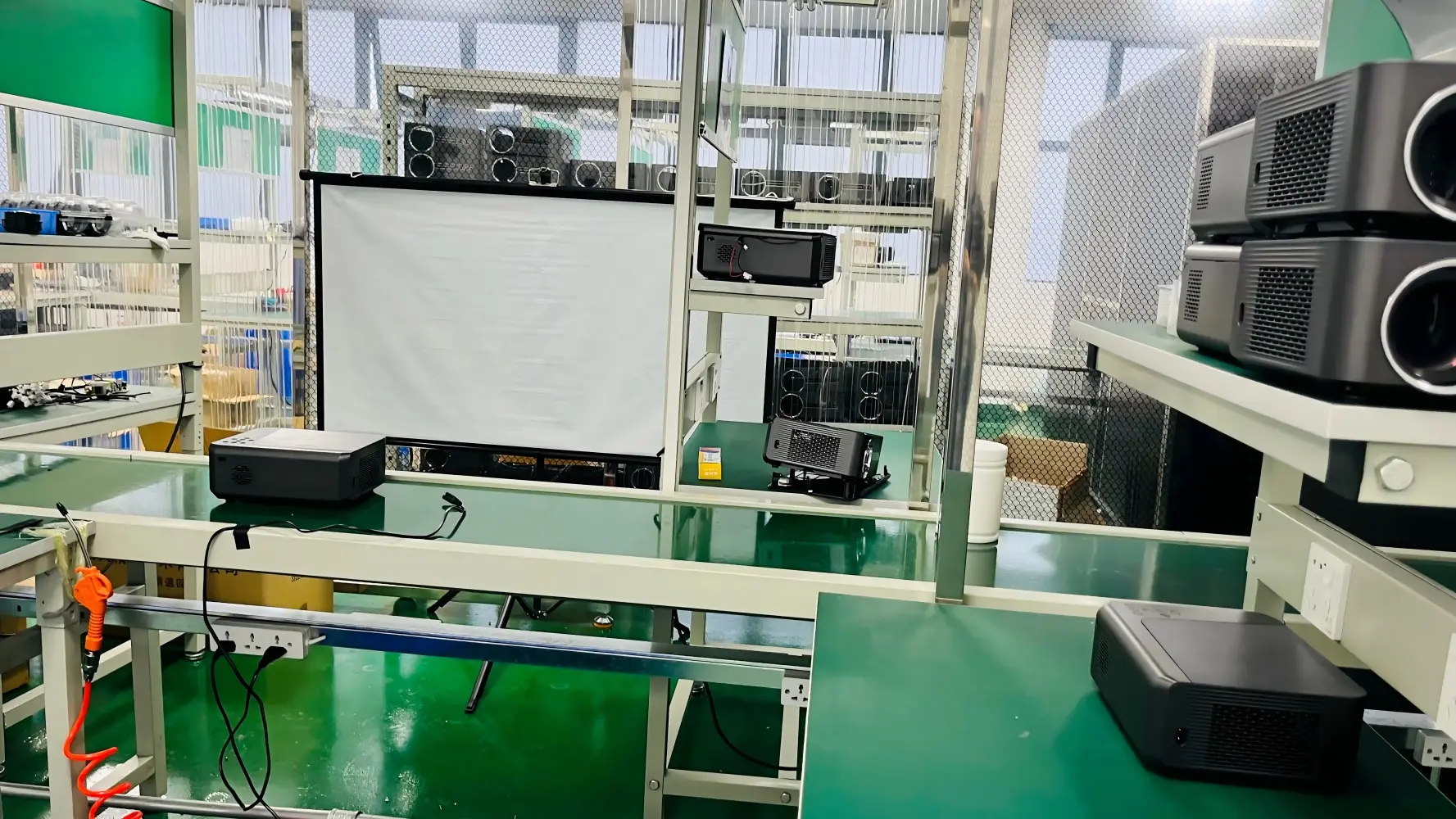
Spanning an area of 4,000 square meters, the factory features dedicated production, injection molding, assembly, and testing workshops. The facility employs over 100 assembly workers across departments to maintain consistent operational workflow.
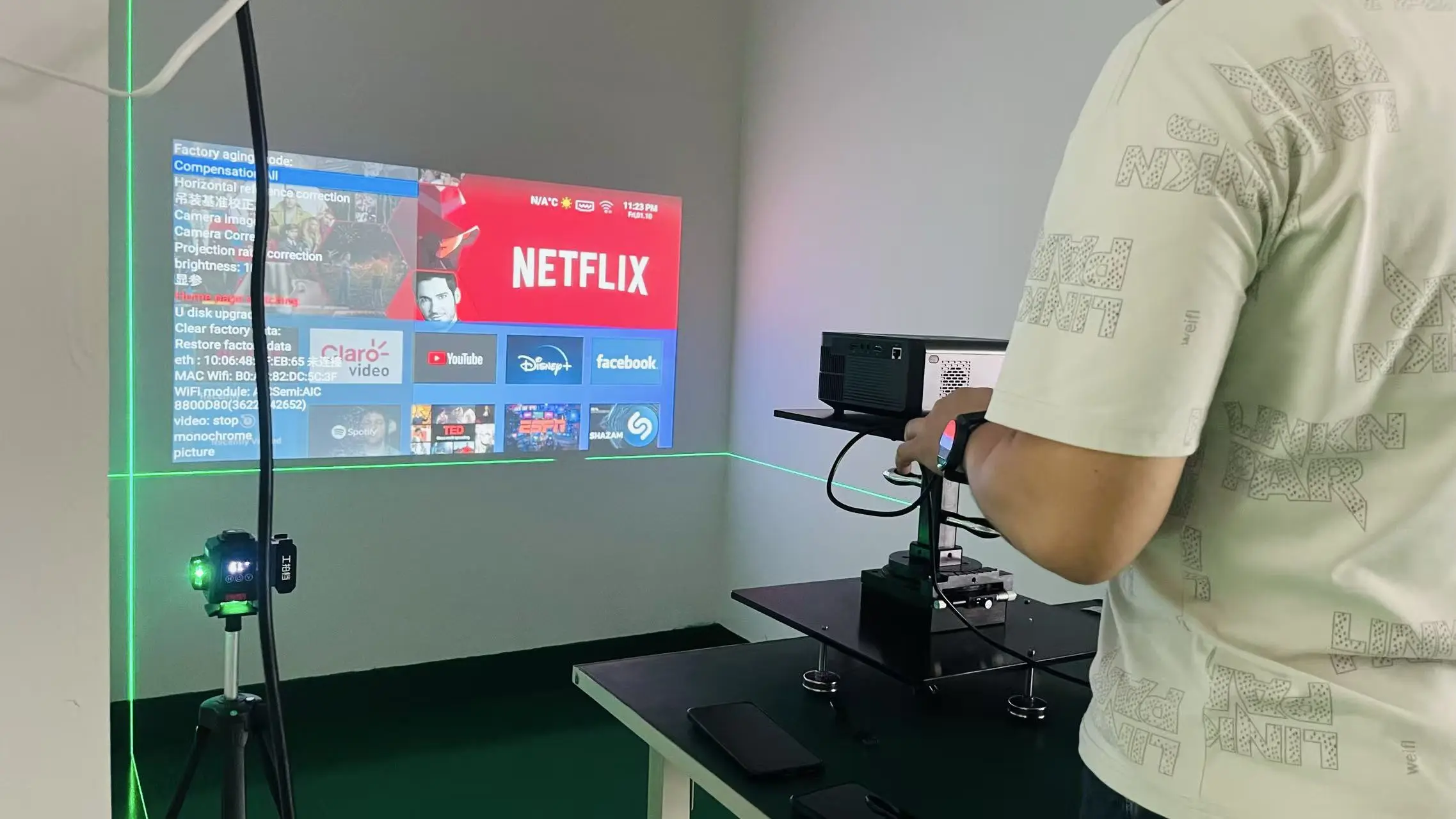
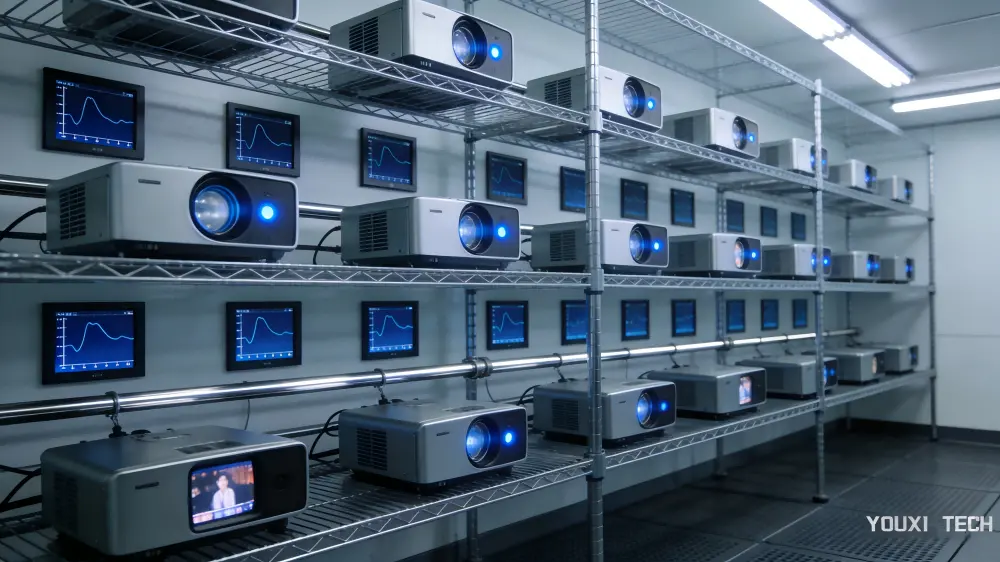
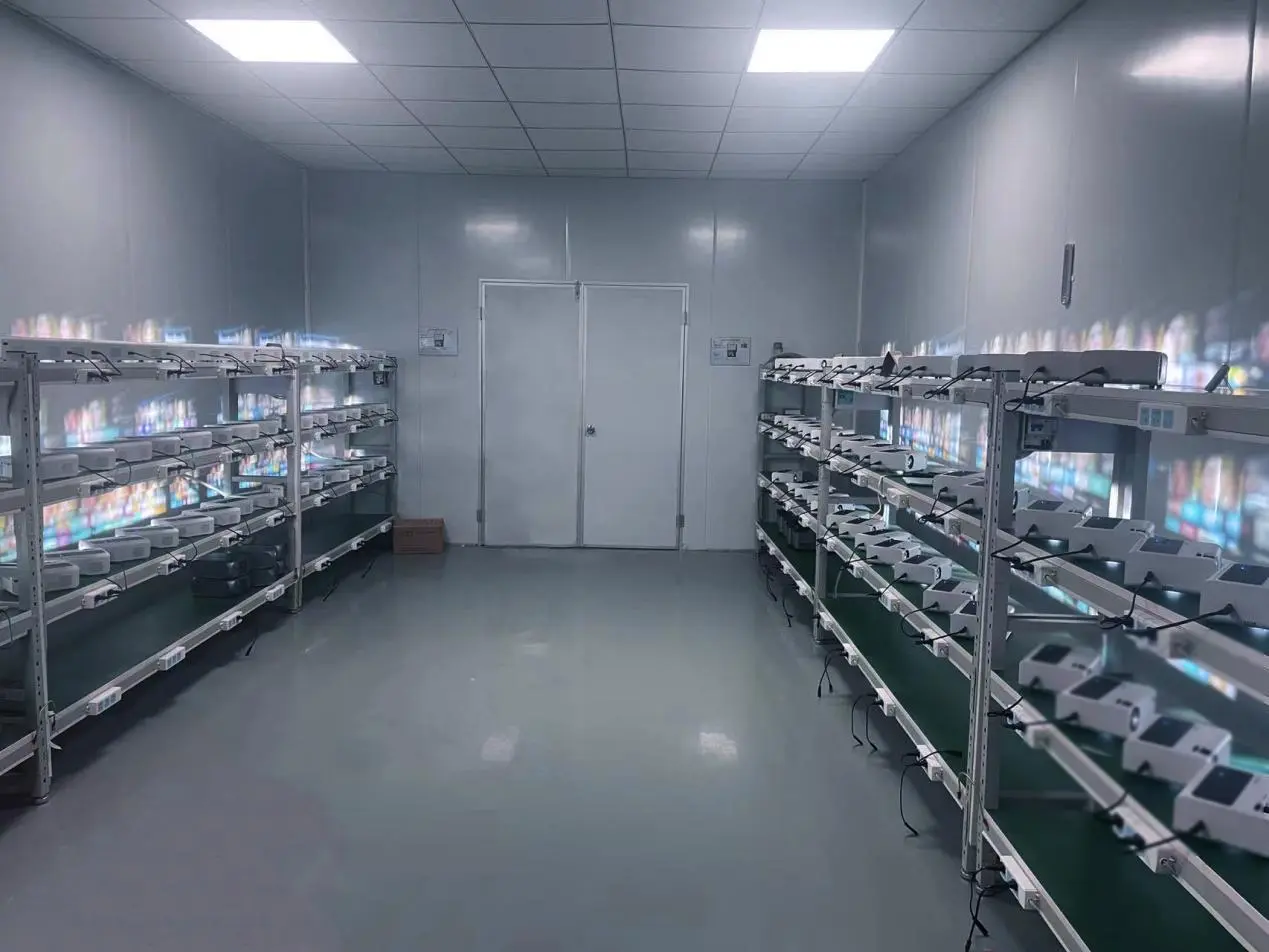
To maintain consistent functional performance and manage post-sale defect rates, the factory includes two test areas containing a total of 12 testing rooms. Professional quality inspectors perform incoming material inspection, post-assembly verification, and pre-shipment sampling.
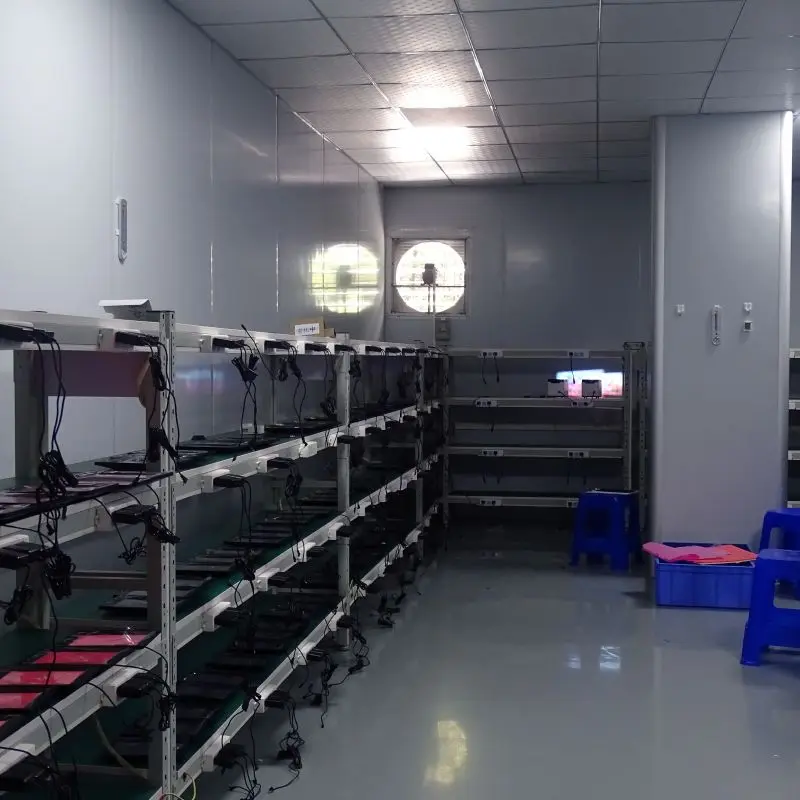
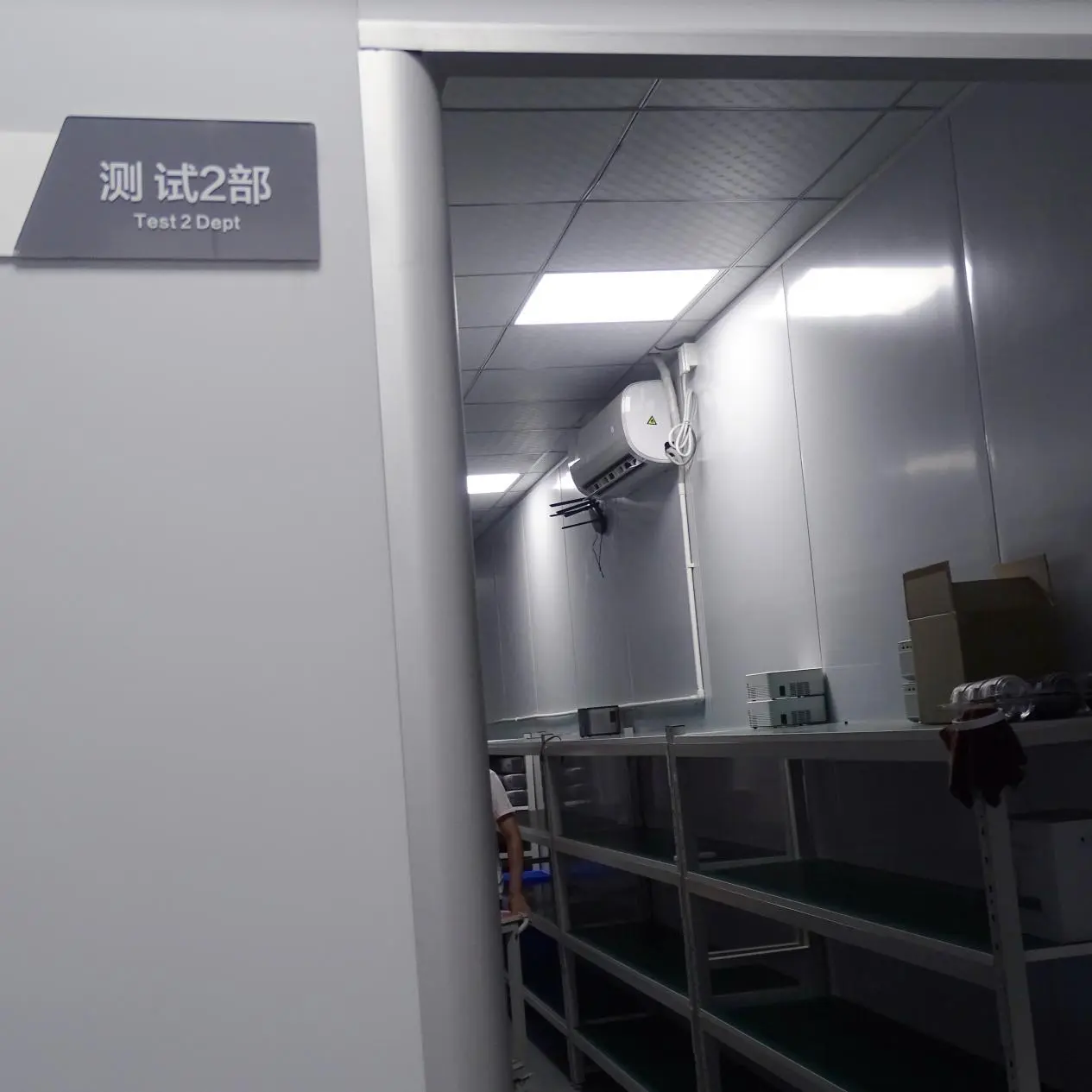
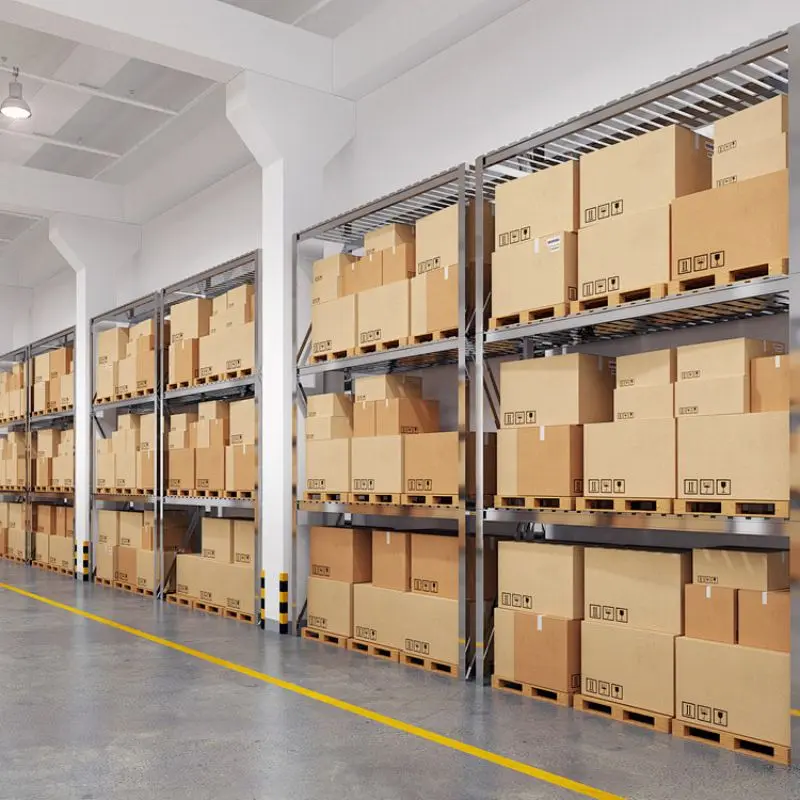
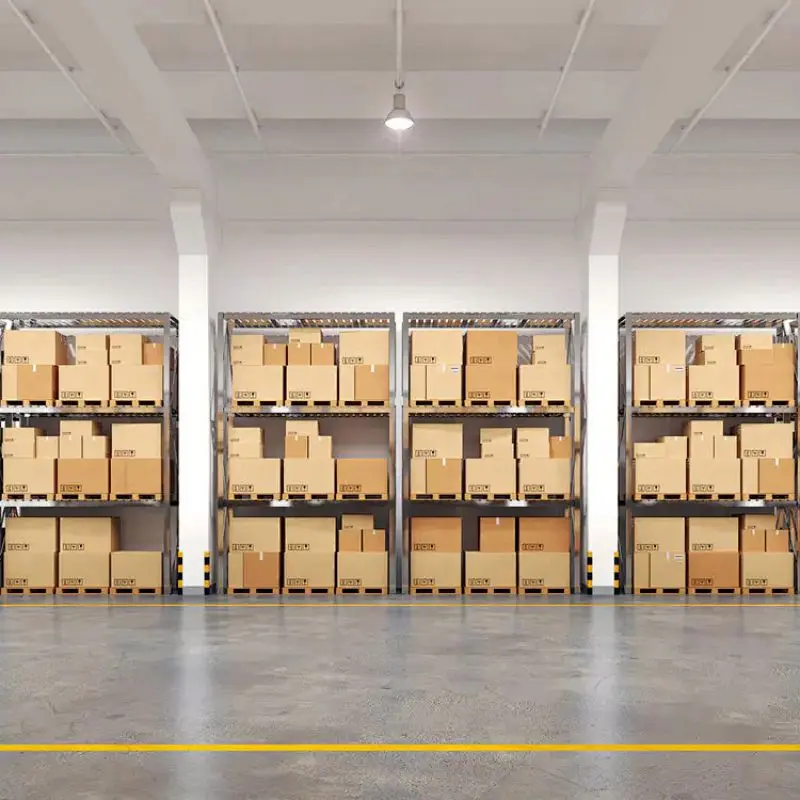
The aging test room is located next to the functional testing area for efficient processing and can test up to 200 machines simultaneously. Verified products are stored in our 300-square-meter finished goods warehouse next to the packaging line.
As a major global electronics manufacturing hub, Shenzhen and Dongguan provide significant supply chain advantages for optical projection technology.
Within a small manufacturing radius, we source critical elements including high-refractive-index glass lenses, LED modules, driver chipsets, and thermal management assemblies. This concentration reduces transit times and manufacturing costs.
Our localized engineering team refines PCB designs, optomechanical engines, and software firmware quickly, allowing us to adapt to shifting market requirements and customer feedback faster than other regions.
Highly automated mold injection, assembly, and testing processes keep high-brightness models cost-effective. We pass these manufacturing savings directly to B2B distributors and enterprise buyers.
Modern spaces require flexible display solutions. Our high-lumen projection technology is designed for various demanding settings.
Modern meeting spaces often feature glass walls and direct sunlight. Under these conditions, typical displays can wash out. Our projectors provide clear text and graphics for presentation slides, financial spreadsheets, and video conferencing in bright rooms.
Active learning environments require classroom lights to remain on for student interaction. Our high-output projection systems allow teachers to share high-resolution video and instructional content without darkening the room.
For modern living rooms with extensive window areas, traditional home theater projectors often require dark curtains. Our bright-room projectors deliver clear, high-contrast imagery on large screens, even in daylight, for casual viewing, sports, and gaming.
Retail stores, exhibition halls, and semi-outdoor events require durable, eye-catching displays. Our projectors offer the brightness and reliability needed to run digital signage and exhibits in public environments with varying ambient light.
This reference matrix assists technical buyers and distributors in selecting the appropriate model based on ambient light levels and room dimensions.
| Model Category | Lumens (ANSI) | Optimal Room Lighting | Throw Ratio Range | Keystone Calibration | Target Applications |
|---|---|---|---|---|---|
| Enterprise High-Lumen LCD | 4,500 - 5,500 lm | Indirect Sunlight & Bright Fluorescent | 1.2:1 - 1.8:1 | 4-Point Auto Keystone + Zoom | Conference Rooms, Lecture Halls |
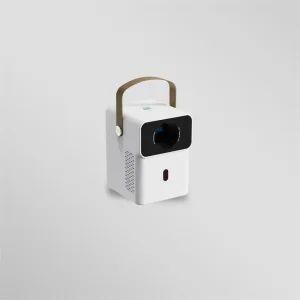
| Smart Portable LED Series | 1,200 - 2,500 lm | Soft Daytime Lighting & Indoor Shade | 1.12:1 - 1.3:1 | Auto-Focus & Rotational Orbit | Daytime Apartments, Outdoor Patios |
| Professional Outdoor Display | 5,000 - 6,500 lm | Direct Ambient Exposure / Outdoors | 0.8:1 - 2.5:1 (Interchangeable) | Manual Optics Shift + Digital Grid | Exhibition Booths, Commercial Signage |
| Compact Home Theater | 800 - 1,500 lm | Low-light or Light-controlled Rooms | 1.35:1 (Fixed Throw) | Manual Vertical Focus Control | Home Cinema, Gaming Rooms |
Additional configurations designed for customized commercial requirements and entry-level home entertainment applications.
Technical answers to help buyers evaluate brightness metrics, screen pairings, custom configurations, and export processes.
For rooms with moderate ambient light and windows, we recommend a minimum of 3,500 ANSI Lumens. For spaces with direct sunlight, a rating of 4,500 to 6,000 ANSI Lumens is recommended to maintain color saturation and contrast without washing out the image.
ANSI Lumens are measured at the projection screen using a standardized 9-point grid pattern. LED Lumens incorporate the Helmholtz-Kohlrausch effect (which describes how the human eye perceives highly saturated colors as brighter). Light source lumens describe the raw output directly at the lamp, which does not account for light loss through the internal lens array. We suggest using ANSI Lumens as the standard for commercial sourcing comparisons.
A standard matte white screen scatters light in all directions, reflecting ambient room light and reducing contrast. Pairing a high-lumen projector with an Ambient Light Rejecting (ALR) screen improves performance. ALR screens utilize micro-structures that deflect lateral light away from the audience while reflecting the projector's light toward the viewing area.
We provide full customization options, including branded splash screens, custom housing designs, modified connector layouts (such as additional HDMI or LAN ports), integrated Android operating systems, and custom optics designed for specific throw ratios.
Our quality control process includes incoming materials inspection (IQC), functional validation on the assembly line, a minimum 4-hour continuous aging burn-in test for each completed unit, and a final out-of-box sampling check (OQC) before container loading.
Standard lead times for catalog products are 15-20 days, and 30-45 days for custom OEM projects. Our assembly facilities in Dongguan are located near our headquarters in Shenzhen, allowing for prompt dispatch and transport to Hong Kong Port or Shenzhen Yantian Port for export.
 Youxi projection