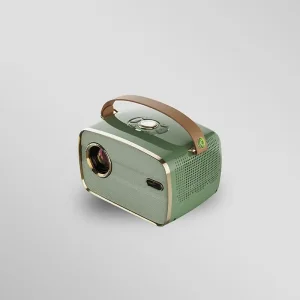
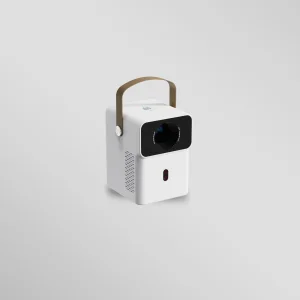
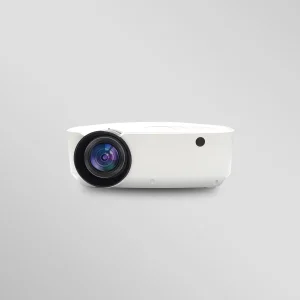
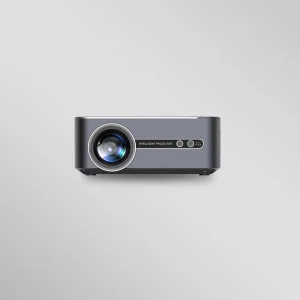
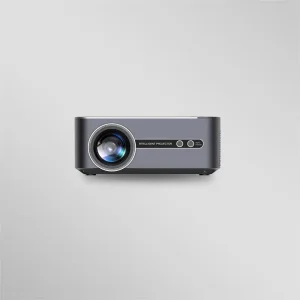
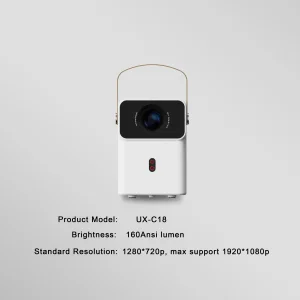
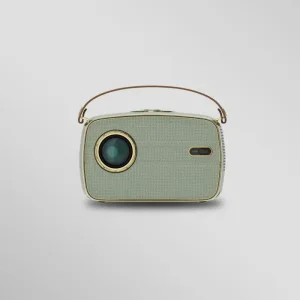
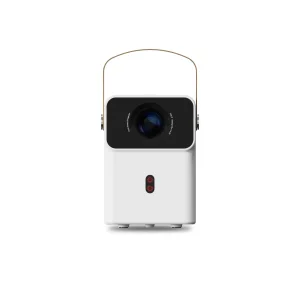
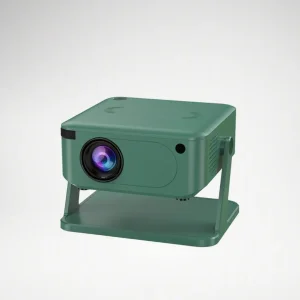
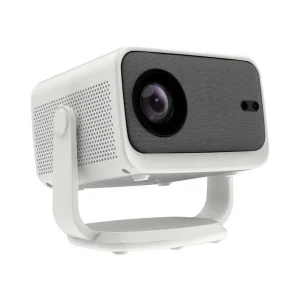
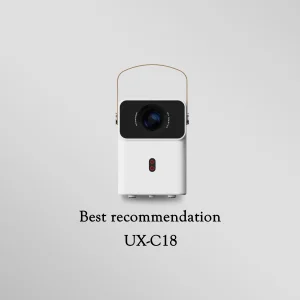
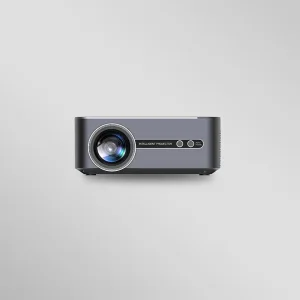
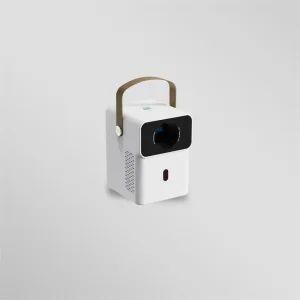
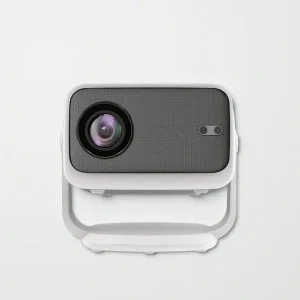
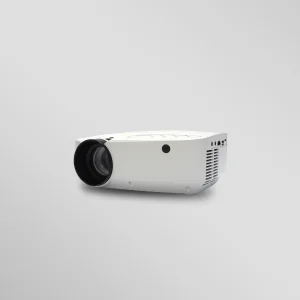
Explore our industrial and consumer grade high-performance models engineered for global procurement
The global intelligent projection sector is undergoing a profound paradigm shift. Modern optical display systems have evolved from static presentation tools to highly sophisticated, smart connected edge devices. Top global projector brands are aggressively pushing the boundaries of light sources (transitioning rapidly from traditional halide lamps to Solid-State Lighting (SSL) like LED and RGB Triple Laser technologies), resolution integration, and built-in operating systems.
B2B and enterprise sourcing managers face a multi-layered matrix when selecting brand-tier vendors. While tier-1 consumer-facing brands lead in marketing saturation, direct-from-factory partnerships dominate bulk custom sourcing due to absolute manufacturing flexibility, firmware localization, and direct margin optimization. Through vertical integration, raw components like liquid crystal display panels (LCD), digital micromirror devices (DMD), and optical glass lens assemblies are integrated in hyper-optimized clusters located primarily in South China's tech hubs.
Dual-light and triple-laser architectures are replacing traditional lamps, elevating performance to match high color accuracy standards (exceeding 99% Rec.709 color gamut coverage).
Modern commercial clients expect seamless ecosystems. Devices built with official Google TV, Netflix certified Linux, or open-source Android platforms enable scalable cloud management.
With market compliance intensifying under standard guidelines, true ANSI lumen ratings dictate commercial viability, ensuring users obtain realistic projected output without inflation.
Why do leading international brands and high-volume enterprise buyers route their supply chain pipelines to South China? The answer lies in localized supply-chain density and extreme design-to-delivery speed. By concentrating R&D engineers, optical testing facilities, plastics mold injection workshops, and assembly systems within dynamic clusters, manufacturers achieve incomparable efficiency gains.
Founded in April 2021, Youxi (Shenzhen) Technology Co., Ltd. specializes in the research and development, manufacturing, and integration of intelligent projection systems and wearable smart devices. Maintaining end-to-end capabilities across the product lifecycle—from initial optical design and precision mechanical assembly to strict quality assurance—Youxi ensures full compliance with international regulatory standards at every single manufacturing step, from raw material procurement to finished packaging.
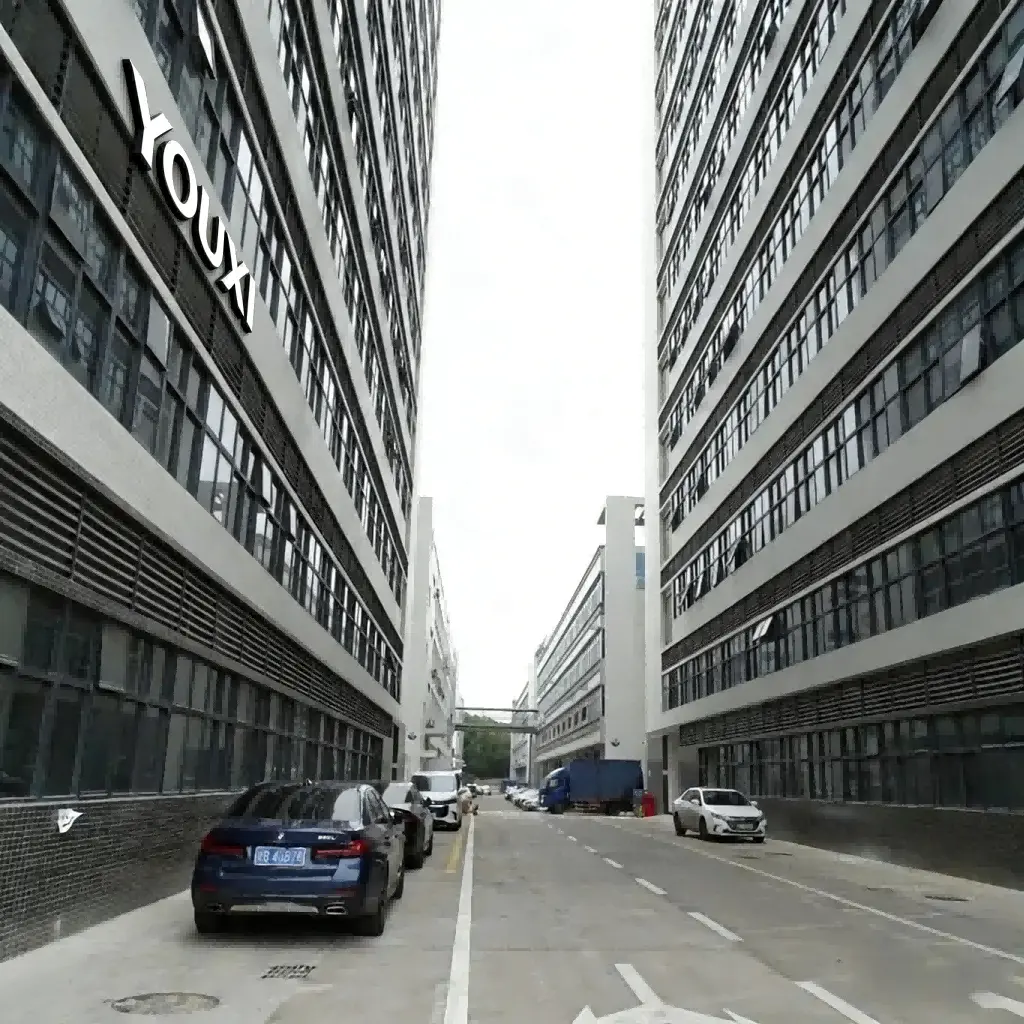
Headquartered in Shenzhen—a premier technological innovation and hardware development hub in Southern China—Youxi benefits from crucial proximity to the Hong Kong Port, featuring a direct travel time of approximately 40 minutes for expedited customs clearance. To support massive scale-up production requirements, Youxi operates a dedicated assembly facility spanning 1,000 square meters in Fenggang Town, Dongguan City (located within a 25-minute drive from the Shenzhen corporate headquarters). This high-efficiency facility employs a dedicated team of professionals and maintains a monthly production output exceeding 30,000 units. Its certified supply chain and vertically integrated setup guarantee predictable pricing structures, premium reliability, and minimized lead times.
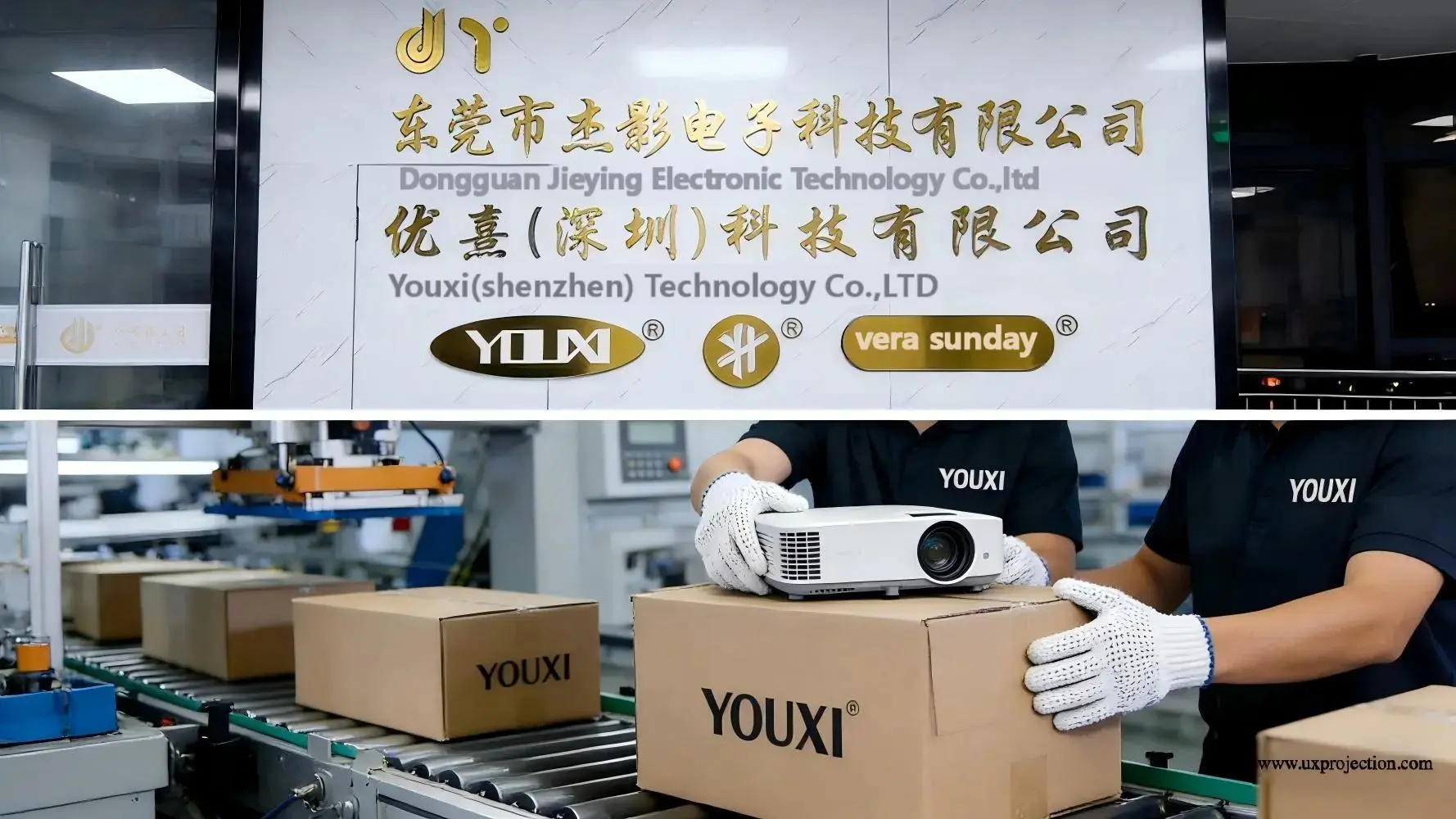
A projection system is a highly precise device containing optical lens groups, heat-sensitive micro-displays, and advanced SoC mainboards. A single particle of dust inside the light engine path will manifest as a black spot on the projection screen, destroying user experience. Here is how Youxi manages its industrial manufacturing processes to maintain near-zero defect rates:
The mold and injection molding workshop is located adjacent to our factory, utilizing sophisticated digital manufacturing equipment that exceeds conventional market standards. This provides a robust structural base for every product. High-grade plastics, precise mechanical tolerances, and heat-resistant polymers are vital to prevent chassis deformation under high heat generated by high-power light sources.
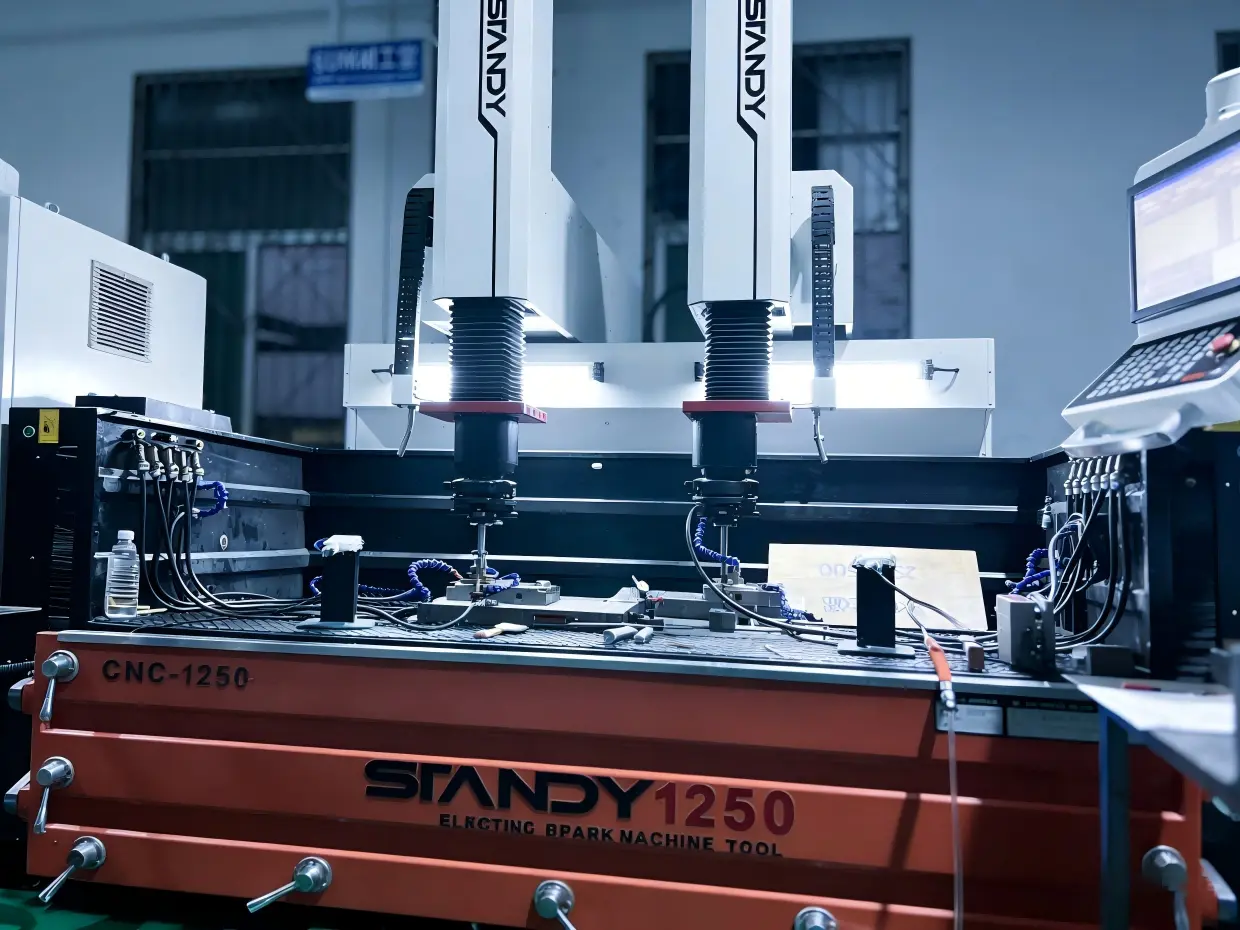
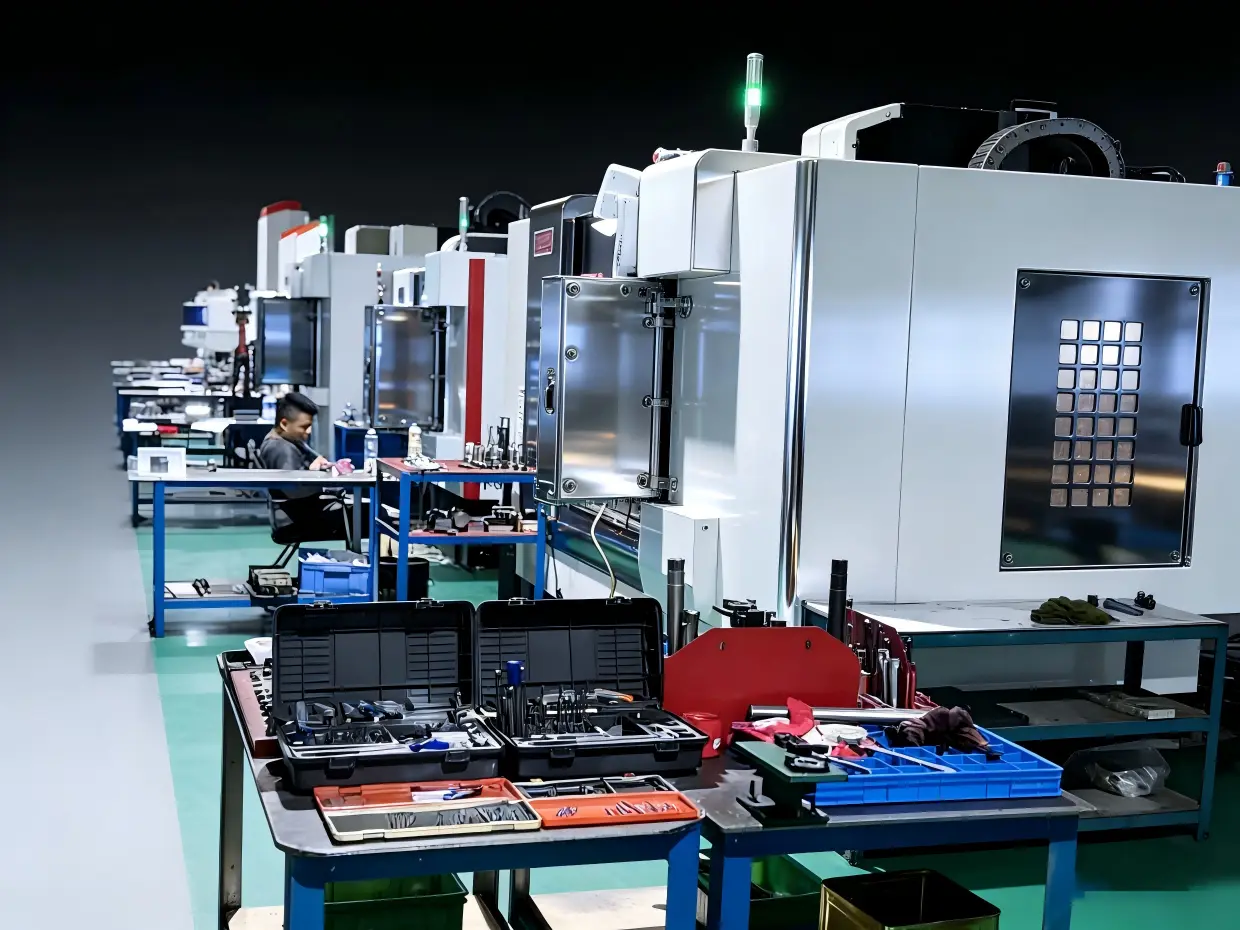
Spanning 4,000 square meters, our facilities feature large-volume assembly, injection molding, testing, and packaging workshops. Backed by regular screening, our staff of over 100 qualified assembly operators is organized across critical assembly stages, ensuring top-tier technical proficiency and work ethic. Operating under strict dust-free 5S guidelines, this facility is optimized for maximum cleanliness to protect optical engines, achieving a monthly production capacity of up to 50,000 units.
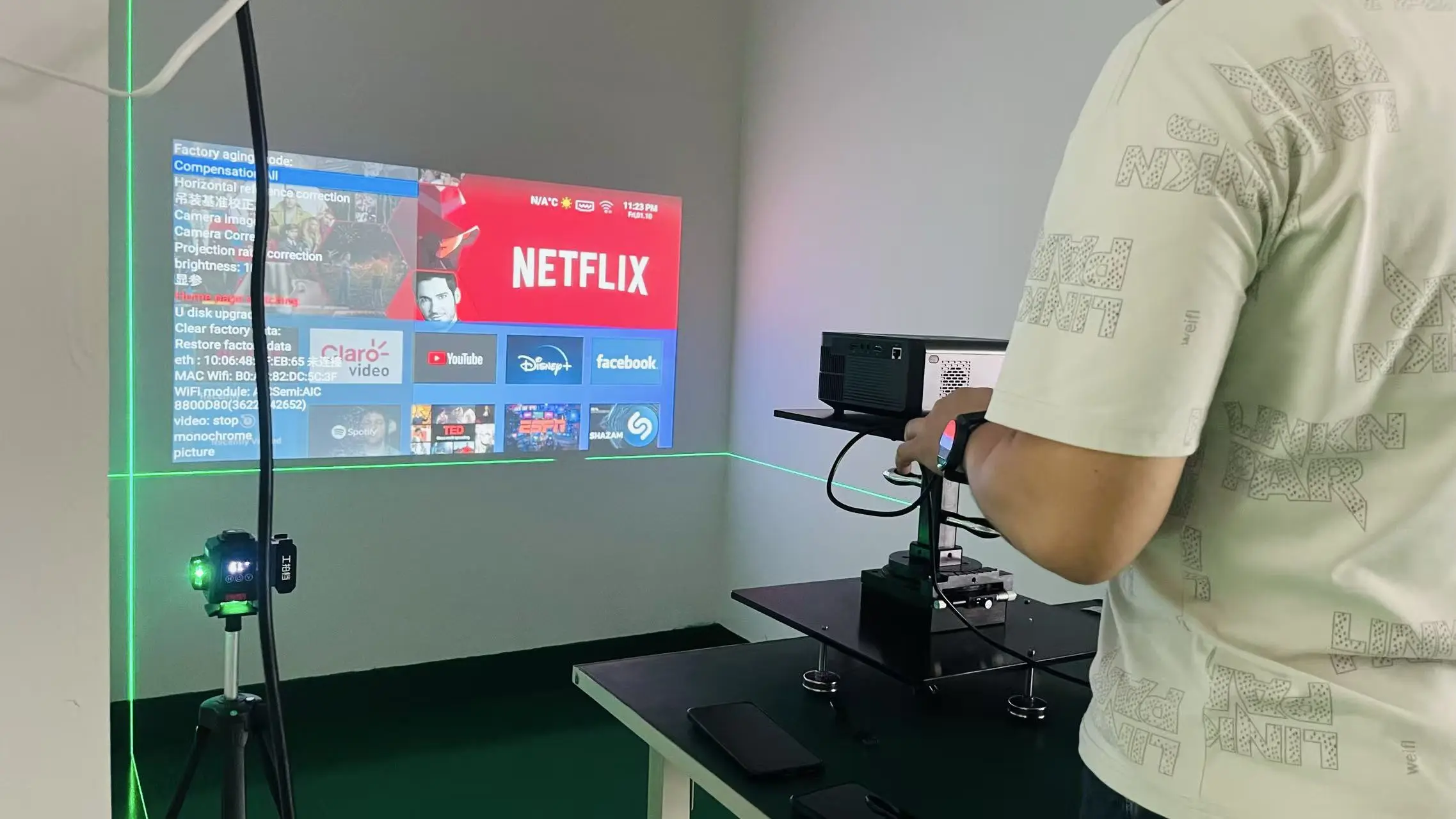
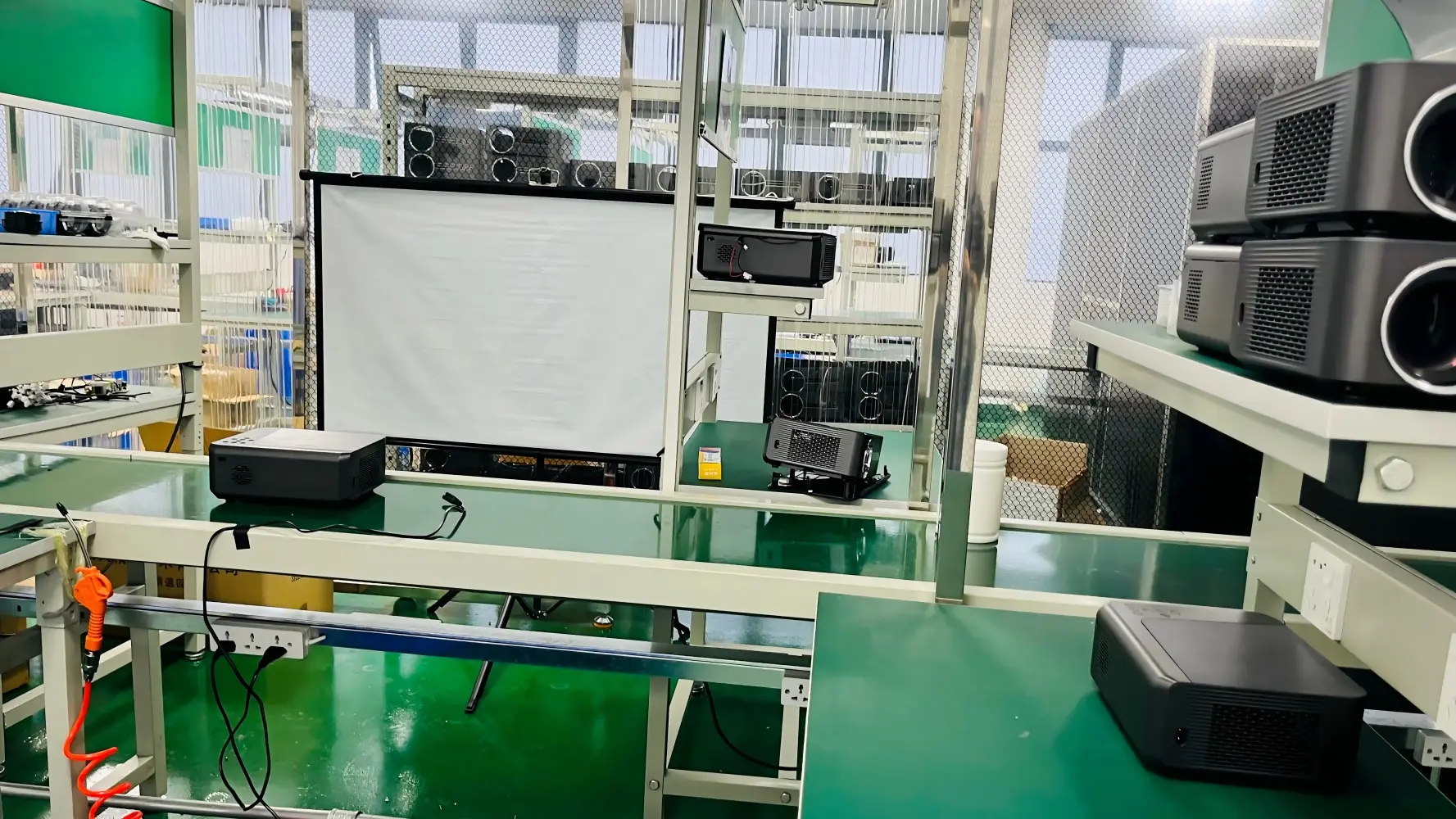
To secure optimal light output and color temperature consistency while containing after-sale defect rates, we operate 12 dedicated testing rooms divided into two operational blocks. Senior quality control specialists perform triple inspection workflows: verifying raw incoming electronic components, executing a complete post-assembly hardware scan, and completing a finalized random-sample quality check on packed units before maritime transit container load-ins.
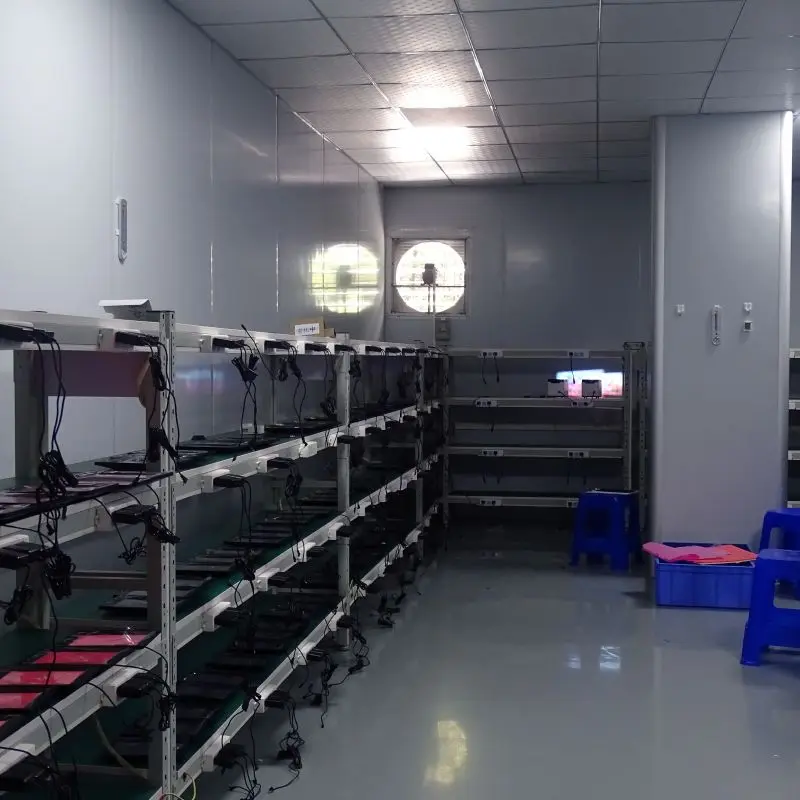
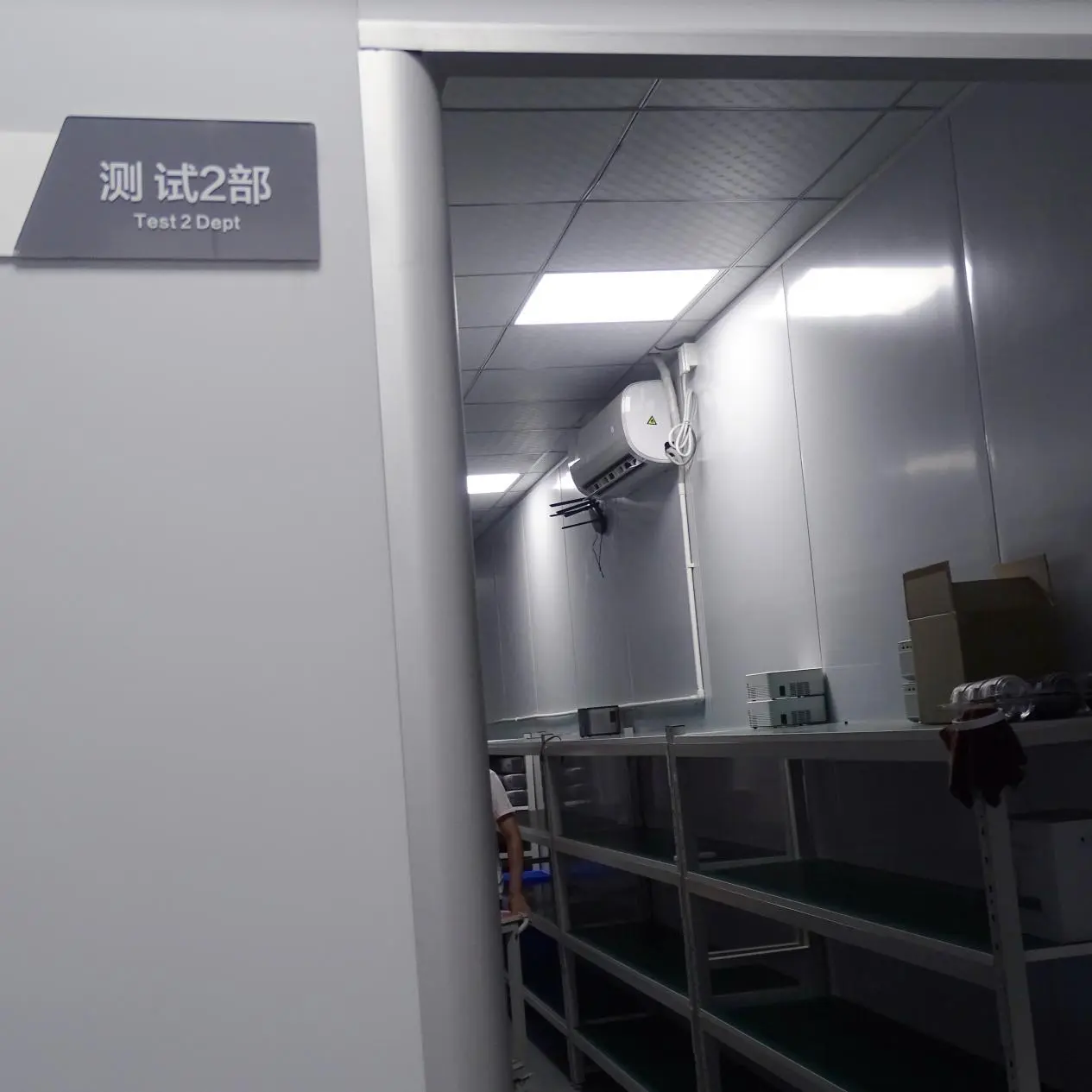
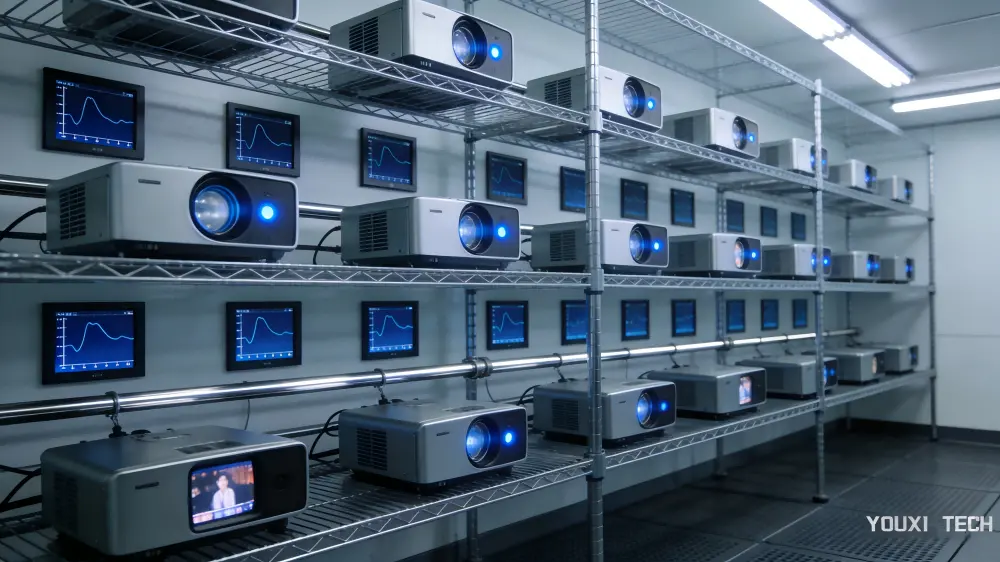
Our designated aging test chamber is strategically located alongside the diagnostic division to streamline throughput and prevent assembly line routing mistakes. The chamber supports simultaneous heat and electrical stress tests on 200 machines concurrently. Post-test, finished units pass directly into our 300-square-meter high-density warehouse, where they are protected from humidity and temperature extremes prior to dispatch.
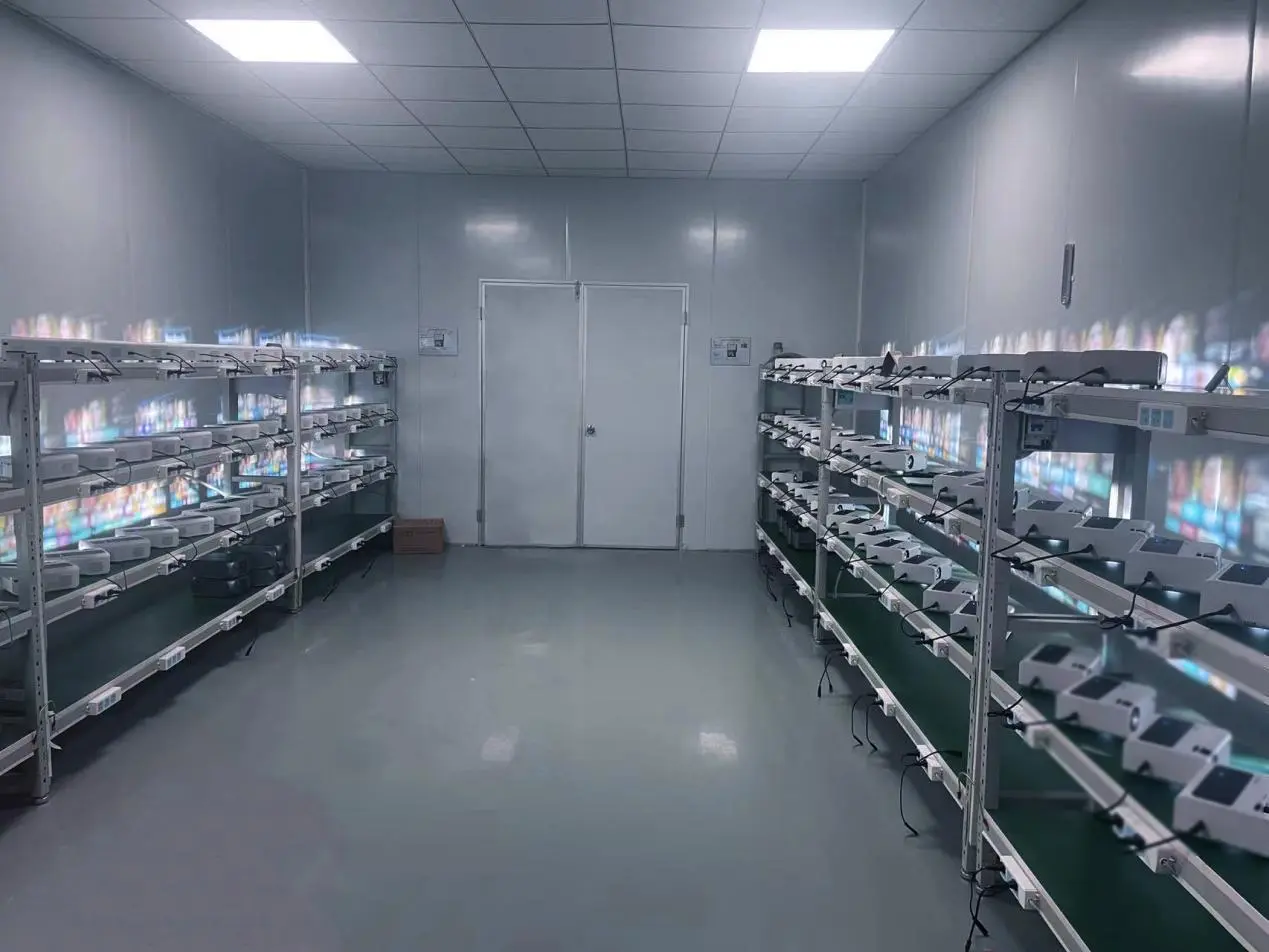
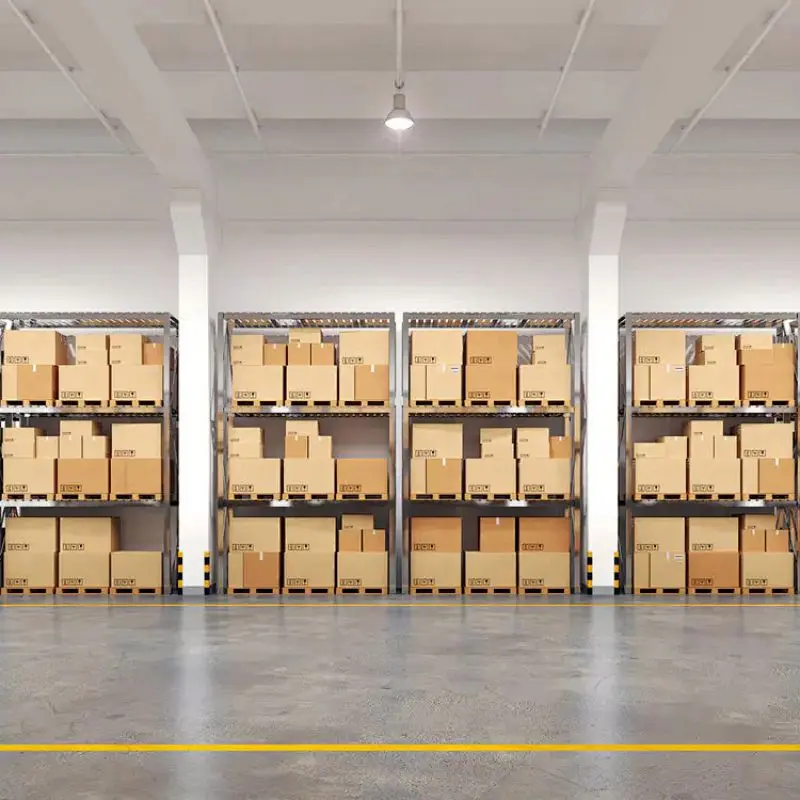
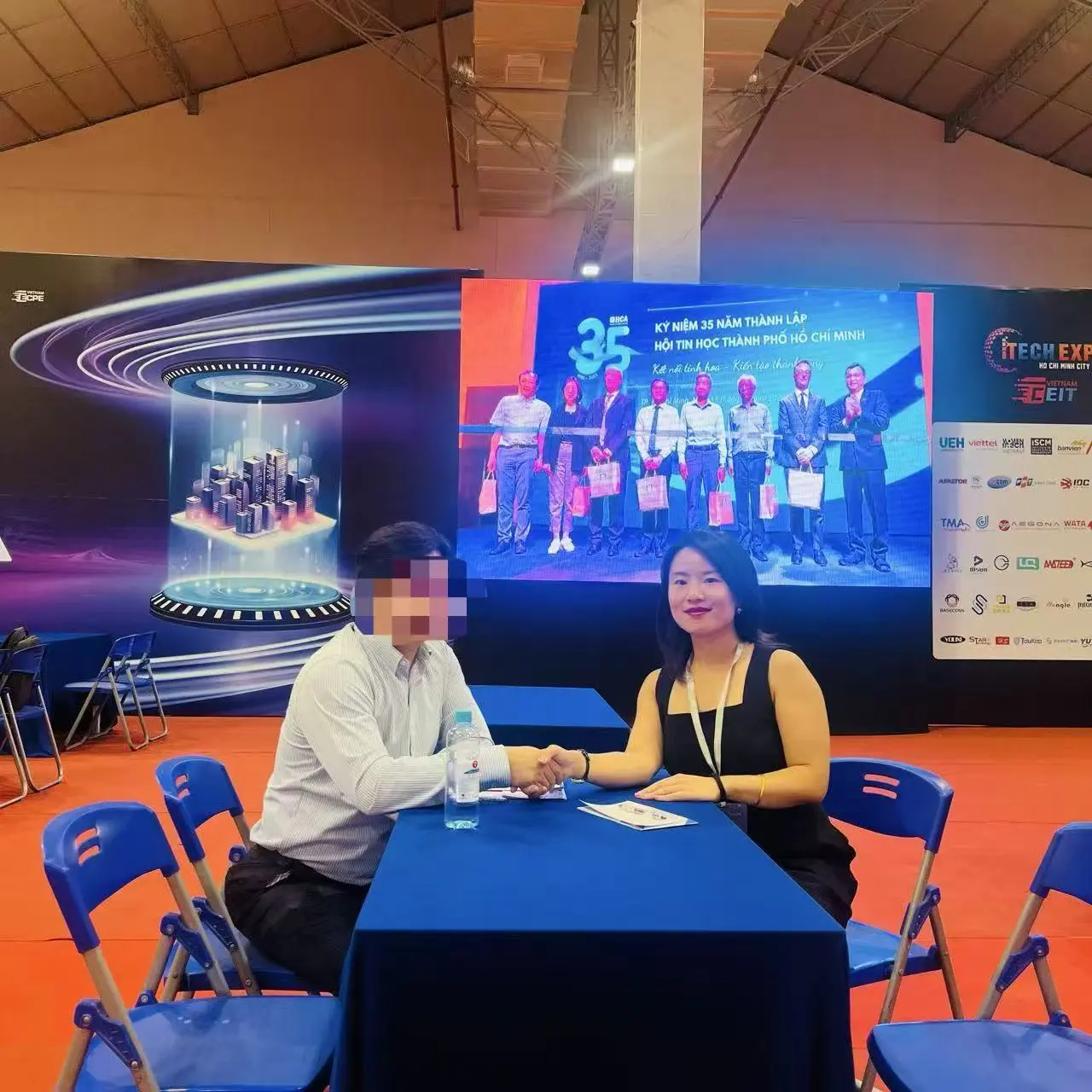
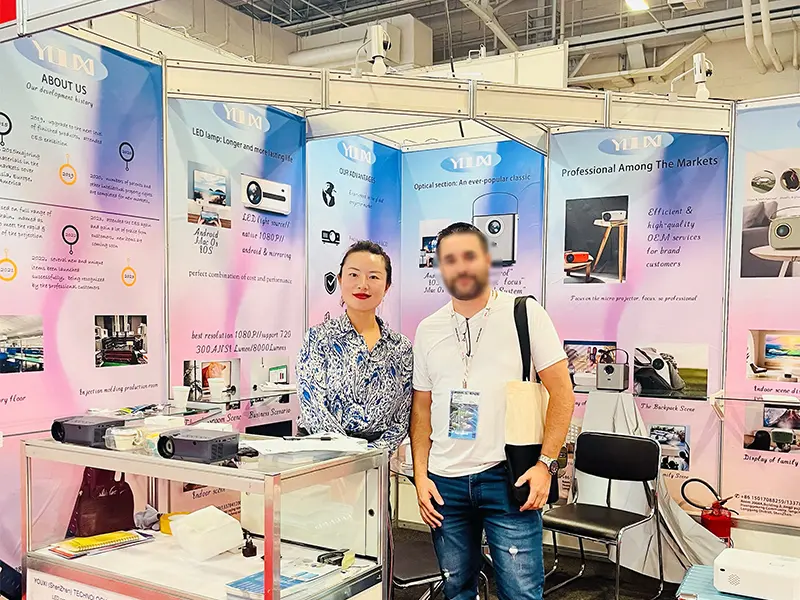
Our commitment to logistics execution and international compliance enables us to supply markets worldwide with premium smart projectors. Below is a window into our operations:
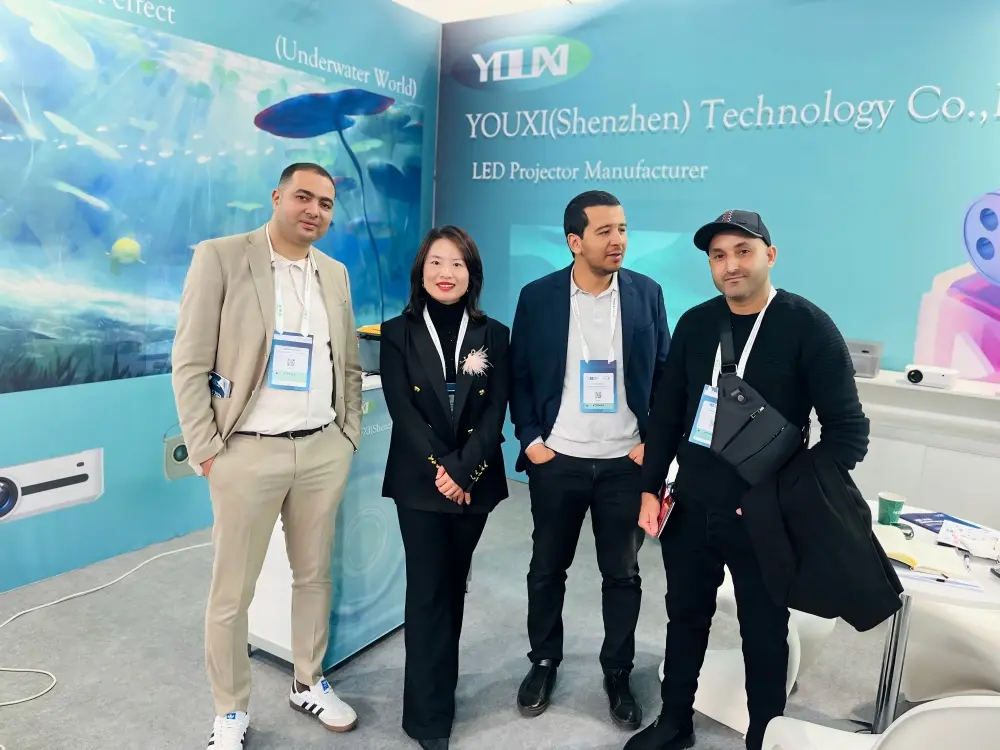
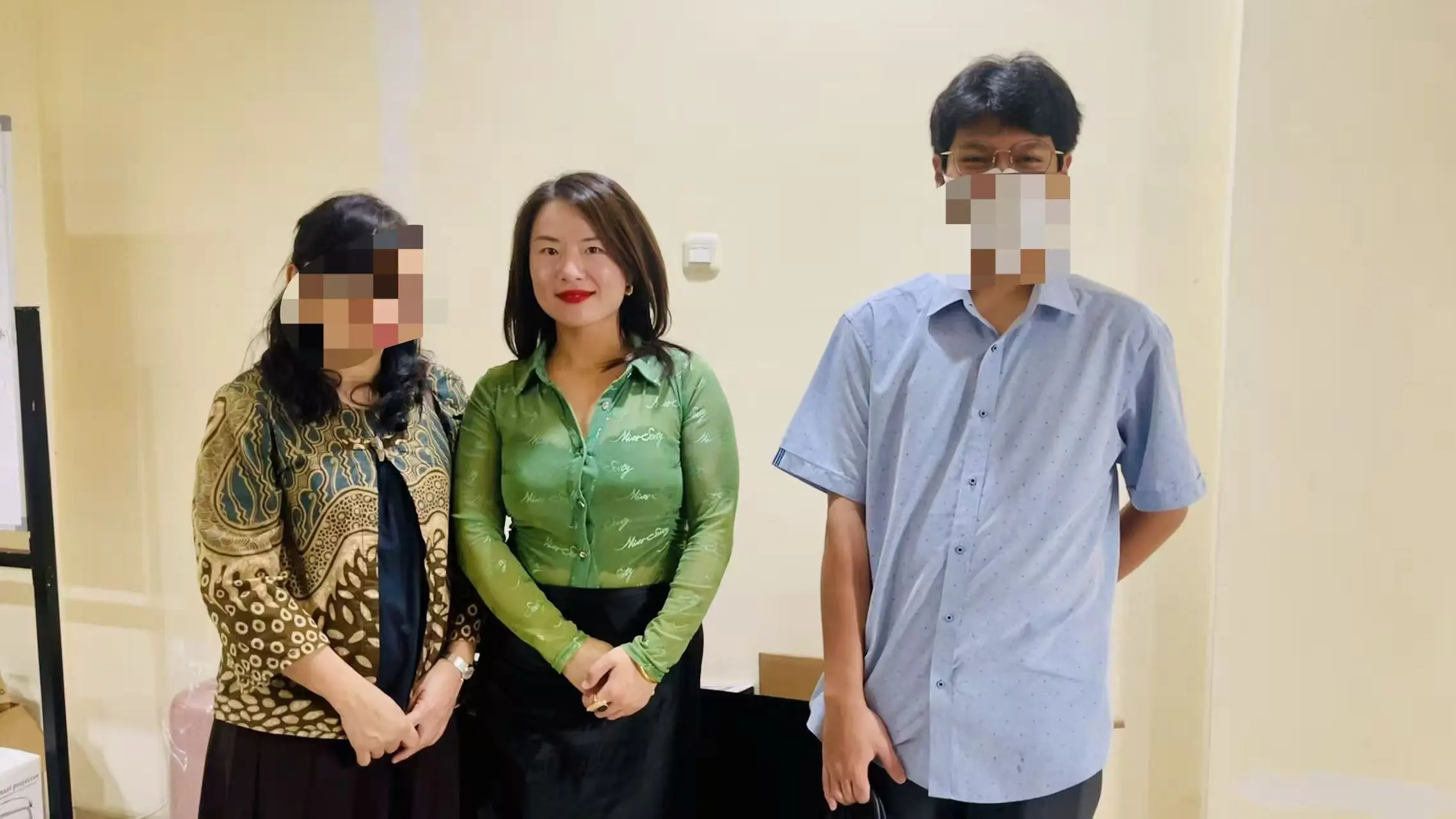
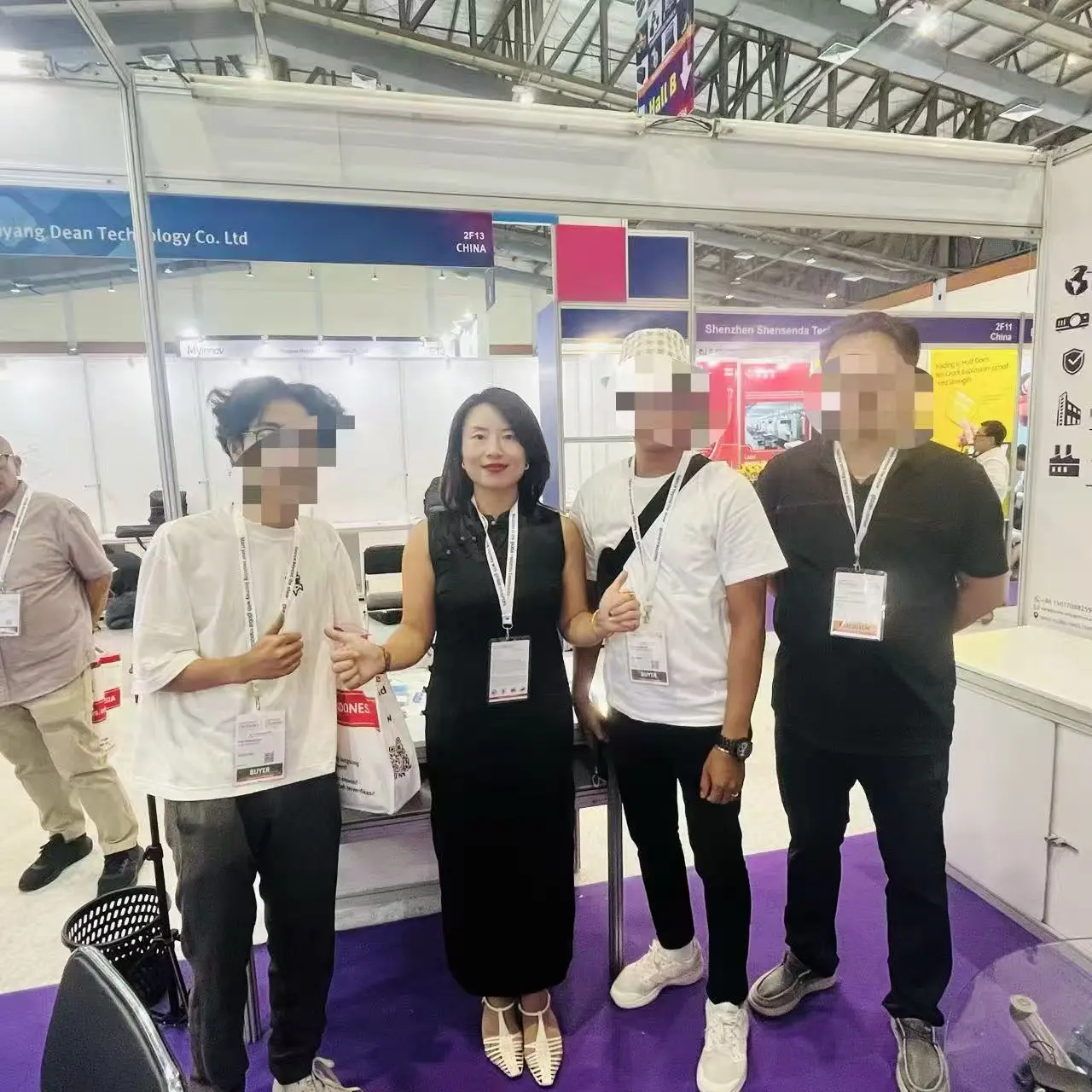
Modern projectors are specialized displays configured to deliver optimum visual performance in target locations. In this section, we analyze the specific integration variables and performance metrics required across various deployment contexts.
Primary Drivers: Native 1080P/4K resolution, color profiles optimized for low ambient light, ultra-quiet fan cooling (<28dB), and direct integration with smart systems (Google TV, Netflix DRM support).
Deployment Tip: Choose models with active HDR10 decoding for maximum range in dark residential rooms.
Primary Drivers: High ANSI lumens output (>400 ANSI) to withstand bright ambient ceiling lights, easy-to-clean optical components, ceiling mounting versatility, and extensive dual HDMI mirroring connectivity.
Deployment Tip: Prioritize 5G dual-band Wi-Fi capabilities for smooth lag-free screensharing.
Primary Drivers: Robust handles, drop-resistant designs, fast auto keystone alignment, automatic focus sensors, and integrated high-fidelity Bluetooth audio systems.
Deployment Tip: Leverage Miracast or AirPlay casting to run streaming content directly from smartphone cellular data networks.
For strategic procurement directors, understanding the technology roadmaps of projector OEMs is essential to avoid purchasing rapidly depreciating systems. The projection industry is advancing rapidly across three main areas:
Standard manual keystone sliders are becoming obsolete. The next wave of bulk-ordered projectors features integrated ToF (Time-of-Flight) sensors and front-facing cameras. These processors automatically calculate wall distance, adjust geometry to bypass objects on the wall, and calibrate focus within milliseconds.
Many entry-level projectors run basic Android platforms that lack security clearances to stream premium content in 1080P or 4K. Sourcing managers are shifting toward systems with certified Google TV & Netflix Widevine L1 DRM integration to ensure native app performance without requiring external HDMI dongles.
Environmental policies are driving global demand for mercury-free projection engines. Advanced LED and solid-state laser modules boast lifespans of over 30,000 hours, significantly outlasting high-pressure mercury lamps while lowering disposal overheads and energy draw.
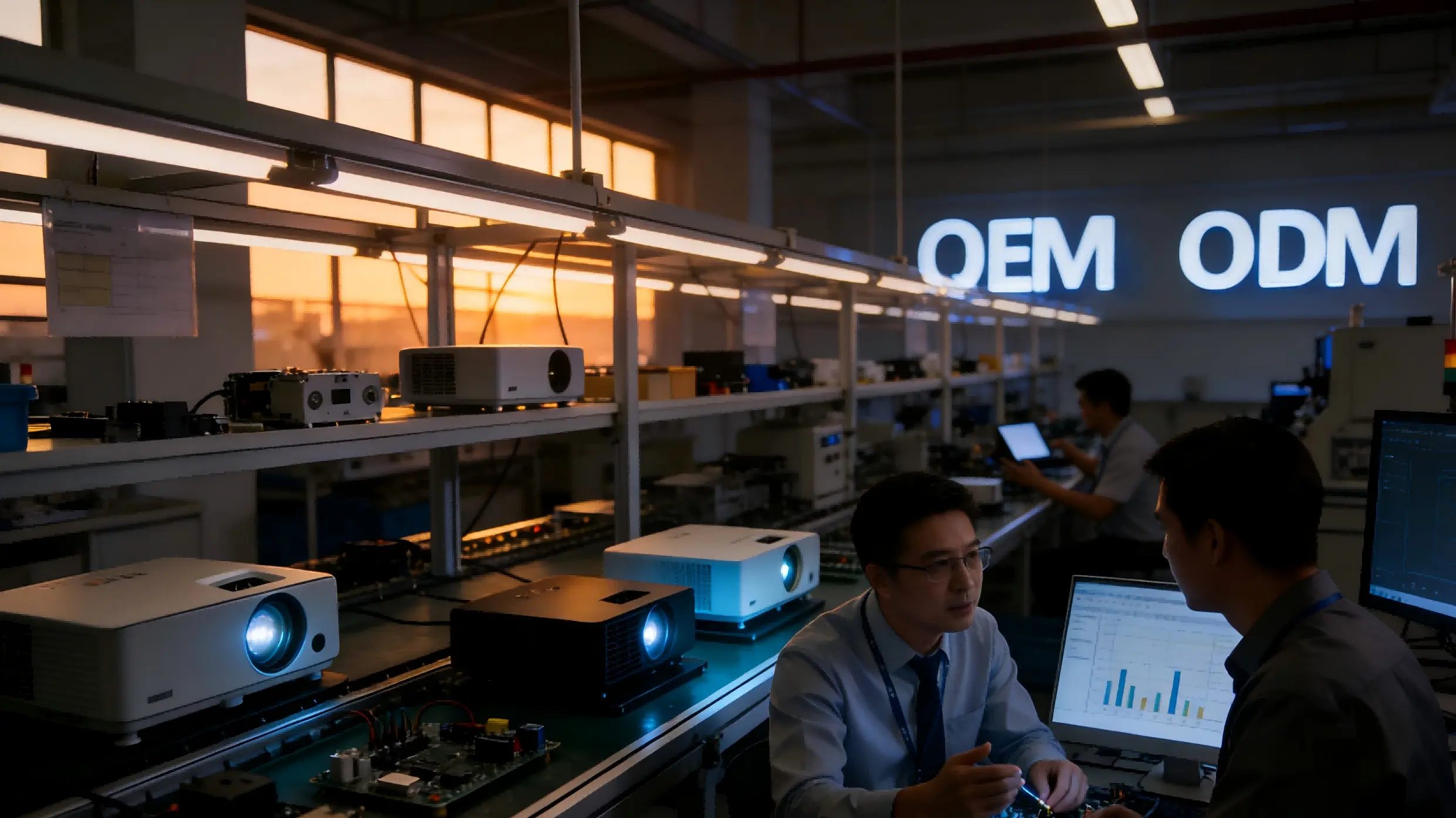
When requesting quotes from OEM/ODM suppliers, presenting detailed technical requests helps secure precise pricing estimates and avoids lengthy verification loops. Make sure to specify the following criteria in your RFQ:
Ensure your supplier can provide authentic certifications matching your regional target markets:
Expert insights addressing key technology, production, and quality issues for procurement teams.
A: Single-panel LCD projectors use a high-density LED light source passing directly through a mini LCD panel. This structure offers highly cost-efficient 1080P resolution, making it ideal for entry-level consumer use and home entertainment. DLP (Digital Light Processing) relies on a Texas Instruments DMD mirror chip reflecting light. DLP yields better pixel contrast and smaller form factors but incurs higher chip sourcing fees.
A: ANSI Lumens are measured using a standardized 9-point grid test pattern on a white screen, providing a reliable measure of actual brightness. "Light source lumens" simply record the raw output directly at the LED element before light loss occurs through optical glass lenses and LCD screens. Reliable factories provide true ANSI metrics to ensure compliance with global customs regulations.
A: Projectors generate high thermal loads due to their concentrated light sources. Operating units under full load in active heat chambers for several hours stabilizes electronic components, tests cooling fans, and screens out micro-display panels prone to early degradation before shipping.
A: We offer a range of support models: OEM (branding standard housings), ODM (creating custom molds and electrical designs), and MSM (Material-Specified Manufacturing). This flexibility helps startup brands entering new markets balance cost and product differentiation.
A: The corridor combines Dongguan's manufacturing capacity with Shenzhen's engineering resources and proximity to Hong Kong's deepwater ports. This ecosystem speeds up components sourcing and shortens shipping cycles compared to inland factories.
A: Standard OEM packaging orders generally ship within 20 to 30 days once packaging designs are finalized and raw optical components clear QA validation. Completely custom ODM builds involving new injection molds require 45 to 60 days for prototype sign-offs.
Explore our high-performance models optimized for retail channels, digital classrooms, and office settings.
We welcome inquiries regarding technical specifications, custom design options, and distribution partnerships. Contact our technical sales team for comprehensive support and detailed quotes.
 Youxi projection