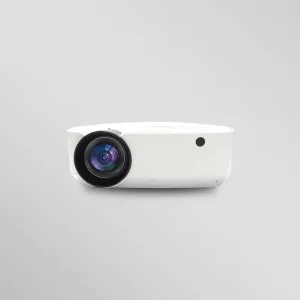
In high-fidelity home cinema setups and premium educational facilities, the auditory environment is as critical as visual performance. High-resolution 4K Projection systems demand intensive thermal regulation due to the immense heat generated by processing chips and high-lumen light sources. The primary challenge for hardware engineers is resolving the conflict between brightness optimization and noise generation. Traditional high-lumen projection systems often exceed 38 dB(A) in operating noise, creating an intrusive acoustic barrier.
To address this, next-generation silent projectors utilize advanced sealed optical engines, fluid dynamic bearing (FDB) fans, and algorithmic cooling. These systems keep operation noise below 25 dB(A)—equivalent to a soft whisper—without compromising thermal integrity or brightness. This whitepaper analyzes the technology driving quiet 4K projection systems, evaluates procurement trends, and provides transparent manufacturer-direct quotes.
Explore our direct-from-factory catalog of smart projection units configured for minimum acoustic footprint, high thermal stability, and integrated Android/Netflix capabilities.
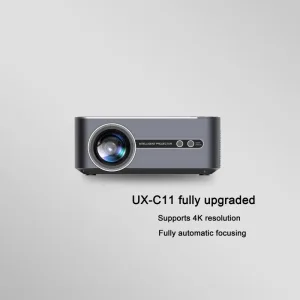
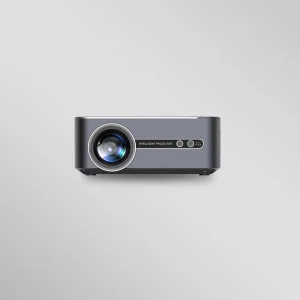
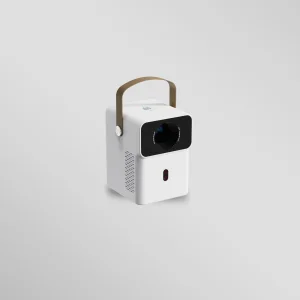
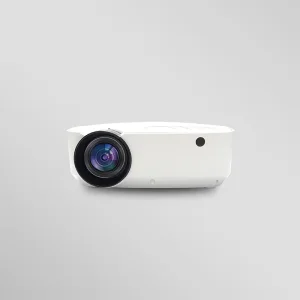
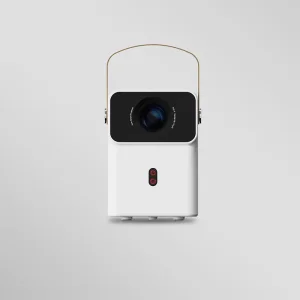
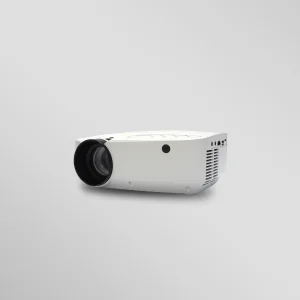
The global projection display landscape is undergoing a structural shift. Historically, 4K resolution required high-power lamp projectors, which run hot and generate noisy cooling fan cycles. As commercial and consumer environments prioritize seamless ambient integration, acoustic footprint reduction has become a primary engineering KPI. This shift has driven three major technological trends:
Traditional open optical setups are prone to dust accumulation, which degrades optical components, creates dark spots, and reduces thermal transfer efficiency. Dust accumulation also causes fans to run faster and louder over time. By sealing the optical block, our engineering team isolates critical prisms, LCD panels, and laser diodes. This prevents dust entry and reduces internal fan speeds, helping maintain noise levels under 25-28 dB throughout the projector's lifespan.
Metal-halide and UHP lamps generate high heat load. Solid-state light sources (specifically RGB Triple Laser and high-density LED arrays) offer much higher luminous efficacy per watt. This means less wasted heat and lower airflow requirements, allowing for smaller, quieter cooling fans.
Modern acoustic engineering goes beyond slowing down fans; it focuses on optimizing the airflow path. By designing smooth, obstacle-free air intake and exhaust channels, we reduce turbulence—the main source of high-frequency whooshing sounds. Combined with custom Pulse Width Modulation (PWM) fan curves, the cooling system dynamically adjusts to temperature changes in real-time, preventing sudden shifts in fan noise.
Corporate, institutional, and government buyers face unique challenges when procurement specifications demand 4K resolution alongside strict noise restrictions. Educational classrooms, university lecture halls, government presentation rooms, and hotel suites are increasingly adopting low-noise AV standards.
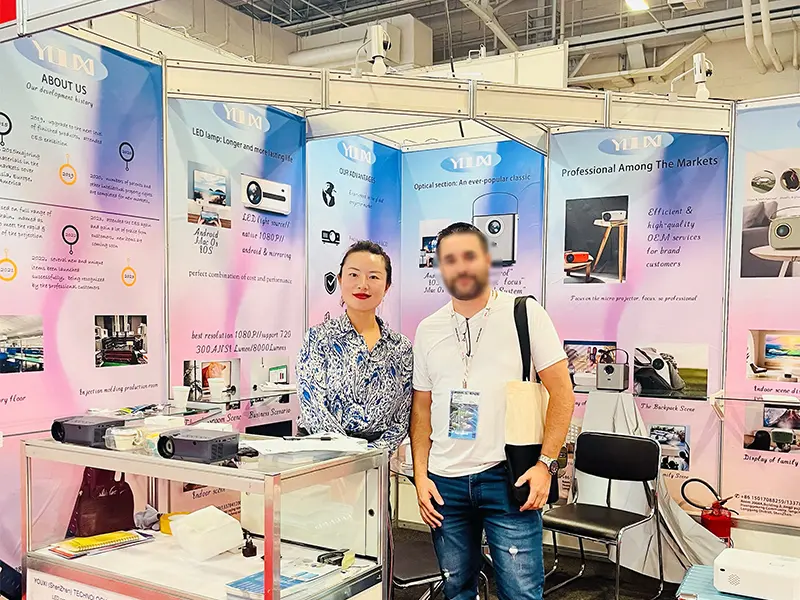
For high-volume distribution channels and commercial clients, total cost of ownership (TCO) is a primary consideration. Direct-from-factory partnerships, such as with Youxi (Shenzhen) Technology Co., Ltd., provide access to optimized supply chains and flexible OEM/ODM manufacturing. This helps bypass intermediaries, lowering unit costs while ensuring high customizability for specifications like specialized port setups, tailored software, and proprietary brand labeling.
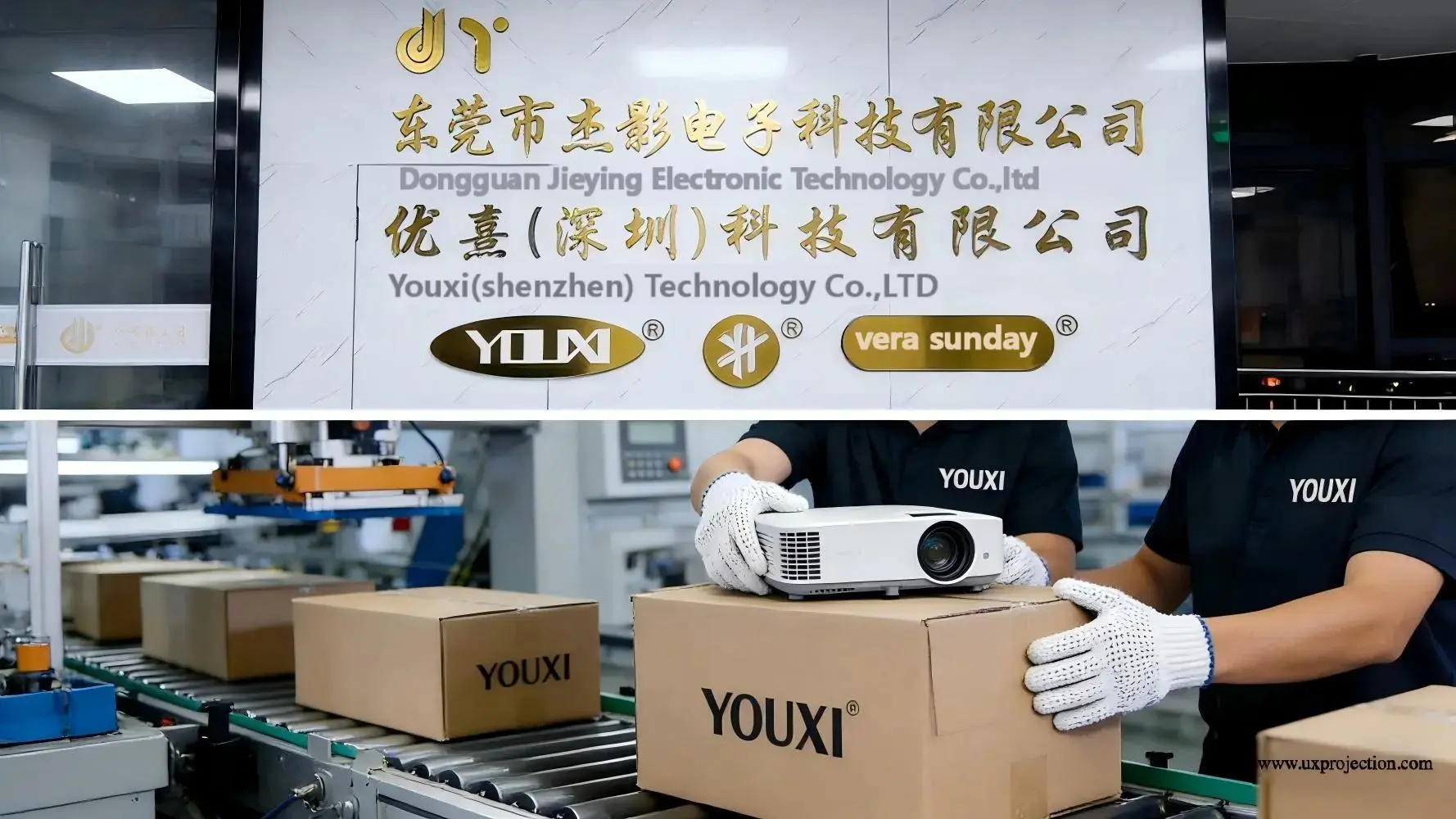
Established in April 2021, Youxi (Shenzhen) Technology Co., Ltd. specializes in the research, development, assembly, and sales of smart projection systems and wearable devices. We manage every phase of the product lifecycle—from raw material sourcing and design to structural engineering and final packaging. Headquartered in the technology hub of Shenzhen, China, our offices are 40 minutes from the Hong Kong Port, ensuring efficient logistics for international shipping.
To support high-volume global demands, we run a specialized production facility in Fenggang Town, Dongguan. Our factory is equipped with manufacturing, injection molding, assembly, and testing workshops, with monthly output scaling to 50,000 units.
Our production workflow centers on high reliability. Components like DMD chips, LED arrays, and sealed optical blocks are sourced from validated tier-1 suppliers and assembled in dust-free workshops that meet 5S quality standards.
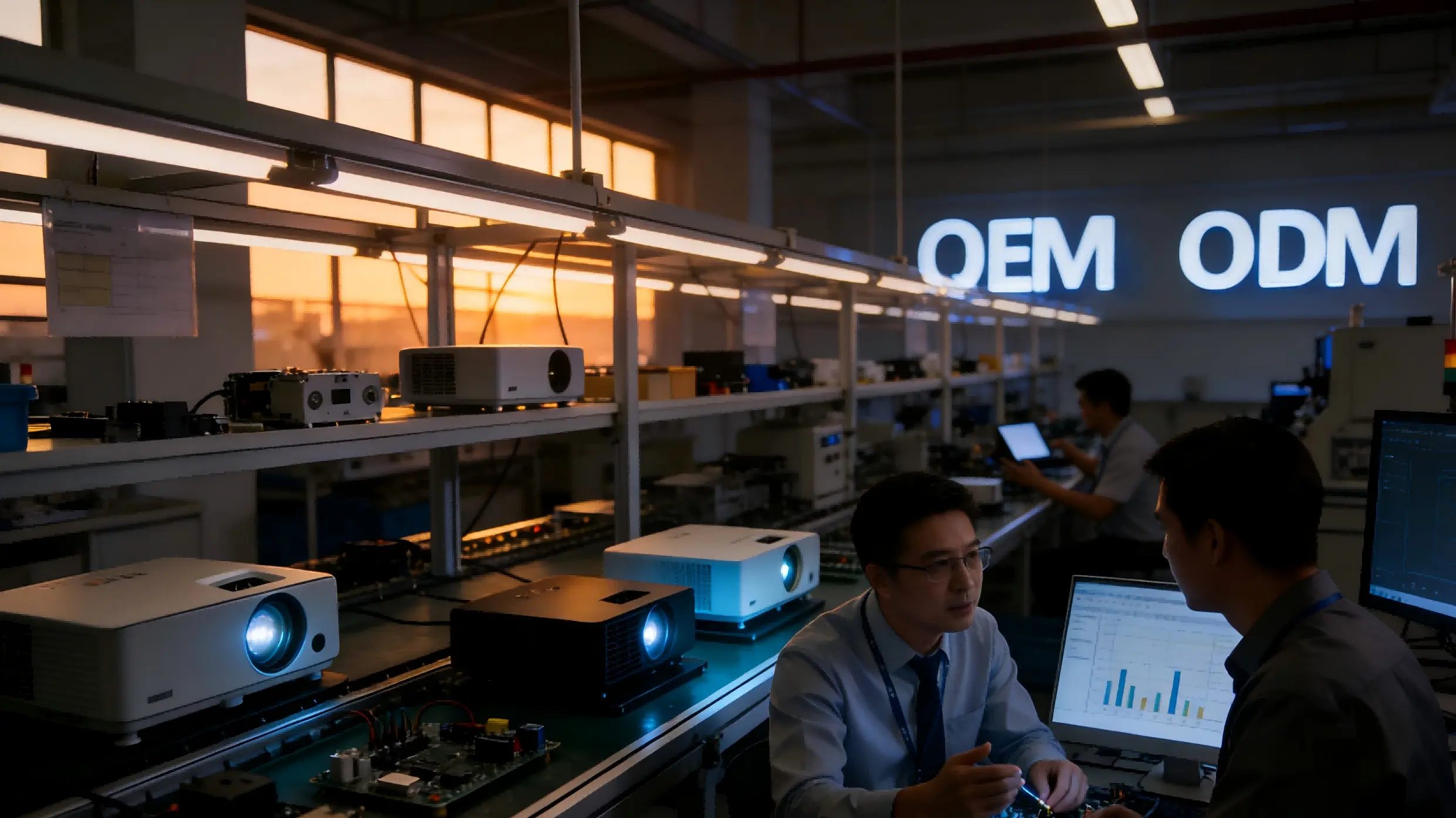
We provide comprehensive services, including branded solutions, OEM/ODM development, and material-specified manufacturing (MSM). We work with global retail distributors, educational partners, and custom installation channels to deliver systems optimized for specific lumen targets, interface layouts, and noise levels.
Our manufacturing facility is structured to maintain strict consistency across all models, ensuring high quality from initial component sourcing to final shipping.
Our mold and injection molding workshop runs high-precision CNC machinery and injection lines. Projector housings must meet tight tolerances to prevent chassis vibrations and panel gaps, which can cause fan noise. Custom structural designs help isolate motor vibrations and redirect airflow paths.
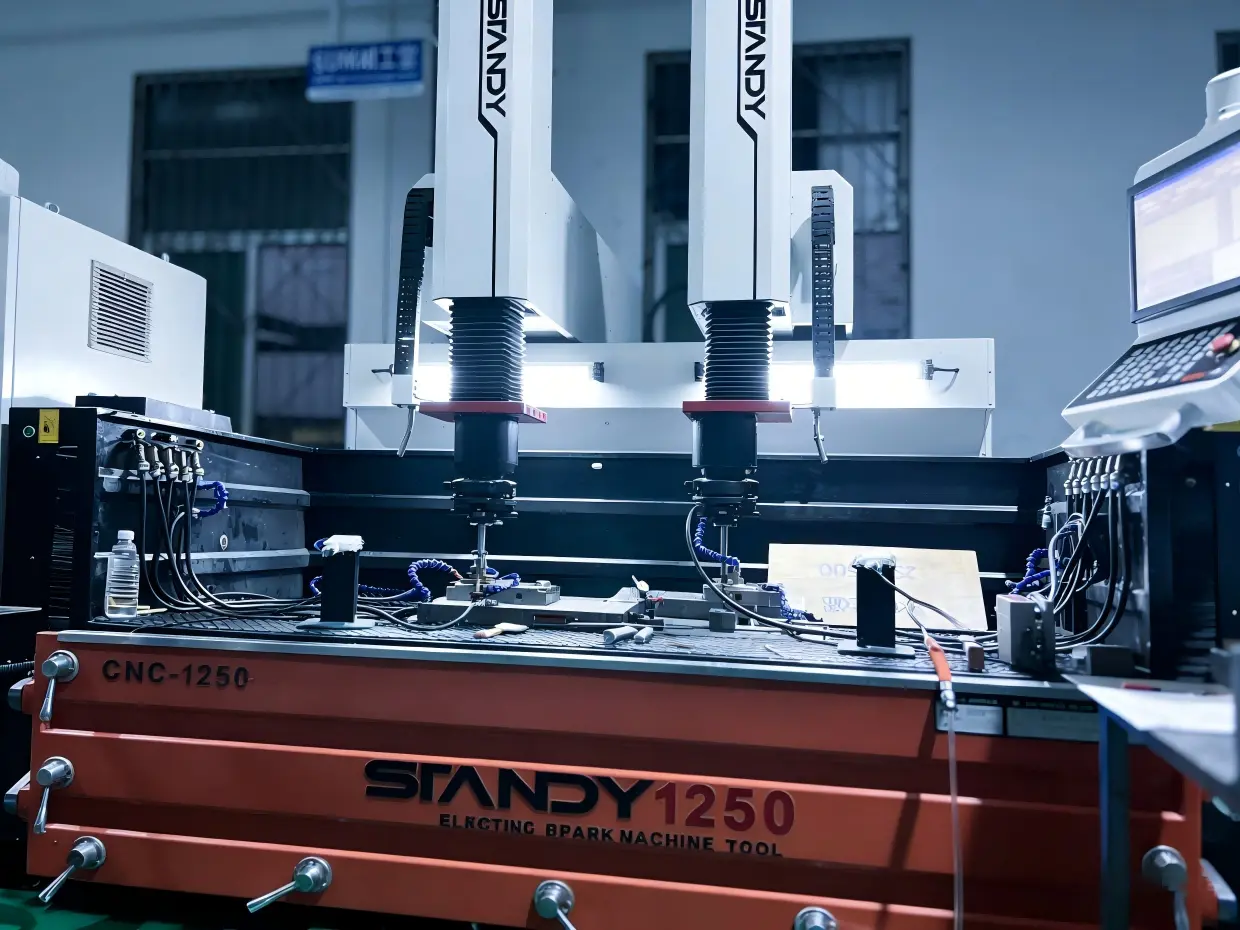
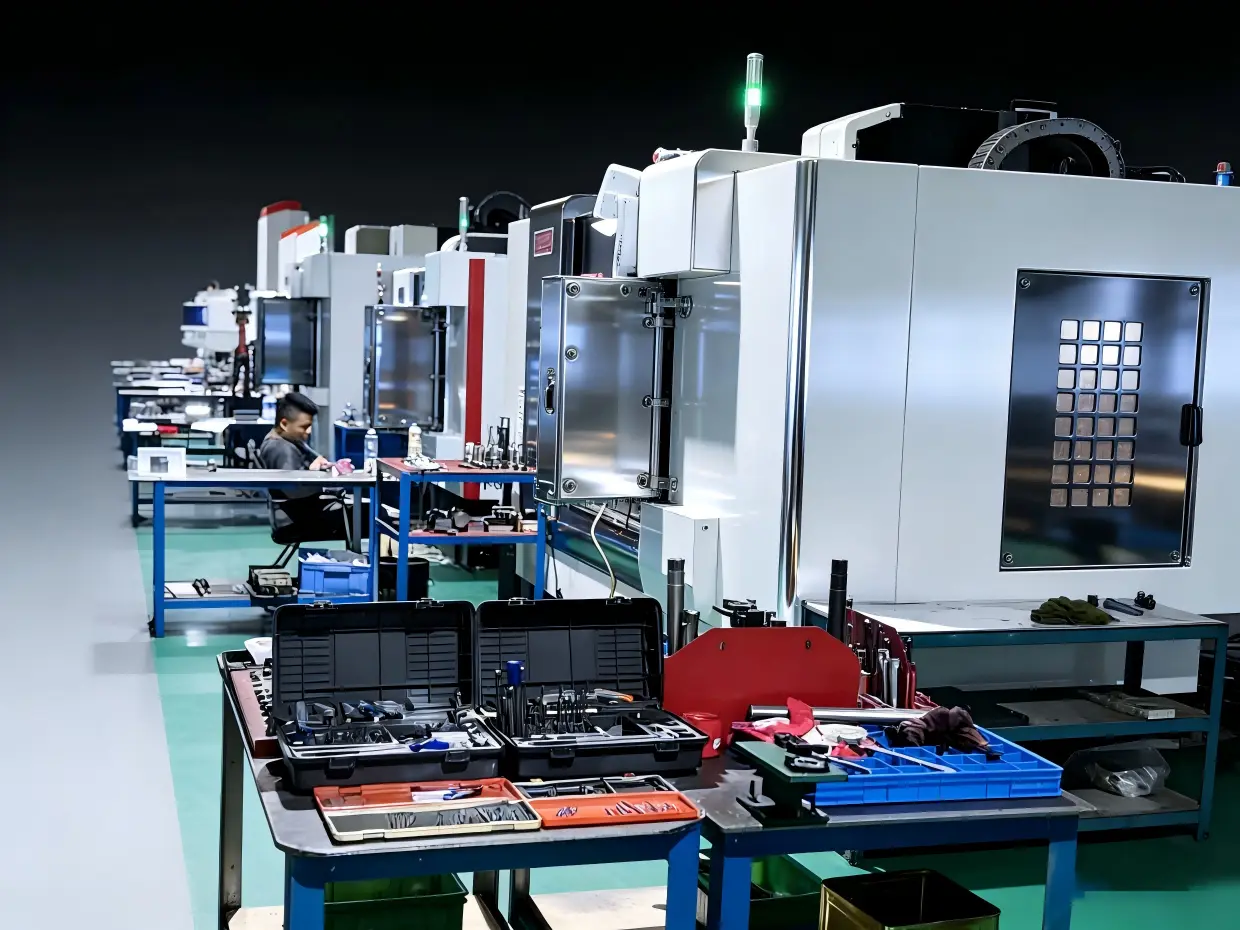
Ensuring acoustic seal tolerances within < 0.05 mm
Our assembly facility covers 4,000 square meters. The shop floor is designed to meet 5S cleanroom standards, helping prevent dust contamination during assembly—a critical step for maintaining optical clarity in sealed engine designs. Our workforce of 100+ operators follows standardized processes for optical alignment, thermal pasting, and thermal sensor installation.
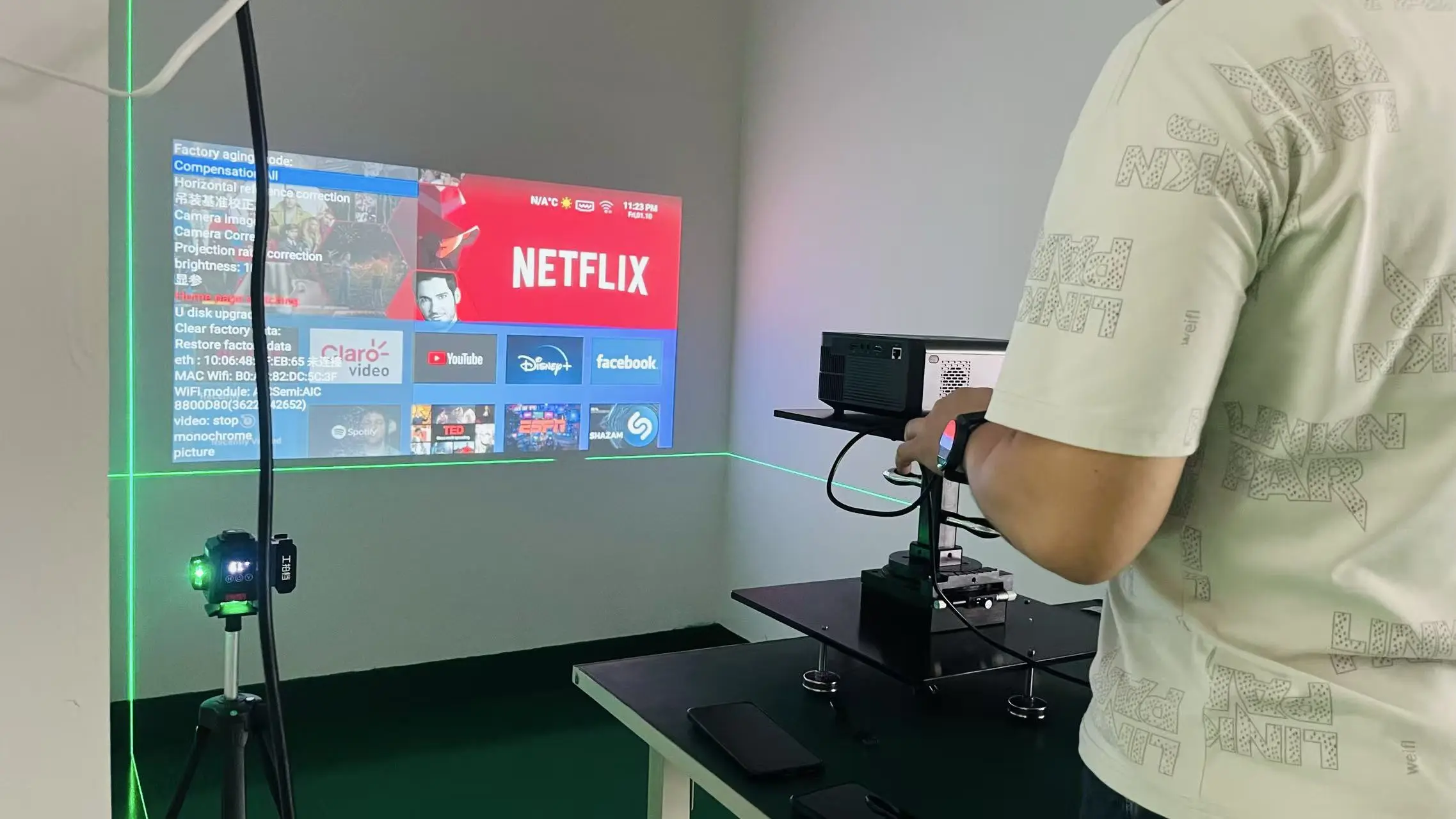
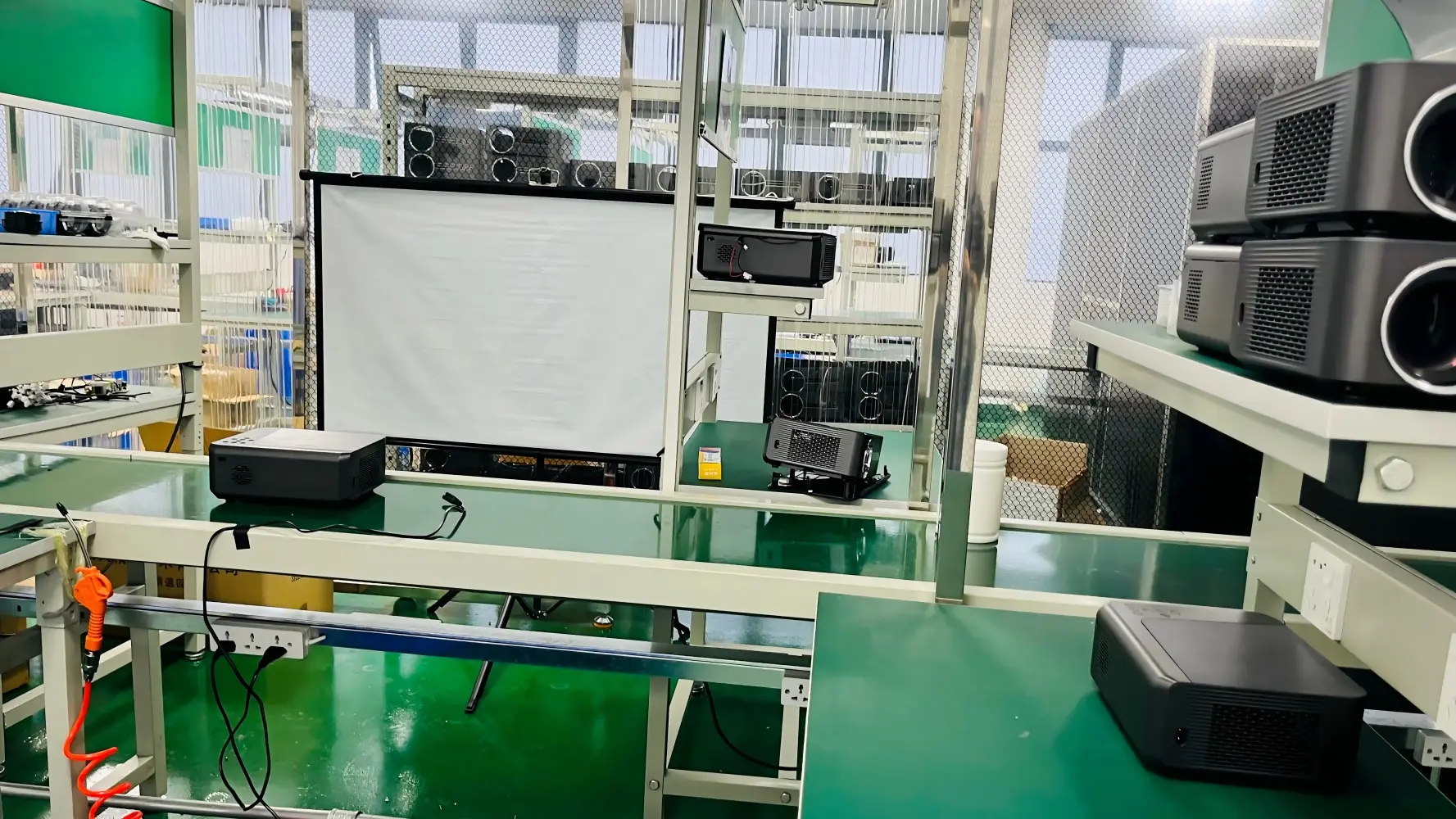
To maintain high standards, we operate 12 testing rooms. Our quality control team tests incoming components, conducts post-assembly checks, and performs random sampling before shipment. Projectors are verified for color balance, focus consistency, light output, and operation noise using sound-level meters in dedicated quiet chambers.
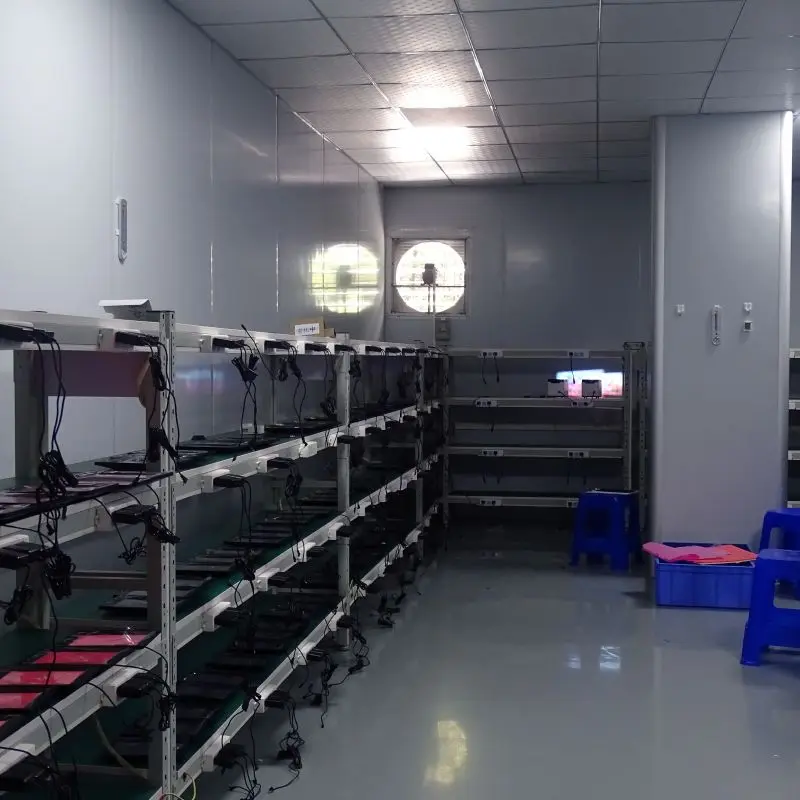
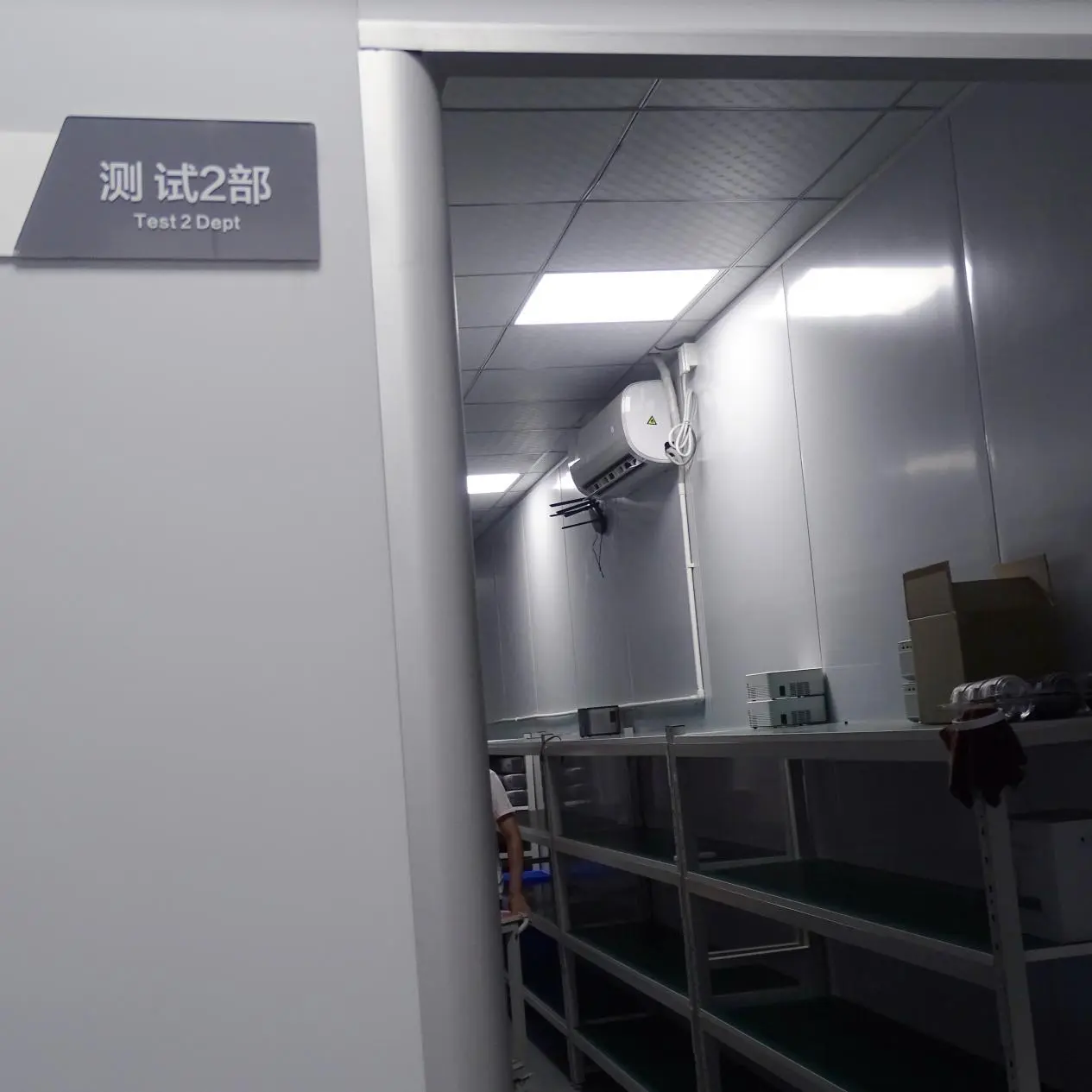
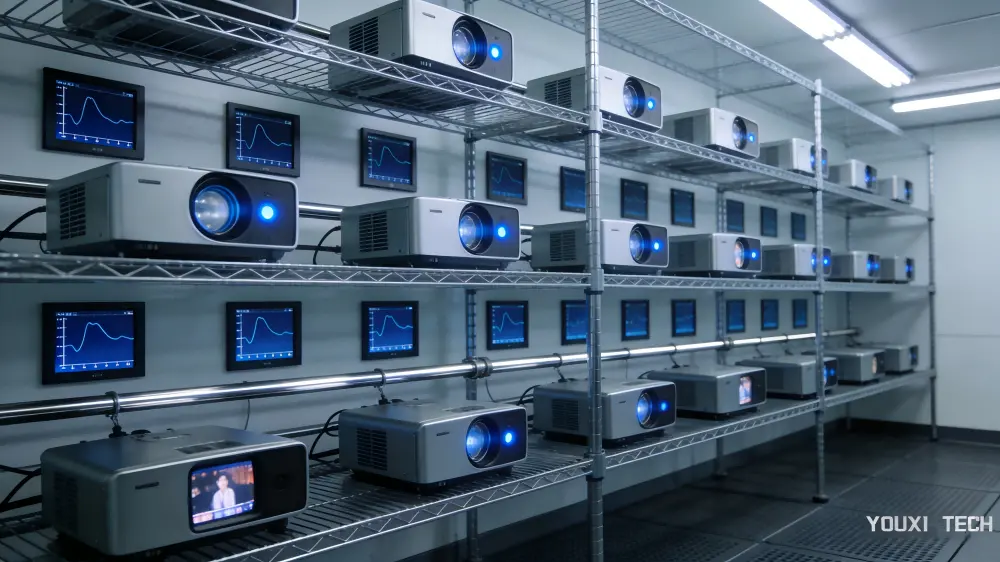
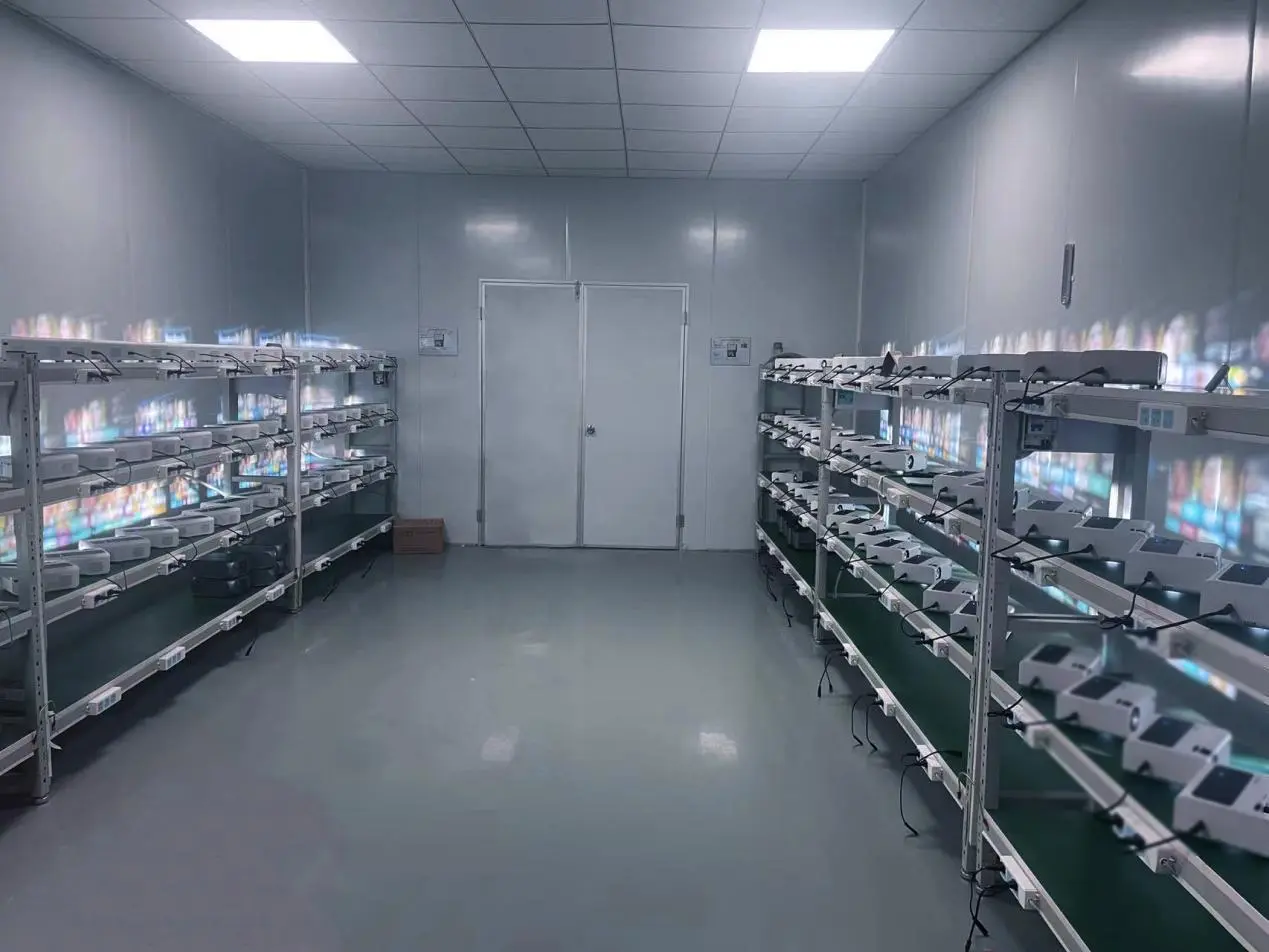
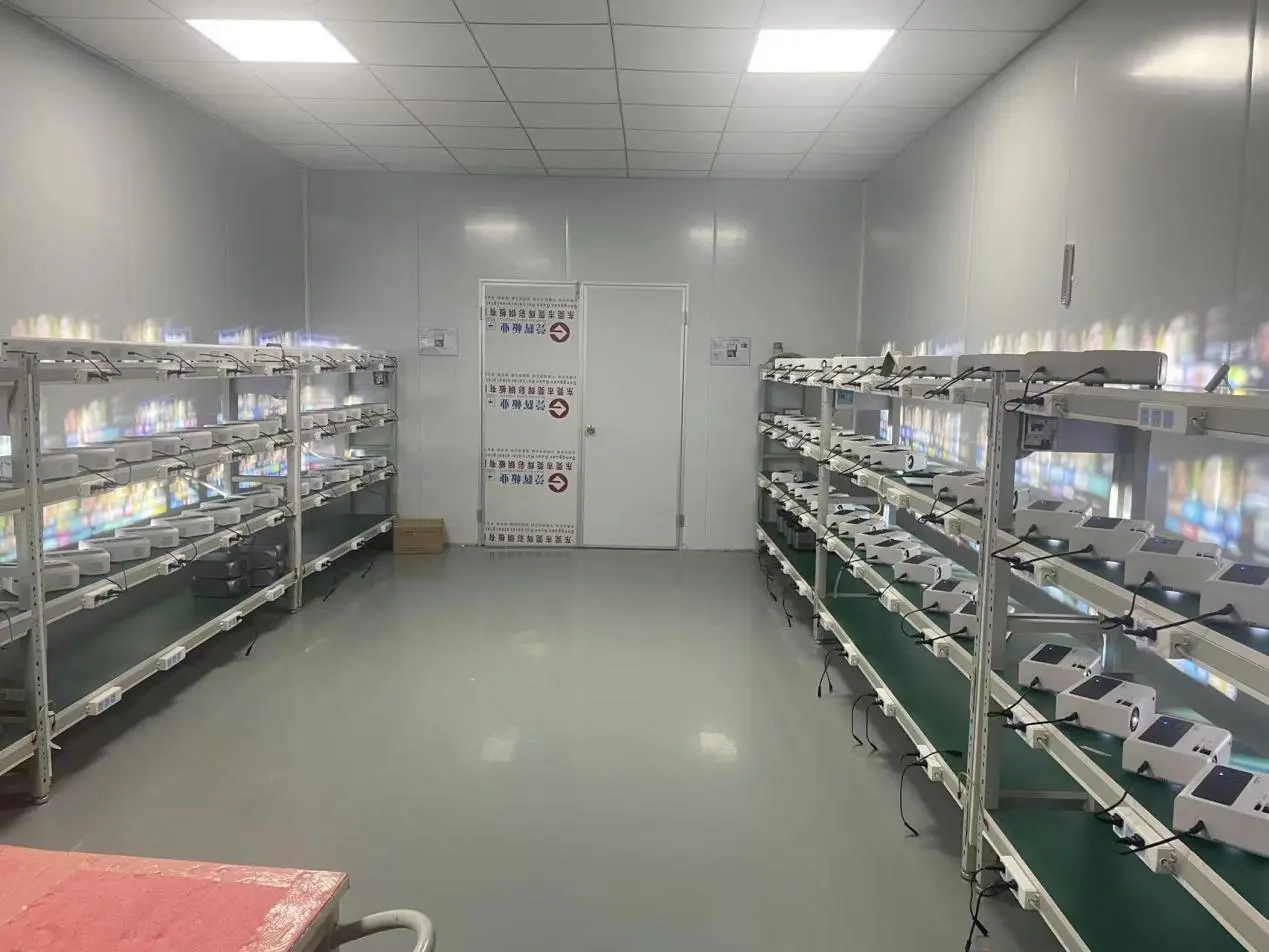
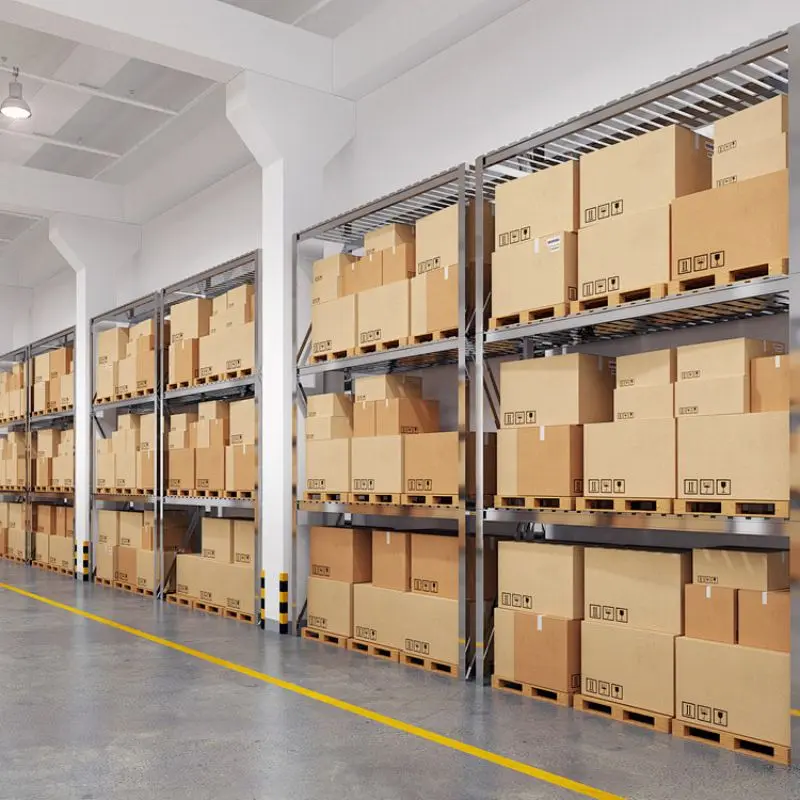
Every projector undergoes dynamic aging tests to ensure long-term stability. The testing room can accommodate 200 units simultaneously for continuous multi-hour runs. This process helps identify potential failures in power supplies, laser boards, or fan controllers before packaging. After testing, finished products are moved to our 300-square-meter warehouse for final packaging and shipping.
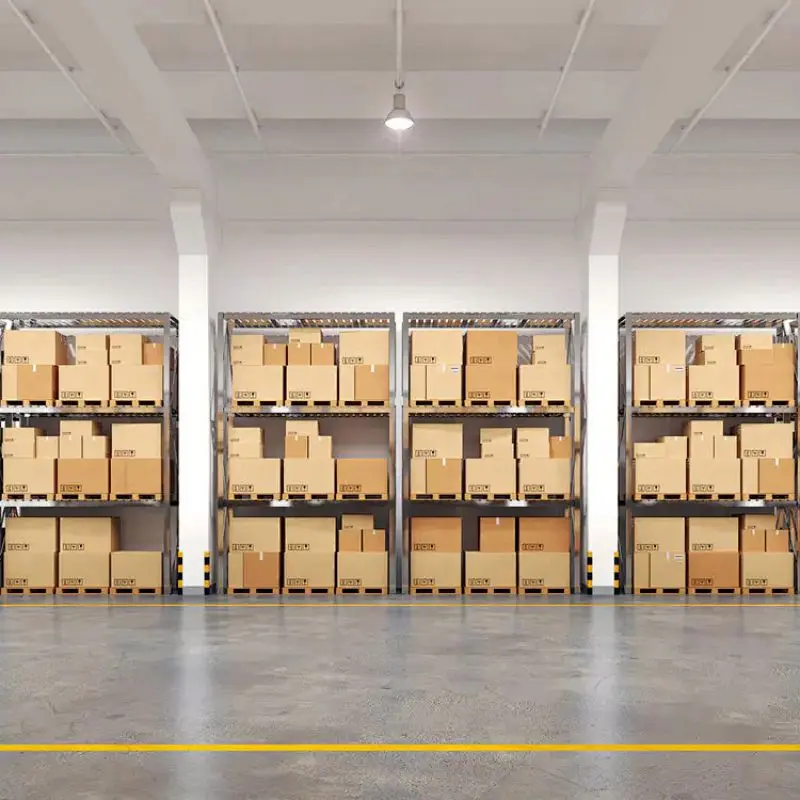
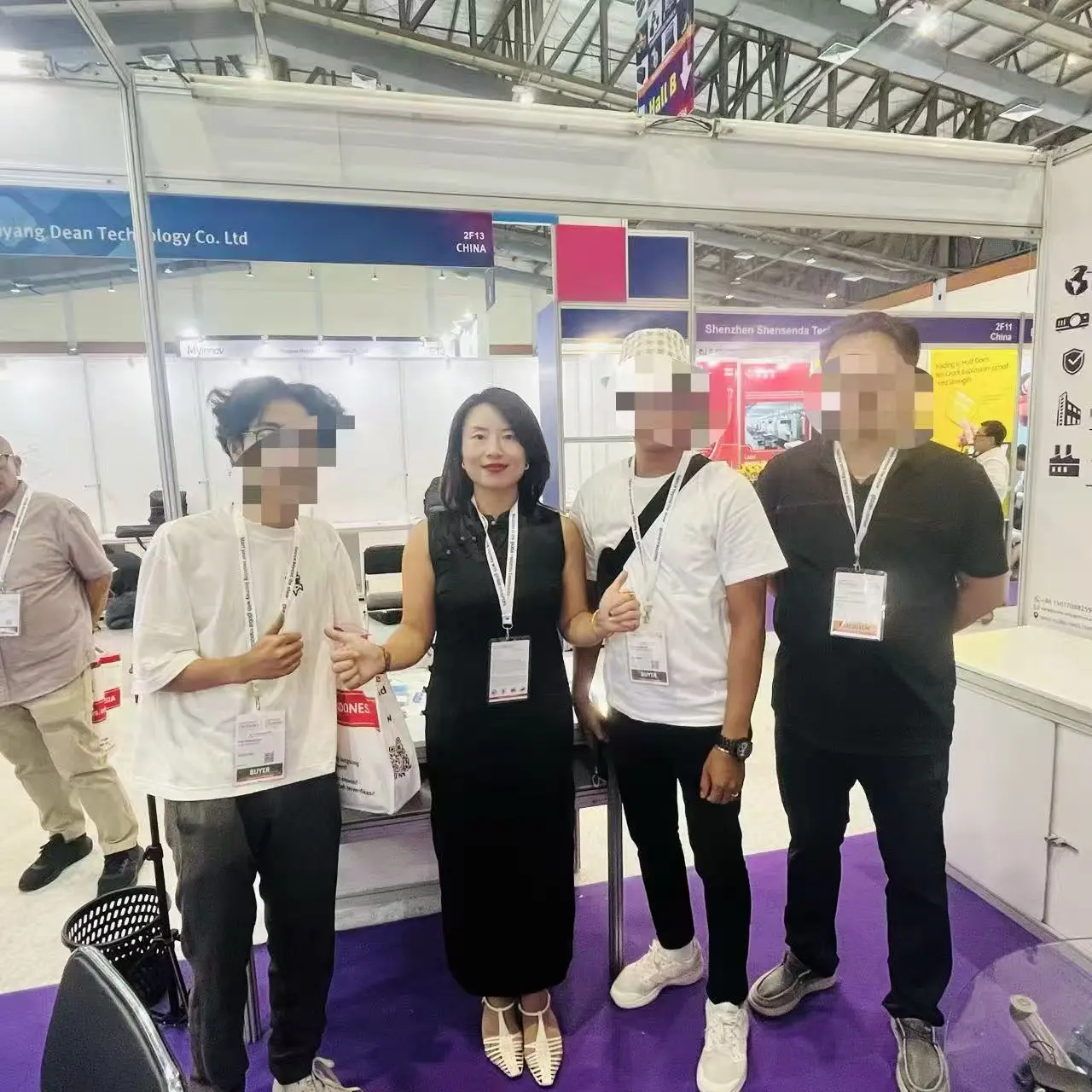
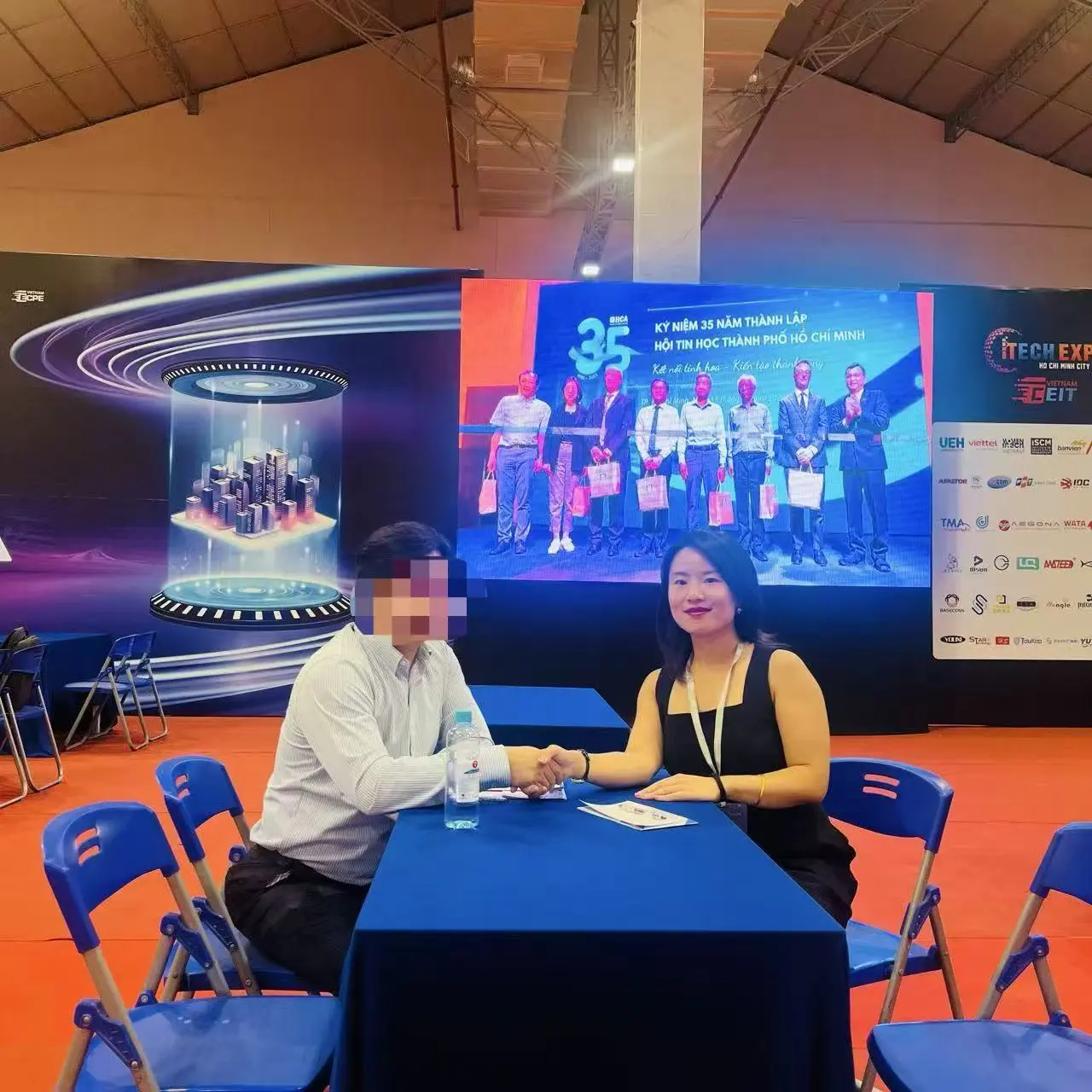
We regularly ship products worldwide, utilizing optimized logistics routes through neighboring ports to ensure timely commercial deliveries.
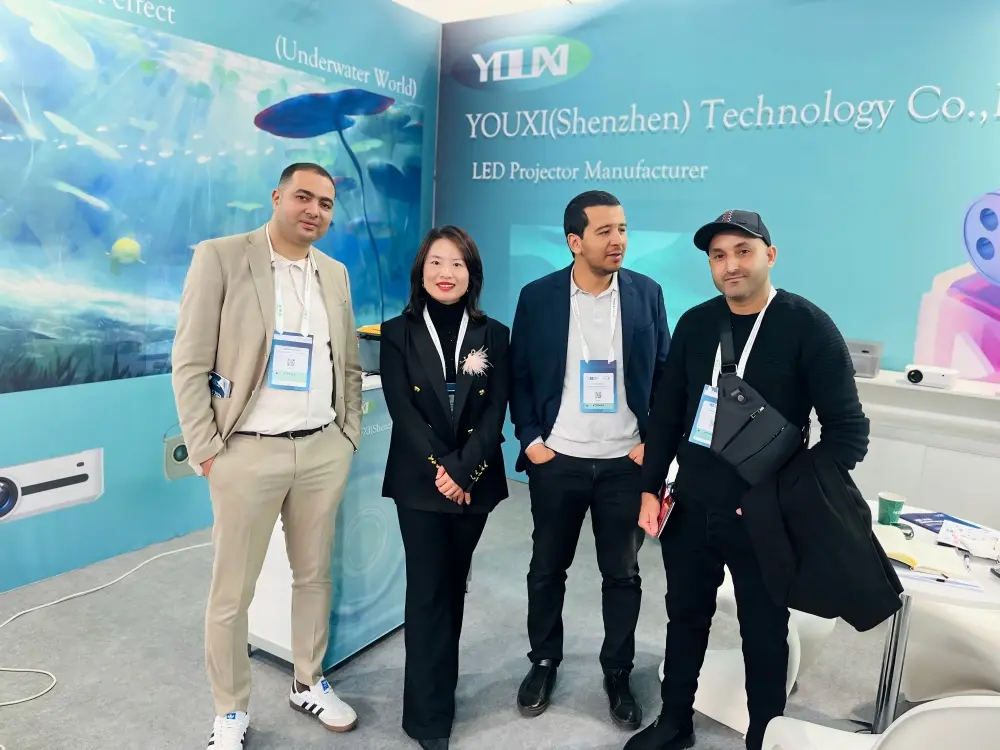
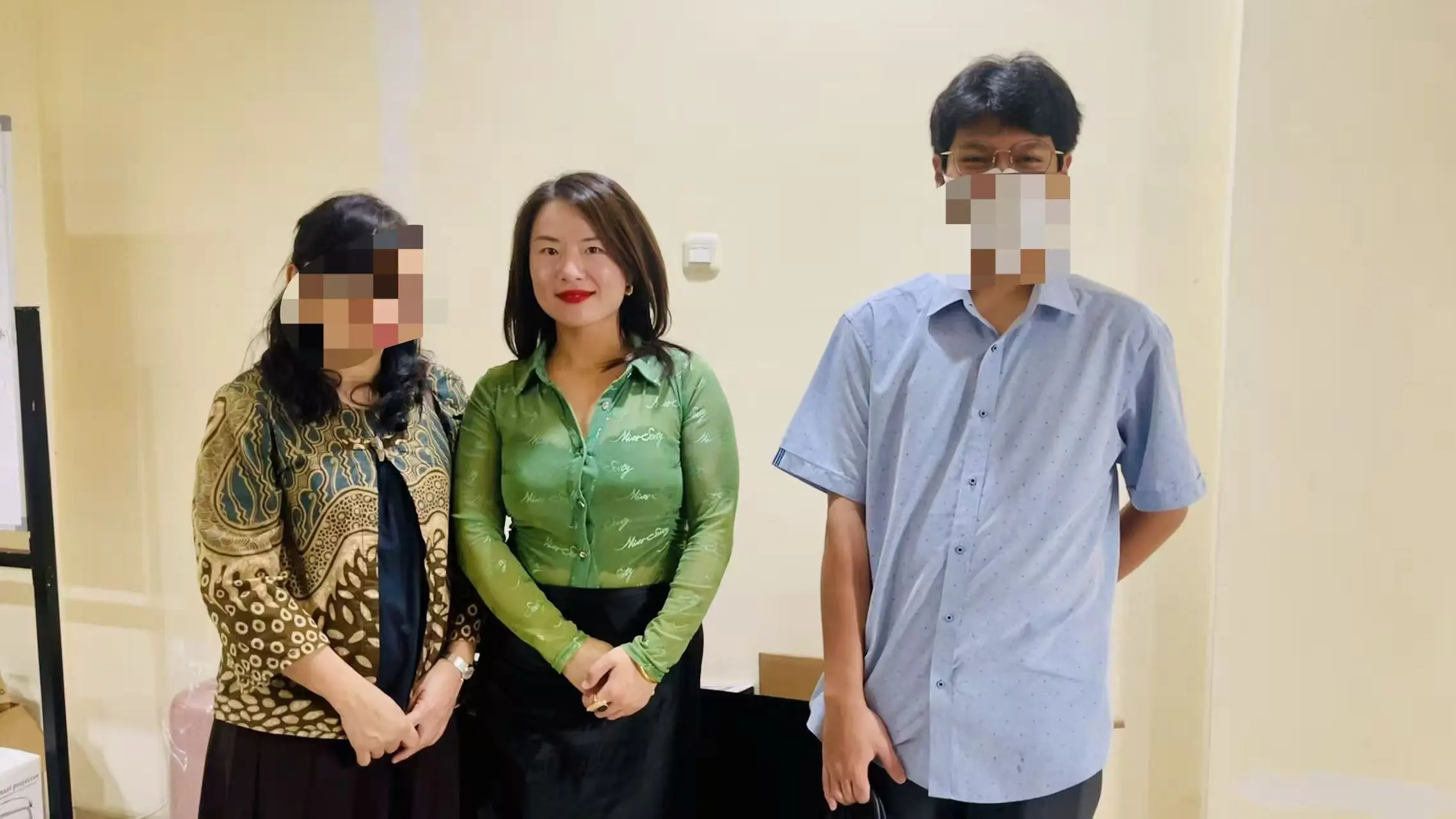
Every installation space has unique requirements for ambient noise, throw distances, and connectivity. We provide customized solutions to align hardware specs with the target environment:
Quiet operations are essential during voice calls and video conferences. Our setups combine ultra-quiet 4K projectors with HDMI 2.1 connectivity, high ANSI lumens, and RS232 control protocols for integration into existing automated environments.
Designed for long hours of reliable performance. Our dust-free sealed optical engines prevent image degradation, while low-noise fans keep background noise to a minimum, helping maintain classroom focus.
For home theaters, we focus on high contrast, dynamic color range, and quiet operation (<23dB). Smart Android systems are integrated at the factory level, offering pre-configured streaming access and clean UI layouts.
We export to diverse international markets, which requires compliance with varied regulatory standards. Our systems are certified for compliance with major regional requirements:
By partnering with international air express and ocean cargo carriers, we ensure reliable delivery of bulk shipments. Our close proximity to the Hong Kong port enables rapid transition from factory floor to global shipping lanes.
Our research and development program is focused on further reducing projection noise levels. Key initiatives on our current design roadmap include:
Liquid Cooling Integration: We are testing closed-loop liquid cooling blocks for high-powered 4K laser engines. By using liquid to carry heat to a remote radiator, we can use larger, slower-turning fans, bringing operational noise down to approximately 20 dB(A).
AI-Driven Dynamic Fan Tuning: Future firmware updates will include machine learning algorithms that analyze system workload and room temperature. This enables the cooling system to make micro-adjustments to fan speeds, avoiding abrupt, audible noise changes.
Phase-Change Materials (PCM): We are exploring PCM heat sinks that absorb peak thermal loads during operation and release the heat gradually after shutdown. This reduces the peak cooling demands on fans during use.
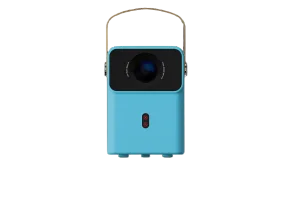
Review our second batch of specialized models, including highly portable options and custom-configured units for home and commercial environments.
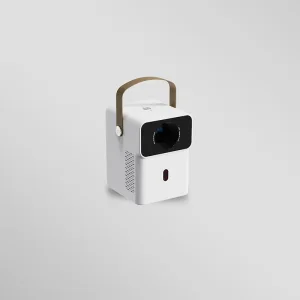
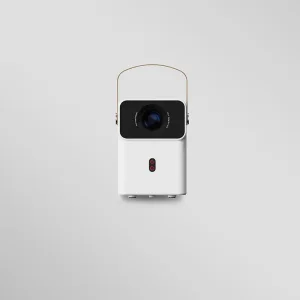
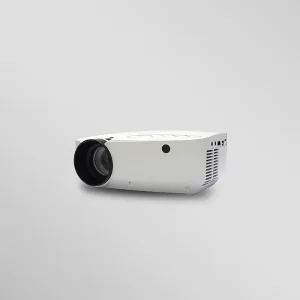
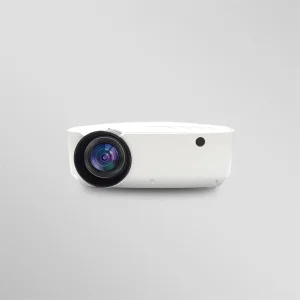
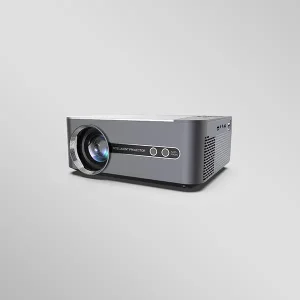
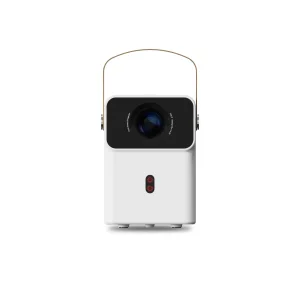
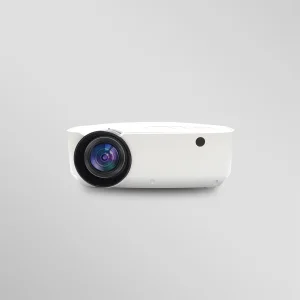
In the projection industry, operating noise under 30 dB is considered quiet. High-performance models designed for silent applications target noise levels between 22 dB and 26 dB. This is achieved using sealed optical engines and variable-speed fan controllers that prevent cooling noise from interfering with audio presentations.
A fully sealed optical engine isolates core elements like the LCD/DMD panels and laser diodes from the environment. This helps prevent dust buildup, which degrades thermal performance and forces cooling fans to run at higher, louder speeds over time. Maintaining a clean light path keeps cooling requirements and fan speeds stable.
Yes. We offer complete OEM/ODM options for our projector models. Customers can request specific hardware ports (such as USB-C power delivery or additional HDMI inputs), customized casing designs, pre-installed apps, and custom splash screens.
Our headquarters in Shenzhen is located approximately 40 minutes from the Hong Kong Port. This proximity allows us to quickly route shipments from our production facility onto cargo vessels, optimizing overall delivery times.
We manage quality across our production lines through a multi-stage inspection process. Incoming components are verified, followed by functional checks post-assembly, and final checks during packaging. We also run a dedicated aging room where up to 200 units can be tested simultaneously under load before shipment.
Contact our engineering and sales teams to request a detailed pricelist, ask about custom OEM configurations, or schedule a technical consultation.
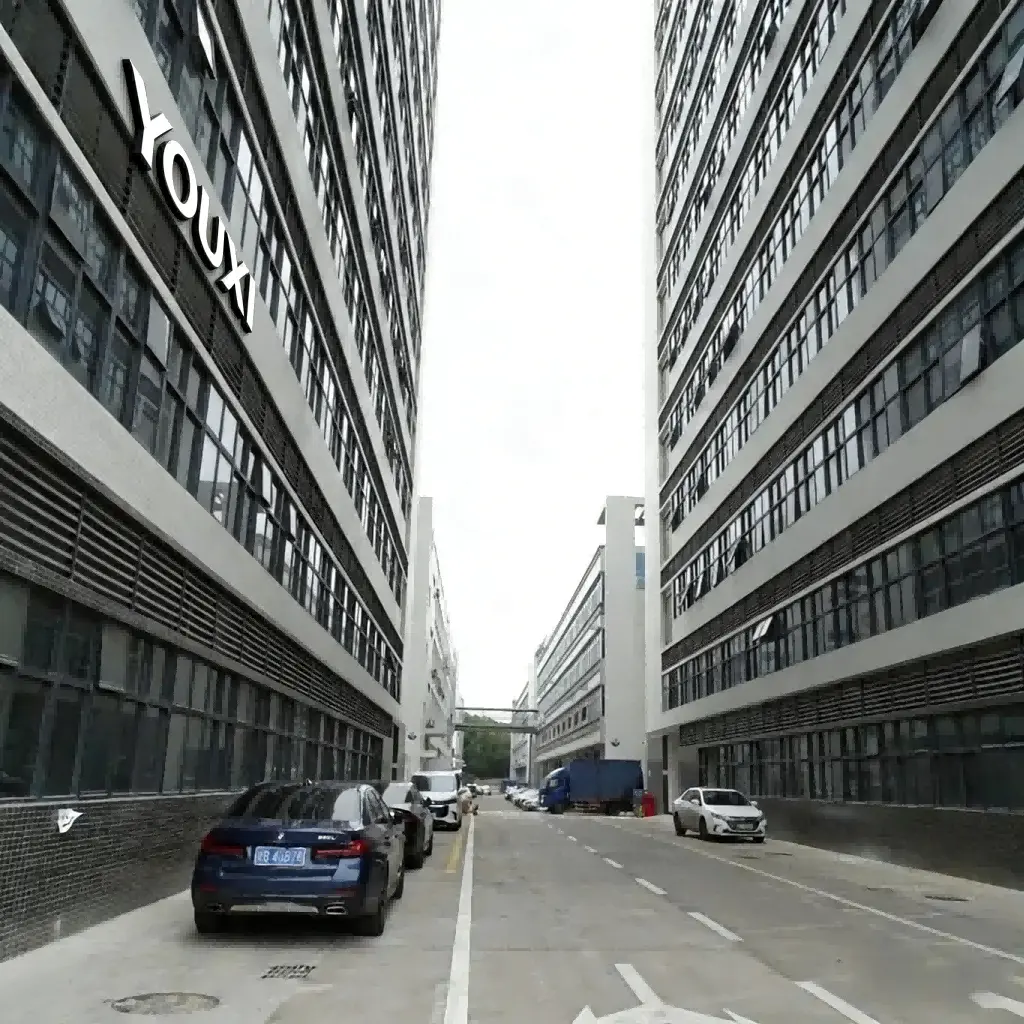
 Youxi projection