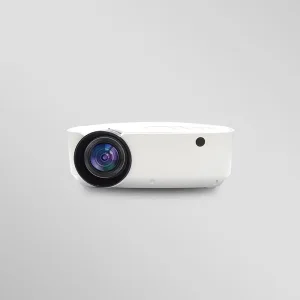
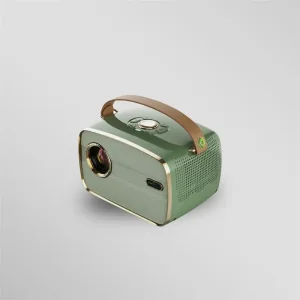
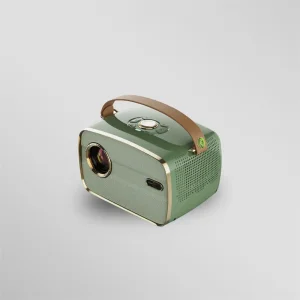
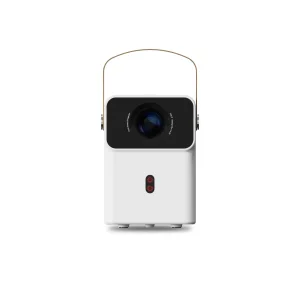
Best Sealed Engine Projector Factory & Quotes

Next-Generation Dustproof Projection Systems: Direct Manufacturer Procurement, Custom OEM/ODM Capabilities, and Enterprise Solutions from China's Optoelectronic Hub

Whitepaper: The Engineering Superiority of Sealed Optical Engines

An in-depth analysis of structural differences, thermal dissipation, dust protection metrics, and total cost of ownership (TCO) in B2B projection sourcing.

In the global commercial display and residential entertainment ecosystems, the optical projection engine represents the core subsystem determining color accuracy, brightness retention, and hardware longevity. However, traditional LCD projection devices have long suffered from environmental susceptibility, specifically the ingestion of atmospheric particulate matter (dust, smoke, and textiles). When dust particles settle on internal LCD panels, polarizers, or optical lenses, they manifest as black spots, thermal bottlenecks, and progressive chromatic degradation. This technical vulnerability is the primary driver of device failures and warranty claims.

Information Gain Principle: A fully "Sealed Optical Engine" isolates the entire light path—including the LED/Laser light source, condenser lenses, LCD panels, and optical prisms—within a dust-proof enclosure. By utilizing internal air circulation and specialized thermal conductors, these engines achieve an IP5X or IP6X dust protection rating, rendering them immune to ambient air quality and eliminating the need for periodic filter replacements.

Sealed vs. Open Optical Engines: A Comparative Technical Analysis

Understanding the internal design of projection engines is essential for global buyers requesting bulk quotes. The differences lie in structural airflow, thermal dynamics, and optical maintenance:

  • Open/Semi-Sealed Optical Engines: These systems draw external air directly into the optical chamber to cool the heat-sensitive LCD display panel. While cheaper to manufacture, this direct airflow introduces fine dust particles. As dust bakes onto the liquid crystal panel due to intense light energy, optical degradation occurs, leading to permanent yellow discoloration and dark spots.
  • Fully Sealed Optical Engines: The active display panel and light path are hermetically sealed inside a modular chamber. Heat generated by the LCD and light source is transferred outward via heat pipes to external aluminum fin arrays, which are then cooled by separate, isolated fans. Dust never enters the critical optical pathway.
Performance Indicator Open Optical Engine Fully Sealed Optical Engine (Youxi Technology) Enterprise Business Impact
Dust Ingress Susceptibility High (Causes black spots & discoloration) Zero Ingress (IP5X/IP6X Enclosure Rating) Reduces return rates from 4.8% to less than 0.2%
Luminous Decay (Over 10k hours) 35% - 50% brightness reduction Less than 10% brightness reduction Ensures brand consistency and high display quality
Thermal Management Strategy Direct air cooling (High noise levels) Internal circulation & Heat Pipe Conductors Quieter operation (<30dB) and longer component life
Maintenance Overhead Frequent filter cleanings & panel replacements Zero maintenance, sealed for life Substantially lowers the total cost of ownership (TCO)
Optimal Lifespan Approx. 12,000 - 15,000 hours Exceeds 30,000 hours Maximizes ROI for commercial displays and education channels

Our Industrial Manufacturing Footprint

Measurable capacity and standard certifications driving efficiency across our domestic and global logistics pipelines.

50,000+
Monthly Unit Capacity
4,000 ㎡
Modern 5S Assembly Facility
12 Rooms
Precision Optical Testing Rooms
< 0.2%
Post-Sale Defect Rate

The China Factory Advantage: Sourcing from the Shenzhen & Dongguan Clusters

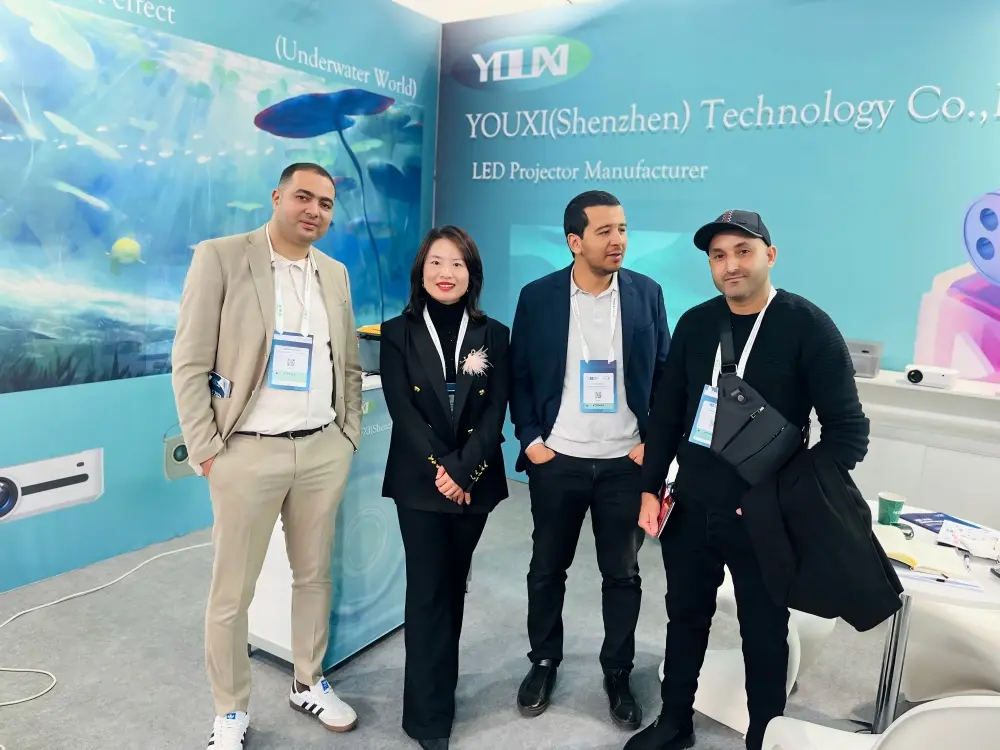
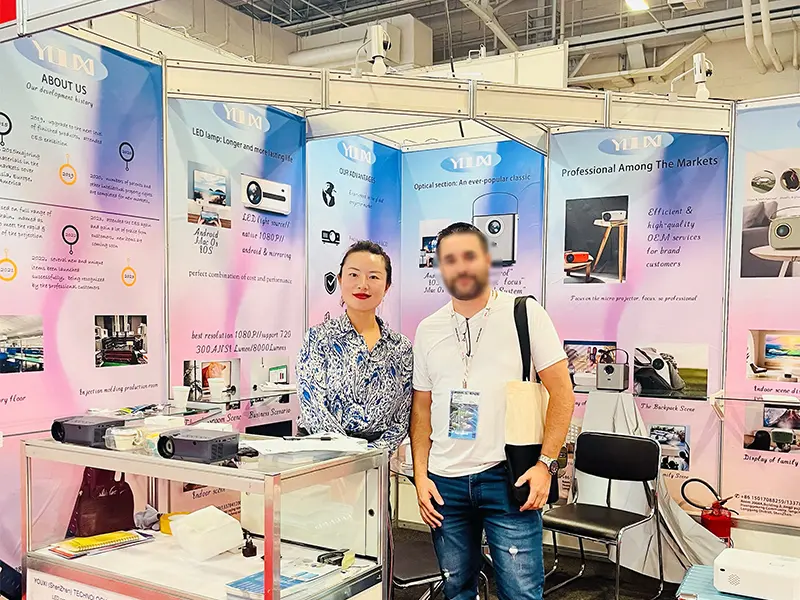
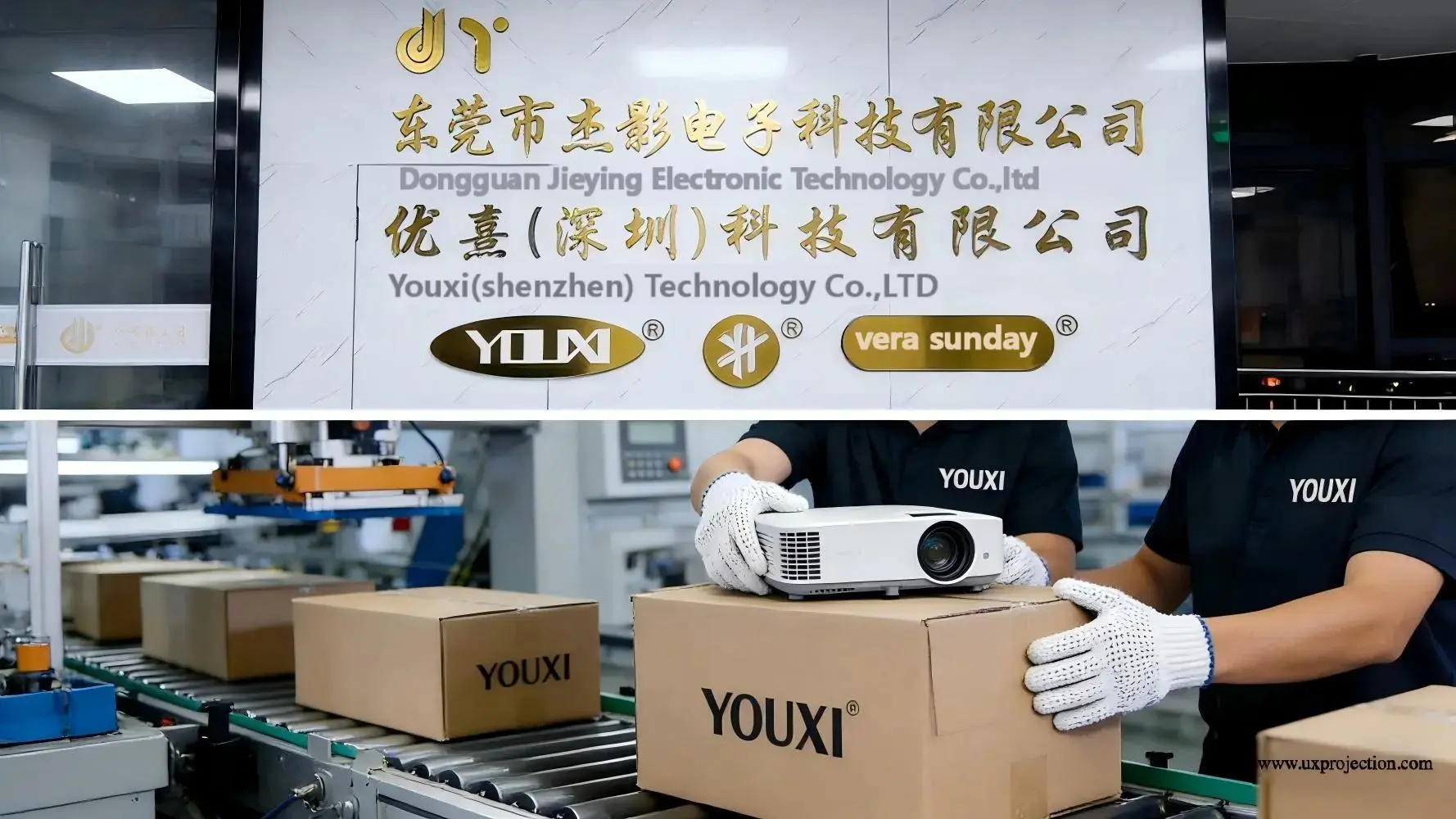
When global buyers seek direct factory quotes, geographic location and supply chain integration determine pricing and delivery speed. Youxi (Shenzhen) Technology Co., Ltd. stands at the center of this industrial infrastructure.

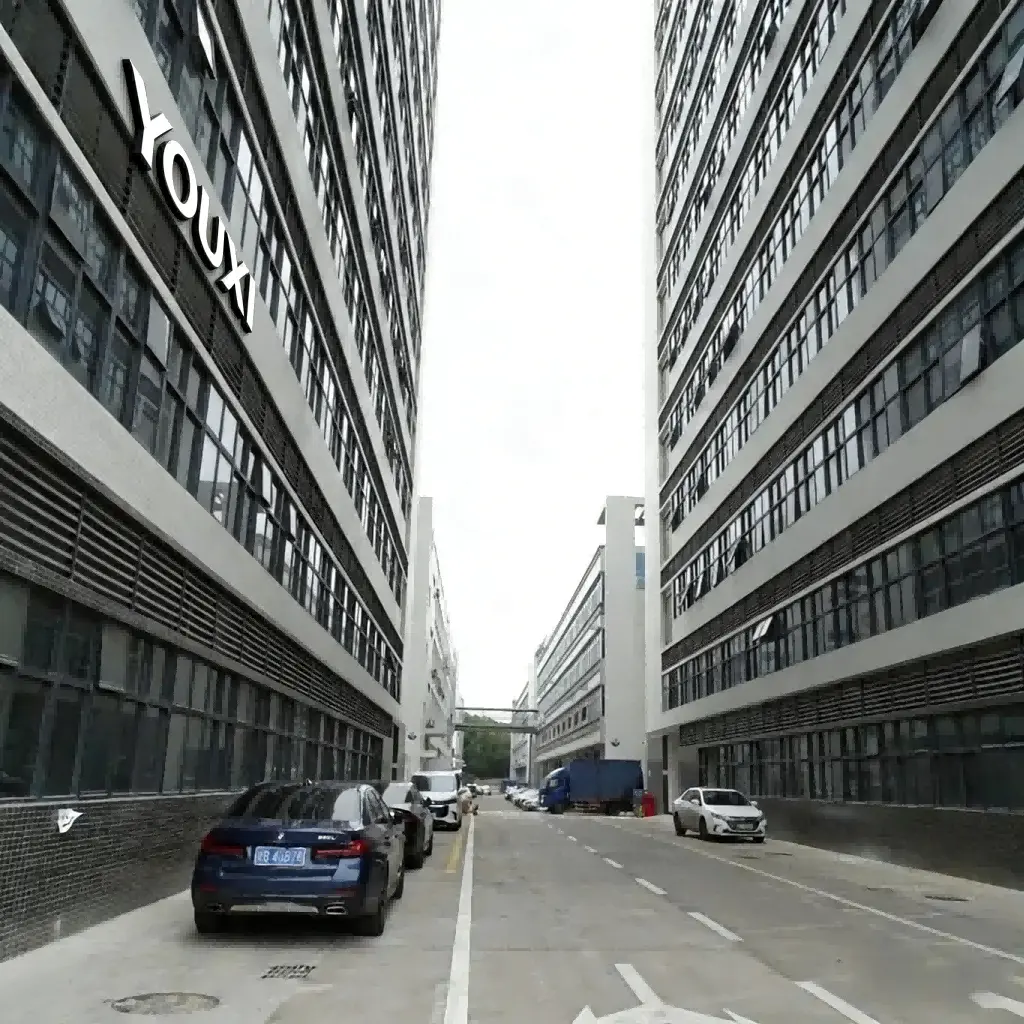
Headquartered in Shenzhen, the silicon hub of China, Youxi benefits from proximity to component suppliers, optical glass factories, and software customization firms. Our assembly facility in Fenggang Town, Dongguan City, is strategically located just 25 minutes from our headquarters and 40 minutes from the Hong Kong Port. This helps clients lower shipping costs and speed up transit times. The factory floor spans 4,000 square meters and operates under strict 5S management standards. This ensures optical assembly occurs in dust-free zones, which is a key requirement for manufacturing high-quality sealed engines.

Custom OEM/ODM Integration

From custom bios configurations and brand packaging design to dedicated Material-Specified Manufacturing (MSM) that matches your exact component parameters.

Eco-Conscious Manufacturing

Commitment to green initiatives, utilizing energy-efficient optical assemblies, eco-friendly lead-free soldering, and sustainable structural plastics.

Integrated Supply Logistics

Efficient proximity to Hong Kong Port ensures fast container shipping, swift customs clearance, and structured global delivery networks.

Target Applications & Global Demand Scenarios

Understanding where these projectors are deployed allows our engineering team to design custom solutions tailored to specific commercial or residential environments:

  • Commercial Signage & Retail: Retail environments generate dust and clothing fiber particles. Standard open projectors clog within months, requiring expensive maintenance. Our sealed engine projectors run continuously without maintenance, ensuring constant brightness and clean display colors.
  • Classrooms & Lecture Halls: Dust from chalk or heavy foot traffic can quickly degrade open LCD projectors. Sealed engines maintain readable text, sharp contrast, and bright images, preventing interruptions during classes.
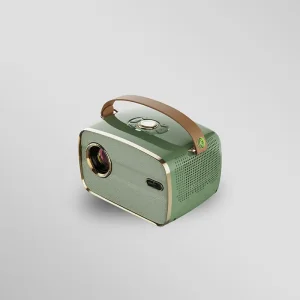
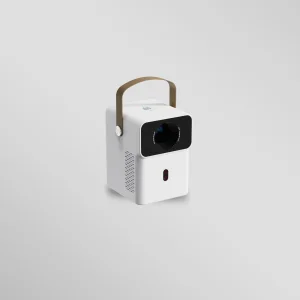
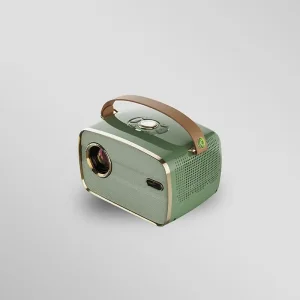
  • Outdoor Cinema & Camping: Exposure to outdoor air, humidity, and insects can damage traditional systems. Devices like our *High-Quality Mini Portable Movie Projector for Outdoor Camping* feature sealed enclosures that prevent insect and moisture damage, preserving the light path during outdoor use.
  • Smart Home Theater Systems: Homeowners demand quiet, high-definition entertainment. Our native 1080P units featuring Android and 4K Google TV integrations operate with low fan noise, providing a cinematic experience free from dust spots on screen.

Our Advanced Manufacturing Facility & Production Lines

A transparent look at our specialized departments, built-in testing processes, and high-volume staging areas.
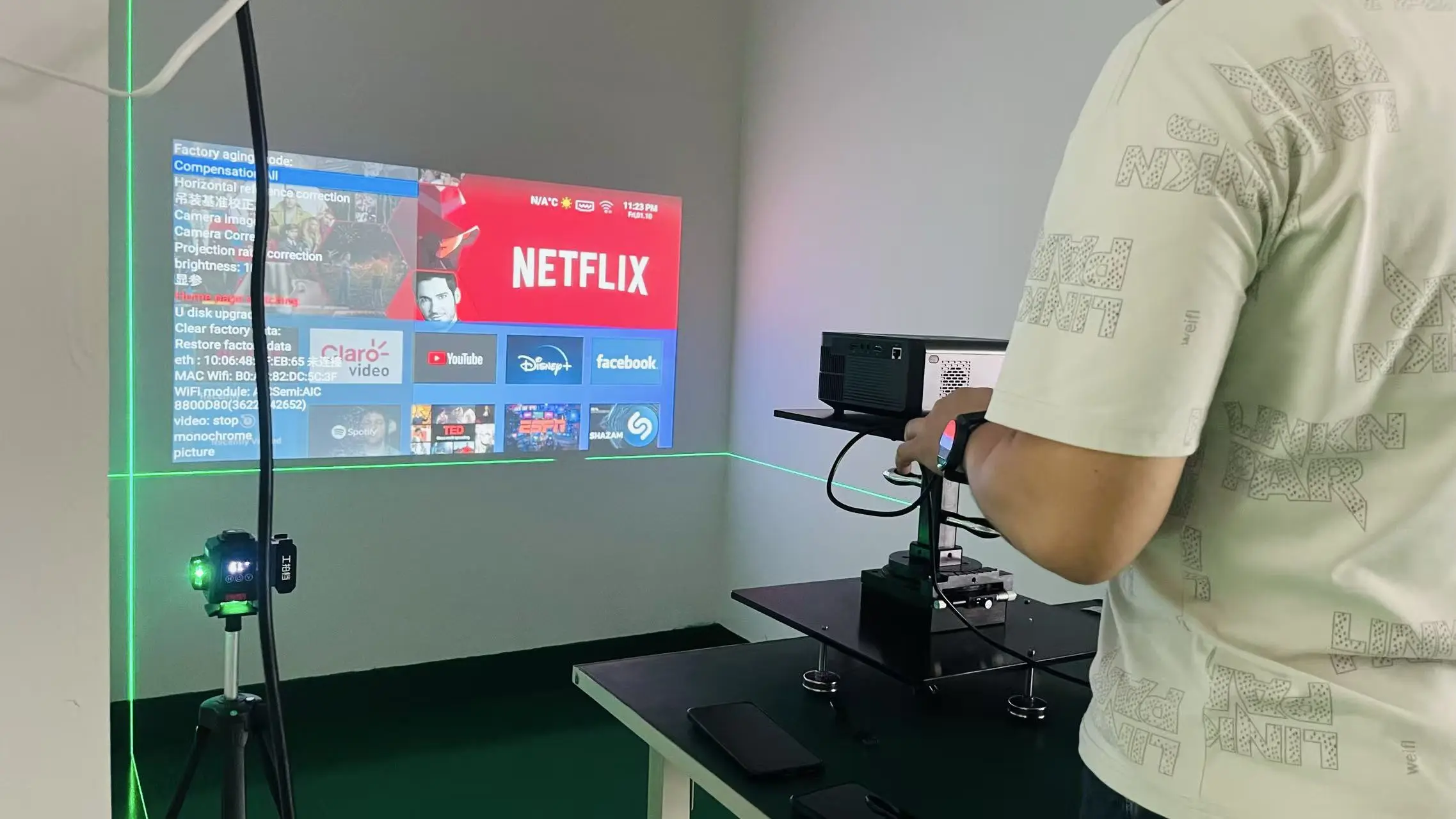
1. High-Precision Mold Injection

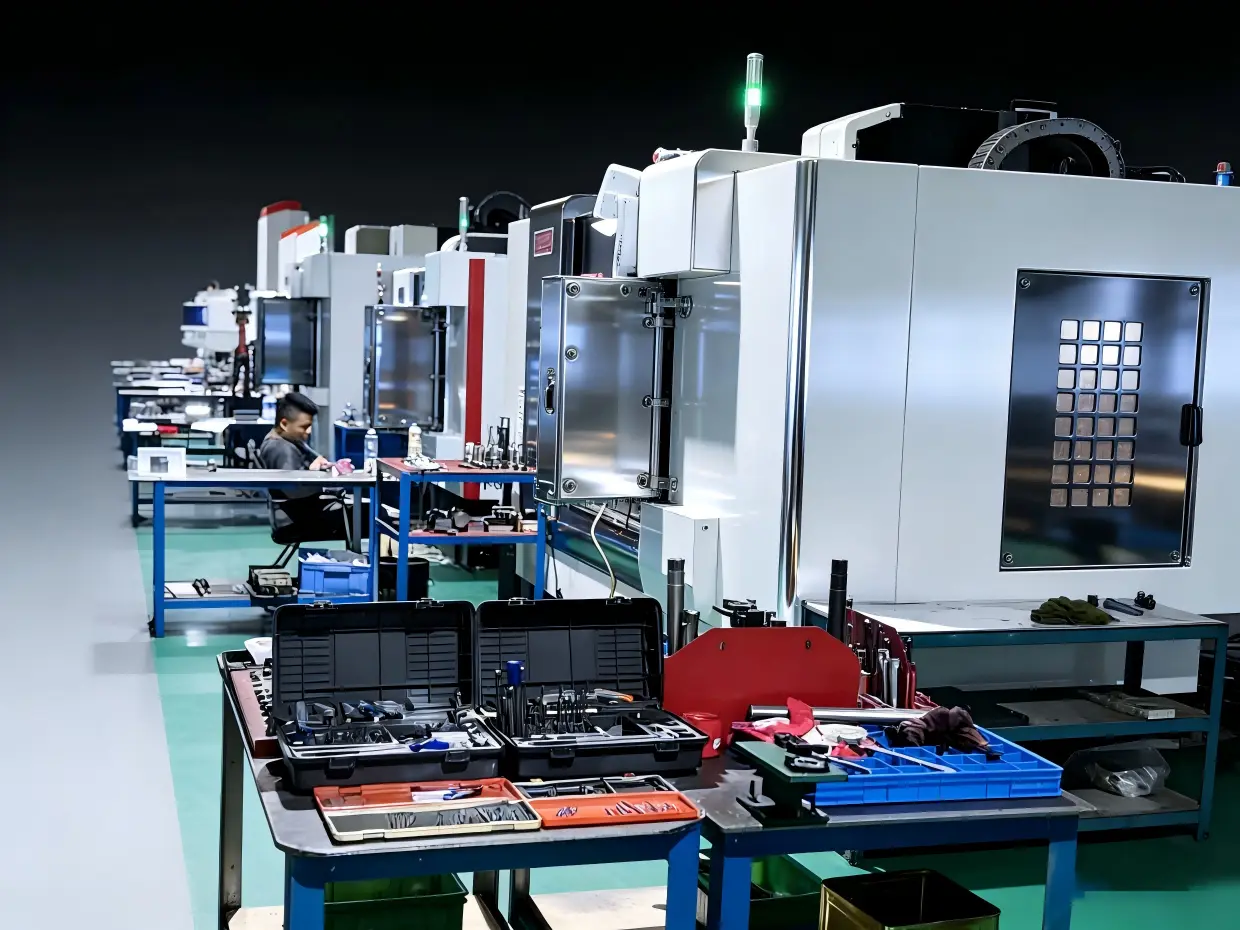
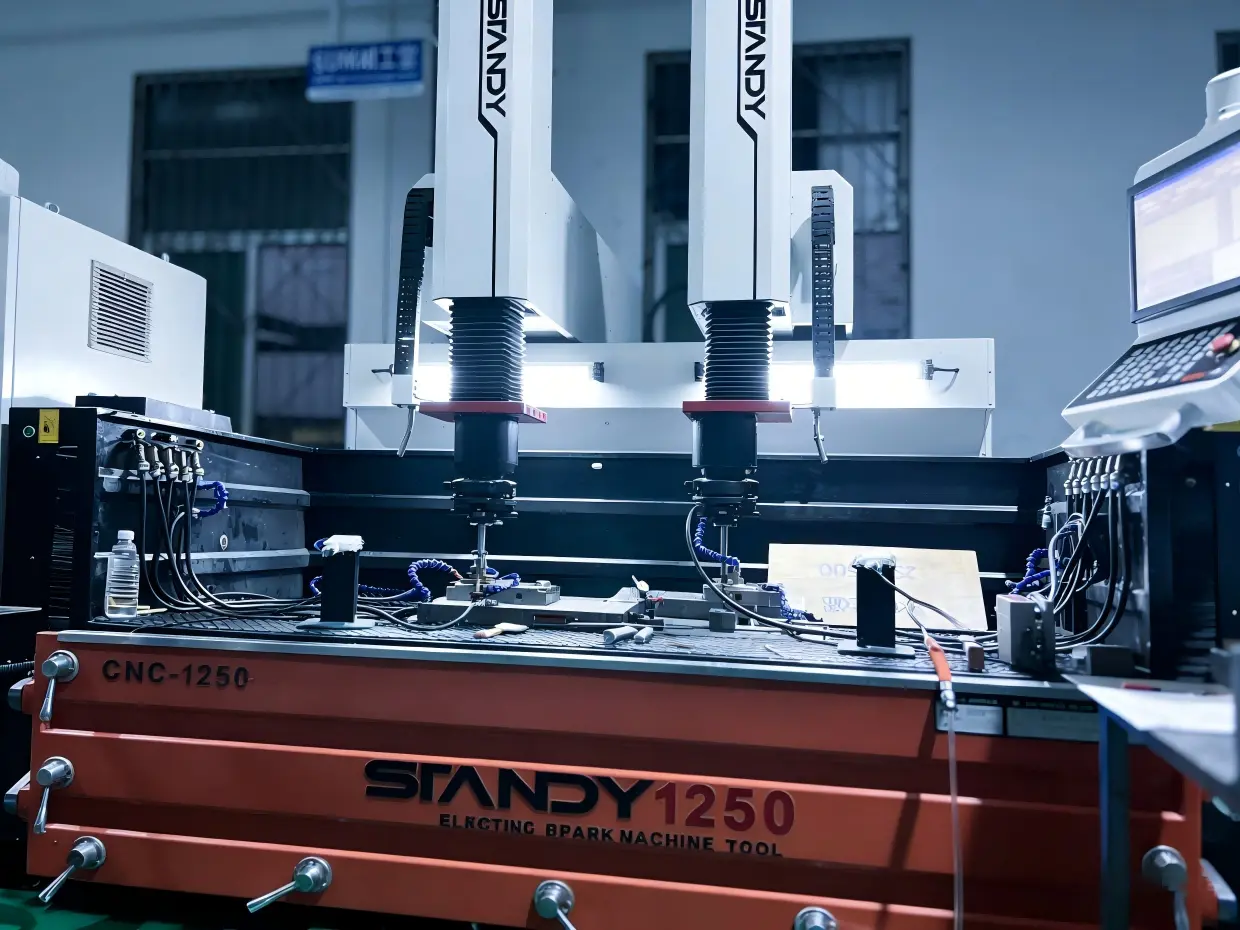
Located right next to our primary assembly facility, our mold and injection workshop features digital machinery that exceeds standard market specifications. This ensures every plastic chassis and internal mount meets exact design measurements, laying a strong foundation for dust-proof sealing.

2. Optimized Assembly Lines

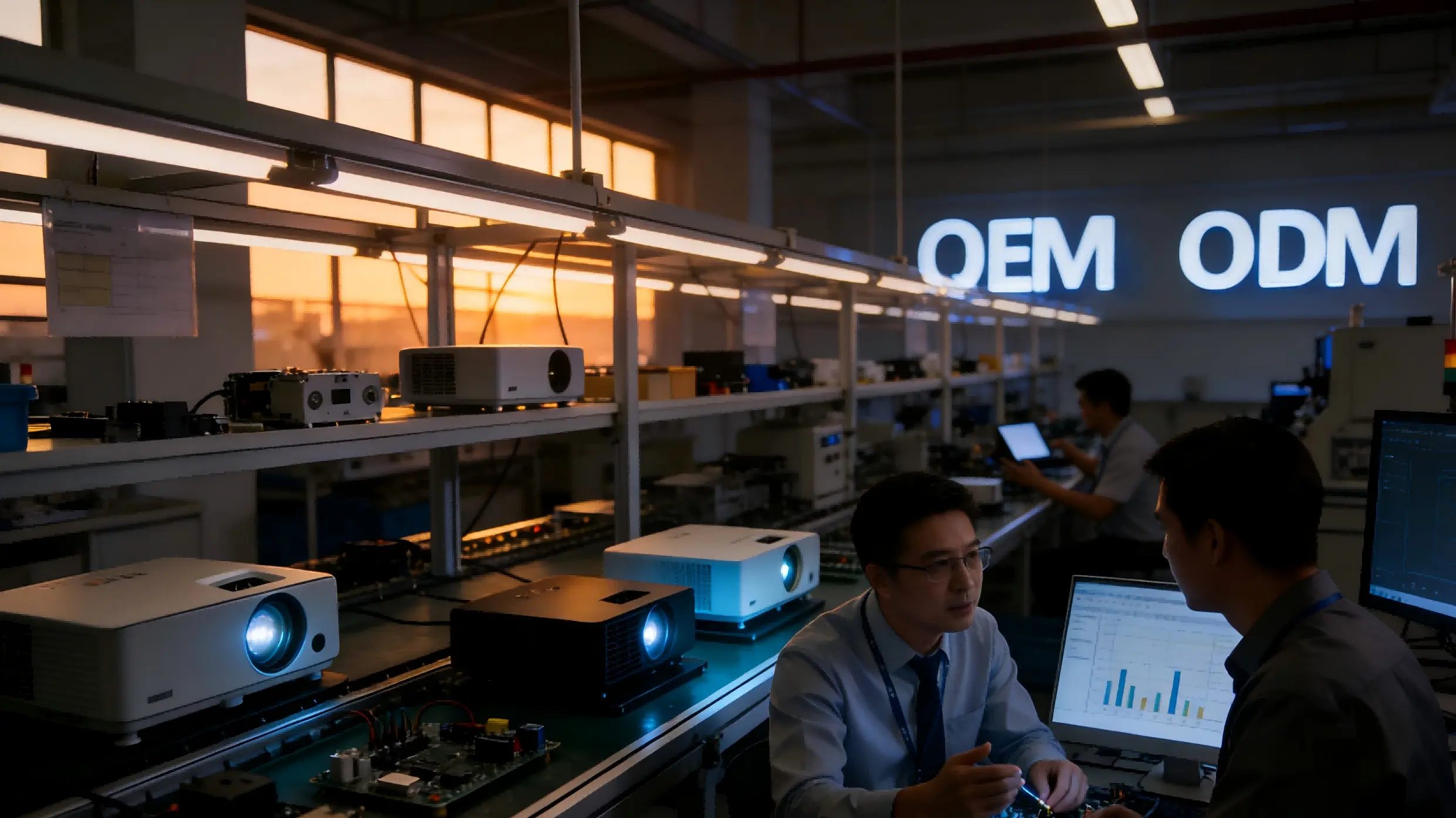
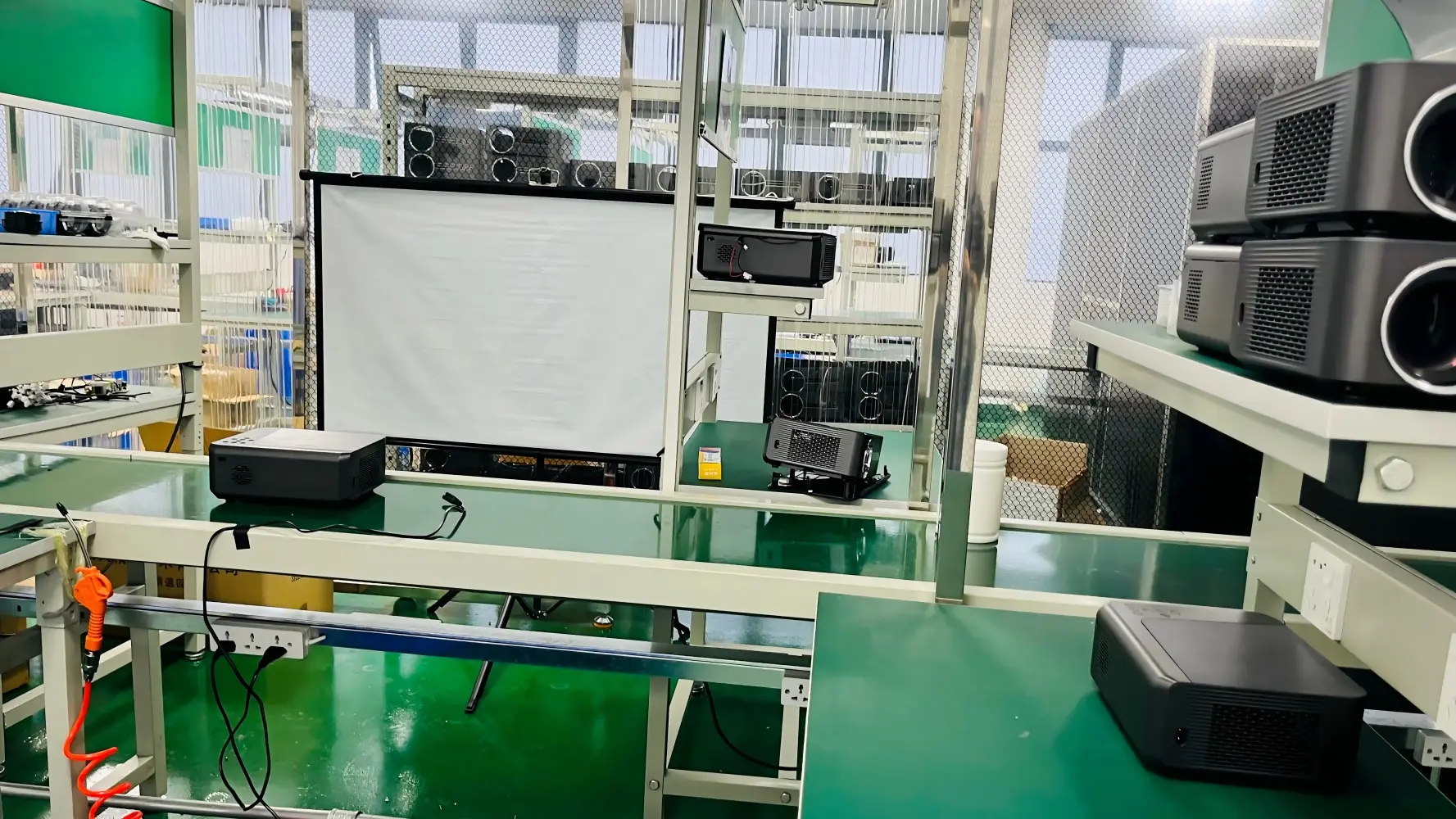
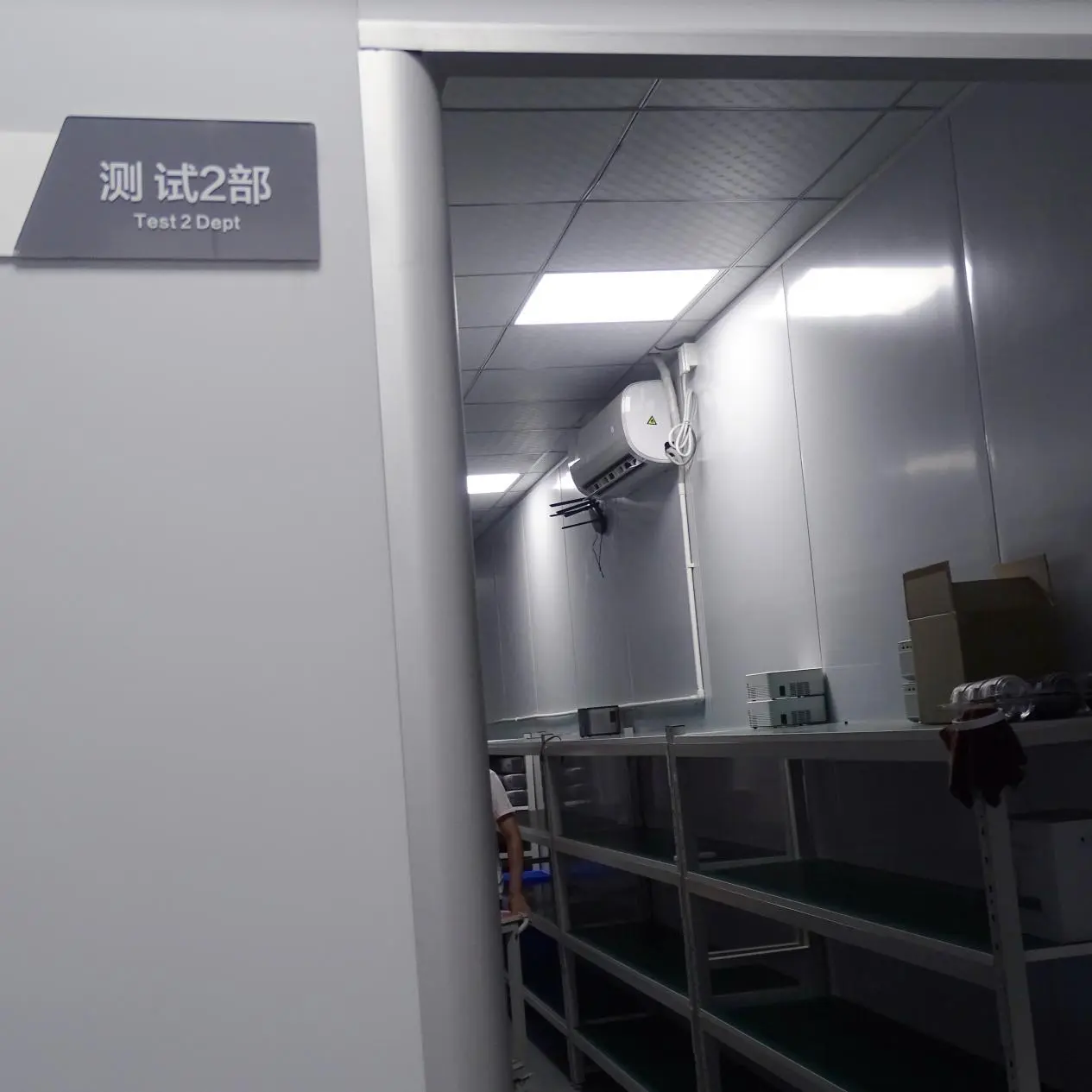
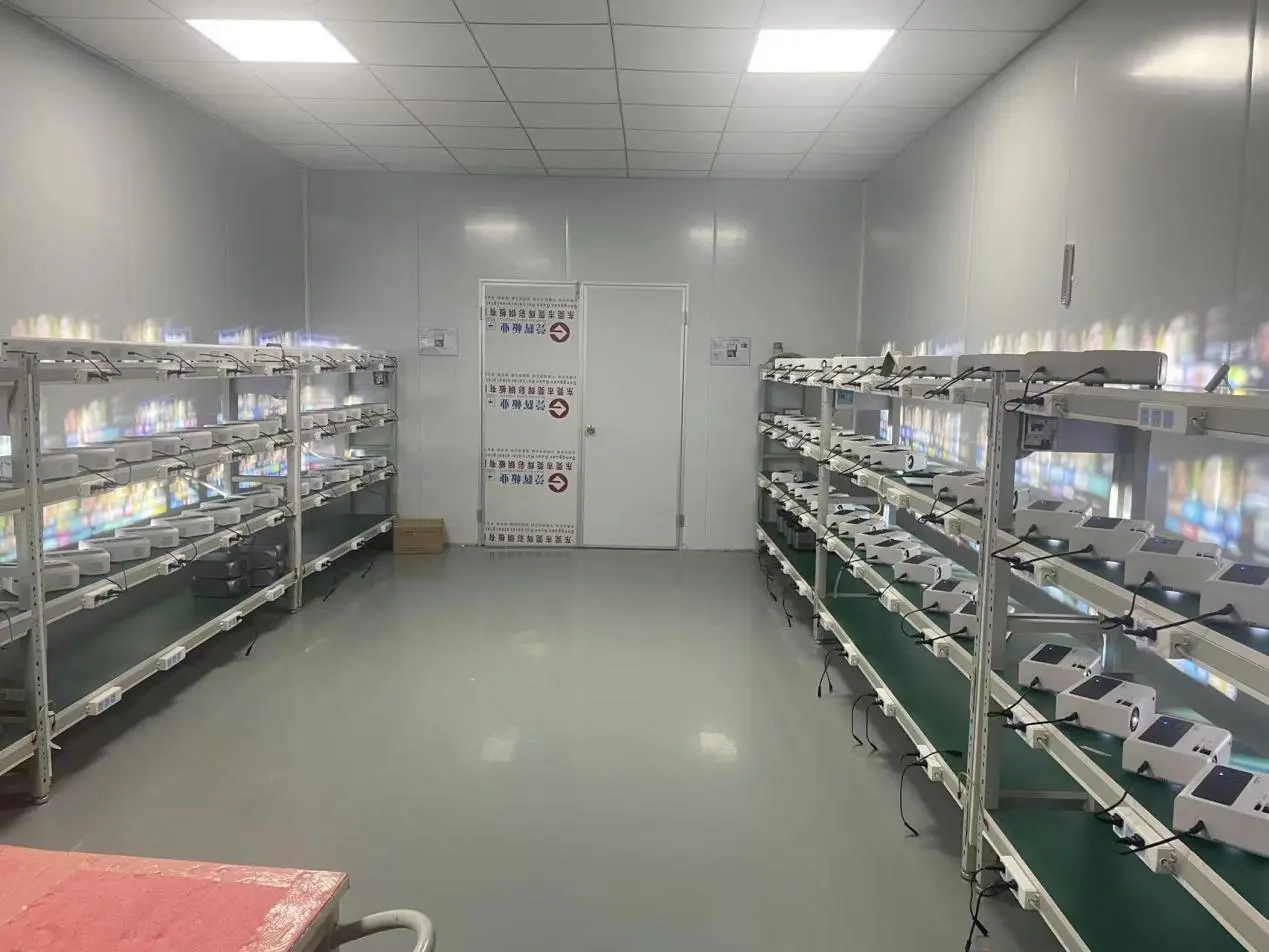
Our Dongguan facility spans 4,000 square meters. The plant operates production, assembly, and testing workshops led by over 100 skilled assembly technicians. To support our clients' technical demands, we construct and operate our cleanrooms under 5S dust-free guidelines, enabling a stable capacity of up to 50,000 units monthly.

3. Professional Quality Inspection

To control after-sale defect rates, we operate 12 testing rooms staffed by certified quality inspectors. These technicians run complete evaluations of incoming components, perform initial post-assembly tests, and conduct strict sample inspections before shipment.

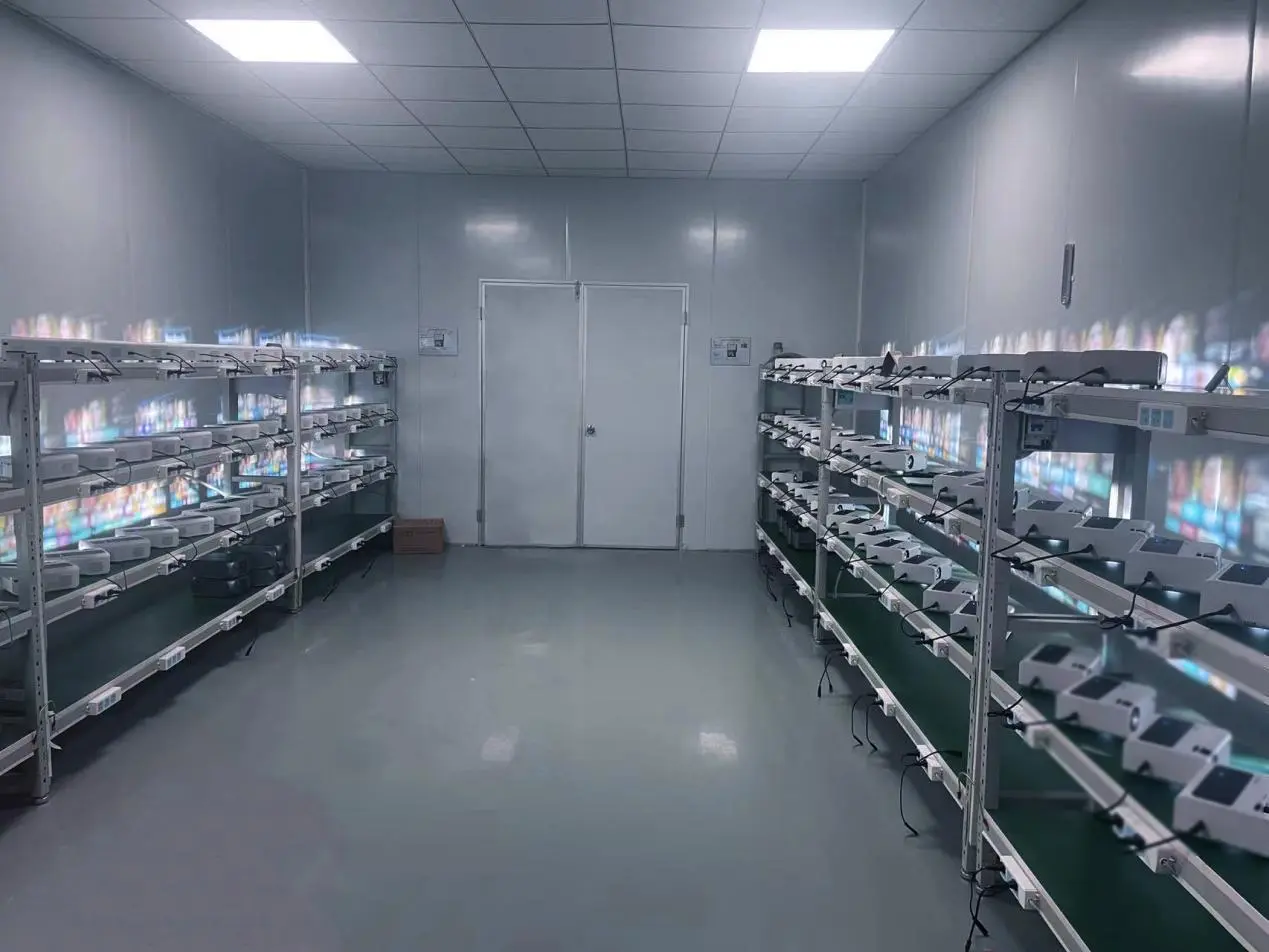
4. Continuous Aging Evaluation

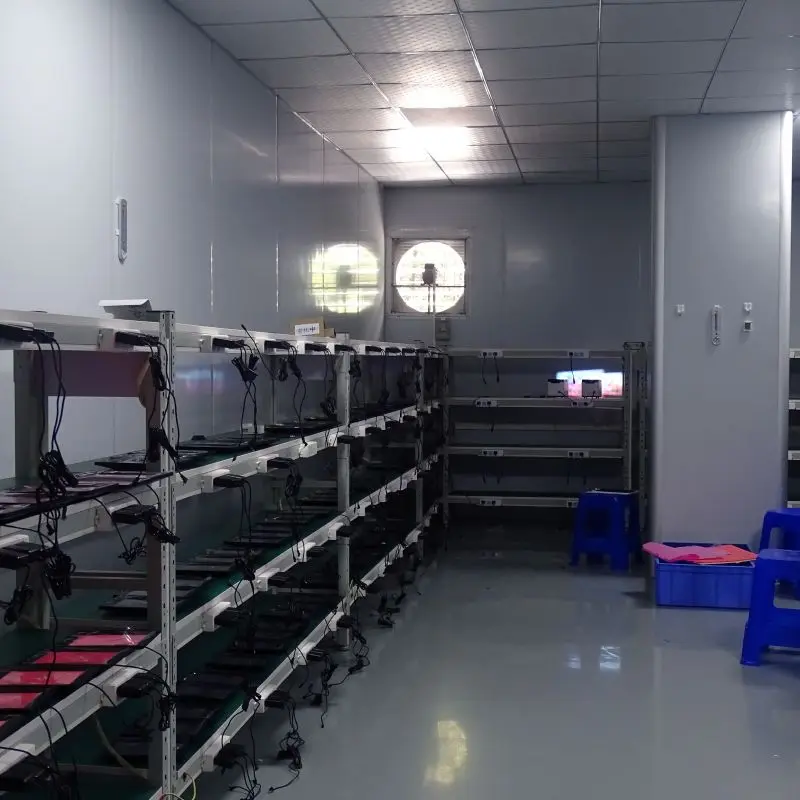
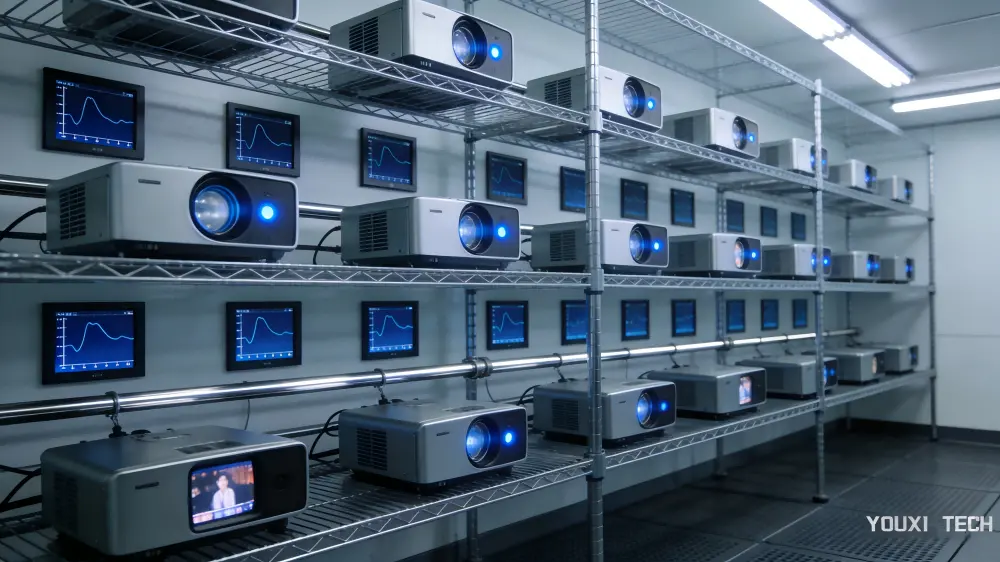
Located next to our functional testing rooms, our aging test room improves quality control efficiency by running stress tests on over 200 units simultaneously. Every projector undergoes high-temperature cycle runs to verify optical power stability and cooling performance under continuous load.

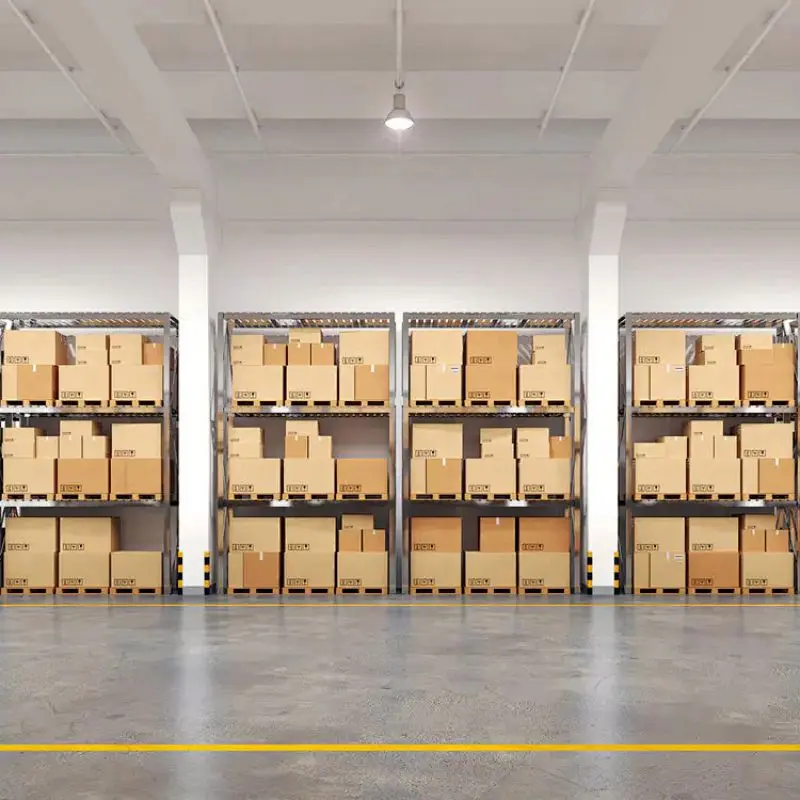
5. Logistical Storage & Warehousing

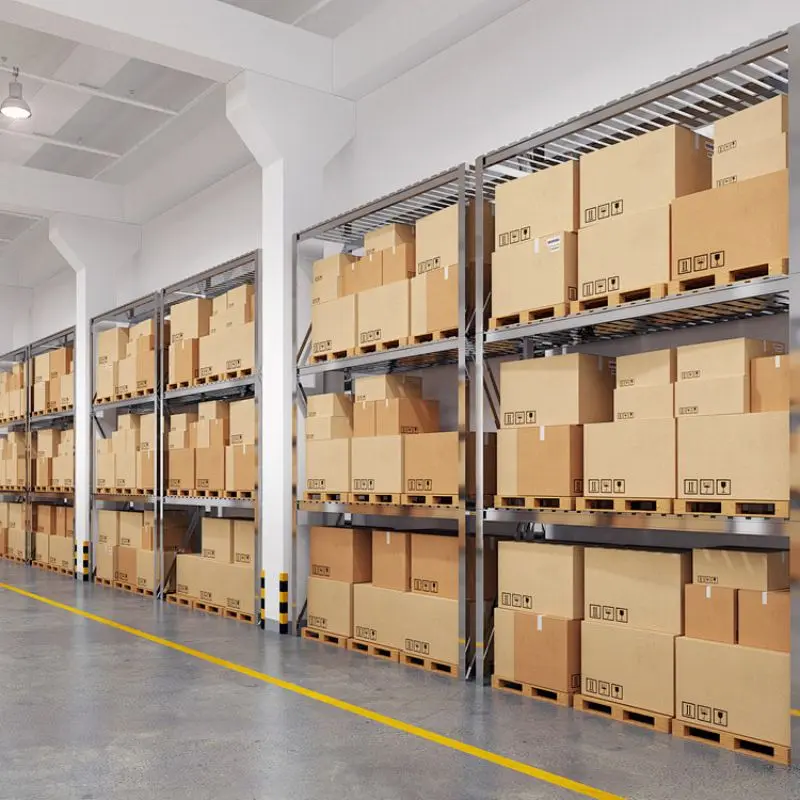
Our warehouse spans 300 square meters for finished products, located directly next to the packaging lines. This close setup ensures packed goods are quickly moved, safely stored, and prepped for container loading to support smooth shipping schedules.
Our Global Footprints & Logistic Operations

Footprint Exhibit 1
Footprint Exhibit 2
Footprint Exhibit 3
Footprint Exhibit 4

Guide for B2B Sourcing: Evaluating quotes for Sealed Engine Projectors

For B2B procurement managers and electronics distributors, sourcing optical hardware requires evaluating more than just raw product costs. Analyzing structural specifications is essential to secure reliable long-term quotes:

  • Enclosure Verification (IP Rating): Always ask if the factory can supply an official IP5X or IP6X test report for the optical path. This rating ensures the projector is sealed against fine dust particles.
  • Thermal Dissipation Integrity: Ask about the heat pipe materials and radiator configurations. Liquid cooling loops or high-thermal-conductivity copper heat pipes are ideal to keep optical engines running cool.
  • Dynamic Fan Speed & Noise Control: Review the cooling fan curves. Superior factories configure smart cooling profiles that increase fan speed under high workloads while keeping average operational noise below 32dB.
  • Certifications & Export Compliance: Ensure the factory's production lines hold CE, FCC, RoHS, and CCC certifications to prevent delays during customs clearance.

Industry Sourcing Trends: The Shift Toward Smart, High-Brightness Sealed Systems

The projector industry is shifting rapidly away from open-path architectures toward sealed optical engines. This shift is driven by three main factors:

  1. Smart System Integration: Modern commercial and home projectors require built-in intelligence. Integrating Android OS or 4K Google TV allows direct access to apps and streaming services. Using a sealed engine protects the internal computer board from dust buildup and heat issues, helping to prevent system crashes.
  2. Higher Brightness Limits: As LED and laser light sources grow brighter, heat generation increases. Standard open configurations struggle to dissipate this heat without pulling in massive amounts of dust. Fully sealed engines isolate the cooling airflow, allowing factories to boost brightness to 500-1000 ANSI Lumens or higher while protecting critical optical elements.
  3. Rise of Compact Short-Throw Systems: Short-throw optics require complex lens shapes. Any dust on these elements will distort the projected image. Using a sealed engine ensures short-throw projectors maintain sharp, clear images across their lifespan.

Frequently Asked Questions (FAQ) - Sourcing & Technical Operations

Expert answers addressing the primary concerns of global procurement departments and technical managers.

Q1: What makes a fully sealed engine different from a standard semi-sealed optical engine?
A fully sealed engine isolates the entire optical path (light source, panels, and lenses) from outside air, achieving an IP5X/IP6X rating. A semi-sealed engine typically isolates only the LCD panels while allowing outside air to blow past other components. This leaves the lenses and polarizer filters exposed to dust buildup over time.
Q2: How does Youxi Technology manage heat dissipation without external airflow entering the engine?
We use high-conductivity copper heat pipes and aluminum heatsinks to draw thermal energy away from the sealed optical chamber. Separate, isolated fans blow ambient air across these external cooling fins, keeping internal operating temperatures low without exposing the optics to outside dust.
Q3: Can we customize software interfaces (like boot screens and operating systems) for bulk orders?
Yes. We offer complete OEM and ODM customization services. This includes bios branding, custom boot screens, custom user interfaces, integrated Google TV or Android platforms, and specialized application packages configured to your target markets.
Q4: What are the typical lead times and shipping routes for international shipments?
For standard production orders, typical lead times are 25 to 30 days. Located in Fenggang Town, Dongguan, our assembly facility is only 25 minutes from our headquarters and 40 minutes from the Hong Kong Port. This lets us easily coordinate sea and air cargo to key international shipping routes.
Q5: What quality control processes are performed before shipment?
Our quality control process covers three stages: testing incoming materials, a first inspection of completed units on the assembly line, and random sample inspections before shipment. We run these tests across our 12 specialized inspection rooms and perform aging tests on up to 200 units simultaneously.
Q6: Do you accept Material-Specified Manufacturing (MSM) partnerships?
Yes, we actively support MSM partnerships. If your business has established relations with specific optical glass manufacturers or decoder chip suppliers, we can integrate these parts directly into our factory's assembly line to match your procurement specifications.
System Spec Decor Extra 1 Extra 2 Extra 3 Extra 4 Extra 5 Extra 6 Extra 7 Extra 8 Extra 9 Extra 10