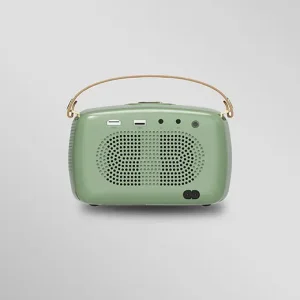
Engineered for precise optical rendering, high-performance lumen output, and modular portability.
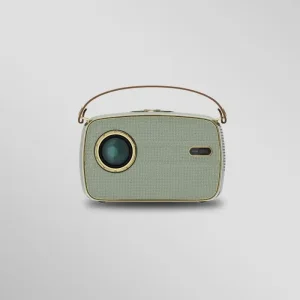
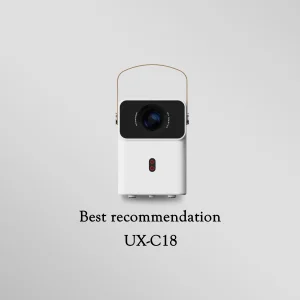
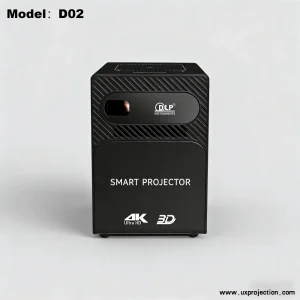
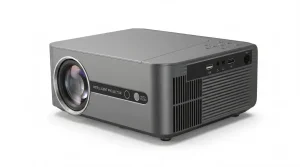
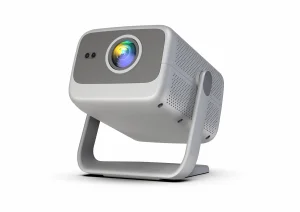
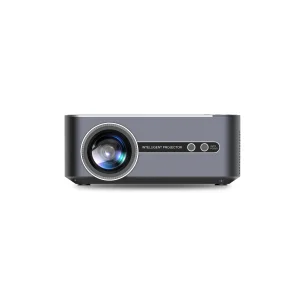
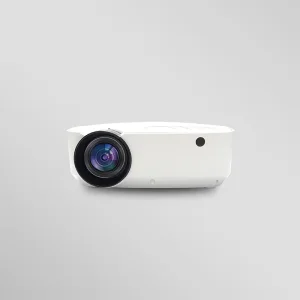
The convergence of mobile computing architectures with ultra-miniature projection optics represents the frontier of micro-display technology. A Smart Projector Phone is not merely a smartphone with an attached light source; it is a highly integrated optoelectronic machine. Design engineers must solve the tripartite challenge of electrical power efficiency, thermodynamic dissipation, and optical convergence within a chassis typically thinner than 10 millimeters.
By consolidating high-performance system-on-chips (SoCs), customized Android or Google TV Operating Systems, and micro-electro-mechanical systems (MEMS) or Digital Light Processing (DLP) modules, modern projector phones transform the delivery of visual assets. Global enterprises utilize these devices to replace heavy presentation hardware, offering unparalleled field agility.
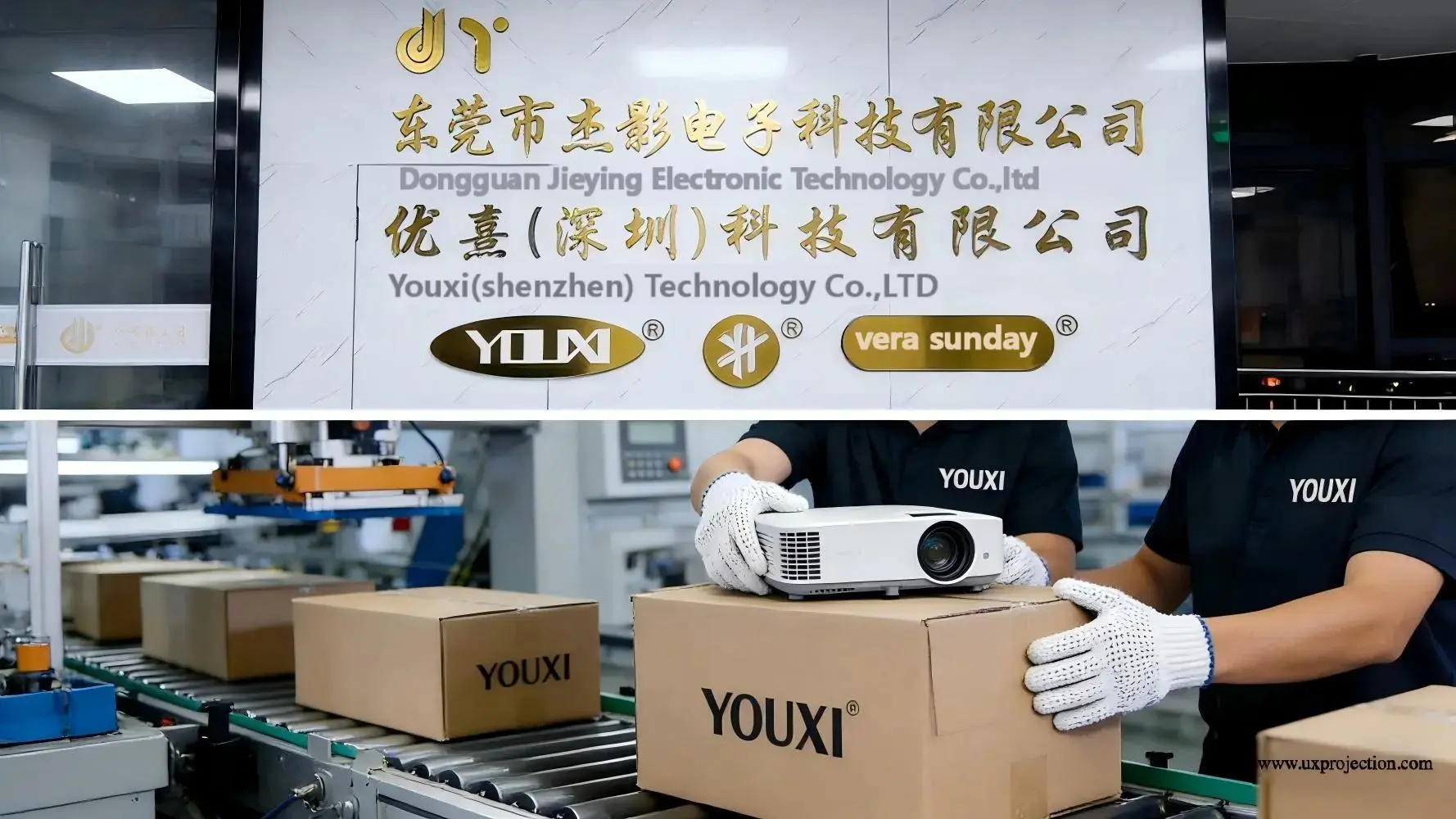
Exploring optoelectronic micro-innovations, thermodynamic management, and future projection architectures.
Modern projector systems utilize two primary micro-display paths: Liquid Crystal Display (LCD) and Digital Light Processing (DLP). While LCD offers exceptional cost efficiency for portable standalone models, DLP leverages millions of microscopic aluminum mirrors acting as high-speed reflective switches. Future designs focus on MEMS-based laser beam scanning (LBS) modules that deliver focus-free projections over uneven topologies.
Operating an optical light engine inside a pocketable device generates significant concentrated thermal loads. Factories are developing ultra-thin vapor chambers (VC), high-conductivity graphite sheets, and micro-fluidic loops. Active cooling relies on micro-dynamic fans designed to operate under 22dB, shielding delicate internal silicon while stabilizing light engine brightness levels.
Software layers now embed automatic keystone correction, time-of-flight (ToF) distance calculation, and auto-focus algorithms. As Neural Processing Units (NPUs) become standard in smart projection platforms, real-time color balancing dynamically shifts projection color mapping based on wall surfaces, minimizing the need for specialized projection screens.
Empowering different sectors through portable, interactive display hardware.
Sales executives, field engineers, and marketing teams often find themselves delivering pitches outside traditional boardroom configurations. A Smart Projector Phone frees representatives from bulky auxiliary displays, allowing real-time documents, presentations, and mockups to be projected directly from a local device.
In developing regions or remote areas, building static computer labs with heavy display peripherals is cost-prohibitive. Smart projector devices function as cost-effective classroom hubs. Educators can project high-definition interactive coursework, videos, and instructional programs to dozens of students concurrently.
An inside look at our advanced manufacturing hubs across Shenzhen and Dongguan.
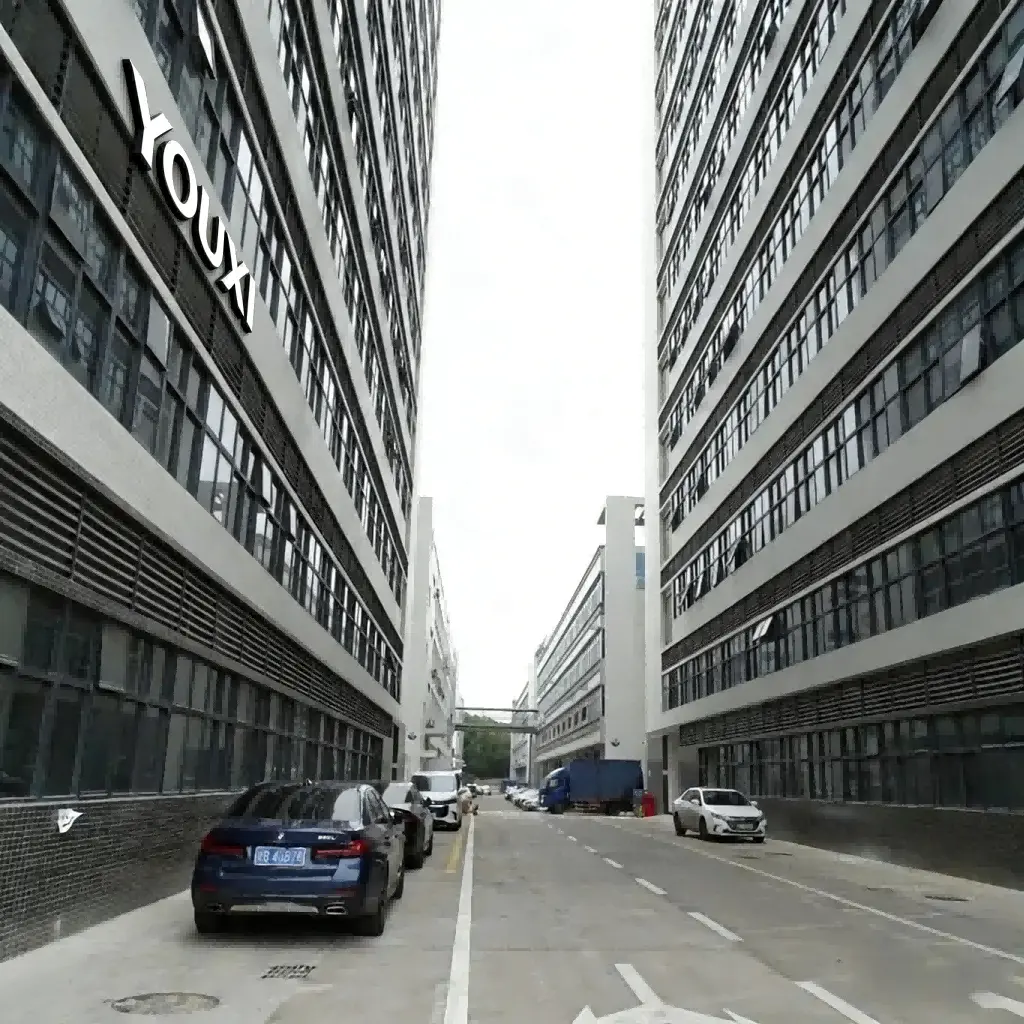
Founded in April 2021, Youxi (Shenzhen) Technology Co., Ltd. specializes in the research, development, manufacturing, and integration of intelligent projection systems and wearable smart devices. Maintaining end-to-end capabilities across the product lifecycle—from precision design and assembly to strict quality assurance—the company ensures compliance with international standards from raw materials to final packaging. Committed to sustainable operations, Youxi integrates energy-efficient design, eco-conscious material selection, and waste-reduction practices.
Headquartered in the technology hub of Shenzhen, the company profits from immediate proximity to Hong Kong Port (40 minutes). To scale operations, Youxi operates a dedicated assembly facility spanning 1,000 square meters in Fenggang Town, Dongguan City (a 25-minute drive from the head office), alongside a larger 4,000-square-meter facility containing advanced CNC machines, high-end optical instruments, and dust-free cleanrooms designed according to strict 5S standards.
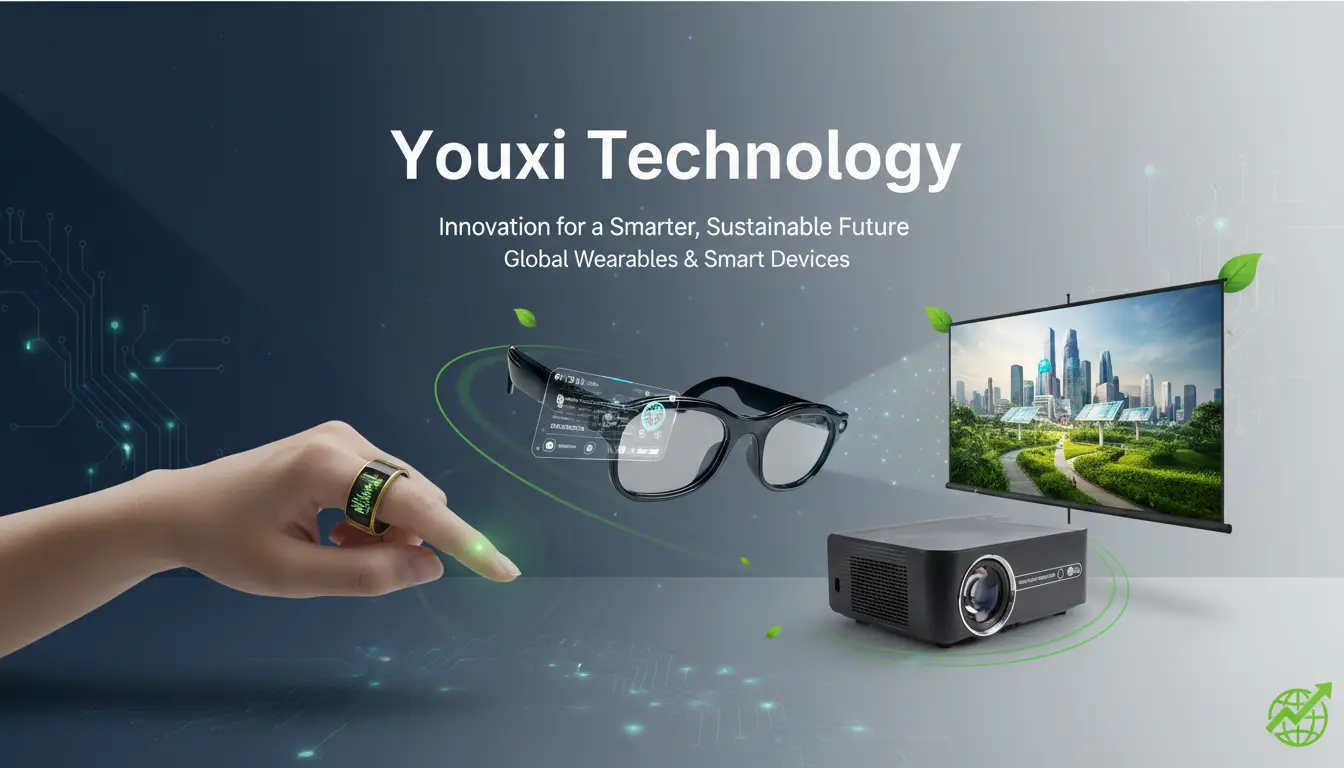

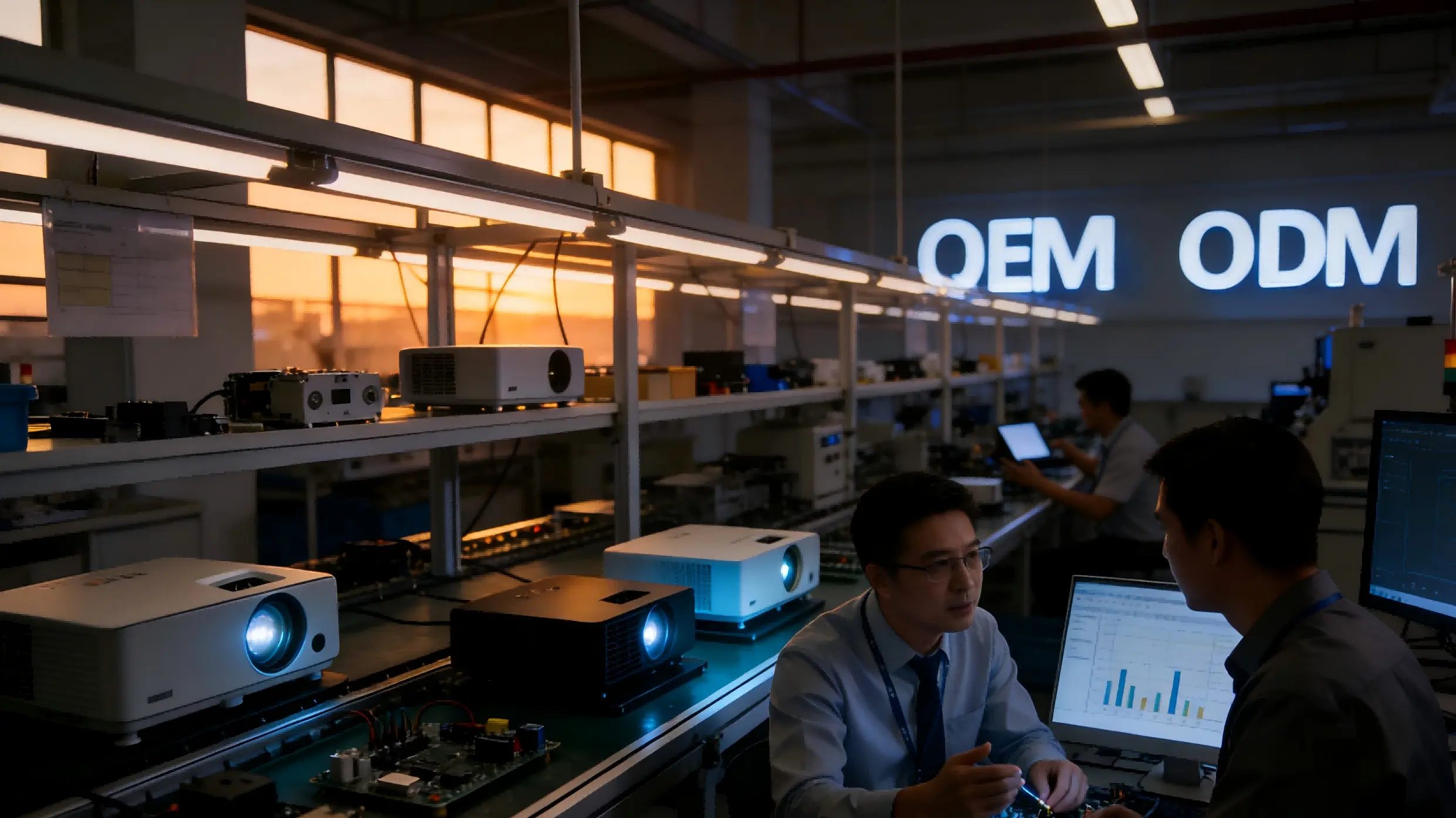
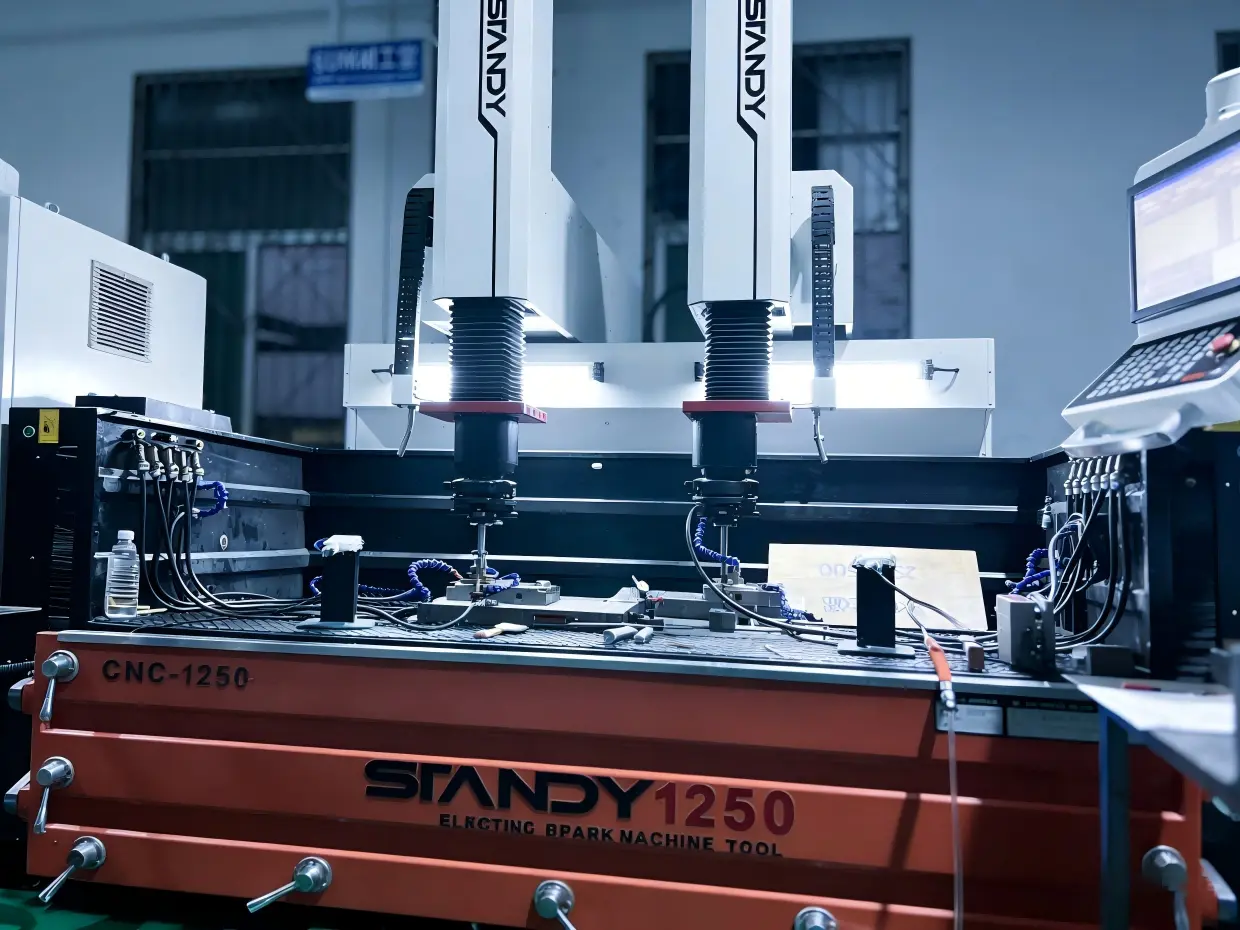
Operating directly alongside our core assembly facilities, the mold and injection molding workshop is equipped with high-precision digital machines that exceed standard market baselines. This ensures structural housing integrity, tight gap tolerances, and superior heat ventilation channels.
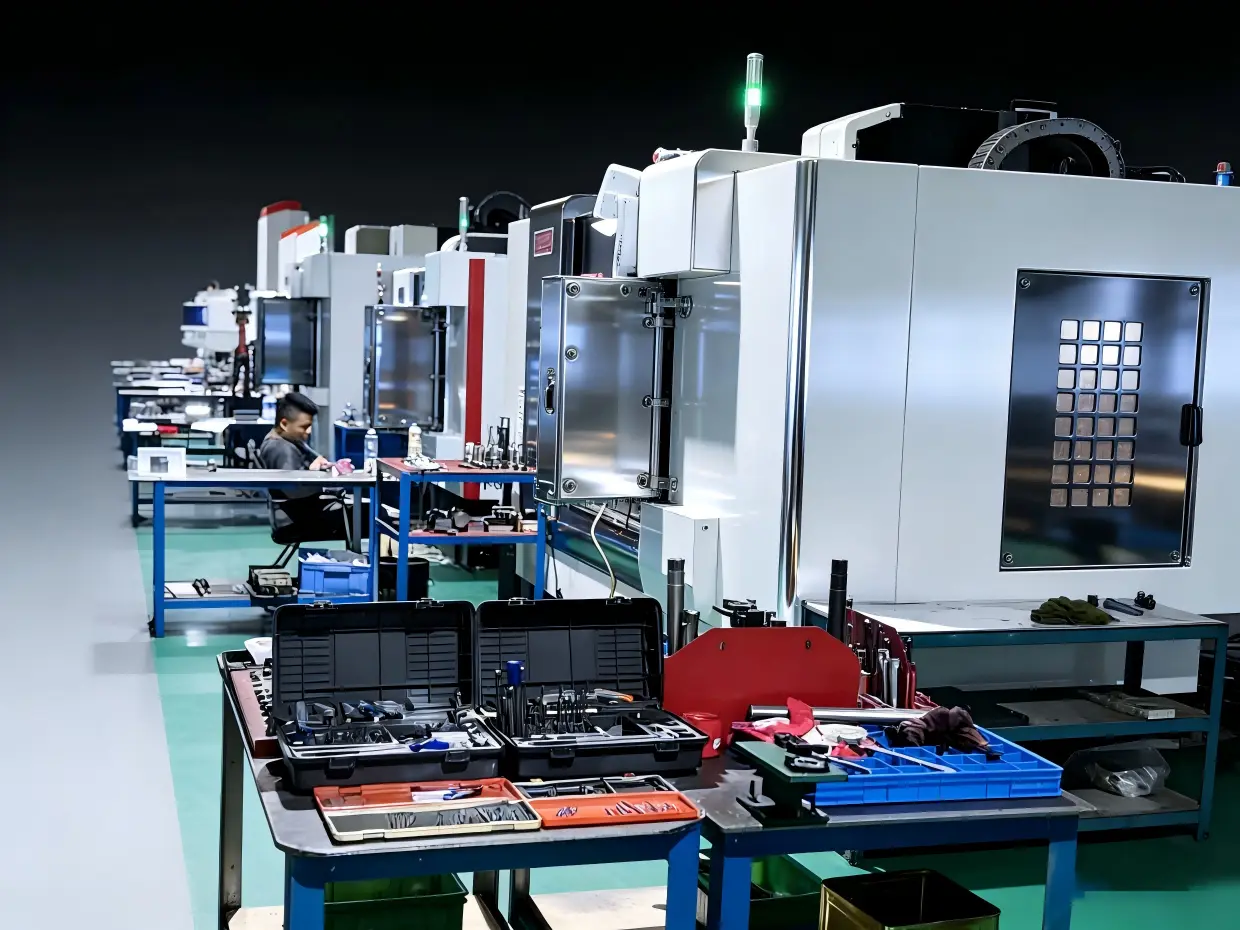
Spanning multiple production zones, our lines employ over 100 highly qualified assembly workers trained in 5S dust-free disciplines. The integration of high-resolution digital microscopes and micro-robotic screw positioning guarantees consistent build quality and high performance.
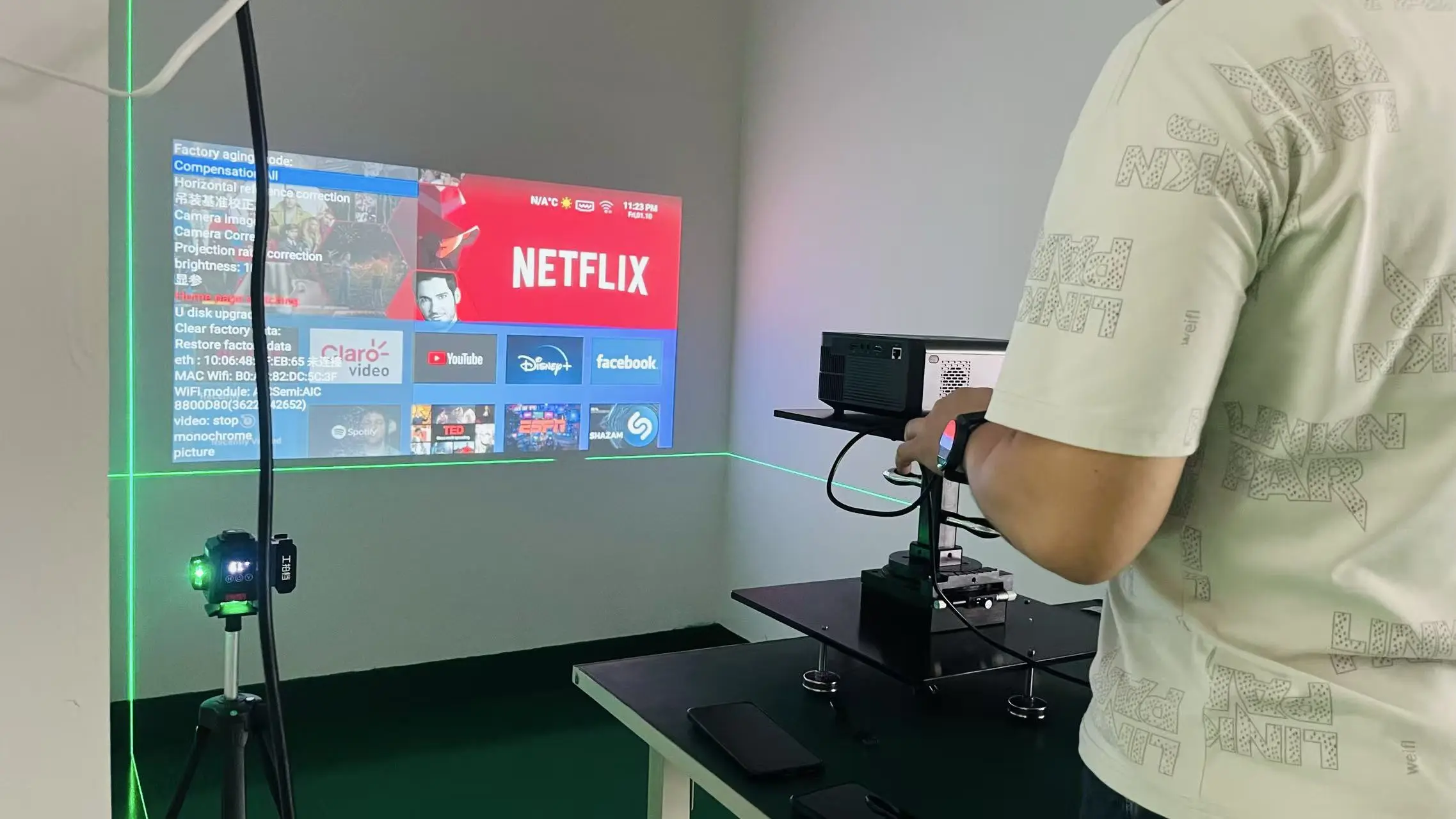
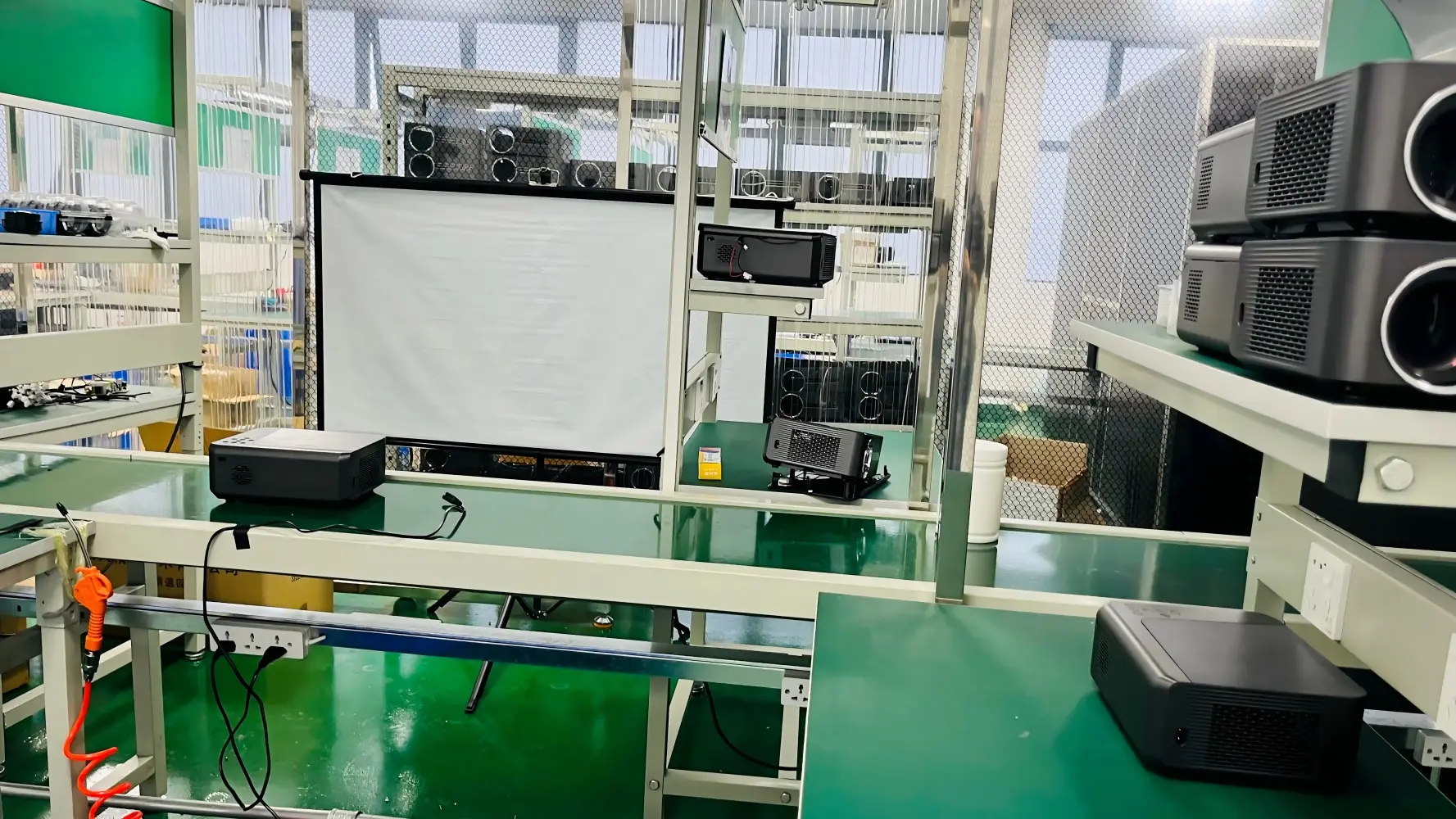
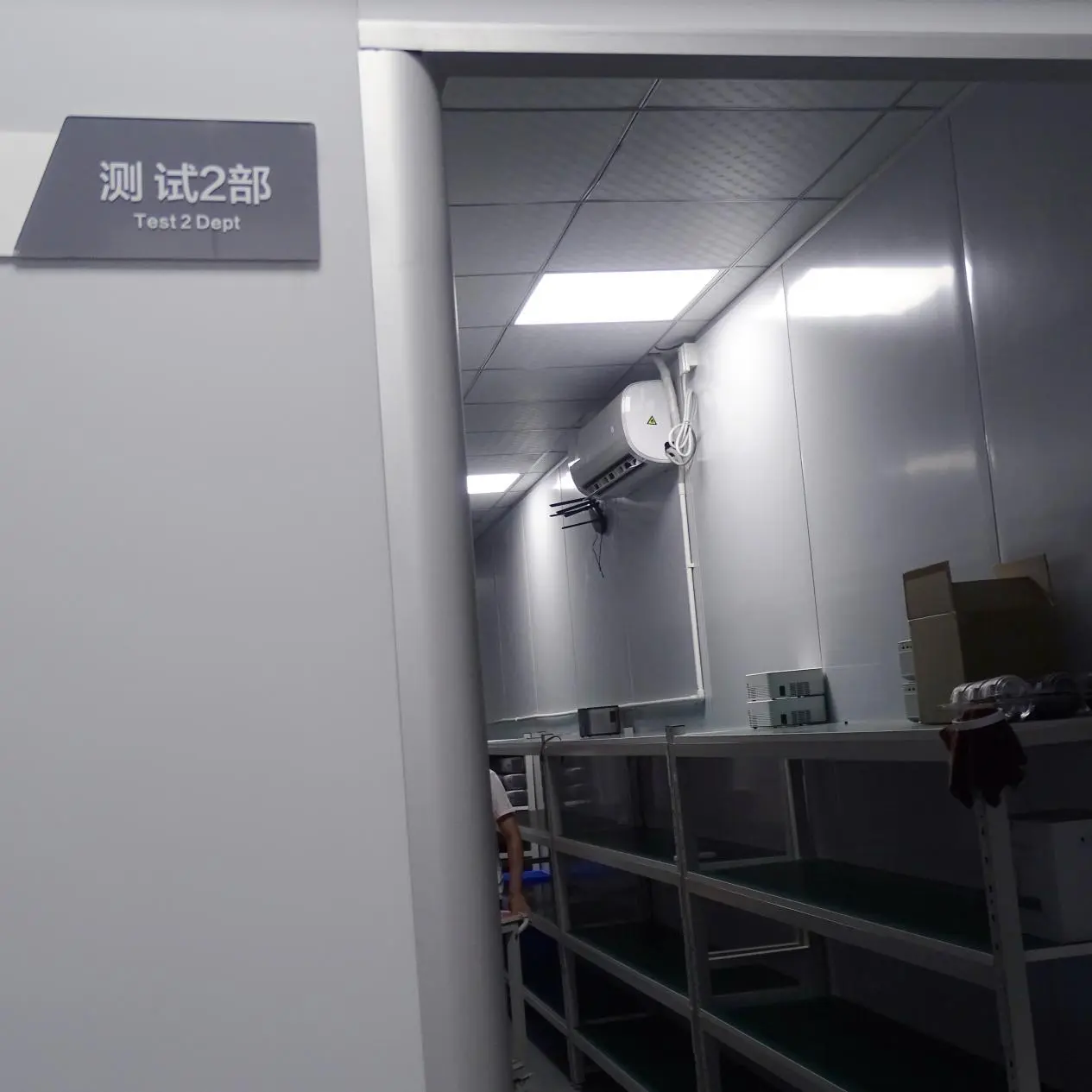
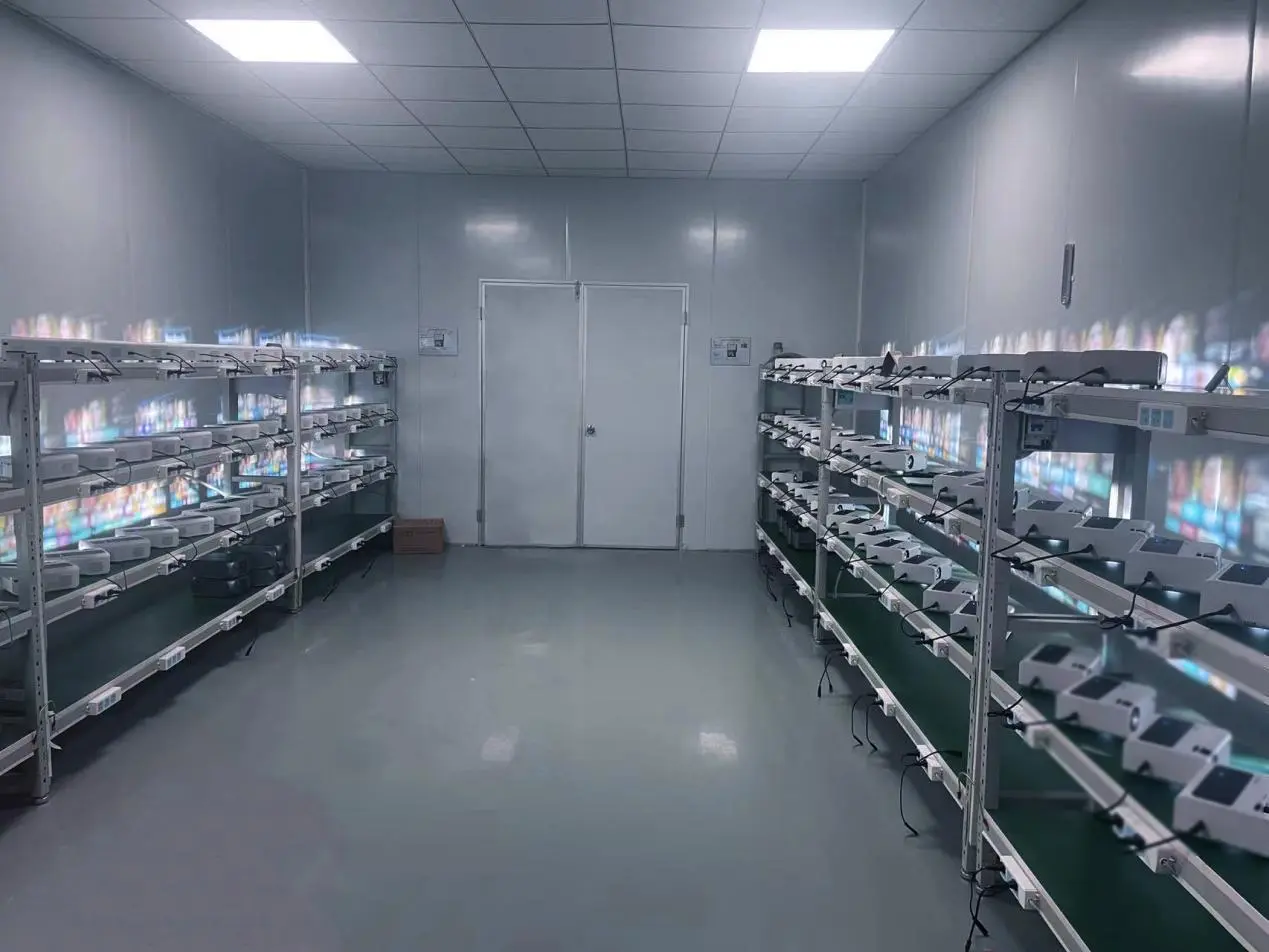
To maintain defect ratios below 0.3%, we run 12 specialized test rooms alongside dedicated aging chambers. In these chambers, up to 200 projection engines can undergo simultaneous high-temperature load testing to prove durability before final container packing.
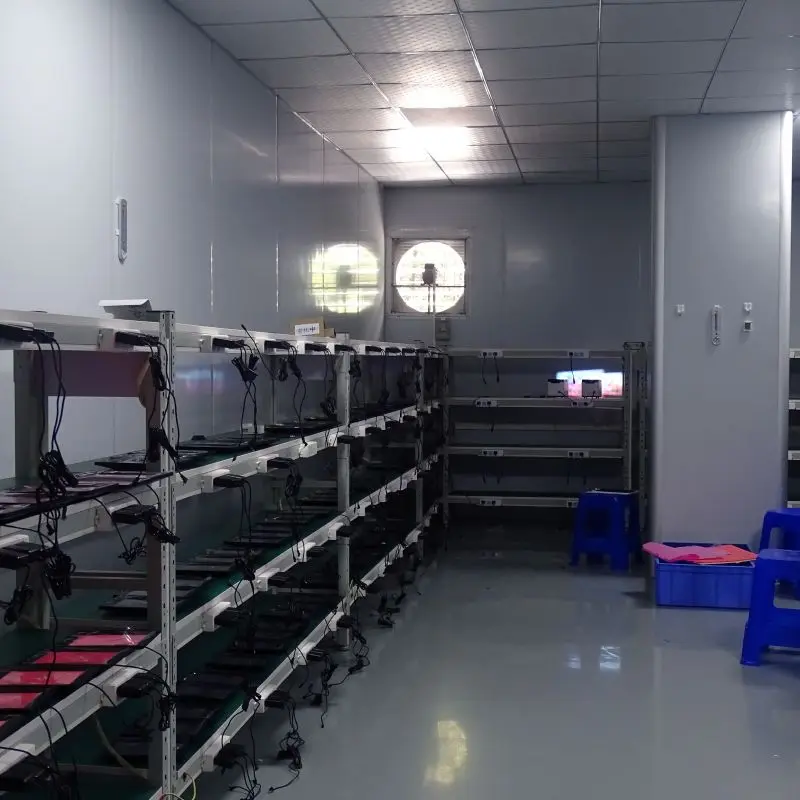
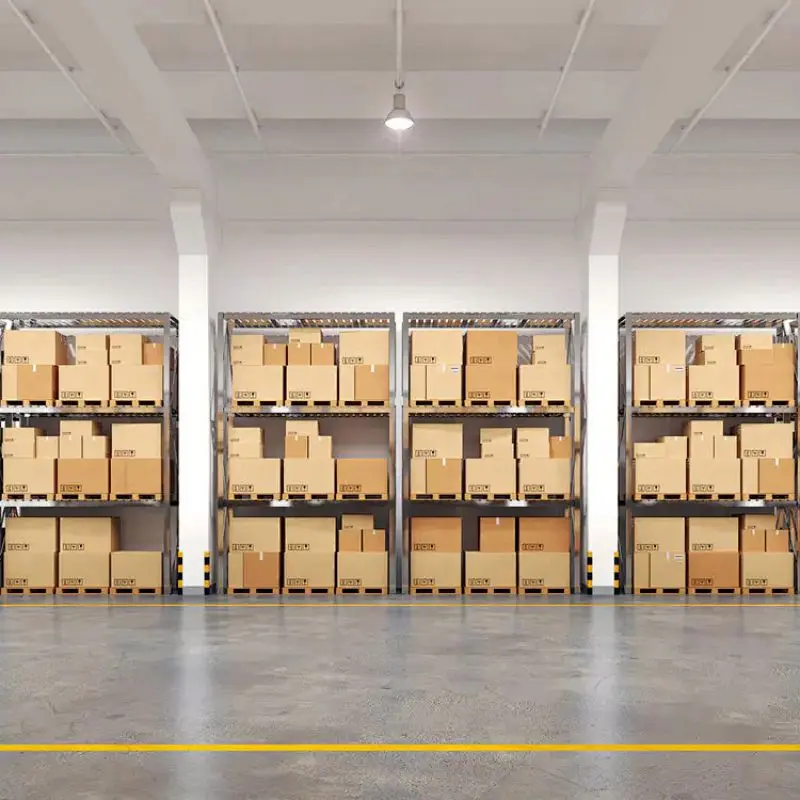
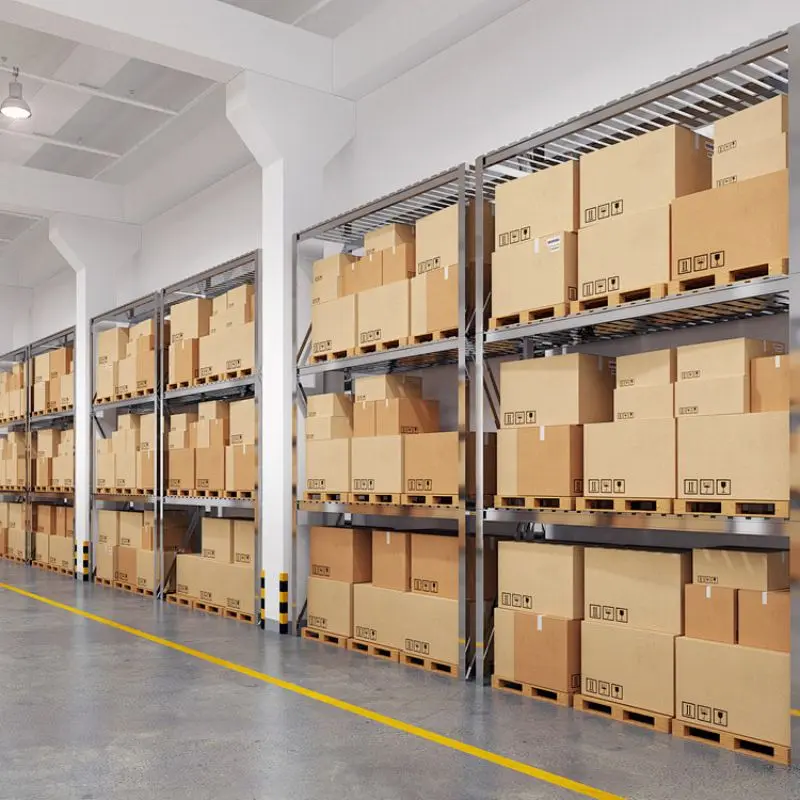
Finished products are transferred immediately to our onsite 300-square-meter warehouse space located adjacent to the packaging line. This tight floor layout minimizes physical handling damage, speeds up pallet building, and streamlines direct loading onto export containers destined for Hong Kong Port.
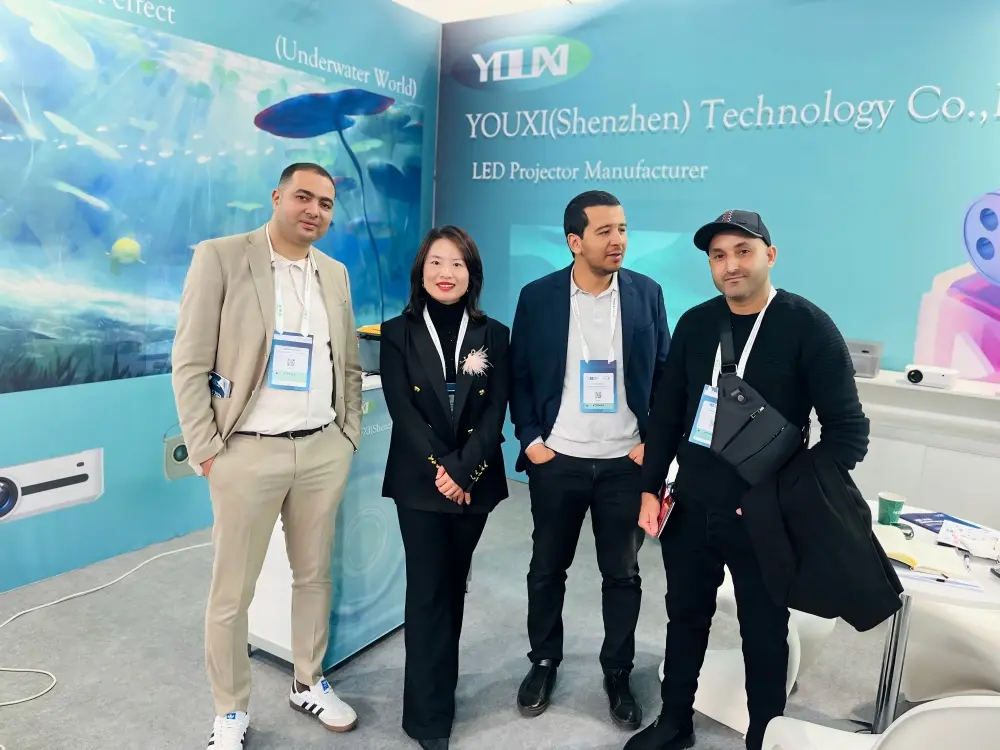
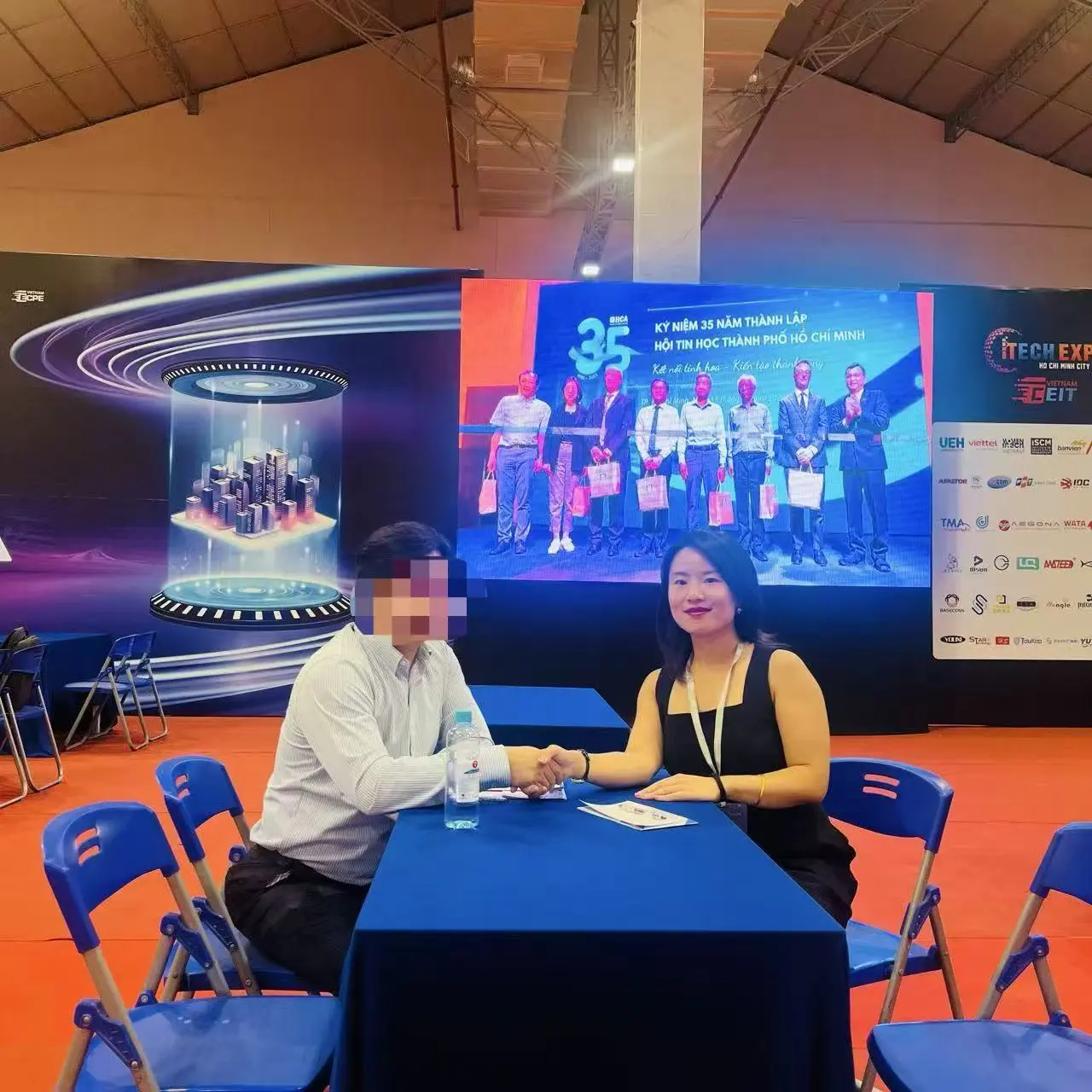
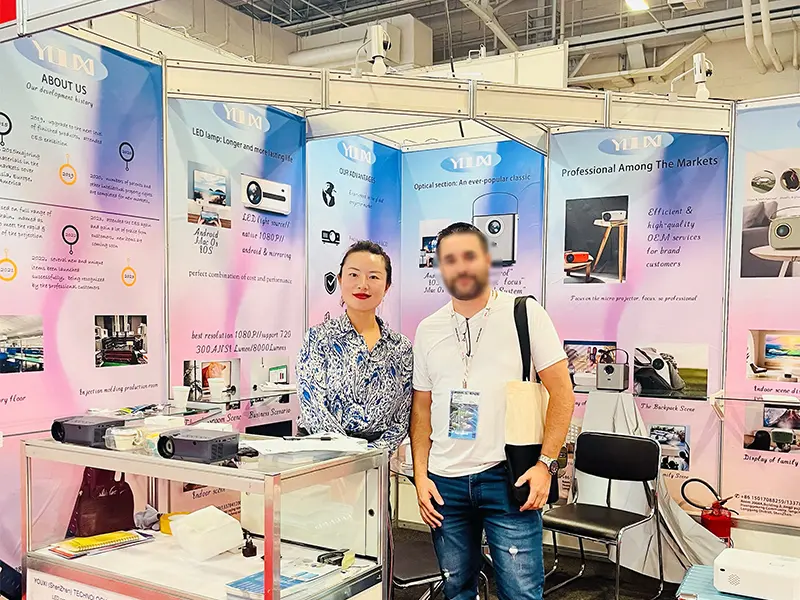
Detailed criteria regarding bulk volume discounts, pricing structures, and custom ODM/OEM solutions.
When assessing quotes for projector phone integrations, procurement teams must analyze the balance of core component costs. Unlike standard consumer tablets or smartphones, projection hardware cost is driven by three main factors:
Our factory provides tiered pricing strategies tailored to support authorized distributors, regional B2B brands, and custom corporate orders. Minimum Order Quantities (MOQs) for custom branding (logo laser-etching, custom OS boots) start at 500 units, while wholesale distribution is available for quantities starting at 100 units.
Note: Exact contract quotes vary based on dynamic material markets, optical modules, and customized specifications. Contact our sales department for firm contracts.
| Module / Tech | MOQ | FOB Price Range |
|---|---|---|
| Standard LCD Portable Series | 100+ Units | $35 - $65 USD |
| Mid-tier Auto Focus 1080P Smart Series | 500+ Units | $75 - $120 USD |
| Premium DLP 4K Light-Engine Engine | 500+ Units | $150 - $280 USD |
Exporting projection hardware requires strict adherence to localized safety, networking, and software certifications.
Our factories ensure compliance with CE, FCC, RoHS, WEEE, and TELEC regulatory guidelines. Every component—from internal lithium battery chemistries to external mold materials—is inspected to meet regional environmental safety standards.
Ensuring high compatibility with global streaming platforms requires robust software architectures. We support native integrations with Google TV, customized Android overlays, and Miracast/Airplay wireless casting modules, and we host regular over-the-air (OTA) updates.
To enable reliable cellular and wireless operations, our hardware is designed with variable RF front-end architectures that support diverse global bands (including European, North American, and Asian LTE/5G bands) alongside dual-band Wi-Fi.
Answering technical, logistical, and design questions common to enterprise buyers.
Due to the compact structural limits of mobile phones, light output typically ranges between 50 to 150 ANSI lumens. While this is lower than standard home theater projectors, it is optimized for dim office environments, camping sites, and dark conference rooms. Higher-end models utilize DLP optical engines to maximize perceived brightness and contrast.
We integrate miniature thermal solutions including copper vapor chambers (VCs) and ultra-thin graphite thermal films. In models with high-output light engines, we install low-noise micro-fans to actively pull heat away from the battery and optical engine, maintaining device surface temperatures under 43°C.
We provide full-spectrum OEM/ODM services: including custom enclosure design, custom boot logo configurations, custom operating system development, software integrations, and special material-specified manufacturing (MSM) specifications tailored to regional telecommunication requirements.
Our assembly facility is located within a 25-minute drive from our headquarters in Shenzhen, which is 40 minutes from the Hong Kong Port. This geographic proximity simplifies customs clearance and ensures rapid shipping transit times via air, land, or ocean freight.
Commercial-grade micro-projection platforms engineered for outdoor agility and high-resolution screen rendering.
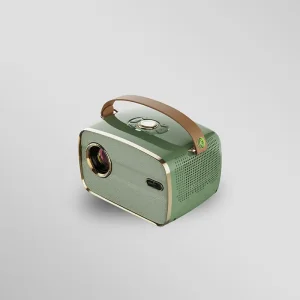
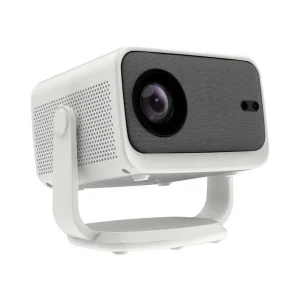
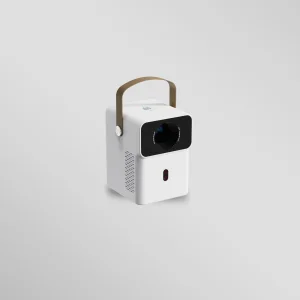
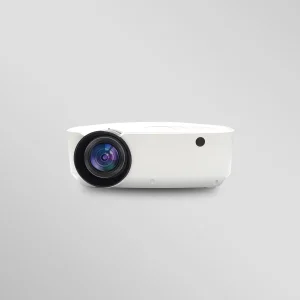
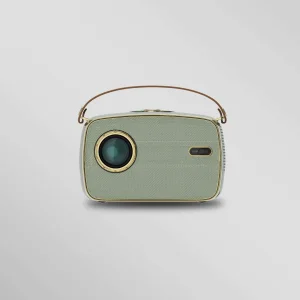
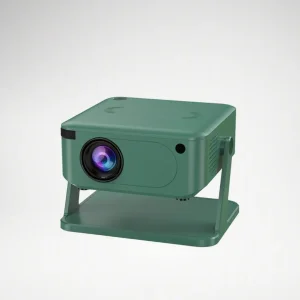
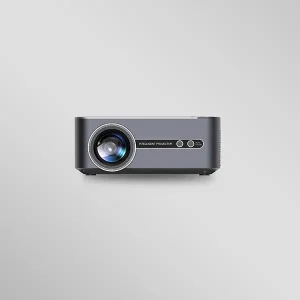
Our engineering, development, and sales departments are standing by to process your technical requirements, specifications, and volume contract requests.
 Youxi projection