Explore our top-performing projection systems and voice/camera optical modules optimized for commercial, domestic, and smart home application deployment.
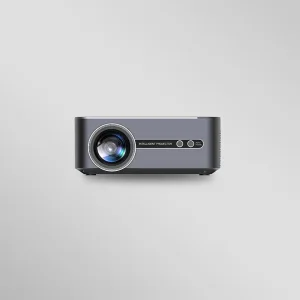
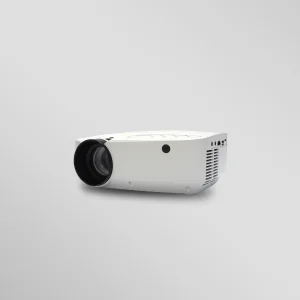
In B2B visual display procurement, contrast ratio remains one of the most critical yet frequently misunderstood specifications. Often overshadowing raw lumens, the contrast ratio determines a projector's ability to render image depth, crisp text, and perceptible details in dark scenes. For global distributors, corporate buyers, and institutional importers, sourcing projection equipment with a good contrast ratio is not merely a specification check; it directly impacts user satisfaction, returns rates, and overall brand reputation. This technical guide outlines the physics of contrast metrics, clarifies native versus dynamic values, matches display environments to performance categories, and presents Youxi Technology's specialized ODM/OEM solutions designed to deliver superior visual accuracy at competitive price points.
To accurately compare projector pricing and quotes, one must navigate how contrast ratio is measured. Manufacturers typically rely on two distinct validation methodologies, yielding vastly different results on data sheets:
FOFO contrast measures the ratio between the light output of an entirely white screen (100% signal strength) and an entirely black screen (0% signal strength). Because it measures light level in two isolated phases, it is highly receptive to optimization through dynamic iris systems and LED/Laser light source throttling. While FOFO ratios like 20,000:1 or 100,000:1 look impressive on paper, they rarely reflect real-world viewing conditions, which contain both dark and bright elements simultaneously.
ANSI contrast is measured utilizing a standardized checkerboard pattern of sixteen alternating black and white rectangles. The average light output from the white blocks is divided by the average light output of the black blocks. This test is far more rigorous, as the light from the white blocks scatters inside the lens array and leaks into the black zones. A projector boasting a 100,000:1 FOFO contrast might only yield an ANSI contrast of 150:1 to 300:1. ANSI contrast provides a highly reliable indicator of actual image clarity and black level performance during typical operations.
| Optical System & Engine Type | Typical Native FOFO Contrast | Typical ANSI Contrast | Target Application & Suitability |
|---|---|---|---|
| Entry-Level Single LCD (LED source) | 1,000:1 - 3,000:1 | 100:1 - 150:1 | Casual home cinema, dark-room entertainment, budget classrooms |
| Mid-Range 3LCD Systems | 5,000:1 - 15,000:1 | 150:1 - 250:1 | Bright business boardrooms, higher education classrooms |
| High-End Single-Chip DLP (Laser/LED) | 20,000:1 - 50,000:1 | 250:1 - 400:1 | Professional cinema setups, smart home theaters, ambient light spaces |
| LCoS (Liquid Crystal on Silicon) | 100,000:1+ (Native) | 400:1 - 800:1 | Ultra-high-end screening rooms, custom luxury home theaters |
Display environments dictate required contrast parameters. Sourcing the wrong specification leads to either washed-out presentations or unnecessary expenditure.
Recommended FOFO: 5,000:1+ | ANSI: 200:1+. In dim or dark rooms, black levels are highly perceptible. Low contrast results in deep shadows appearing gray, ruining cinematic immersion.
Recommended FOFO: 2,000:1+ | ANSI: 120:1+. High ambient light requires prioritization of ANSI lumens (brightness). Contrast remains important to ensure text and charts remain legible against white background slides.
Recommended FOFO: 3,000:1+ | ANSI: 150:1+. Portable devices encounter unpredictable lighting. A solid native contrast ratio preserves edge definition and color vibrancy when projecting on temporary screens or walls.
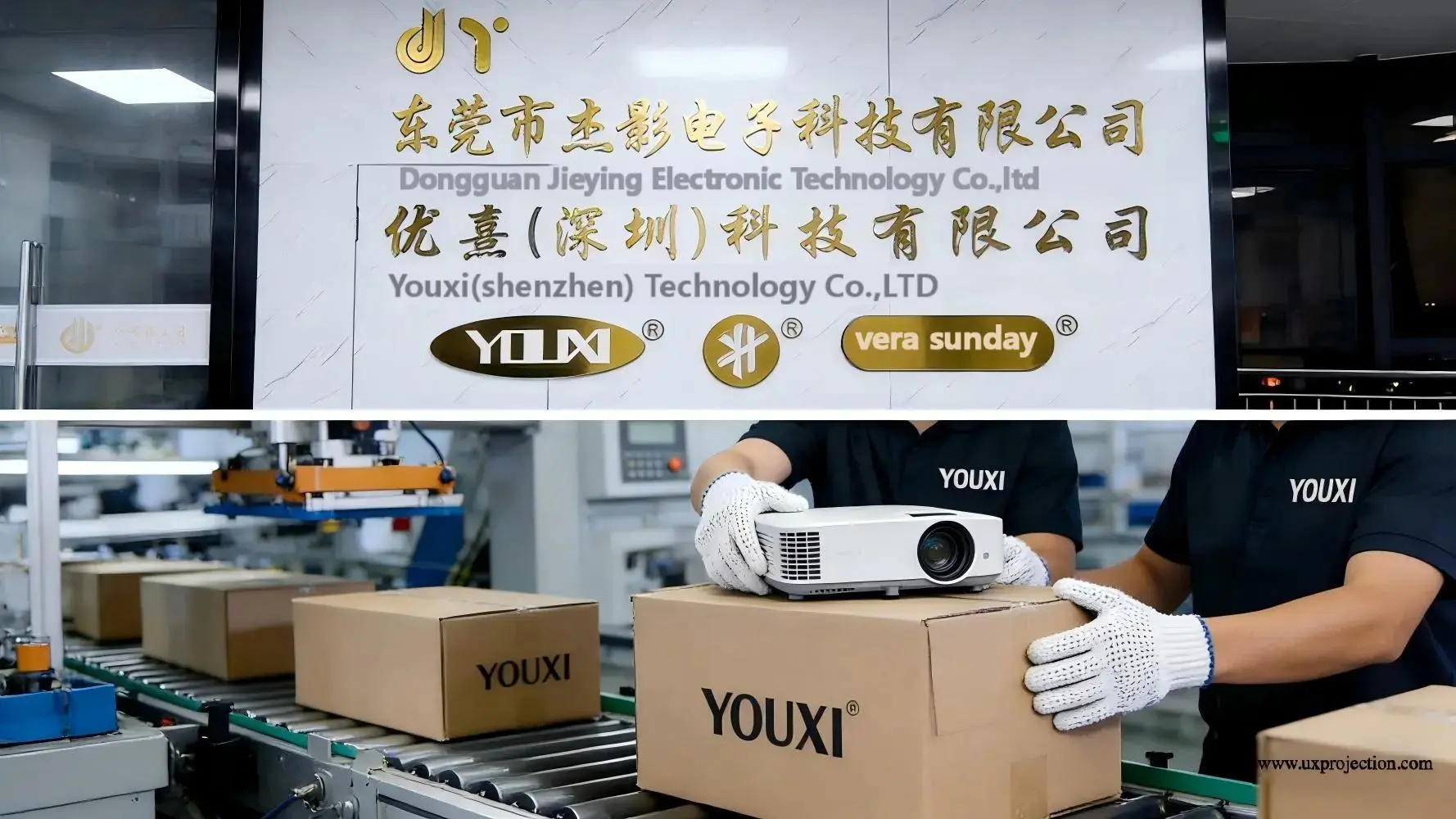
Founded in April 2021, Youxi (Shenzhen) Technology Co., Ltd. specializes in the R&D, manufacturing, and integration of intelligent projection systems and smart wearable devices. We recognize that superior contrast performance stems from precise optical pathway alignment, low-dispersion lens element selection, and advanced heat management. By keeping core assembly steps in-house within our advanced facility in Fenggang Town, Dongguan, we ensure each projector maintains peak optical efficiency throughout its lifecycle.
Our engineering team focuses on minimizing optical crosstalk and internal light reflections within our optical engines. By utilizing high-density polarizing filters and premium liquid crystal panels, Youxi projectors achieve rich black levels and bright highlights, ensuring competitive price-to-performance ratios for bulk importers.
Operating out of Shenzhen, the global capital of electronics hardware innovation, Youxi Technology sits at the epicenter of the most robust electronics ecosystem on earth. This geographic advantage translates into direct benefits for our global B2B clients:
Our facility runs on structured modern production principles to maintain a defect rate significantly below the industry average:
Equipped with specialized digital molding machines operating far above typical market standards, we establish a robust mechanical foundation for each projector chassis, eliminating light leakage that can degrade screen contrast.
A single particle of dust on an LCD panel or internal mirror will appear as a dark spot or halo on the projected image, severely harming perceived contrast. Our assembly operations adhere strictly to 5S cleanliness guidelines to ensure dust-free optical engines.
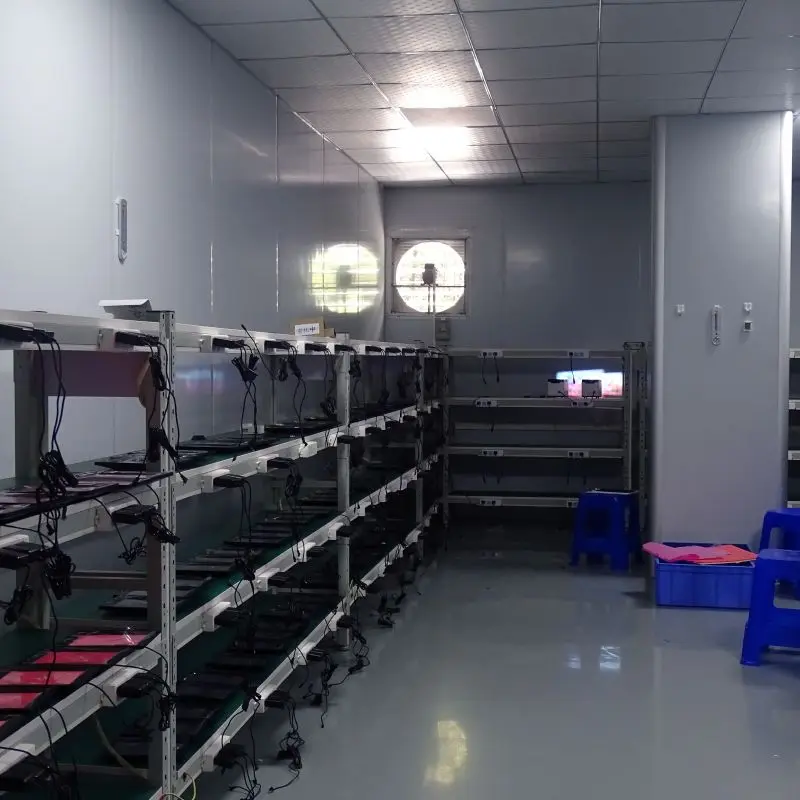
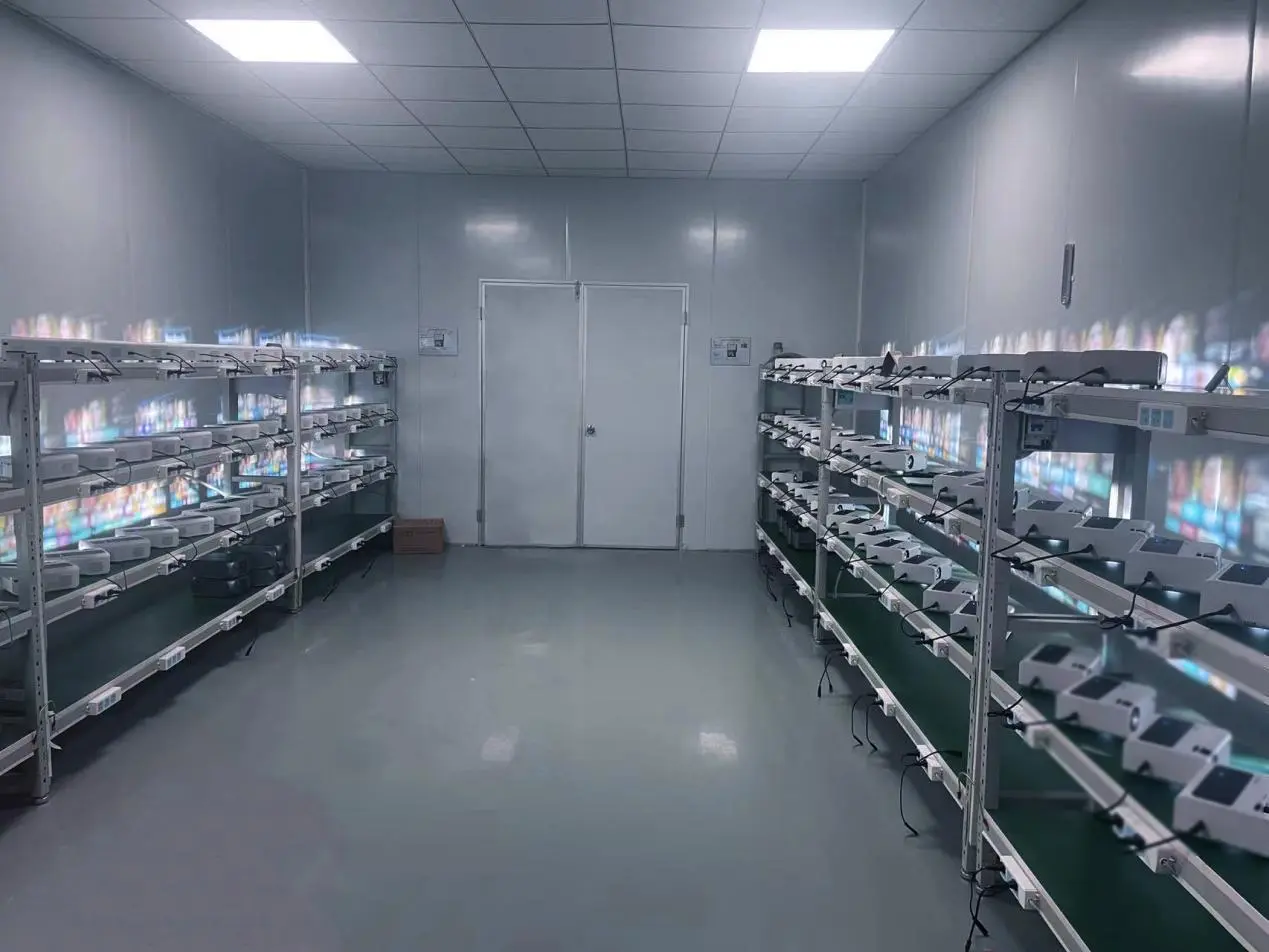
Our quality assurance department utilizes 12 testing rooms to conduct raw material inspection, post-assembly optical calibration, and pre-shipment sampling checks. We test projection brightness, color gamut accuracy, and native contrast ratios to ensure uniformity.
As the projection industry transitions toward high-definition smart projection and energy-efficient light sources, Youxi Technology is implementing a multi-tier development roadmap:
We are actively researching compact hybrid light paths combining LED reliability with Laser high-luminance characteristics. This technology will allow portable projectors to exceed 500 ANSI lumens while maintaining an native FOFO contrast ratio over 4,000:1 without introducing color fringing.
Liquid crystal panels degrade when subjected to prolonged heat, causing contrast levels to decline over time. Our engineers have developed a low-noise, dual-fan active convection system that keeps optical components below 55°C, ensuring contrast metrics remain stable even after 20,000 hours of operation.
Future iterations of our high-end smart projectors will integrate real-world lighting ambient sensors, working in tandem with the Android firmware. The projector will dynamically modify gamma curves in real-time, optimizing screen contrast based on the room's current lighting environment.
For international buyers, navigating regulatory compliance and system localization is key to a smooth rollout. Youxi supports our clients via comprehensive OEM/ODM pathways:
Technical answers to key procurement queries regarding projector optics, contrast capabilities, and sourcing logistics.
Premium B2B sourcing catalog featuring high-lumens LED engines, short-throw models, and smart dual-band WiFi solutions.
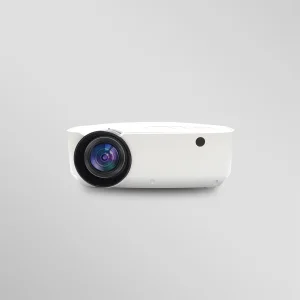
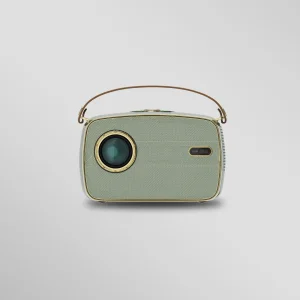
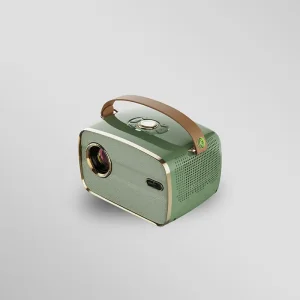
 Youxi projection