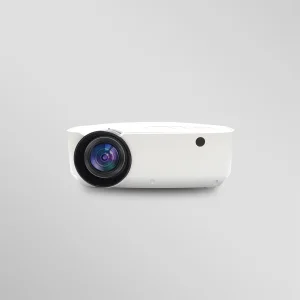
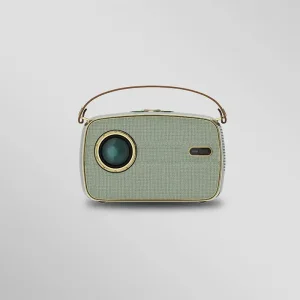
Direct B2B Sourcing and Customizable Hardware Solutions from Certified Smart Projector Assembly Lines
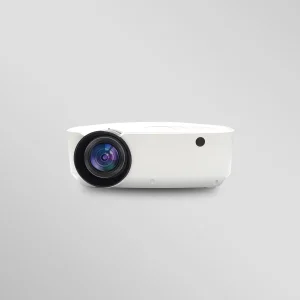
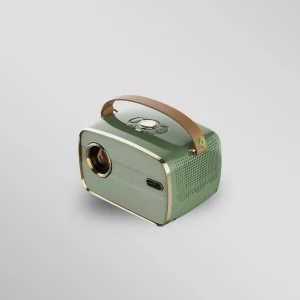
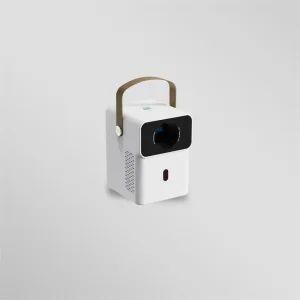
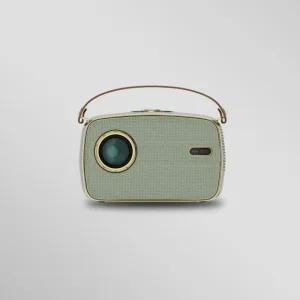
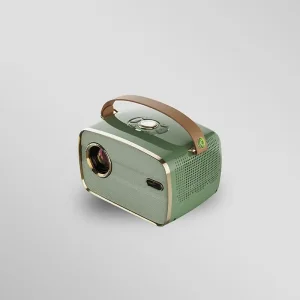
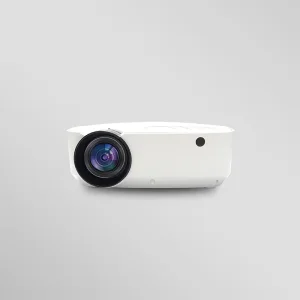
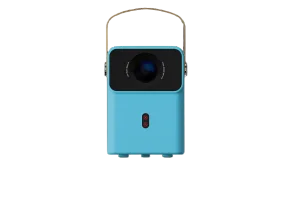
Analysis of production hubs, market demand shifts, and technology adoption cycles
Over 80% of consumer-grade projector manufacturing relies on the Pearl River Delta supply chain. Shenzhen manages R&D and hardware-software integration, while Dongguan delivers robust, scalable assembly facilities.
The industry is transitioning toward single-LCD LED systems for entry-to-mid range applications and multi-color laser systems for professional settings. This evolution balances cost efficiency with long-term display durability.
B2B procurement is focusing heavily on smart projection technologies. Pre-installed, certified operating systems (such as Android TV and Linux architectures) supporting Miracast, AirPlay, and official Netflix integration have become the industry standard.
A look inside our state-of-the-art facilities in Shenzhen and Dongguan
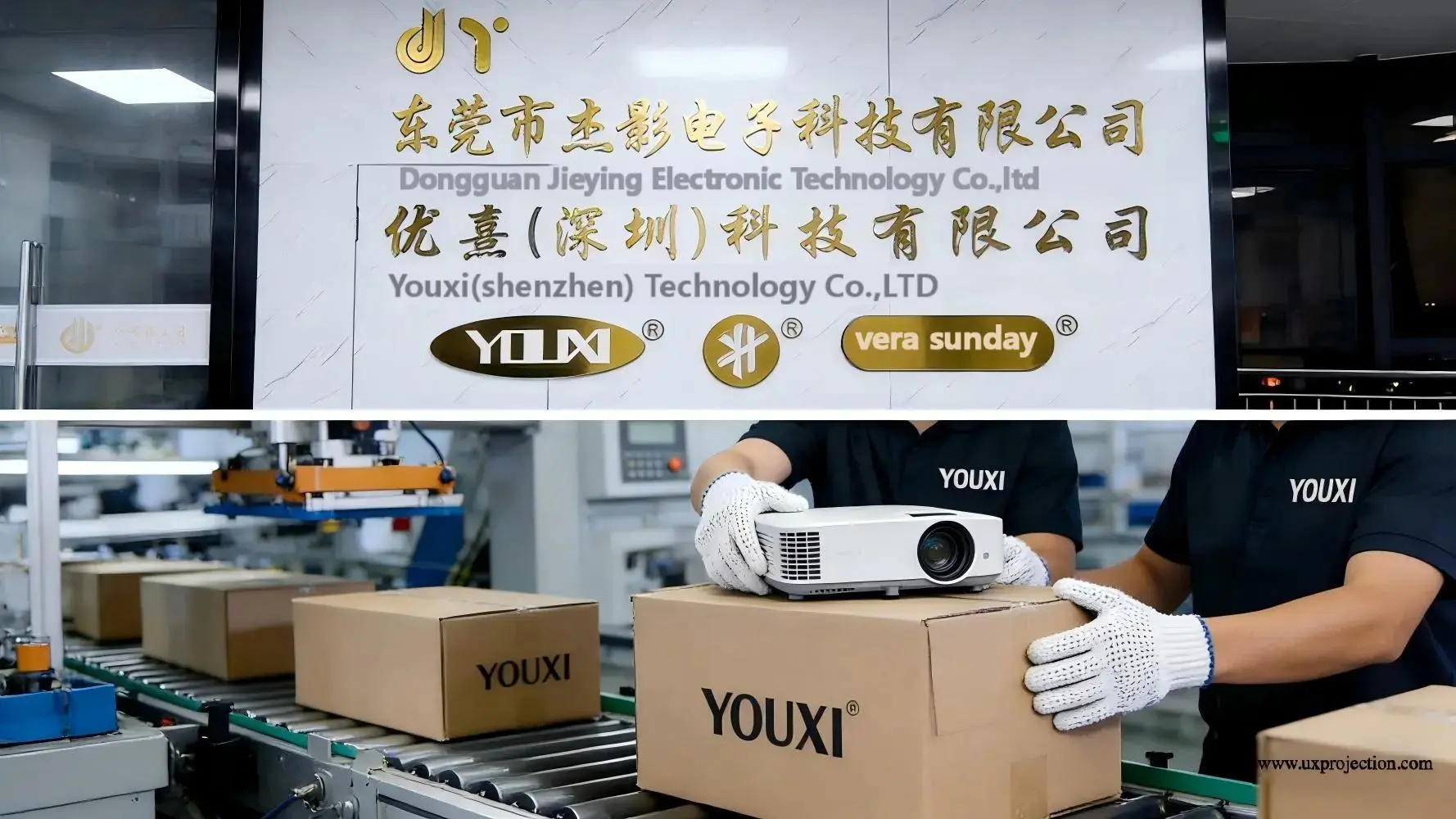
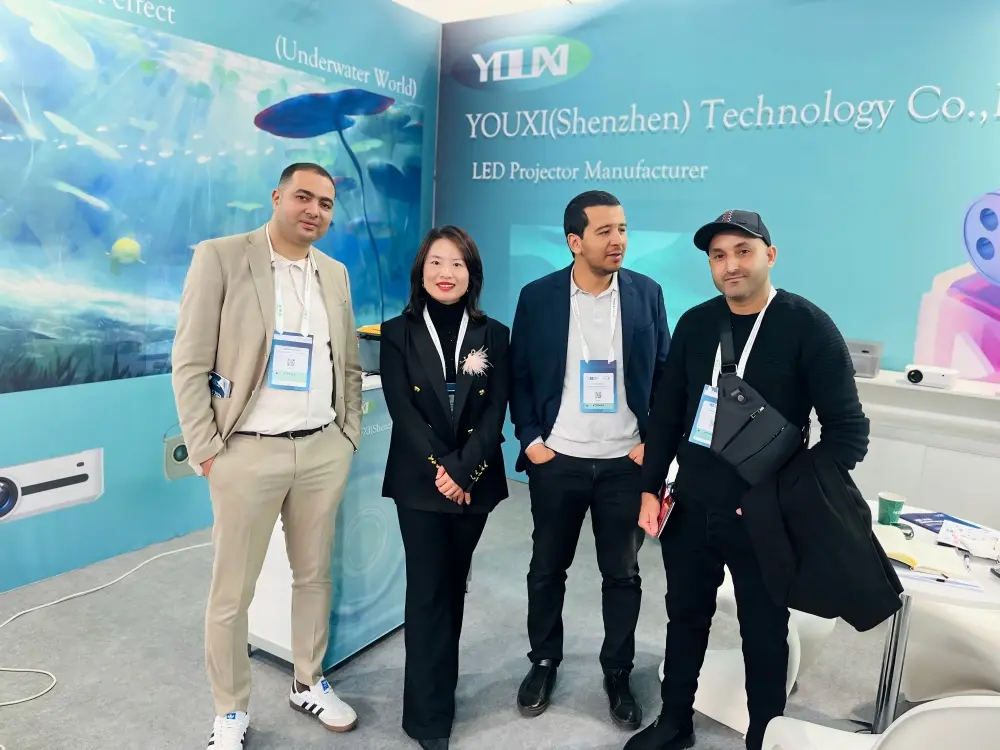
Youxi (Shenzhen) Technology Co., Ltd., established in April 2021, specializes in the research, development, and vertical assembly of intelligent projection systems and smart wearable devices. The enterprise controls the complete product lifecycle—spanning design engineering, precision tooling, clean-room assembly, and extensive quality assurance protocols.
Headquartered in Shenzhen's Nanshan High-Tech district, the company leverages local components ecosystems and maintains shipping paths via the Hong Kong Port (approximately 40 minutes travel time). For manufacturing scale, Youxi operates a dedicated assembly facility covering 1,000 square meters in Fenggang Town, Dongguan City (25 minutes from the headquarters) and utilizing a larger operational footprint up to 4,000 square meters for mass-volume processes.
Equipped with a skilled workforce of over 100 operators and technicians, our assembly capacities exceed 30,000 to 50,000 units monthly, delivering reliability for global brand owners, OEM importers, and ODM retail suppliers.
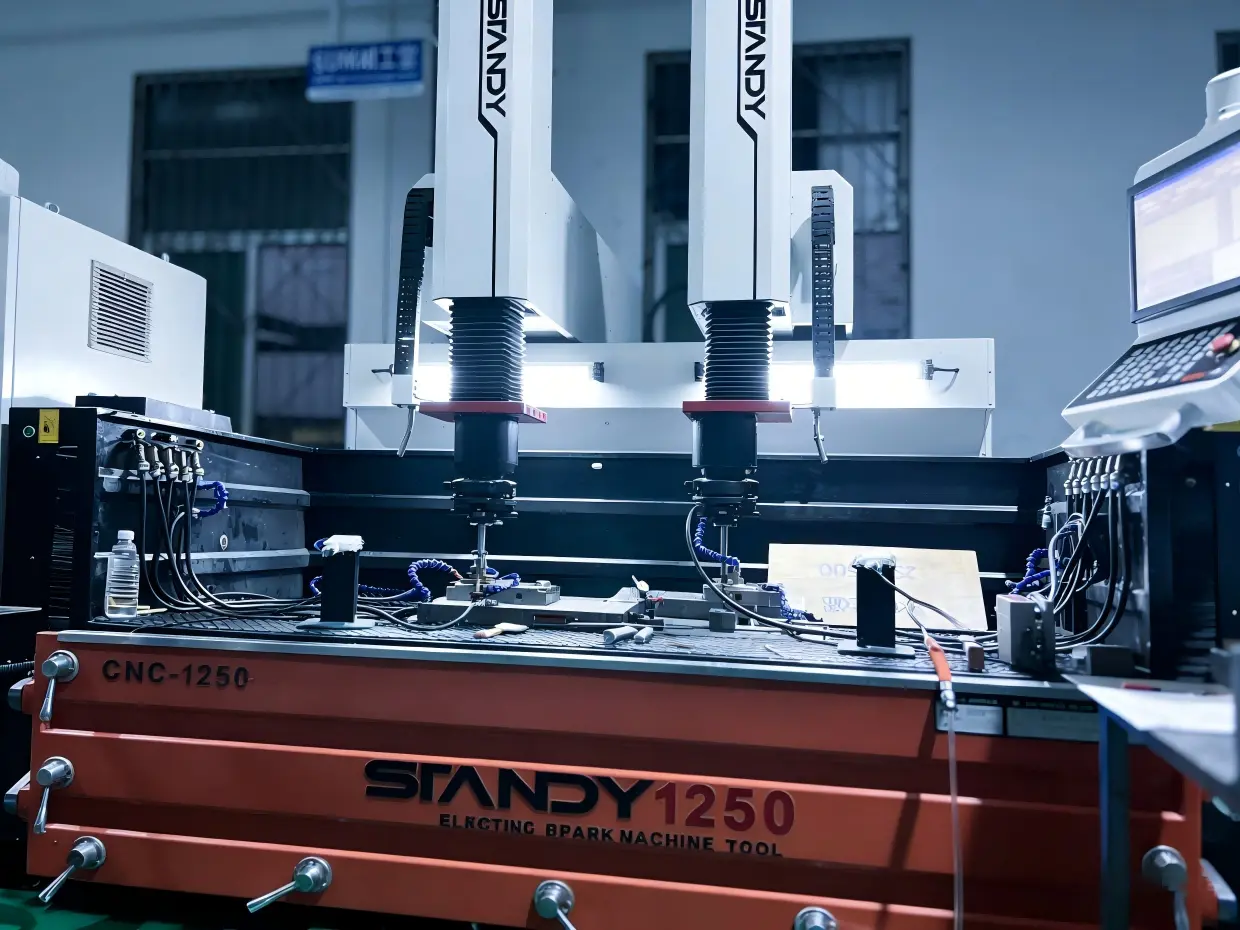
Operating a specialized mold-making facility next to the main facility. Digital molding tools and high-clamping-force injection machinery construct durable enclosures with tight dimensional tolerances.
Our assembly floors use dustless procedures to protect sensitive optoelectronic components. Over 100 technicians construct complex optical paths and motherboards under clean-room conditions.
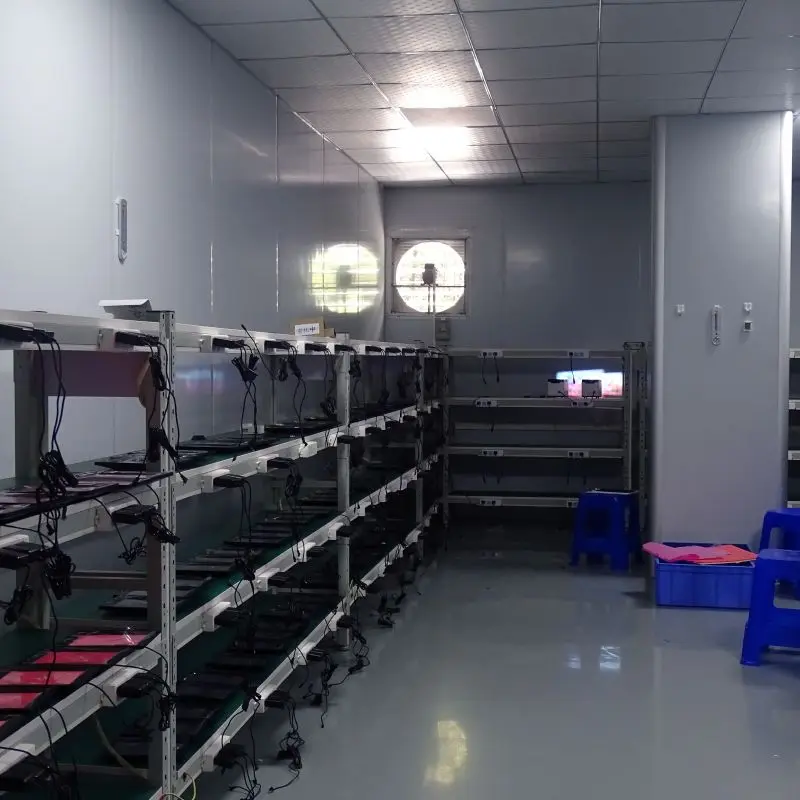
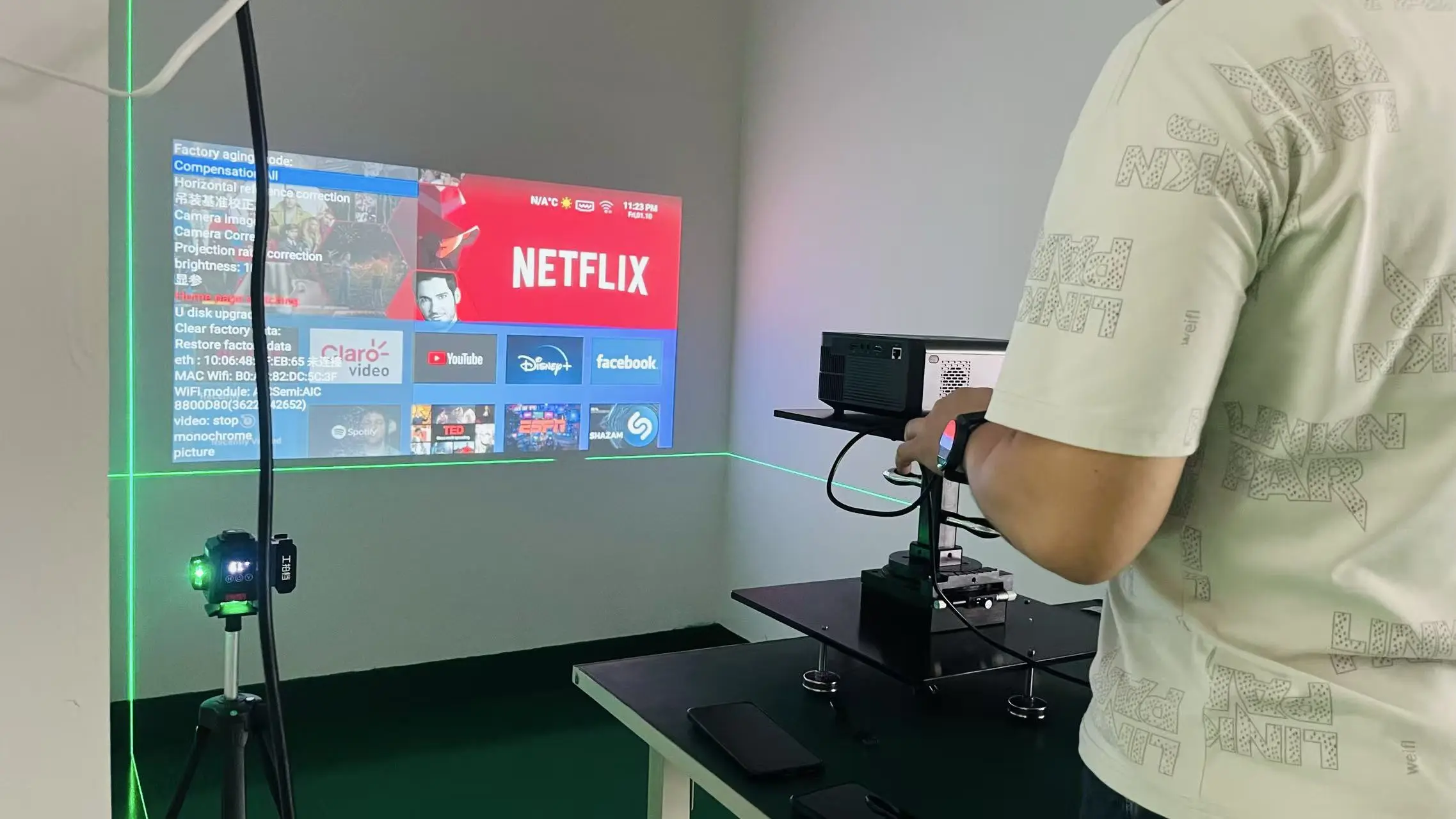
Two separate testing teams handle component-level audits and final post-assembly calibrations. Across 12 distinct testing rooms, technicians verify illumination uniformity, color rendering, and connectivity interfaces.
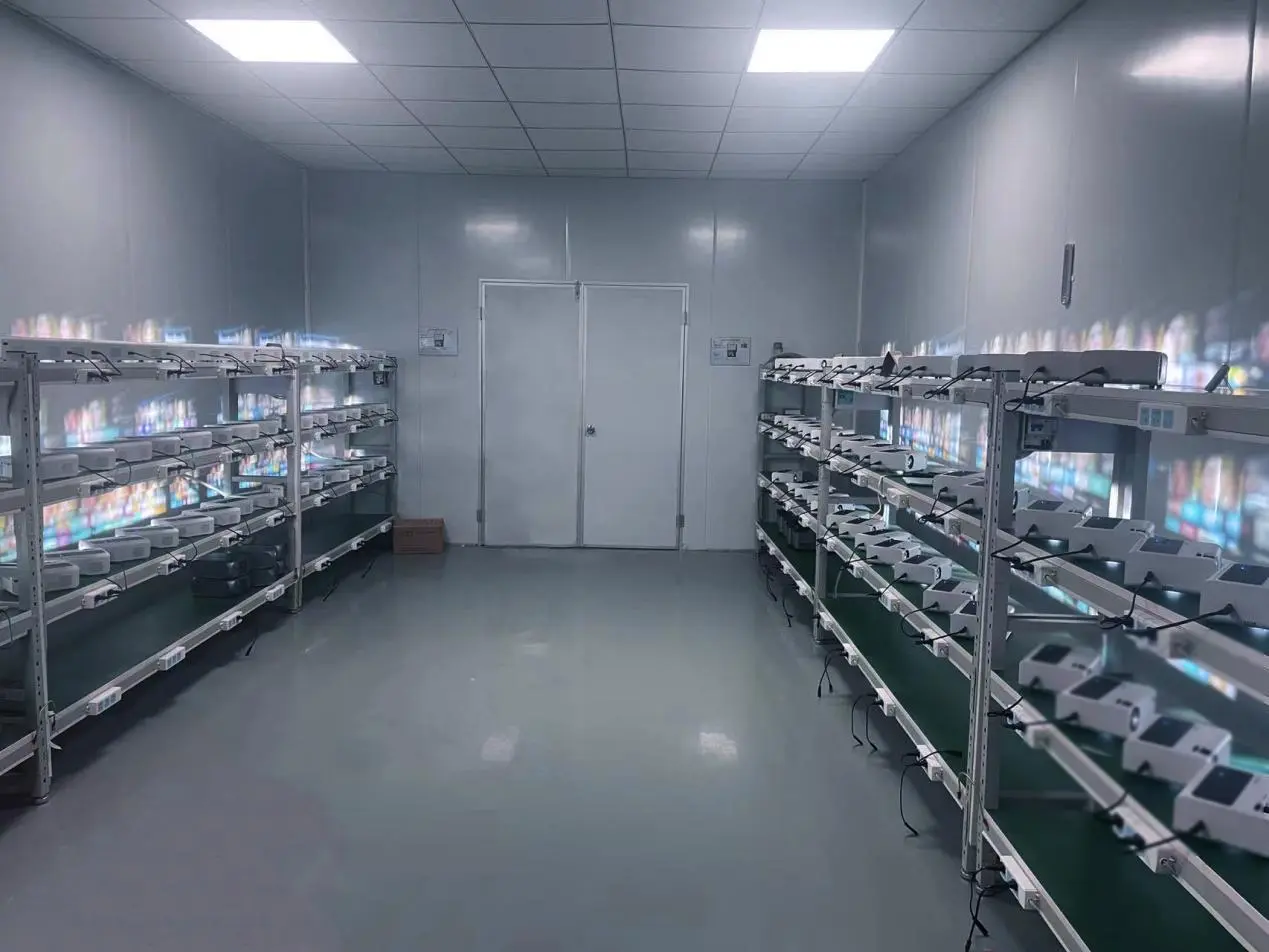
Every single batch undergoes high-temperature thermal testing. The aging facility supports concurrent burn-in tests for over 200 devices, validating cooling efficiency and electrical stability before shipment.
Architectural engineering details defining high-end smart projection systems
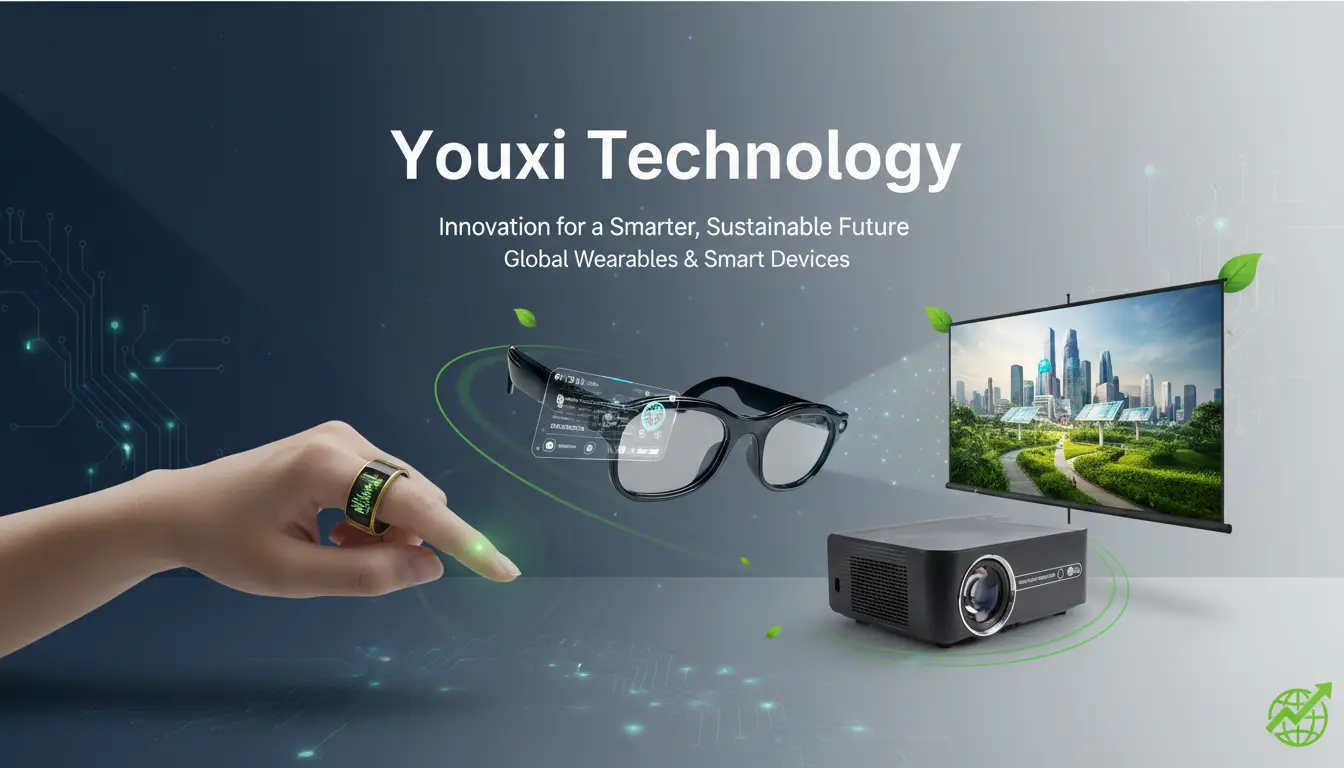
Conventional open-structure LCD projectors often suffer from internal dust build-up, resulting in dark spots and degraded cooling. Youxi's research team focuses on Fully Sealed Optical Engines.
By enclosing the liquid crystal panel, optical lenses, and LED light sources in a hermetically sealed optical chamber, we block airborne particulate entry. This design extends the operational lifespan of the engine to over 30,000 hours, keeping illumination clear and color rendering accurate.
Additionally, our Material-Specified Manufacturing (MSM) model allows B2B buyers to select precise hardware specifications, including high-transmittance glass lenses, customized heat pipe arrays, or specific wireless controller chips.
| Feature Category | Standard Specs (Entry Level) | High-End Performance Specs | Sourcing Customization Range |
|---|---|---|---|
| Optical Engine | Open LCD Structure | Fully Sealed Optical Engine | Customized Lens Coatings |
| Native Resolution | 480P / 720P Native | 1080P / Native 4K Supported | Decoded SoC Customization |
| System Light Output | 150 - 250 ANSI Lumens | 400 - 800+ ANSI Lumens | LED Power & Drive Adjustments |
| Smart Platform | Basic Multimedia / Miracast | Android OS (Wi-Fi 6 + BT 5.2) | Custom ROM / UI Branding |
| Thermal Management | Single Cooling Fan | Dual-Fan Active Heat Pipe | Silent Fan Speed Curves |
Key checkpoints for evaluating manufacturers, pricing components, and streamlining your supply chain
Specify native resolution (720P vs 1080P vs 4K decoded) and real ANSI lumens rather than inflated "marketing light source lumens". This keeps supplier quotes consistent and easy to compare.
Factories operating their own mold injection shops offer faster design revisions and lower housing costs. This capability simplifies customization for branding or custom ports.
Verify that your manufacturer complies with CE, FCC, RoHS, and local recycling directives. Dynamic thermal controls and lead-free components streamline customs clearances for major markets.
Tailoring projector systems to diverse customer environments and use cases
Optimized for high-contrast viewing, incorporating silent fans and native HDR playback. Pre-installed Netflix, YouTube, and Disney apps simplify setup for end-users, providing a plug-and-play smart television alternative.
Designed with lightweight housings, integrated batteries, dual-band Wi-Fi, and Bluetooth audio. These models are built for quick setup at campsites, backyard movie nights, or travel destinations.
Utilizing high-brightness LED engines to remain clear in ambient daylight. These units support interactive digital whiteboards, screen mirroring, and multiple input interfaces for classrooms and conference spaces.
Compact, cost-effective mini projectors customized with brand logos, custom start screens, and tailored packaging. Perfect for premium retail bundles or corporate promotional programs.
How our distribution setup and facility footprint ensure reliable, on-time delivery
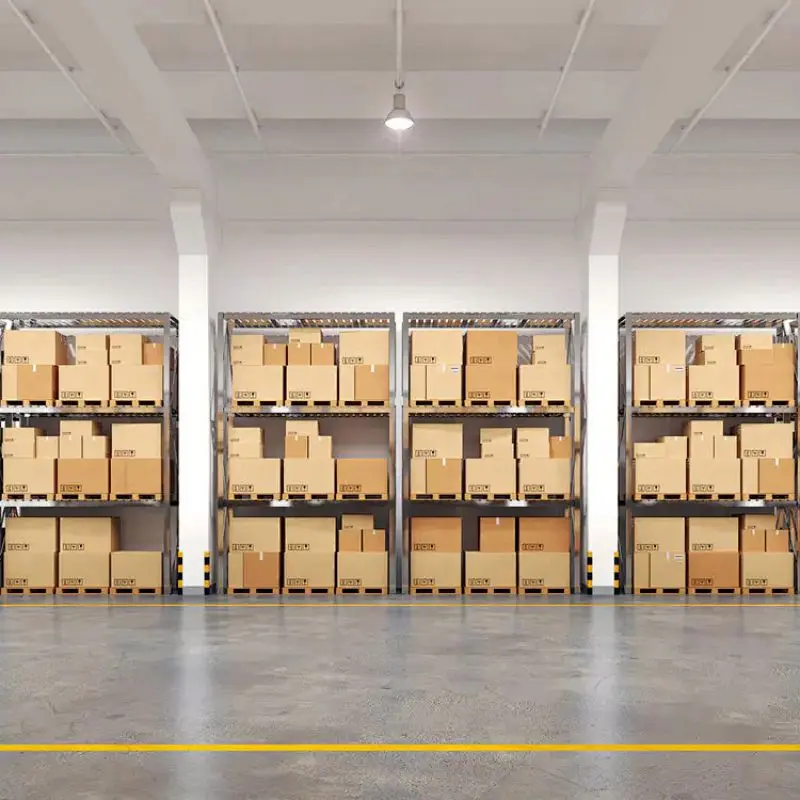
Our dedicated 300-square-meter finished goods storage facility is located next to the packaging line, enabling organized stock rotation and safe cargo preparation.
Proximity to Shenzhen and Hong Kong container terminals allows us to offer flexible shipping arrangements, including EXW, FOB, CIF, and door-to-door B2B logistics.
Direct technical answers to common questions about factory sourcing, pricing, and specs
B2B Projector Sourcing and Customizable Hardware Solutions from Certified Smart Projector Assembly Lines
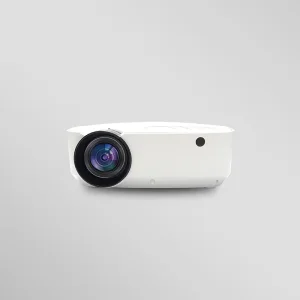
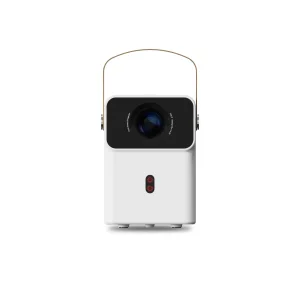
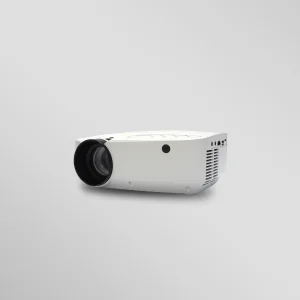
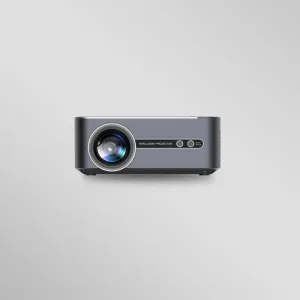
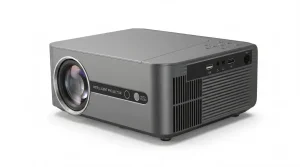
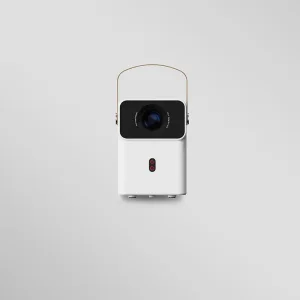
 Youxi projection