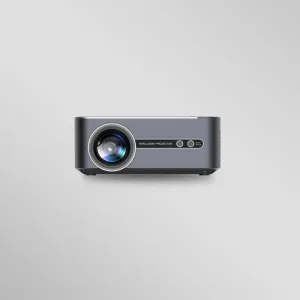
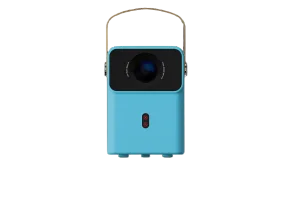
Select catalog of high-performance 4K & high-refresh projection systems optimized for modern display environments.
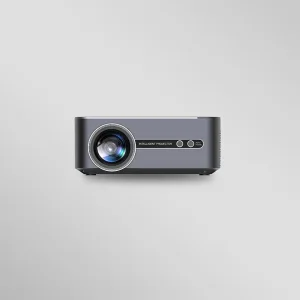
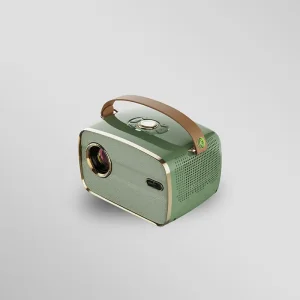
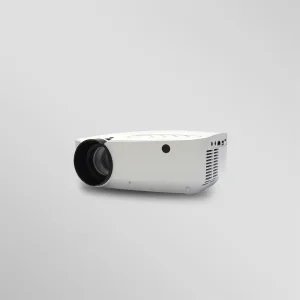
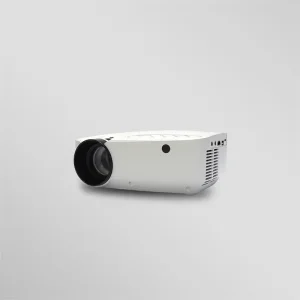
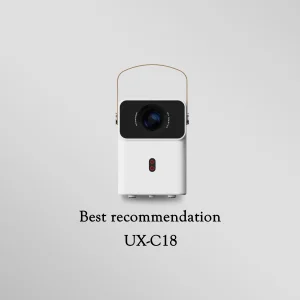
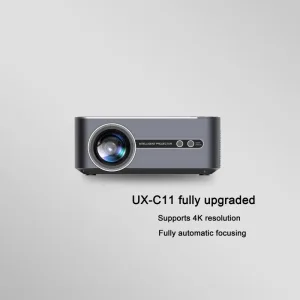
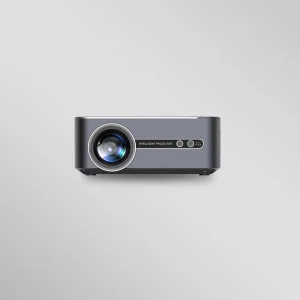
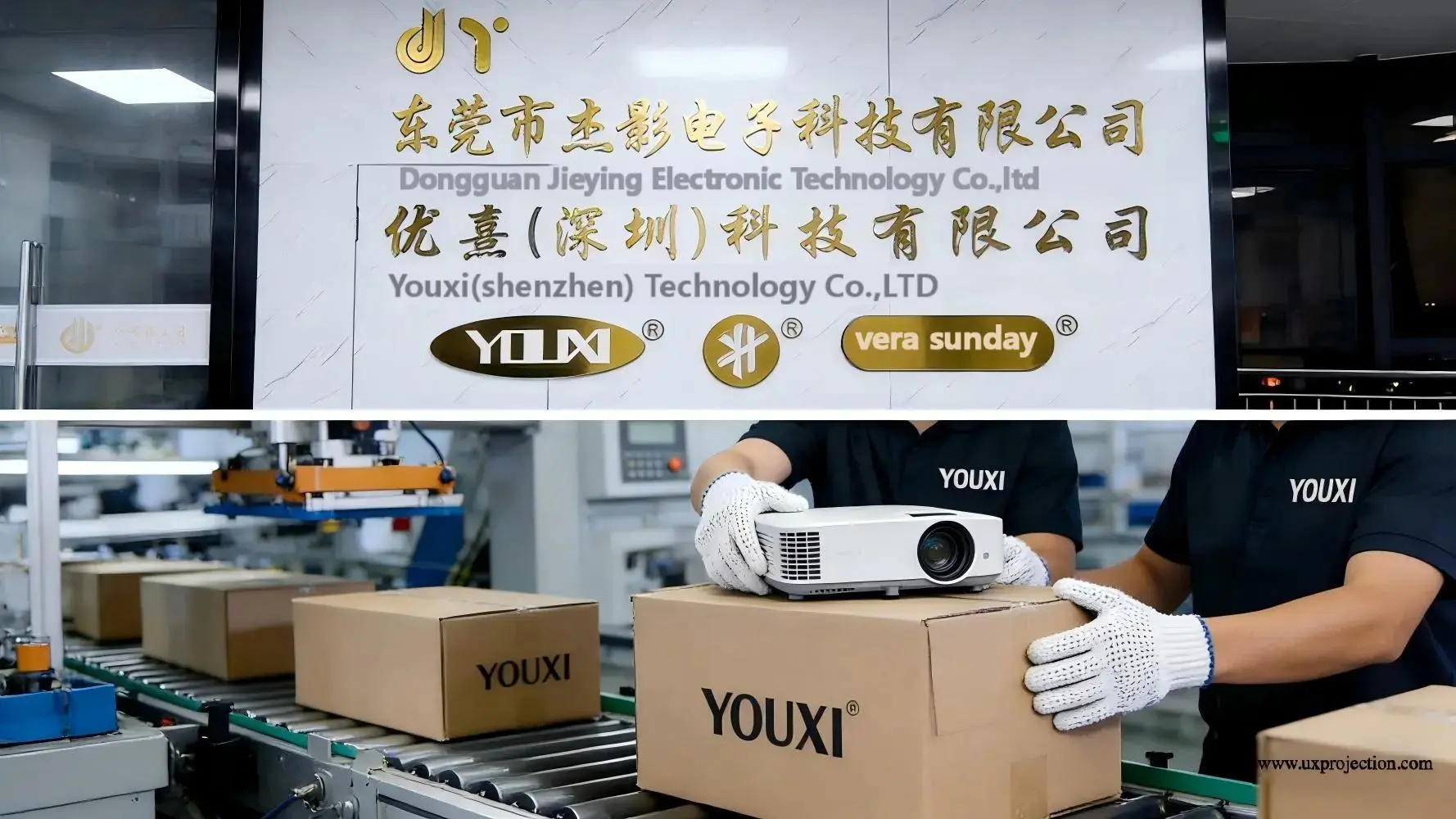
Founded in April 2021, Youxi (Shenzhen) Technology Co., Ltd. has established itself as an innovative force specializing in the research and development, manufacturing, and systems integration of intelligent projection architectures and wearable smart devices. By operating end-to-end capabilities across the product lifecycle—spanning conceptual industrial design, optical path engineering, precision Cleanroom assembly, and stringent QC protocols—we guarantee comprehensive compliance with international electronic standards from raw semiconductor procurement to the shipping dock.
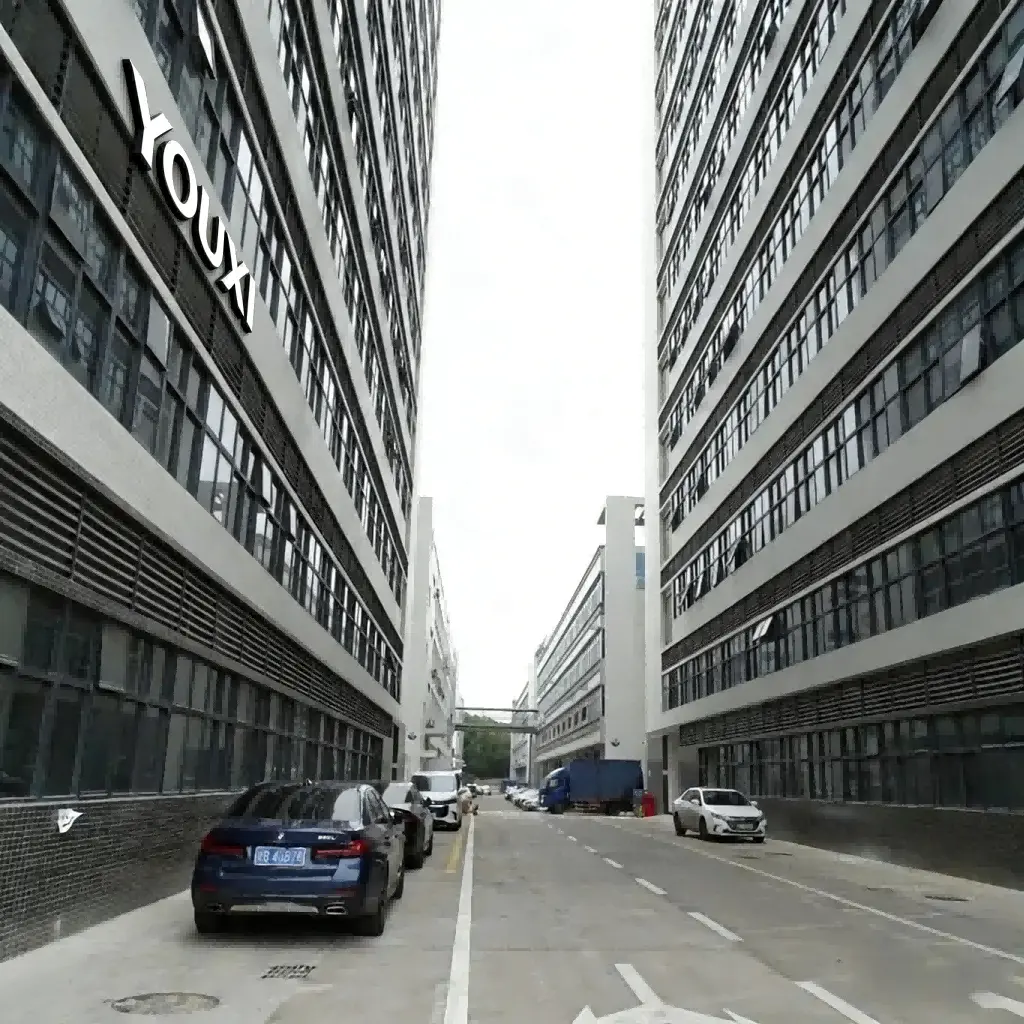
Headquartered in the global technology hub of Shenzhen, China, Youxi leverages direct access to key optical component providers and high-efficiency shipping through the Hong Kong Port (located roughly 40 minutes away). To meet scalable enterprise demand, Youxi runs a state-of-the-art production assembly site covering 1,000 square meters in Fenggang Town, Dongguan City, placing raw component warehousing and finalized line operations in close proximity to maximize efficiency.
Analyzing the technological transition from traditional sub-sampled 60Hz displays to active-matrix 4K high-frame-rate rendering.
The global commercial and residential projection landscapes are experiencing a paradigm shift. Where 1080P resolution and standard 60Hz refresh rates were once acceptable for home cinema and corporate presentations, modern users demand zero latency and high visual fidelity. The rise of HDMI 2.1-compliant consoles (PlayStation 5, Xbox Series X), real-time interactive business simulator suites, and professional media installations has accelerated the procurement requirement for native or pixel-shifted 4K solutions displaying at 120Hz refresh rates.
To produce genuine 4K resolution (3840 x 2160 pixels) at an active 120Hz refresh rate, a projector's internal optical engine must handle huge data bandwidths. Unlike 4K 60Hz, which operates well within the 18 Gbps limits of HDMI 2.0, 4K 120Hz requires a 48 Gbps HDMI 2.1 input channel coupled with a fast DMD (Digital Micromirror Device) chip or advanced liquid crystal spatial light modulators. This ensures that fast-moving images remain free from color fringing, ghosting, or screen tearing.
| Performance Criterion | Standard 4K 60Hz Systems | High-Frame-Rate 4K 120Hz Engines | Target Sourcing Intent |
|---|---|---|---|
| Required Bandwidth | 18 Gbps (HDMI 2.0b) | Up to 48 Gbps (HDMI 2.1a) | High-Bandwidth Media Pipelines |
| Typical Input Latency | 25ms - 45ms | 4.2ms - 8.5ms | Interactive Gaming & Simulators |
| DMD Micro-mirror Speed | Standard Dual-Phase Shifting | Ultra-High-Speed Quad-Phase PWM | Artifact-Free Motion Display |
| Thermal Load Profile | Baseline Heat Dissipation | Advanced Heat-pipe & Fluid Cooling | Extended High-Brightness Operation |
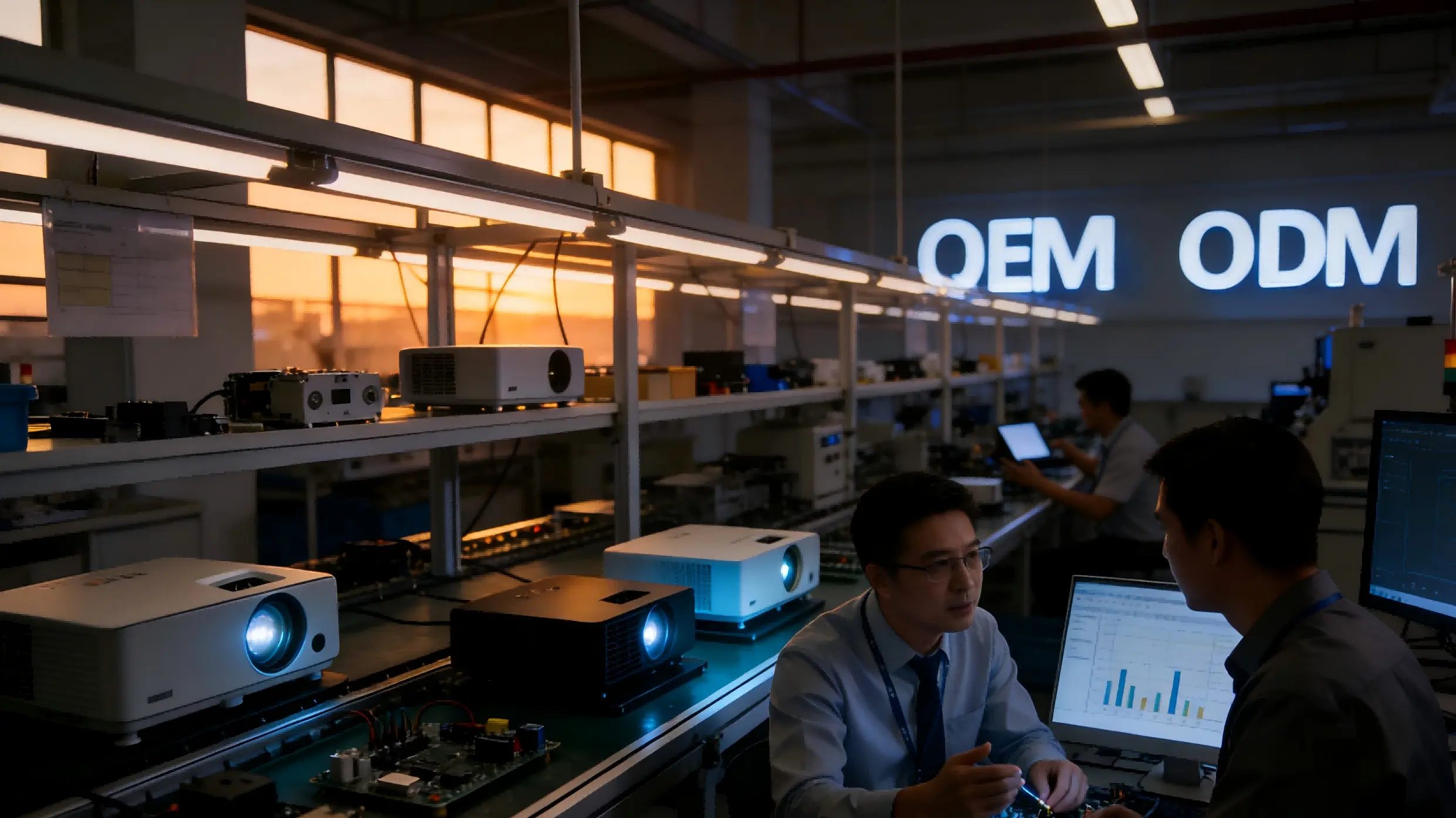
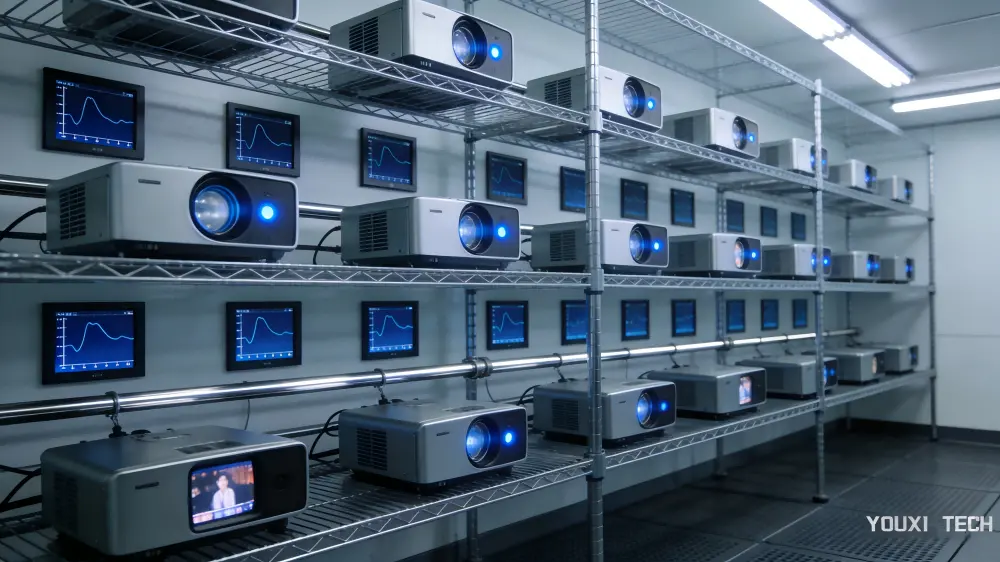
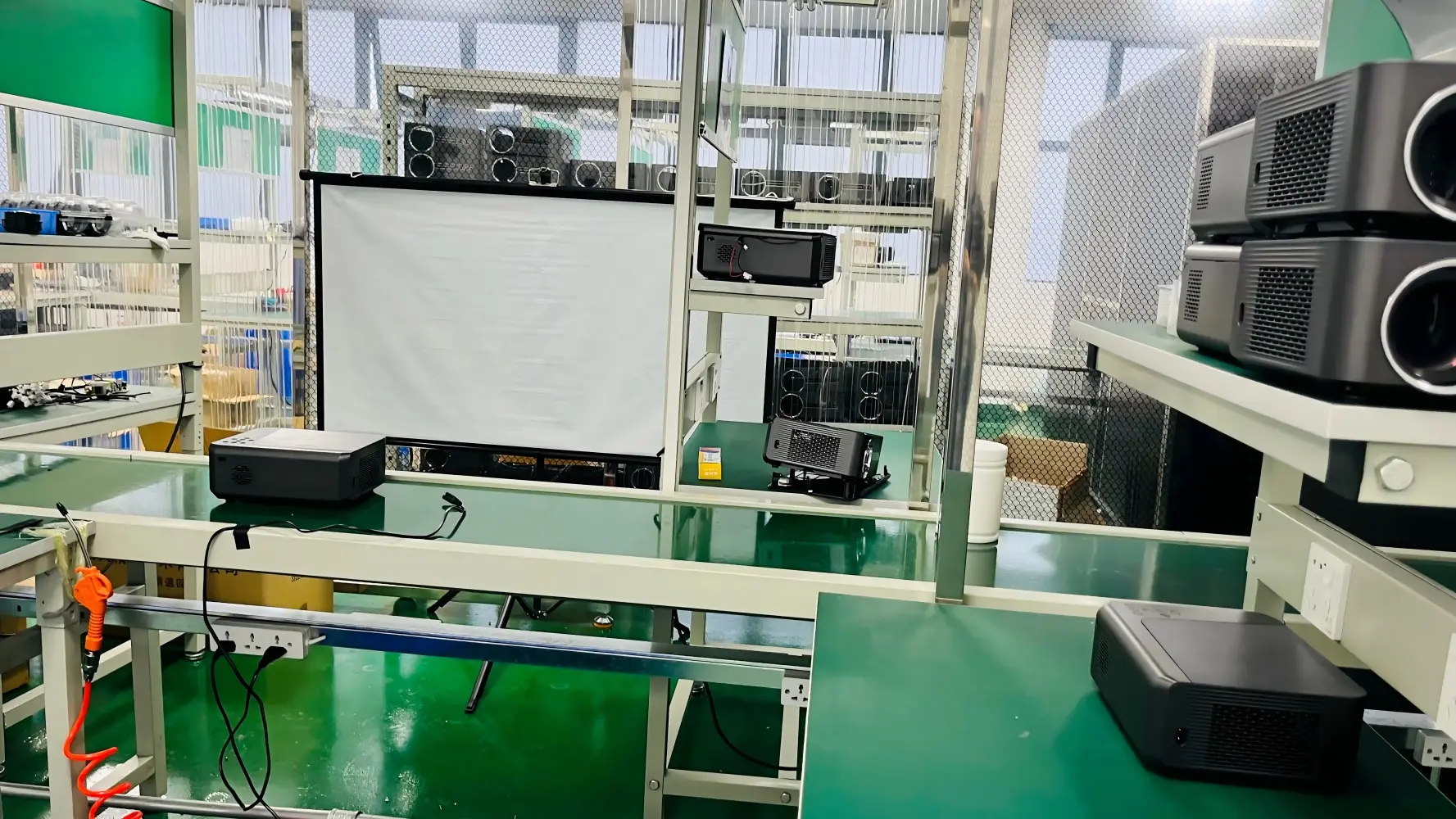
Walkthrough of our Dongguan assembly facilities and precision testing lines.
The mold and injection molding workshop is located next to our factory, equipped with sophisticated digital machines above conventional market standards to ensure a good foundation for each product. Real-time monitoring ensures structural tolerances are kept within ±0.02mm.
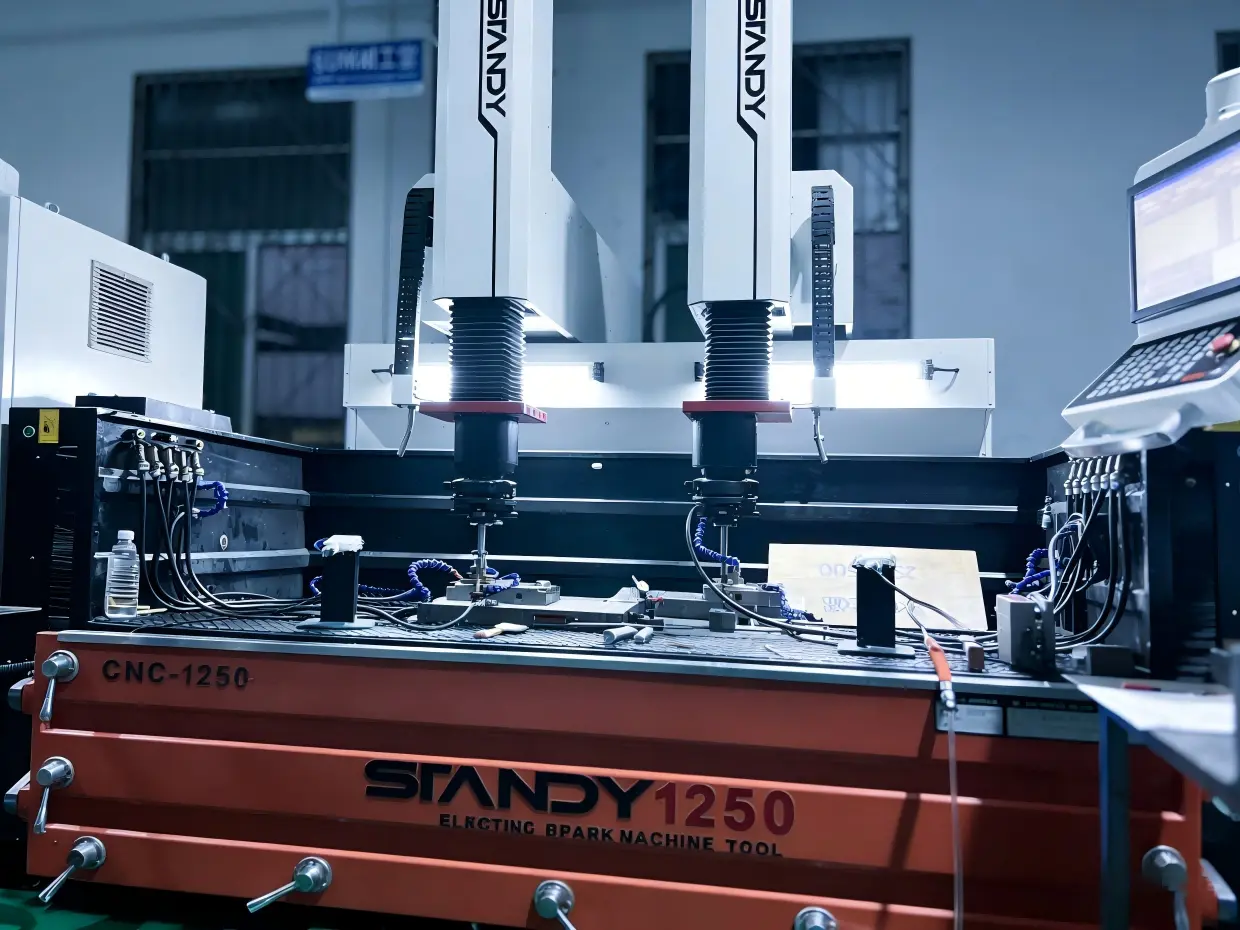
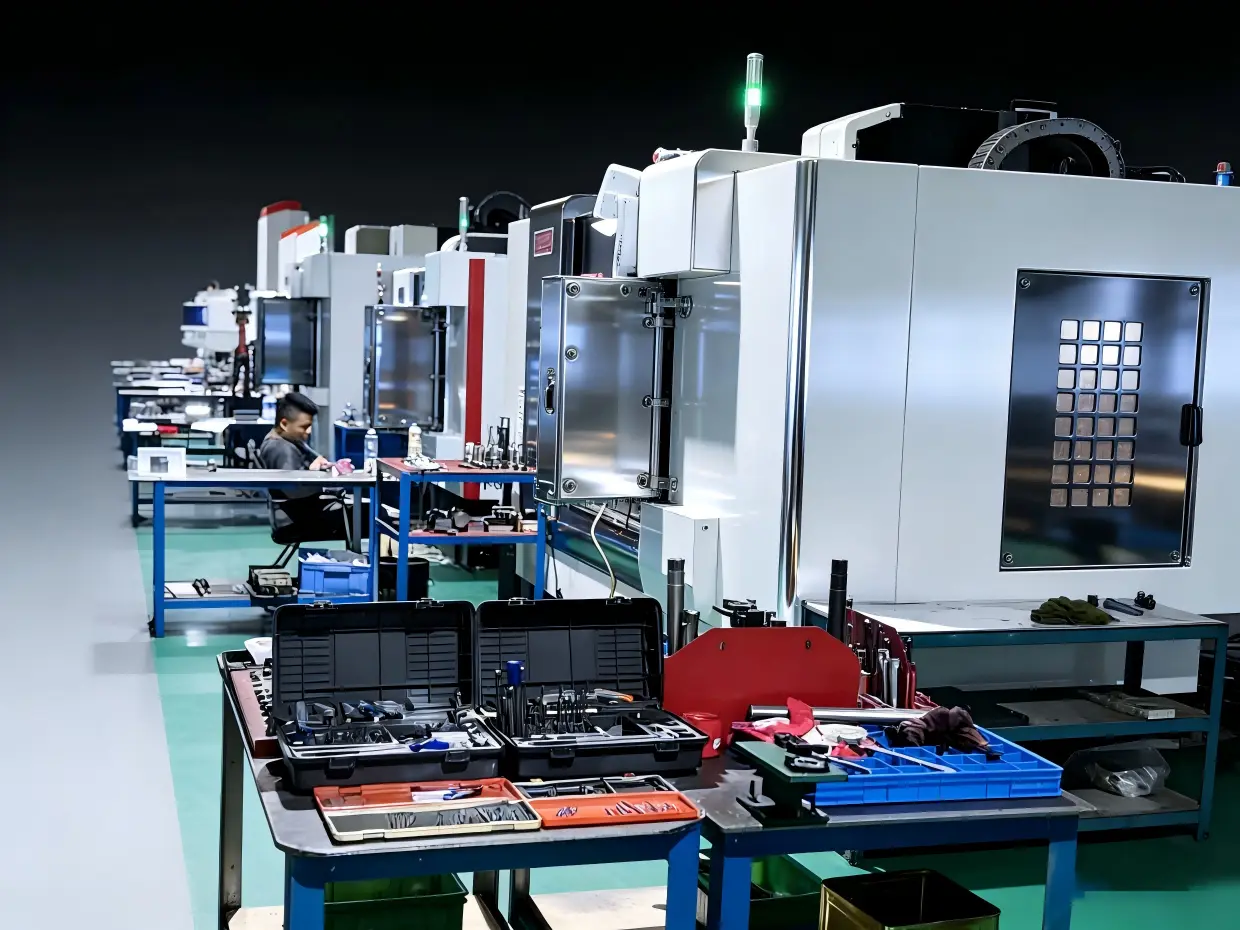
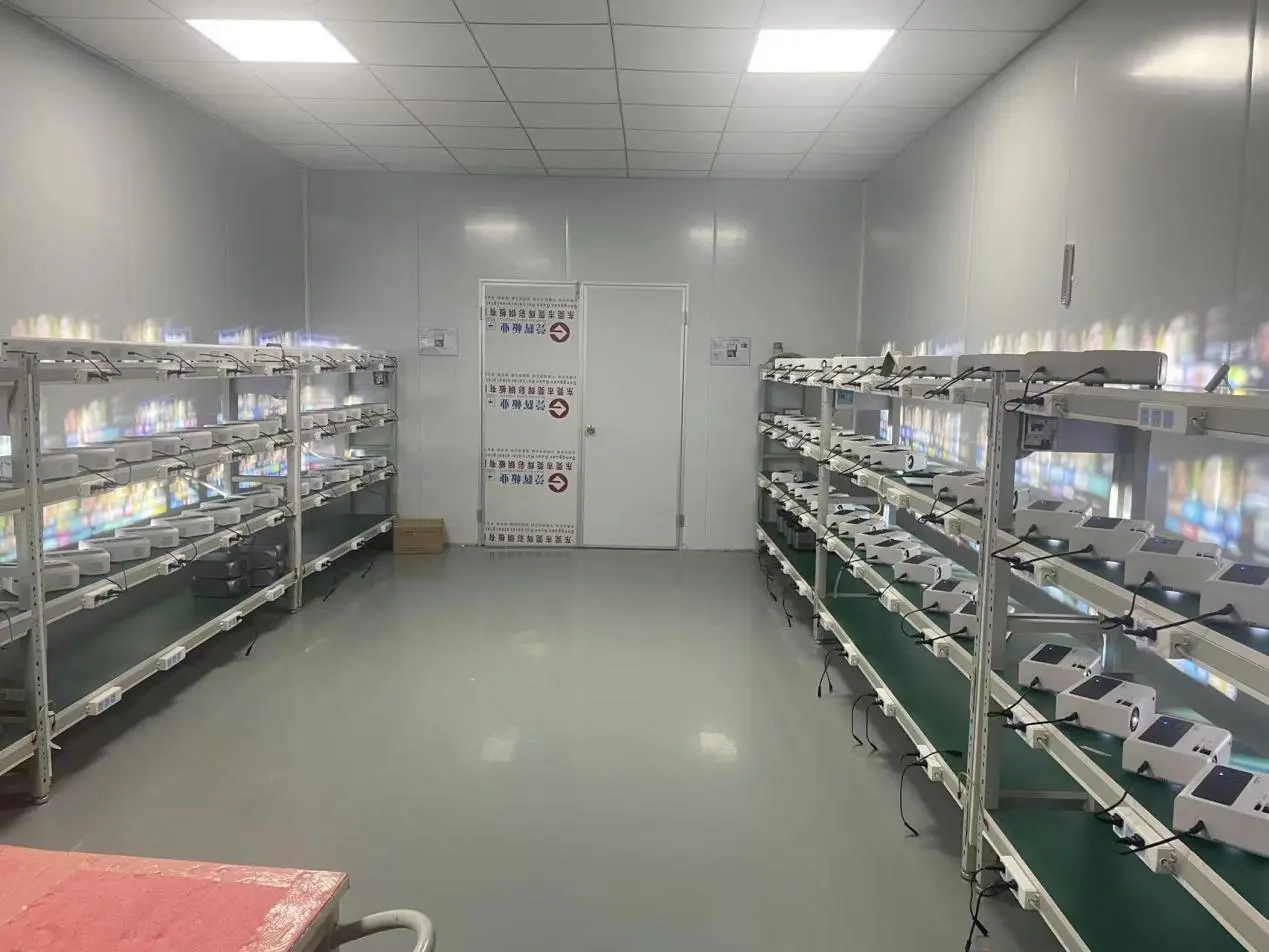
Covering an area of 4,000 square meters. The factory is equipped with production, injection molding, assembly, and testing workshops with large volume. After the recent large-scale adjustment and screening, there are about more than 100 qualified assembly workers who are reasonably distributed in different departments, all with good professional & ethical quality. Modern workshop for production and assembly uses advanced manufacturing equipment, CNC machines, and high-end test instruments. Based on 5S standards, dust-free workshops are available for every product unit, with a monthly production and assembly capacity up to 50,000 units.
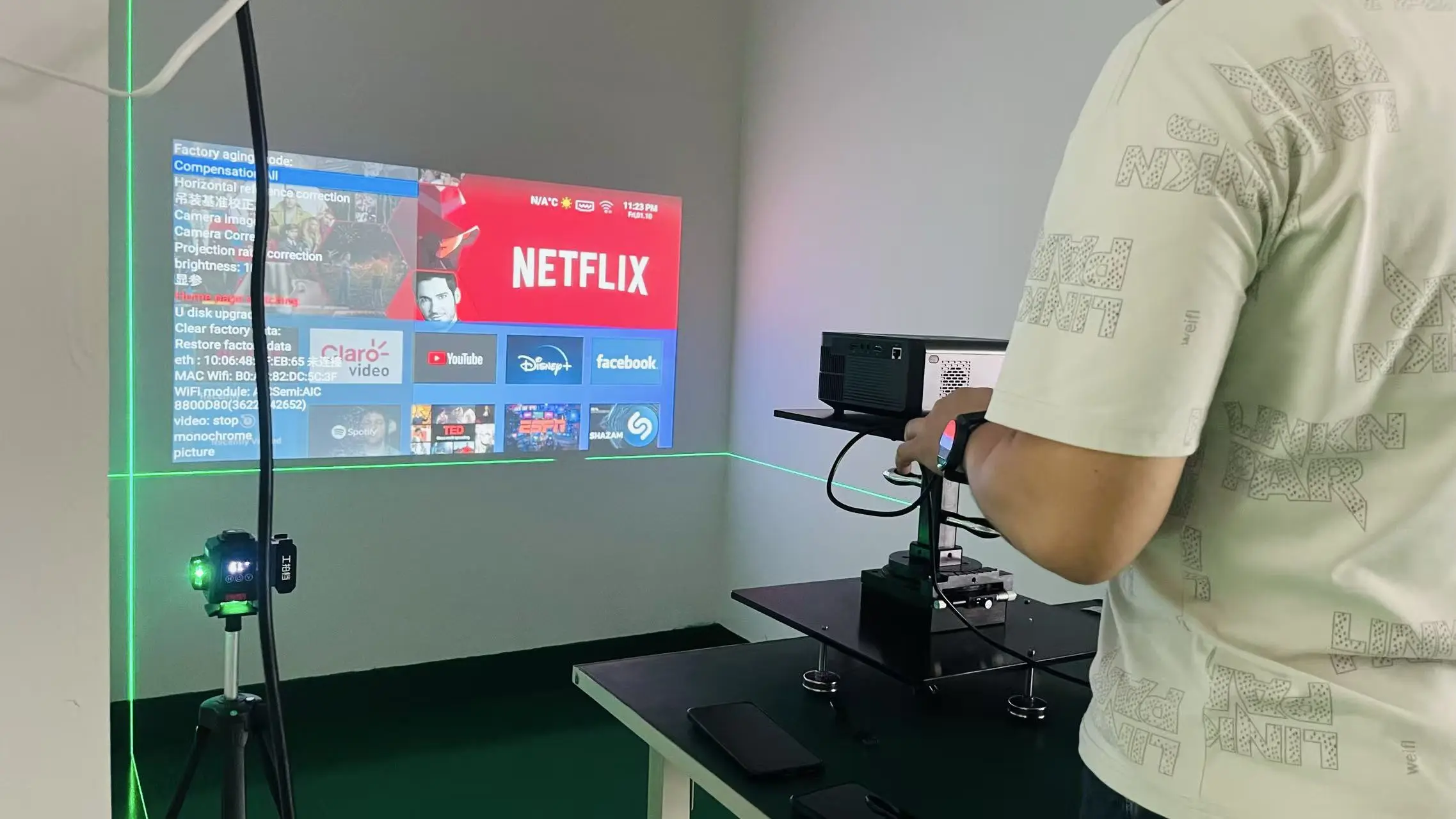
In order to ensure the performance of each machine and control the after-sale defect rate for customers, we have equipped two groups of test rooms, a total of 12 test rooms. Professional and senior quality inspectors test incoming materials, conduct the first inspection after assembly, and run sample inspections before shipment.
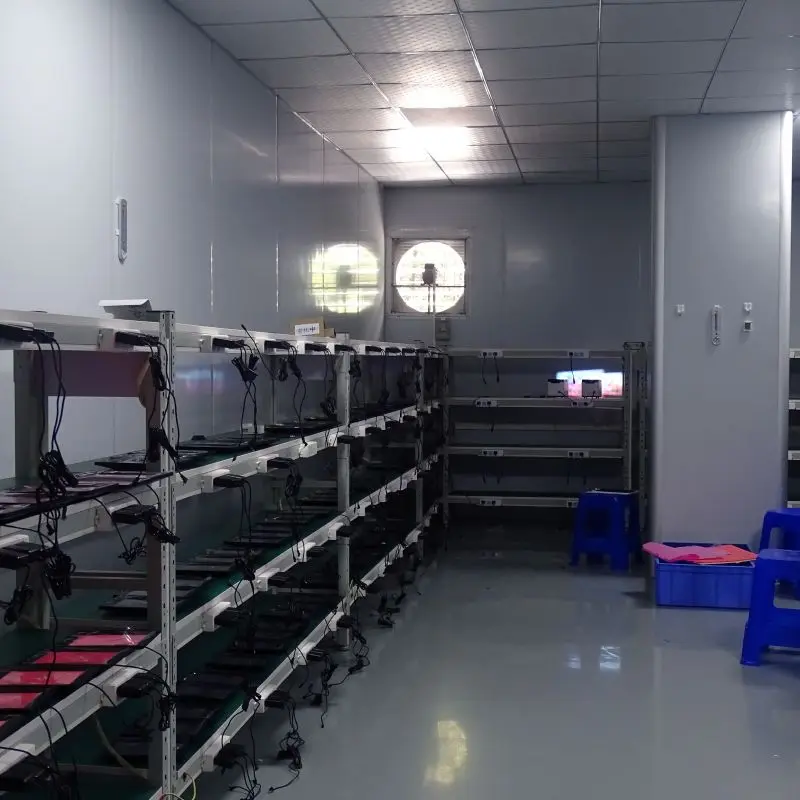
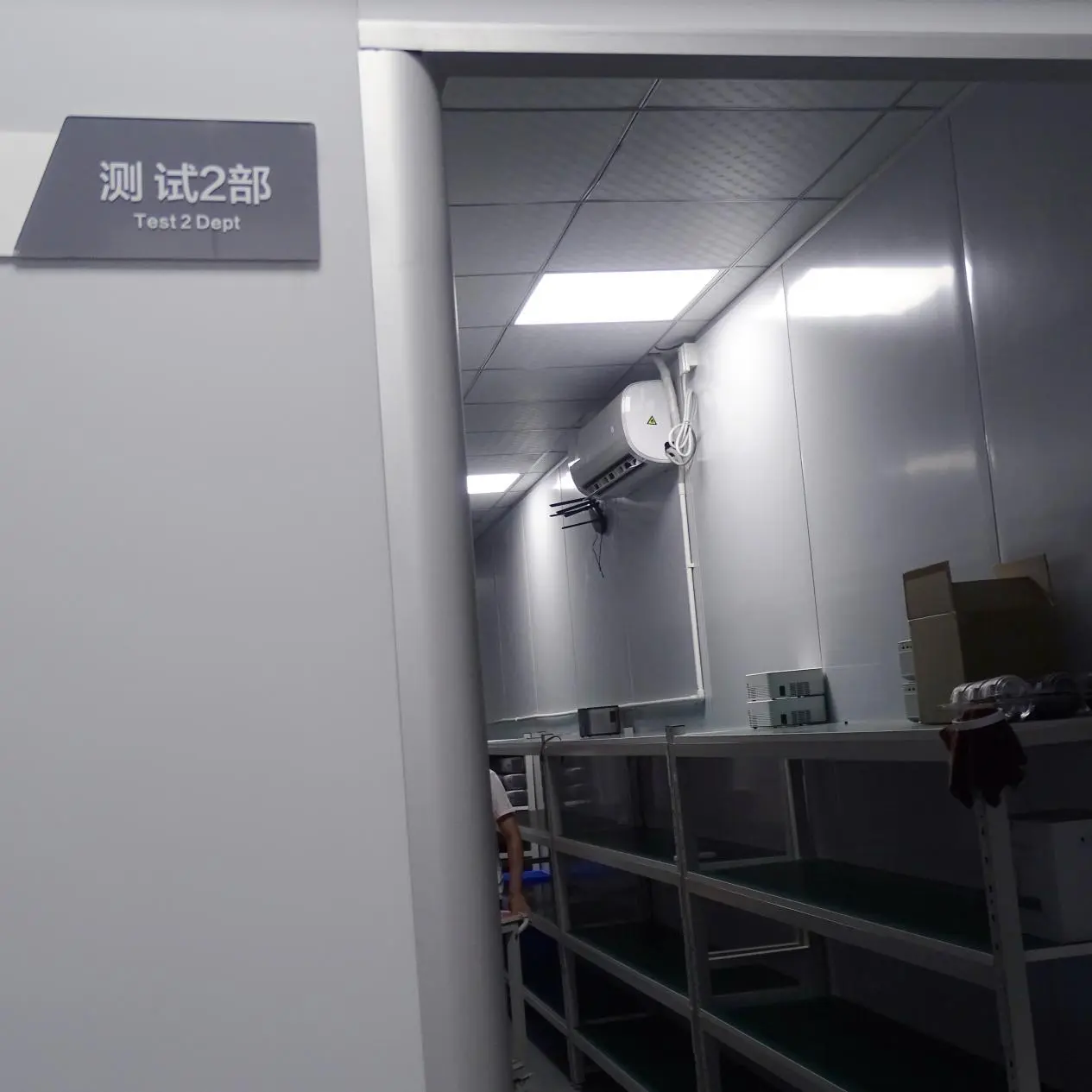
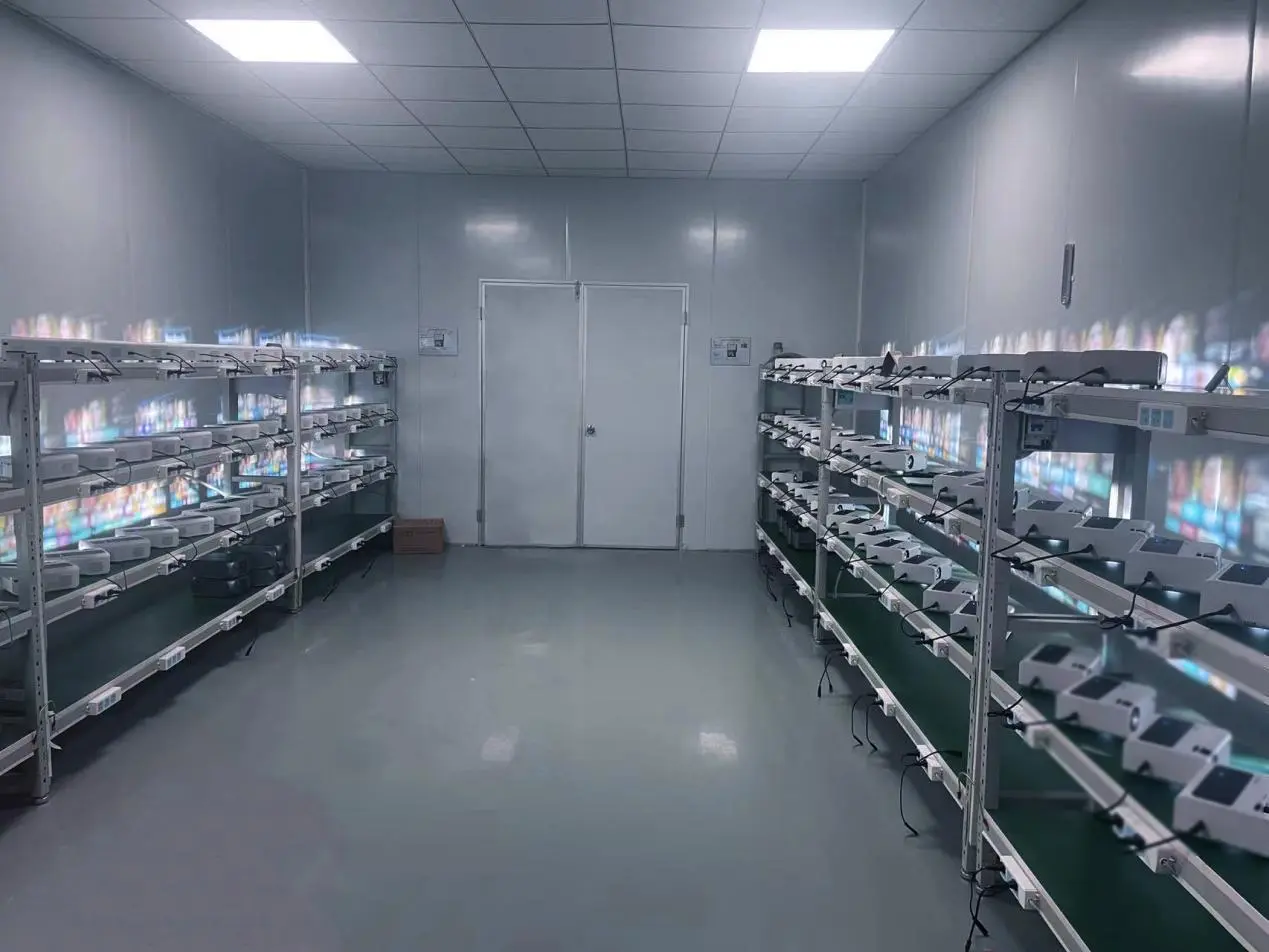
The aging test room is located next to the functional test room to improve efficiency and reduce errors. It allows at least 200 machines to run aging tests simultaneously. We test continuous optical load, voltage variance, and heat-sink performance over continuous 48-to-72 hour cycles.
Our finished products warehouse covers a 300 square meters area right next to the packaging line, minimizing transit handling. Anti-static storage racking, dehumidification units, and clean layout rules maintain stock safety prior to shipment.
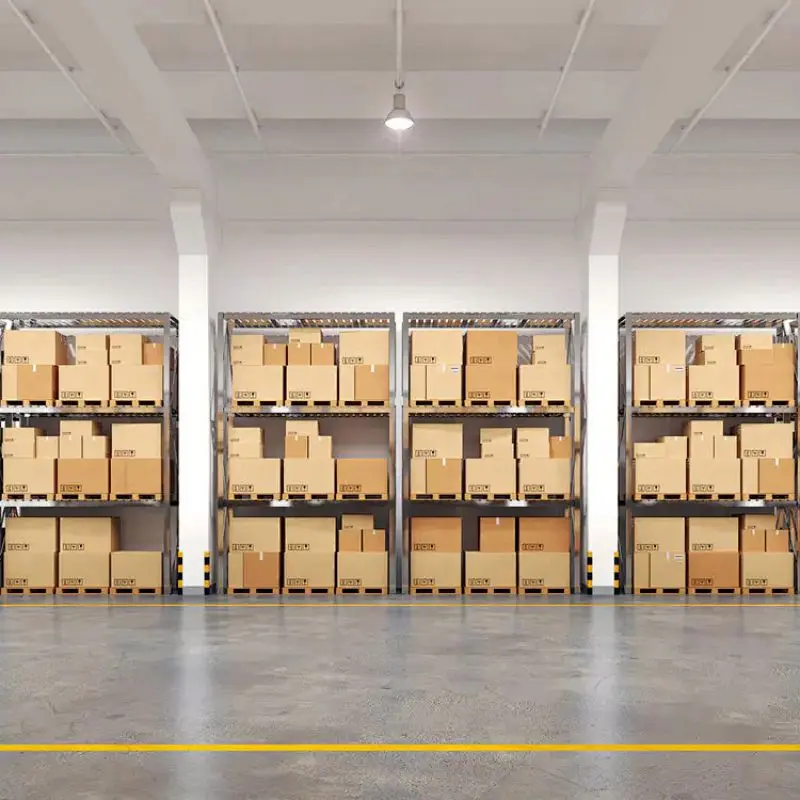
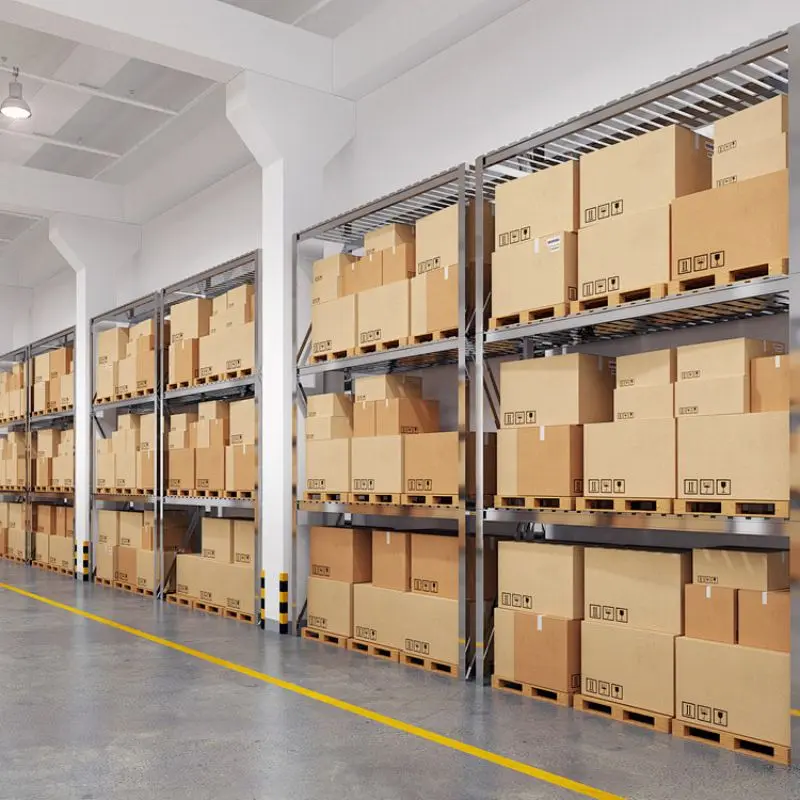
Connecting high-speed production capacity directly with international bulk shipment networks.
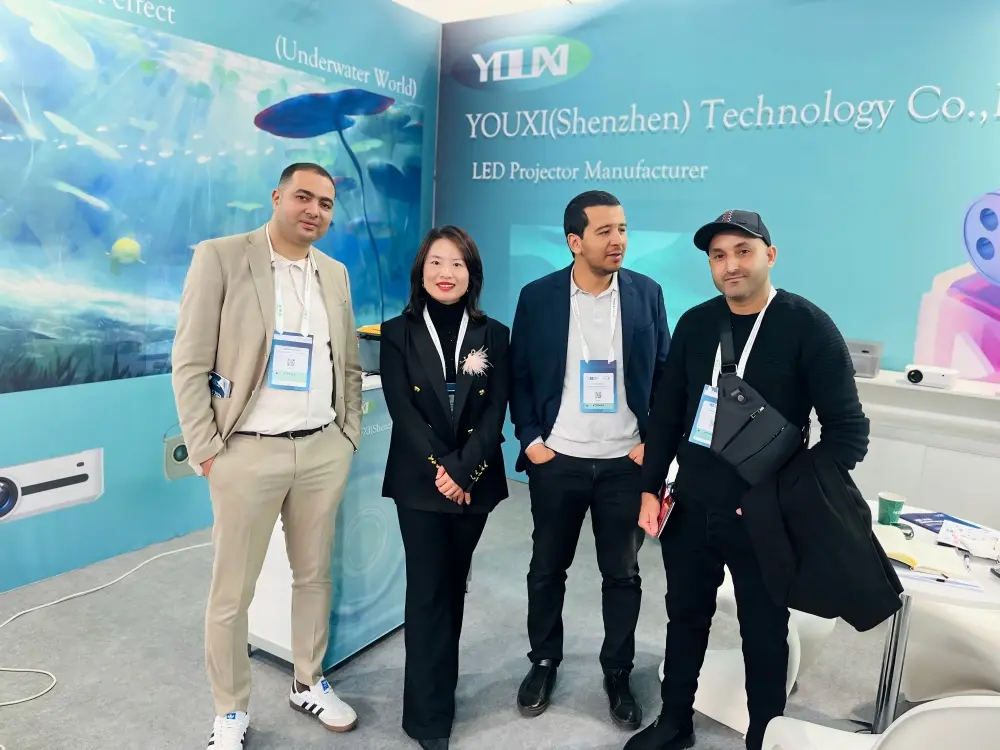

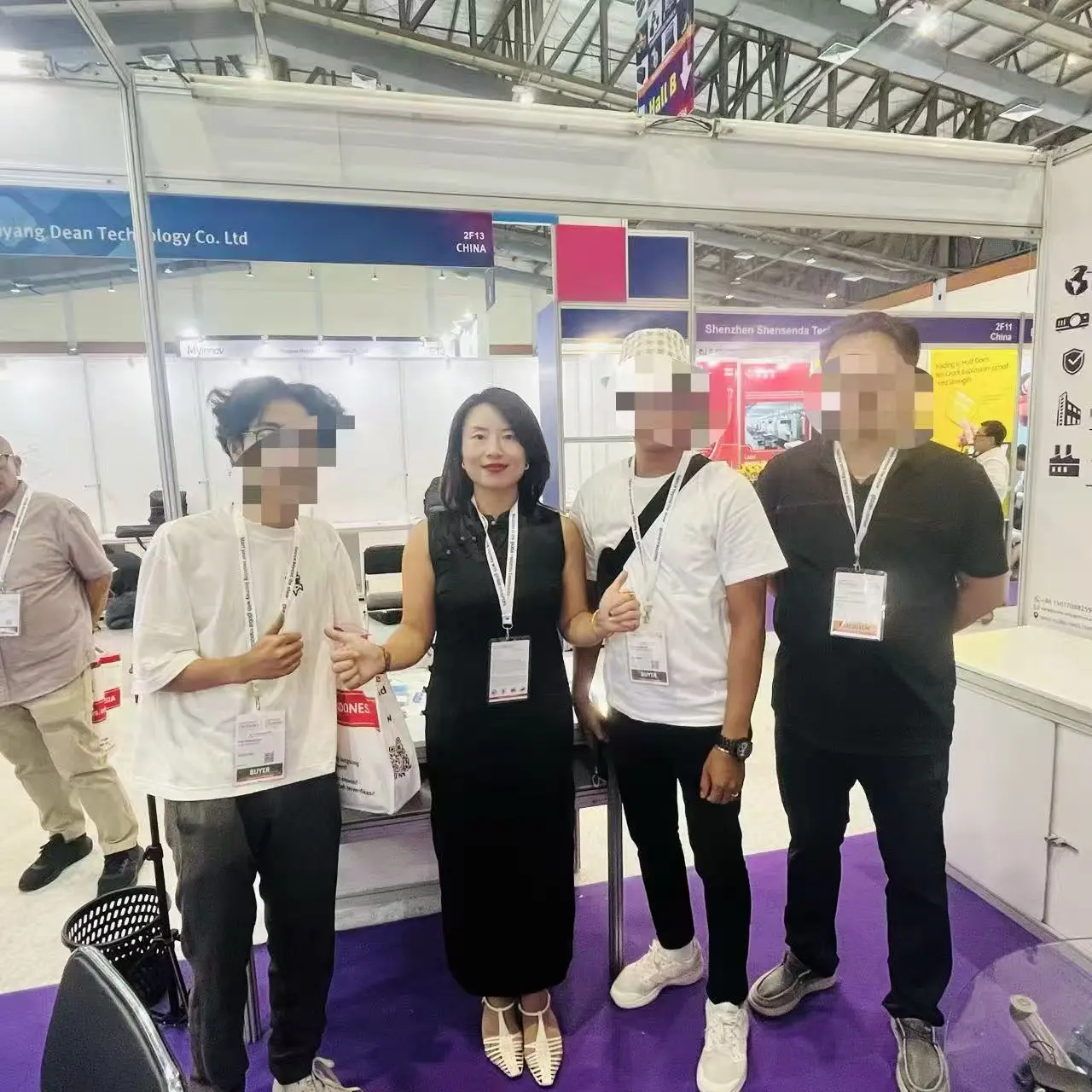
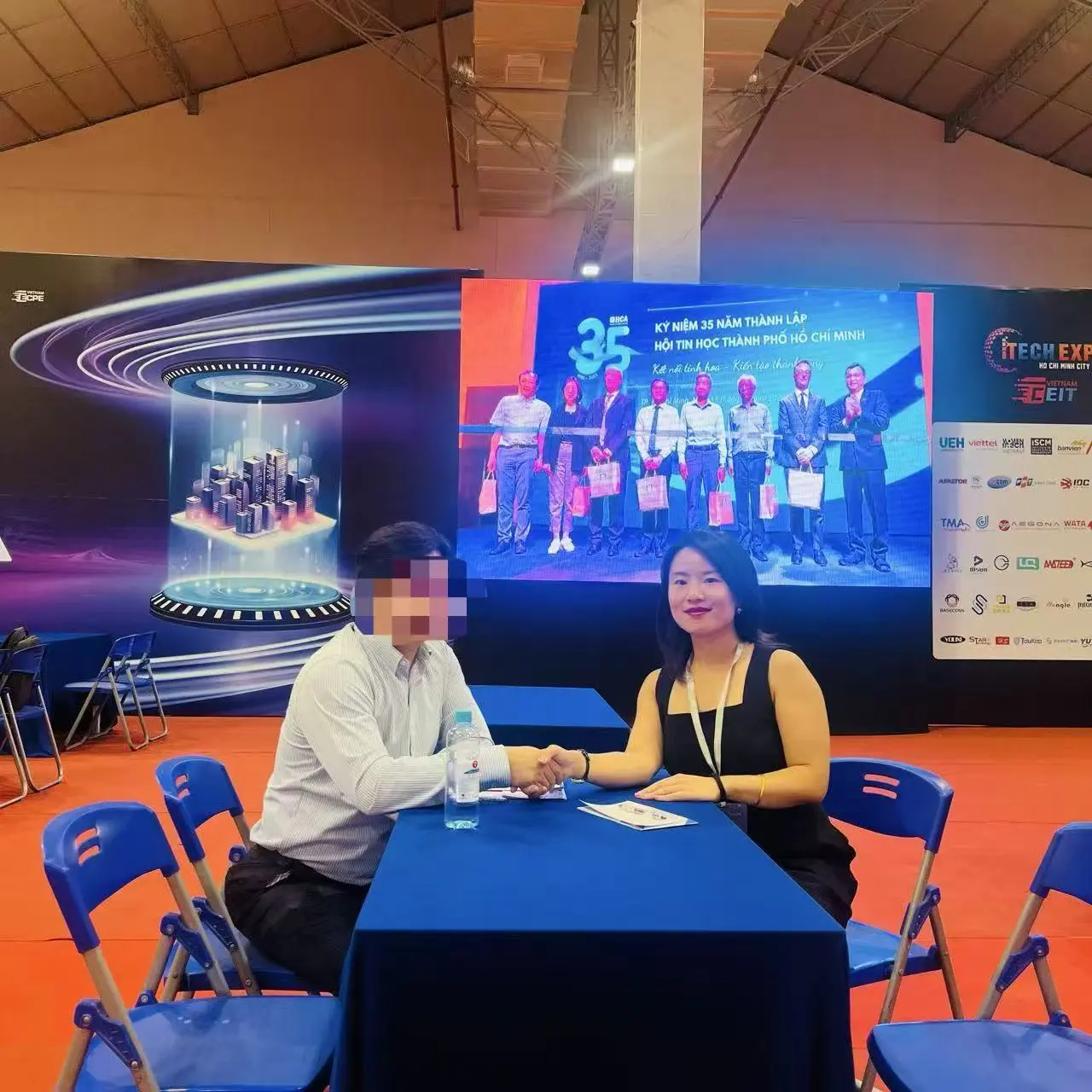
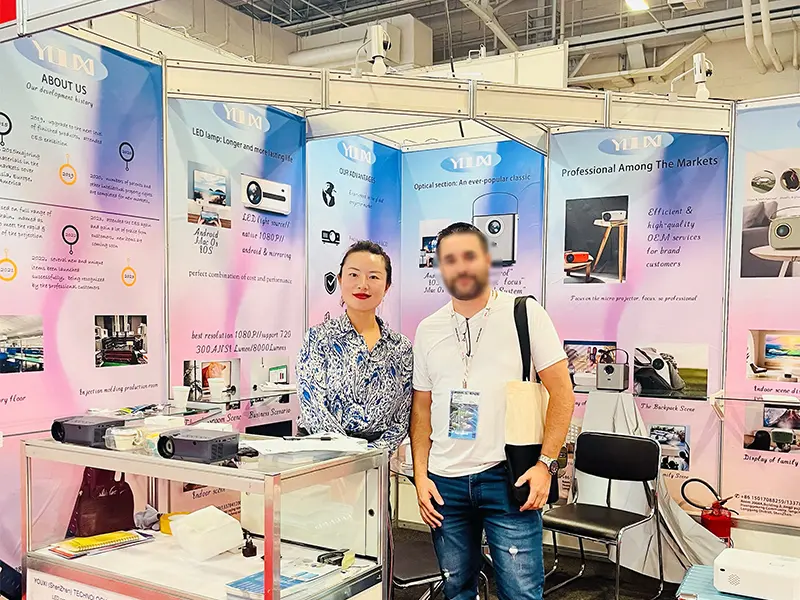
Understanding cost elements, trade structures, and OEM/ODM customizable attributes for commercial buyers.
Determining a projector's unit price depends on configuration details rather than resolution alone. For 4K 120Hz units, pricing is primarily driven by three cost factors:
Standard unbranded orders require a low entry MOQ of 100 units, allowing distributors to run test markets. Full ODM customization, which includes custom chassis molds, localized language firmware, custom brand silk-screening, and bespoke retail boxes, requires a minimum order of 500 to 1,000 units depending on the optical system's complexity.
Modification of throw ratios (ultra-short throw 0.23:1 vs. standard throw 1.2:1), manual or motorized focus control, lens shift mechanisms, and custom optical coating filters.
Integration of custom boot logos, preloaded APK application suites, specialized launcher UI layouts, and regional localization packages.
Adding extra HDMI 2.1 eARC ports, custom RS232 connections for control panels, digital optical audio outputs (SPDIF), and customized RJ45 ethernet configurations.
A technical preview of coming shifts in high-refresh projection engineering between 2025 and 2030.
Standardizing cost-reduced RGB laser configurations to achieve 107% BT.2020 color gamut width. Implementing local neural processing units (NPUs) within the optical board to dynamically upscale legacy 1080P/60Hz video sources to 4K 120Hz output in real time.
Upgrading network cards to Wi-Fi 7, facilitating lag-free wireless transmission of uncompressed 4K signals. Implementing frame-doubling technologies that support 1080P resolutions running at 240Hz refresh rates with input latency dropping below 3 milliseconds.
Eliminating internal dust build-up entirely by sealing the optical system and cooling it with internal liquid-coolant loops. This design extends the lifespan of high-refresh, high-brightness projection units to 50,000 operational hours while maintaining low noise levels.
Expert answers on performance, manufacturing, and global trade compliance.
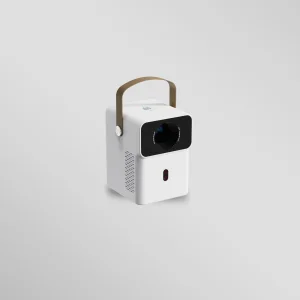
Additional high-performance projection architectures suited for outdoor, home theater, and educational installations.
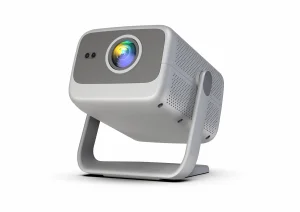
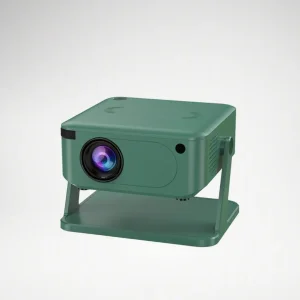
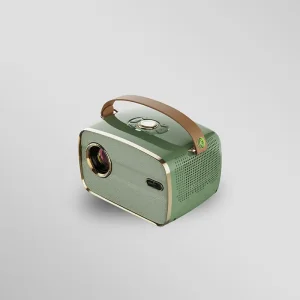
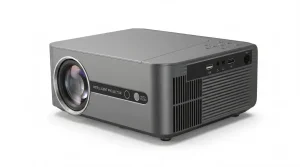
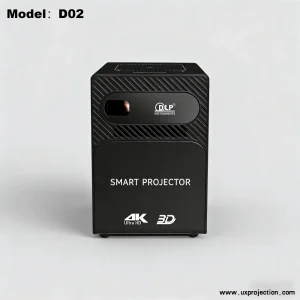
Our technical engineers and international sales specialists are available to guide you through raw component selection, cost breakdowns, and final shipping logistics. Contact us today to receive a detailed cost quote for your procurement project.
 Youxi projection