Premium projection display units engineered under class-10,000 dust-free cleanrooms, minimizing display noise and optical anomalies.
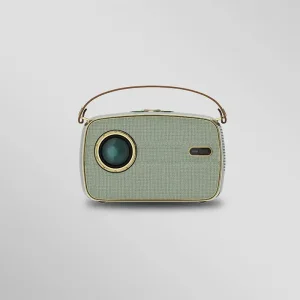
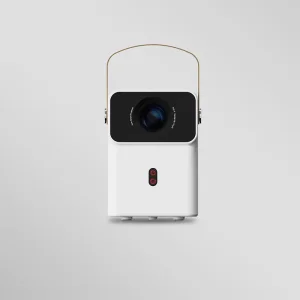
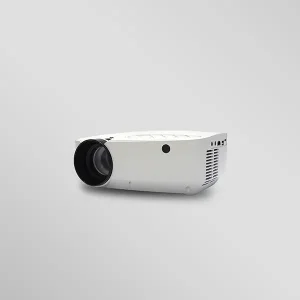
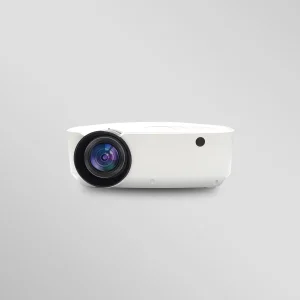
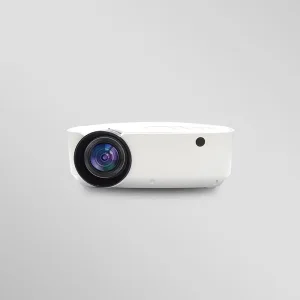
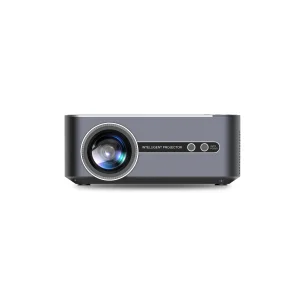
For buyers, custom-integrators, and distributors of commercial display systems, encountering **black dots on a projector screen** represents a critical failure in optical projection fidelity. Often diagnosed incorrectly as simple surface dust, this phenomenon can be traced to two distinct sources: projection screen defect profiles and internal optical engine contamination.
When originating from the projector screen itself, black dots are micro-perforation errors, optical coating anomalies, or physical contaminants trapped in specialized ambient light rejecting (ALR) multi-layer substrates. When originating from the projector light source, it typically represents micro-mirror damage (dead mirrors) on a Digital Micromirror Device (DMD) chip or dust particles baked onto the internal liquid crystal display (LCD) panel due to poor thermal management and inadequate sealing.
As standard-definition projectors phase out, modern 4K and HDR display standards demand ultra-clean screen surfaces and dust-proof light path architectures to avoid distracting micro-blemishes. Leading factories are shifting from open-frame optical designs to IP5X-certified closed optical engines to eradicate this issue at the source.
Analyzing key trends shaping the distribution, procurement, and manufacture of projection systems worldwide.
Global manufacturers are shifting away from open-concept optical paths. By sealing light source optics, dust ingress is eliminated, preventing the optical shadowing that creates black dots on projection screens.
ALR screens utilize complex linear micro-structures. Even minor manufacturing particles (less than 0.1mm) can disrupt these structures, making black dot verification critical during screen fabrication QC.
DMD and LCD panels operating under heavy light sources generate extreme heat. If cooling is inefficient, mirror sticking occurs on DMD chips, resulting in permanent dead black pixels on screen.

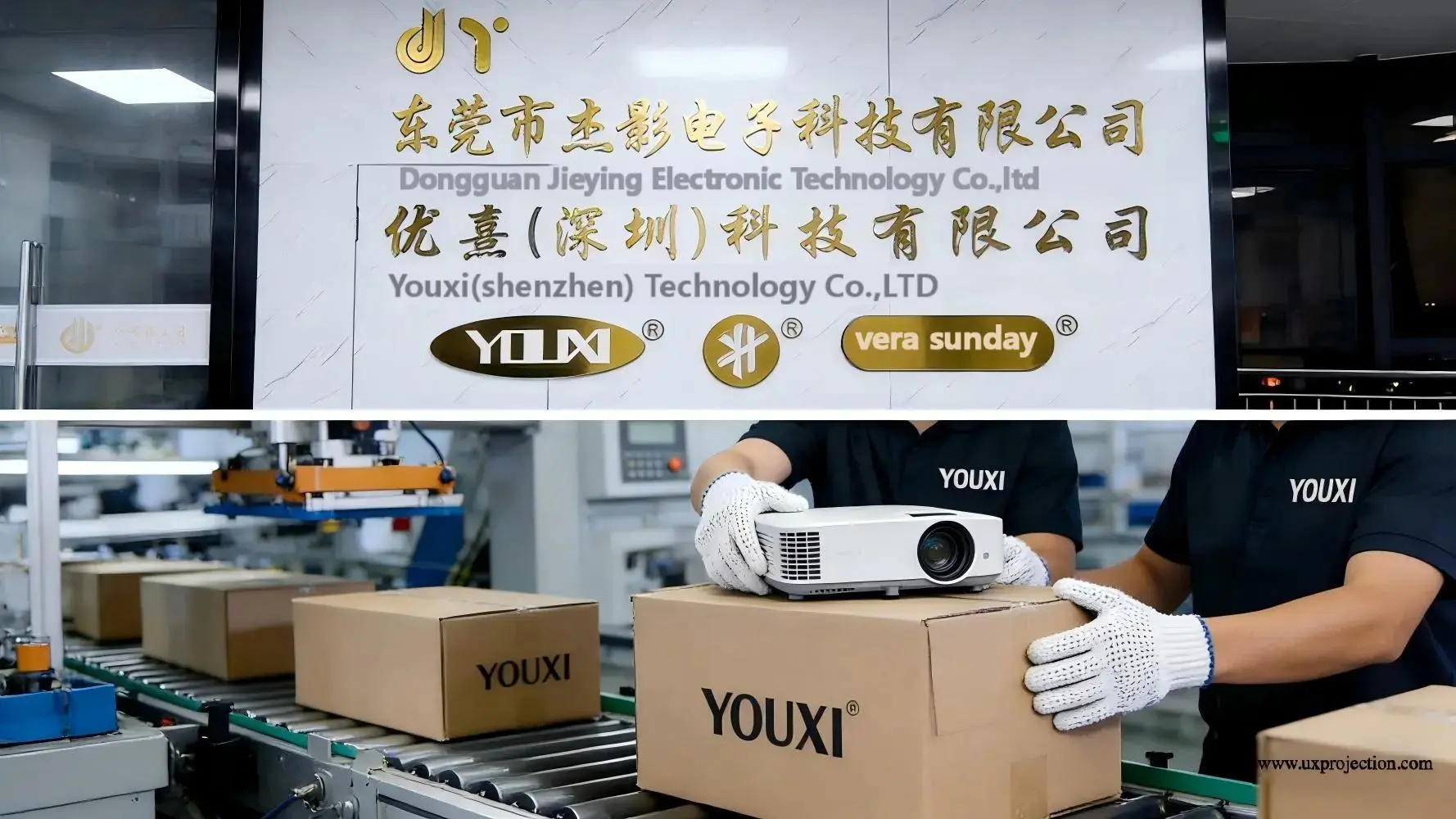
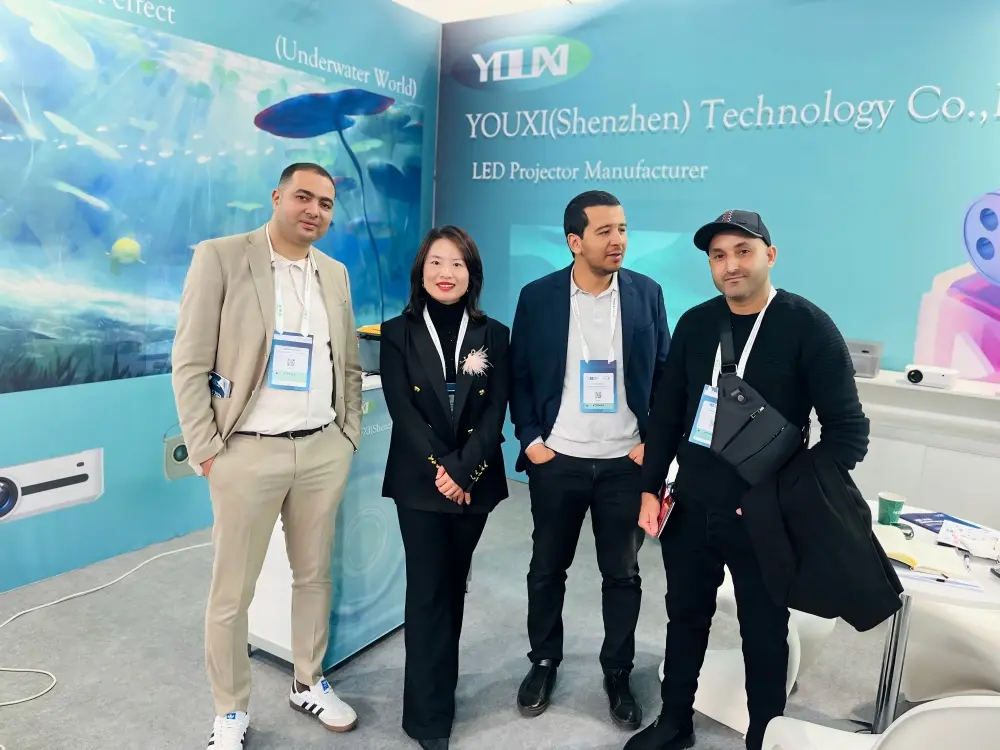
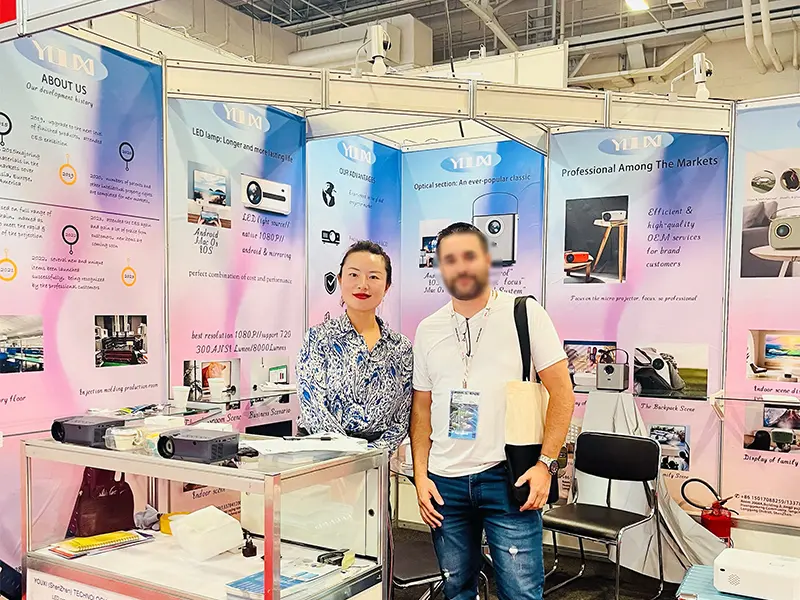
Founded in April 2021, Youxi specializes in the research and development, manufacturing, and integration of intelligent projection systems and wearable smart devices. Our company maintains end-to-end capabilities across the product lifecycle—from R&D and precision assembly to quality assurance—ensuring full compliance with international standards at every stage, from raw material procurement to finished product delivery. Committed to sustainable operations, Youxi integrates energy-efficient design, eco-conscious material selection, and waste-reduction practices into our business model, contributing meaningfully to green manufacturing initiatives.
Headquartered in Shenzhen—a leading innovation hub in Southern China—the company benefits from strategic proximity to the Hong Kong Port, with a travel time of approximately 40 minutes. To support scalable production, Youxi operates a dedicated assembly facility spanning approximately 1,000 square meters in Fenggang Town, Dongguan City (a 25-minute drive from headquarters). Which currently employs around 100 professionals and maintains a monthly production capacity exceeding 30,000 units. Its robust quality management system, certified supply chain, and vertically integrated operational framework ensure consistent product reliability and timely delivery.
Youxi offers comprehensive service solutions, including branded product development, OEM/ODM customization, and material-specified manufacturing (MSM). We also actively pursue strategic partnerships through authorized distribution and joint venture models.
How state-of-the-art factories eliminate optical path impurities and chip failures.
Integrating high-resolution optical cameras on the assembly line to automatically scan screen surfaces and active matrices for black dot deviations under 50 microns.
By keeping cooling airflow strictly isolated from the imaging engine, dust particles cannot settle on LCD screens or optomechanical components, preventing dark spots from developing over time.
Employing nanostructured passivation layers on micro-mirrors to reduce physical wear, avoiding mirror hinge failure that translates to stuck/black dots on screens.
A detailed look into Youxi's production, assembly, and testing facilities engineered for maximum optical reliability.
The mold and injection molding workshop is located next to our factory, equipped with sophisticated digital machines above conventional market standards to ensure a good structural foundation for each product. High-quality molds ensure precise casing seal integrity, preventing external dust from leaking into the optical housing.
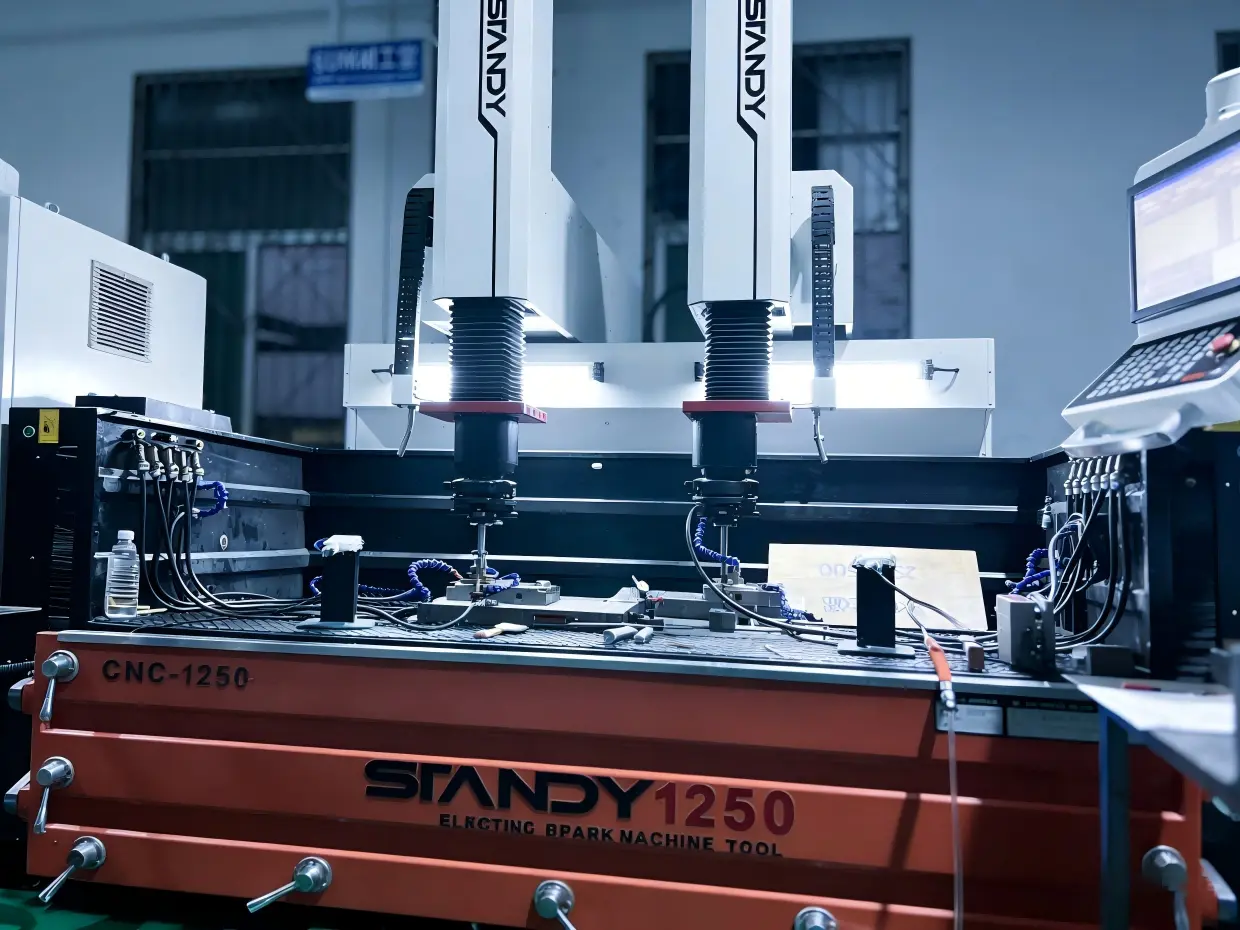
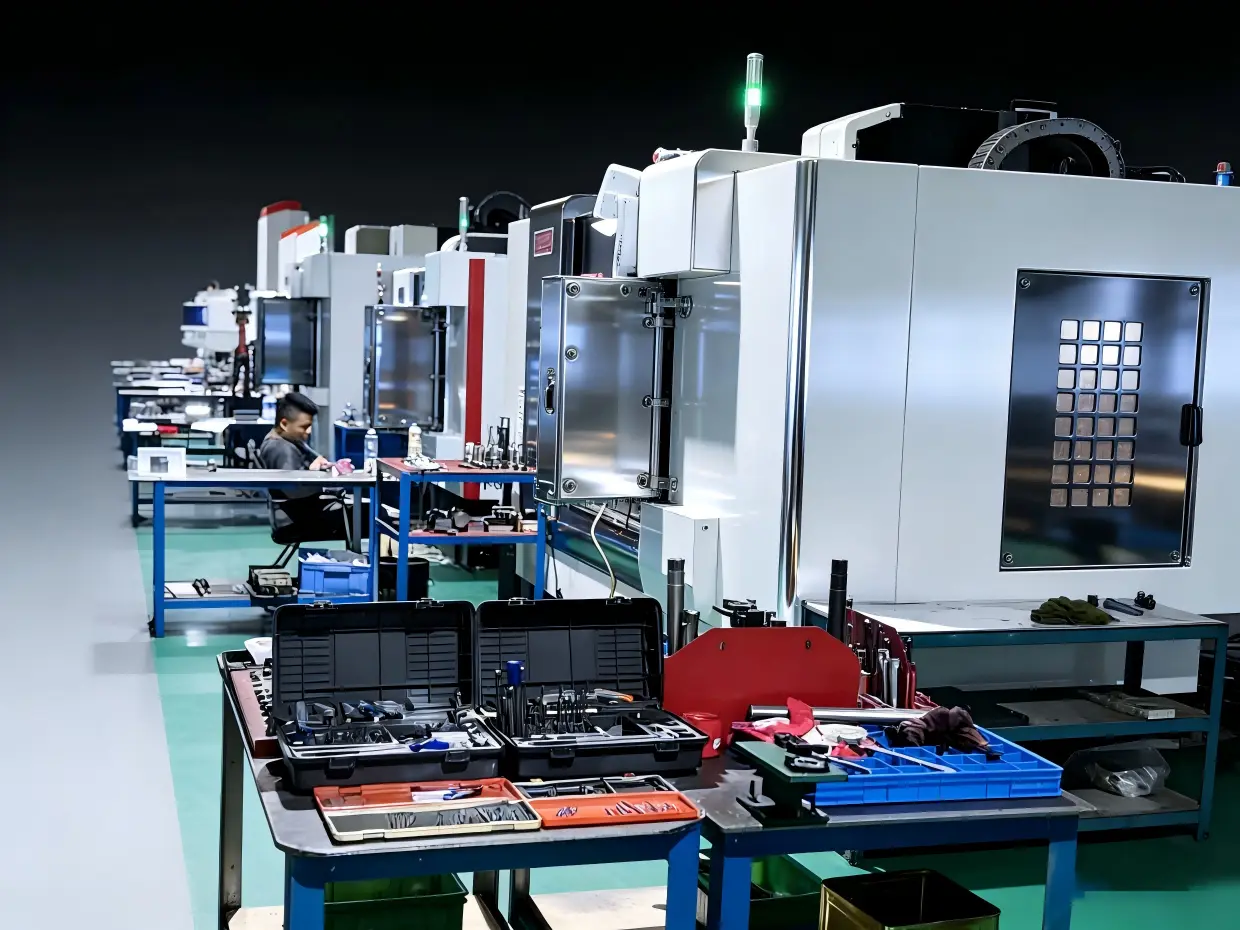
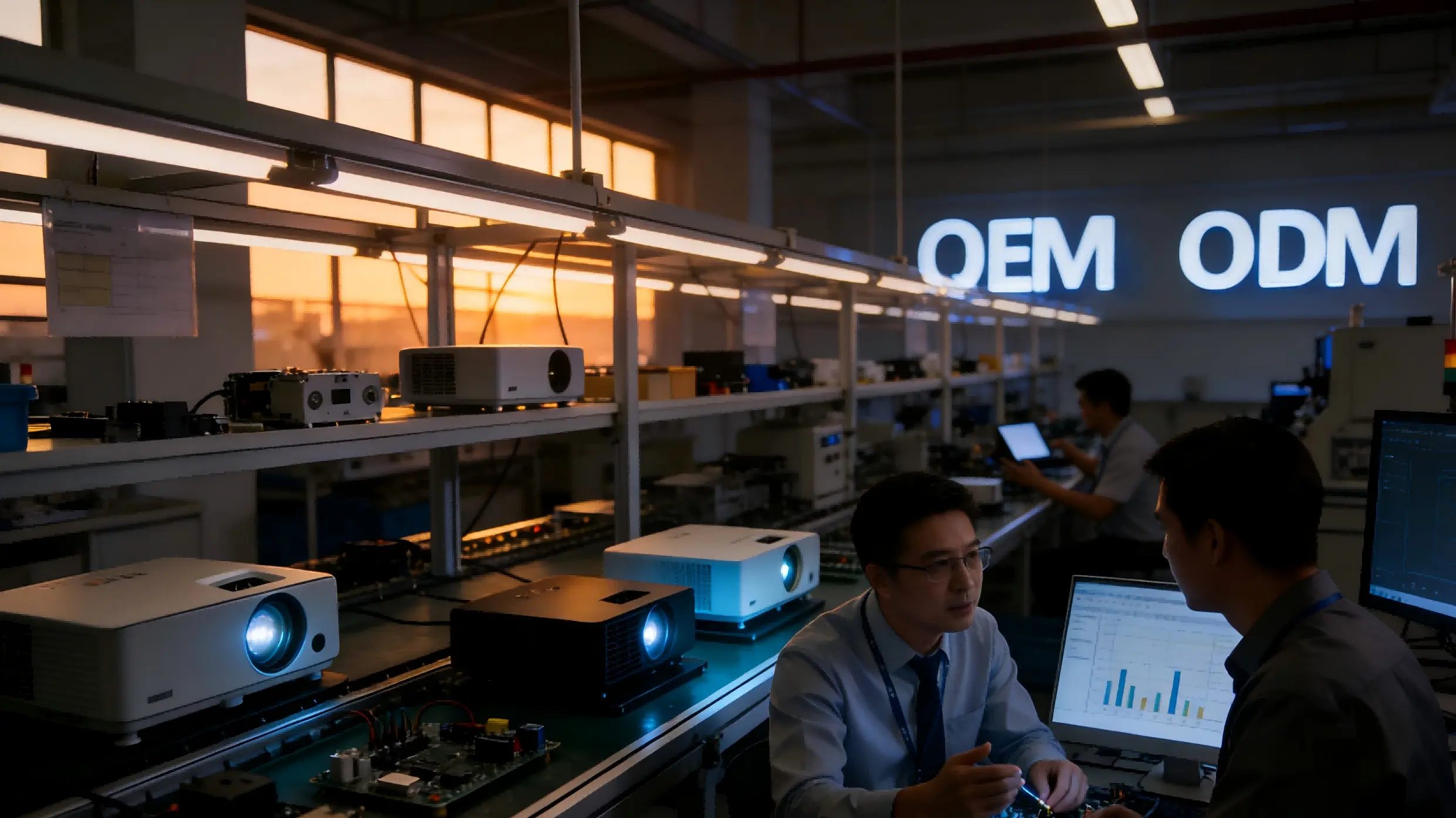
Covering an area of 4,000 square meters, the factory is equipped with production, injection molding, assembly, and testing workshops with large volume. After recent large-scale adjustments and screening, there are about more than 100 qualified assembly workers who are reasonably distributed in different departments, all with good professional & ethical quality.
Modern workshop for production and assembly: we introduce the most advanced manufacturing equipment, CNC machines, and high-end test instruments. In order to meet our clients' different requirements, we set the workshops based on 5S standard dust-free available for every unit of product. Our monthly production and assembly capacity is up to 50,000 units!
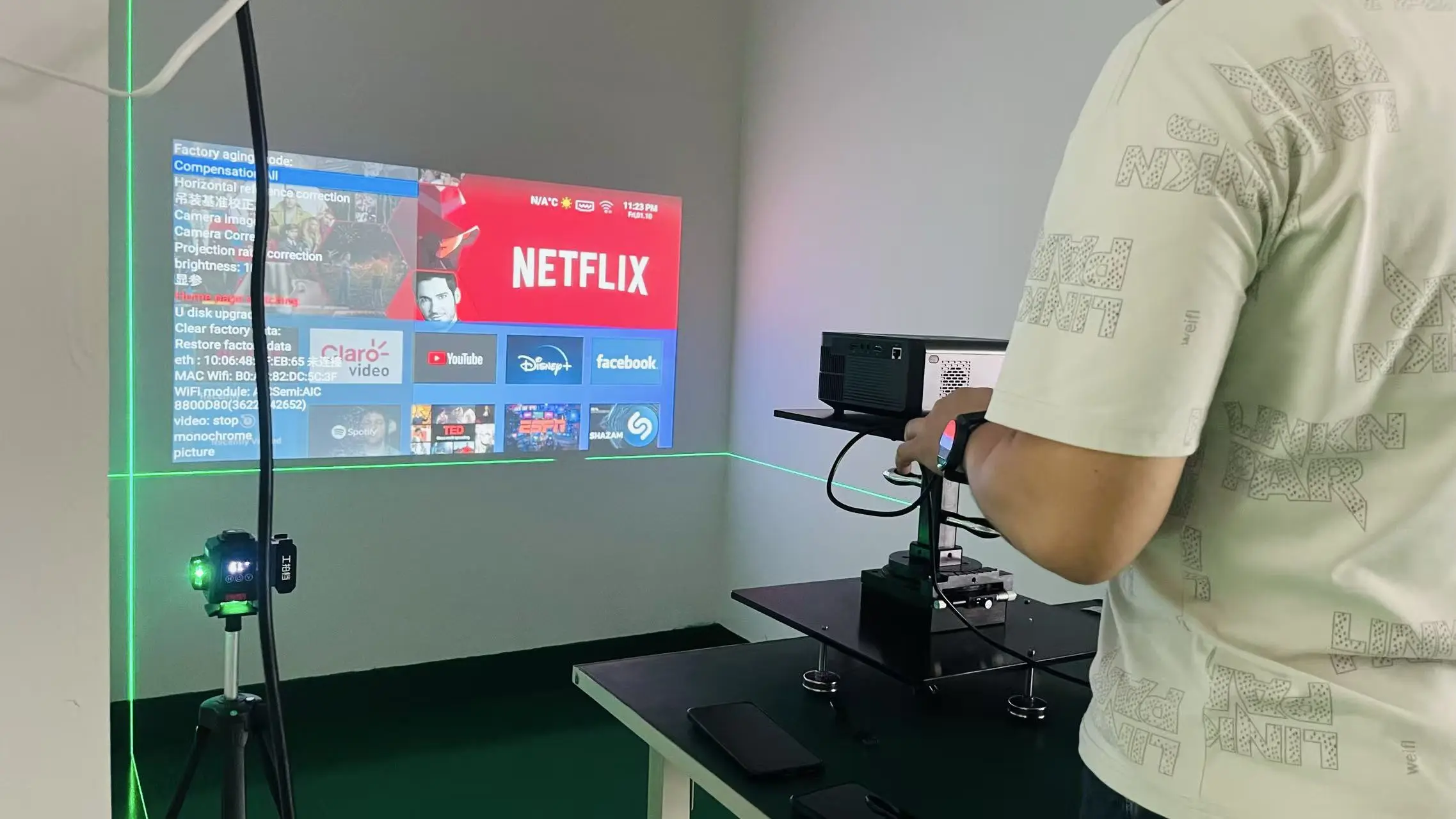
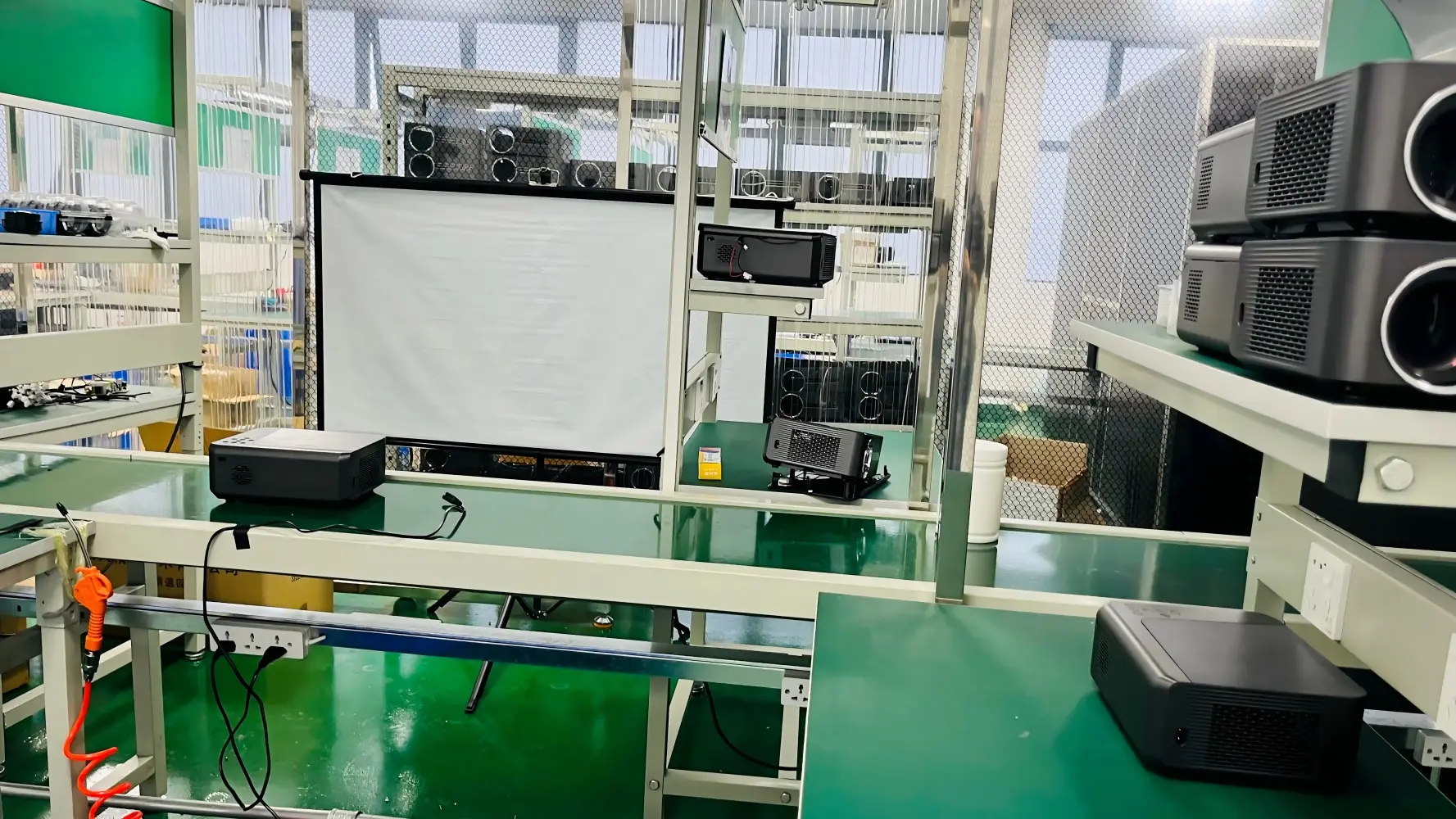
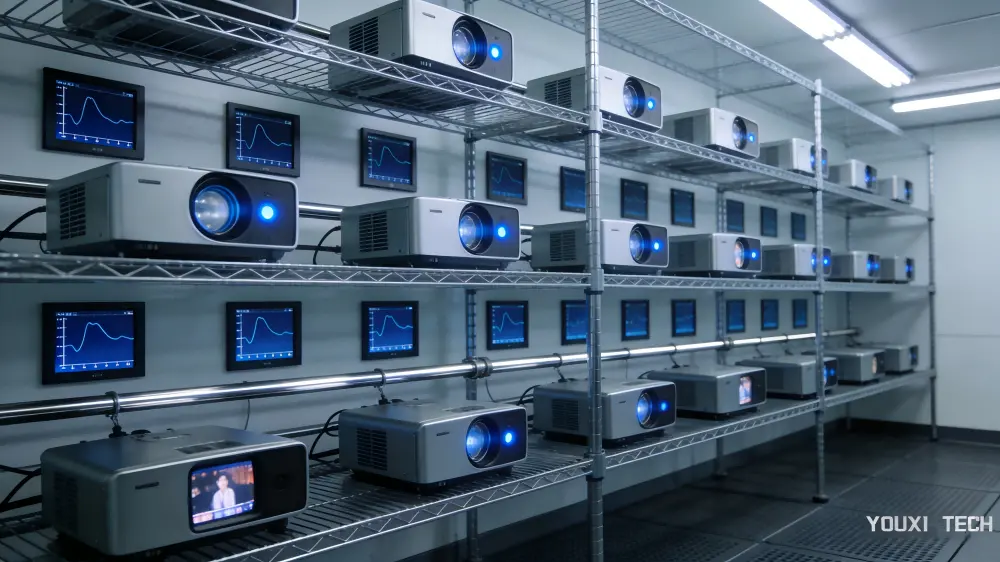
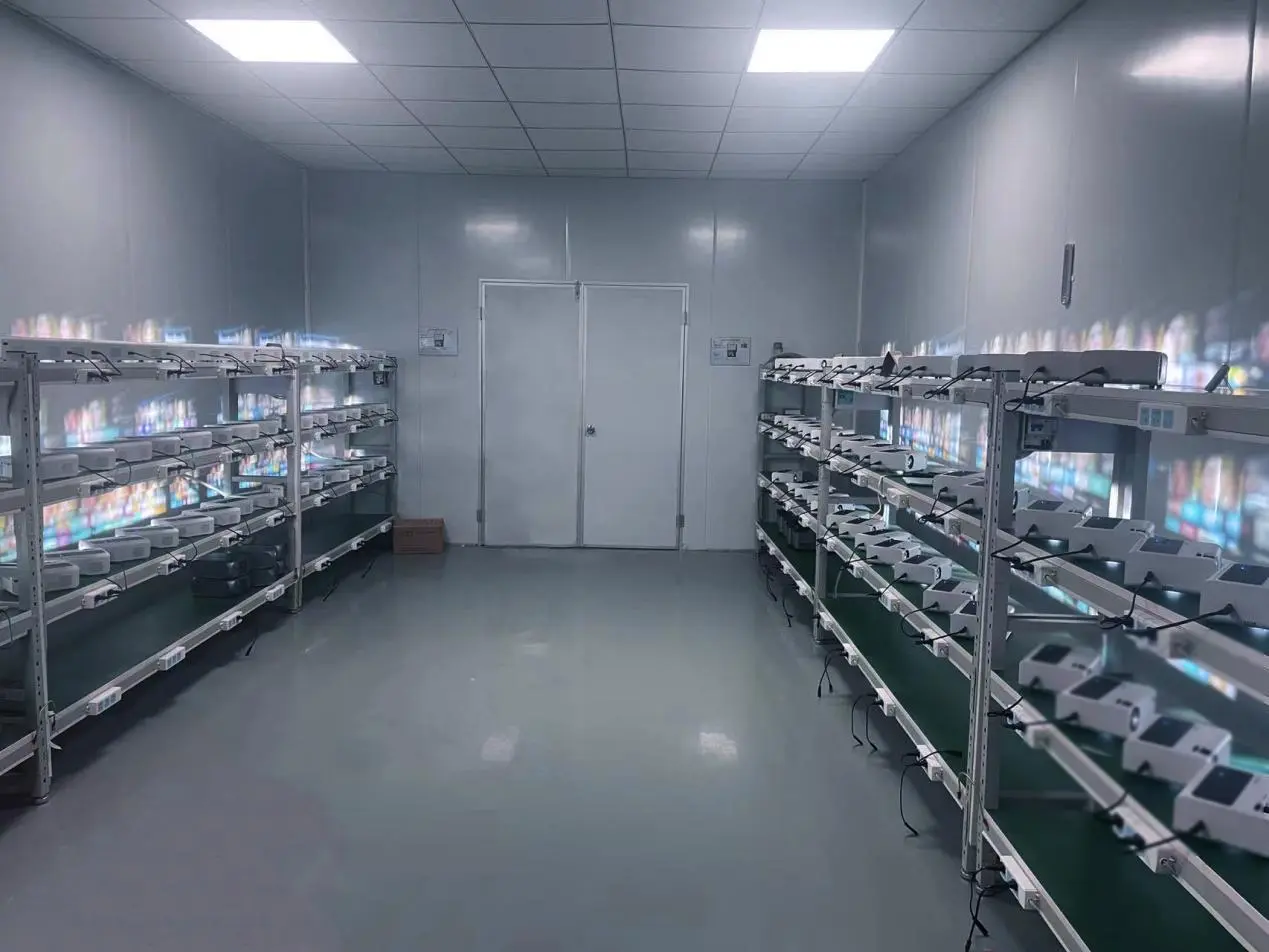
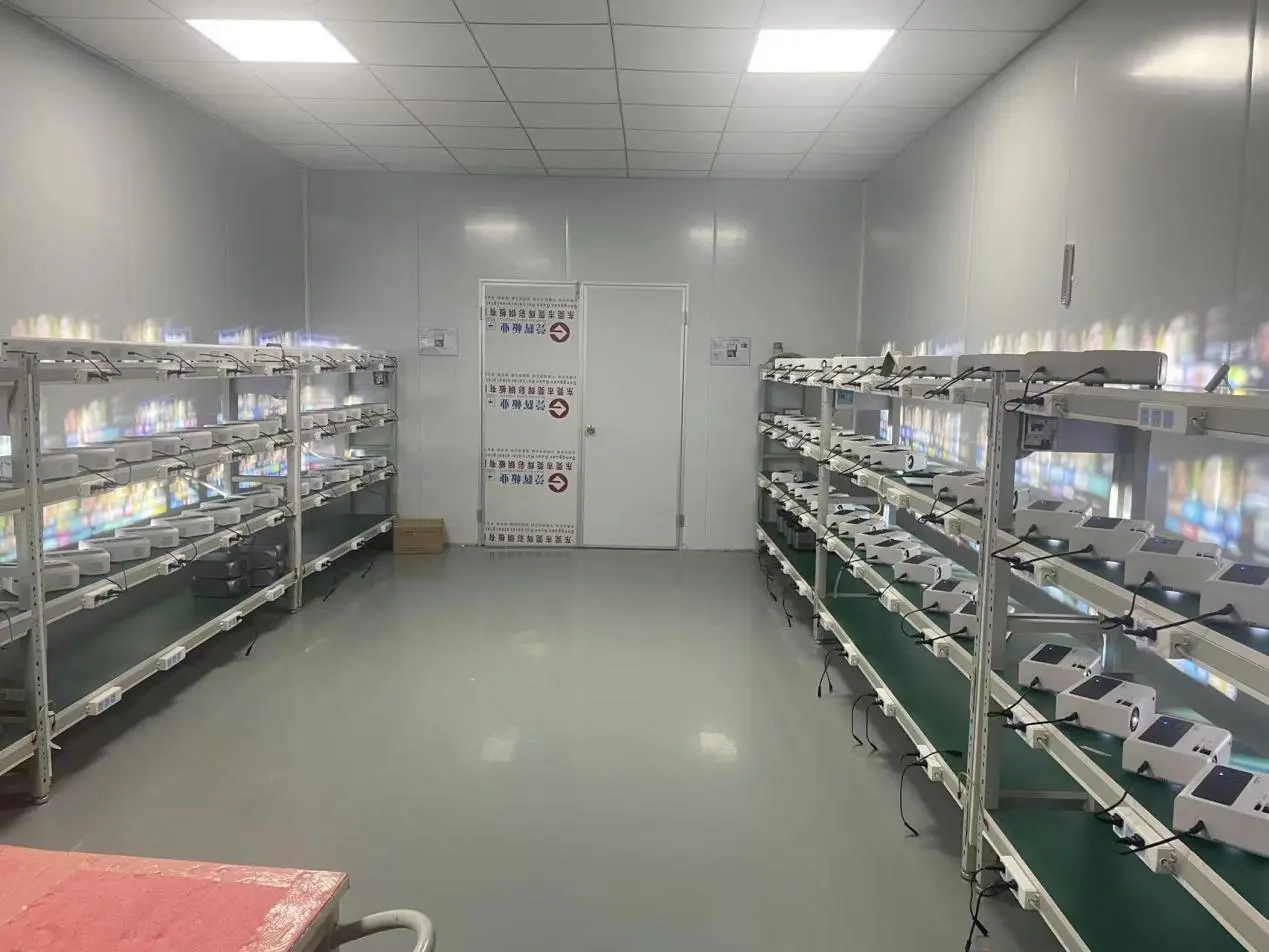
In order to ensure the performance of each machine and minimize the after-sale defect rate for customers, we have equipped two groups of test rooms (a total of 12 test rooms). Professional and senior quality inspectors test incoming materials, conduct the first inspection after finishing assembly, and perform sample inspection before shipment. Every display panel is checked on pure white screens to confirm no black dots or pixel discolorations are present.
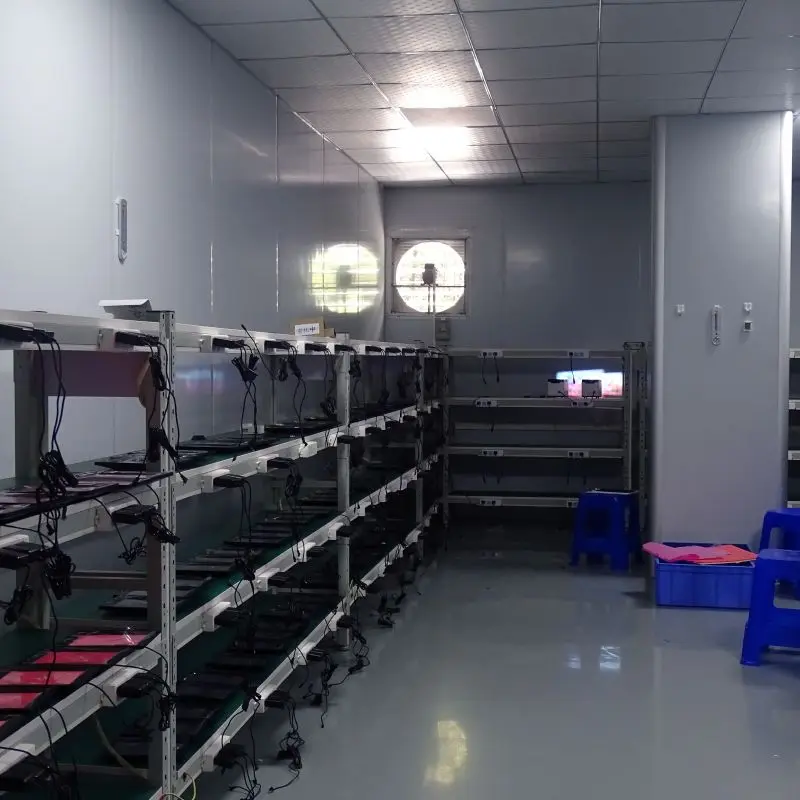
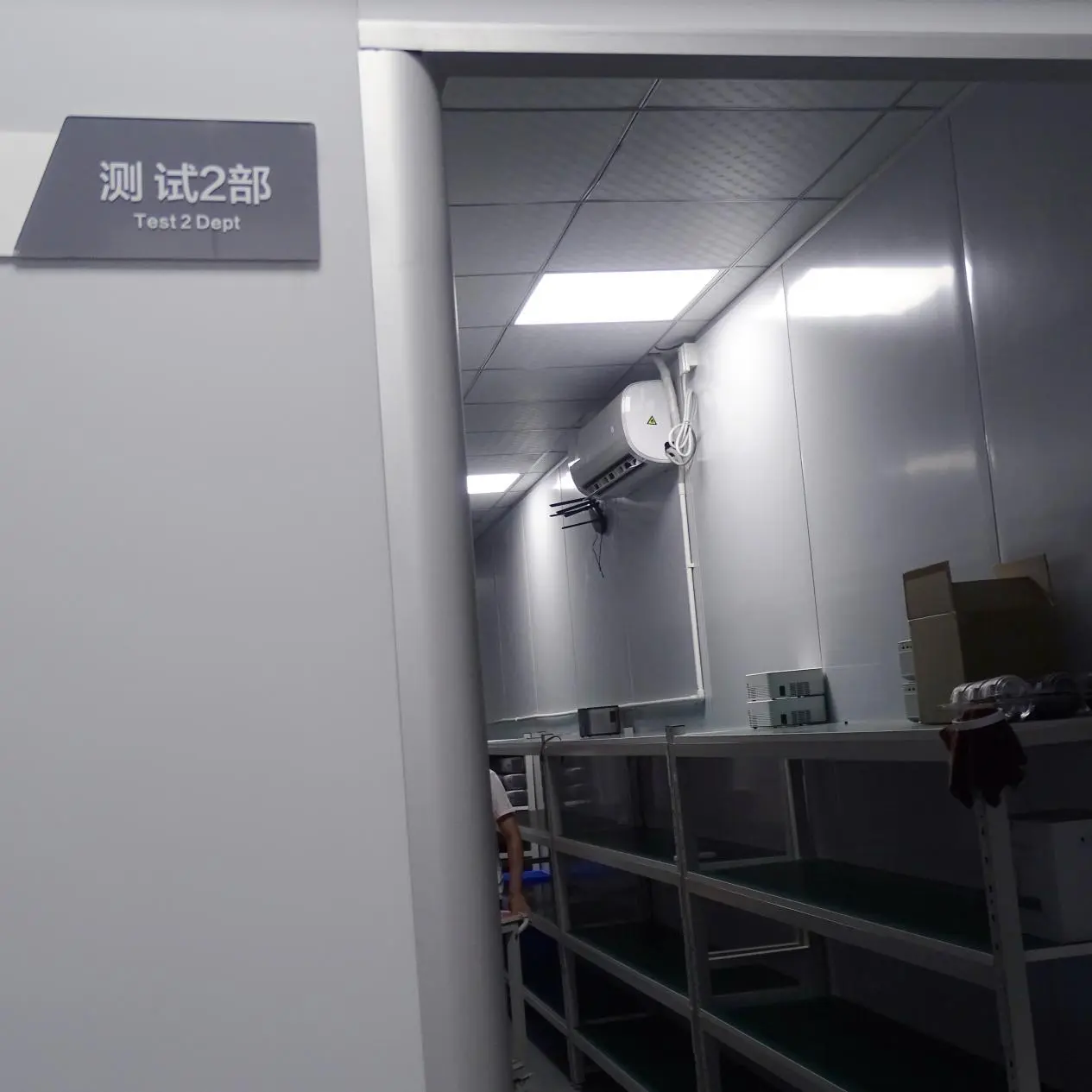
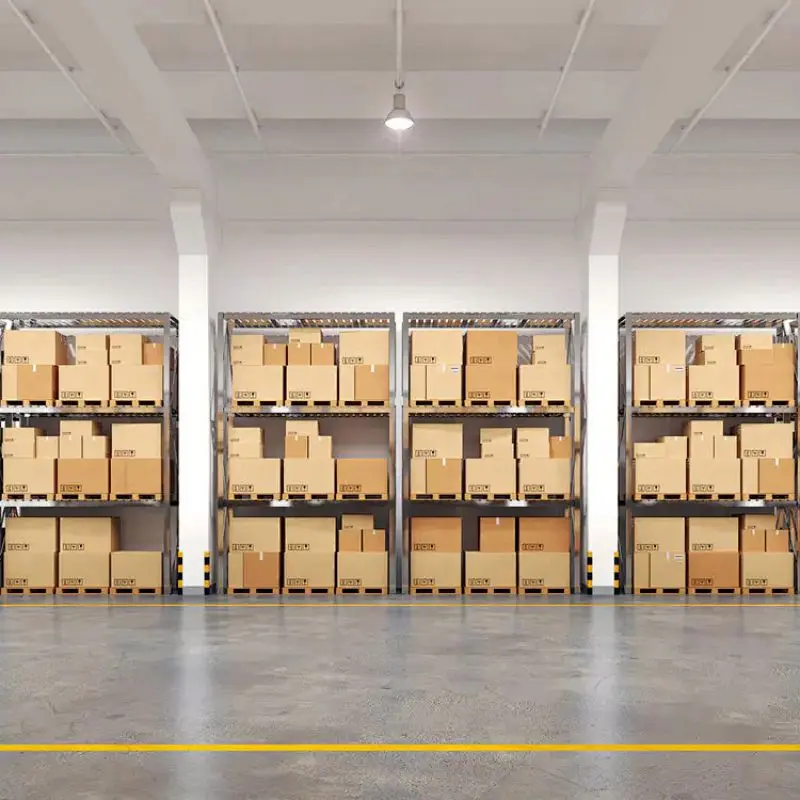
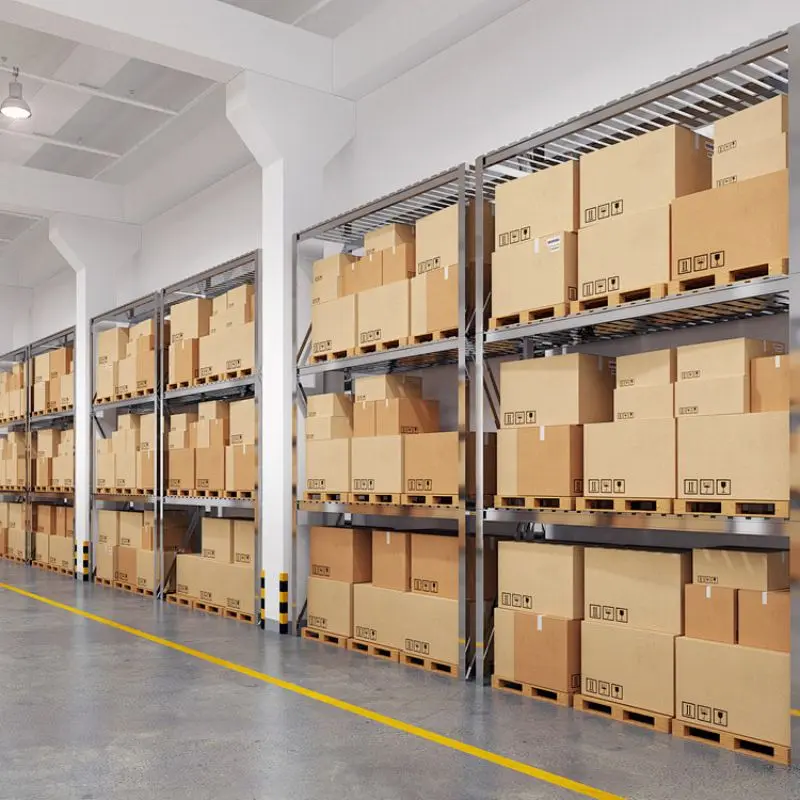
The aging test room is located next to the functional test room in order to improve work efficiency and reduce errors. It accommodates at least 200 machines for simultaneous aging tests. Run times are calibrated to ensure heat tolerances are met without component breakdown. Finished goods are stored in a dedicated 300 square meters climate-controlled warehouse to prevent humidity-related optical engine mold issues.
Adapting projection equipment deployment parameters to match geographical and logistical requirements.
| Geographic / Vertical Sector | Predominant Environmental Risk | Recommended Optical Architecture | QC Tolerance Threshold |
|---|---|---|---|
| Middle East Commercial Hubs | High Ambient Dust / Suspended Silica | IP5X Hermetically Sealed LED/Laser Optics | Zero Black Dot (Size >0.03mm) allowed |
| European Higher Education | Extended Constant Operation / Micro-vibration | Closed-loop Heatsink liquid cooling + DMD Array | Max 1 spot (Size <0.05mm) outer zone |
| Southeast Asian Home Cinema | High Humidity / Mold Spore Propagation | Anti-fungal Optical Coatings + Sealed Opto-Engine | Zero Internal Optical Path Contamination |
| North American Corporate Offices | Fine Fabric Lint / HVAC Air Flow Interference | Replaceable Electrostatic Intake Filters | Max 2 spots in non-central screen areas |
Addressing the technical concerns of distributors, factory sourcing agents, and display technicians.
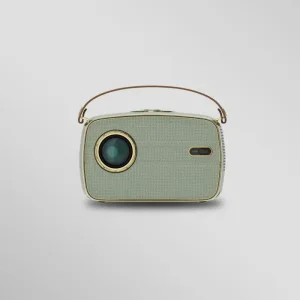
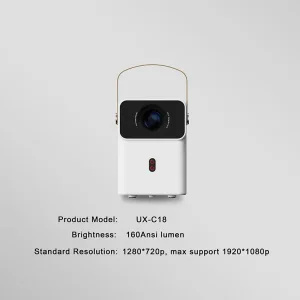
Premium Android smart platforms, commercial mini solutions, and ultra-high-definition projection units directly from our factory floor.
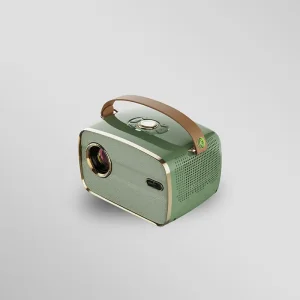
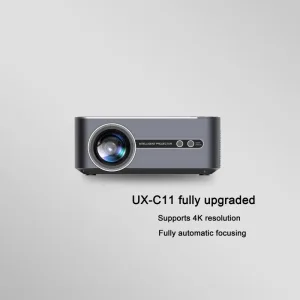
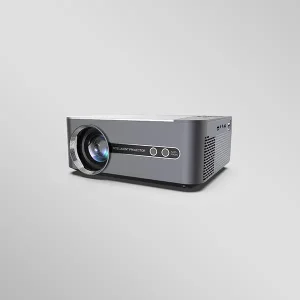
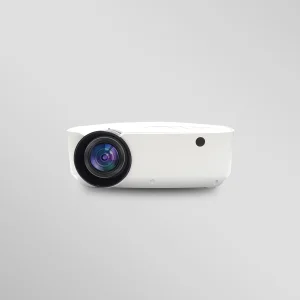
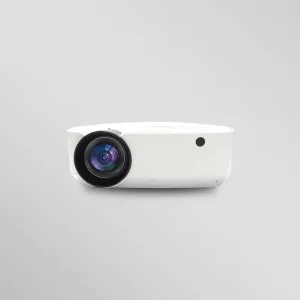
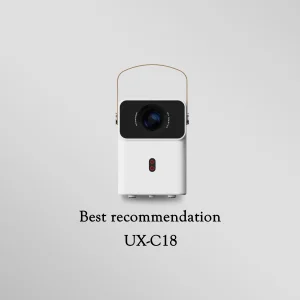
Connect directly with our engineering department in Shenzhen. We will supply comprehensive pricing matrices, ODM blueprints, and cleanroom test metrics for your upcoming display deployment programs.
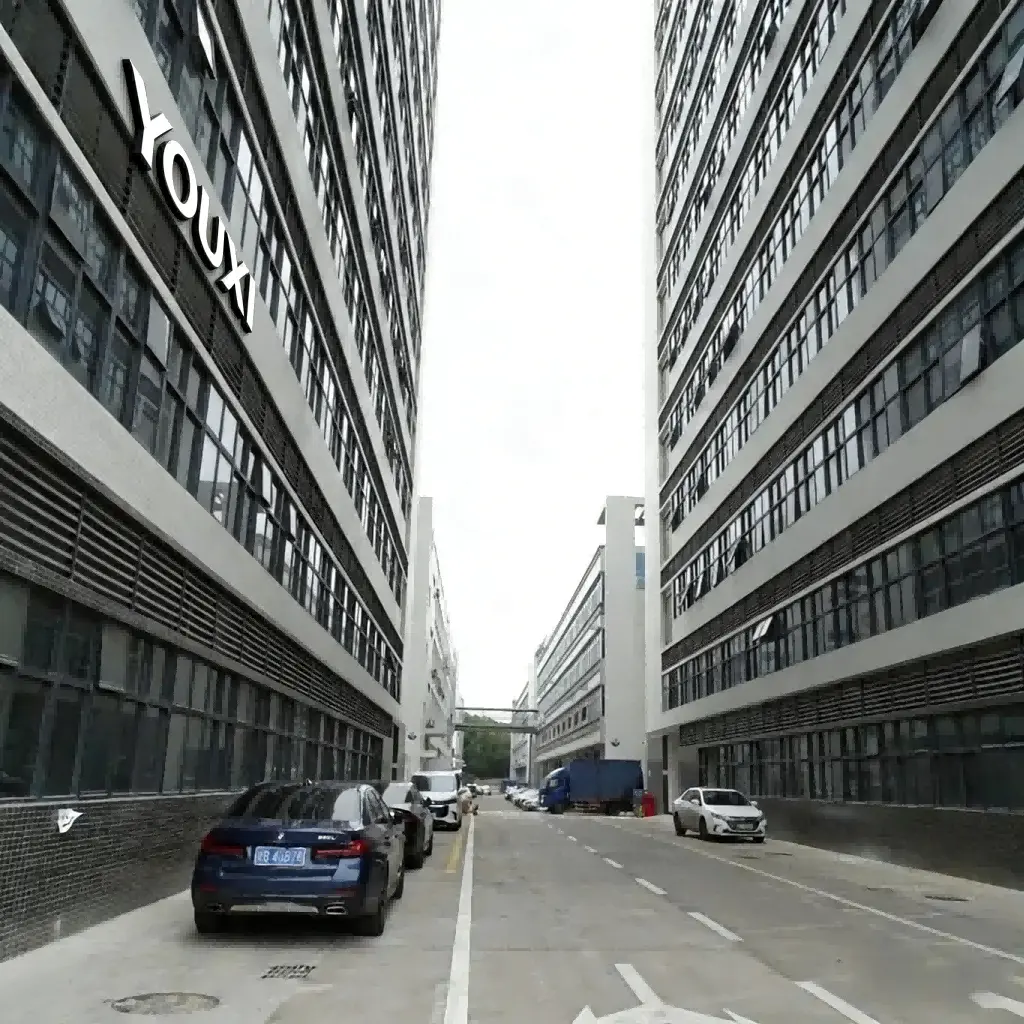
The above is the introduction of the main departments of our production line. Thank you very much for your patience. If you have any other questions, please feel free to leave a message to us. Our professional technical or sales staff will answer your questions as soon as possible. We look forward to partnering with you.
 Youxi projection