Explore our top-tier catalog optimized to eliminate polarization burns, dust ingress, and thermal degradation under continuous commercial use.

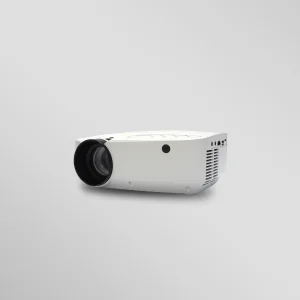
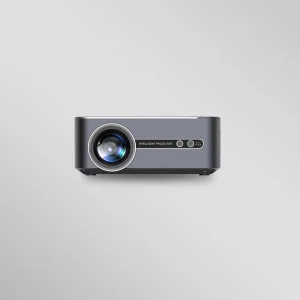
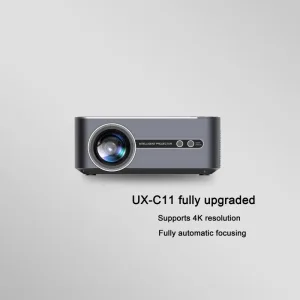
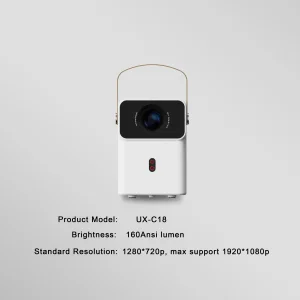
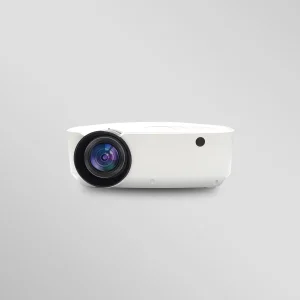
How thermal bottlenecks, optical designs, and environmental factors affect projector lifespans.
A "dark spot" on a projected image is typically caused by two major issues: optical thermal degradation (often referred to as LCD burn-in) or internal dust contamination. Liquid crystal displays (LCDs) are highly sensitive to extreme temperatures. If the light source produces excess heat, or if the internal airflow is blocked, the organic layers of the LCD and the polarizers degrade over time, leading to yellowing or dark patches on the screen.
For global B2B buyers, these defects increase return rates, lower consumer confidence, and raise warranty costs. Addressing this issue requires focusing on the engineering behind optical engines, airflow design, and clean manufacturing environments.
Traditional budget projectors use open optical paths where cooling fans draw in outside air directly across the LCD panels. While cost-effective, this design allows dust to settle on the optics, creating dark spots.
To prevent this, advanced manufacturers design fully sealed optical engines (conforming to IP5X dust protection standards) that completely isolate the optical path from the air cooling channel. Heat is dissipated through metal heat sinks and heat pipes instead of direct airflow over the LCD.
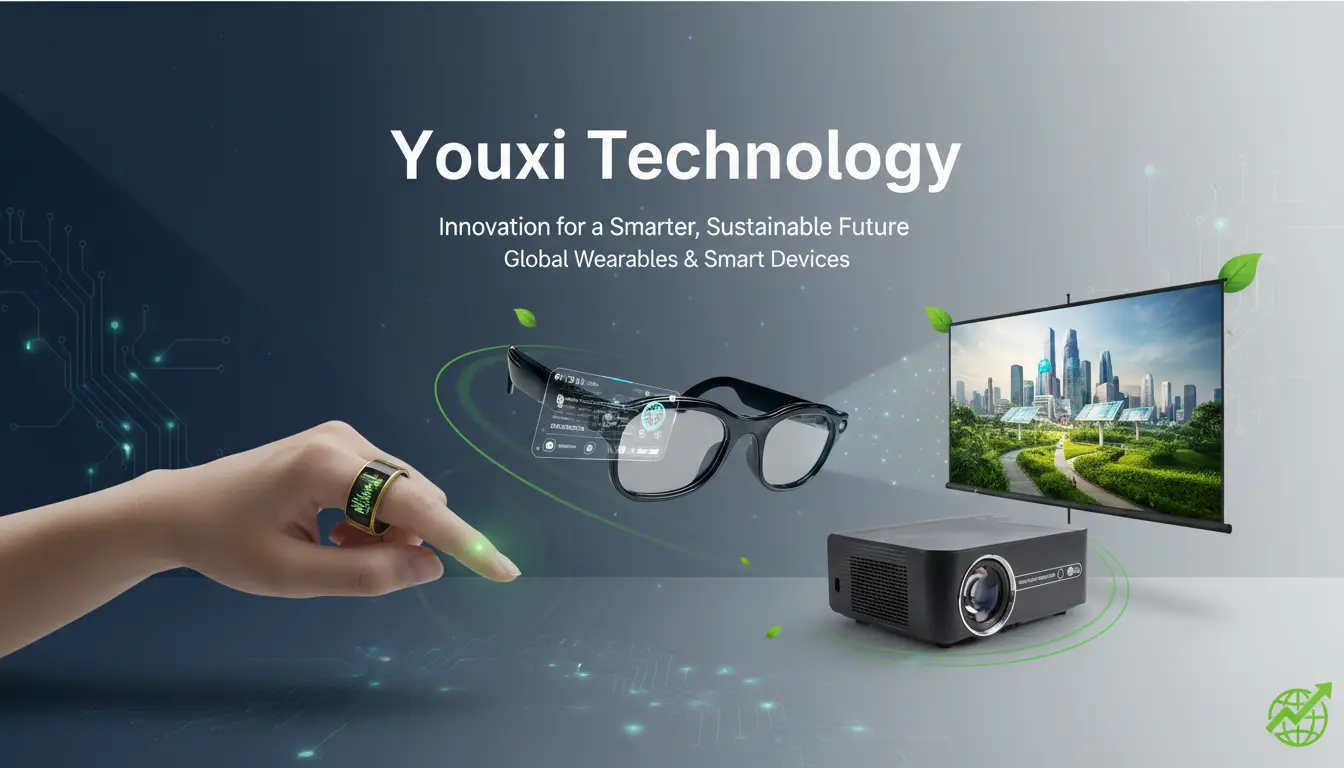
How technological advancements and global B2B purchasing demands shape the projector industry.
Consumer markets and educational buyers are increasingly demanding zero-maintenance hardware. Projectors with open-frame optical engines are being phased out in favor of sealed engines. Although sealed systems carry a 15% to 25% premium upfront, they significantly reduce long-term maintenance costs and warranty claims, offering a lower Total Cost of Ownership (TCO).
Modern projectors are evolving from simple displays into smart hubs. The integration of native OS systems, such as Google TV, authorized Netflix clients, and Android Open Source Project (AOSP) firmware, has become standard for educational and commercial projectors. Global distributors must balance optoelectronical quality with software updates and licensing compliance.
Shenzhen and Dongguan serve as the global manufacturing hub for projection technology. Factories in this region provide end-to-end integration: from raw plastic mold injection and optical glass cutting to high-precision SMT (Surface Mount Technology) assembly and automated testing chambers. This geographic concentration ensures that component sourcing, custom branding, and shipping logistics run efficiently.
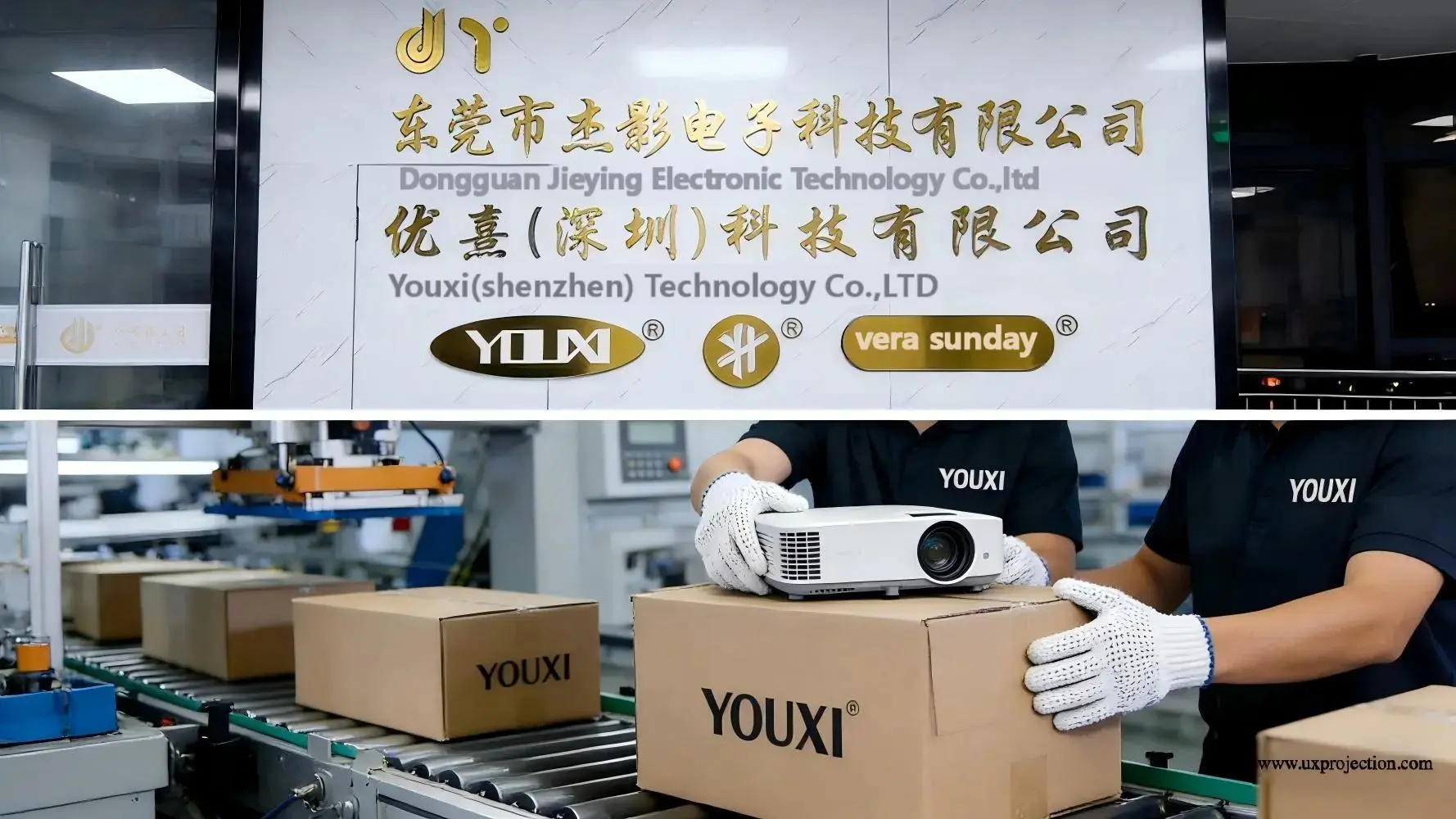
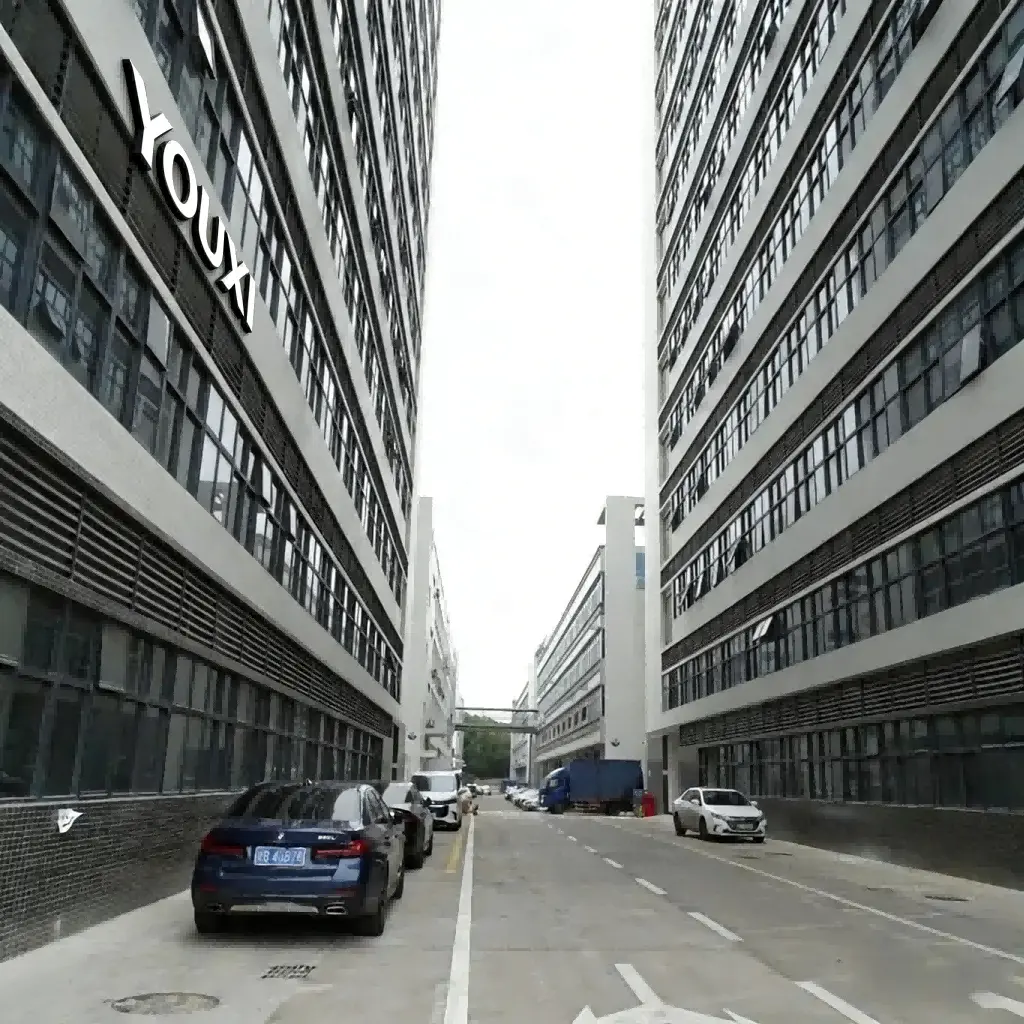
Take a look inside our high-capacity production facility, featuring advanced cleanrooms and strict quality management systems.
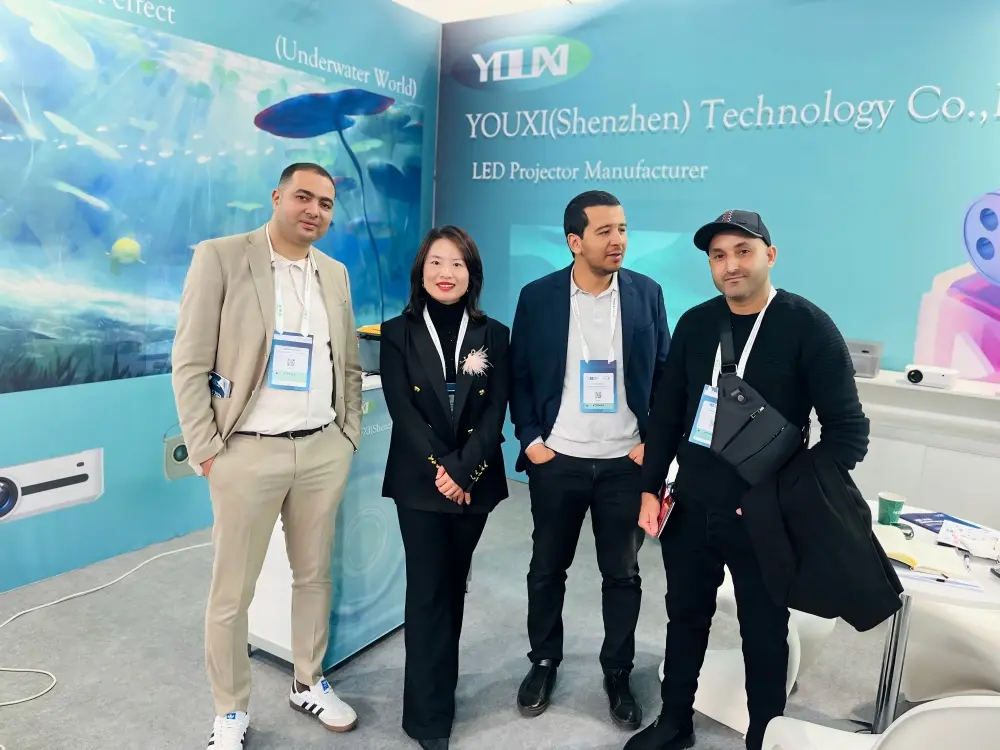
Founded in April 2021, Youxi (Shenzhen) Technology Co., Ltd. specializes in the research, development, manufacturing, and integration of intelligent projection systems and wearable smart devices. With complete capabilities across the product lifecycle—from initial design and precision assembly to quality assurance—we ensure full compliance with international standards at every stage, from raw material sourcing to final delivery. In line with sustainable manufacturing practices, Youxi incorporates energy-efficient designs, eco-friendly materials, and waste-reduction processes into our operations.
Headquartered in Shenzhen, a leading innovation hub in Southern China, our office is located roughly 40 minutes from the Hong Kong Port. To support large-scale production, Youxi operates a dedicated assembly facility spanning approximately 1,000 square meters in Fenggang Town, Dongguan City (a 25-minute drive from headquarters). The facility employs around 100 professionals and maintains a monthly production capacity exceeding 30,000 units. Our quality management system, certified supply chain, and vertically integrated operations ensure consistent product reliability and on-time shipping.
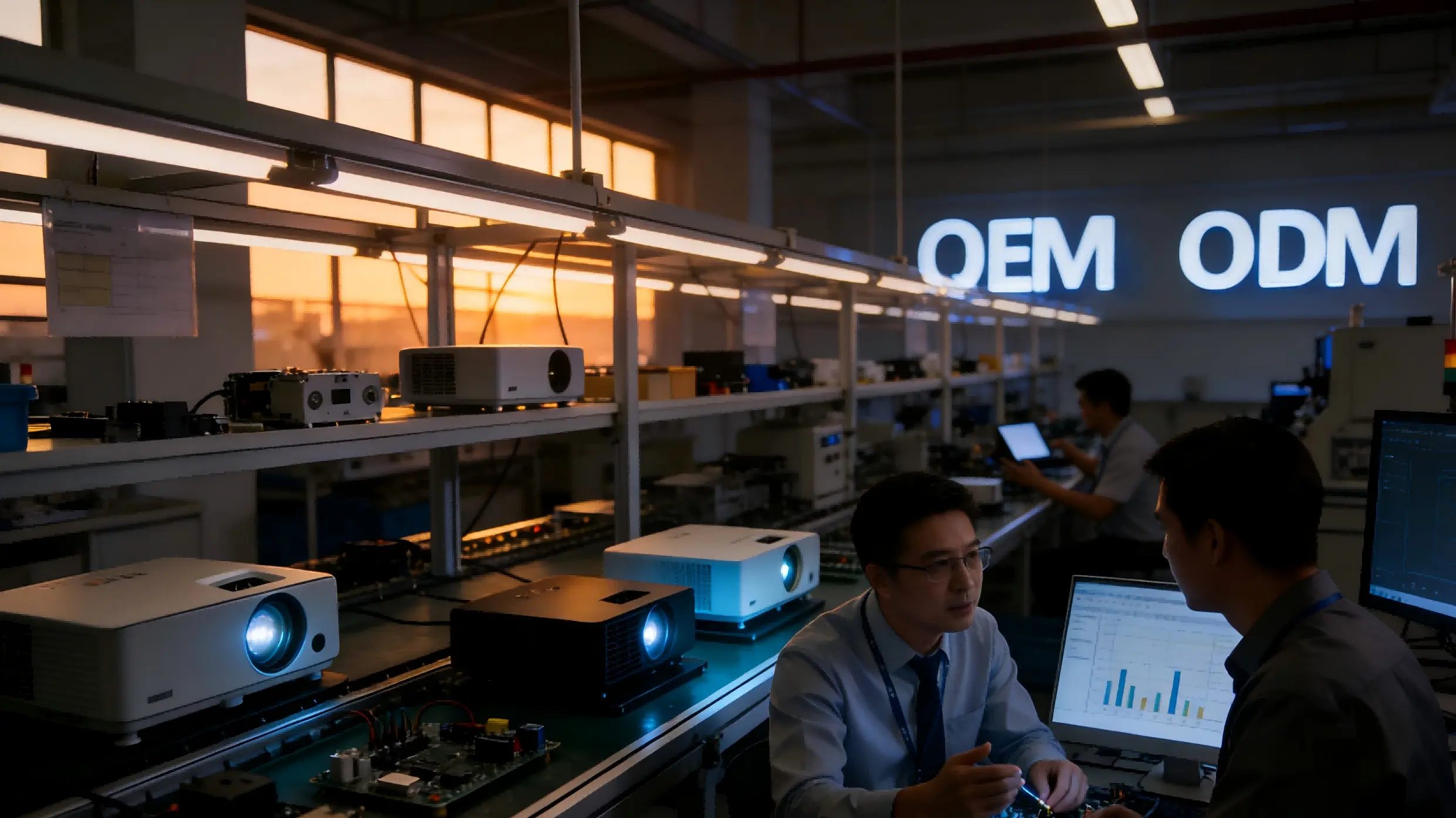
We provide comprehensive service solutions, including branded product development, OEM/ODM customization, and material-specified manufacturing (MSM). We also actively pursue strategic partnerships through authorized distribution and joint venture models.
Our products are distributed globally to educational, commercial, and residential markets.
A detailed look at our tooling, assembly lines, inspection processes, and logistics.
The mold and injection molding workshop is located adjacent to our factory. It is equipped with advanced digital machinery that exceeds standard market specifications to ensure a solid foundation for every enclosure and internal optical chassis.
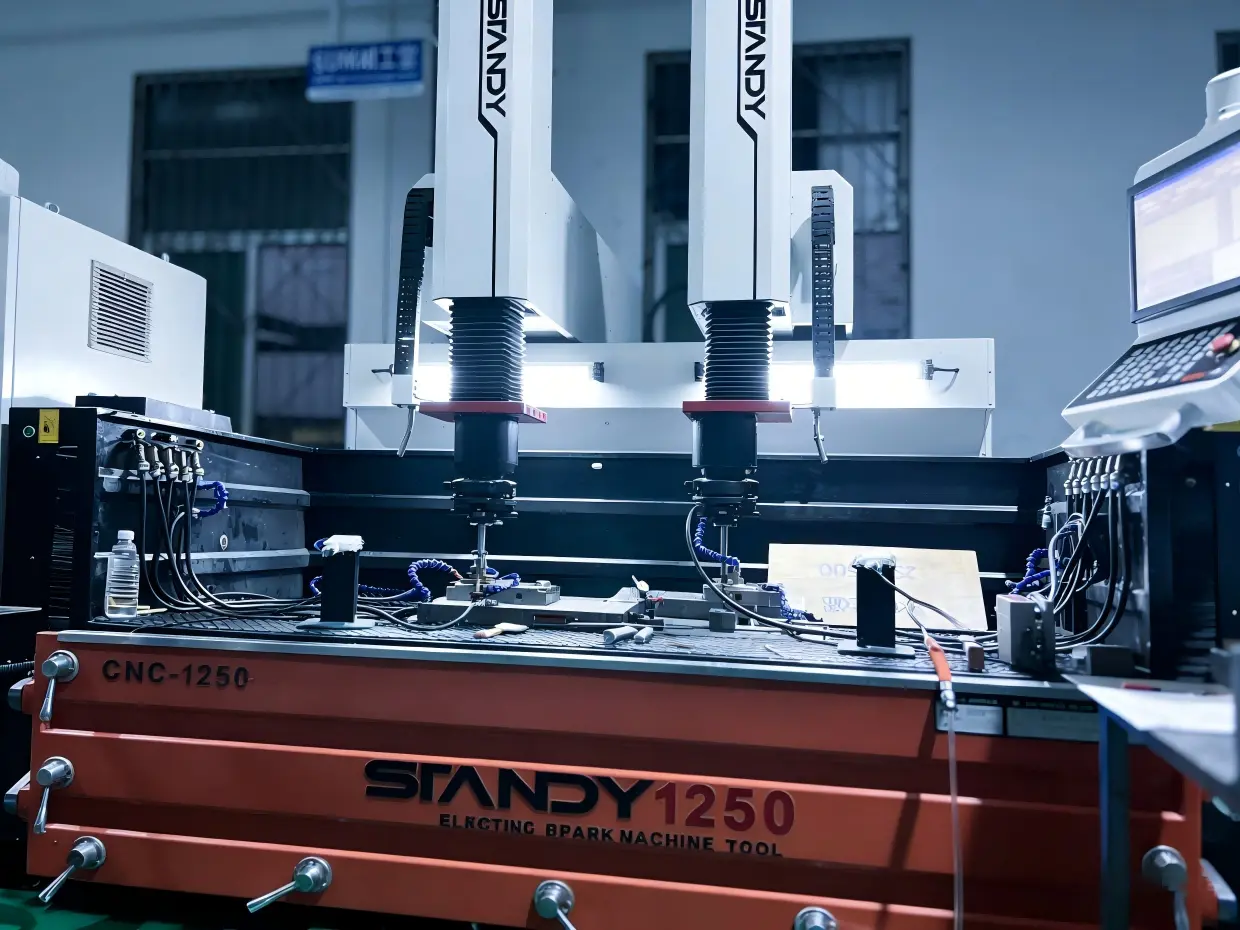
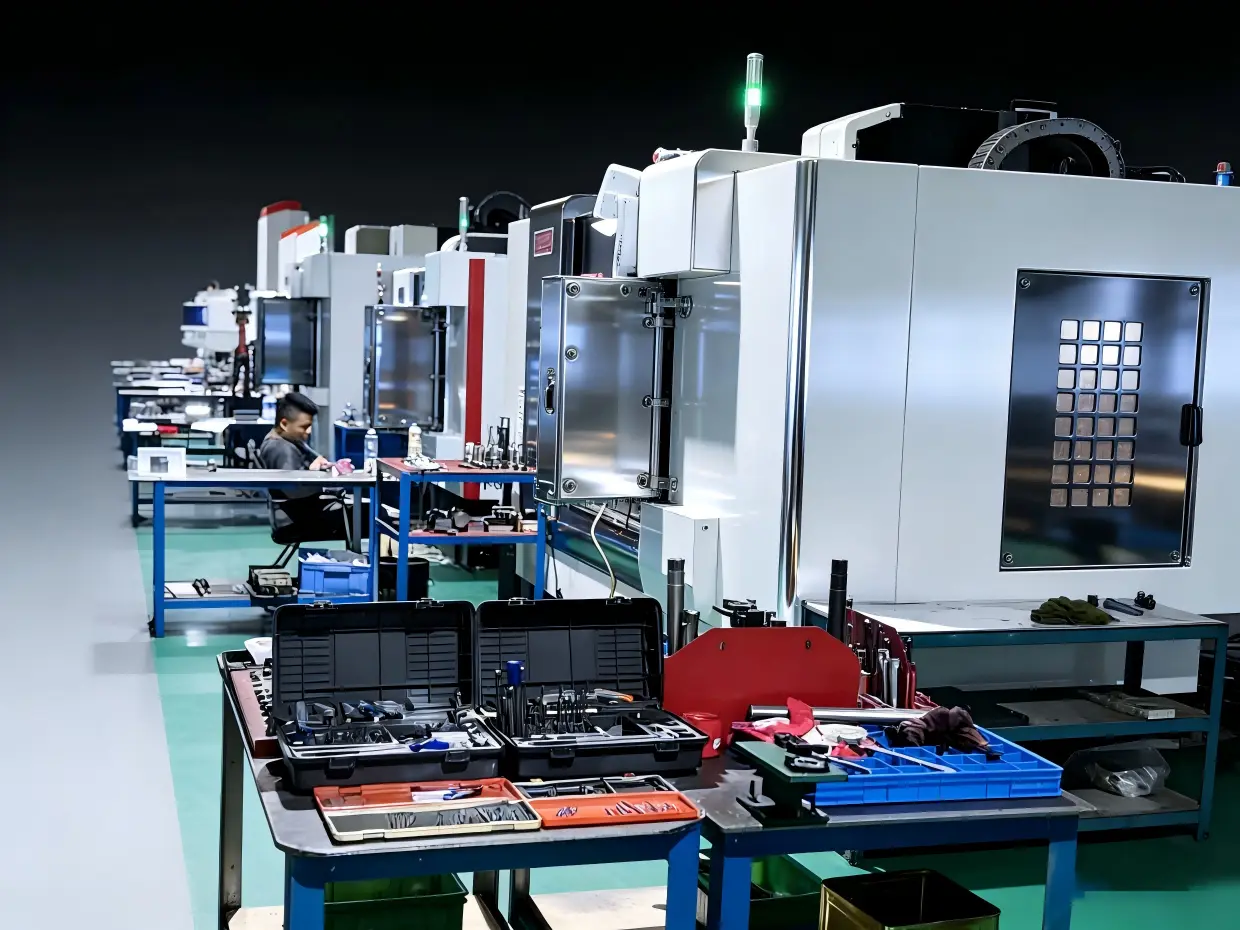
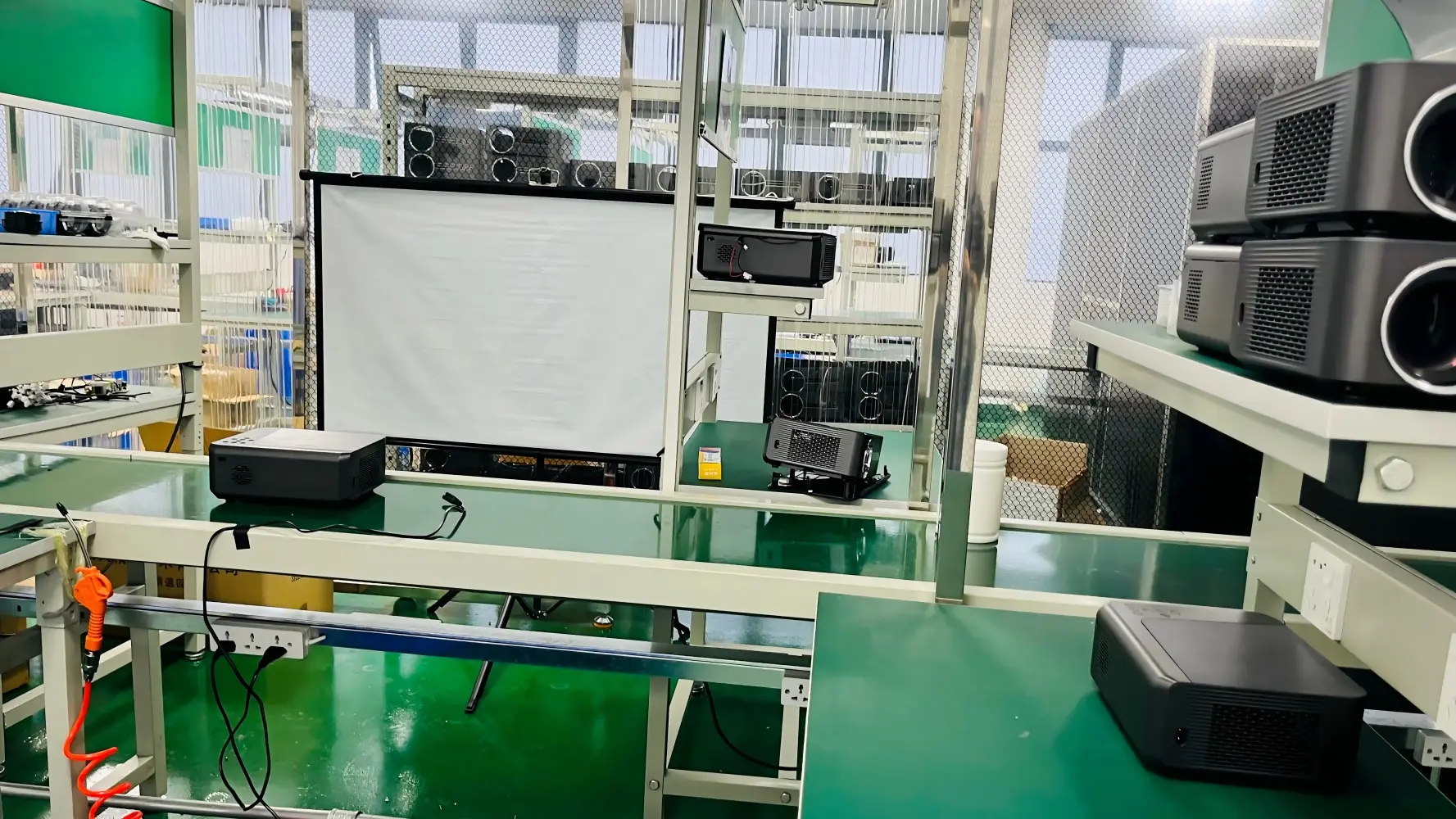
Covering an area of 4,000 square meters, the factory houses production, injection molding, assembly, and testing workshops designed for high-volume output. Following recent updates to our staffing, we have over 100 qualified assembly workers distributed across departments based on skill and specialized experience.
In our modern assembly workshop, we use advanced manufacturing equipment, CNC machines, and high-end testing instruments. To meet the specific requirements of our clients, all workshops are maintained to 5S dust-free standards. Our monthly production and assembly capacity reaches up to 50,000 units.
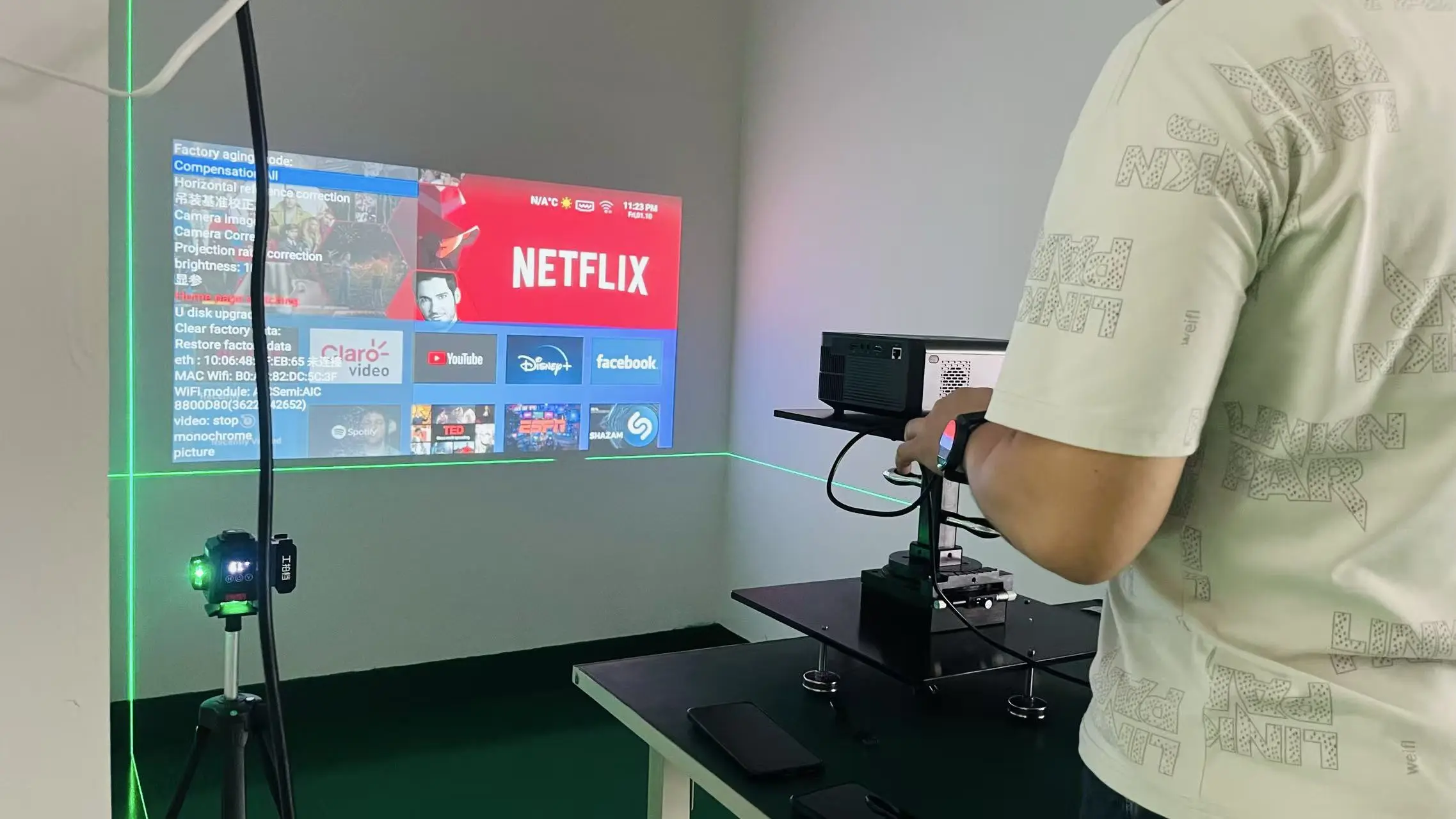
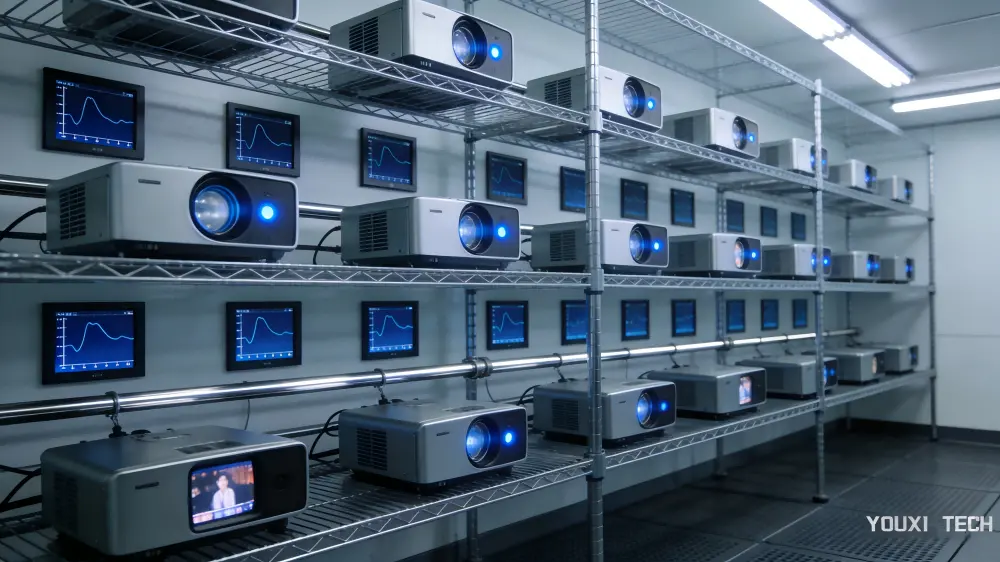
To ensure the performance of each machine and minimize post-sale defect rates, we operate two testing departments housing a total of 12 testing rooms. Professional quality inspectors test incoming materials, conduct initial post-assembly inspections, and perform random sample testing before shipment.
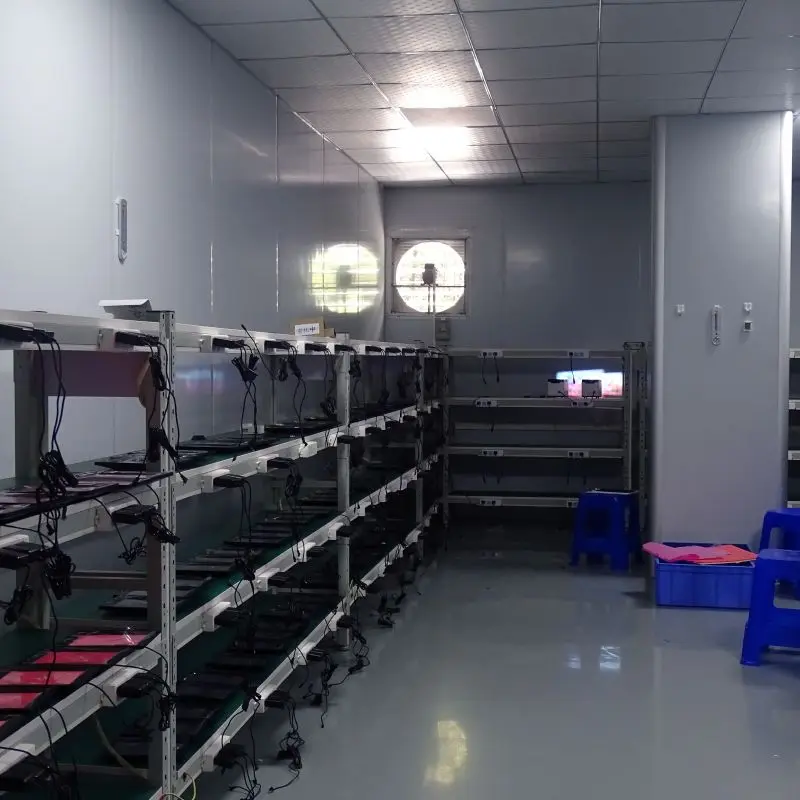
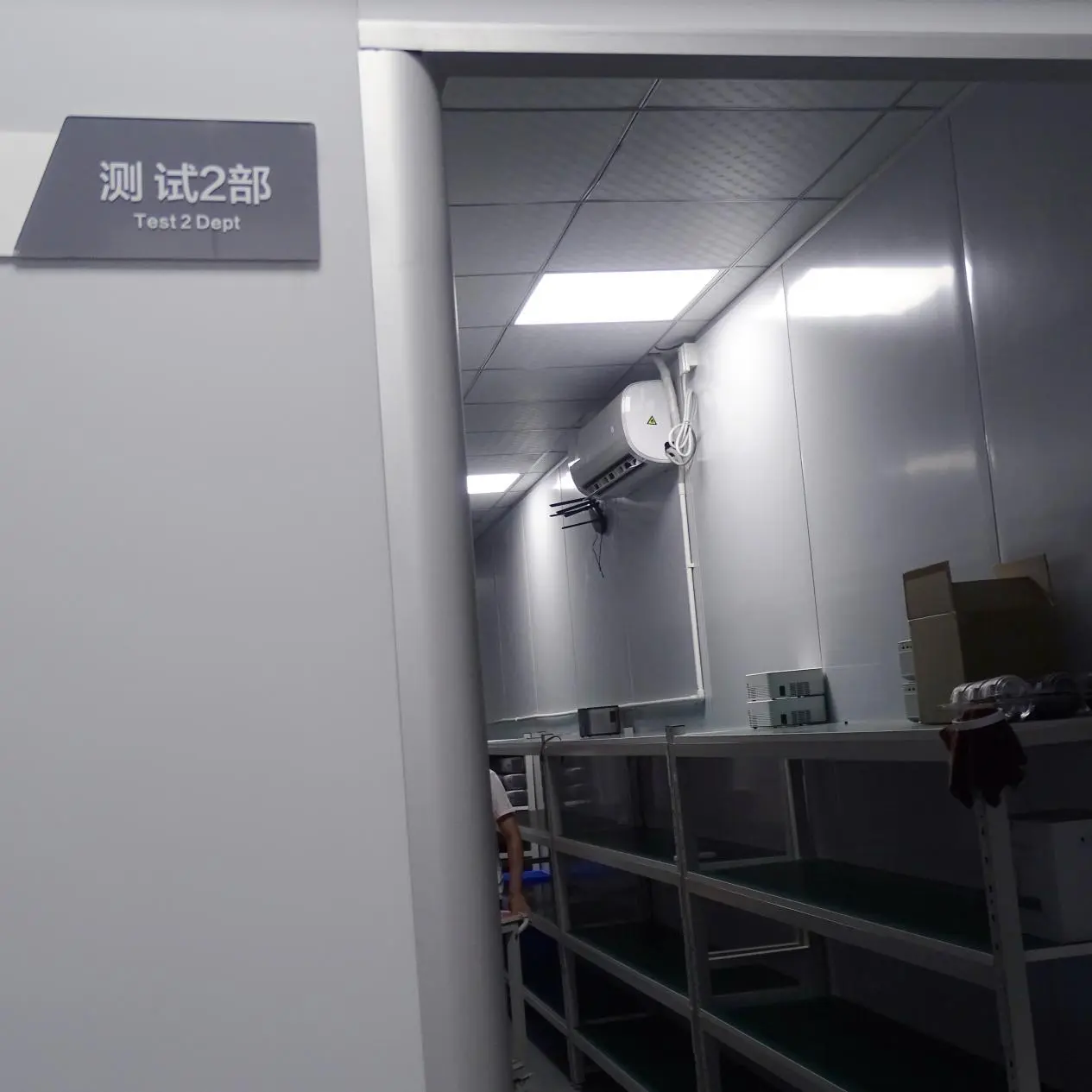
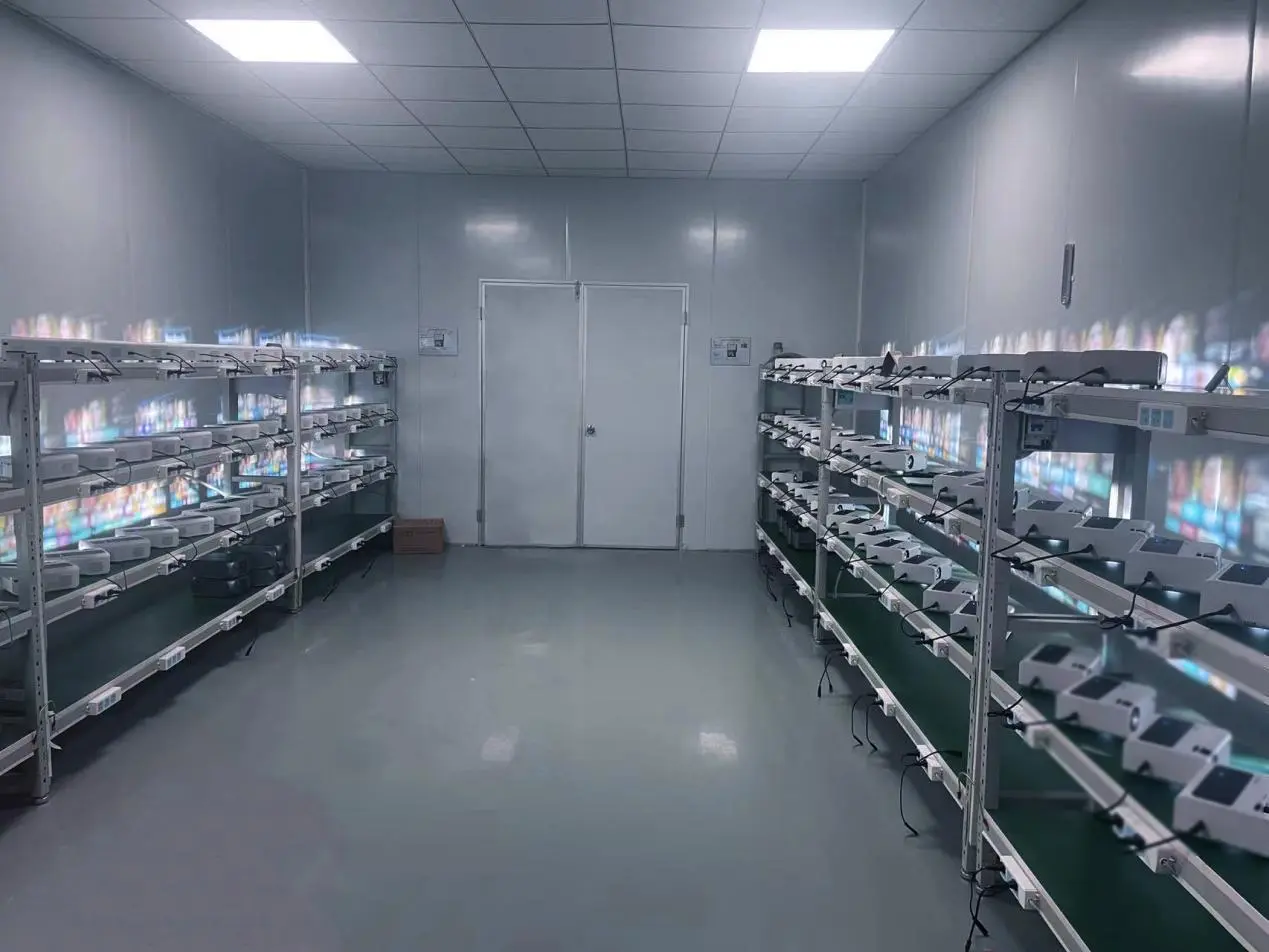
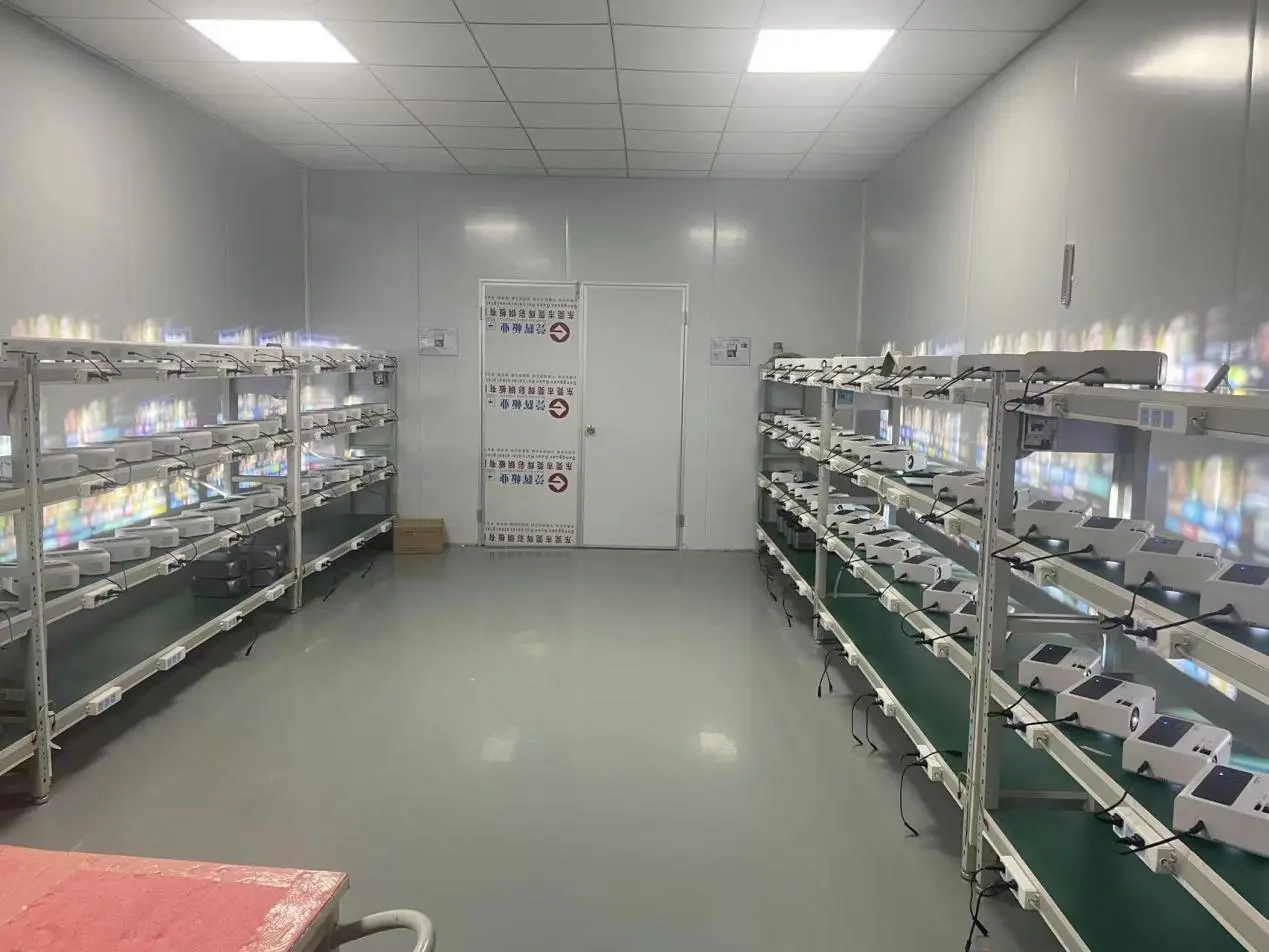
The aging test room is located adjacent to the functional testing rooms to optimize work efficiency and reduce handling errors. This setup allows for the simultaneous testing of at least 200 machines, running continuous temperature cycles to verify long-term optical and electronic performance.
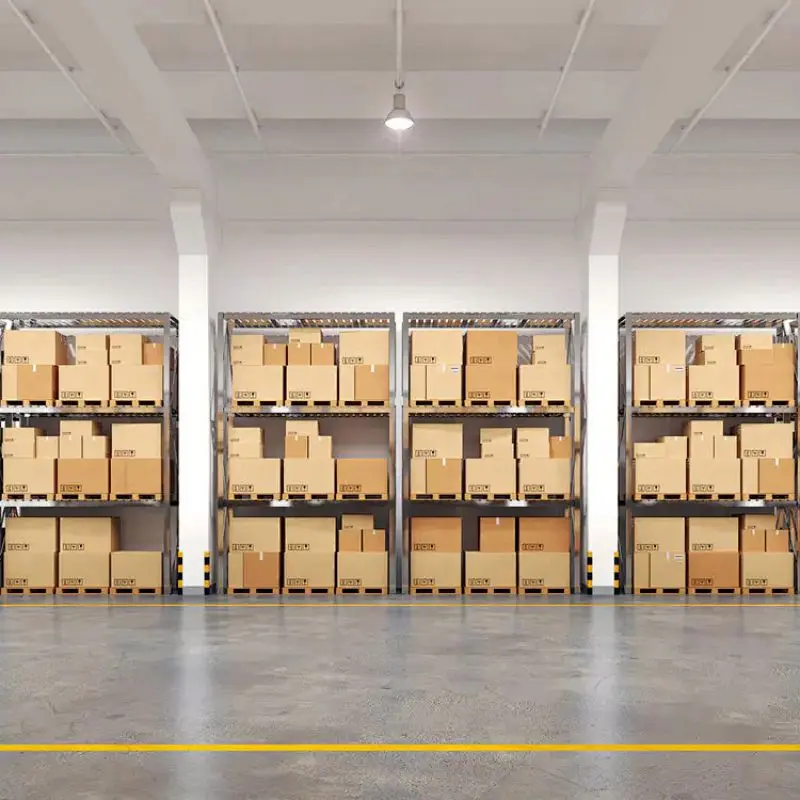
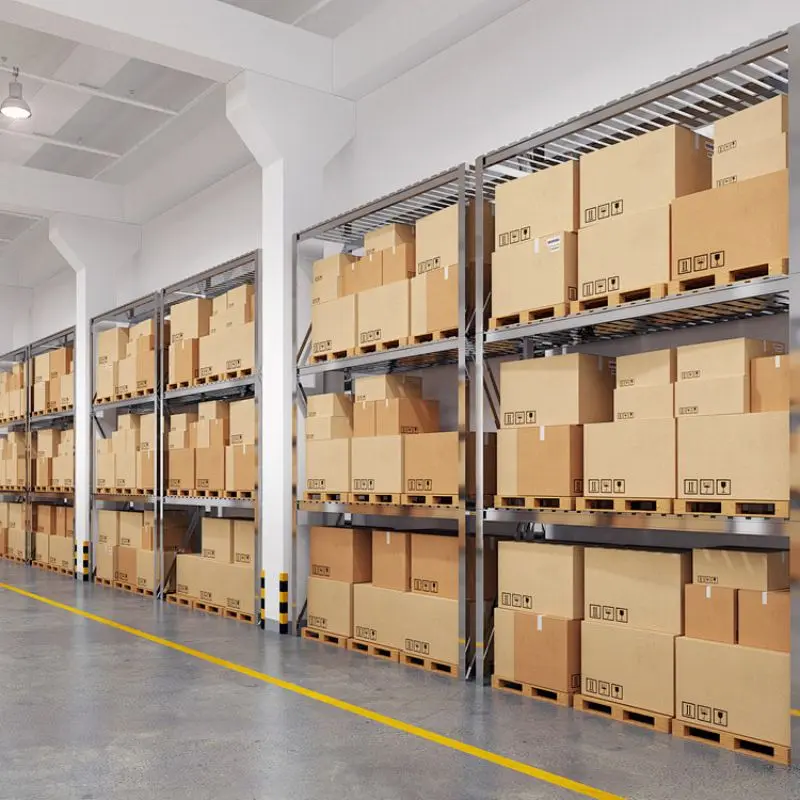
We maintain a 300-square-meter warehouse for finished products located next to the packaging line, enabling quick and secure loading for export shipping.
How different environments affect optical performance and thermal management requirements.
Classrooms often run projectors for 6 to 8 hours daily in environments with high chalk dust or paper fibers. Standard open projectors in these conditions can develop dark spots within 3 months. Our fully sealed optical engines prevent dust ingress, protecting internal LCD modules from dust-related failure.
Commercial settings demand high-brightness projections (up to 400 ANSI lumens or higher) for clear visibility in ambient light. Higher lumen output generates more heat, which can damage LCD panels. Our custom copper heat-pipe systems dissipate heat away from the display layers, preventing thermal burns and yellow spots.
Outdoor environments expose projectors to varying humidity and temperature levels. Our portable designs include humidity-resistant structural seals and protective coatings on key electronic components to maintain reliable performance outside.
Wholesale price guidelines for OEM/ODM customization options based on projection architecture.
B2B pricing depends on several factors: the optical path design (open vs. fully sealed), the native resolution (720P, 1080P, or 4K), and the integration of licensed software systems (AOSP vs. licensed Google TV / Netflix). Below is an overview of our standard price framework for wholesale orders.
| Projector Classification | Optical Engine Type | Native Resolution | Average Lumens | Est. FOB Shenzhen Price (MOQ 1K) |
|---|---|---|---|---|
| Mini Portable Series (AOSP/Mirroring) | Semi-Sealed LCD Path | 720P (1280x720) | 150 - 250 ANSI | $28.00 - $35.00 USD |
| High-Quality Commercial (Android OS) | Fully Sealed Path | 720P / 1080P Support | 300 - 350 ANSI | $45.00 - $60.00 USD |
| Smart Home Cinema (Google TV Licensed) | Fully Sealed Optomechanical | Native 1080P / 4K Playback | 400 - 550 ANSI | $75.00 - $110.00 USD |
| Professional Educational (High Brightness) | Closed Liquid-Cool Loop | Native 1080P | 600+ ANSI | $120.00 - $160.00 USD |
Answers to common B2B questions regarding dark spots, manufacturing standards, and customized orders.
A dark spot is typically caused by:
We address the issue through two main methods:
If the spot is caused by dust, the projector can be opened in a clean environment to clean the LCD panel. However, if the spot is caused by a thermal burn on the LCD or polarizer, the damaged optical component or the entire engine must be replaced. We supply replacement parts and modules for commercial maintenance teams.
For custom firmware, boot screens, and custom logo printing, the standard MOQ is 1,000 units. For specialized mold development or unique physical modifications, the MOQ depends on project requirements. Please contact our sales office for custom quotes.
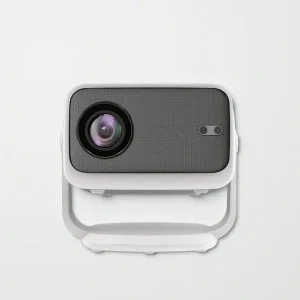
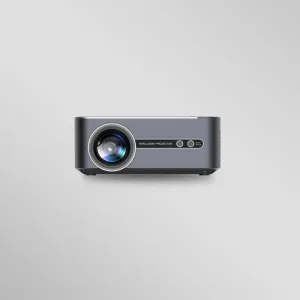
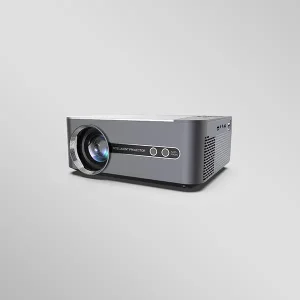
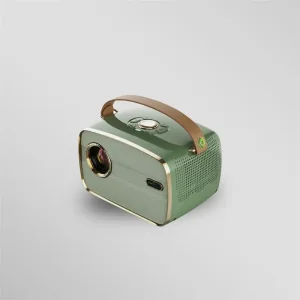
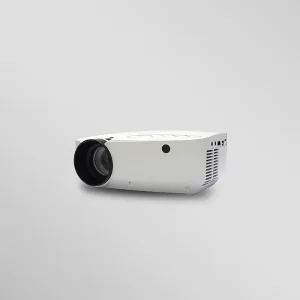
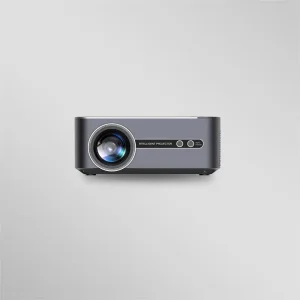
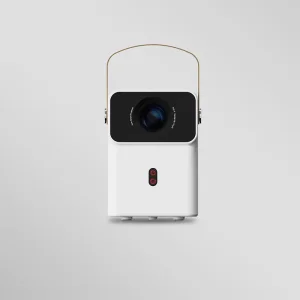
Discover our range of advanced projectors featuring built-in smart operating systems and dust-proof engineering.
We thank you for taking the time to read our technical overview. If you have any additional questions, please reach out to our team. Our engineers and sales staff are available to assist you with commercial proposals, optical calculations, and custom orders.
 Youxi projection