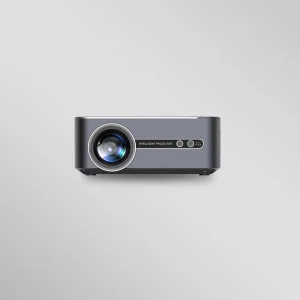
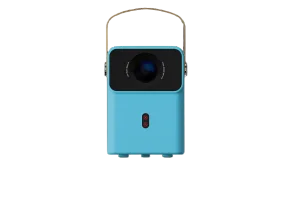
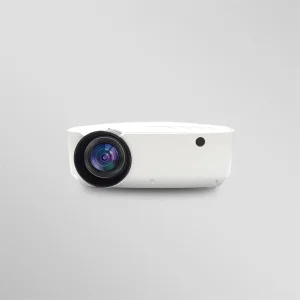
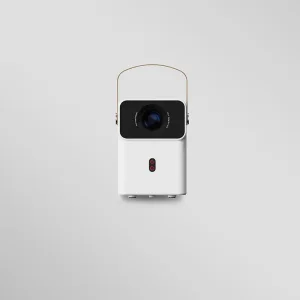
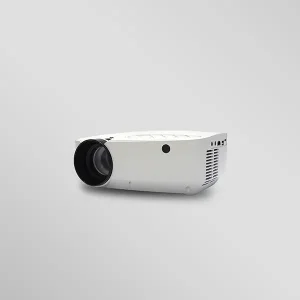
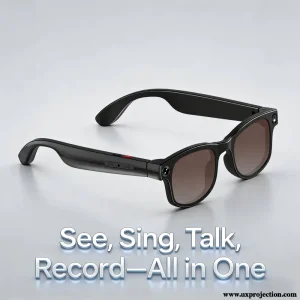
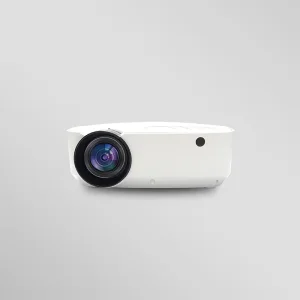
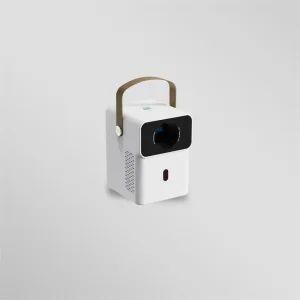
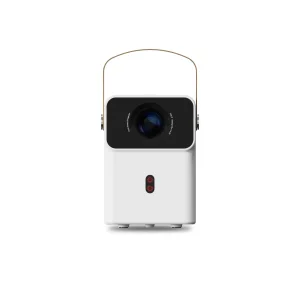
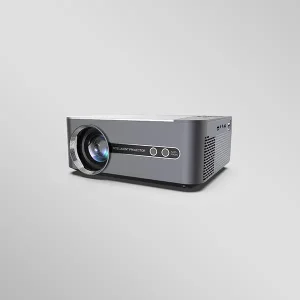
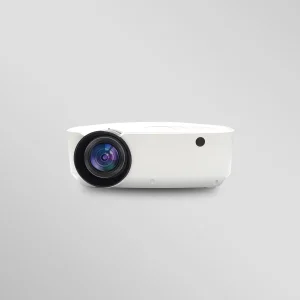
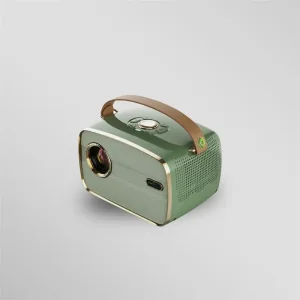
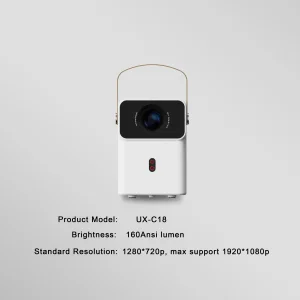
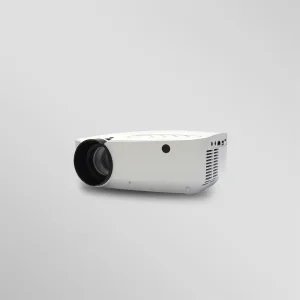
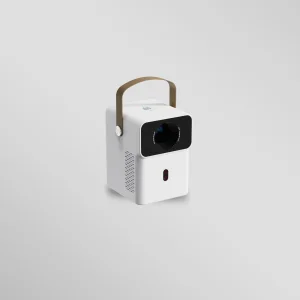
Factory-direct high performance smart optical engines ready for worldwide distribution
In optoelectronic display engineering, projector lumens define the core utility of a projection system. Lumens measure total luminous flux—the light energy emitted by a source. However, industrial specifications diverge into distinct parameters: ANSI Lumens, Light Source Lumens, and LED Lumens. Professional buyers must distinguish these figures to evaluate true image performance.
ANSI Lumens, regulated by the American National Standards Institute, represent the most reliable measurement. This testing requires averaging light output at nine specific points on a fully white screen. Many consumer brands market Light Source Lumens, which measure the raw output at the LED emitter rather than the screen. This raw figure disregards the 30% to 50% optical efficiency loss that occurs as light passes through LCD panels, polarizers, and lens elements.
At Youxi (Shenzhen) Technology Co., Ltd., we prioritize specification transparency. By manufacturing fully sealed optical engines, we control light pathways, lower refraction loss, and ensure that our nominal ANSI ratings match actual performance.
| Lumens Metric | Measurement Methodology | Efficiency Loss Context | Target Application |
|---|---|---|---|
| ANSI Lumens | 9-point screen average under standardized laboratory conditions | Includes losses from LCD, polarizers, and projection lenses | Professional, education, commercial, and cinema projectors |
| LED/Source Lumens | Measured directly at the bare LED light engine | Excludes light engine optical path losses (up to 60% loss) | Low-end consumer branding reference |
| ISO Lumens | International standards (ISO 21118) output test | Highly standardized, equivalent to ANSI but with rigid factory audits | Global government tenders and enterprise systems |
Mapping the high-brightness projection sector's structural shift toward solid-state and sealed engines
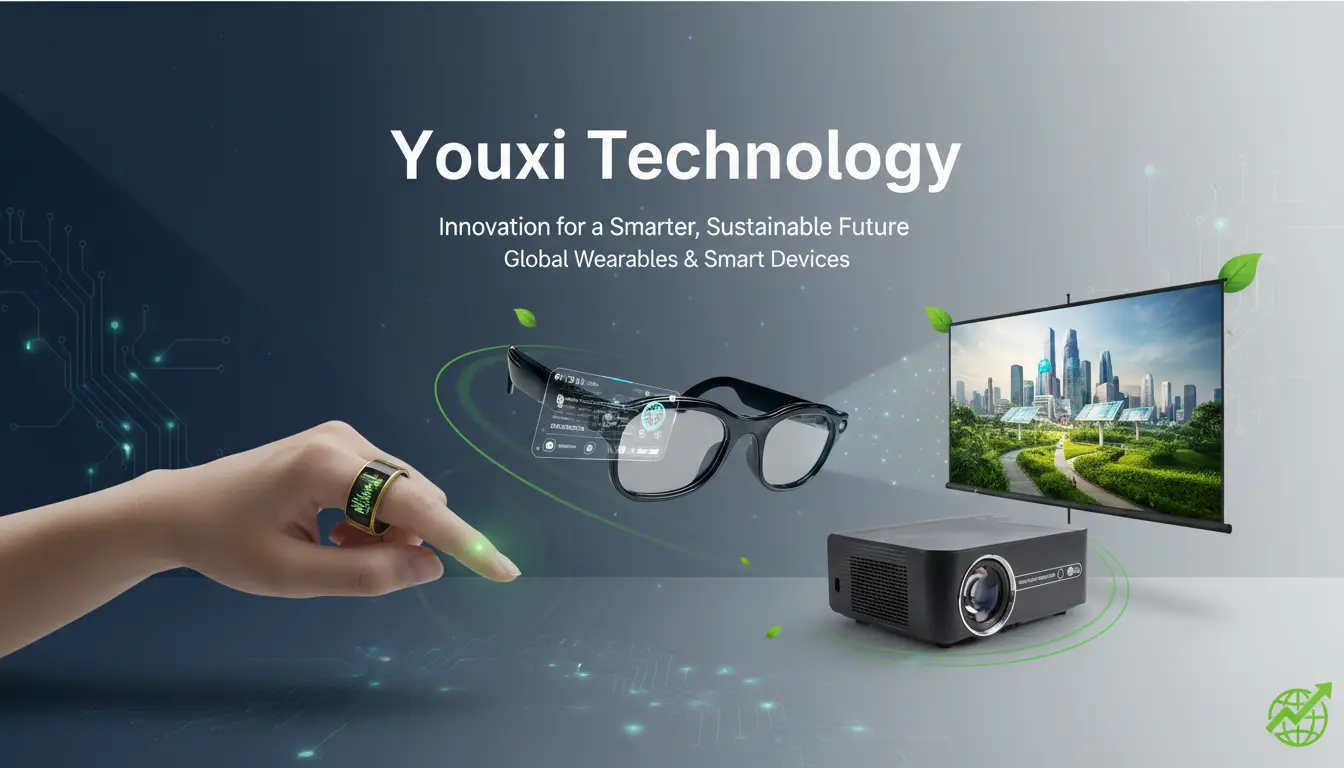
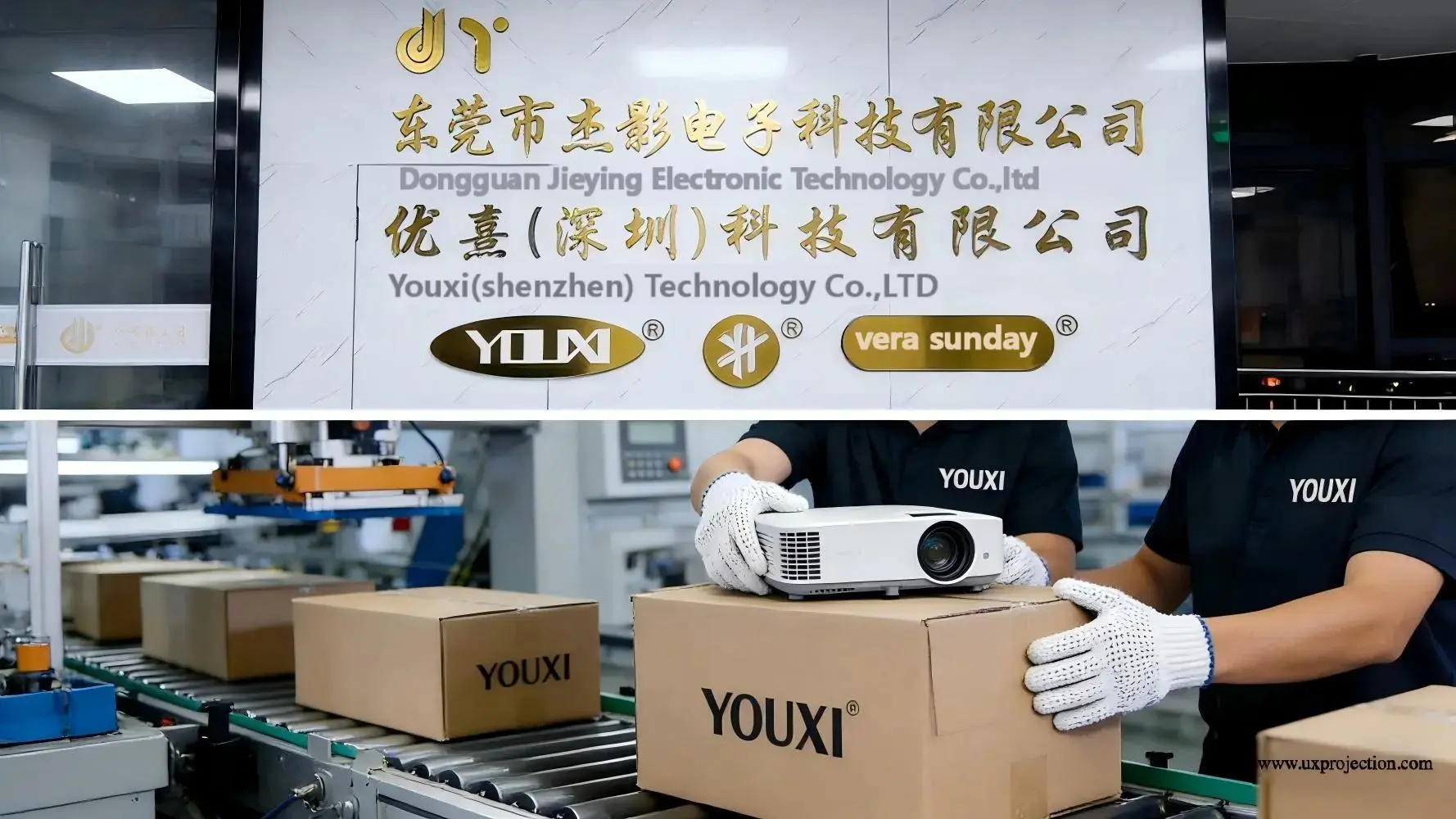
Founded in April 2021, Youxi (Shenzhen) Technology Co., Ltd. specializes in the research and development, manufacturing, and integration of intelligent projection systems and wearable smart devices. We maintain end-to-end capabilities across the product lifecycle—from R&D and precision assembly to quality assurance—ensuring full compliance with international standards at every stage, from raw material procurement to finished product delivery. Committed to sustainable operations, Youxi integrates energy-efficient design, eco-conscious material selection, and waste-reduction practices into our business model, contributing meaningfully to green manufacturing initiatives.
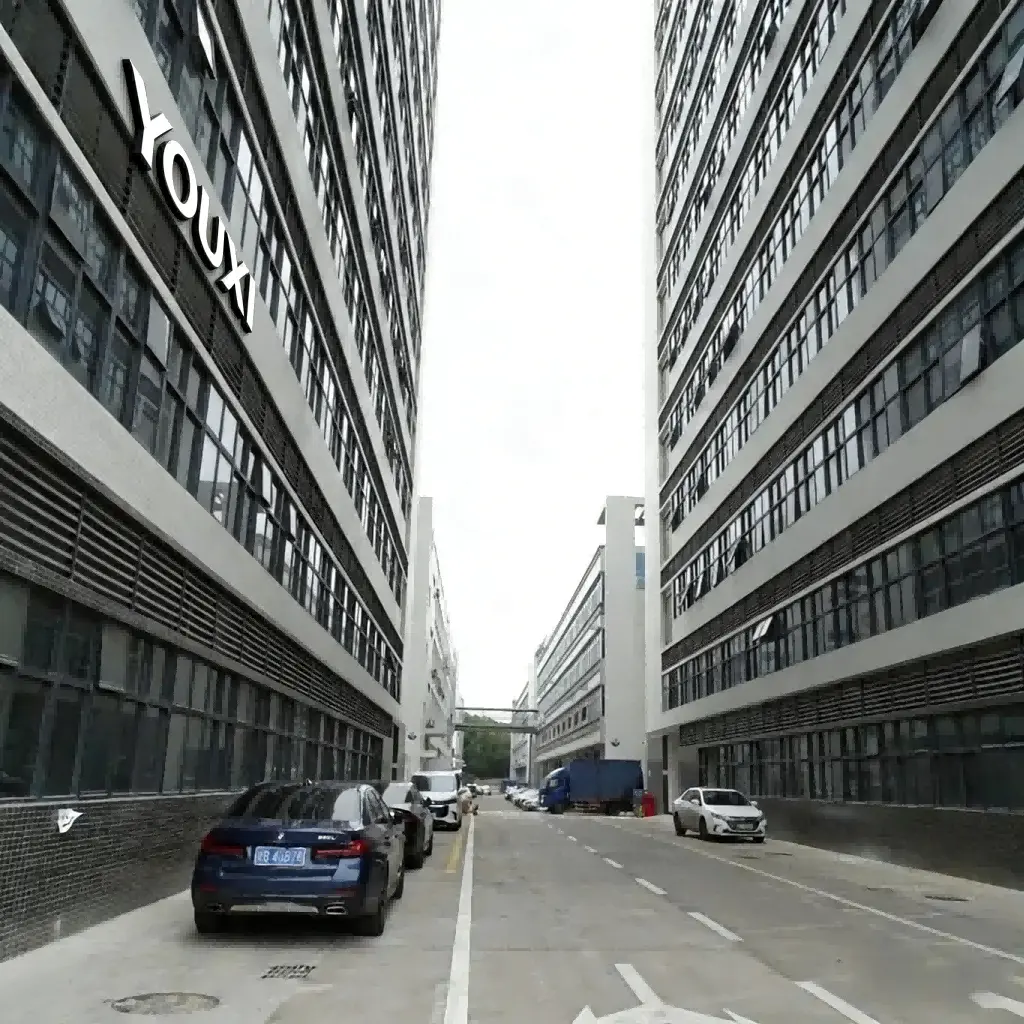
Headquartered in Shenzhen—a leading innovation hub in Southern China—our company benefits from strategic proximity to the Hong Kong Port, with a travel time of approximately 40 minutes. To support scalable production, Youxi operates a dedicated assembly facility spanning approximately 1,000 square meters in Fenggang Town, Dongguan City (a 25-minute drive from headquarters). We currently employ around 100 professionals and maintain a monthly production capacity exceeding 30,000 units. Our robust quality management system, certified supply chain, and vertically integrated operational framework ensure consistent product reliability and timely delivery.
Youxi offers comprehensive service solutions, including branded product development, OEM/ODM customization, and material-specified manufacturing (MSM). We also actively pursue strategic partnerships through authorized distribution and joint venture models.
A detailed look at our vertically integrated production lines, testing facilities, and clean rooms
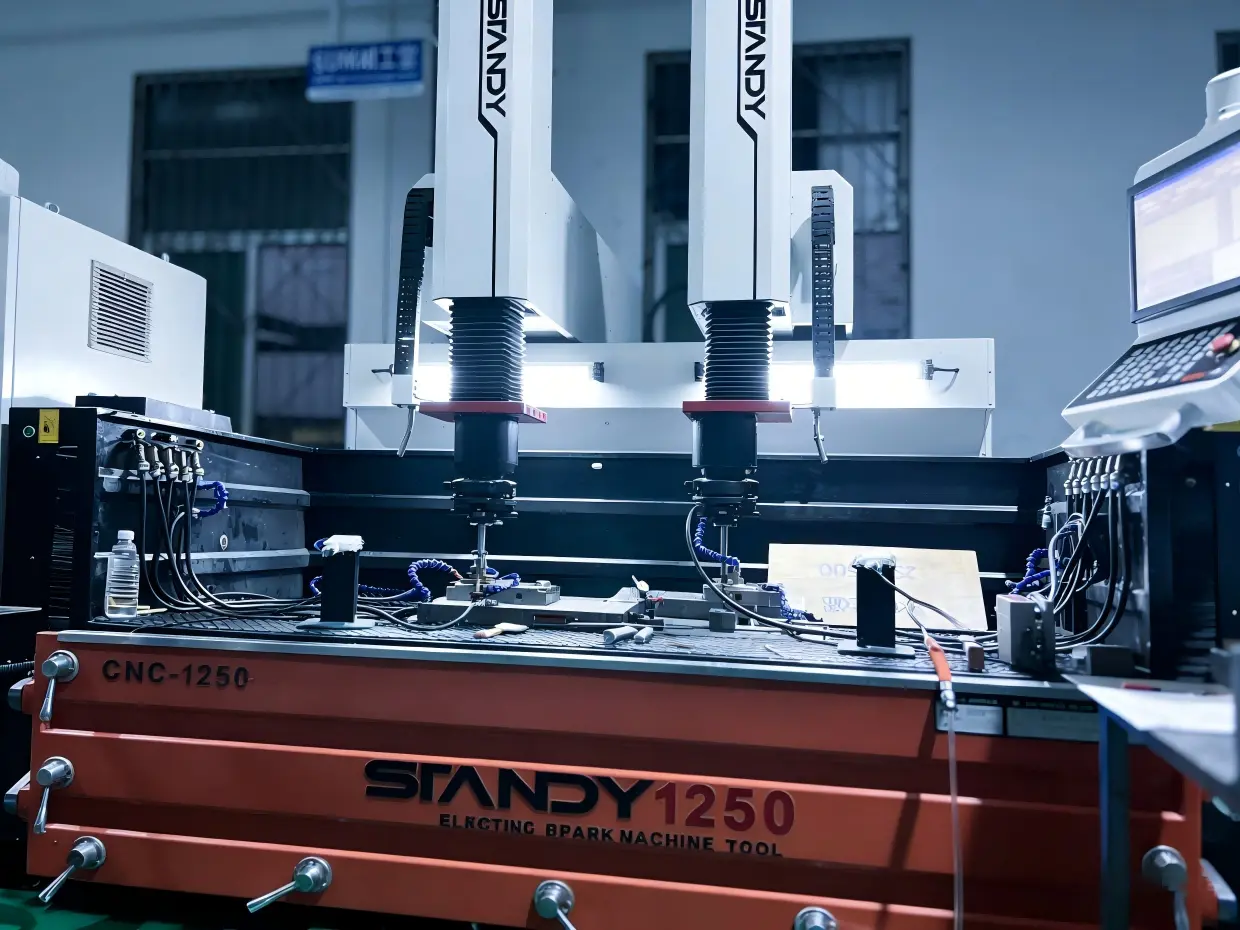
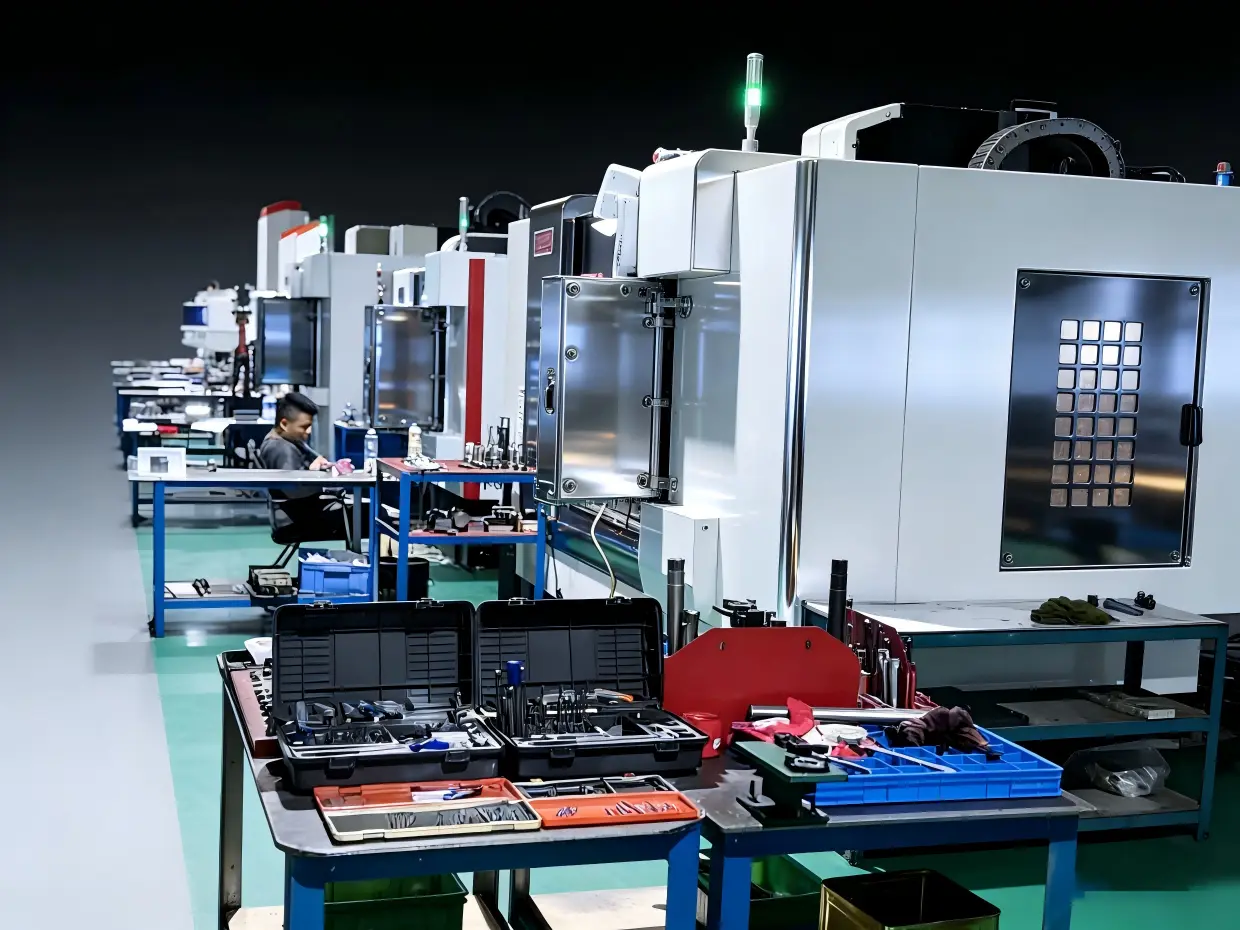
The mold and injection molding workshop is located next to our factory, equipped with sophisticated digital machines above conventional market standards to ensure a good foundation for each product. By maintaining strict control over structural tolerances, we guarantee the alignment of our optical lens paths.
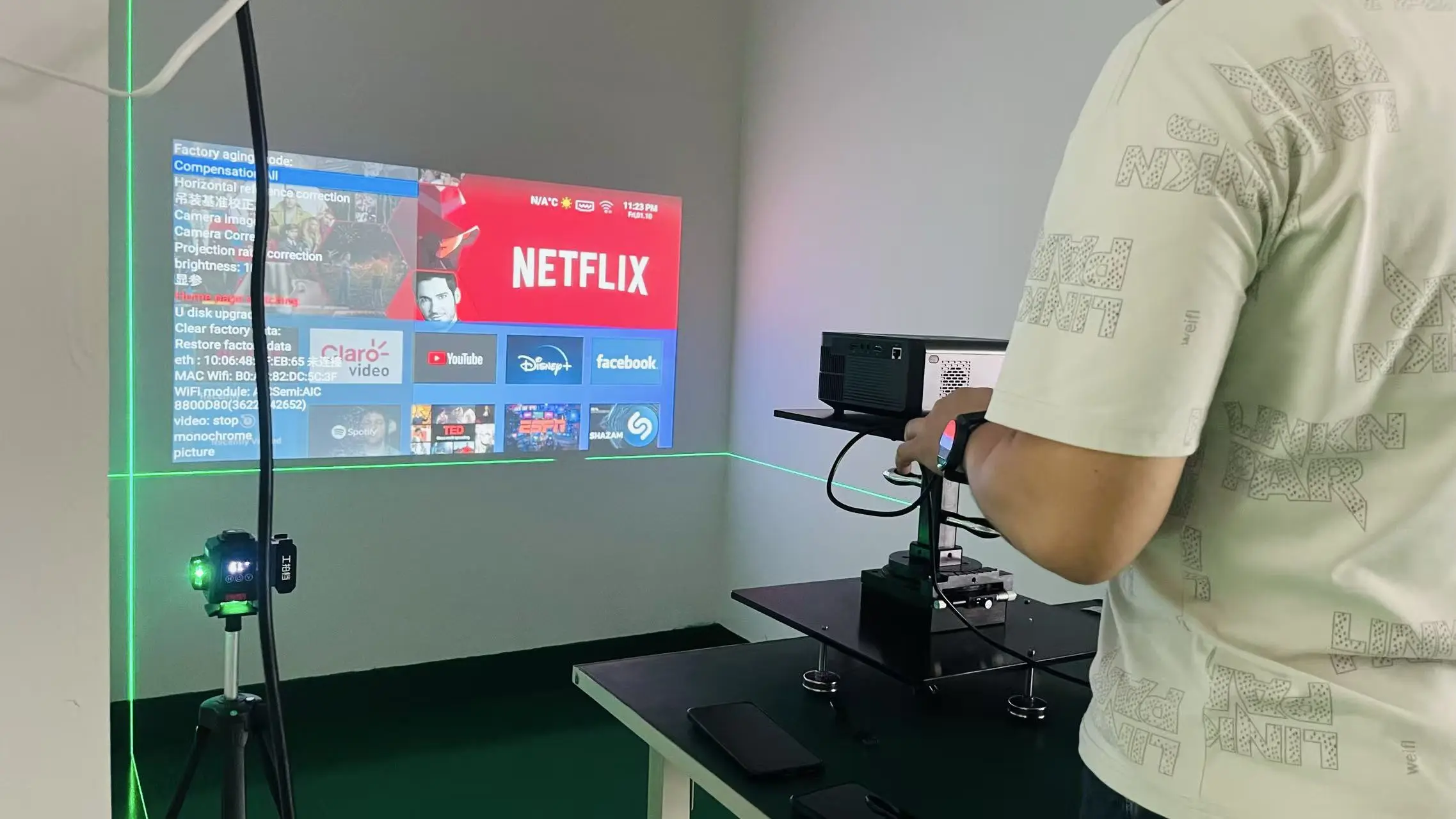
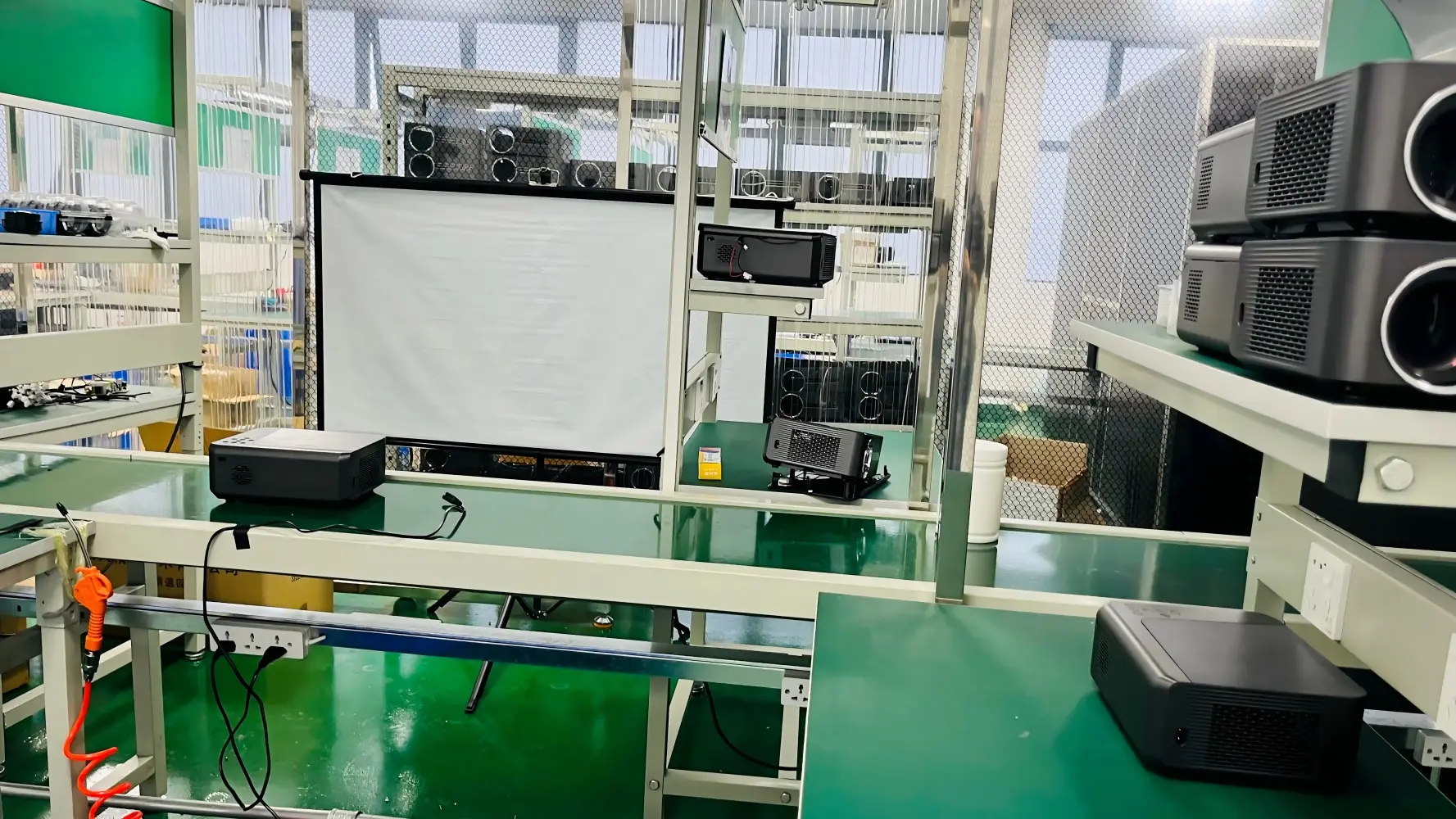
Covering an area of 4,000 square meters, our facility includes production, injection molding, assembly, and testing workshops with large volume. After recent large-scale adjustments and screening, we employ more than 100 qualified assembly workers distributed across departments. Our workshops operate under 5S dust-free standards, enabling a monthly capacity of up to 50,000 units.
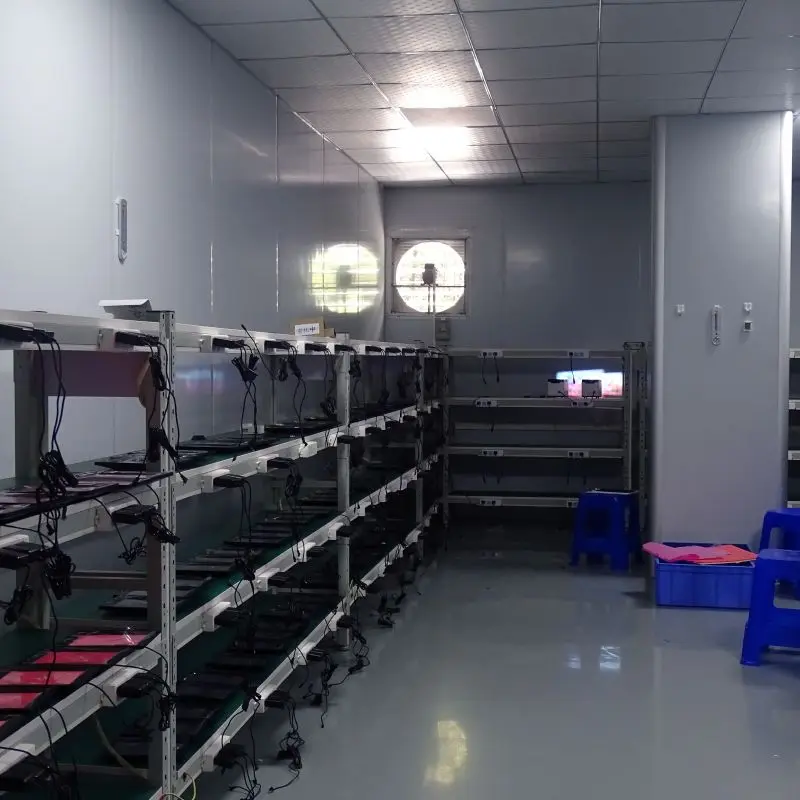
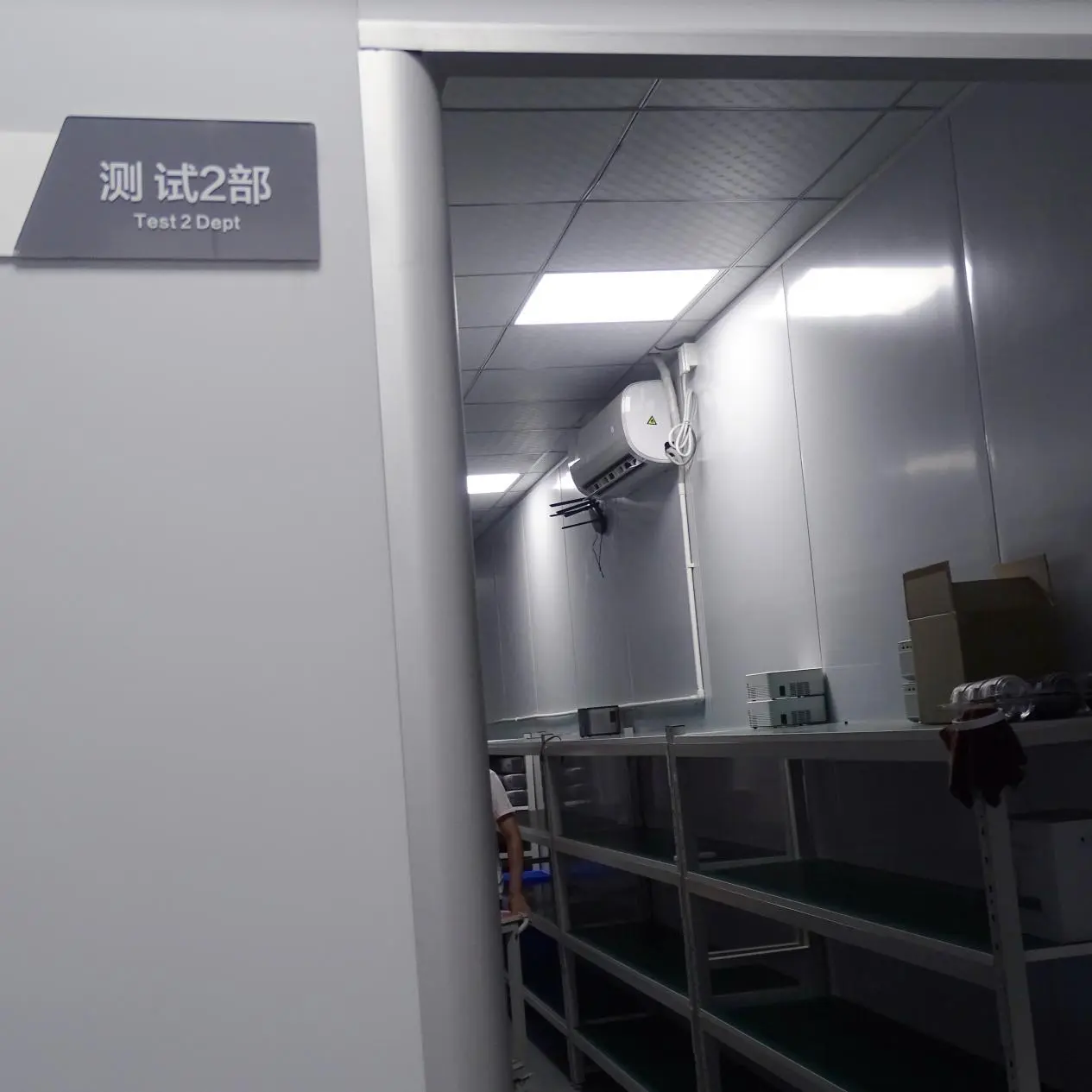
To ensure system performance and control the defect rate, we operate 12 testing rooms. Professional quality inspectors test incoming materials, conduct initial post-assembly inspections, and perform sample audits before shipment.
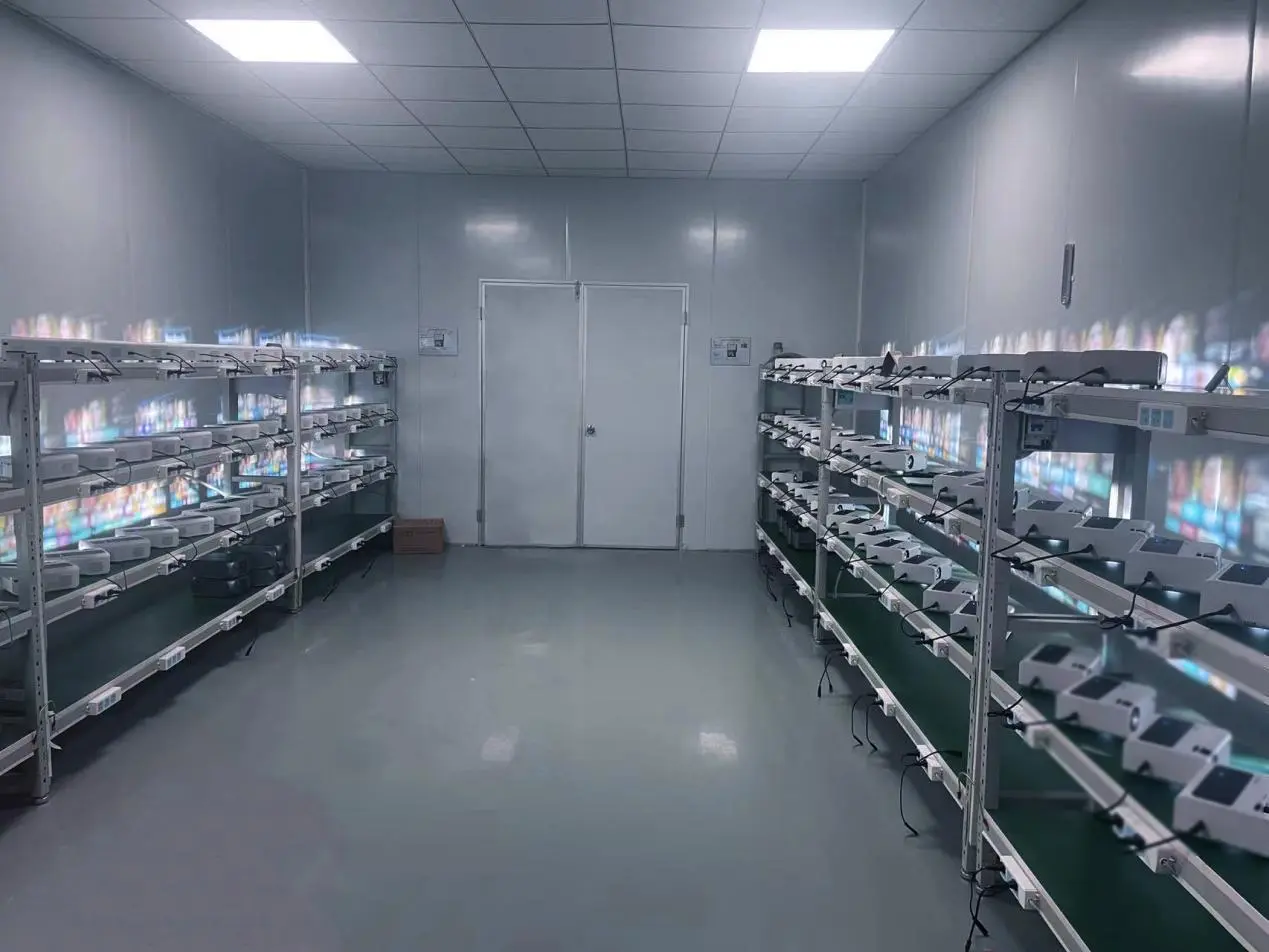
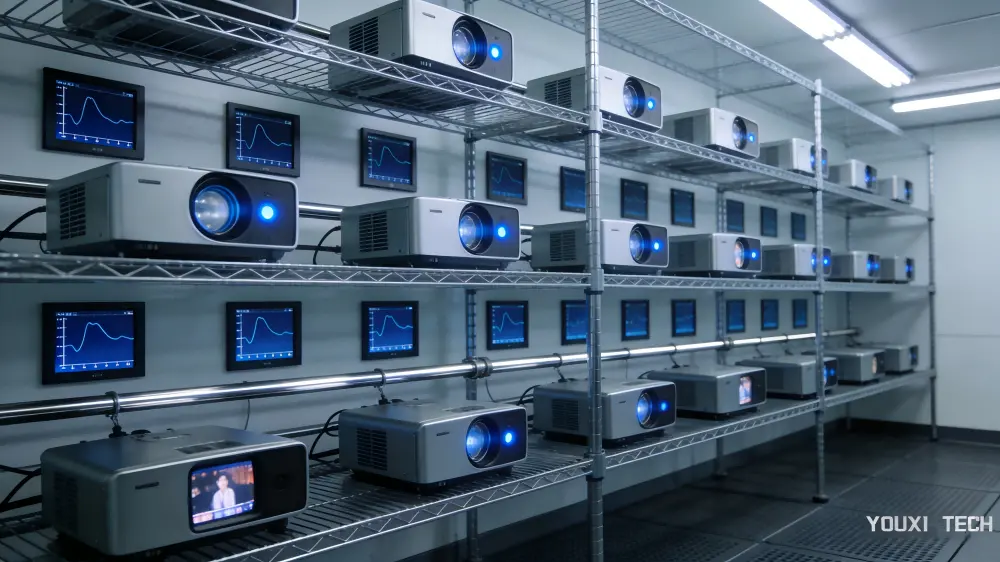
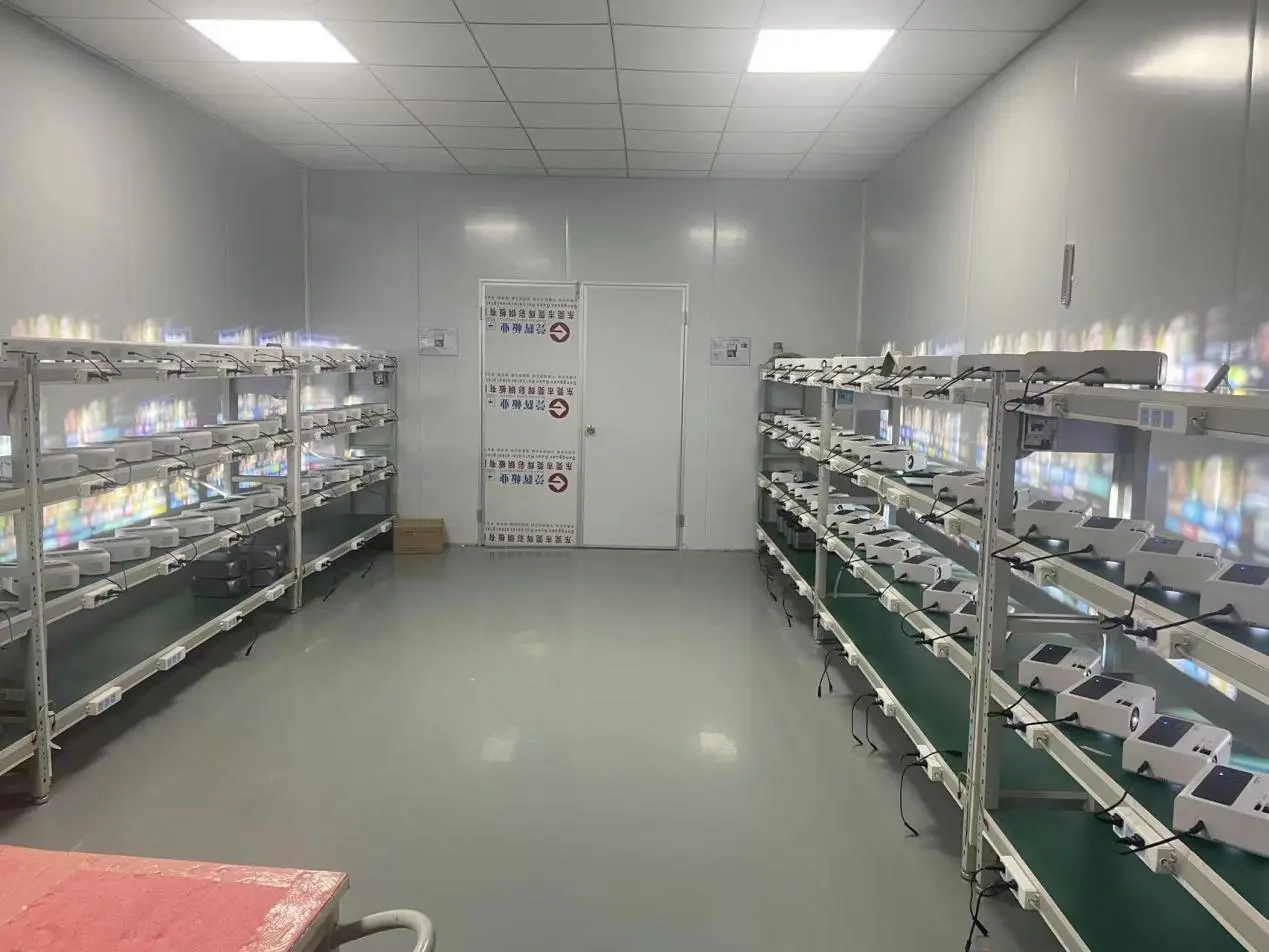
Our aging test room is located adjacent to the functional testing rooms to optimize workflow efficiency. The facility supports running burn-in and thermal aging tests on at least 200 projectors simultaneously.
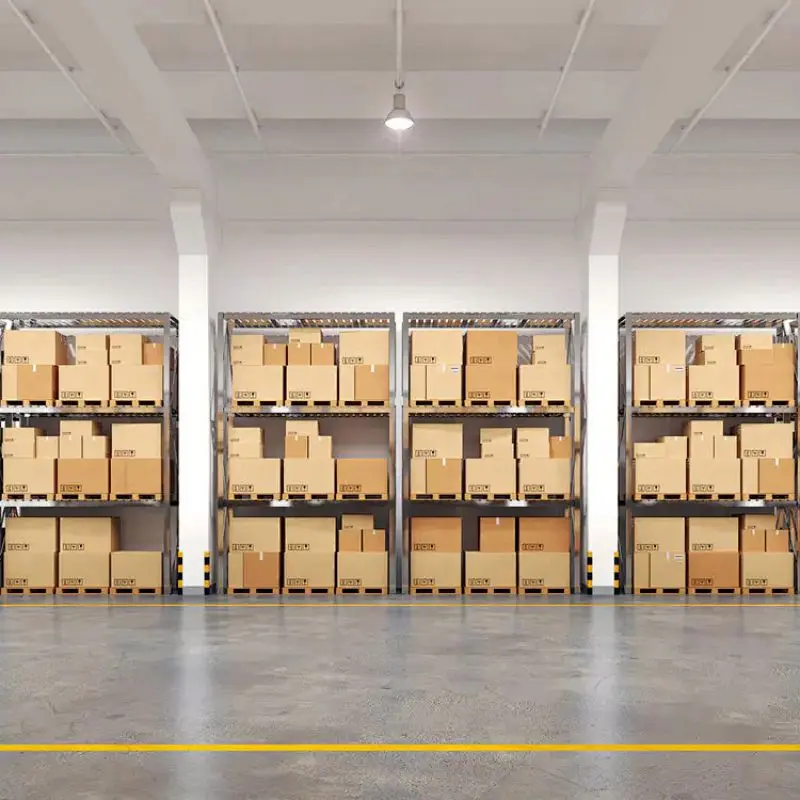
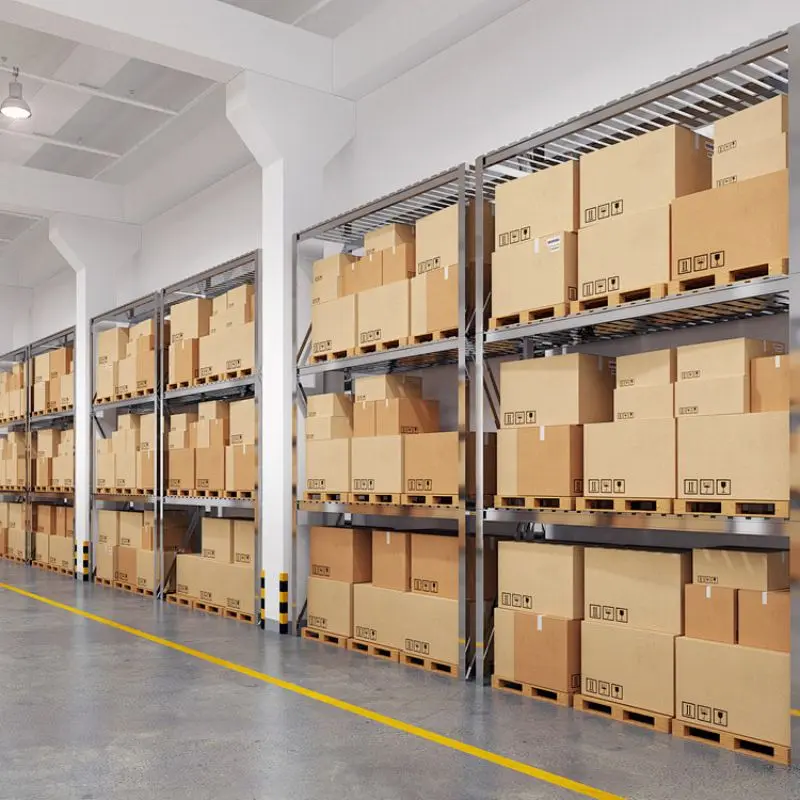
Our warehouse covers 300 square meters for finished products next to the packaging line. This layout speeds up product sorting, palleted configuration, and container loading for distribution.
Overcoming dust buildup and thermal decay to protect long-term projection brightness
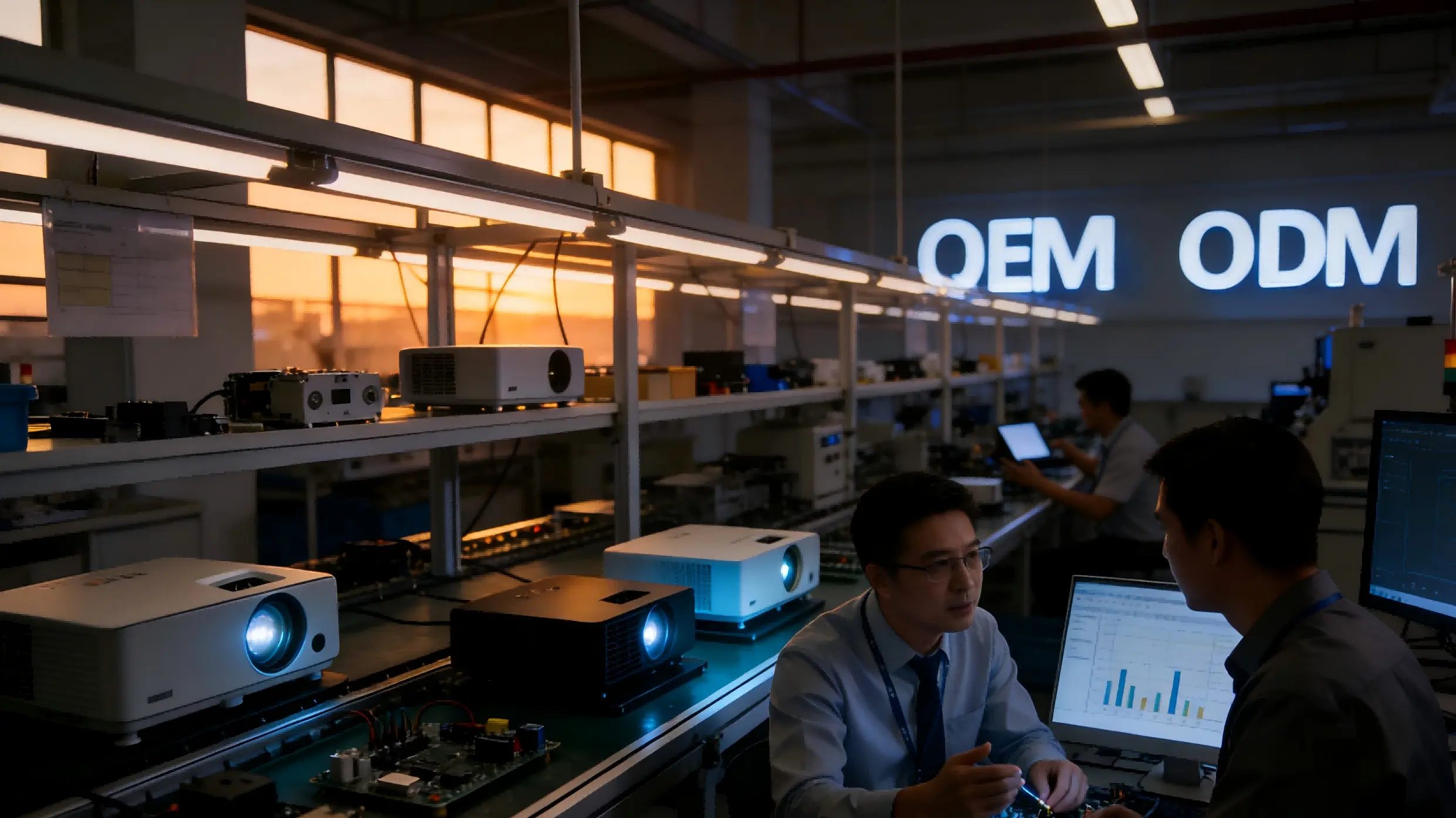
Tailoring optical systems for educational, enterprise, and smart home deployments
Educational installations require at least 400 ANSI lumens to maintain legibility under ambient lighting. Our platforms support keystone correction and Android application integration to simplify deployment in schools.
Office meeting rooms require reliable wireless casting and plug-and-play interfaces. Our business projectors include dual-band Wi-Fi and HDMI interfaces to support quick screen sharing.
Consumer home theaters prioritize color accuracy, quiet cooling, and streaming compatibility. Our compact projectors offer balanced contrast ratios and optimized noise control for living rooms and outdoor use.
Answering common technical questions about optical performance and manufacturing standards
Visual highlights of our production floors and testing setups in Shenzhen and Dongguan
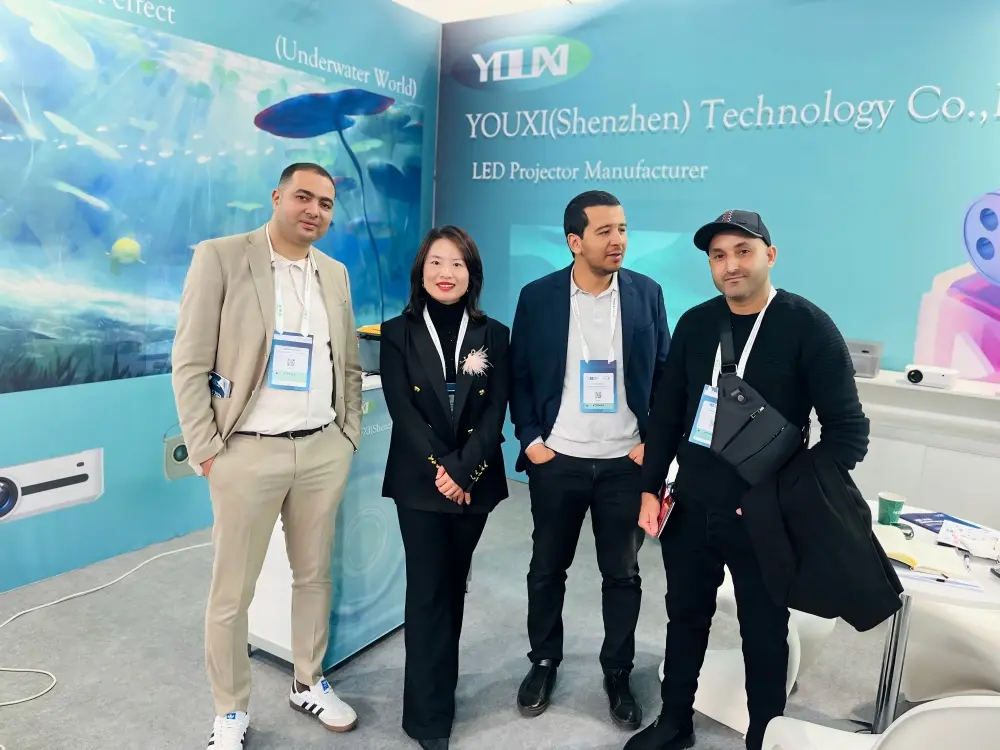
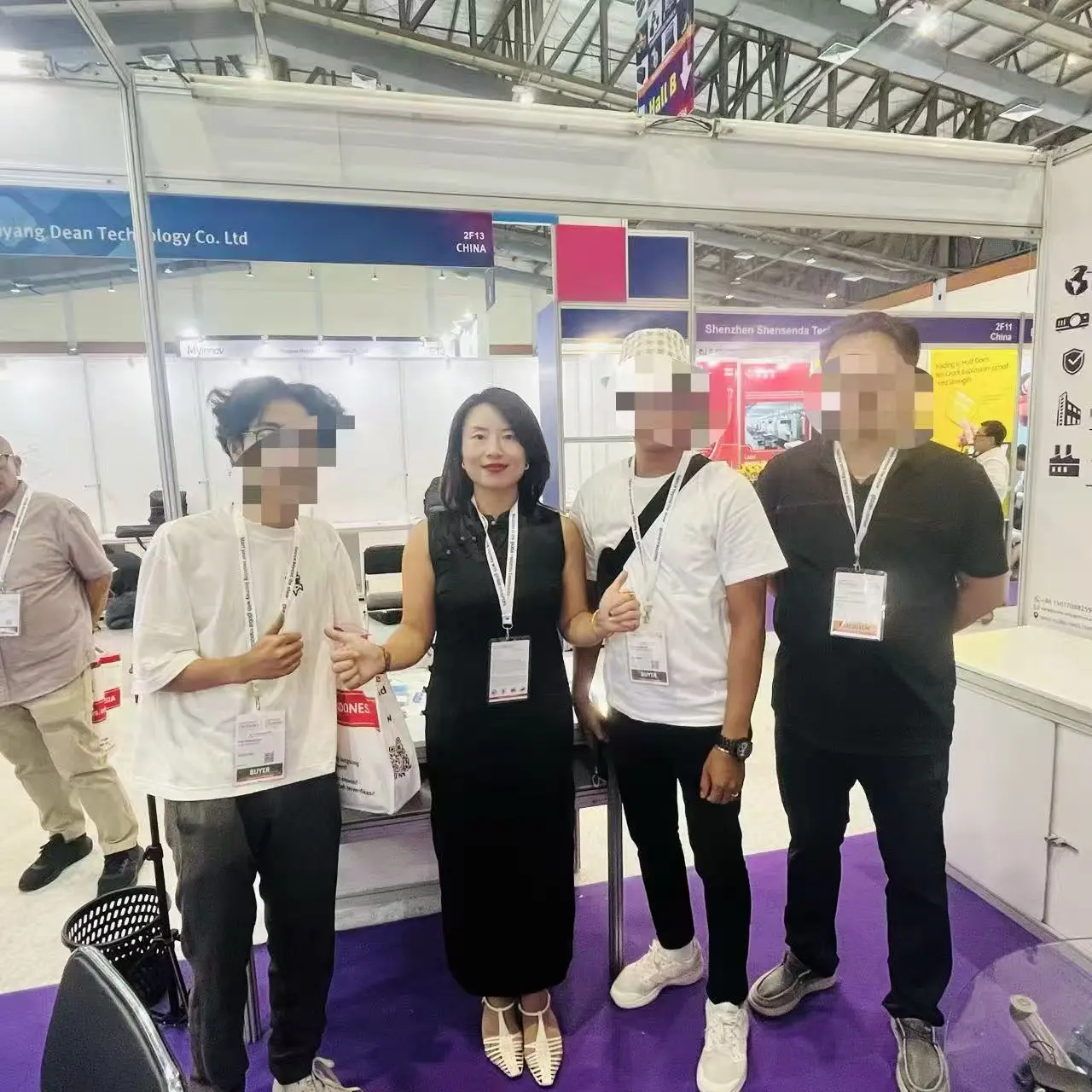
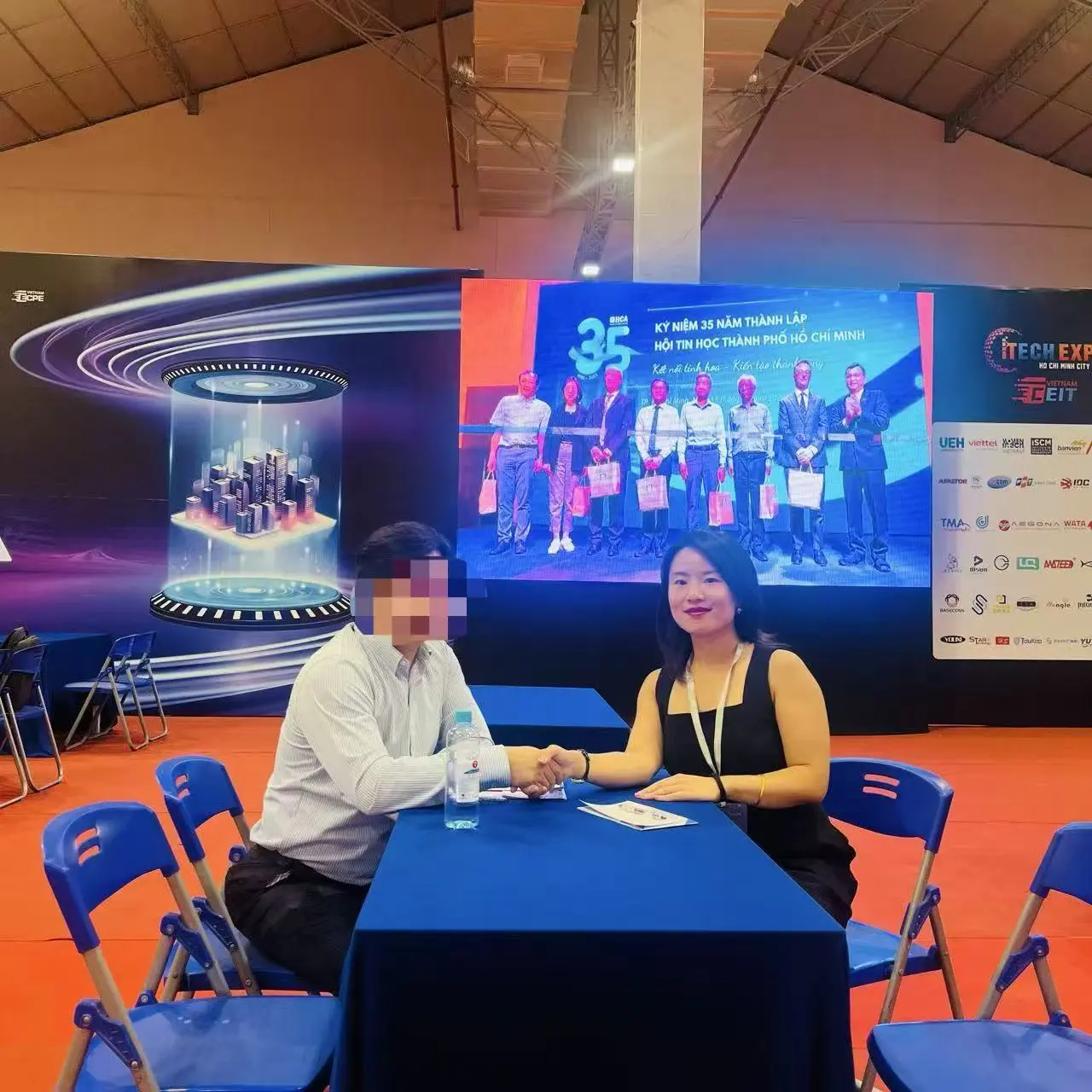
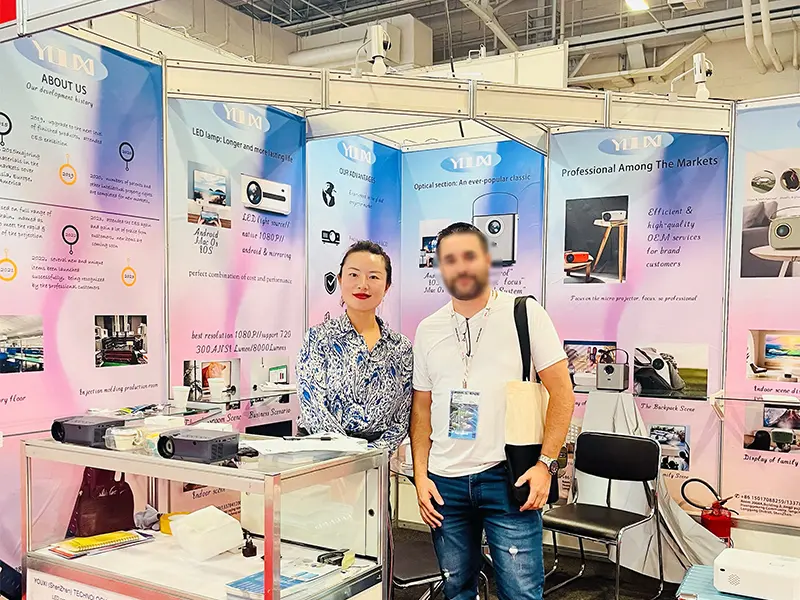
Engineered for home entertainment, classroom instruction, and commercial offices
 Youxi projection