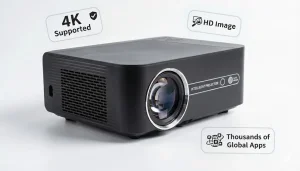
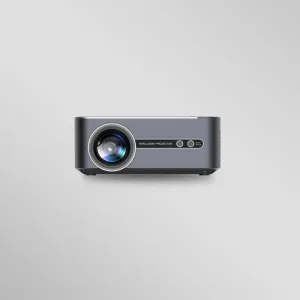
Explore our premium hardware catalog designed for custom OS alignment and robust screen casting capabilities.
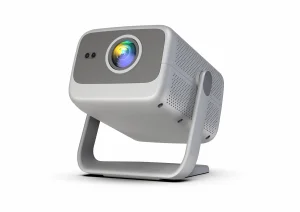
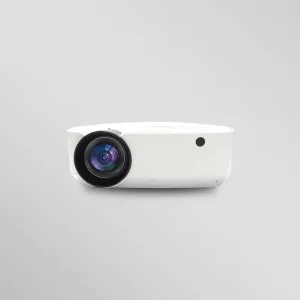
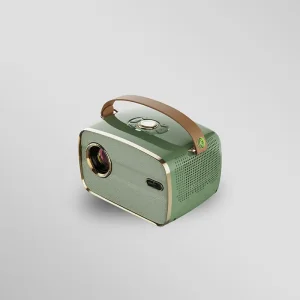
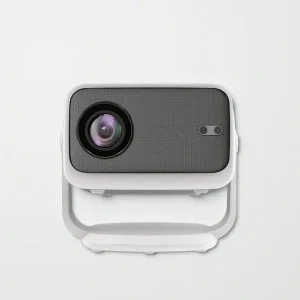
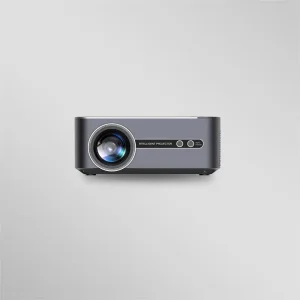
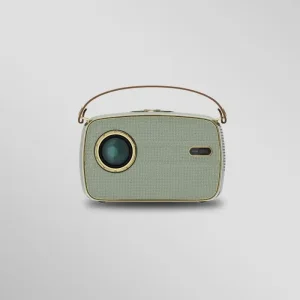
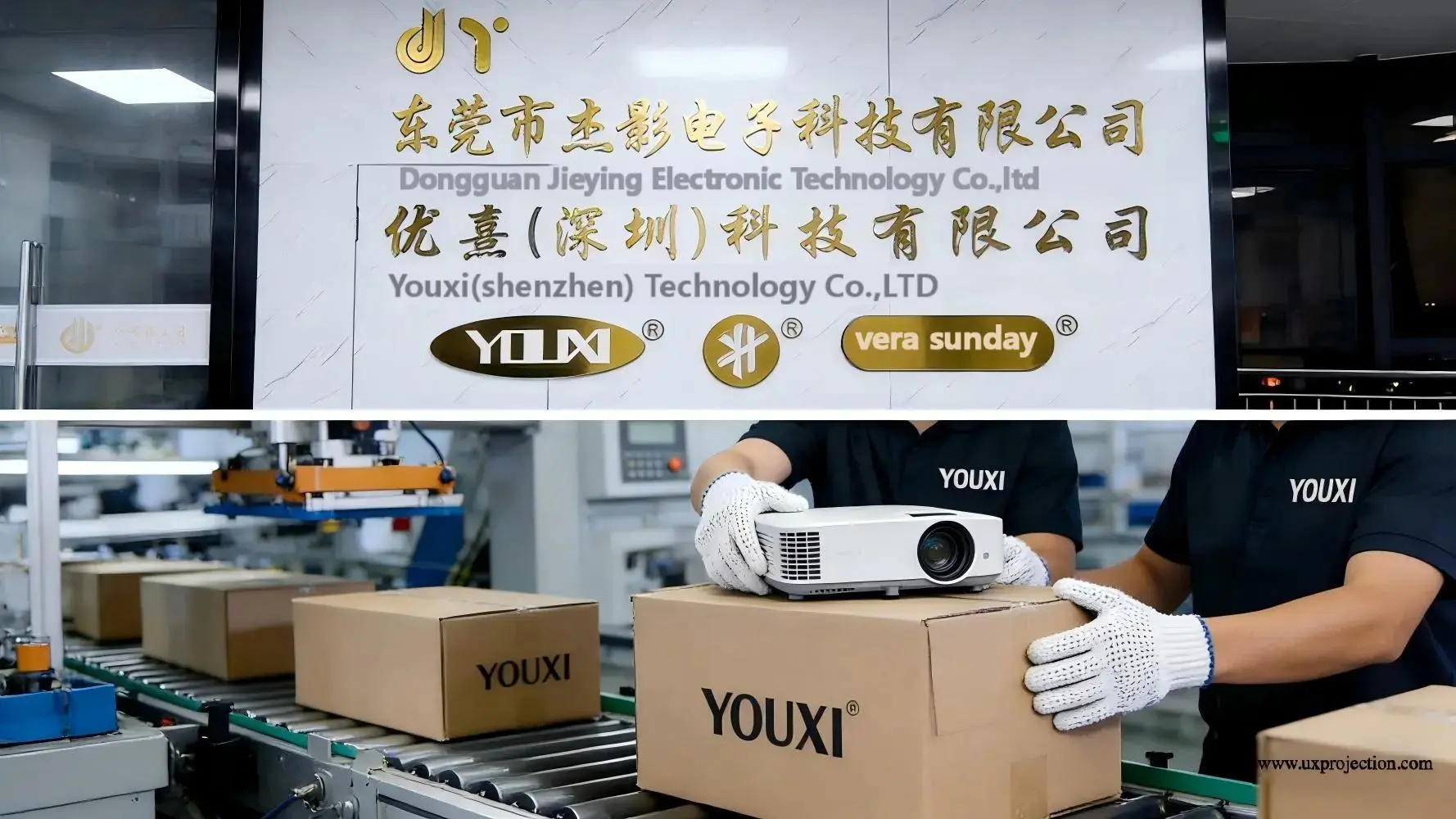
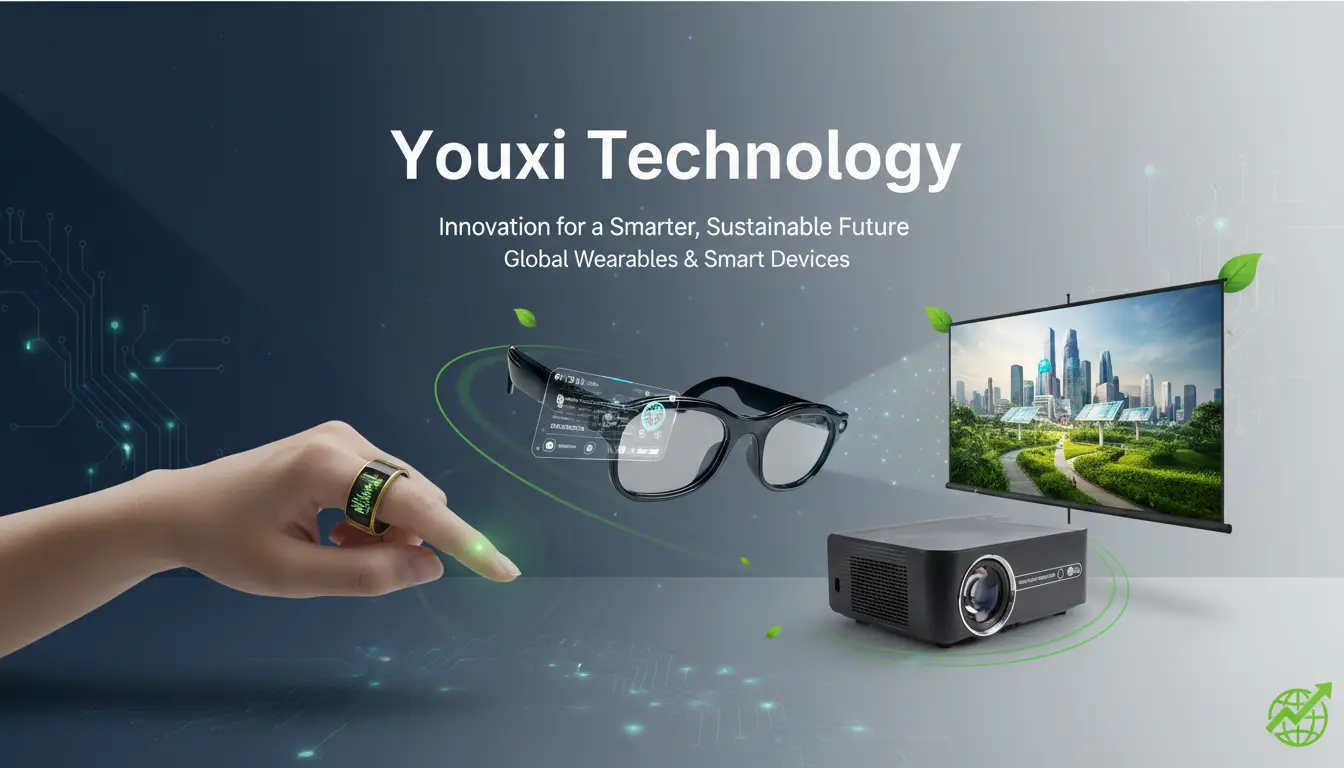
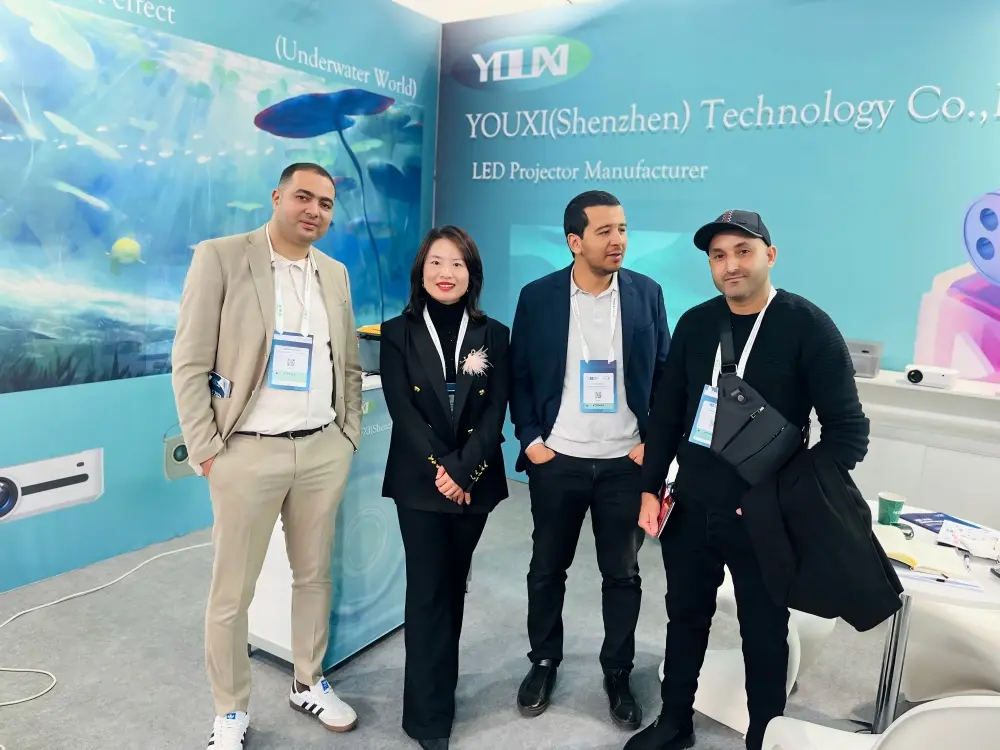
Founded in April 2021, Youxi (Shenzhen) Technology Co., Ltd. specializes in the advanced research, development, and vertical integration of high-performance intelligent projection systems alongside next-generation wearable smart devices. Maintaining end-to-end control across the entire product lifecycle—from raw R&D engineering and cleanroom optical alignment to comprehensive QA testing—our company ensures full compliance with critical international standards at every touchpoint.
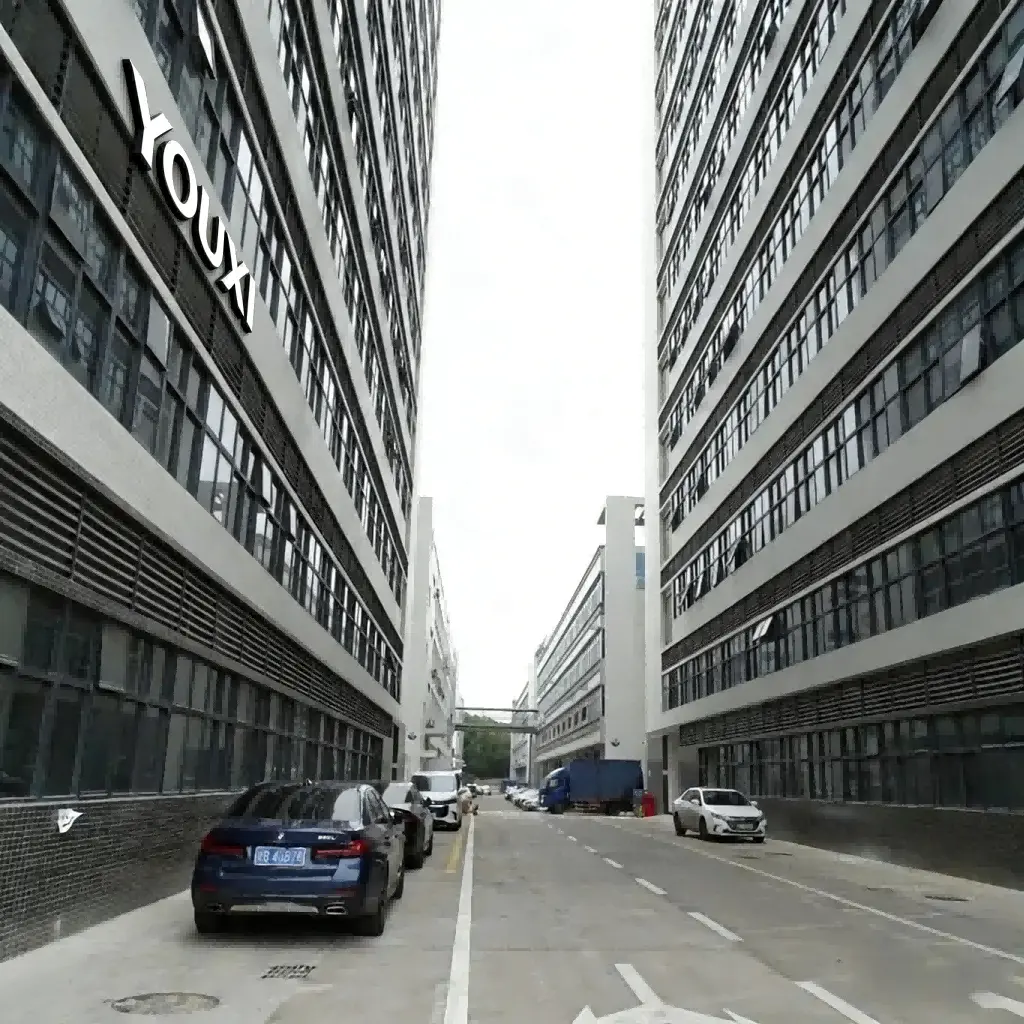
Headquartered in the global electronics center of Shenzhen, we leverage rapid access to regional supply chains and the vital Hong Kong Port (located only a 40-minute drive away). Mass production operations are handled by our dedicated 1,000-square-meter manufacturing assembly facility in Fenggang Town, Dongguan City. With a workforce of around 100 professionals and a base production capacity exceeding 30,000 units monthly, we provide high reliability and prompt distribution to clients worldwide.
To align with global sustainable development goals, Youxi integrates eco-conscious material selection, waste reduction processes, and energy-efficient optical configurations to deliver green manufacturing solutions.
Analyzing wireless transmission protocols, casting latencies, and modern hardware architecture.
In the global B2B display and projector market, screen mirroring functionality has transitioned from a premium add-on to a critical performance benchmark. Screen mirroring in projectors involves complex processing: real-time compression, over-the-air packet transmission, buffering, and decompression. The user experience is heavily determined by three main elements: latency (measured in milliseconds), frame-rate stability, and protocol compatibility.
Different client devices use distinct protocols to cast content. To support all user devices, projector factories must integrate multi-protocol receivers in the projector's SOC:
1. Miracast (Wi-Fi Alliance): Employs a Wi-Fi Direct connection. This bypasses the local router to transmit video from Android/Windows host machines directly to the projector. It uses H.264/H.265 compression, making it suitable for secure business meetings without router access.
2. Apple AirPlay: Utilizes a local area network connection. Apple devices send a compressed stream or redirect video links directly to the projector, which requires licensed AirPlay receiver modules within the Android/Linux operating system.
3. Chromecast & DLNA: Redirects internet media streams to the projector. The host device acts as a remote control, allowing the projector to pull the feed directly from the cloud.
High-resolution streaming (like 4K projection) demands significant network throughput. Older 2.4GHz Wi-Fi modules often struggle with crowded channels, causing packet drops and stuttering. Advanced projection equipment relies on 2.4GHz/5GHz dual-band wireless chips. Many premium designs integrate Wi-Fi 6 (802.11ax) modules, which employ MU-MIMO and OFDMA technologies to handle busy environments, keeping latency below 50ms.
| Protocol / Standard | Network Topology | Max Output Resolution | Typical Latency Range | Ideal Use-Cases |
|---|---|---|---|---|
| Miracast (Wi-Fi Direct) | Peer-to-Peer (No AP) | 1080p @ 60fps | 80ms - 120ms | Corporate presentations, classrooms |
| AirPlay Mirroring | Local Router (AP) Dependent | 1080p @ 60fps | 60ms - 100ms | Apple ecosystem display, home cinema |
| Wi-Fi 6 Cast (802.11ax) | Local Router (with OFDMA) | 4K UHD @ 60fps | 30ms - 50ms | Lag-free gaming, 4K wireless theater |
| DLNA / Cloud Render | Internet Connection Required | 4K UHD @ 60fps | Buffer Dependent | OTT Streaming (Netflix, YouTube) |
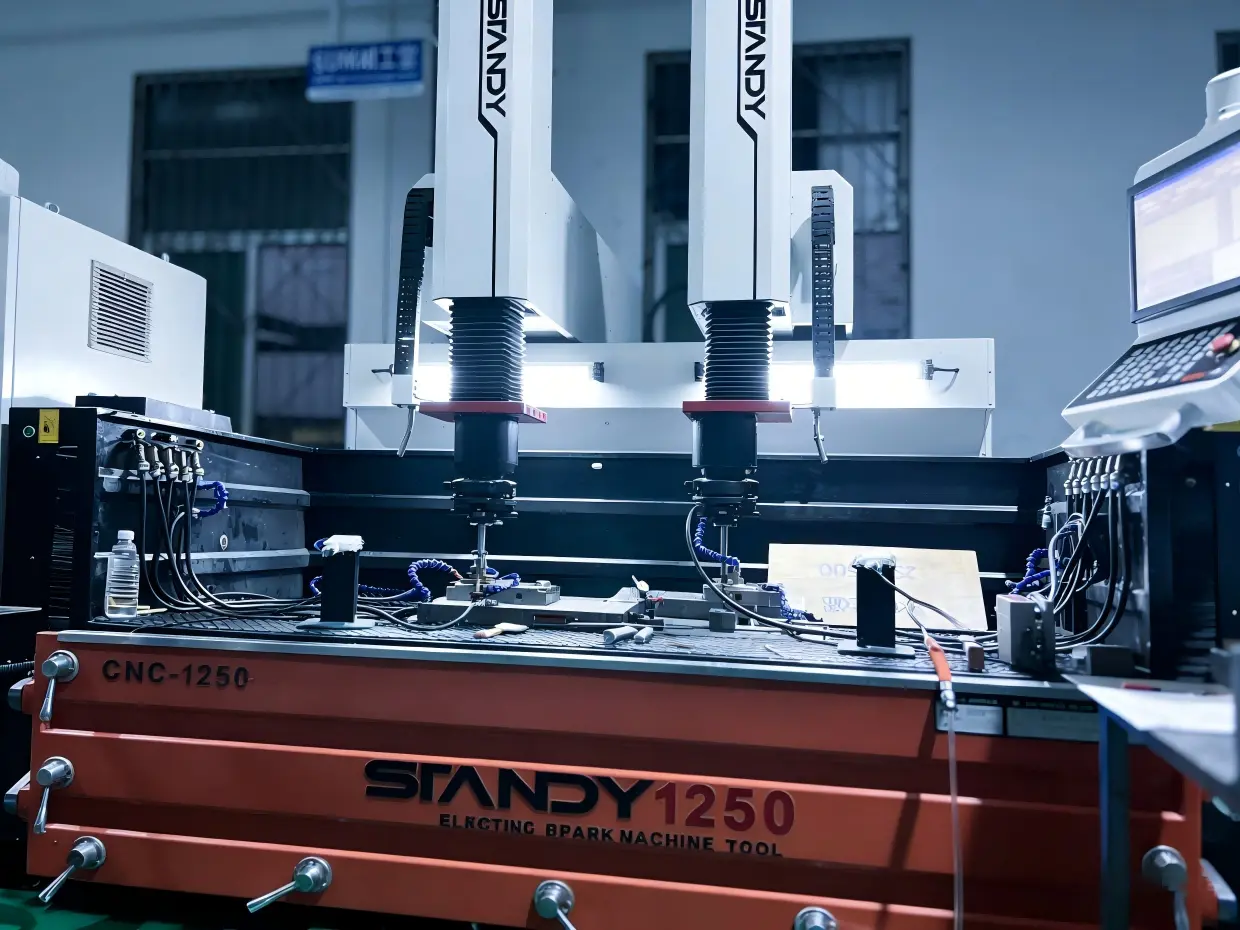
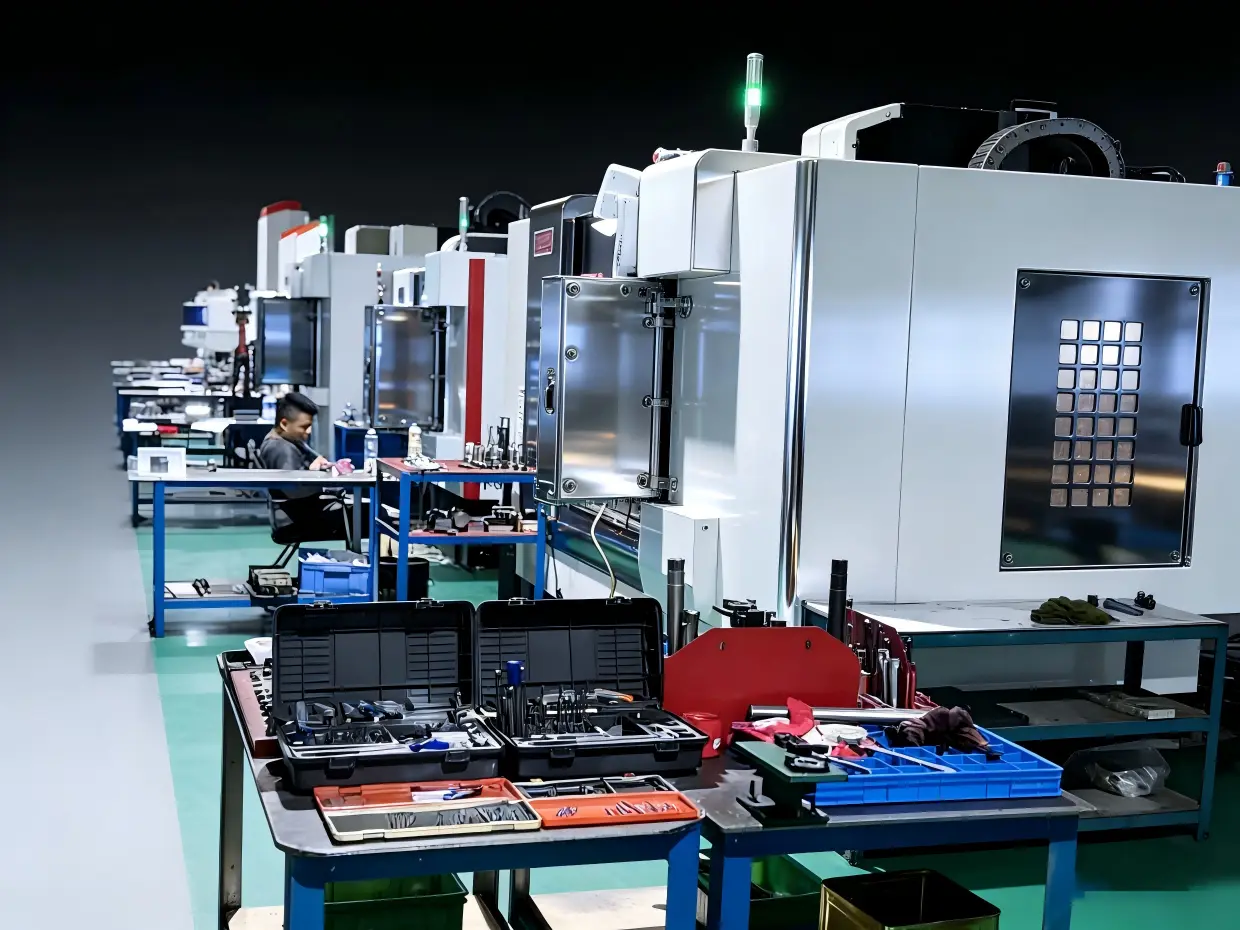
The mold and injection molding workshop is located adjacent to our main production facility. Our setup is equipped with digital CNC machining centers and high-precision injection machinery that meet or exceed standard market specifications. This provides a stable foundation for each projector cabinet and optical frame, ensuring precise alignment of the optical path during high-temperature cycles.
High-quality casing keeps the internal optics safe. We check molds for thermal expansion to prevent image drift or optical misalignment in our projectors, ensuring long-term focus stability.
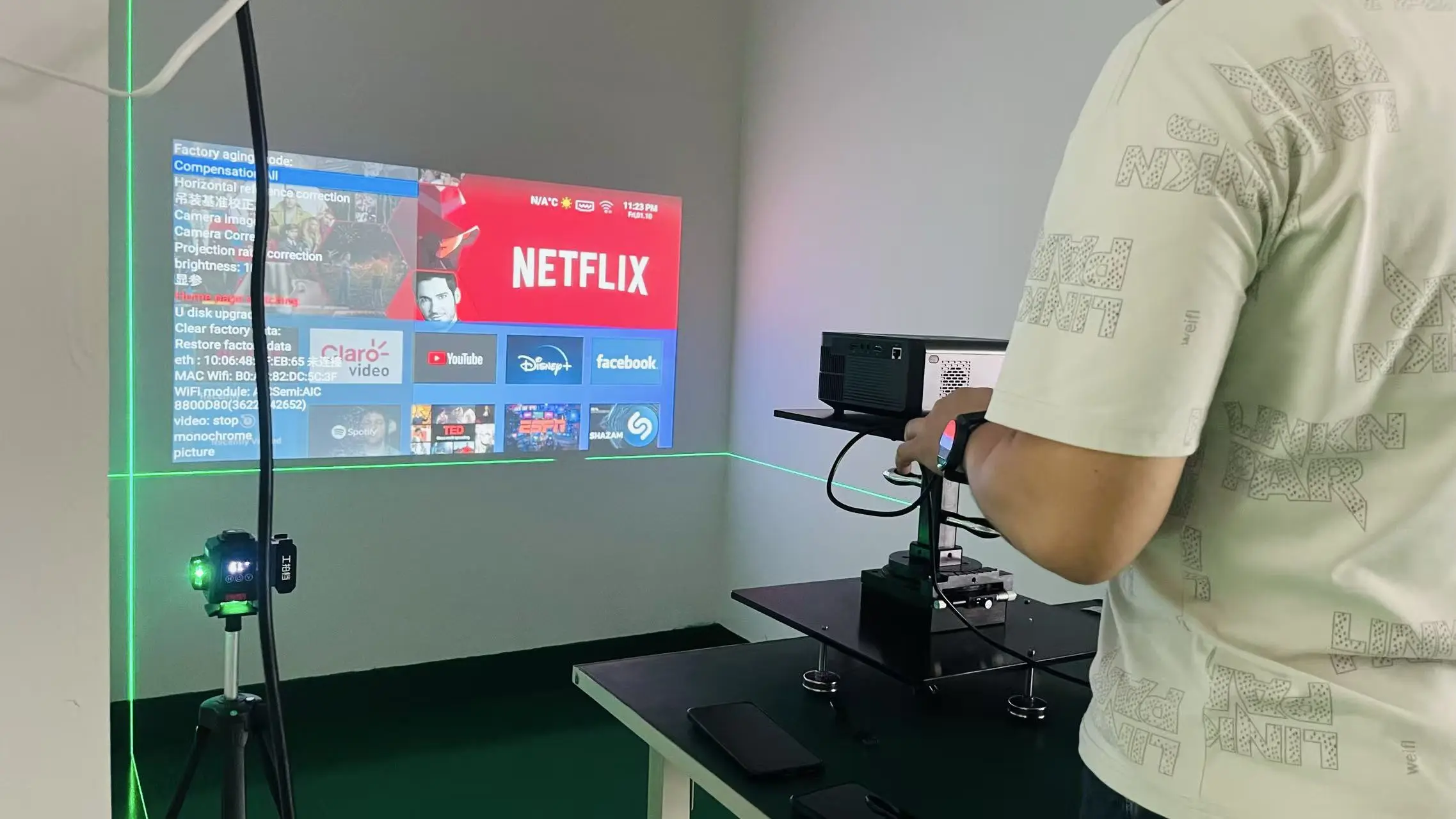
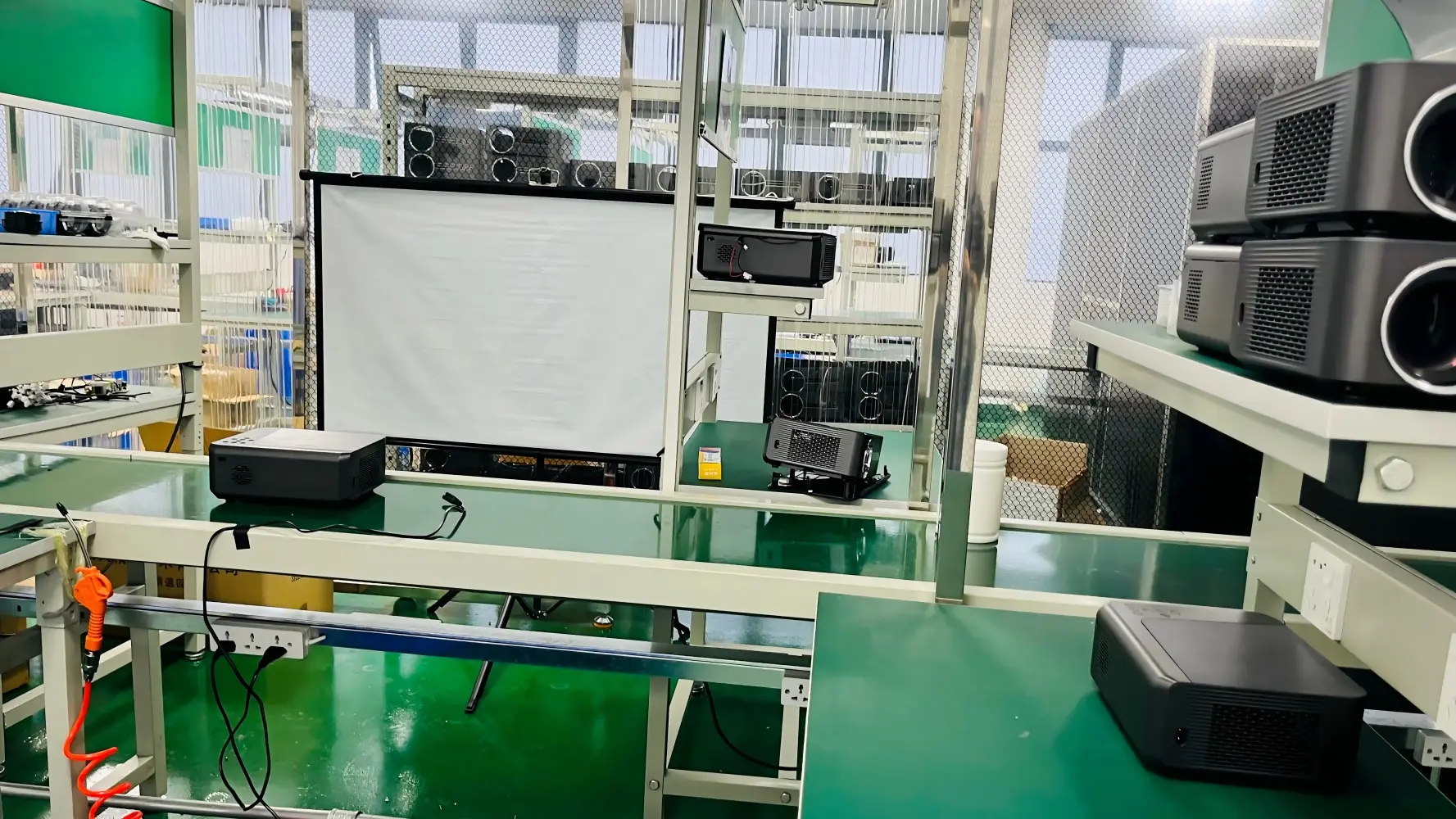
Our assembly facilities cover a total floor space of 4,000 square meters. The plant contains dedicated areas for component preparation, shell assembly, lens adjustment, and quality validation. Following recent structural updates, we employ over 100 assembly workers, distributed across departments according to rigorous ethical and operational standards.
To protect internal LCD panels and optical engines from dust, the assembly workshops operate under 5S dust-free cleanroom parameters. These safeguards keep the optical path clear of contamination, preventing dark spots and pixel occlusion on the screen. The combined factory assembly operations deliver a reliable monthly production capacity of up to 50,000 units.
To maintain high screen mirroring stability and control field defect rates, we operate 12 testing labs split into two operational groups. Certified quality assurance inspectors conduct functional and physical evaluations at multiple points: inspecting incoming materials, auditing the first finished unit of each batch, and performing random sample tests before shipment.
Technicians verify Keystone correction limits, brightness uniformity, color gamut coverage, and wireless projection handshake reliability across multiple OS configurations.
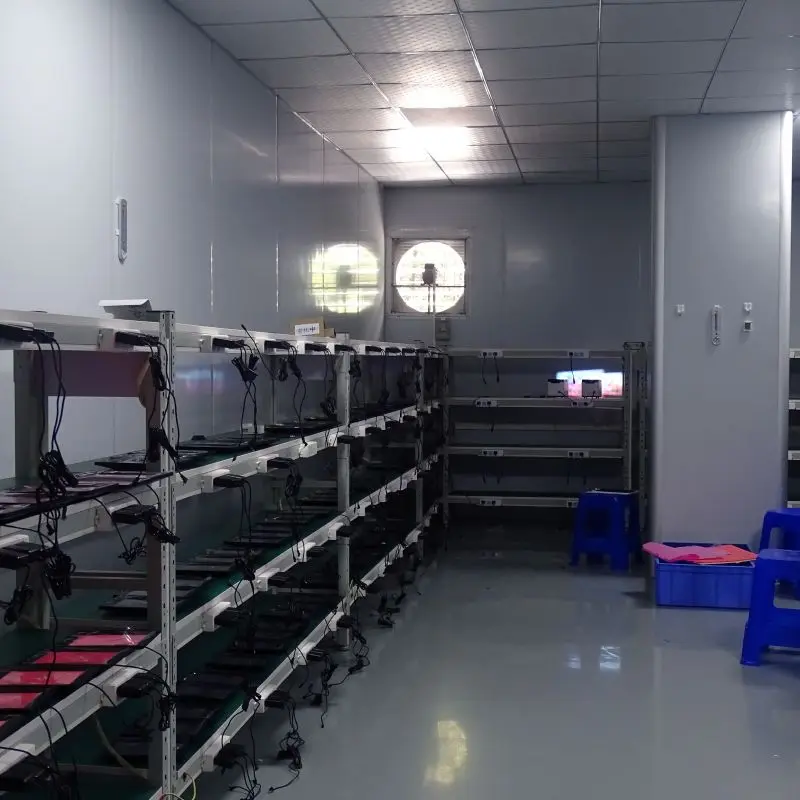
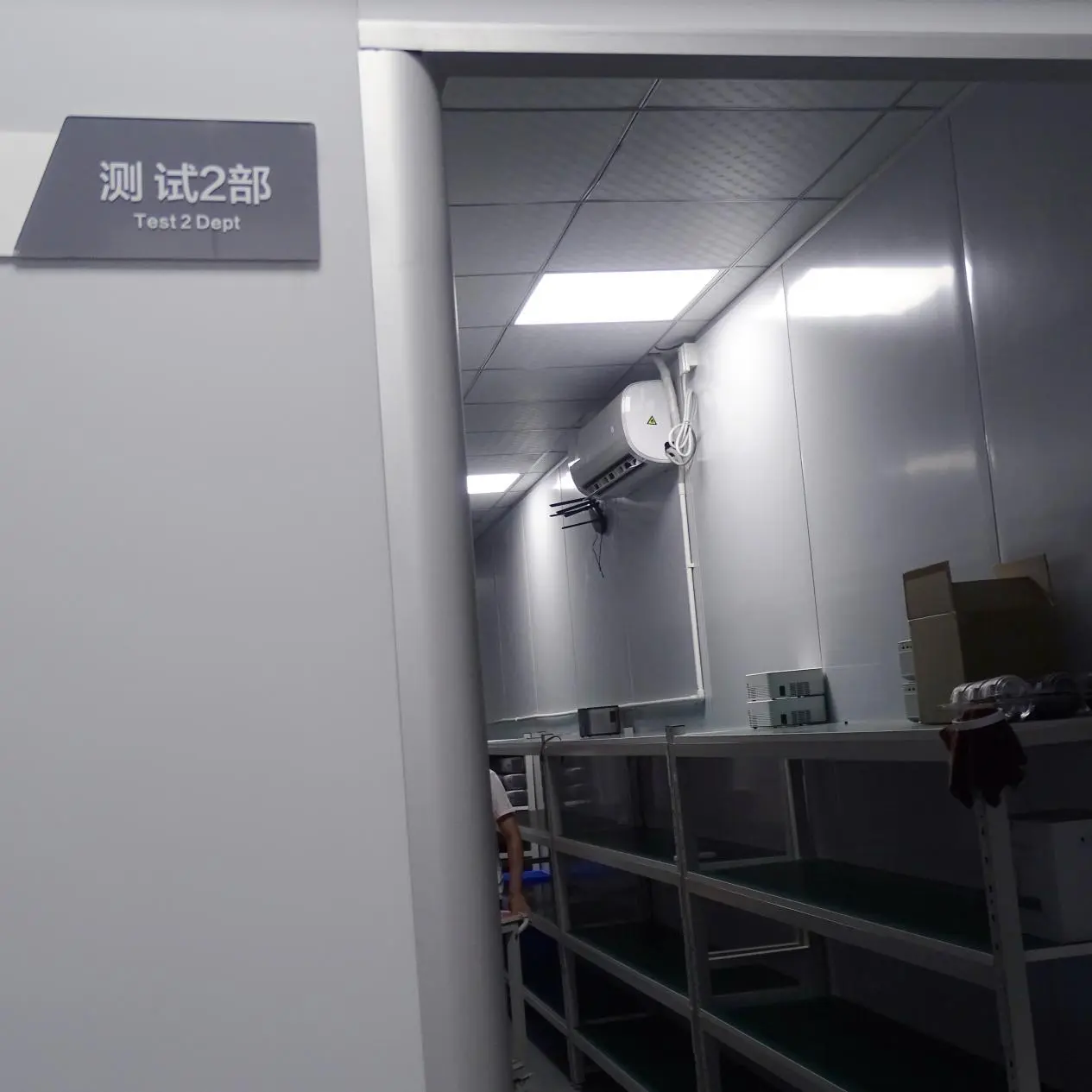
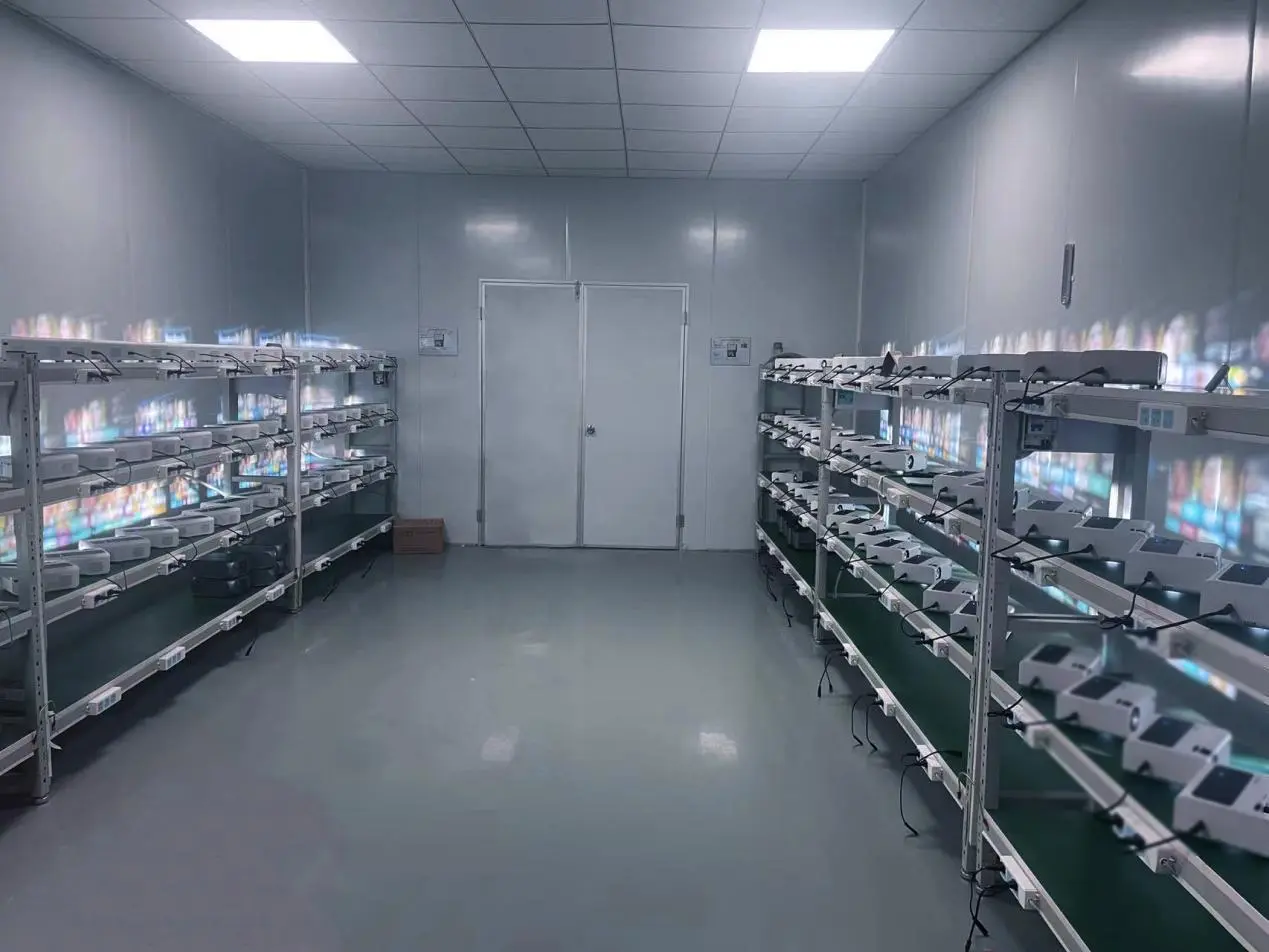
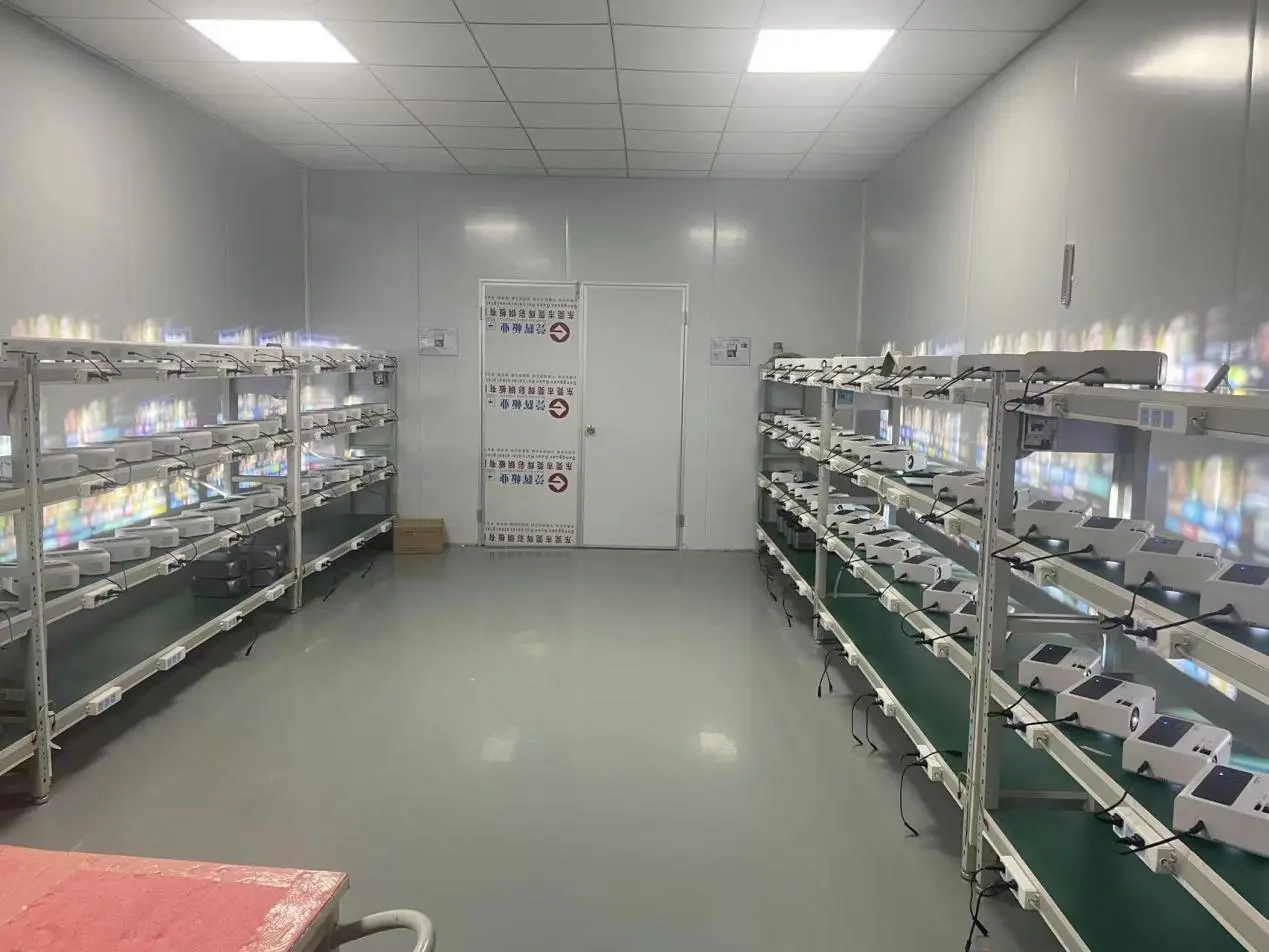
The aging test room is located adjacent to the primary functional testing facilities to streamline operations. The testing space supports simultaneous burn-in testing for up to 200 projectors.
Every projector undergoes continuous high-temperature stress testing. This runtime test monitors heat dissipation efficiency and assesses wireless chipset stability during extended high-speed data transmission.
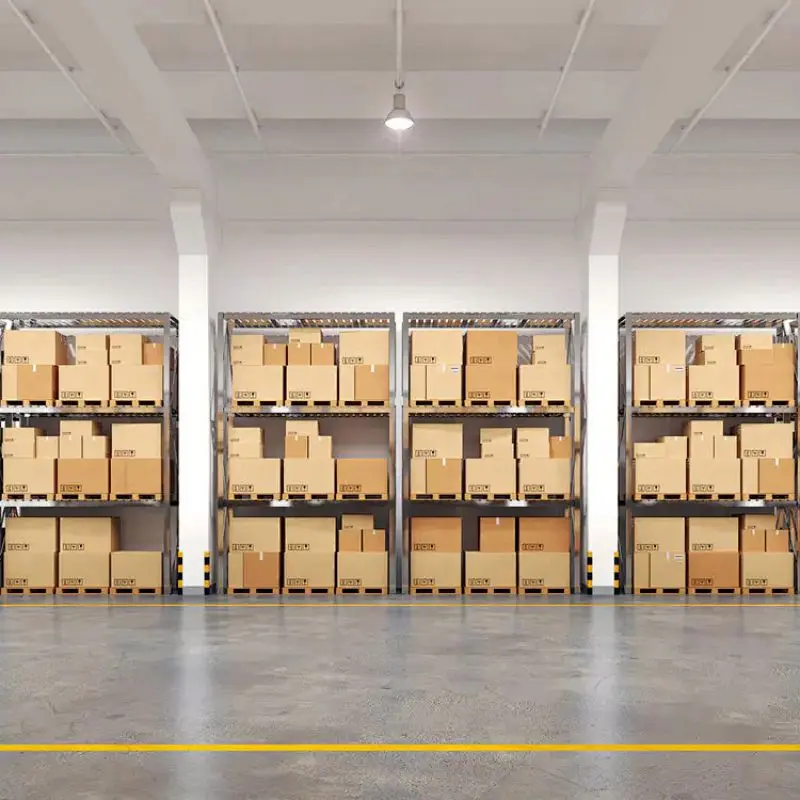
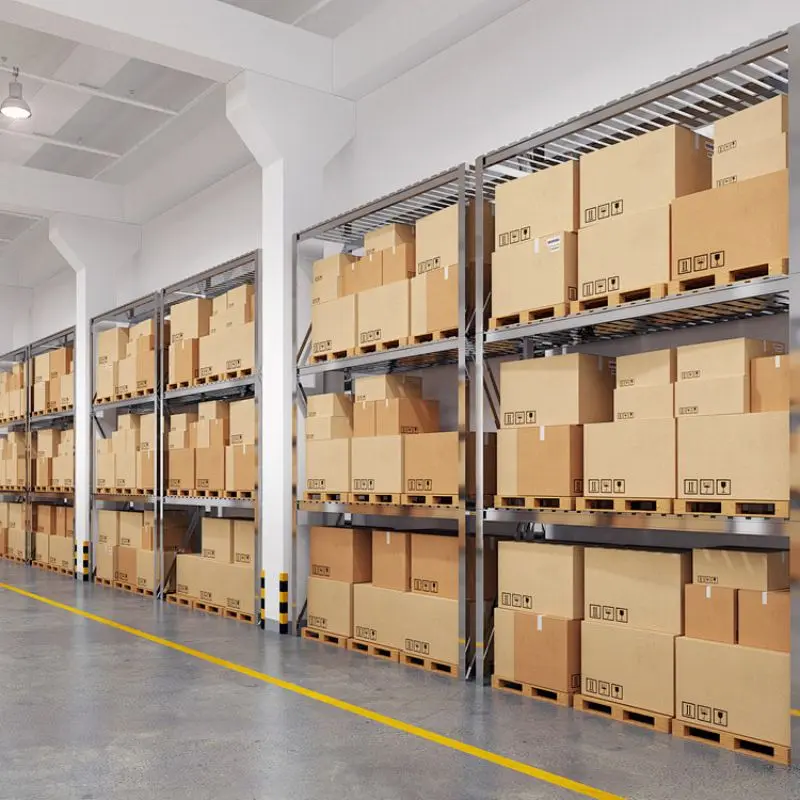
Our dedicated finished product warehouse covers 300 square meters, positioned directly at the end of the packaging line. This layout enables streamlined loading and transfer to international distribution hubs. Because of our location in Shenzhen/Dongguan and proximity to the Hong Kong port, we can quickly move goods from our facility to cargo terminals in about 40 minutes.
We maintain strict control over temperature and humidity inside the storage space. This protects optical assemblies and packaging materials from humidity, ensuring clean delivery to international distribution networks.
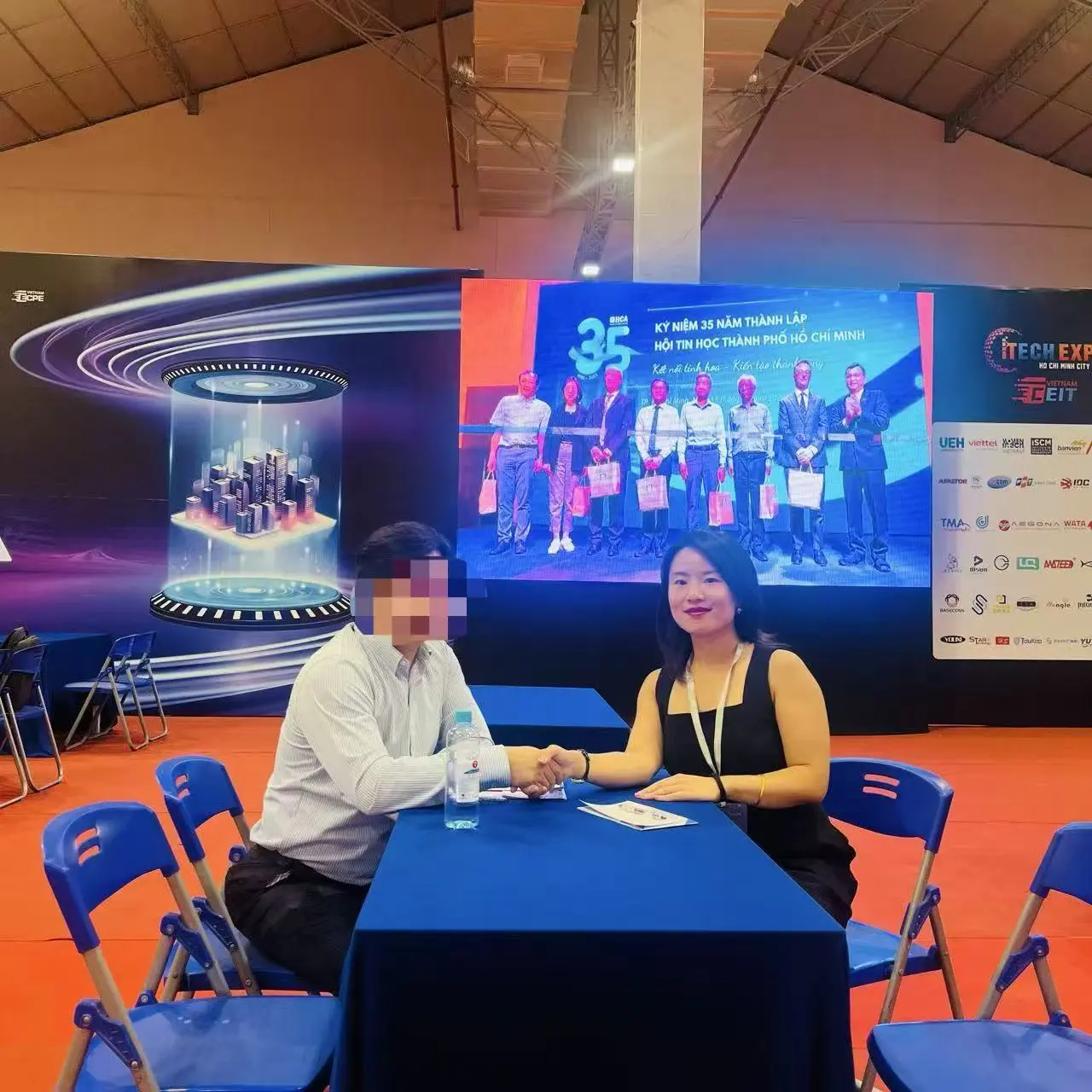
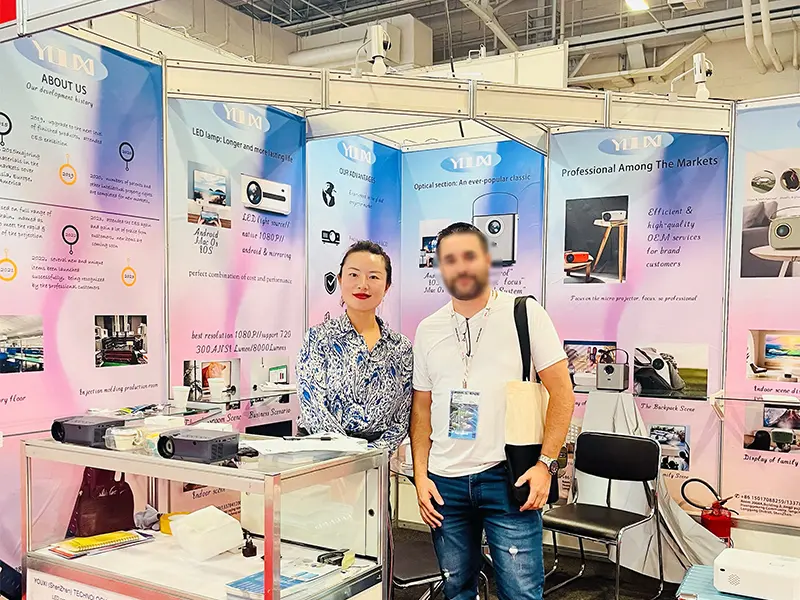
Understanding cost structures, customization fees, and international compliance variables.
When purchasing projectors in volume, price quotes reflect more than just the raw bill of materials (BOM). Buyers must evaluate several factors that influence the overall cost of wireless-enabled projector shipments:
1. SOC and Wireless Network Hardware Selection: Low-cost projectors often use single-band 2.4GHz WiFi modules and older chipsets, which can cause connection latency and drops. Standard enterprise solutions require high-performance chipsets (such as Amlogic, MediaTek, or Rockchip) paired with dual-band WiFi 5/6 hardware. This increases the unit cost but ensures reliable performance in busy office or home networks.
2. Software Licensing and Certification Compliance: Integration of certified cast protocols like Apple AirPlay and Google Chromecast requires licensing and validation. Projectors with official Google TV and Netflix integration (such as the C30) include these certification costs in the unit price, ensuring smooth playback of copy-protected (HDCP DRM) streaming services.
3. Optical Engine Configurations: The choice of light source directly impacts system lifespan and image quality. Standard LCD optical units with LED light sources offer a cost-effective solution for retail and home use. In contrast, sealed DLP engines, auto-focus modules, and auto-keystone correction hardware require higher initial investments but offer lower maintenance and longer operational lifespans.
Customize boot screens, pre-install application suites, build custom user interfaces, and partition internal storage to suit commercial or educational deployments.
Incorporate customized casing designs, coordinate brand-specific color palettes, apply logo prints, and select custom packaging to align with your corporate identity.
Integrate specialized WiFi band filters (DFS channels) and secure CE, FCC, RoHS, and Telec certifications to ensure compliance with regional import standards.
The integration of smart wearables, interactive control interfaces, and modern projection systems.
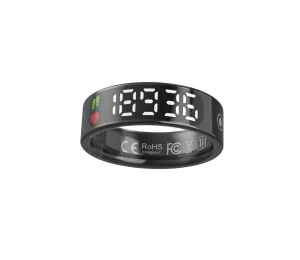
The smart display ecosystem is shifting from simple screen mirroring to integrated interactive spaces. A key driver of this shift is the convergence of projectors with smart wearables, such as smart rings. This allows users to control system menus, adjust focus parameters, and navigate presentations using simple hand gestures, bypassing the need for physical remotes or smartphone screens.
Simultaneously, advancements in localized AI engines are transforming image setup processes. Real-time automatic focus, auto-keystone correction, and screen-barrier avoidance algorithms run continuously in the background, maintaining image geometry and focus even when the projector is moved. Modern smart projectors are evolving from passive screens into intelligent display terminals that coordinate with smart home and corporate networks.
Direct technical answers addressing projector screen mirroring, sourcing quotes, and manufacturing logistics.
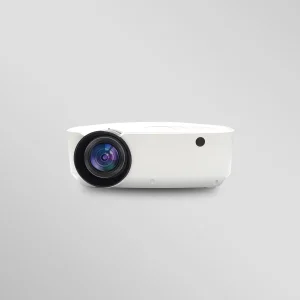
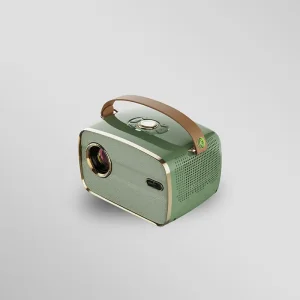
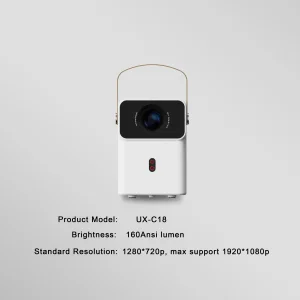
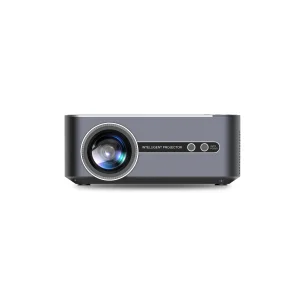
Verify prices and technical specifications across our full product range to find the right solution for your target market.
 Youxi projection