Verify prices, configurations, and request dynamic quotes directly from our manufacturing facility.
Why modern hardware-software alignment is redefining enterprise and home smart projection systems.
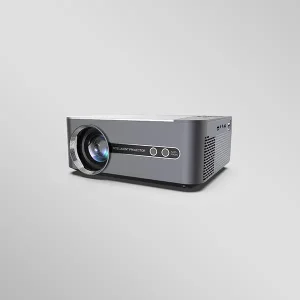
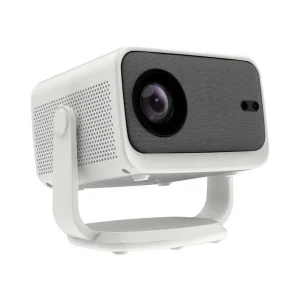
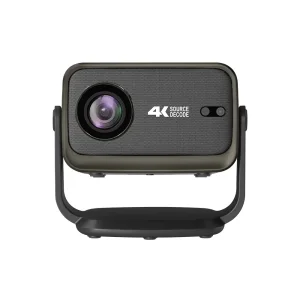
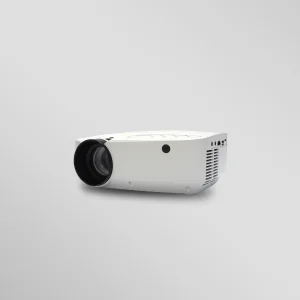
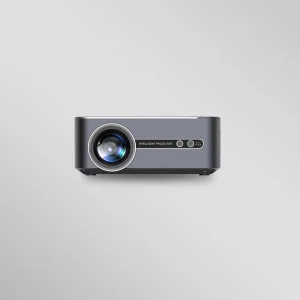
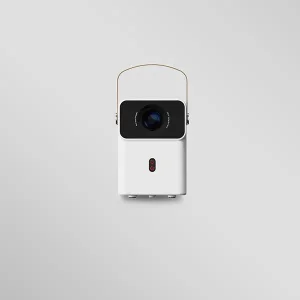
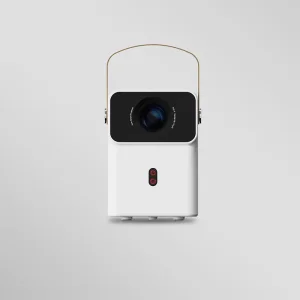
In the landscape of smart visual hardware, the phrase C18 Android Projector is not merely a model designation; it reflects a targeted performance profile designed to bridge the gap between high-luminance output, thermal dissipation efficiency, and deep Android OS-level integration. At the core of the C18 architecture lies an integrated System-on-Chip (SoC) featuring multi-core CPU/GPU designs specifically optimized to handle real-time H.265/AV1 decoding and graphical keystone operations without inducing thermal throttling. By aligning hardware capability with a robust Android framework, these devices guarantee smooth UI rendering and application performance, making them highly sought-after units for home cinemas and commercial workspaces alike.
For B2B buyers, sourcing from dedicated C18 Android factories requires understanding key technical milestones: optical engine designs, dust protection standards (fully sealed vs. semi-enclosed optomechanical engines), and custom firmware capabilities. A structured procurement process ensures that final quotes reflect the real cost of ownership—taking into account certification levels, custom Android configurations, and transport safety parameters. Choosing the right industrial partner ensures long-term operational success, mitigating typical risks like high defect rates, firmware drift, or optical degradation.
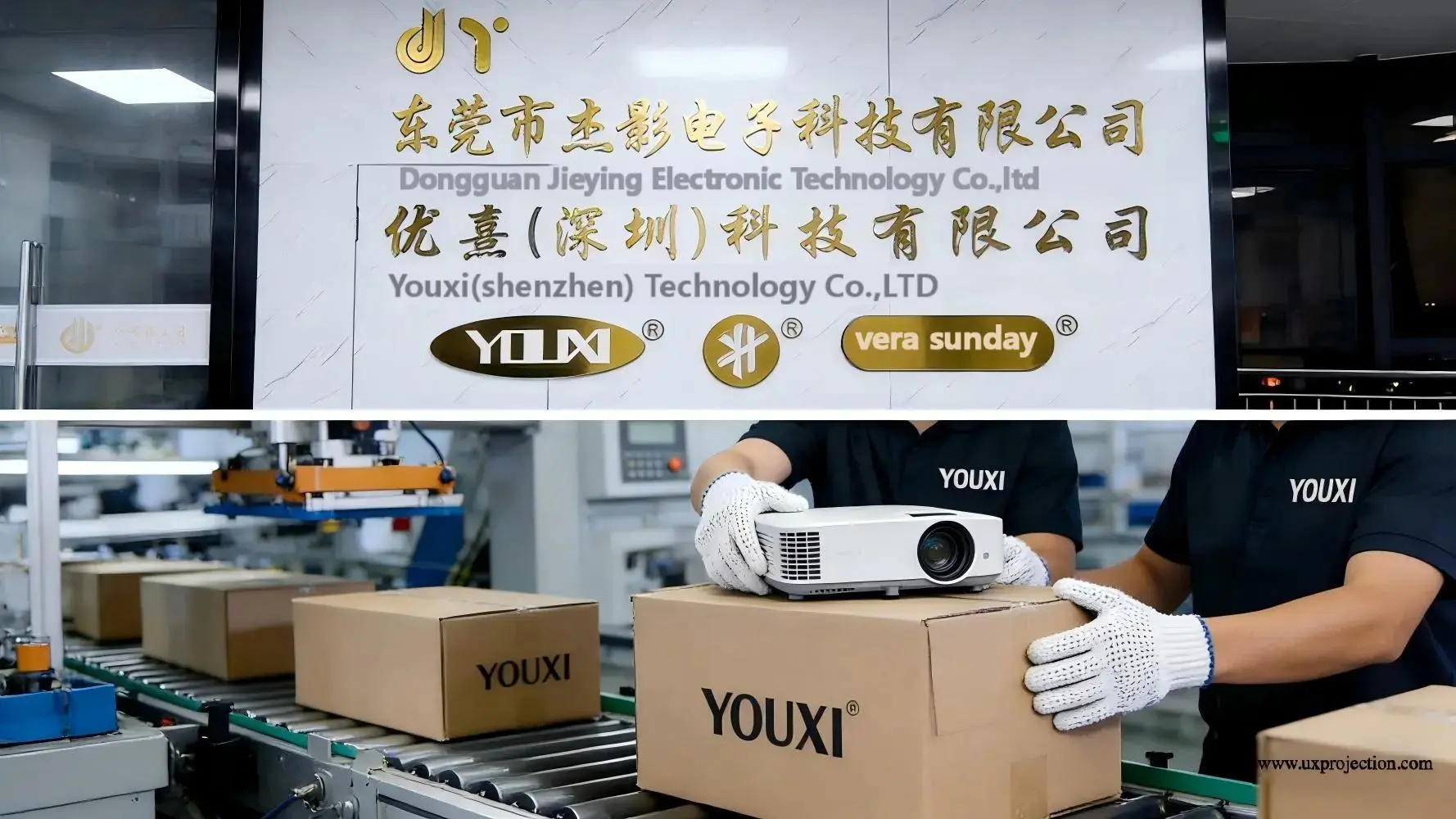
Founded in April 2021, Youxi specializes in the research, development, precision engineering, and complete lifecycle integration of intelligent projection systems and premium wearable smart products. Our operational blueprint covers everything from raw component selection to finalized product delivery, adhering strictly to global QA standards at every stage.
By prioritizing ecological responsibility, we focus on energy-saving architecture, recyclable structural components, and waste mitigation strategies, ensuring that our clients receive products aligned with global environmental guidelines.
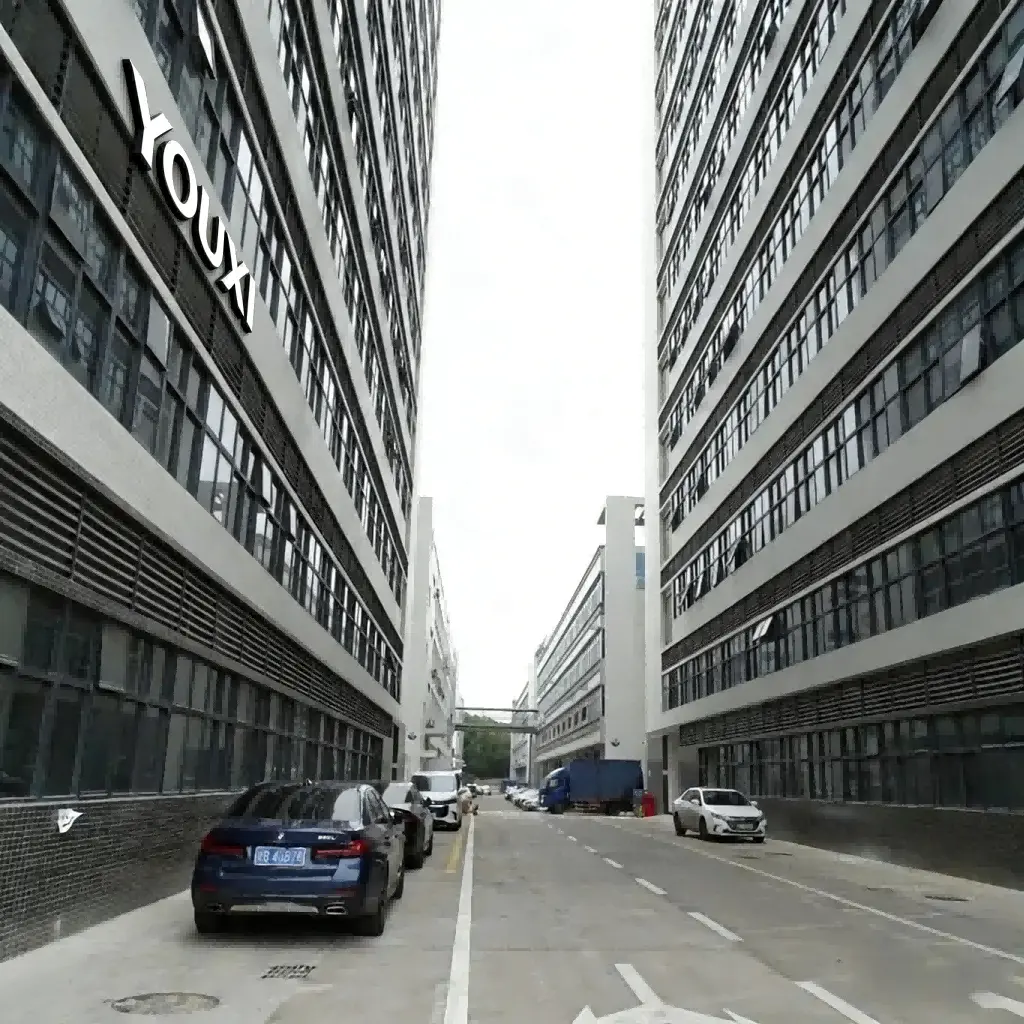
"Strategically located in Shenzhen, Youxi operates with close access to major global shipping points, situated only a 40-minute drive from the Hong Kong Port, providing robust logistics advantages to our global customer base."
Our production capabilities and infrastructure designed for industrial-scale demand.
A transparency-focused look into our manufacturing departments and specialized testing environments.
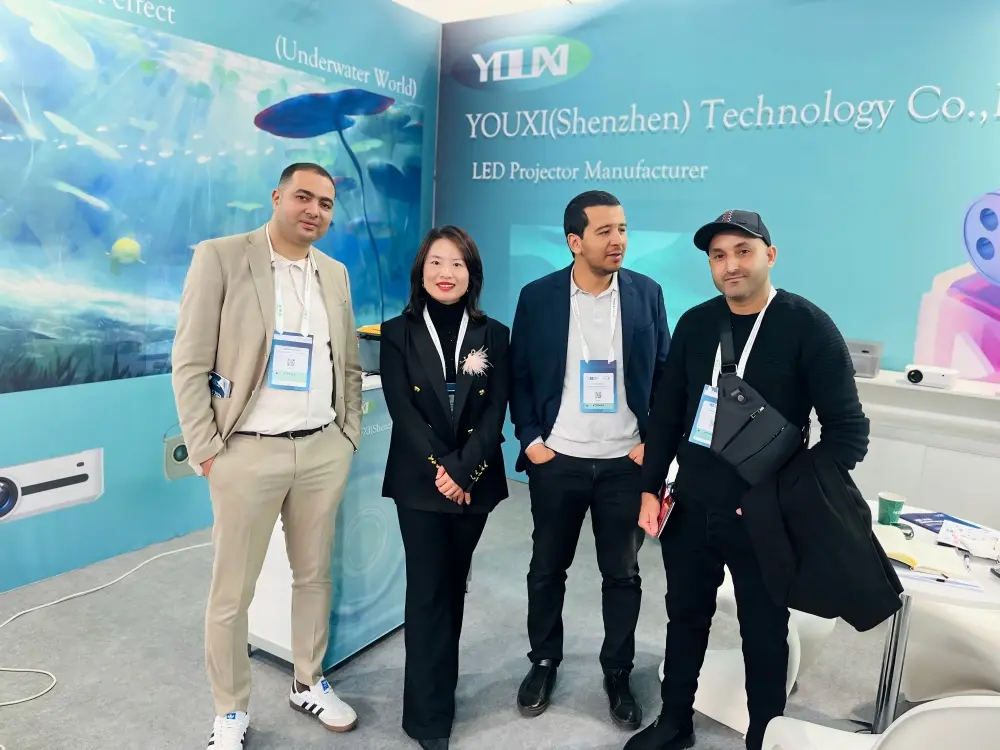
Our infrastructure is built to support high-efficiency product assembly and global dispatch. Operating from major industrial zones, we manage supply chains with rigorous precision. Our strategic locations reduce domestic transport times, expediting international departures via Hong Kong Port to key markets worldwide.
With an active monthly output capacity of 50,000 projection units, we ensure stable delivery timelines even during peak seasonal demands. All key logistics terminals are monitored in real time to secure transit schedules.
The core structure of a projector dictates its durability and aesthetic appeal. Our mold-building and injection workshop is situated directly adjacent to our primary assembly floor. Outfitted with high-precision digital CNC machinery that exceeds general market standards, we ensure that every chassis, gear, and lens mount meets strict tolerances.
This layout ensures that raw ABS or polycarbonate plastics are molded with zero structural warp, providing a solid, dust-resistant foundation for internal optical hardware.
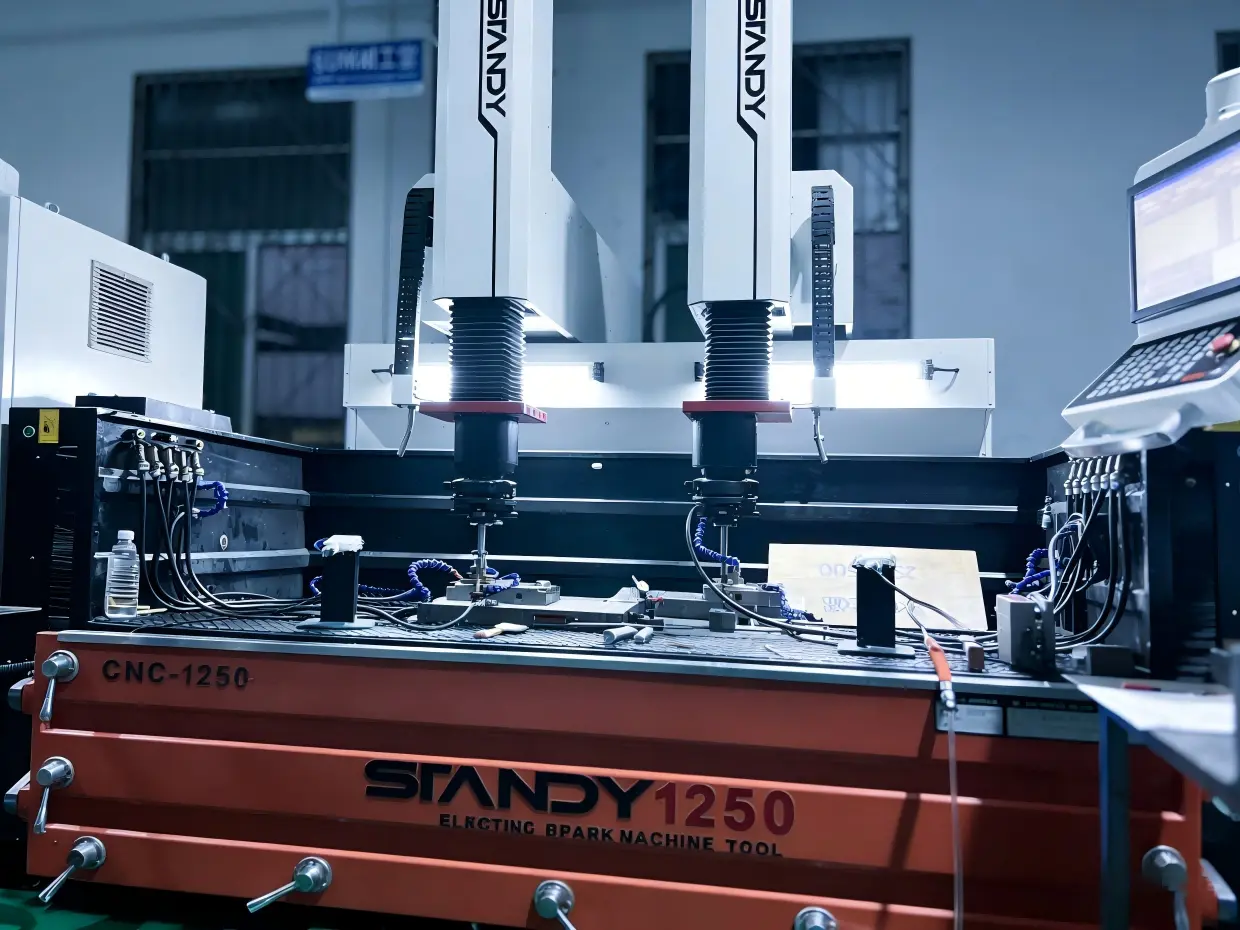
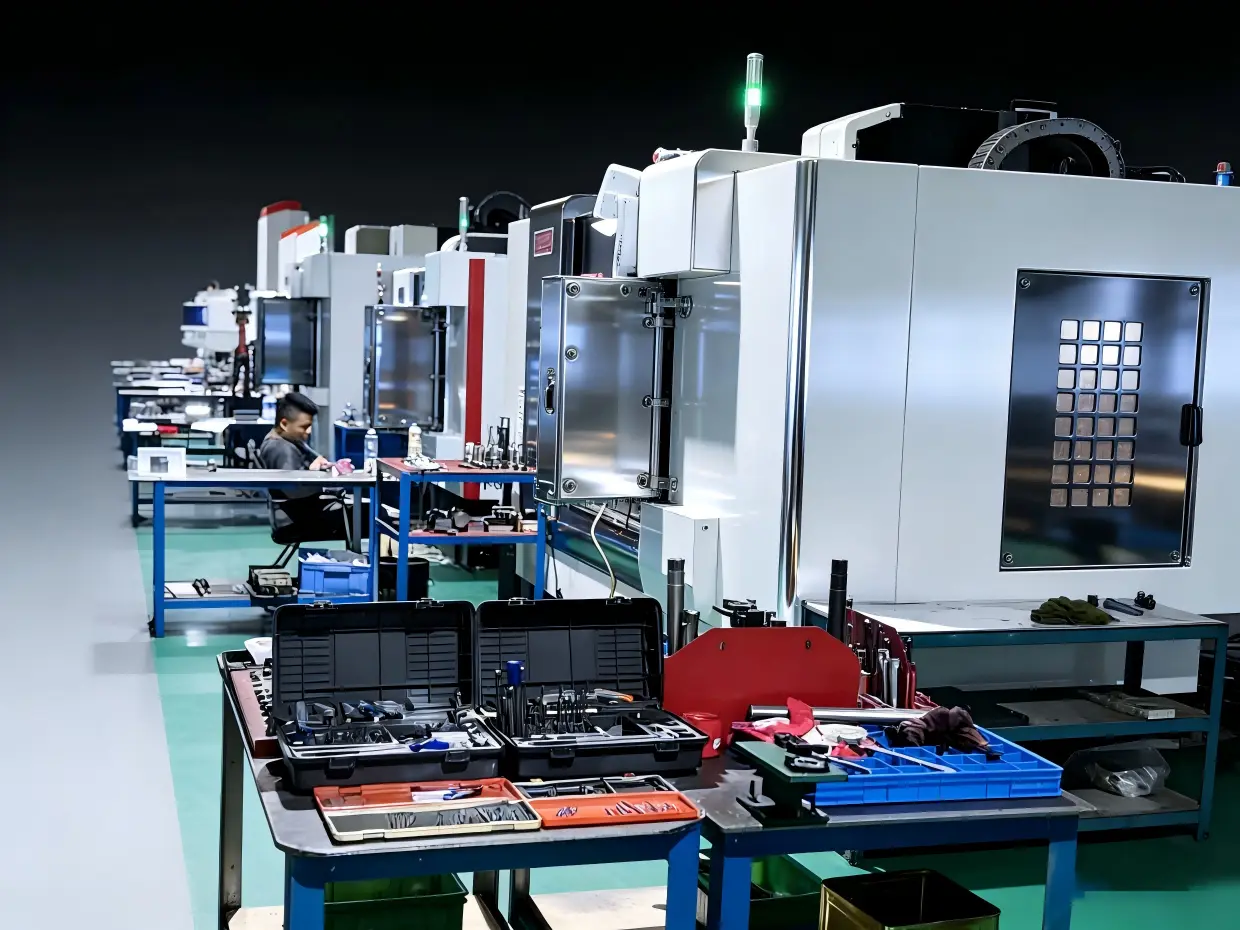
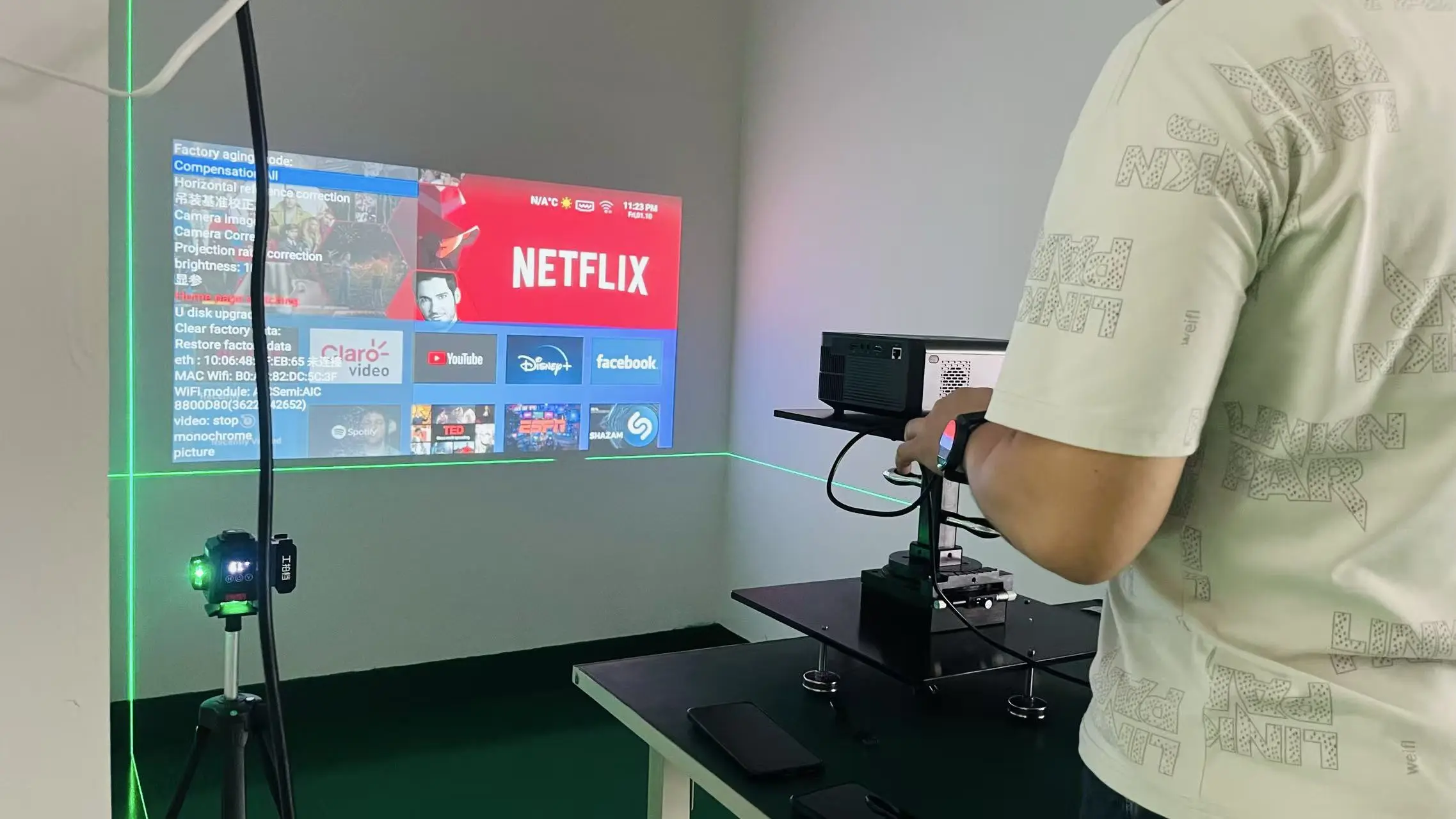
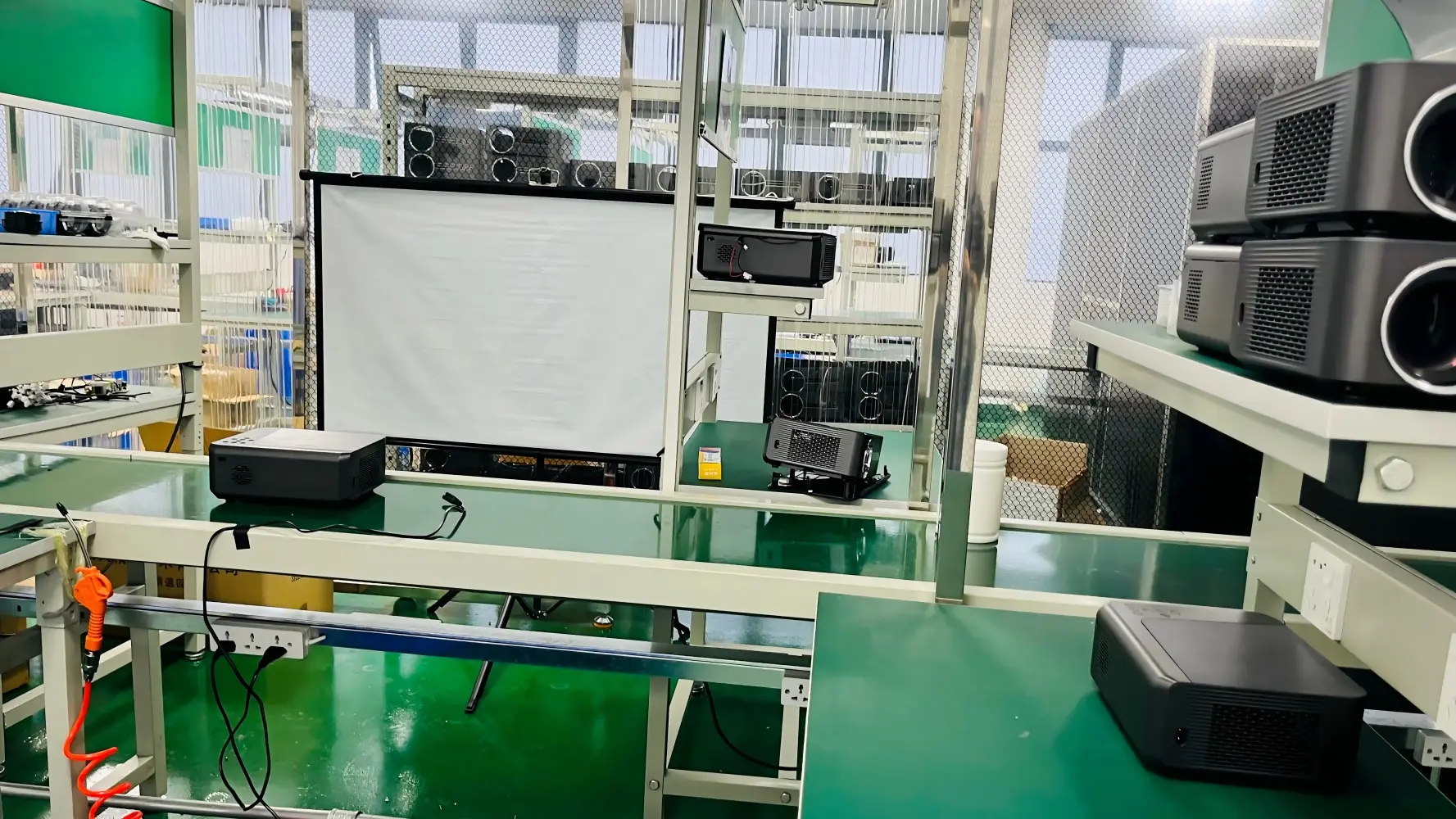
Our main assembly facility spans 4,000 square meters, integrating modern processing equipment, assembly lines, and calibrated optical test stations. Under our production model, over 100 skilled line operators work in strict alignment with 5S dust-free production protocols.
Optical core units must remain completely free of dust particles to prevent black spots on projected screens. Our dust-isolated workspaces guarantee that every finished item operates reliably over its lifecycle.
Maintaining a low post-sales defect rate is critical for commercial sustainability. To achieve this, we deploy two dedicated testing groups operating across 12 separate functional testing rooms.
Senior quality inspectors perform verification cycles on incoming materials, first-off runs, inline processes, and random sample audits prior to final container loading, ensuring all units align with specified performance limits.
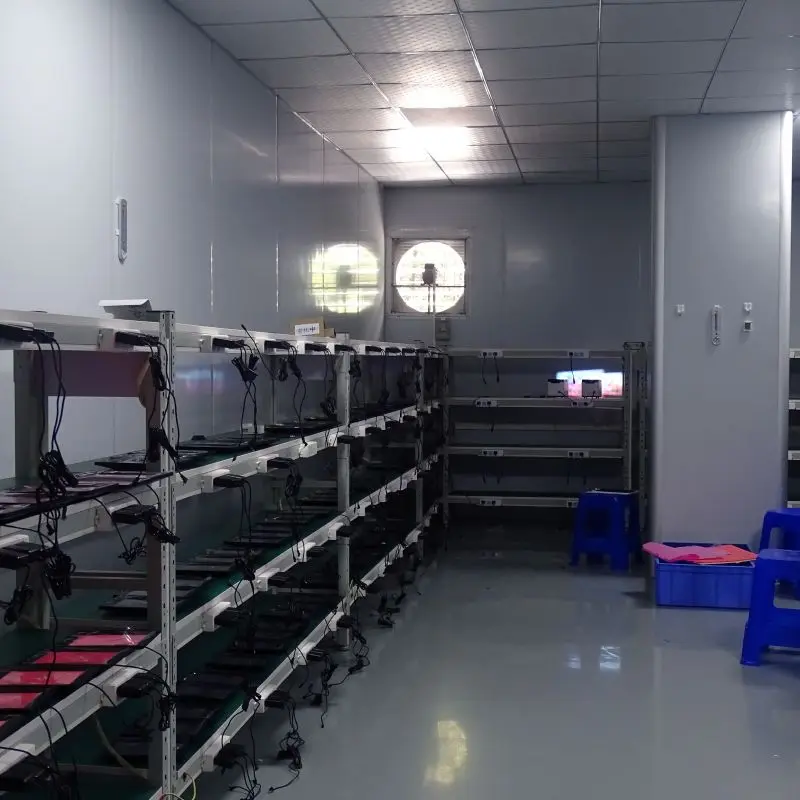
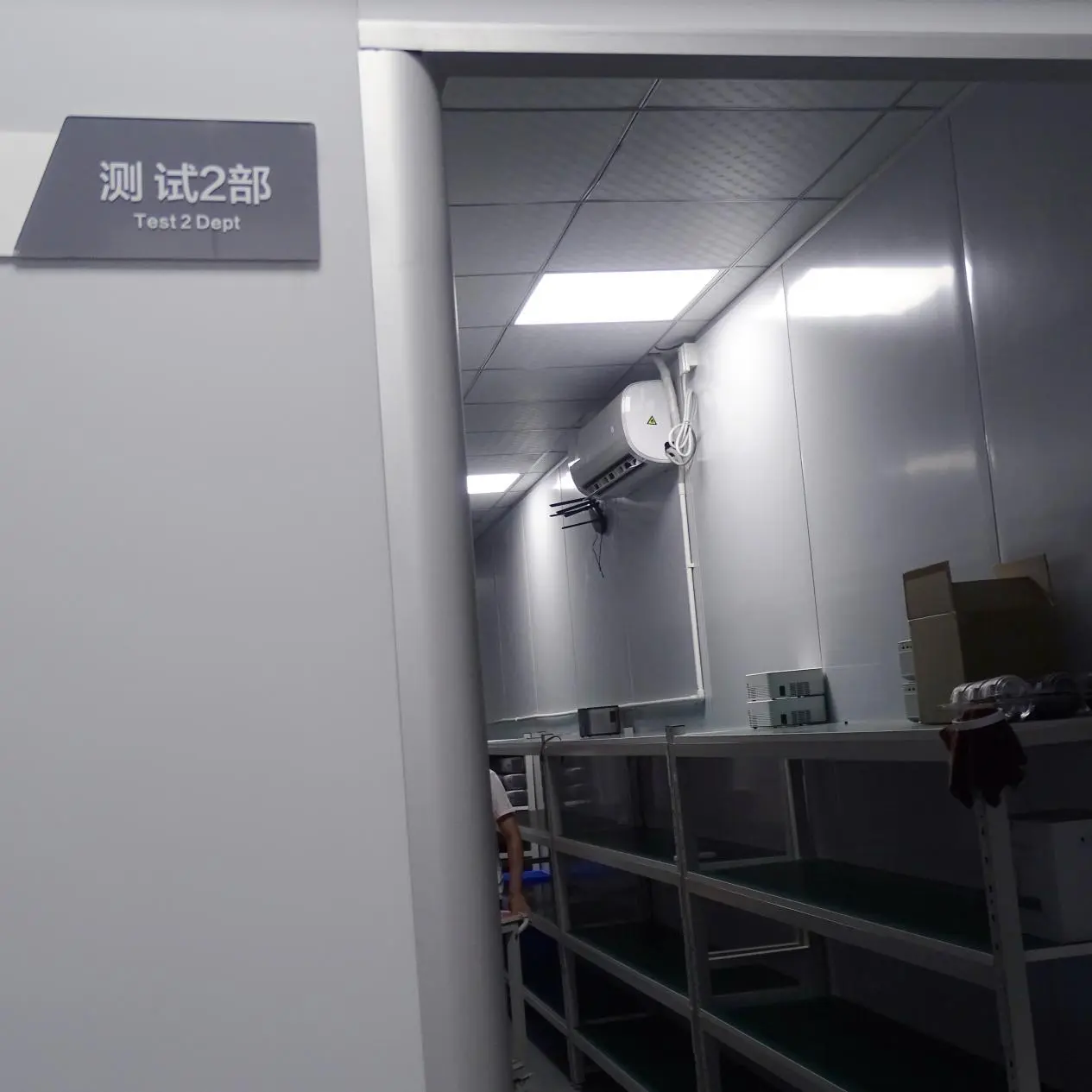
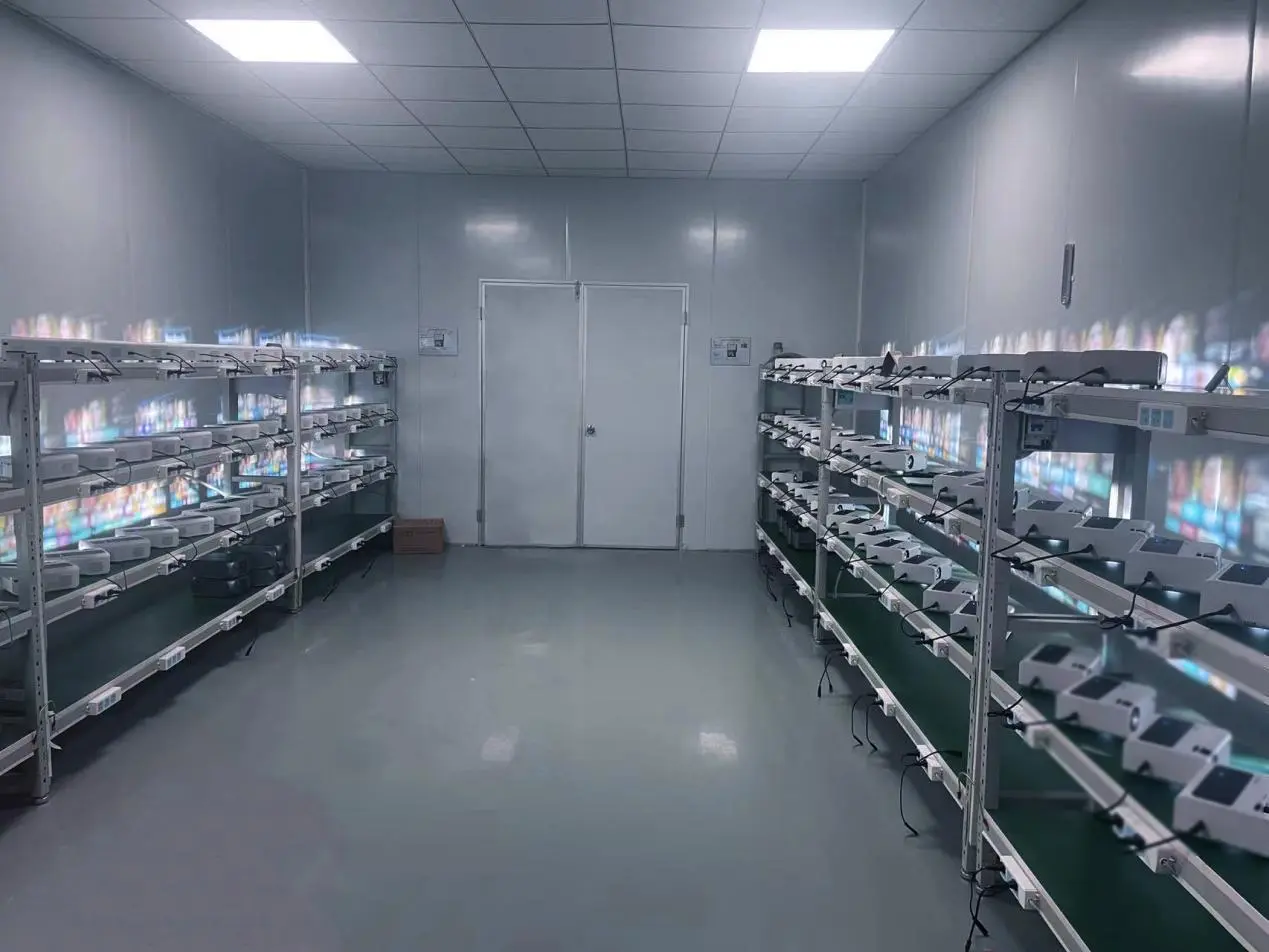
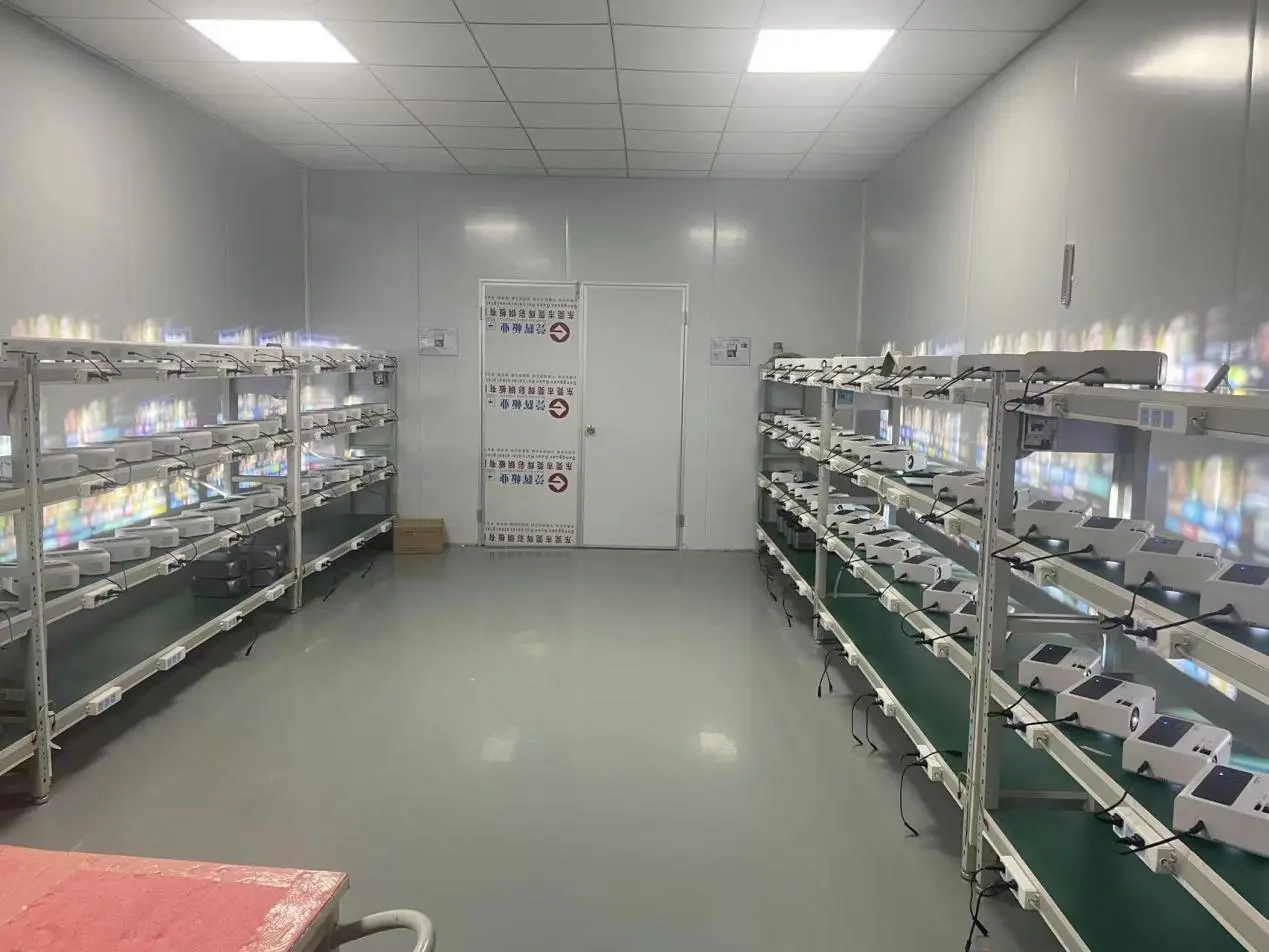
Thermal stability is a primary challenge in compact LED and laser projectors. Our temperature-regulated burn-in rooms are built adjacent to the final testing lines to maximize diagnostic speed.
This layout accommodates more than 200 projectors simultaneously, exposing every unit to continuous active loops to detect and isolate electronic or light-source faults prior to packaging.
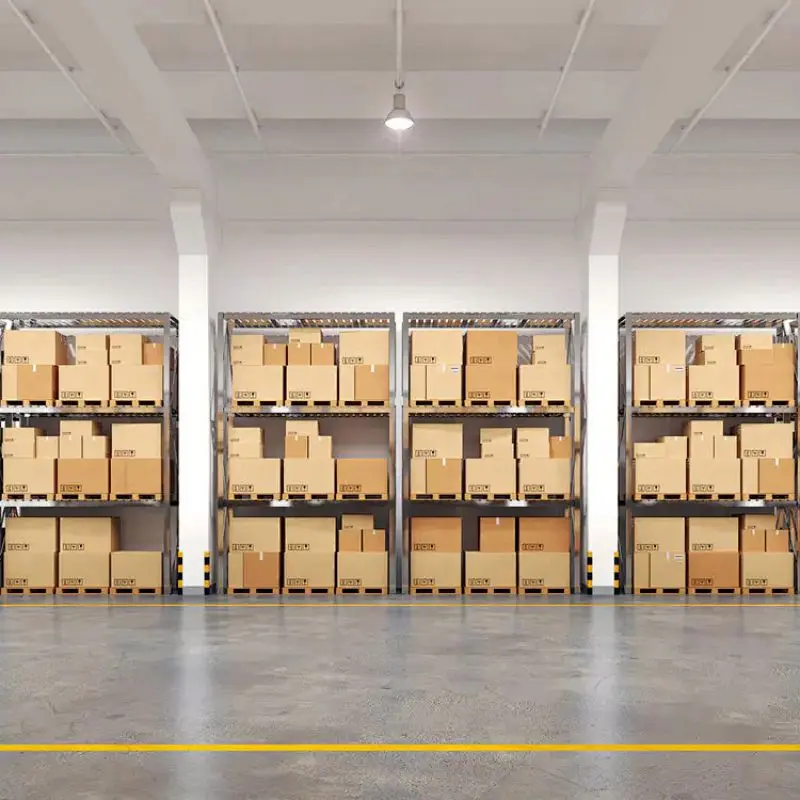
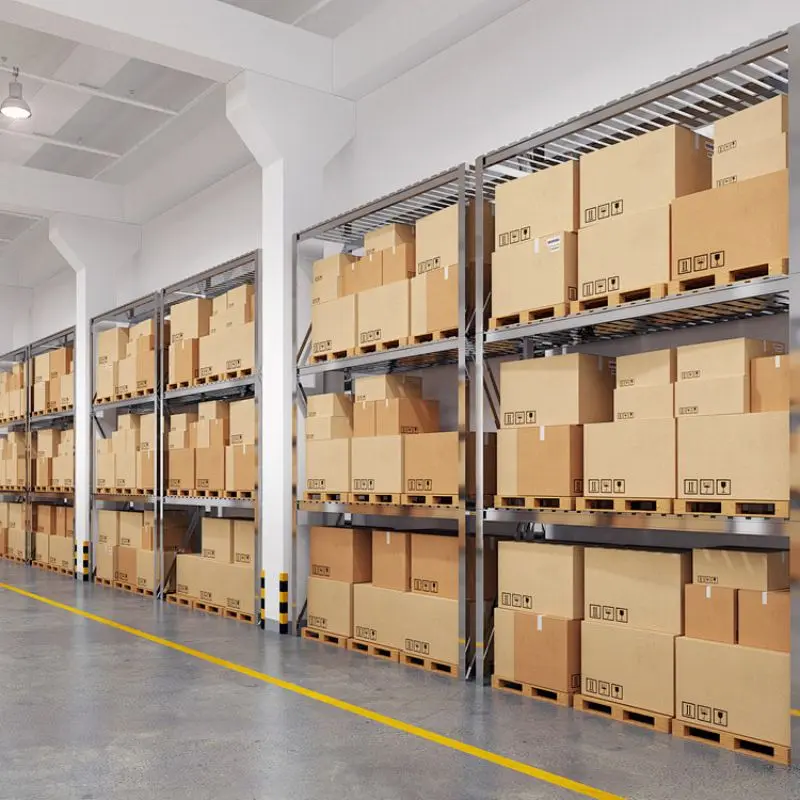
Our finished goods warehouse covers 300 square meters of high-density storage space located next to our packaging and cartooning stations. This department relies on strict inventory management practices to guarantee organized logistics workflows and safe container stuffing.
By protecting packages from humidity and compression issues, we ensure that every order arrives at your destination in optimal operational condition.
Strategic context on solid-state light sources, commercial applications, and emerging market landscapes.
The global projector supply chain is transitioning rapidly from conventional high-pressure mercury lamps to solid-state LED and laser engines. This migration is driven by demands for instant power cycles, wider color reproduction ranges (meeting NTSC and DCI-P3 specifications), and significantly longer operational lifetimes (exceeding 30,000 hours compared to the typical 4,000 hours for lamps).
Smart projectors are increasingly utilized as connected smart hubs. Enterprise partners are prioritizing models featuring integrated Android platforms to run content apps directly, eliminating external source devices. However, this shift requires specialized factory engineering to handle hardware security layers, custom UI interfaces, and over-the-air (OTA) updates.
Requirements vary across global regions. Mature markets like North America and Europe demand native 1080P/4K resolutions, low input latency for console gaming, and Widevine L1 integration to support HD streaming. In contrast, emerging markets prioritize competitive pricing, robust built-in audio systems, and high dust resistance due to varied installation environments.
Standard architectural parameters for Youxi Android Projectors.
| Specification Category | Standard Configuration Parameter | Enterprise Customization Options |
|---|---|---|
| OS Platform | Android AOSP (Version 9.0 / 11.0 Options) | Custom boot animations, pre-installed client apps, restricted settings menu |
| Optical Resolution | Native 1280x720P & Native 1920x1080P Options | Decoupled chip architectures supporting up to 4K input signals |
| Light Source Technology | RGB LED Solid-State Engine (>30,000 Hours life) | Calibrated LED arrays for specific ANSI lumens requirements |
| Wireless Protocol | Dual-band Wi-Fi (2.4G/5G) + Bluetooth 5.0 | Extended range external antennas, customized BT profiles |
| Keystone Calibration | 4-Point Digital Keystone (+/- 45 degrees) | Integrated ToF sensors for instant auto-focus and auto-keystone correction |
| Compliance Certifications | CE, FCC, RoHS, CCC | HDMI Licensing parameters, country-specific electric certifications |
Navigating import regulations, hardware compliance, and regional firmware requirements.
Our manufacturing workflow prioritizes standard international requirements like CE, FCC, and RoHS. For bulk distribution in regions with strict safety standards, we modify structural elements to pass local fire-safety classifications and electrostatic discharge (ESD) tests, ensuring uninterrupted import customs clearance.
Operating in North American and European markets requires strict patent compliance. We offer guidance on acquiring authorized licensing for HDMI and Dolby technologies, reducing the risk of customs delays or intellectual property challenges in downstream retail networks.
To support global deployments, our engineering team builds localized firmware configurations with multiple system languages, tailored keyboard layouts, and optimized search parameters, allowing end-users to set up their systems with minimal friction.
Essential details to guide project planning, RFQ development, and import operations.
For standard models with custom branding (such as customized packaging or boot screens), lead times range between 25 and 30 days once the design proofs are finalized and the deposit is received. For complete custom ODM projects requiring unique casing modifications or custom PCB layouts, timelines typically extend to 60–90 days to accommodate structural molding and pilot-run validation testing.
We use professional integrating spheres and spectrophotometers to capture output parameters. Our products are rated in ANSI lumens—the standard created by the American National Standards Institute—which measures brightness across a 9-point grid. This ensures that our listed specifications are accurate, protecting our clients from the inflated ratings common in the consumer projector market.
Dust ingress is a primary cause of dark spots and degraded projection quality over time. To prevent this, we utilize fully enclosed optomechanical engines in our premium projector lines. These engines seal the LCD panel, polarizer, and light source away from external airflow. For models with open optical paths, we use dual-filter intake systems and assemble them in cleanrooms to minimize dust risk.
Yes. Our Android systems support firmware updates via Over-the-Air (OTA) protocols. We maintain an active server network to push firmware modifications, security patches, and application updates to connected devices. For enterprise deployments, we can configure updates to run automatically or disable OTA connectivity entirely to protect closed networks.
Our standard manufacturing MOQ is 1,000 units per model to support localized customization (such as packaging, casing colors, and customized product labels). For smaller trial shipments or standard factory configurations, we can support order sizes down to 100 units, depending on available warehouse inventory. Please contact our sales team to discuss specific order sizes.
Review technical specifications, configuration options, and request direct factory pricing for your upcoming order.
 Youxi projection