Direct supply from state-of-the-art manufacturing facilities utilizing advanced dust-proof light path designs.
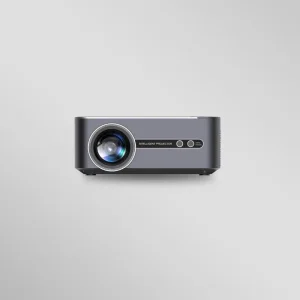
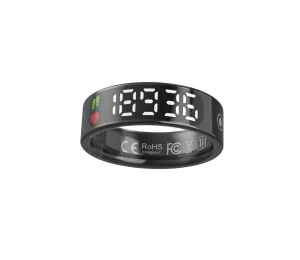
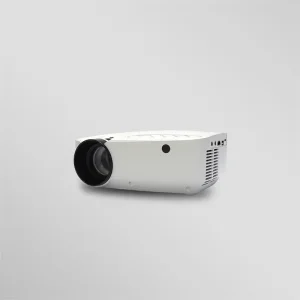
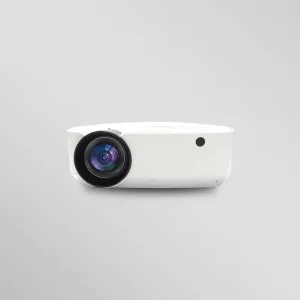
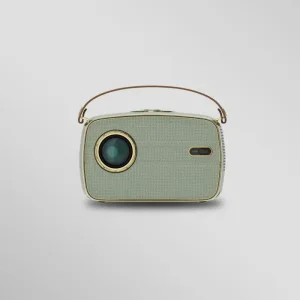
In projection technologies—primarily Single-LCD (liquid crystal display) and DLP (digital light processing) systems—a "black spot" on the projected screen represents a localized breakdown in light transmission or reflection. For system integrators and distributors, understanding the physics behind these defects is vital for accurate diagnostics and return-merchandise-authorization (RMA) processing.
Generally, black spots are caused by three main issues: dust contamination on the inner optical lenses, thermal degradation (burn-in) of the polarizing filters or LCD panel, or micro-mirror lockups on a DMD (Digital Micromirror Device) chip in DLP models. In LCD setups, localized heat concentration acts as an accelerator; when optical glass or polarizing films exceed their rated thermal limits, the organic compounds in the layers degrade, leading to permanent dark patches.
B2B Insight: Over 70% of optical failure RMAs reported by global distributors are attributed to inadequate thermal design and lack of dust-proofing in low-tier manufacturing plants. Specifying sealed optical engines completely eliminates this failure mode.
Addressing a projection spot defect requires a systematic maintenance protocol. Depending on the root cause, recovery ranges from non-invasive airflow cleansing to cleanroom component replacement:
Turn on the projector and focus the lens. If the black spot has sharp, defined edges and shifts slightly when manual focus is adjusted, it is dust on the LCD or glass. If the spot is soft, fuzzy, or expanding rapidly with heat, it is a thermal burn on the polarizing film.
For dust particles, power off the unit and allow it to cool down. Locate the dust maintenance hatch (if available) or access ports. Using a low-pressure compressed air canister or static-free manual air blower, carefully clean the optical engine path. Never use high-pressure air compressors as they introduce oil and moisture.
If the polarizing film is yellowed or burnt due to thermal degradation, the projector chassis must be opened within an ESD-safe, cleanroom environment. The damaged polarizer must be peeled off the glass substrate and replaced with a high-temperature resistant optical polarizer matching the precise angle of polarization (typically 45° or 135°).
Always inspect cooling fans, clean intake/exhaust filters, and verify thermal paste application on LED/Laser light source heatsinks. Resolving the physical spot without correcting cooling issues guarantees a recurring failure.
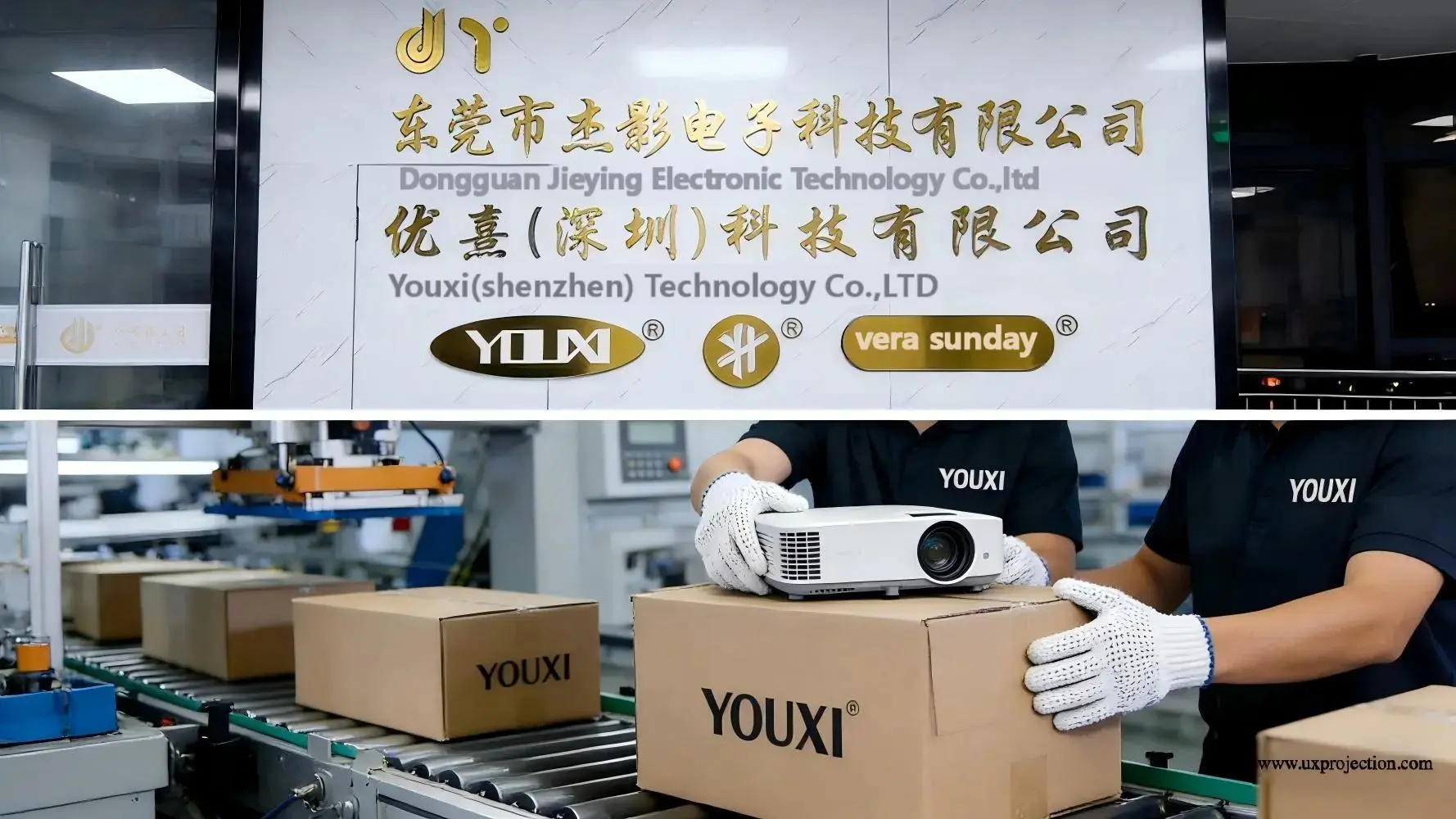
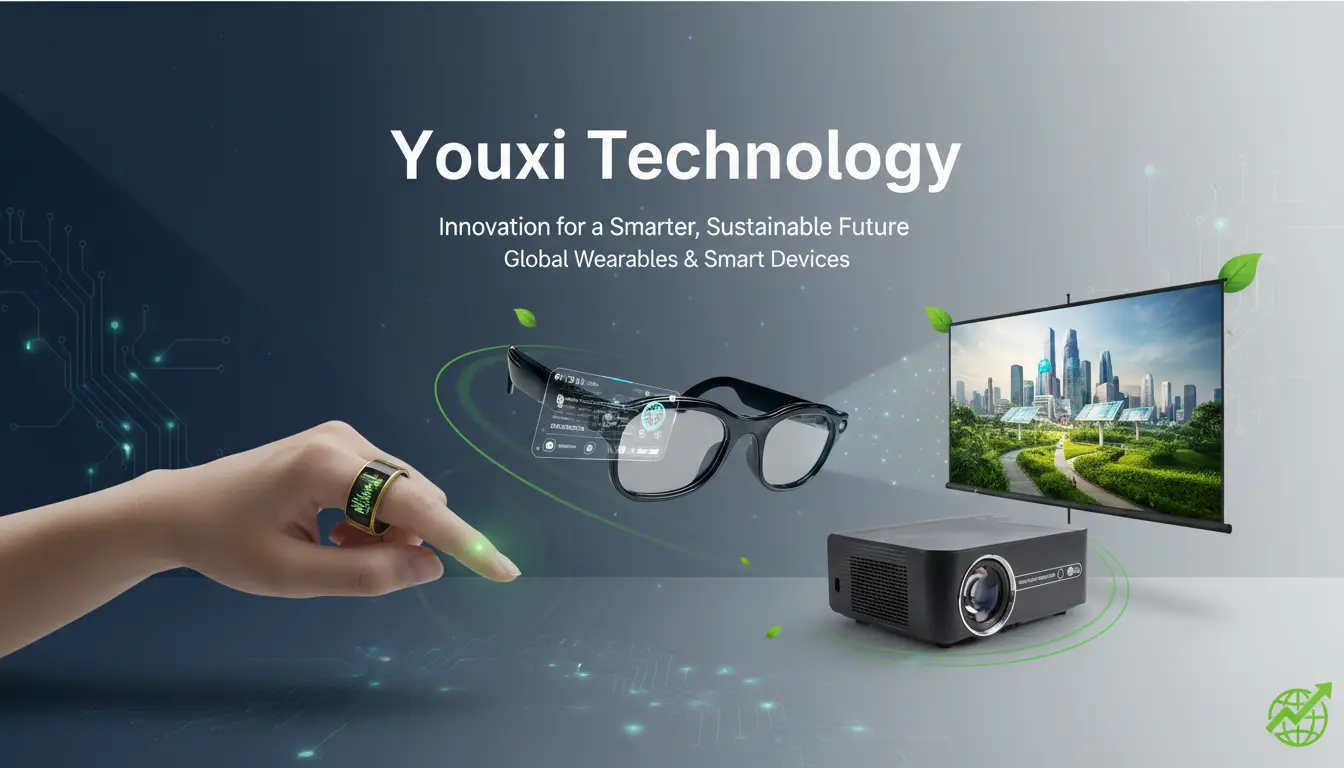
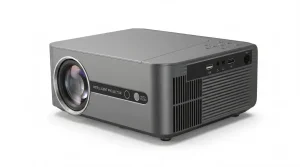
Founded in April 2021, Youxi specializes in the research and development, manufacturing, and integration of intelligent projection systems and wearable smart devices. The company maintains end-to-end capabilities across the product lifecycle—from R&D and precision assembly to quality assurance—ensuring full compliance with international standards at every stage, from raw material procurement to finished product delivery. Committed to sustainable operations, Youxi integrates energy-efficient design, eco-conscious material selection, and waste-reduction practices into our business model, contributing meaningfully to green manufacturing initiatives.
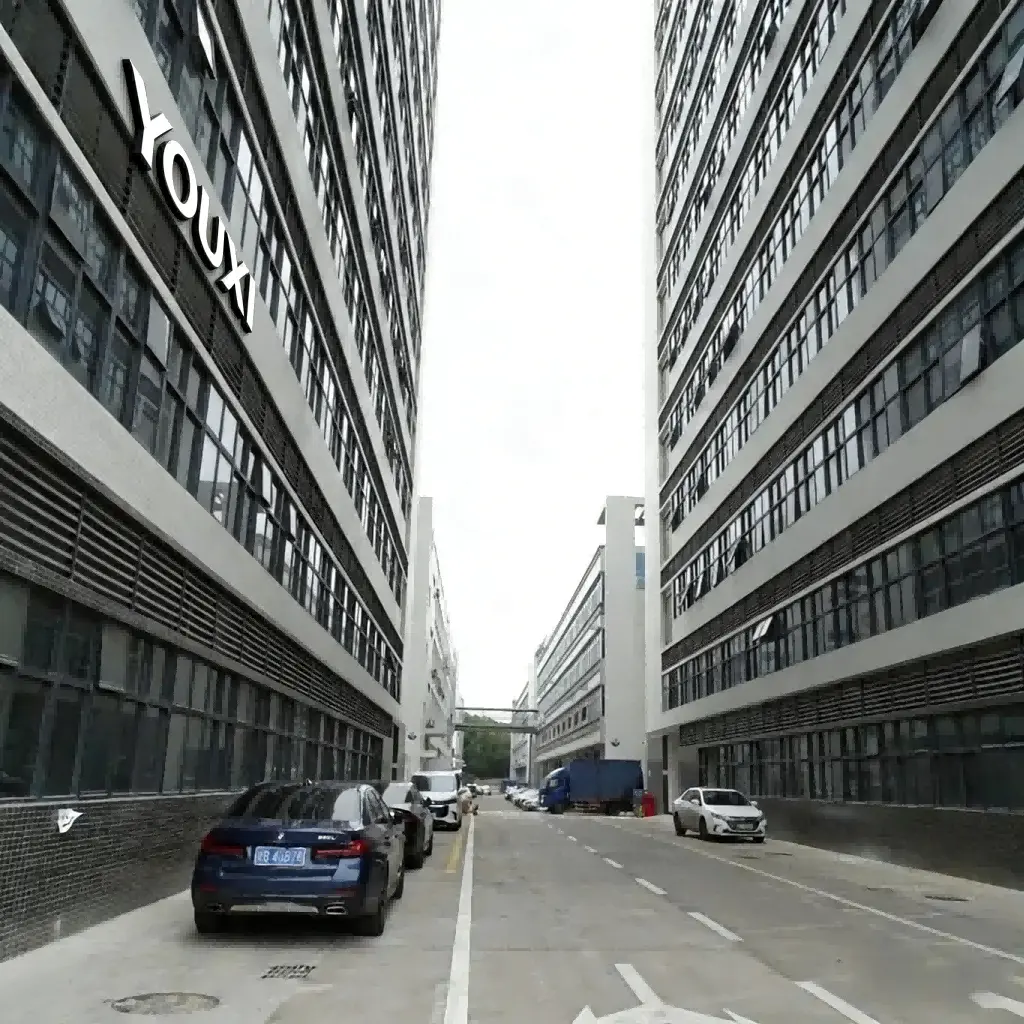
Headquartered in Shenzhen—a leading innovation hub in Southern China—the company benefits from strategic proximity to the Hong Kong Port, with a travel time of approximately 40 minutes. To support scalable production, Youxi operates a dedicated assembly facility spanning approximately 1,000 square meters in Fenggang Town, Dongguan City (a 25-minute drive from headquarters). Which currently employs around 100 professionals and maintains a monthly production capacity exceeding 30,000 units. Its robust quality management system, certified supply chain, and vertically integrated operational framework ensure consistent product reliability and timely delivery.
Inside Youxi's manufacturing facilities: how we avoid spot defects through automated injection molding, certified testing, and extensive aging processes.
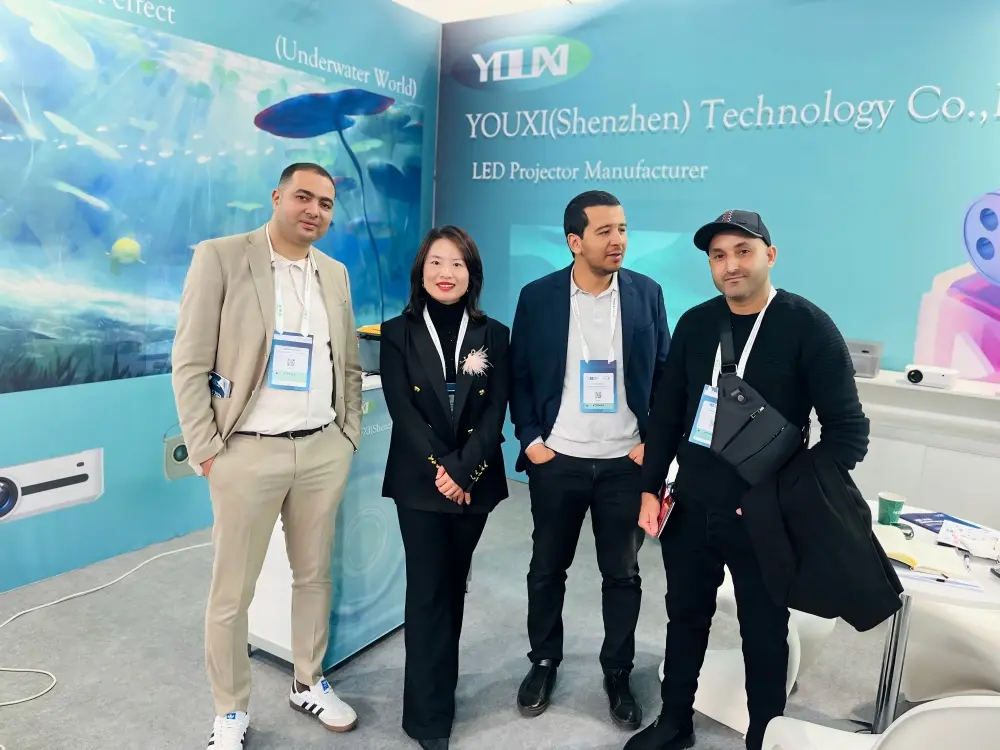

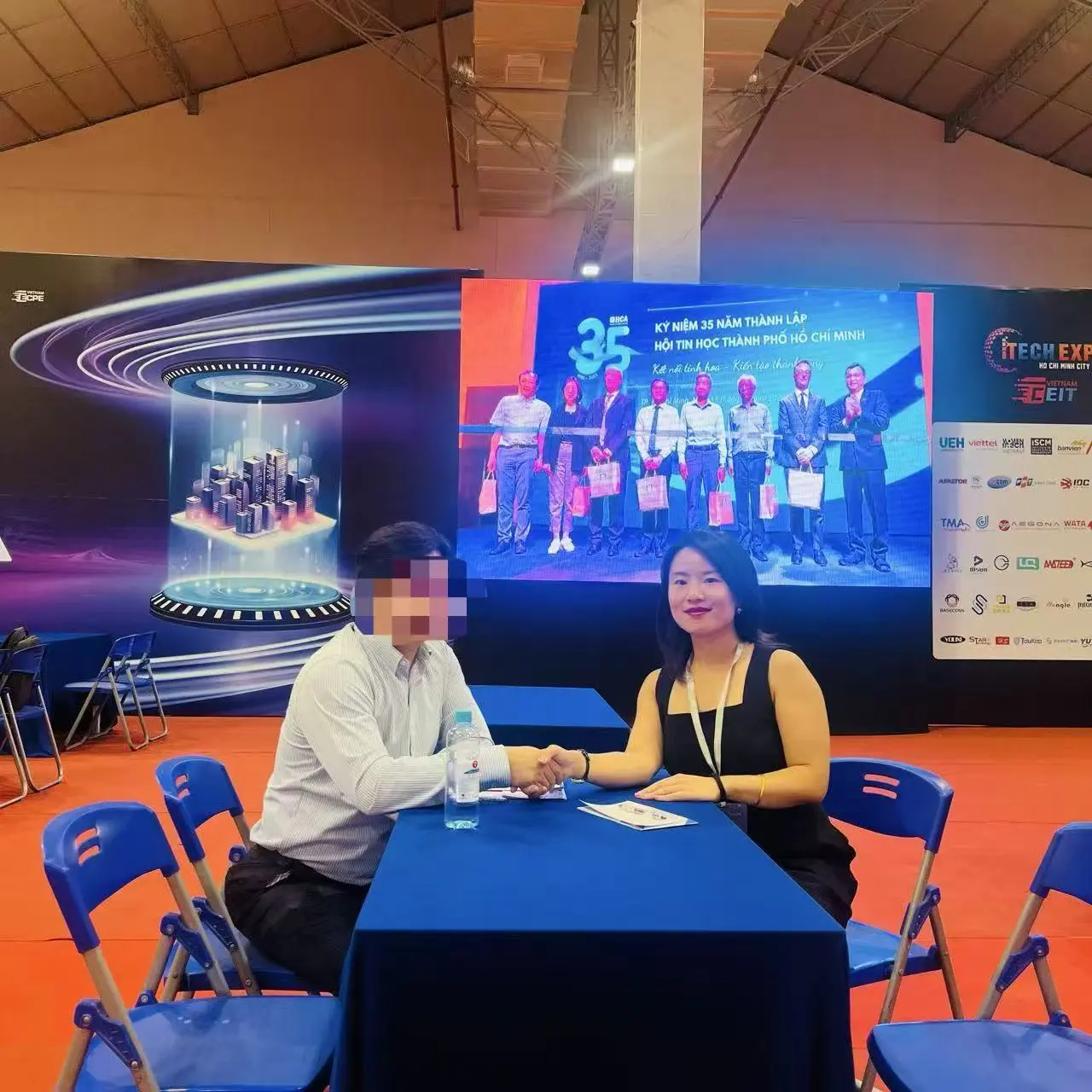
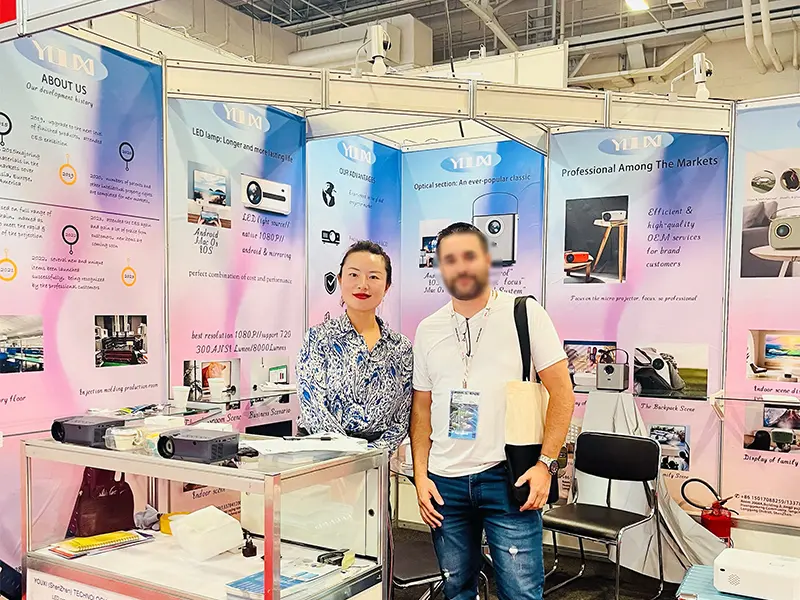
The mold and injection molding workshop is located next to our factory, equipped with sophisticated digital machines above conventional market standards to ensure a good structural foundation for each product. By controlling tolerance variations below 0.02mm, we prevent optical engine gaps where atmospheric dust particles could settle and eventually cause black spots.
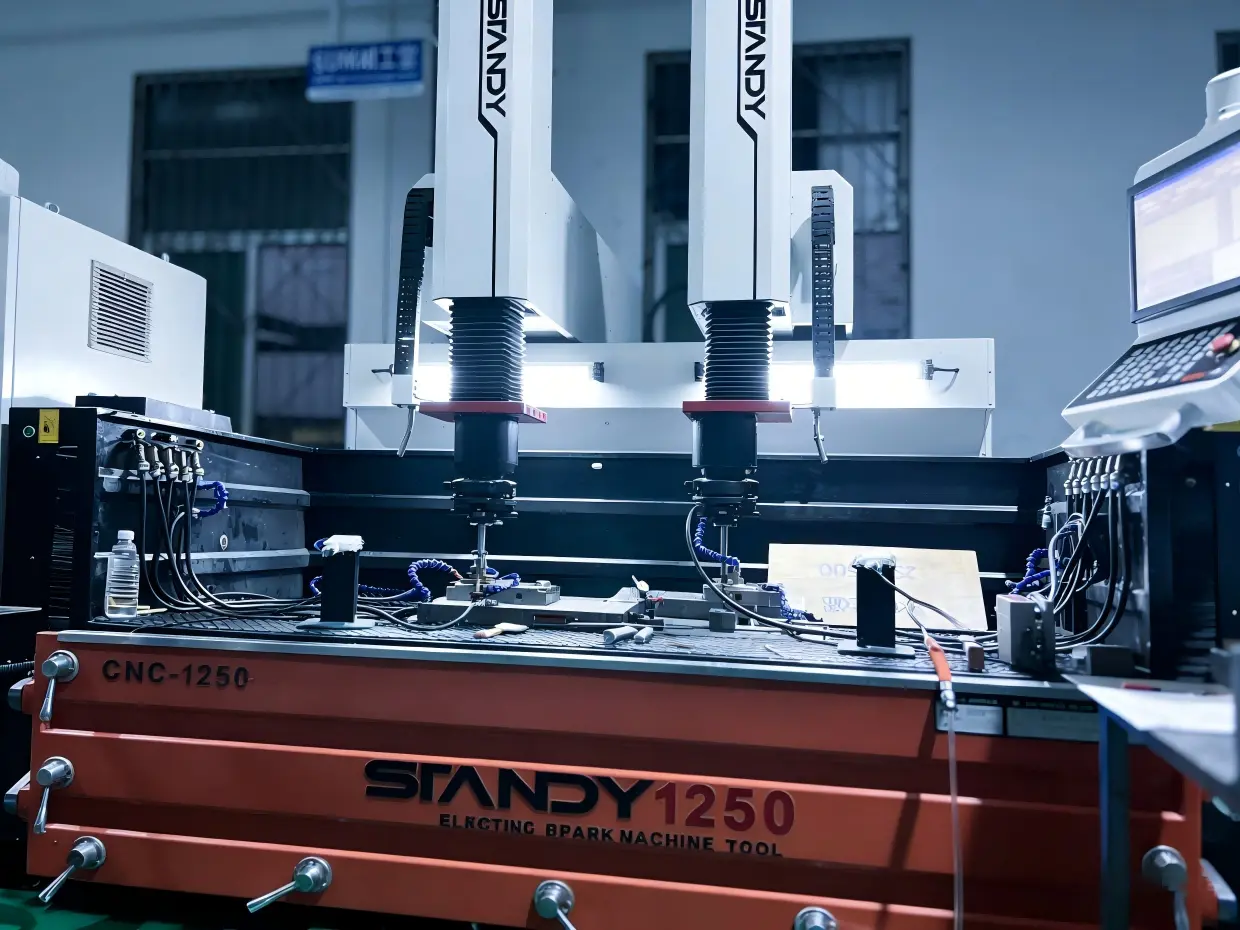
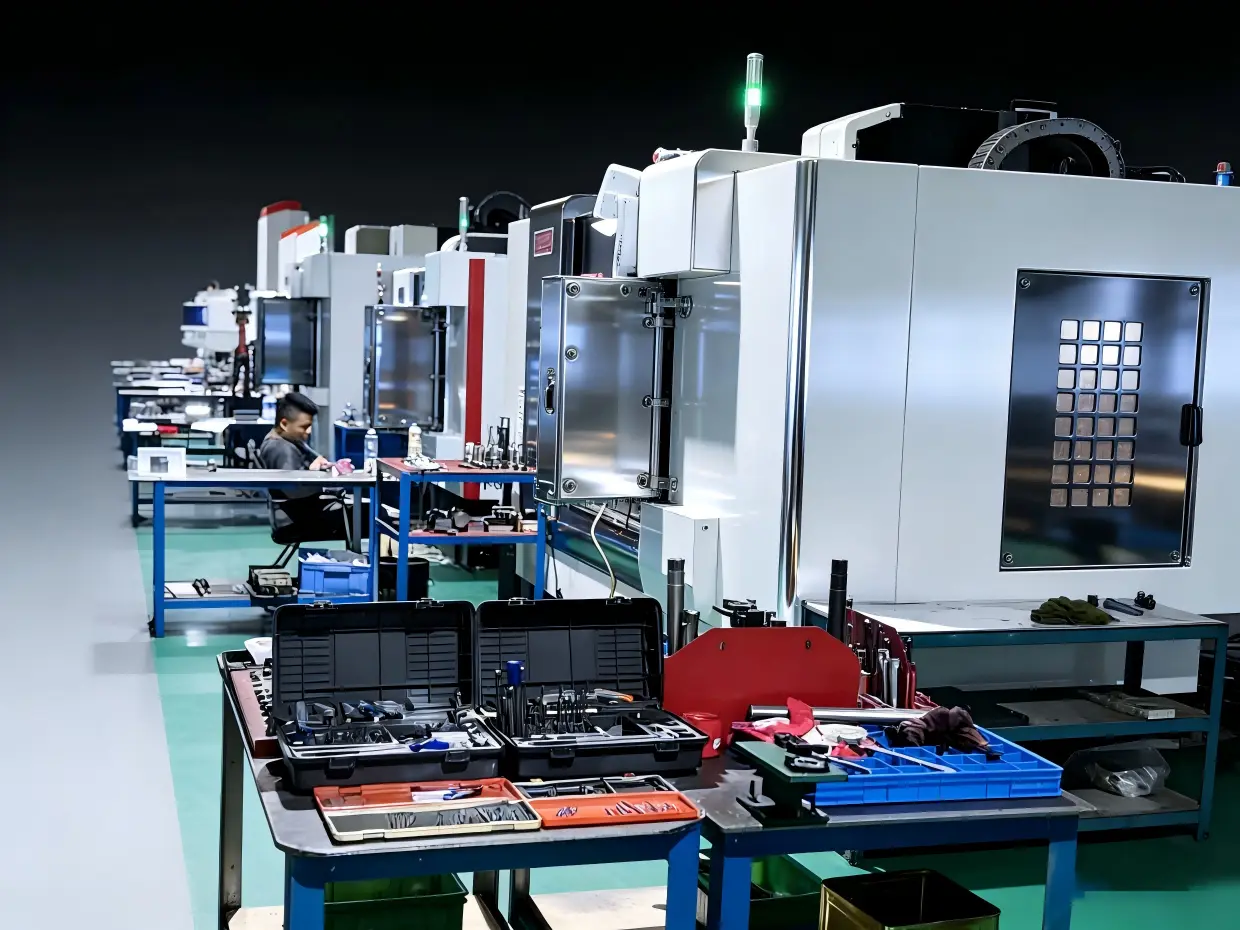
Covering an area of 4,000 square meters, the facility contains production, injection molding, assembly, and testing workshops with large volume capacity. Following recent restructuring, our workforce of over 100 qualified assembly workers is strategically distributed across departments based on 5S cleanroom standards. With advanced manufacturing machinery, CNC tooling, and professional testing tools, our monthly assembly and delivery output scale comfortably reaches 50,000 units.
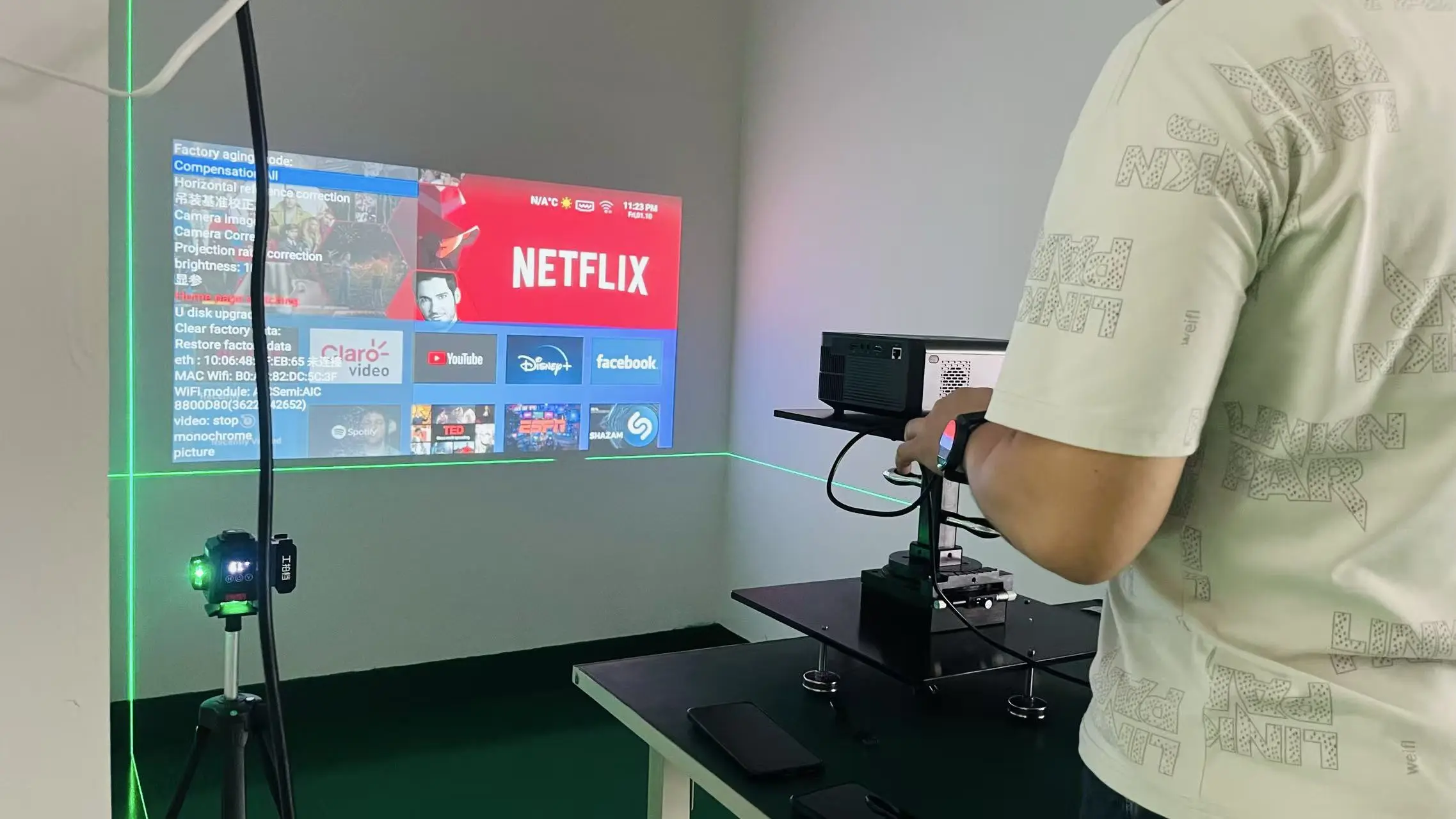
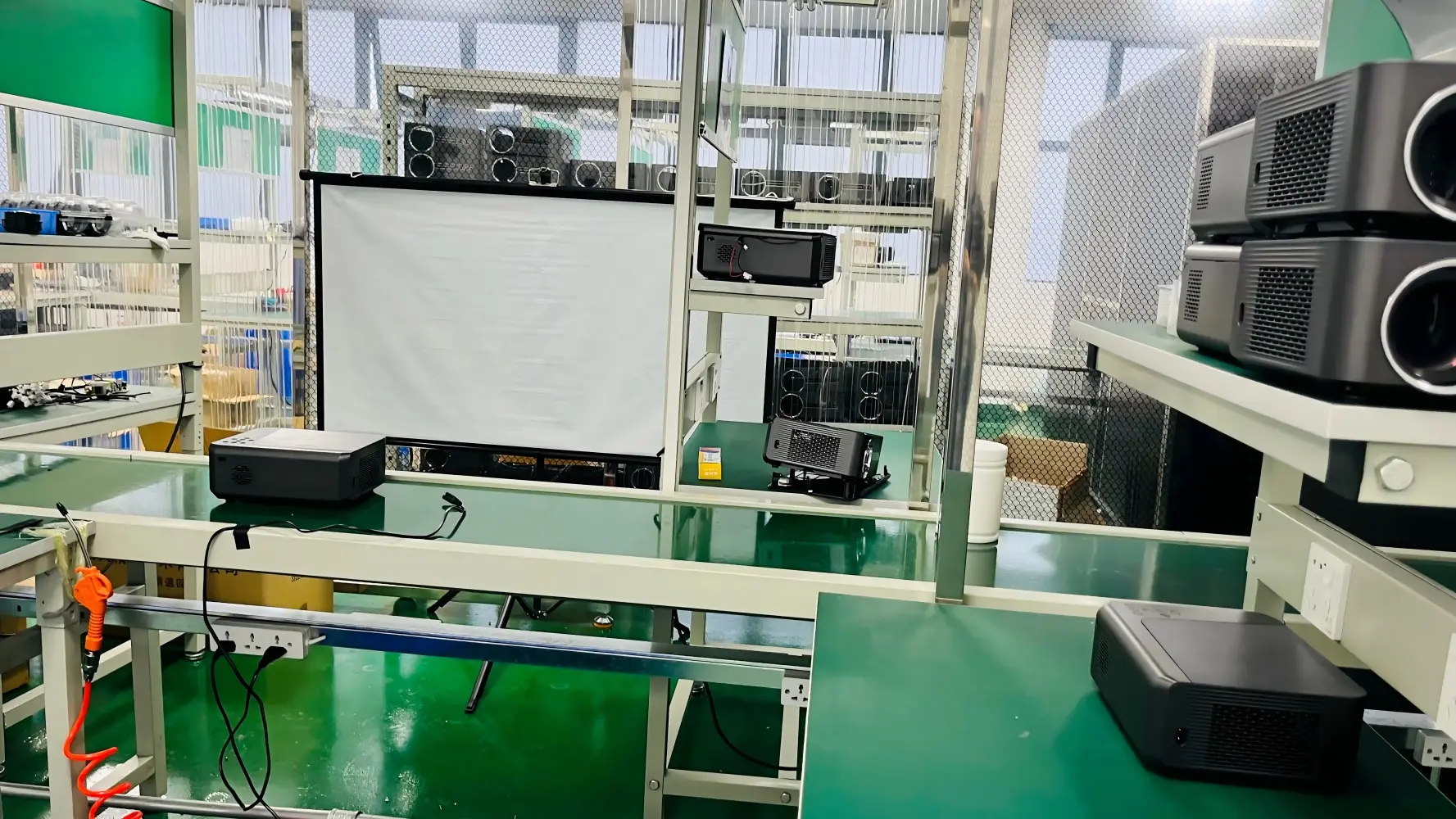
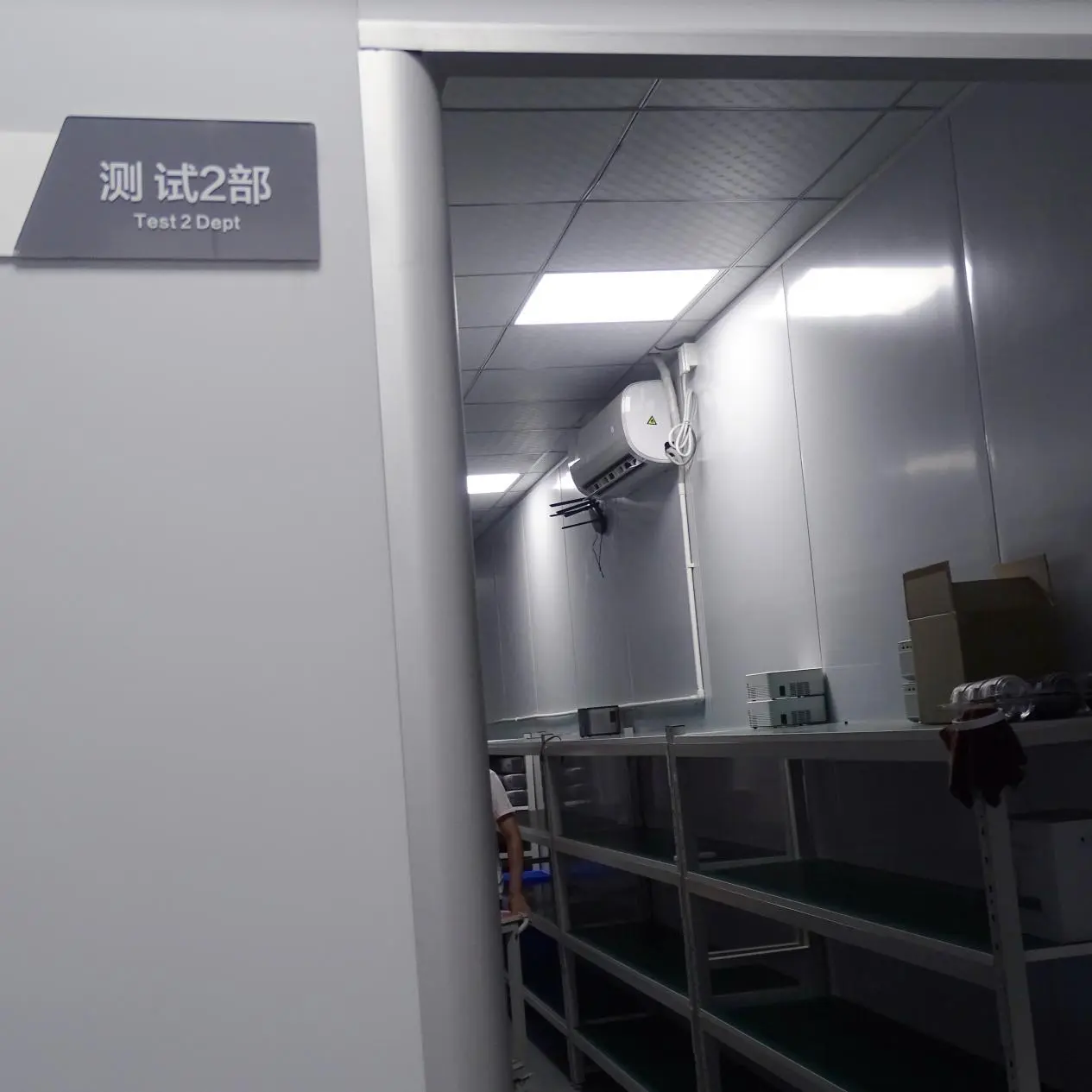
To optimize performance and minimize customer RMAs, Youxi operates 12 dedicated test rooms divided between two professional quality control groups. Our quality inspectors conduct exhaustive audits covering IQC (Incoming Quality Control), first-article verification post-assembly, and pre-shipment OQC (Outgoing Quality Control) sampling to verify that the light paths remain completely particle-free.
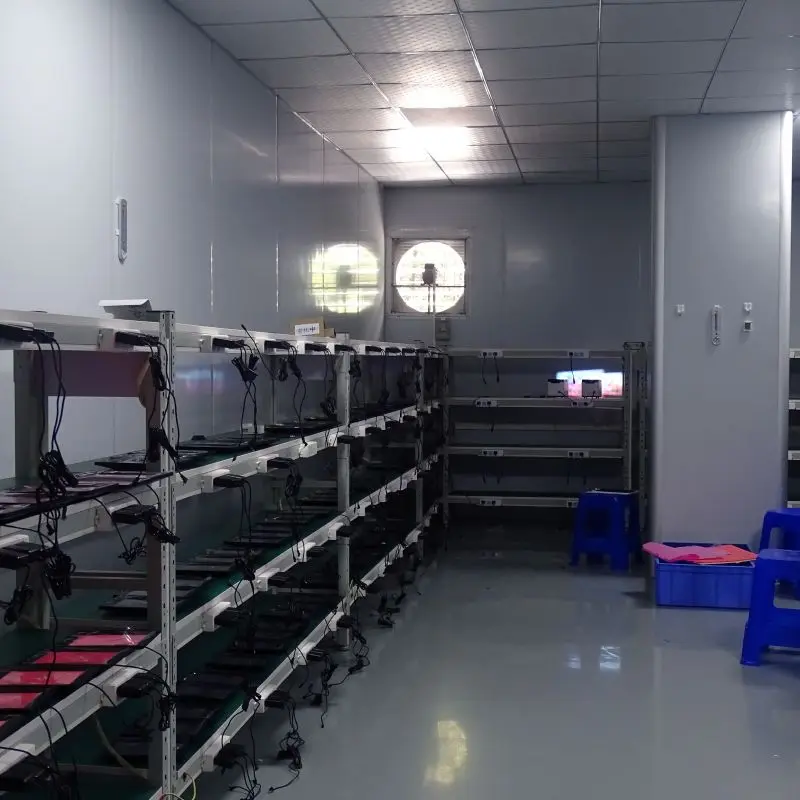
Positioned adjacent to our functional testing rooms to optimize workflow, the specialized aging chamber supports simultaneous testing for up to 200 projectors. Every unit undergoes continuous load testing under elevated temperatures to verify polarizing filter thermal performance. This ensures that no localized LCD degradation (the primary cause of thermal black spots) will occur during long-term operation.
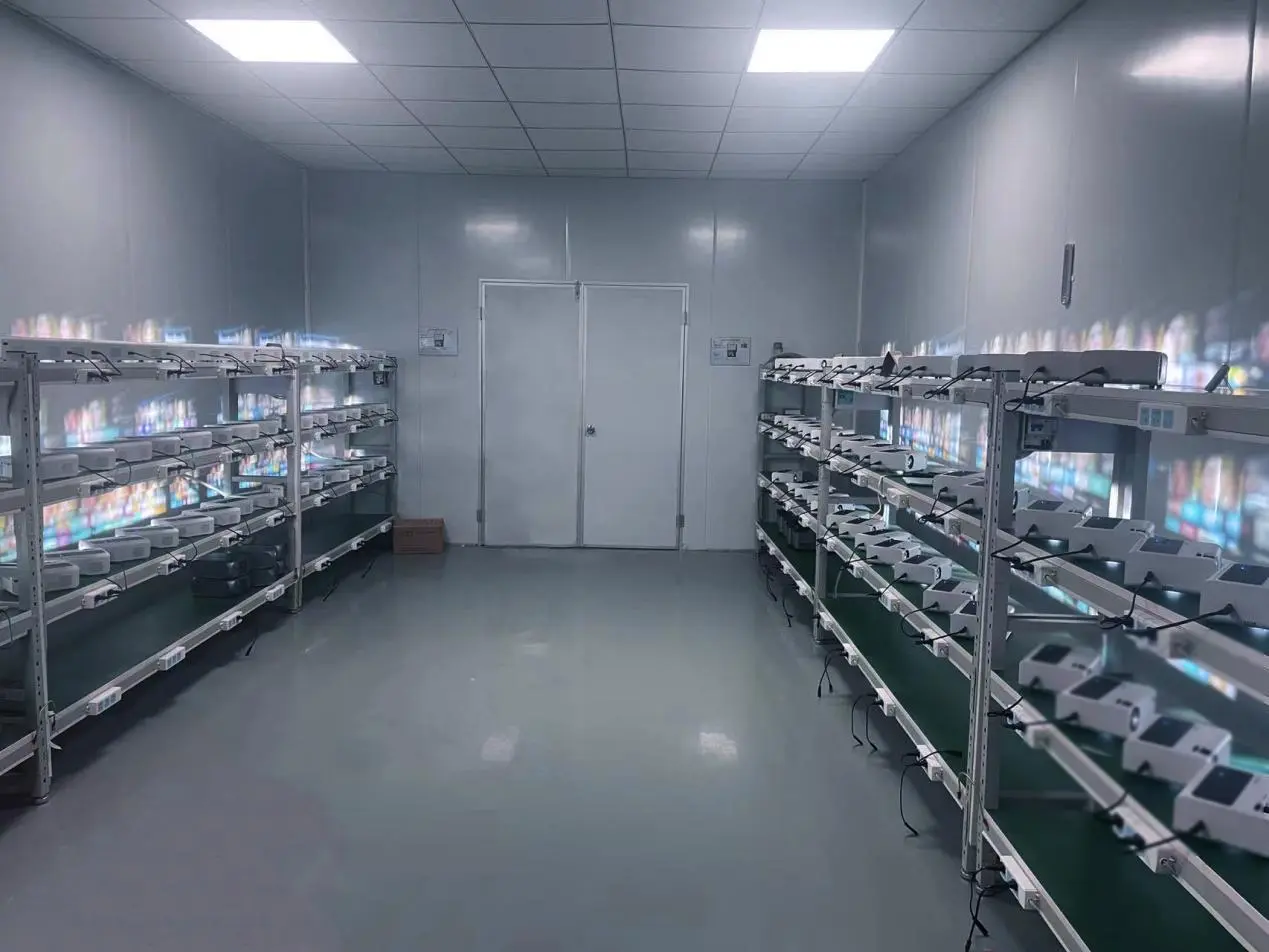
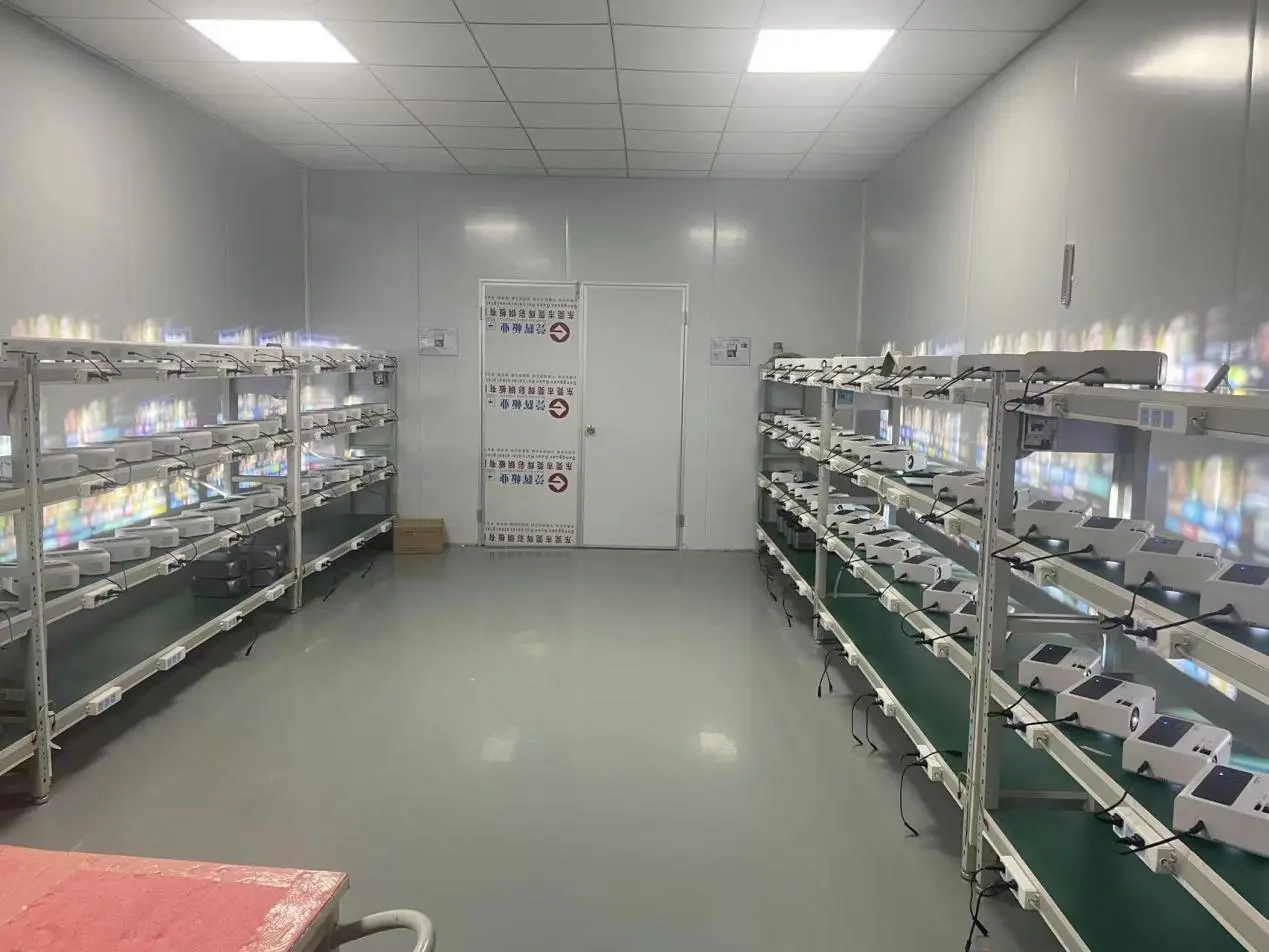
A structured, temperature-controlled 300 square meter warehouse is situated adjacent to the packaging area. This layout maintains a dry environment that prevents humidity accumulation on optical polarizers and electronic modules before transit.


Strategic perspectives for wholesale buyers, brand managers, and institutional importers.
Importers are shifting away from open-path LCD configurations. Optical engines with IP5X-certified dust protection isolate the light path, LCD panel, and polarizers from incoming dust, completely eliminating particle-induced spot failures.
Next-generation portable projectors rely on multi-channel cooling fans and pure copper heat piping. Efficient heat dissipation prevents localized hot spots, extending the life of polarizing films to over 30,000 hours of continuous projection.
Global distribution requires complete regulatory alignment. Sourcing certified systems (CE, FCC, RoHS) ensures seamless custom clearance and guarantees that manufacturing materials meet strict environmental guidelines.
We offer comprehensive integration support, including customized branding, optical path improvements, and specialized material requirements.
How technical innovations in optical pathways are changing B2B product specifications.
Transitioning from traditional active air cooling to closed-loop liquid systems keeps out all environmental debris while ensuring reliable operating temperatures for high-output LED arrays.
Replacing organic polarization films with durable inorganic crystalline substrates raises thermal thresholds above 120°C, virtually eliminating the root cause of yellowing and LCD burn-in spots.
Integrating micro-thermocouples within optical engine cores allows onboard firmware to dynamically adjust fan curves. Real-time temperature control protects vital light engine components from heat damage.
Technical answers to common questions about projector defects, diagnostics, and global sourcing requirements.
Submit a request to receive custom manufacturing specifications, wholesale pricelists, and bulk logistics options.

 Youxi projection