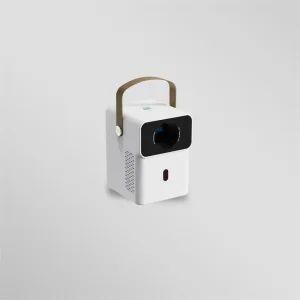
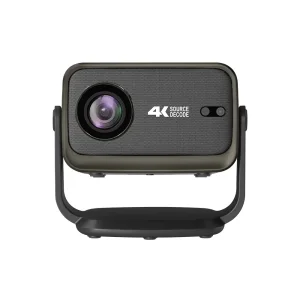
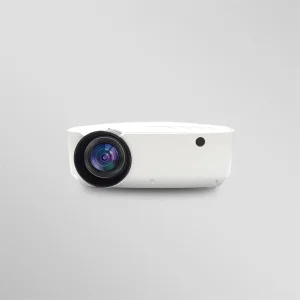
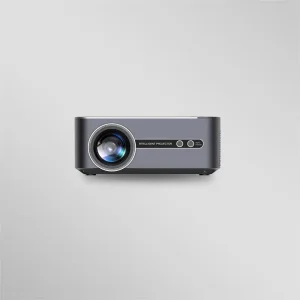
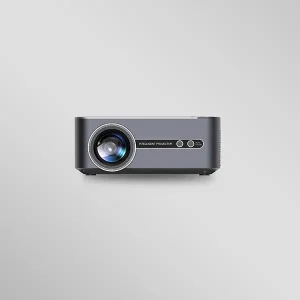
Engineered for high-bandwidth compatibility, low latency, and crystal-clear presentation performance.
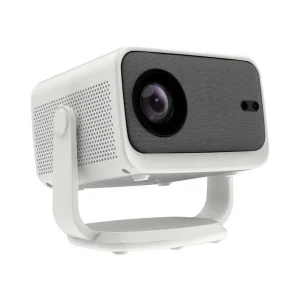
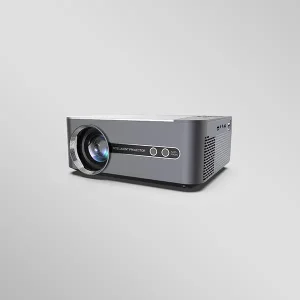
In the modern corporate and educational environment, seamless hardware communication has transitioned from a luxury to an absolute baseline requirement. The integration between Apple's macOS ecosystem (specifically laptops utilizing Apple Silicon M1, M2, and M3 chipsets) and commercial projection units has historically encountered structural friction. This whitepaper analyzes how specialized manufacturing entities resolve these interoperability hurdles through native USB-C integration, AirPlay protocols, and specialized firmware.
The global B2B procurement sector for digital displays has observed a major shift. No longer are purchasing managers evaluating projectors solely based on raw ANSI Lumens or light-source longevity. The crucial factor has shifted toward seamless connectivity—meaning how quickly and reliably a MacBook can establish an EDID (Extended Display Identification Data) handshake with a projector, adjust resolution without signal dropouts, and sustain high-bandwidth video rendering.
Information Gain: Traditional HDMI interfaces require bulky conversion adapters which introduce electromagnetic interference (EMI) and latency. The next-generation MacBook-compatible projector focuses heavily on direct Type-C DP Alt Mode architecture, combined with onboard AirPlay 2 software decoders to handle Apple's strict HDCP (High-bandwidth Digital Content Protection) digital rights requirements.
The manufacturing of MacBook-compatible projectors is geographically concentrated in the South China hardware clusters, specifically within Shenzhen and Dongguan. This proximity allows developers to adapt to changes in Apple's hardware and output interfaces quickly. If Apple modifies its DisplayPort compression standards (DSC) via a macOS patch, the supply chain in this region can deploy updated firmware configurations to factories in a matter of days.
Currently, B2B procurement trends highlight a growing preference for vertically integrated manufacturing. Businesses looking to white-label projection technology require factories that control the entire pipeline—from mold injection and optical engine sealing to final software tuning. This vertical structure ensures consistent compliance with safety and emissions certifications globally (such as CE, FCC, RoHS, and CCC).
Youxi (Shenzhen) Technology Co., Ltd. - Driving Innovation in Smart Projection Manufacturing
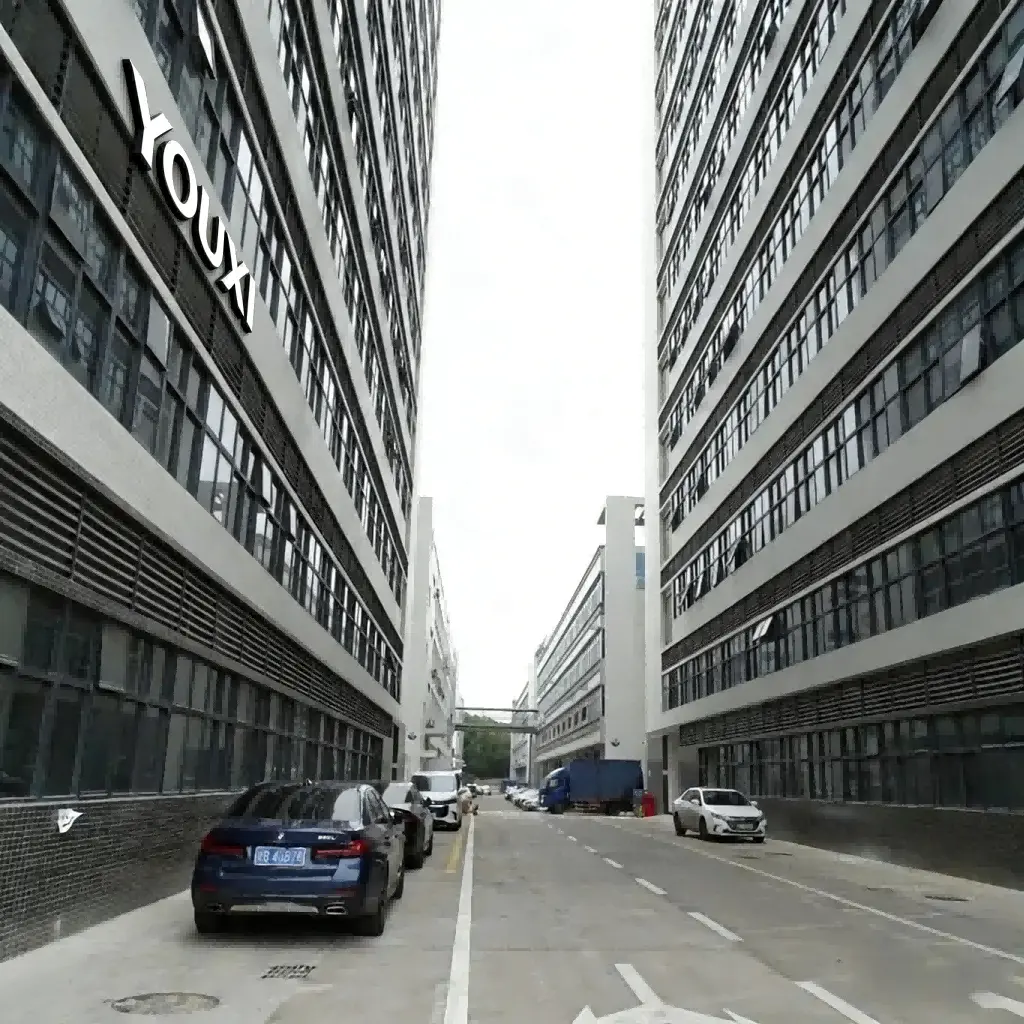
Founded in April 2021, Youxi (Shenzhen) Technology Co., Ltd. specializes in the R&D, manufacturing, and integration of intelligent projection systems and smart wearable devices. The enterprise maintains complete end-to-end capabilities across the product life cycle—encompassing raw material sourcing, optical engine design, precision plastic injection molding, final cleanroom assembly, and comprehensive quality assurance. In step with contemporary corporate responsibility, Youxi integrates energy-efficient designs and sustainable material procurement directly into its manufacturing framework.
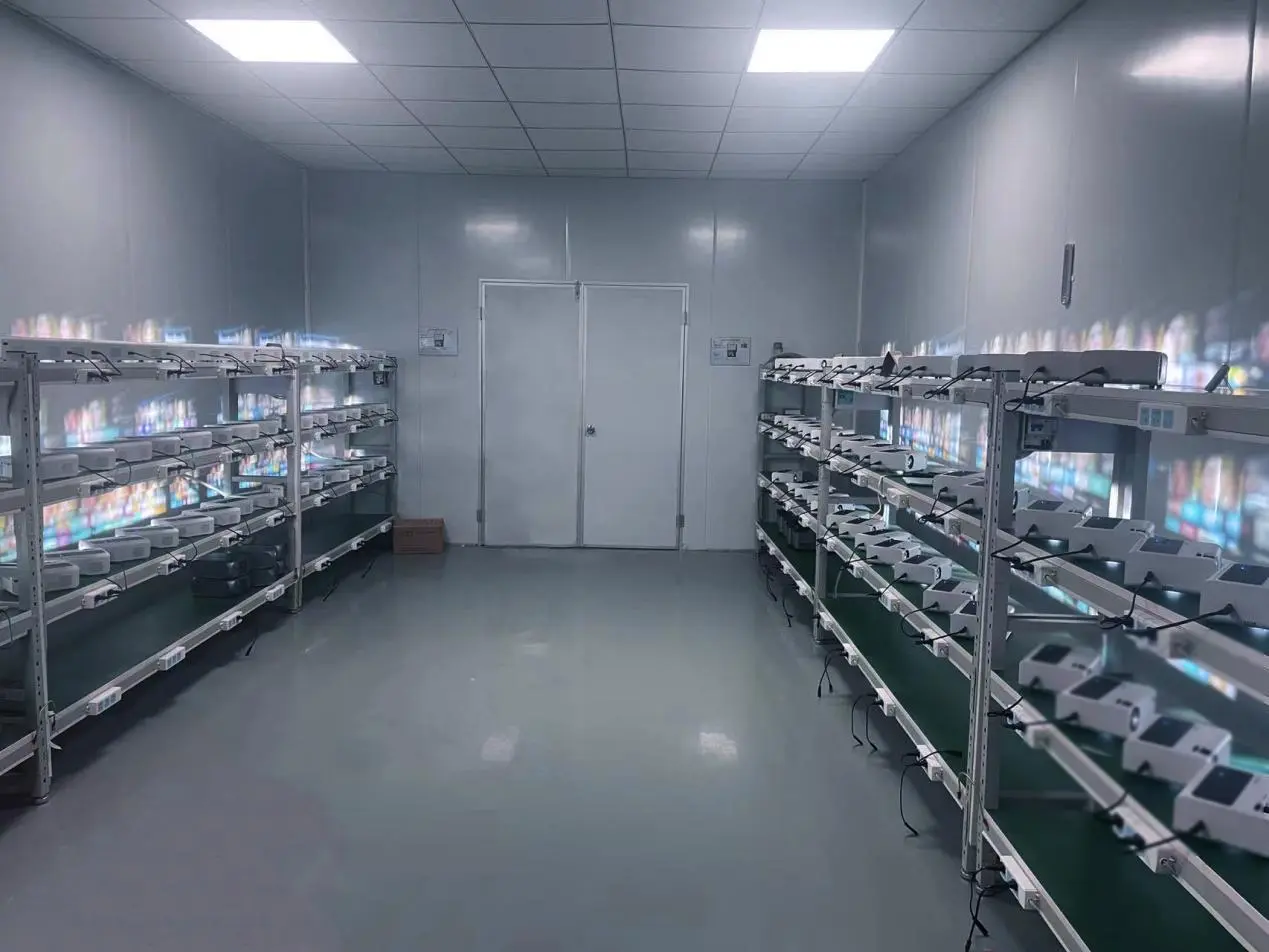
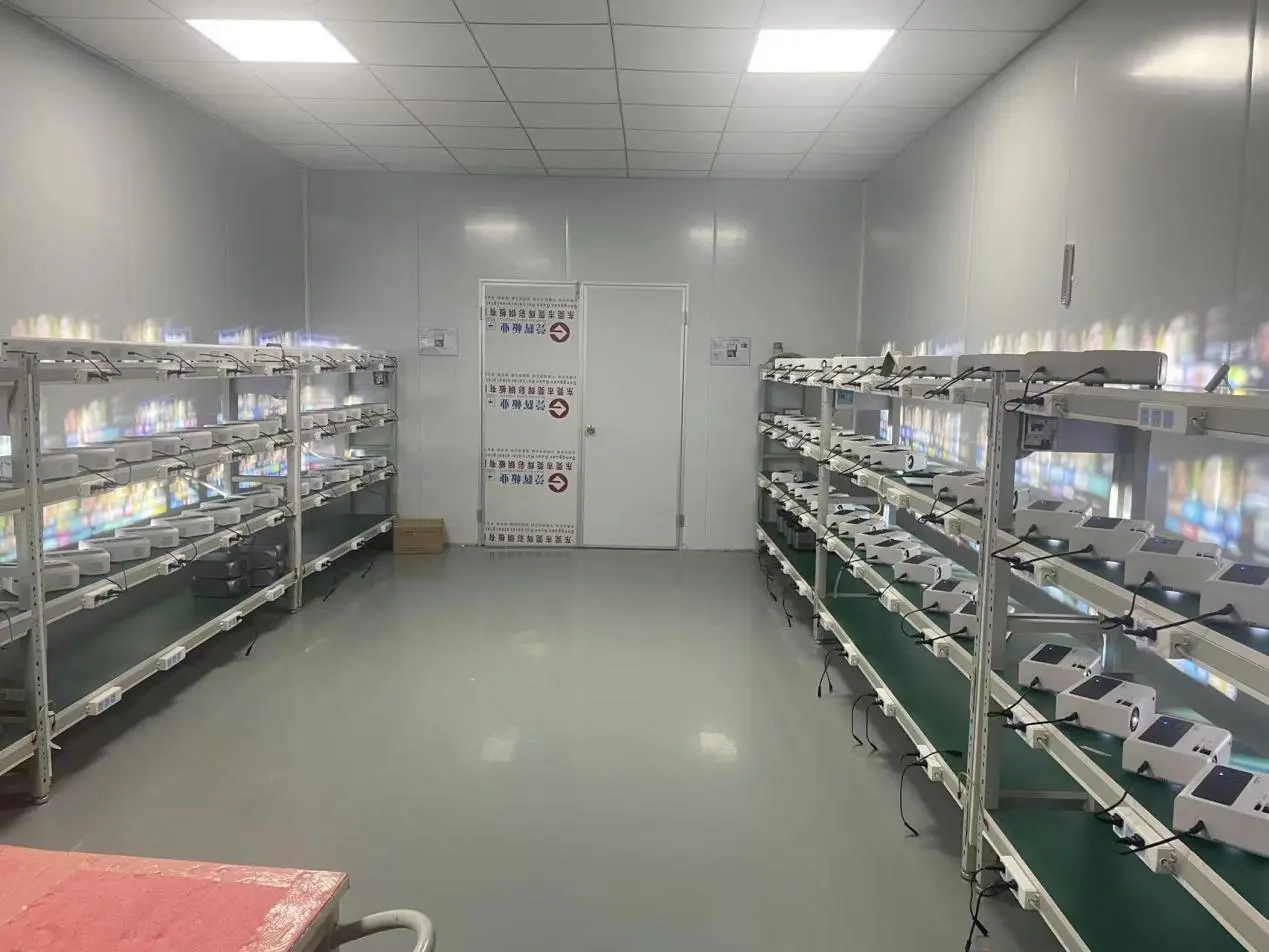
Strategically headquartered in Shenzhen, Youxi is located within 40 minutes of the Hong Kong Port, facilitating quick international shipping logistics. To scale production, the company operates a dedicated 4,000 square meter assembly facility in Fenggang Town, Dongguan City. Employing over 100 professionals and utilizing sophisticated automated production lines, the factory supports a monthly capacity of up to 50,000 projection units.
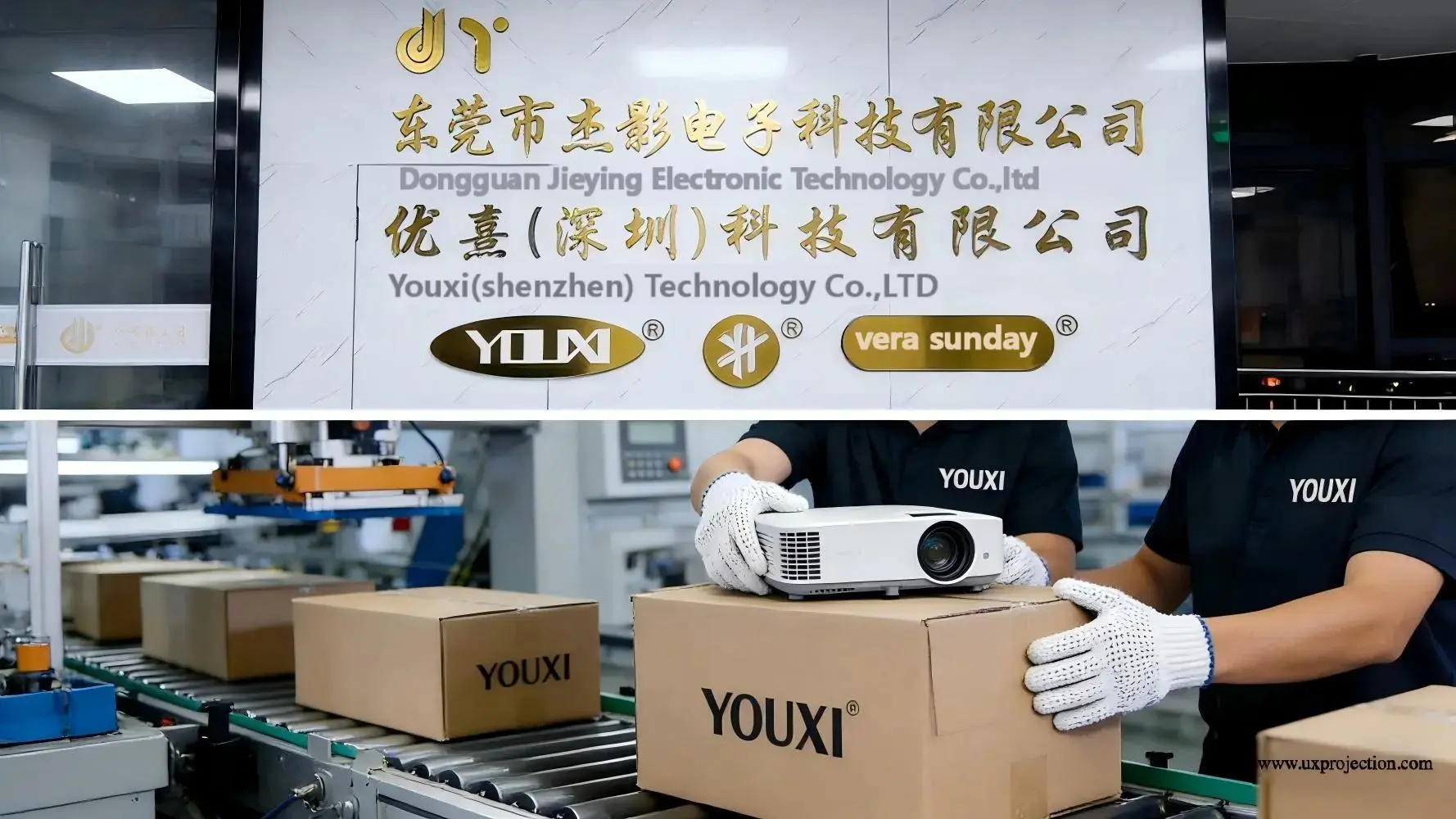

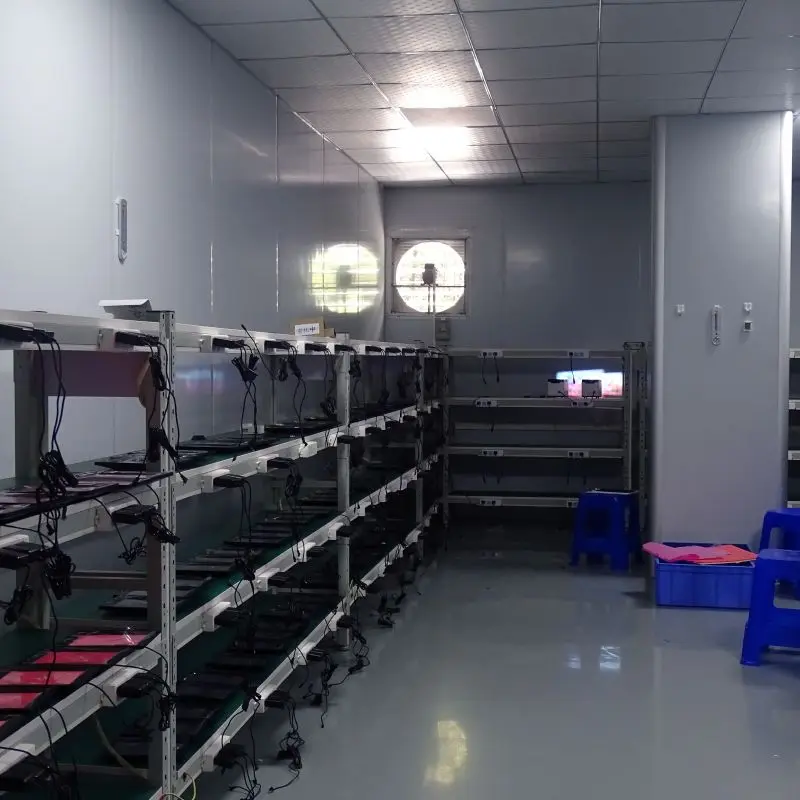
A main bottleneck in projection manufacturing is the alignment and assembly of the optical engine, where minor particulates can degrade display quality. Youxi manages this risk through dust-free enclosures that meet strict cleanroom standards.
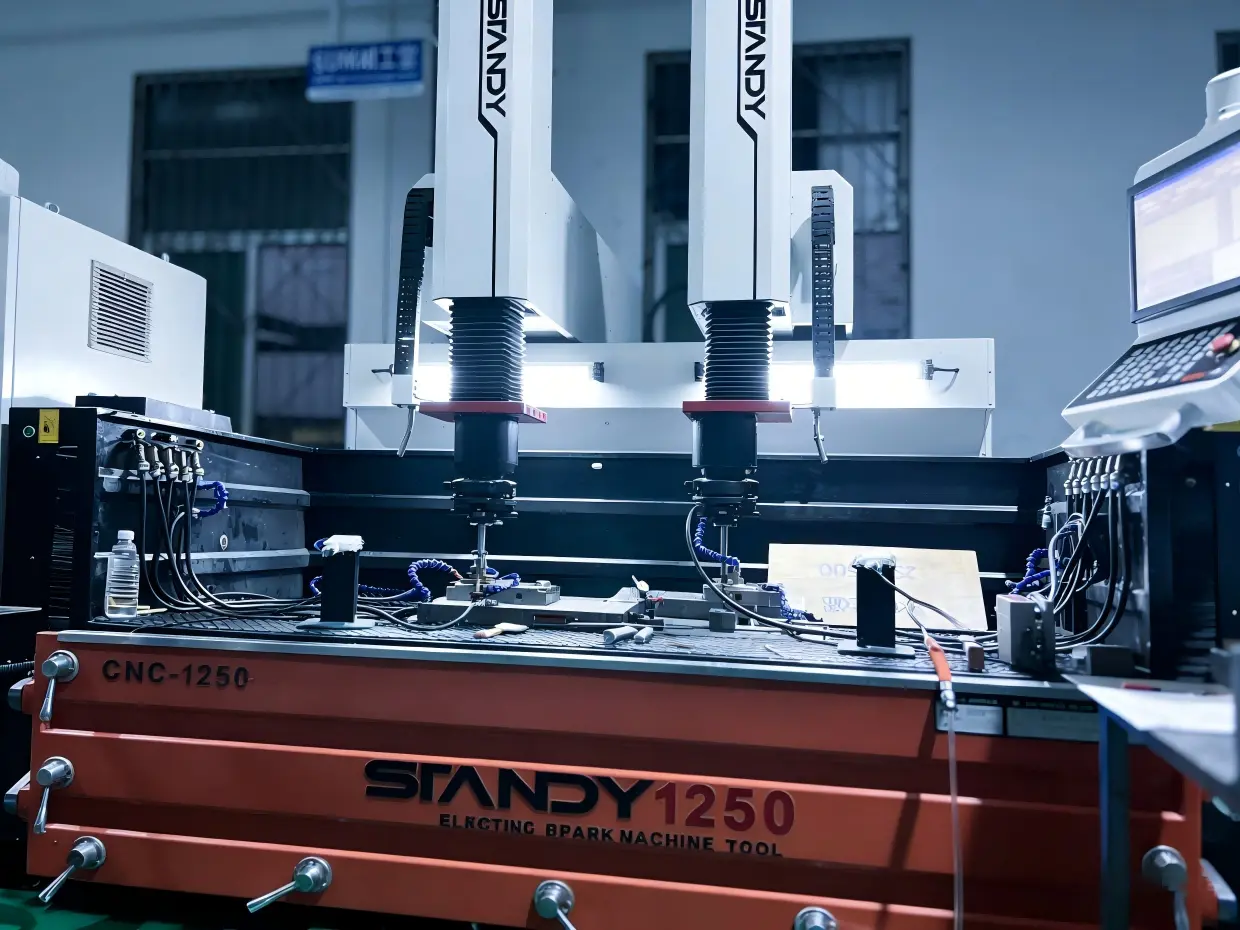
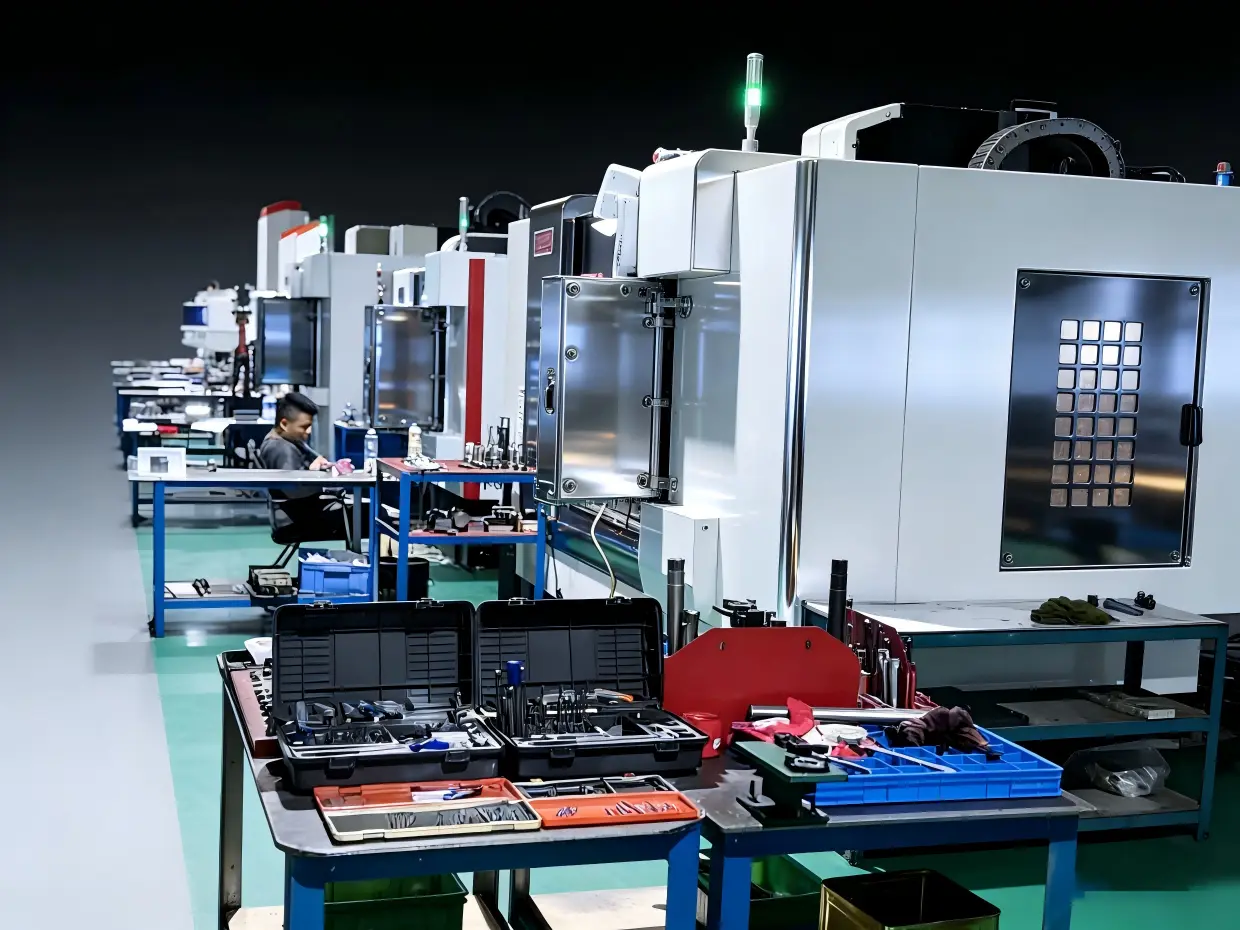
Our manufacturing footprint includes:
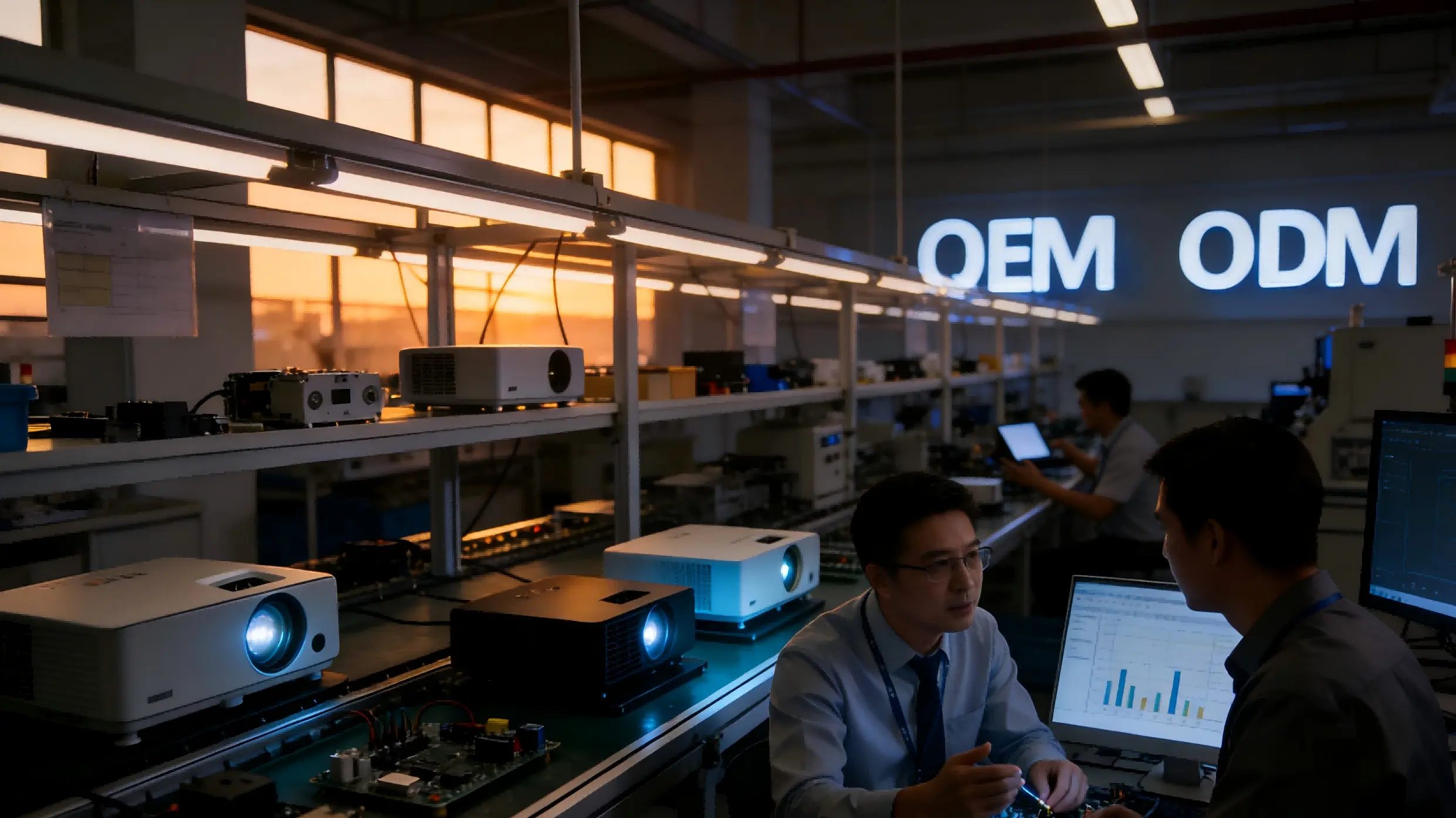
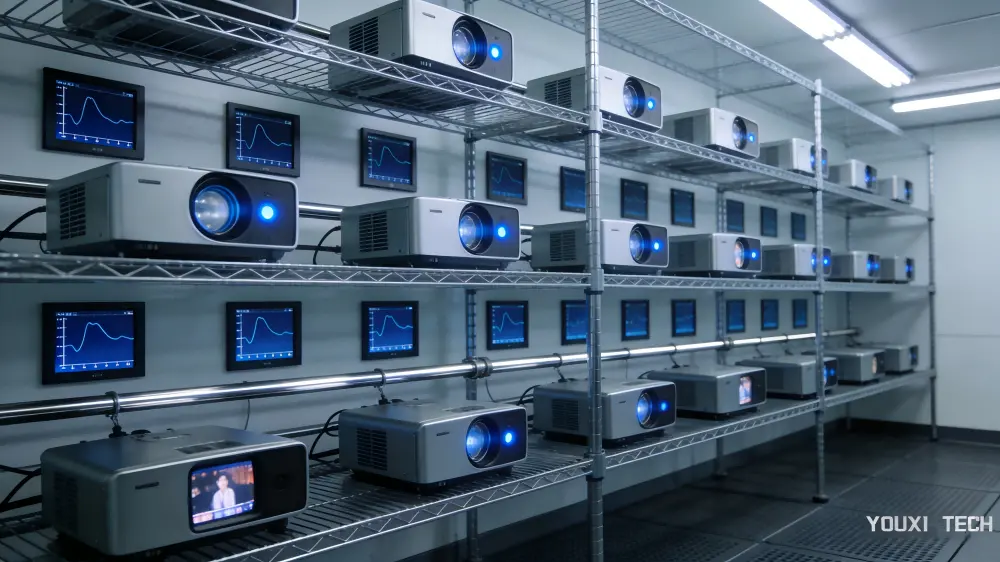
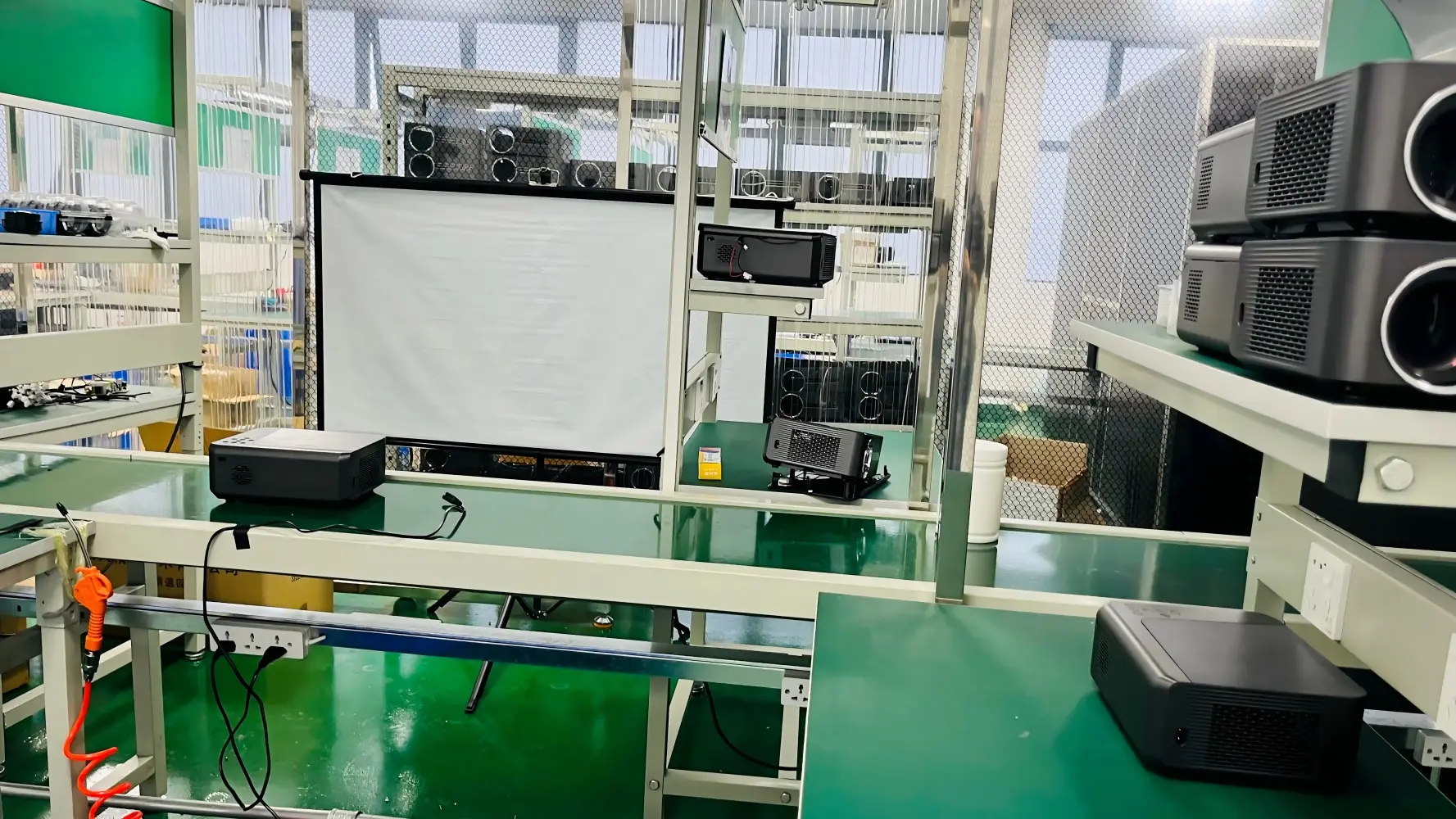
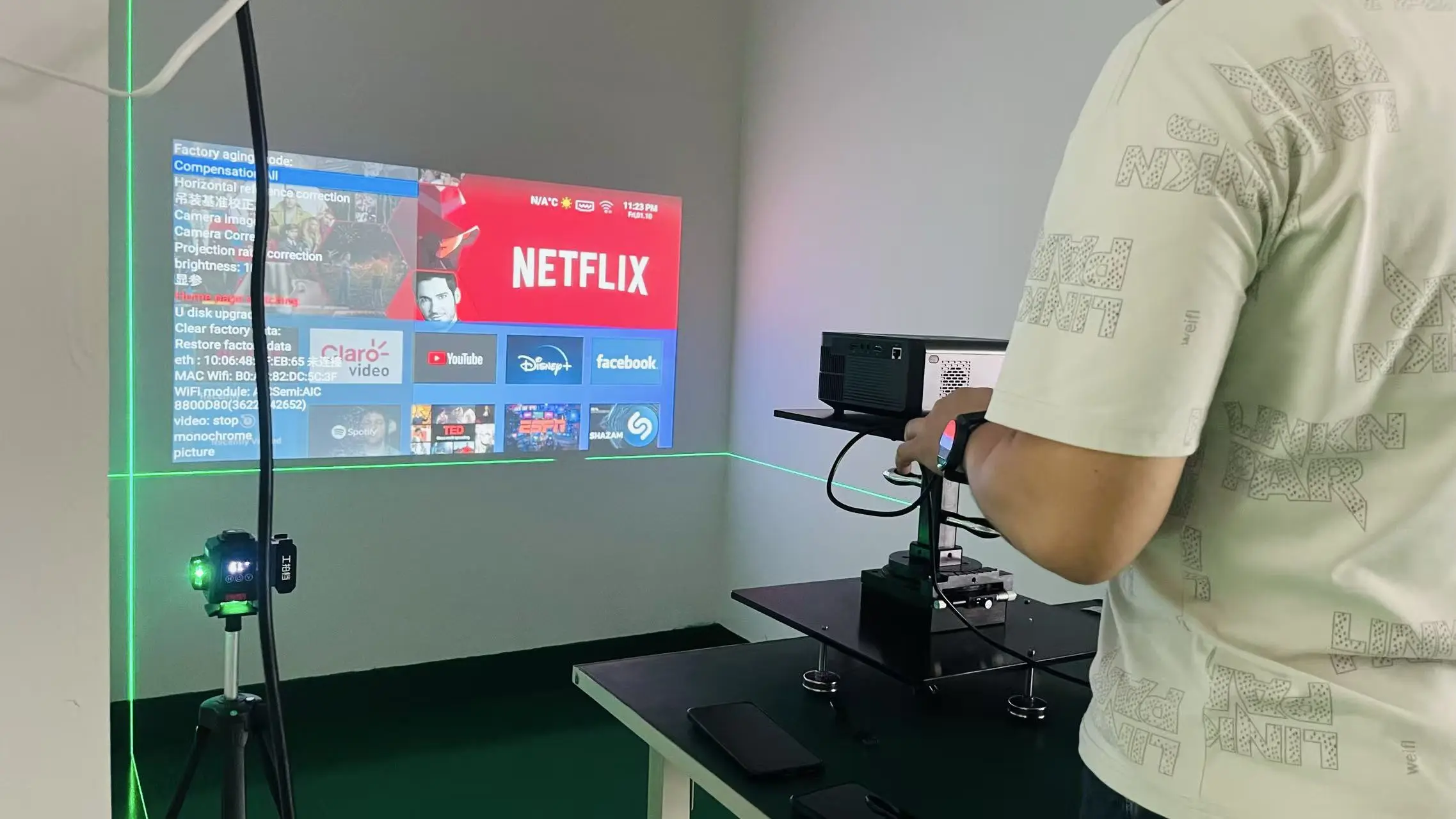
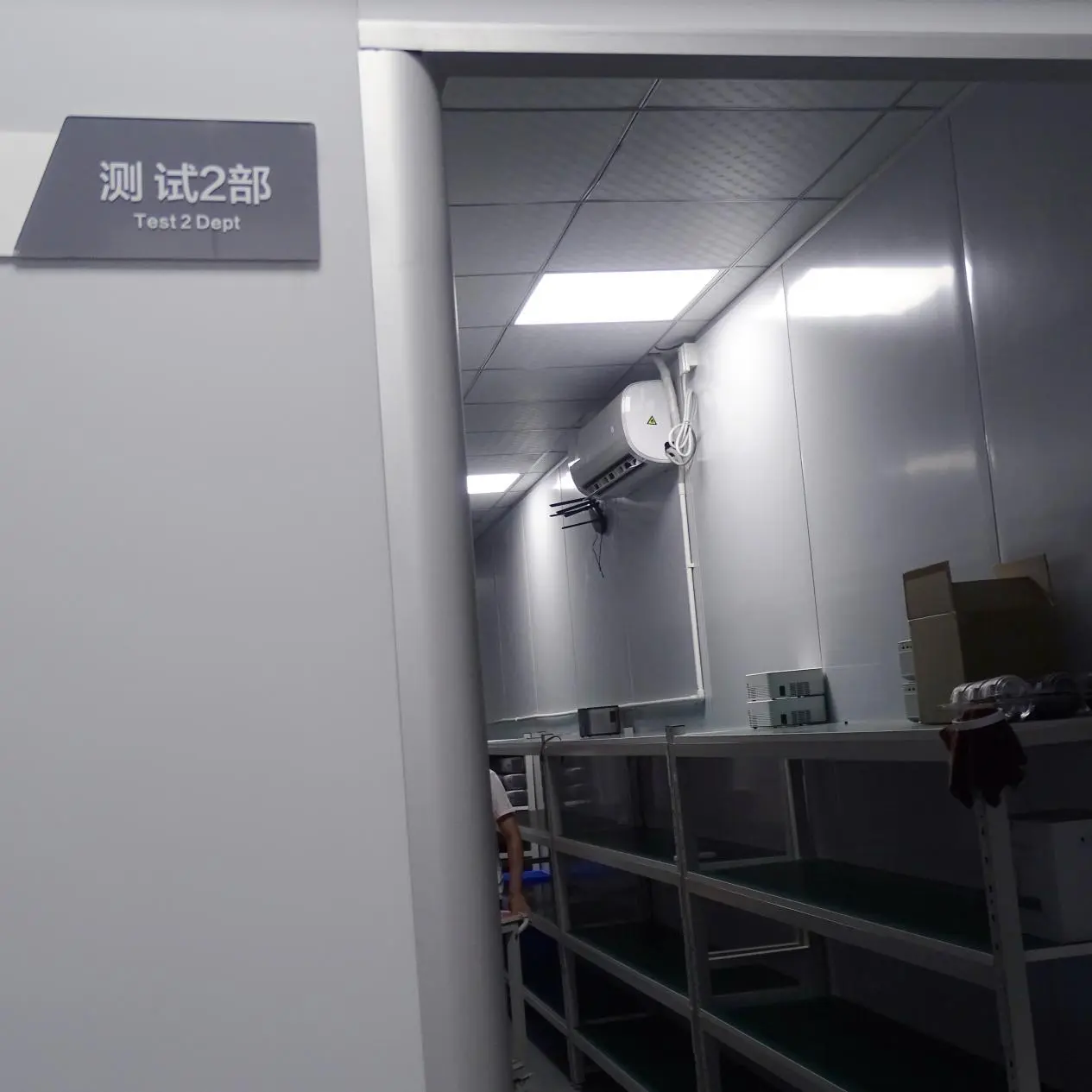
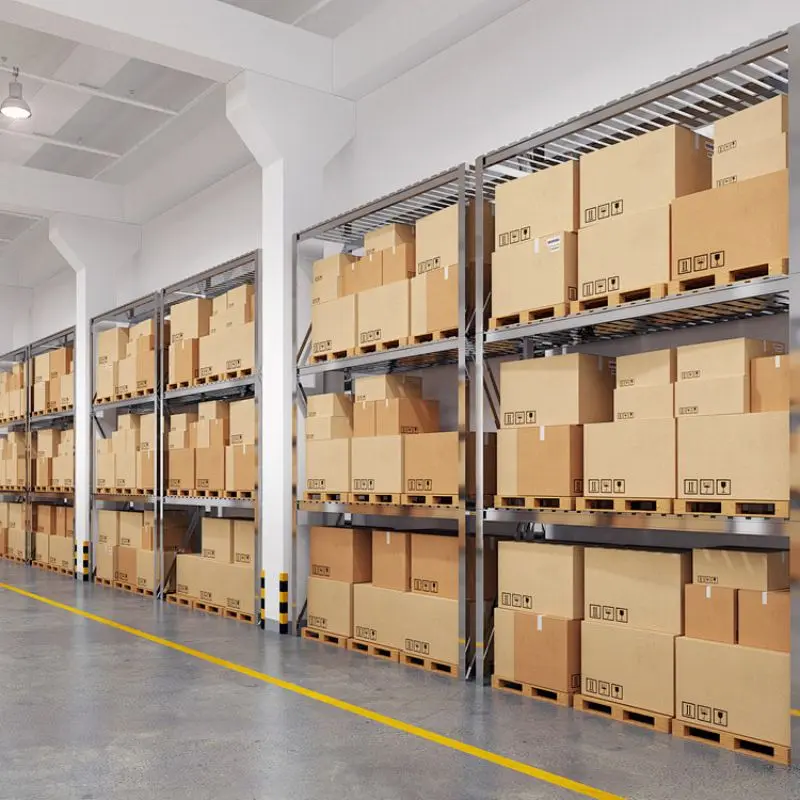
Below are operational views of our production processes, including automated testing protocols and warehouse organization designed to support consistent global delivery timelines.
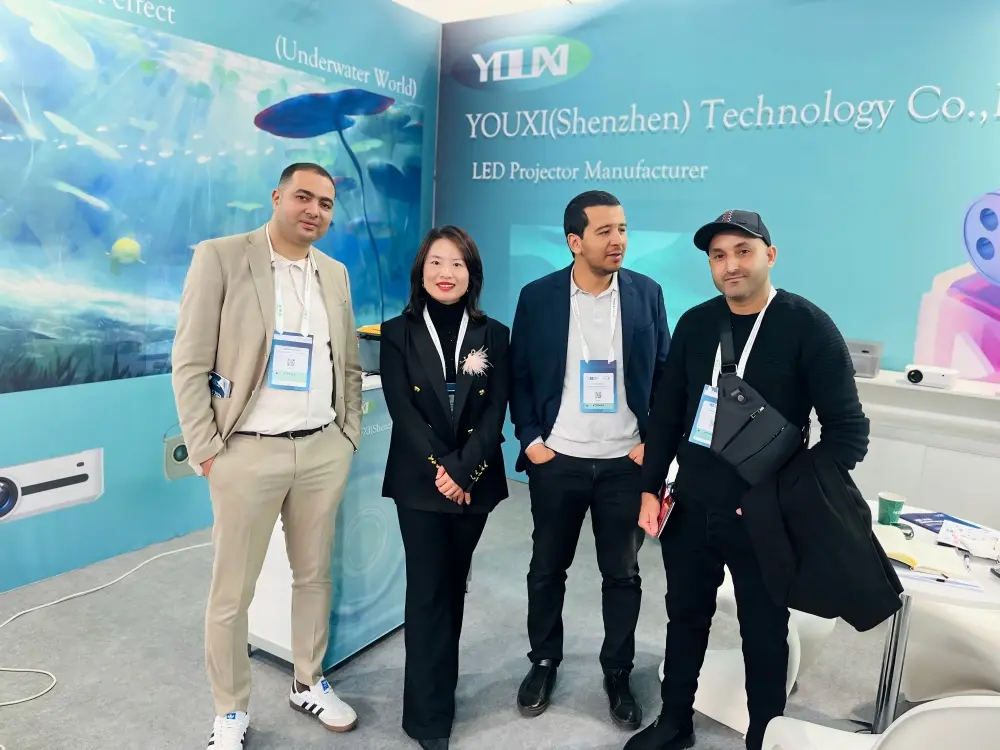

The projection industry is moving beyond standard LED and mercury-arc light sources toward solid-state illumination, primarily Laser Phosphor engines (ALPD) and advanced RGB LEDs. These technologies provide several benefits, including longer operational life (often exceeding 30,000 hours), higher color gamut coverage (meeting DCI-P3 standards), and instant power configurations.
For MacBook users, connectivity features have advanced quickly:
Looking ahead, we anticipate deeper integration of AI-driven auto-calibration systems. These configurations use onboard cameras and time-of-flight (ToF) sensors to adjust focus, keystone, and color balance dynamically based on the color and geometry of the projection wall.
MacBook projection solutions are tailored to meet the needs of distinct operating environments:
Wholesale pricing for projection systems varies based on three main variables: resolution, brightness (measured in ANSI Lumens), and the operating system. The table below outlines typical pricing tiers for bulk B2B procurement:
| Model Tier | Key Specifications | Primary Connection | Wholesale Range (USD) | MOQ Requirement |
|---|---|---|---|---|
| Entry Mini Portable | 720P Native, 150-250 ANSI, Android OS | HDMI, Miracast Wireless | $35 - $60 | 500 Units |
| Smart Full HD | 1080P Native, 300-450 ANSI, Google TV | USB-C DP, AirPlay 2, HDMI | $85 - $130 | 200 Units |
| High-Lumen Education | 1080P/4K Input, 500-800 ANSI, Sealed Optics | Type-C, RJ45 LAN, Wi-Fi 6 | $150 - $220 | 100 Units |
| Enterprise Laser / Short Throw | 4K Native, 1500+ ANSI, Smart TV Suite | Dual USB-C, Dual HDMI 2.1 | $450 - $750 | 50 Units |
Purchasing managers can customize projection hardware to meet specific software needs. In addition to custom exterior molding, factories can adapt internal firmware (such as modifying Android startup animations or tailoring pre-loaded applications) and configure custom interface ports (such as adding extra USB-C lines or legacy VGA connections for hybrid setups).
Direct from Youxi Shenzhen factory floor. Certified for reliable global integration.
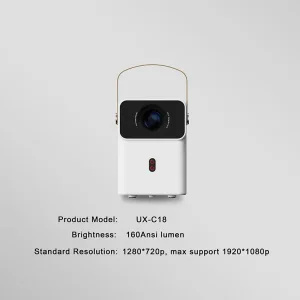
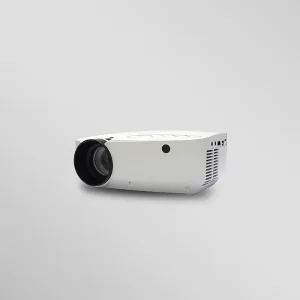
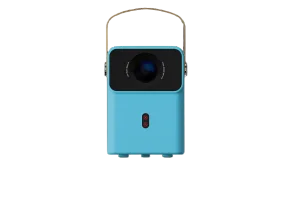
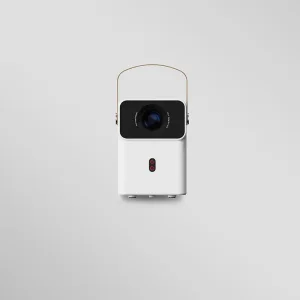
Technical guidance and sourcing advice from our engineering division.
 Youxi projection