Engineered for lumens stability, ambient light rejection, and active software integrations in classrooms and lecture halls.
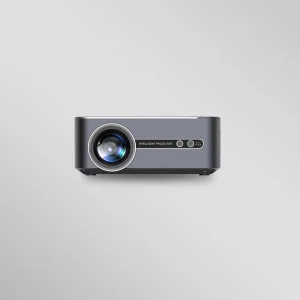
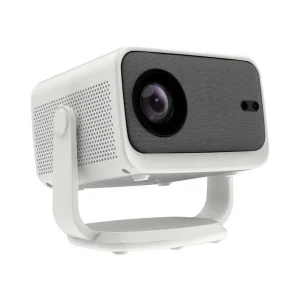
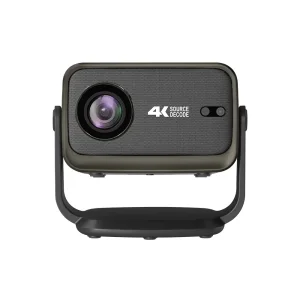
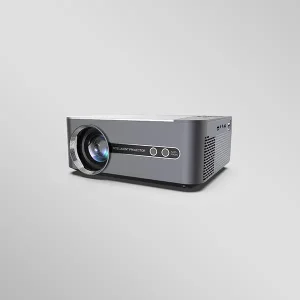
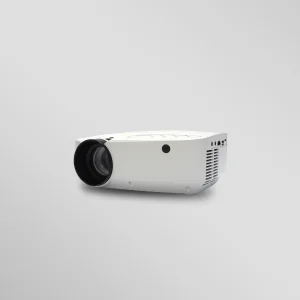
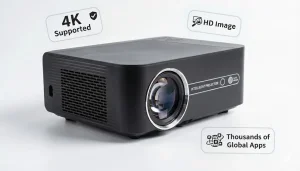
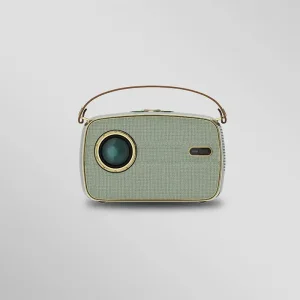
When educational institutions and wholesale distributors query for the "best projector for teaching price", their true intent encompasses a multidimensional matrix of considerations. It is not merely a request for the lowest numerical dollar cost; it is an optimization equation balancing raw initial price, operational longevity, optical health safety, and system integration flexibility.
In modern learning settings—ranging from high-illumination K-12 classrooms to tiered university lecture halls—the projection hardware faces continuous operation loads. Thus, institutional buyers demand deep transparency regarding raw factory-direct costs versus post-installation maintenance expenses. A failure in the optoelectronic system can disrupt academic schedules and escalate total ownership costs.
A classroom projector must overcome ambient lighting from windows and overhead fluorescent tubes without compromising color accuracy or inducing eye fatigue. Below are the core technical baselines engineered into our institutional-grade units:
Minimum 3,500 ANSI Lumens for standard classroom settings, coupled with high dynamic contrast to maintain readable text and crisp graphs under strong ambient light conditions.
Dust accumulation degrades image clarity and compromises internal thermal dynamics. IP5X sealed engines prevent dust ingress onto the liquid crystal panel or DMD chip, avoiding hot spots and pixel burnouts.
Short-throw (0.4 to 0.6 ratio) and ultra-short-throw options prevent shadows caused by teachers standing in front of the screen. Combined with multi-point auto-keystone correction, these setups simplify physical installation.
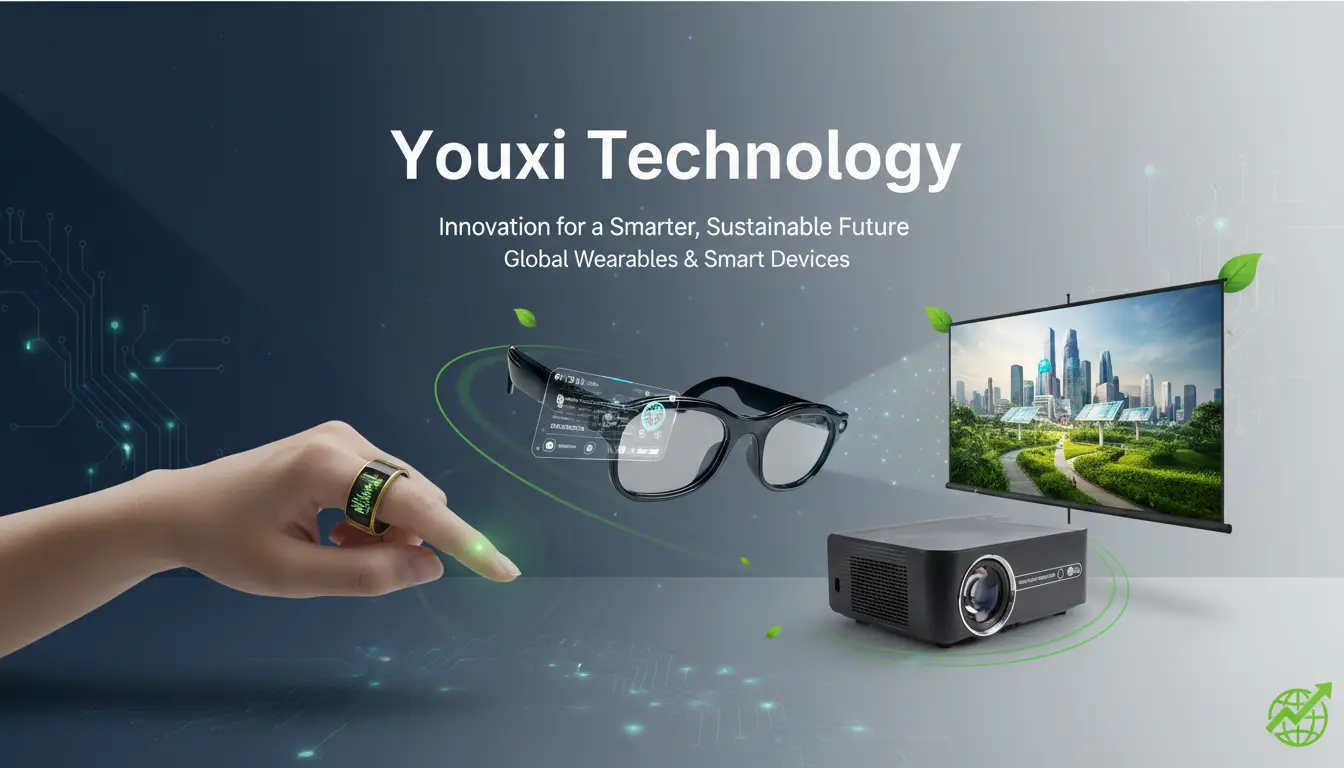
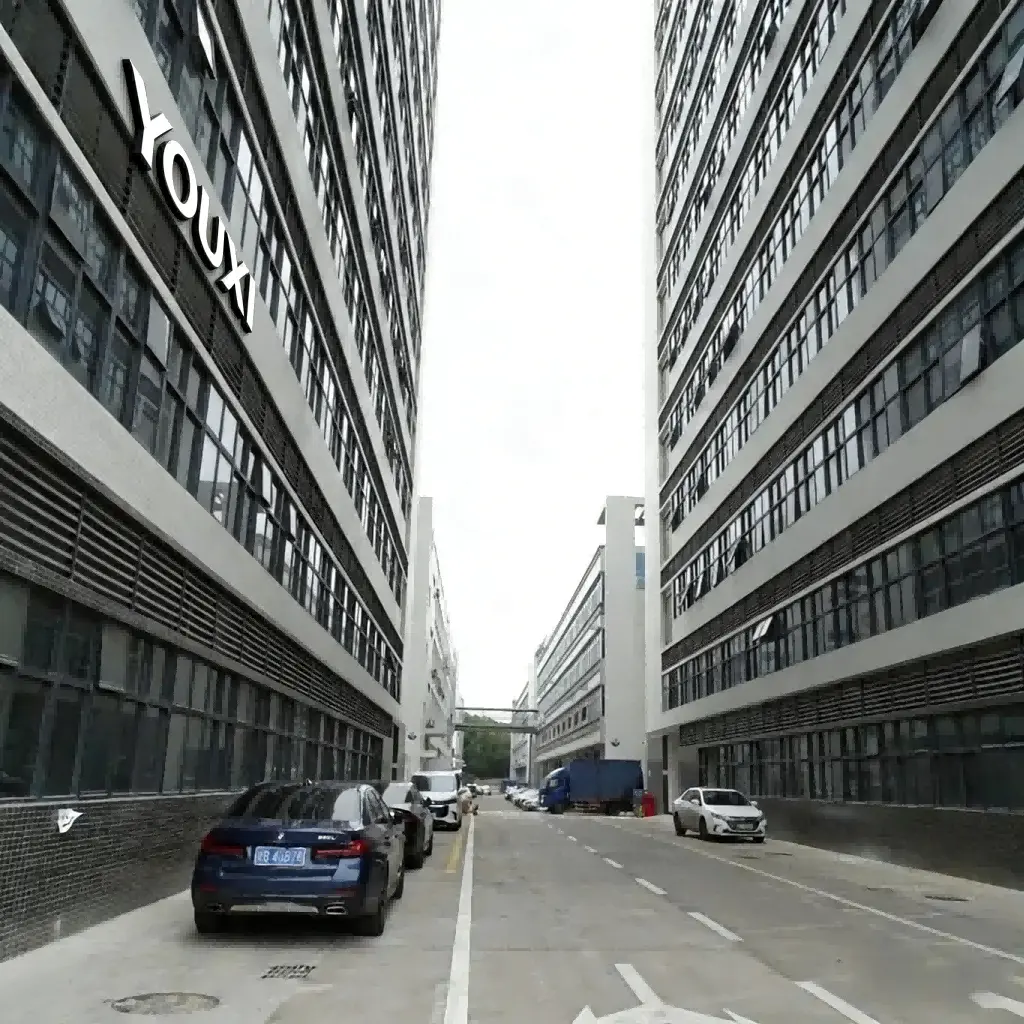
Our core manufacturing hub, Youxi (Shenzhen) Technology Co., Ltd. (established in April 2021), drives research, development, and system integration for high-performance projection systems and wearable smart hardware.
Headquartered in Shenzhen, we take advantage of the local high-technology hardware ecosystem and our close proximity to the Hong Kong Port (a 40-minute transit). To support mass volume demands while keeping pricing highly competitive, we operate a dedicated 1,000-square-meter facility in Fenggang Town, Dongguan City. Our manufacturing ecosystem integrates mold injection, precision SMT, optoelectronic testing, and final packaging.
By consolidating the supply chain, we control our Bill of Materials (BOM) costs from the ground up, passing these efficiencies directly to you in our pricing.
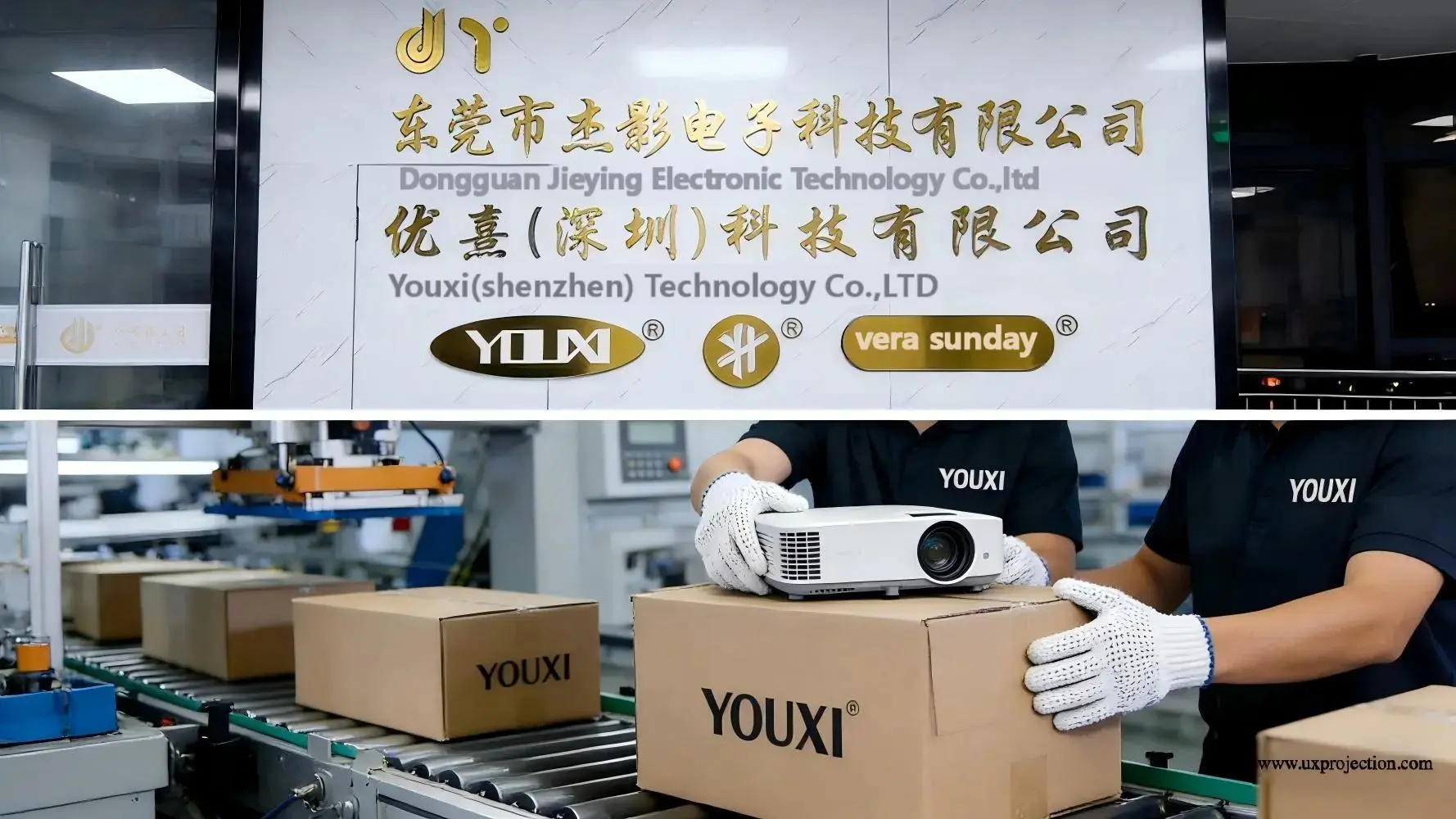
From raw plastic granules to ready-to-ship optical equipment, our production line guarantees structural and functional consistency.

Unlike assembly-only plants, our mold and injection molding workshop is located directly adjacent to our assembly facility. Equipped with advanced digital tooling machines that exceed standard market baselines, this workshop produces precision structural parts. High precision tolerances in the casing prevent light leakage, align optical paths, and reduce structural vibration noise.
Covering over 4,000 square meters, our manufacturing floor features modern production setups operated under strict 5S standards. We maintain cleanroom zones for critical optical block mounts to protect display chips and light paths from particulates. With a staff of over 100 qualified assembly workers, our monthly production capacity reaches 50,000 units.
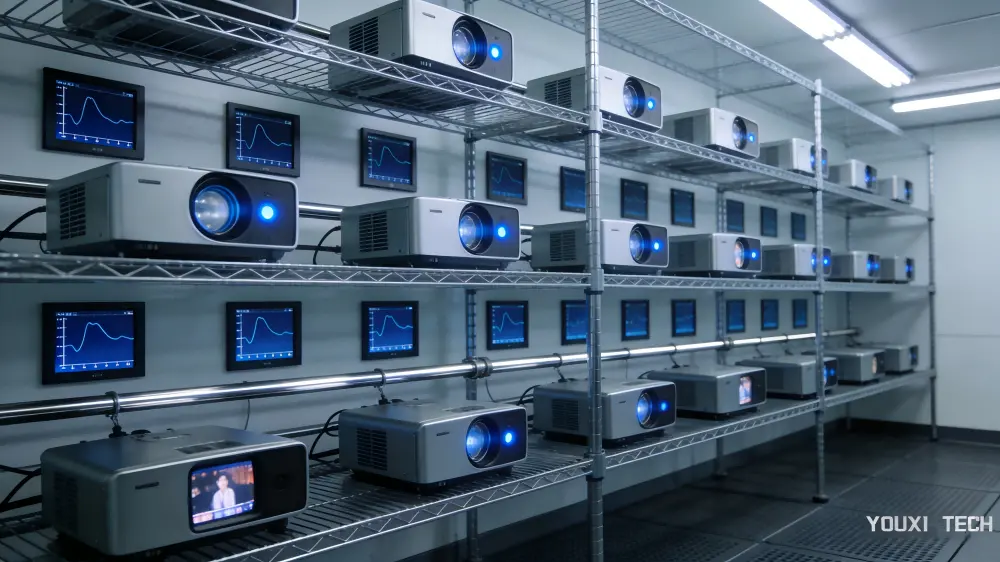
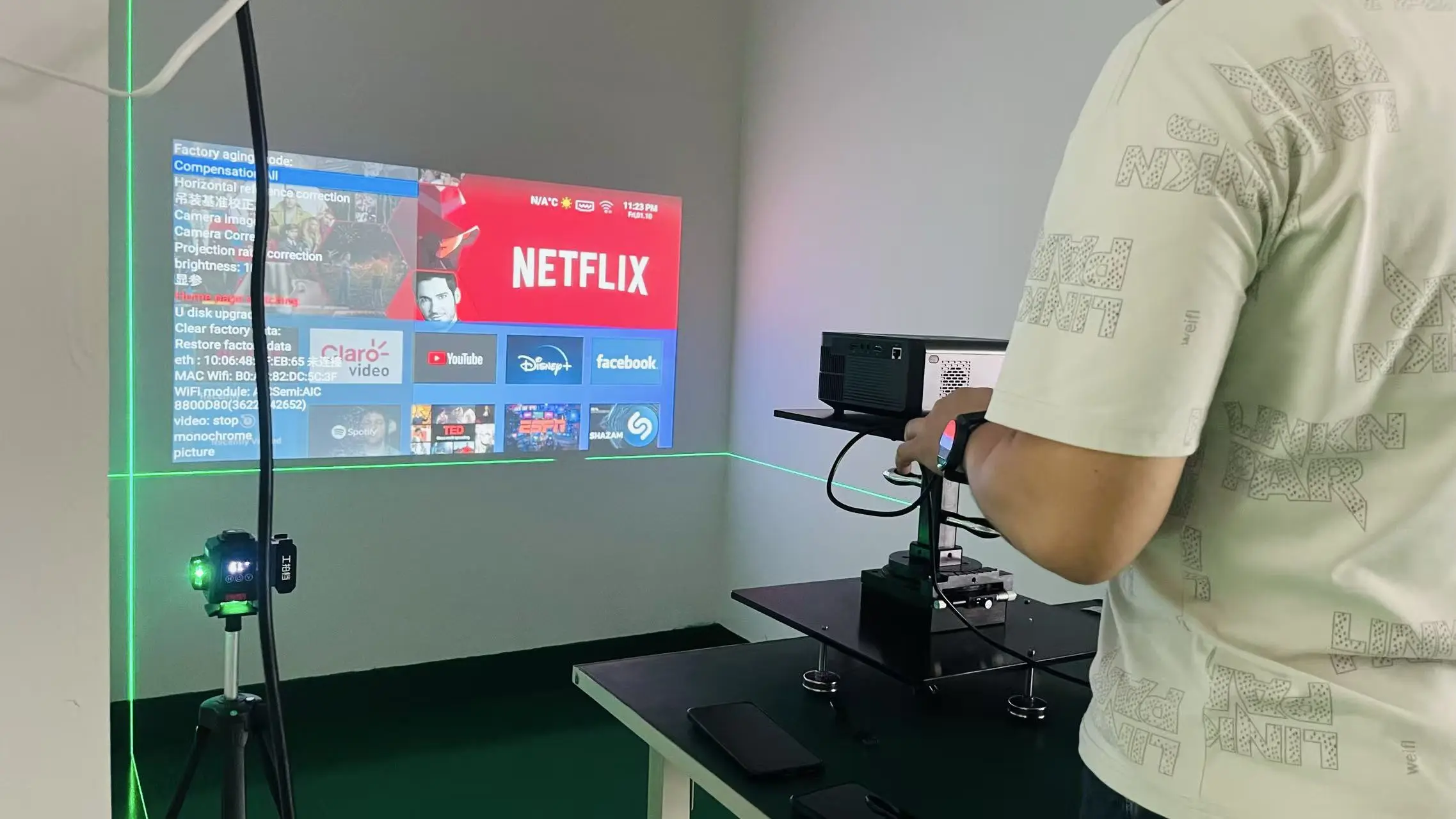
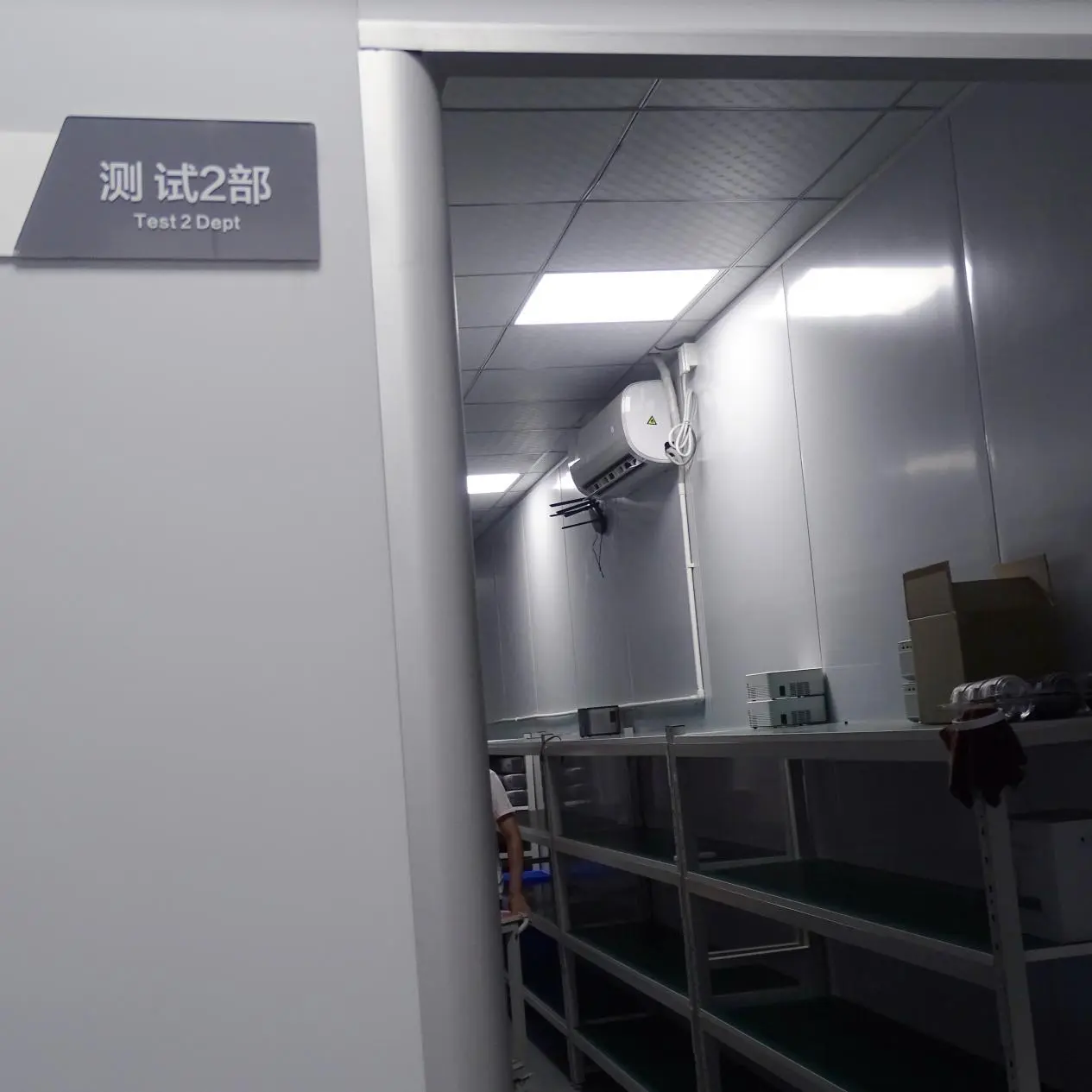
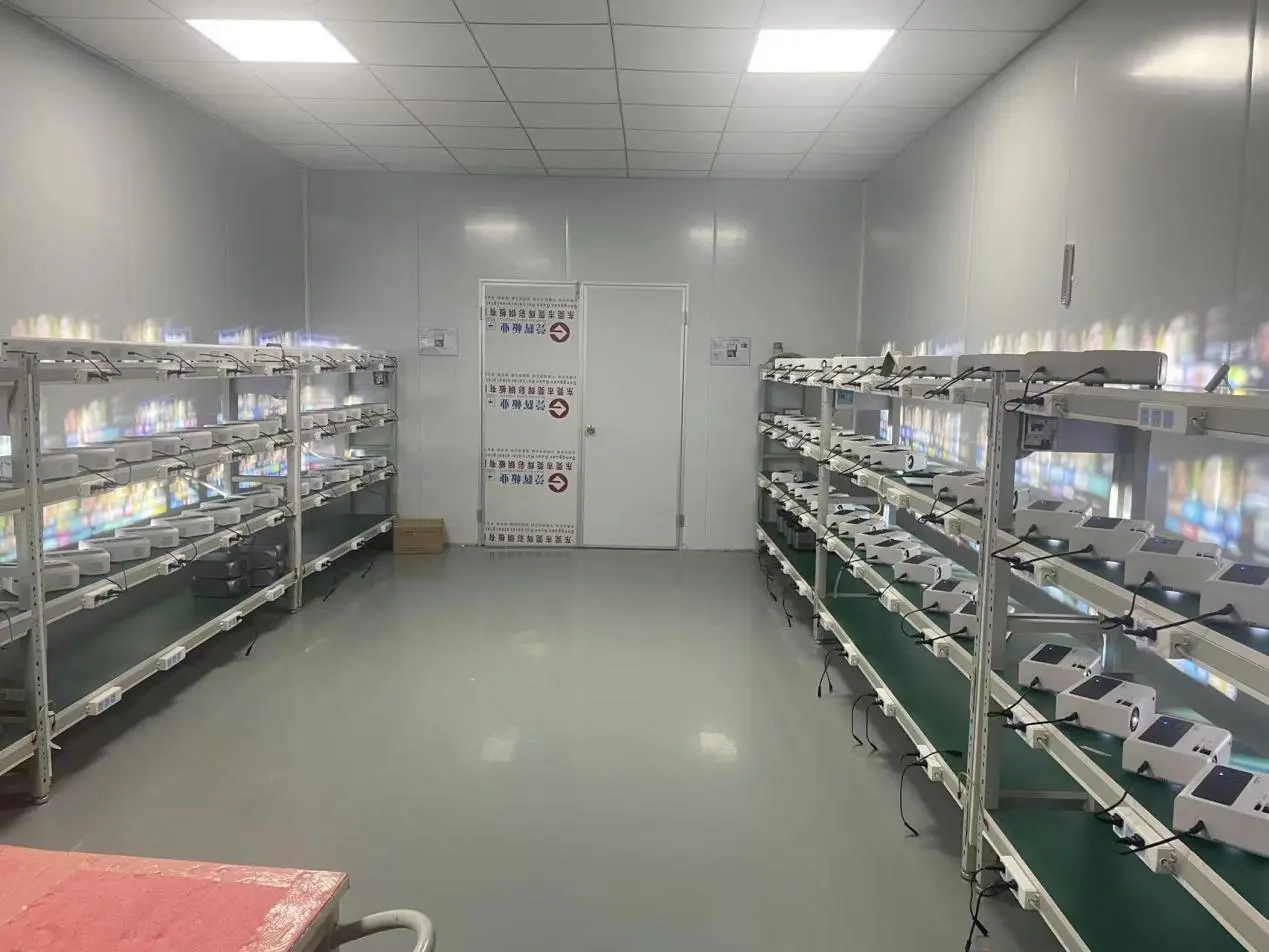
We focus on reducing out-of-box defect rates (OOBD) for our partners. To verify long-term performance, we have set up two test areas housing 12 individual inspection rooms. Professional quality control inspectors run three verification gates: incoming material quality control (IQC), first-article post-assembly inspection (FQC), and pre-shipment sample testing (OQC).
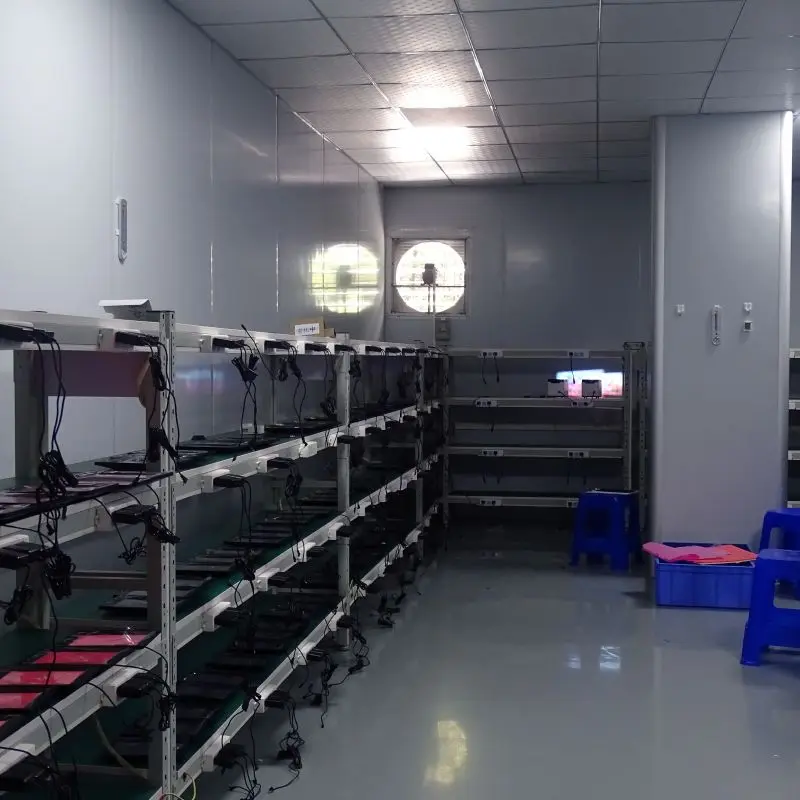
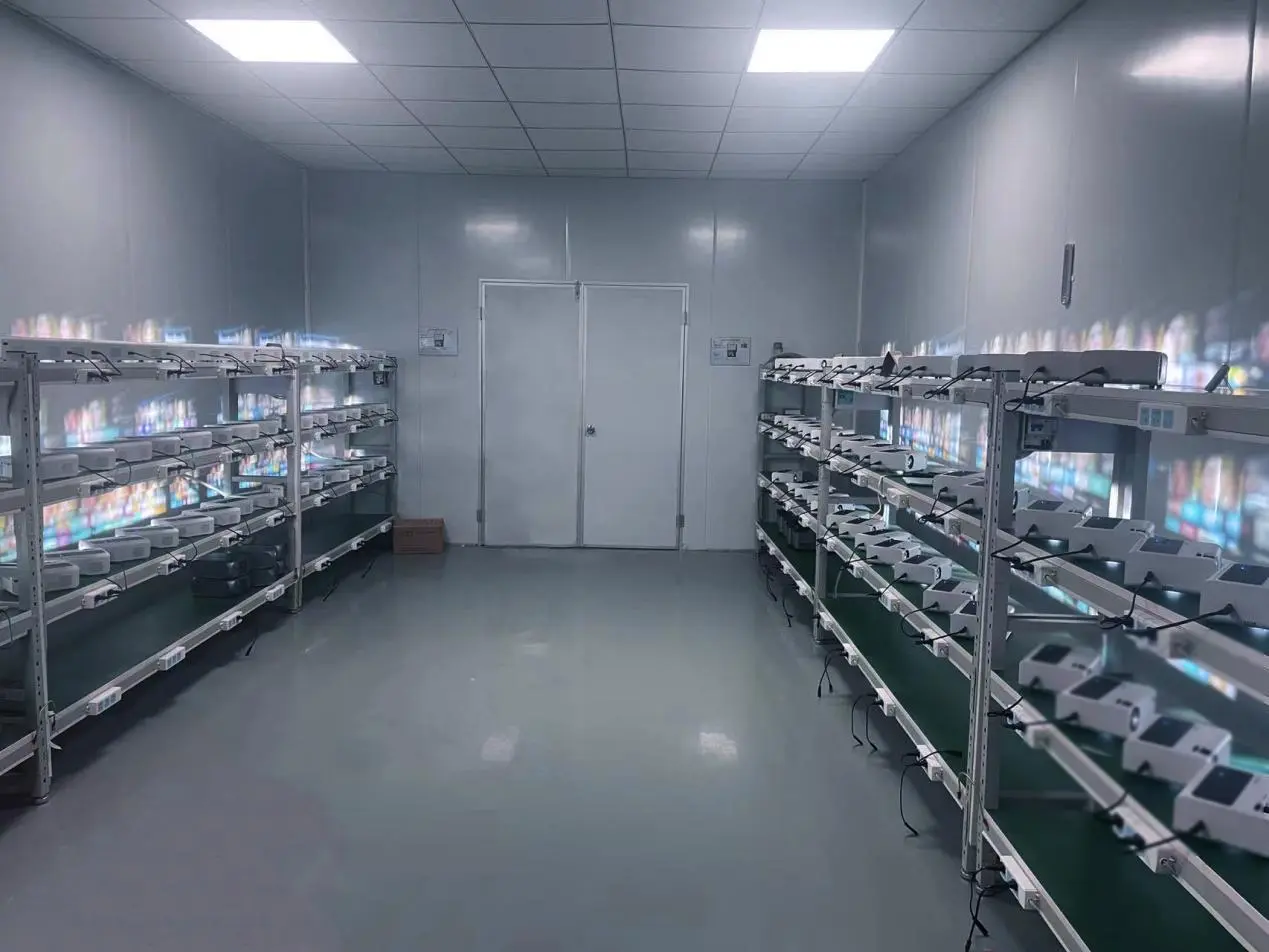
Our dedicated aging test room allows 200 projectors to run concurrently under full thermal load. This process checks for initial component failures before any batch is cleared for final packaging.
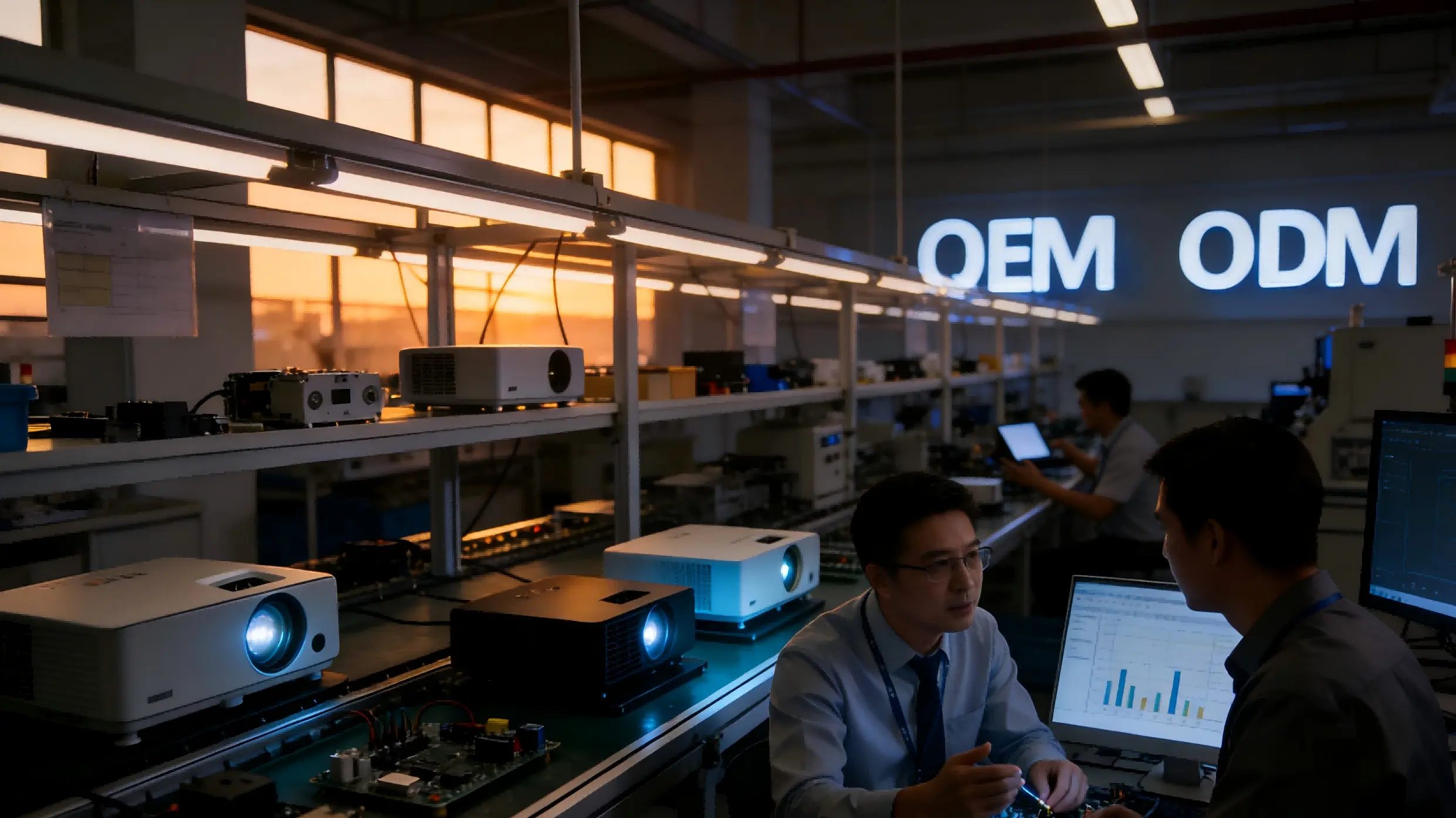
Direct views of our manufacturing workshops, logistics pipelines, and testing chambers.
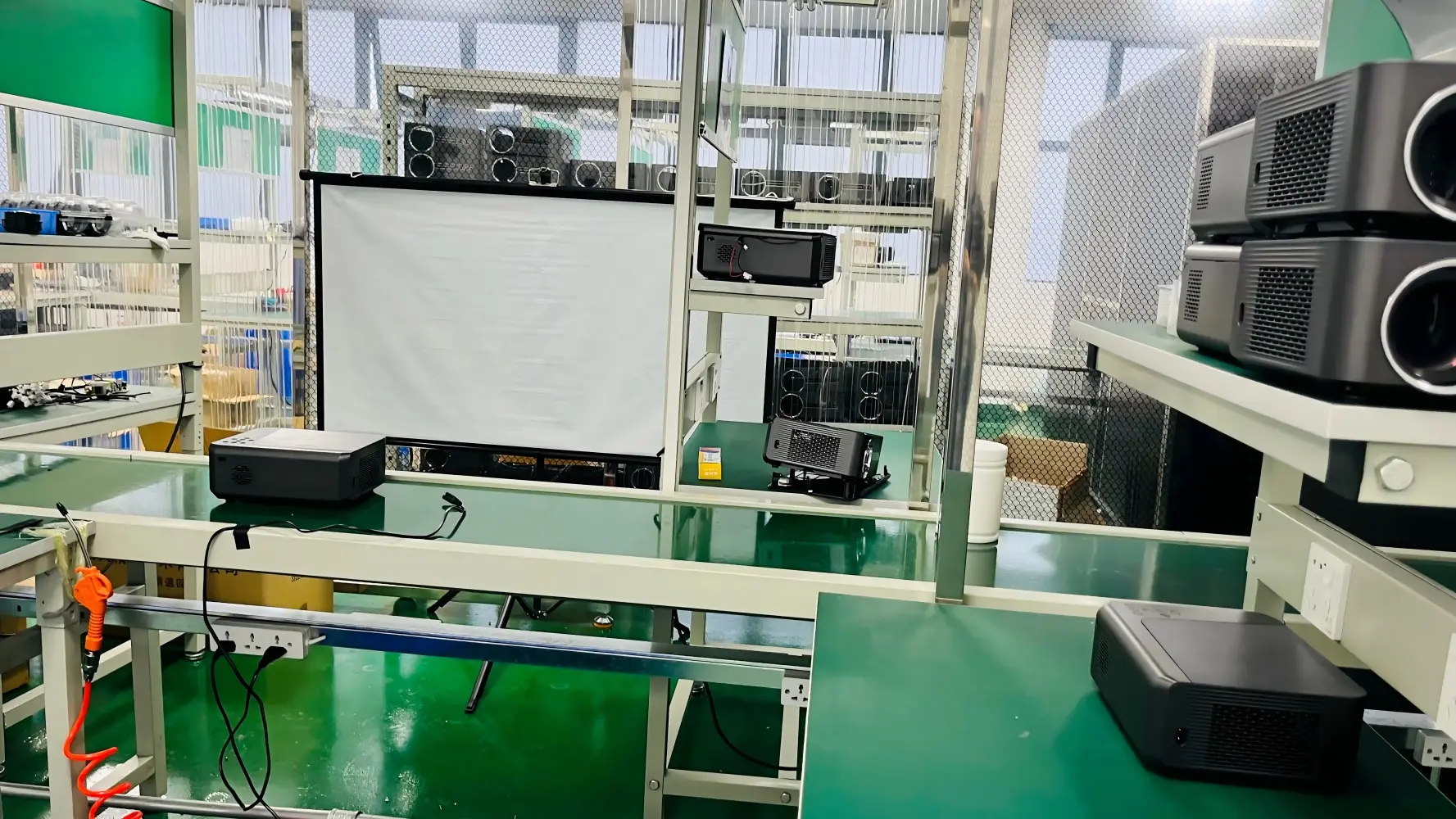
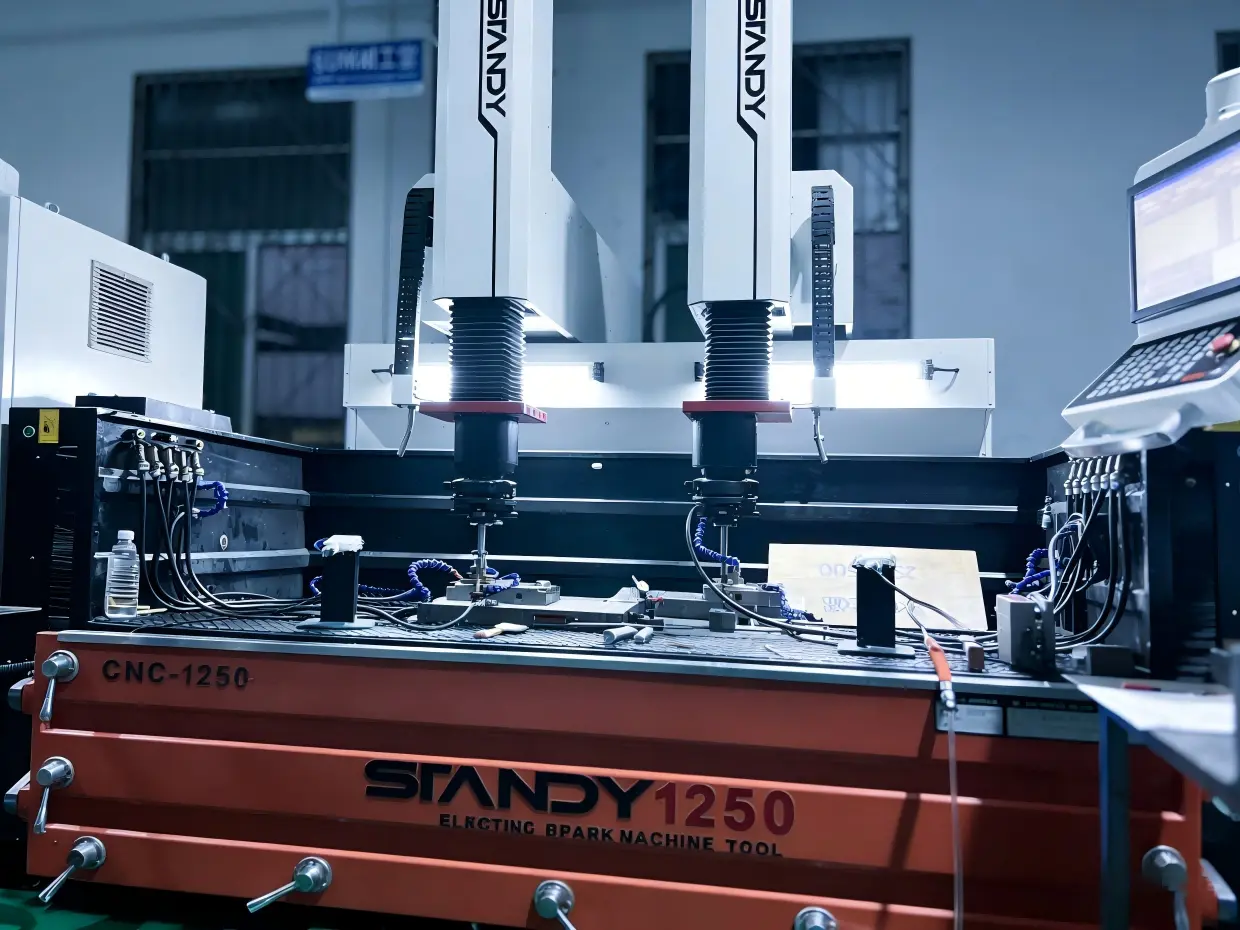
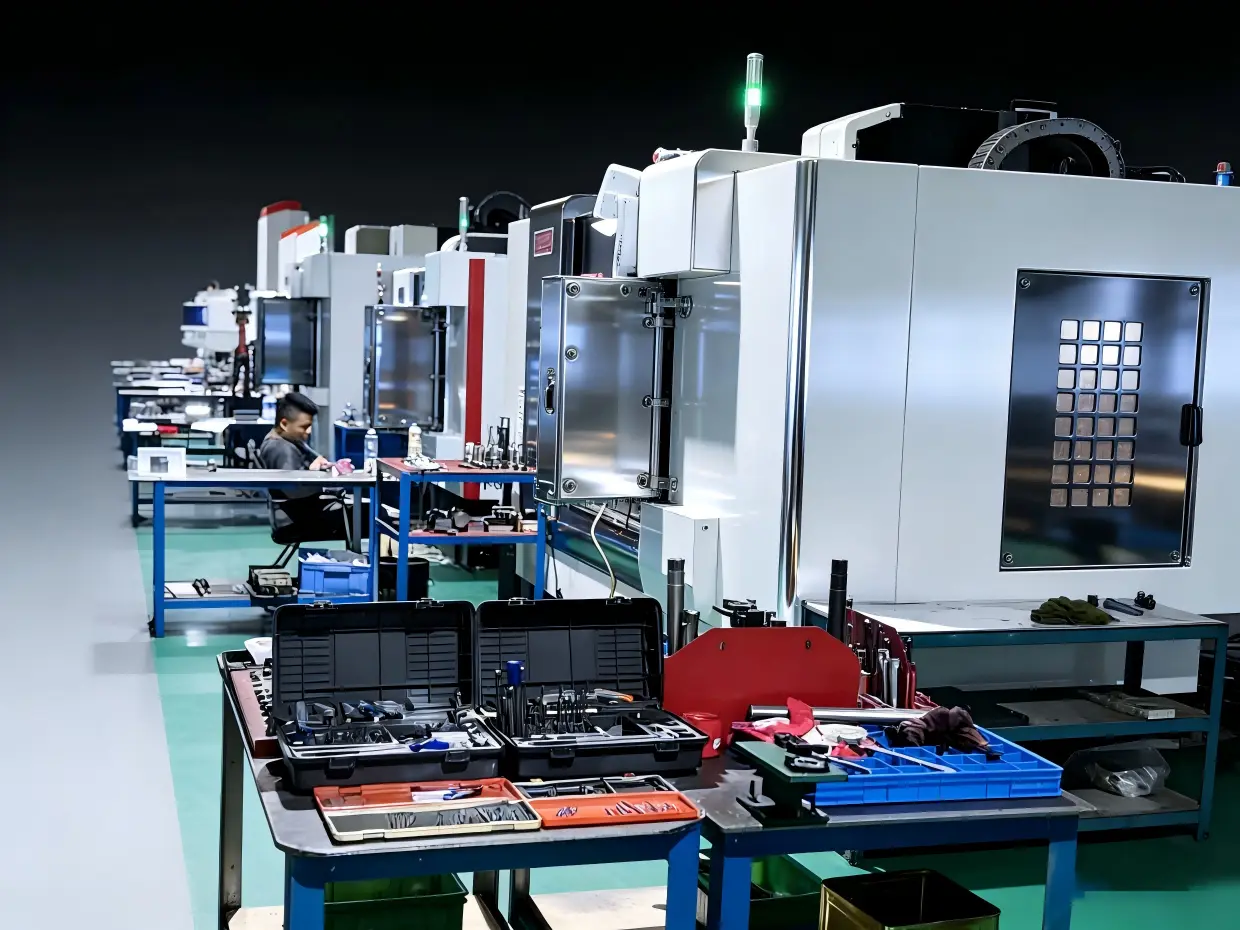
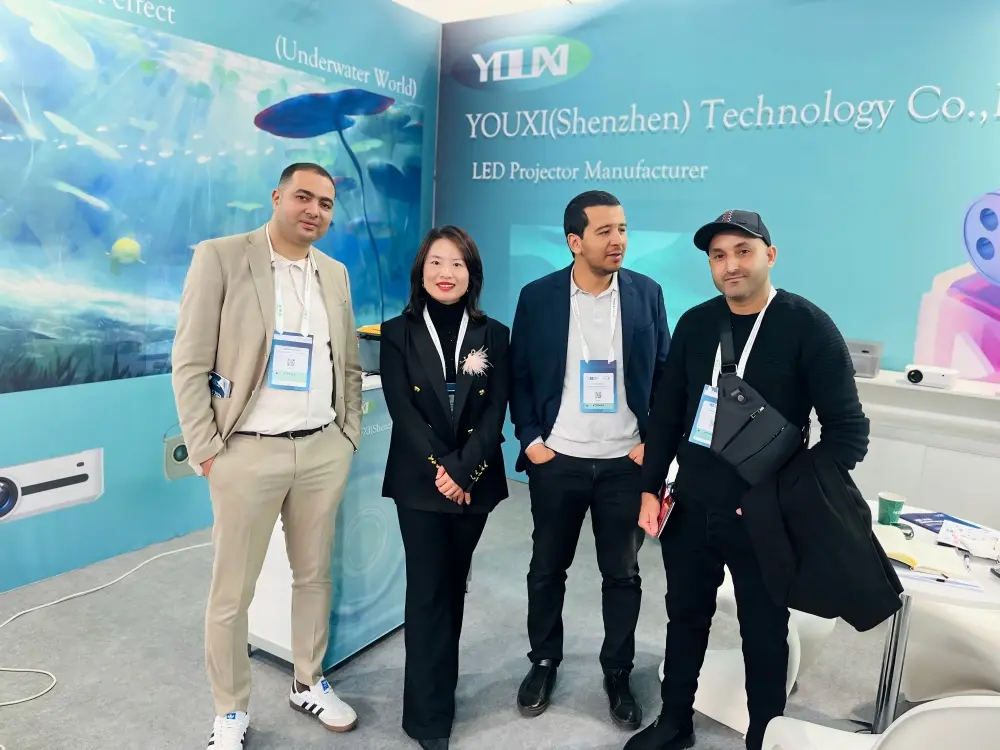
Aligning engineering capabilities with international system architectures and structural quote demands.
Modern schools need to balance legacy connections (VGA, older RCA sound lines) with newer digital interfaces. Our customized mainboard layouts support a variety of input/output configurations. By integrating smart operating systems, such as Android or 4K Google TV architectures, our units display interactive files, stream content, and connect to school networks without needing a separate PC box.
For enterprise rollouts, we provide centralized fleet management firmware options. System administrators can update firmware, troubleshoot optical parameters, and monitor lamp runtime status over local IP networks.
Wholesale and institutional projector quotes depend heavily on production choices. When requesting quotations from our teams, configurations are customized across these four main vectors:
In line with green manufacturing policies, Youxi integrates eco-friendly practices throughout the product lifecycle. We select energy-efficient LED light sources to reduce power draw, and use recyclable packaging materials. Our products comply with main international safety and environmental regulations (CE, FCC, RoHS), which simplifies import clearances for global markets.
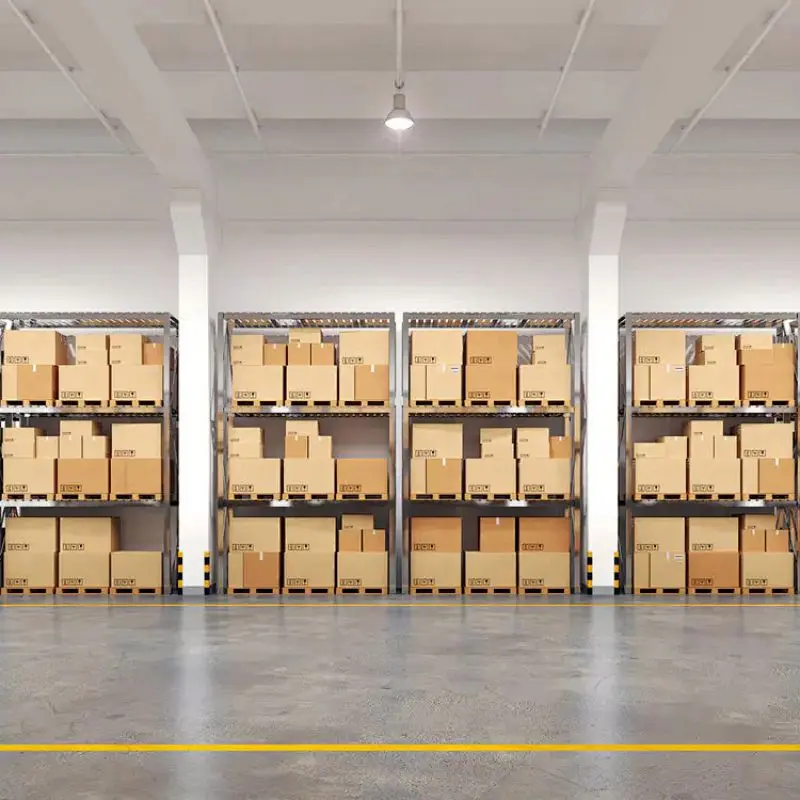
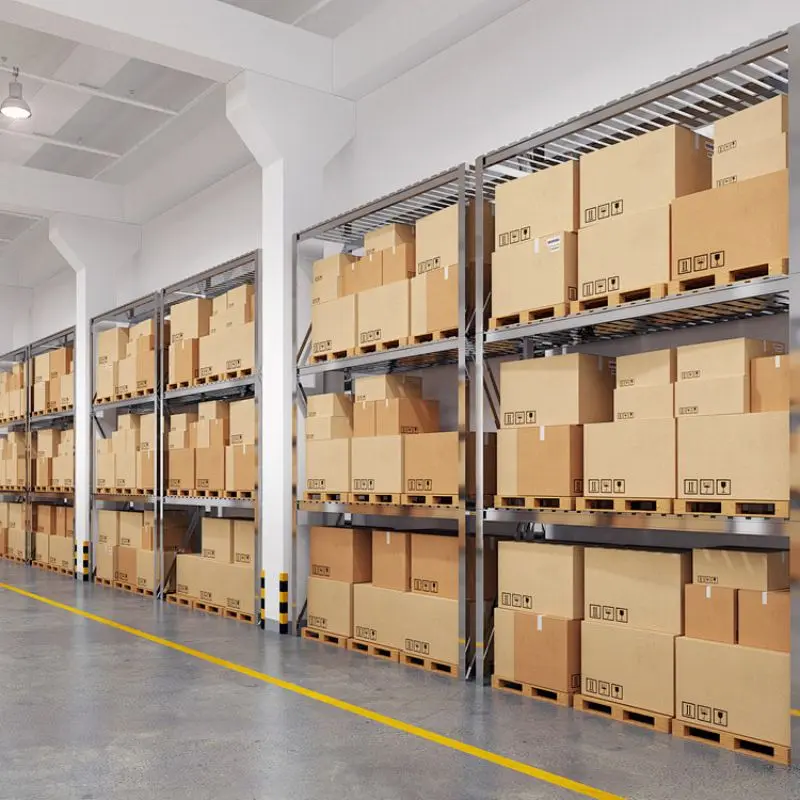
Visual documentation of our validation processes: assembly, optical tuning, thermal load testing, and inventory packaging.
As we look toward 2026 and beyond, display requirements in educational institutions are moving toward higher interactive capabilities and smarter control options. Our engineering roadmap focuses on three main developments:
Flexible hardware configurations designed for varying distance requirements, ambient lighting environments, and custom system setups.
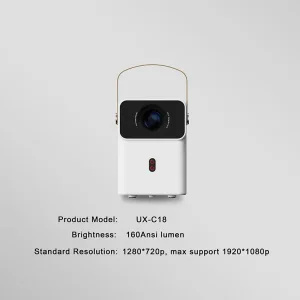
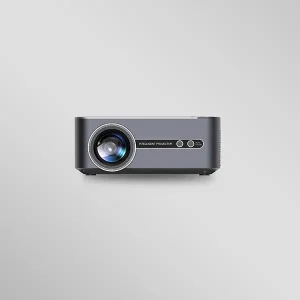
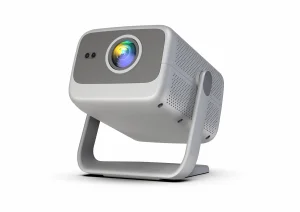
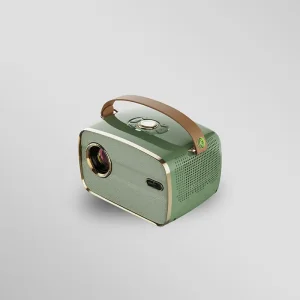
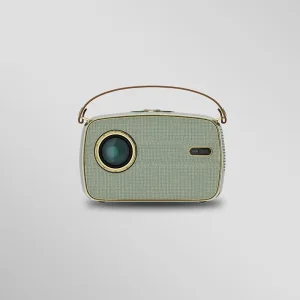
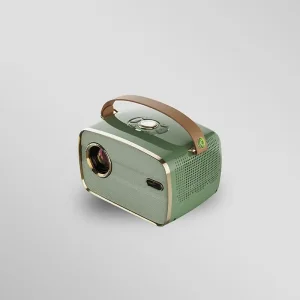
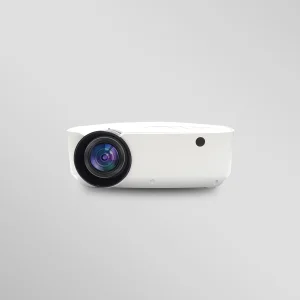
Key details for procurement agents, system integrators, and distributors looking to buy directly from our factory.
 Youxi projection