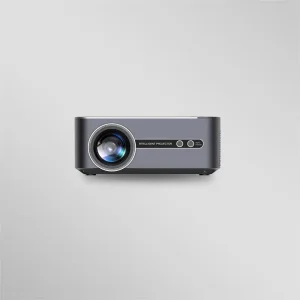
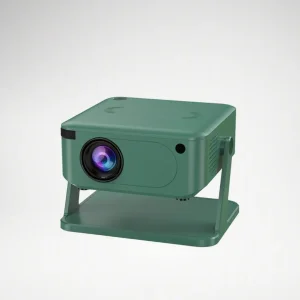
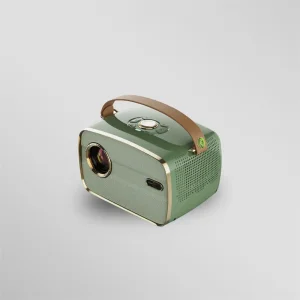
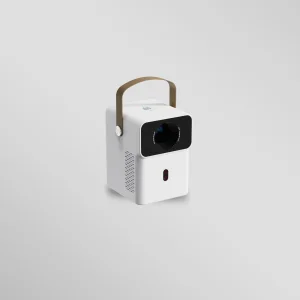
In the highly competitive visual technology landscape, procurement managers and hardware distributors face a critical choice: QHD (Quad High Definition) or UHD (Ultra High Definition) resolution. Selecting the appropriate platform is not just about raw pixel count; it requires balancing raw visual fidelity, optical engine efficiency, chip level decoding, system thermal loads, and overall production costs.
This comprehensive whitepaper, backed by engineering insights from Youxi (Shenzhen) Technology Co., Ltd., analyzes the technical differences between QHD and UHD optomechanical systems. We examine performance across various environments, detail China's vertically integrated supply chain, and provide actionable sourcing strategies for brand operators, systems integrators, and OEM/ODM buyers worldwide.
Understanding display resolution requires looking beyond simple numbers. QHD (2560 × 1440 pixels), also known as 1440p, balances pixel density and energy efficiency. It is often used in mid-range business projection, portable monitors, and cost-effective smart devices. UHD (3840 × 2160 pixels), widely referred to as 4K, features four times the resolution of standard Full HD (1080p).
For smart projection systems, moving from QHD to UHD involves several engineering challenges. Specifically, liquid crystal arrays or micromirror devices (DMDs) must shrink, requiring higher optical transmissive efficiency and more powerful light sources (LED or laser) to overcome pixel-boundary light blocking.
| Performance Parameter | QHD (Quad High Definition / 1440p) | UHD (Ultra High Definition / 2160p / 4K) | Strategic B2B Selection Guide |
|---|---|---|---|
| Native Pixel Array | 2560 × 1440 (~3.68 Megapixels) | 3840 × 2160 (~8.29 Megapixels) | UHD offers 2.25x the pixel density of QHD. |
| Optical Engine Cost Factor | Baseline (1.0x) | Premium (1.6x – 2.2x) | QHD targets cost-sensitive consumer markets. |
| Thermal Output & Power | Low-to-moderate; simplifies housing design | High; requires active thermal dissipation | UHD requires high-lumen, high-performance fans. |
| SoC Decoding Overhead | Lightweight; compatible with standard SoCs | Heavy; requires premium processors with 4K@60Hz H.265 | UHD requires larger RAM/ROM and faster GPUs. |
| Optical Path Efficiency | High aperture ratio per pixel | Lower native aperture; requires intense illumination | UHD requires higher optical precision to prevent distortion. |
In many consumer and educational applications, QHD offers the ideal balance. It delivers sharp images without the high costs, thermal issues, and processor demands of native UHD. For portable devices, QHD enables longer battery life and smaller product designs.
Selecting the right resolution depends heavily on the use case. Below is an overview of how QHD and UHD serve different B2B industries globally.
In high-end home cinema and immersive retail displays, UHD is the standard. The extra detail is visible on screens larger than 100 inches, delivering clear text and fine textures for 4K video.
For outdoor use, battery-operated projection, and mobile business trips, QHD is preferred. Its lower power demand allows for smaller batteries and simpler fan configurations, making devices lightweight and portable.
In meeting rooms and smart classrooms, QHD handles presentations, spreadsheets, and video conferencing with excellent clarity, keeping hardware acquisition costs manageable.
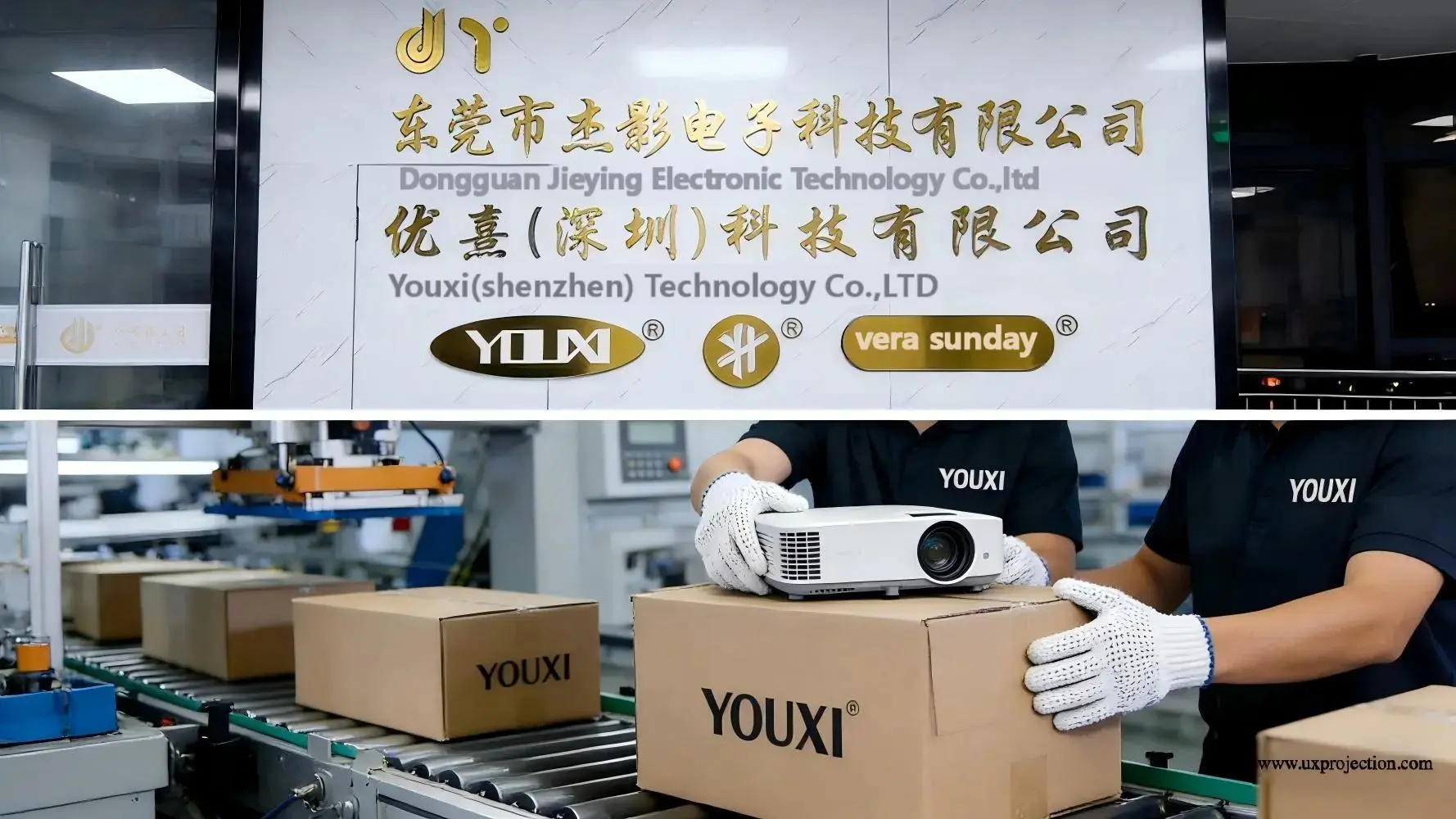
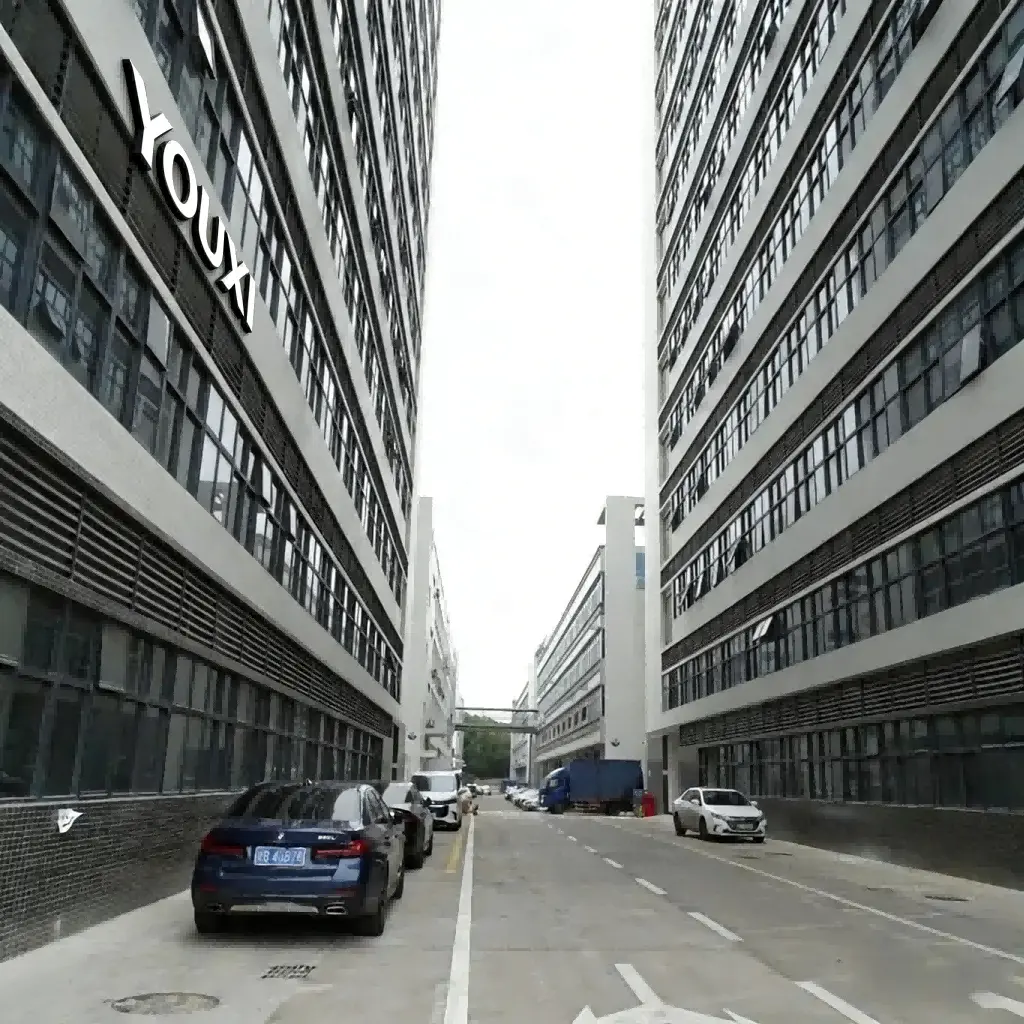
Headquartered in the global electronics hub of Shenzhen, Youxi (Shenzhen) Technology Co., Ltd. has been driving innovations in smart projection and wearable tech since its founding in April 2021. We manage the entire lifecycle of our products, from initial R&D and precision mold injection to final assembly and rigorous testing.
Our main manufacturing hub is located in Fenggang Town, Dongguan City, just a 25-minute drive from our Shenzhen headquarters. This physical proximity allows us to rapidly translate designs into prototypes and move them straight into mass production.
Our Shenzhen headquarters is only 40 minutes from the Hong Kong Port, providing fast, cost-effective shipping for bulk international orders.
With over 100 skilled assembly technicians, our facility handles high volumes, maintaining a steady monthly capacity of 30,000 to 50,000 units.
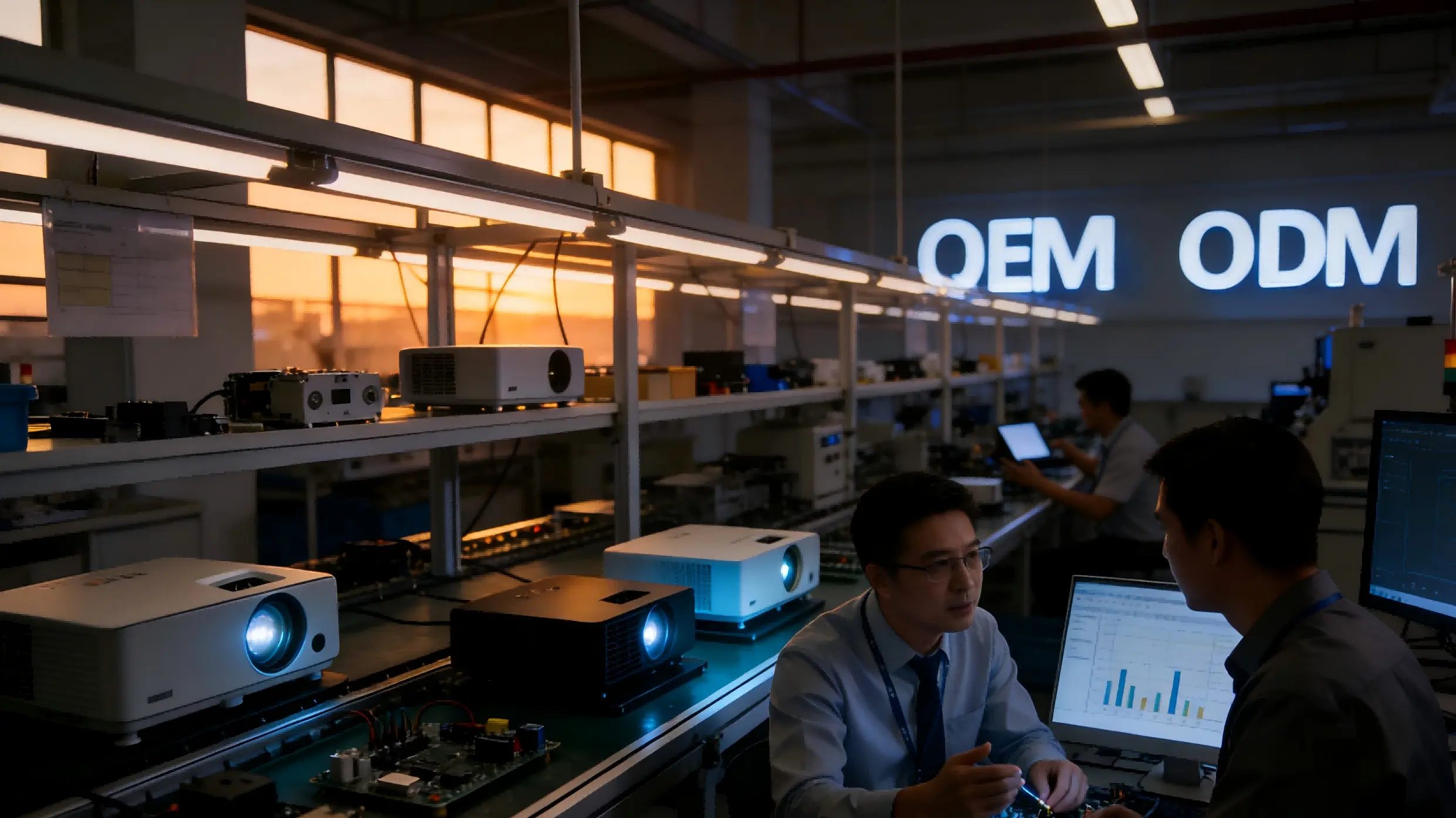
We offer customized solutions including Material-Specified Manufacturing (MSM), customized user interfaces, and custom optical engines.
High-resolution displays require rigorous manufacturing standards. Dust, vibration, and temperature fluctuations can impact optical clarity. Our facility is designed to meet strict industrial quality controls.
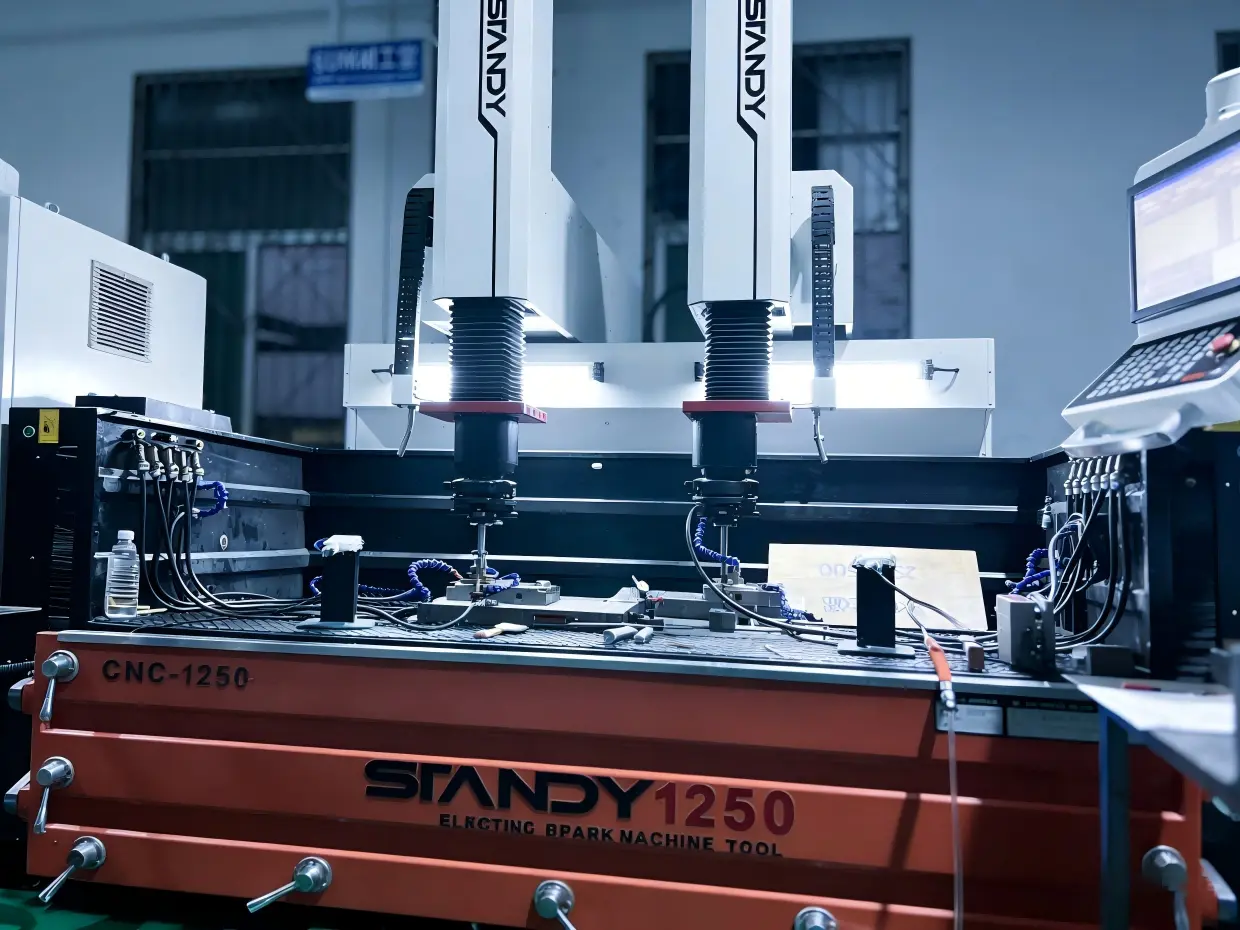
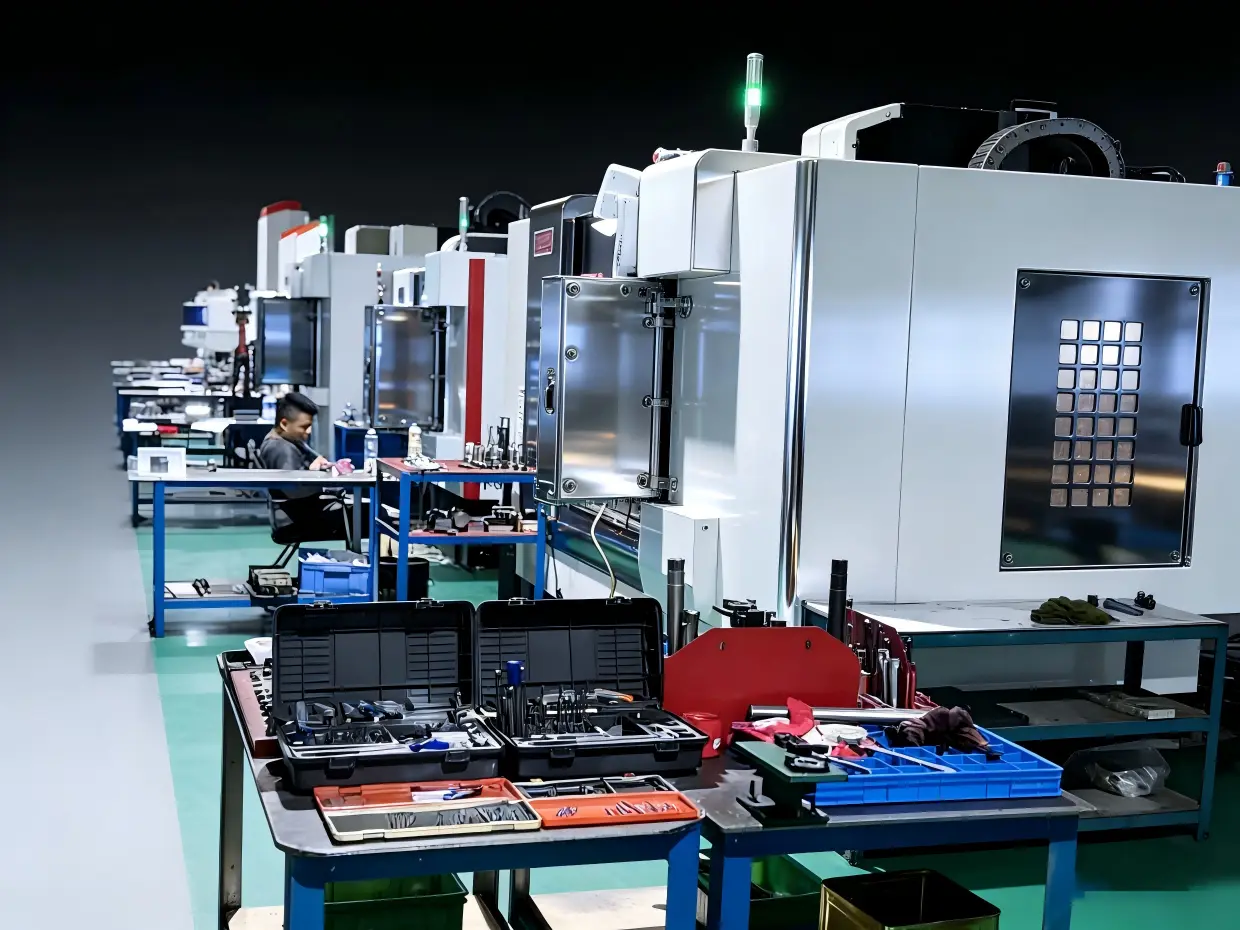
Our mold and injection workshop is located adjacent to our assembly facility. Equipped with advanced digital machinery, we ensure all structural parts are built to precise specifications. Consistent tolerances prevent light leakage and alignment issues, keeping the optical path stable.
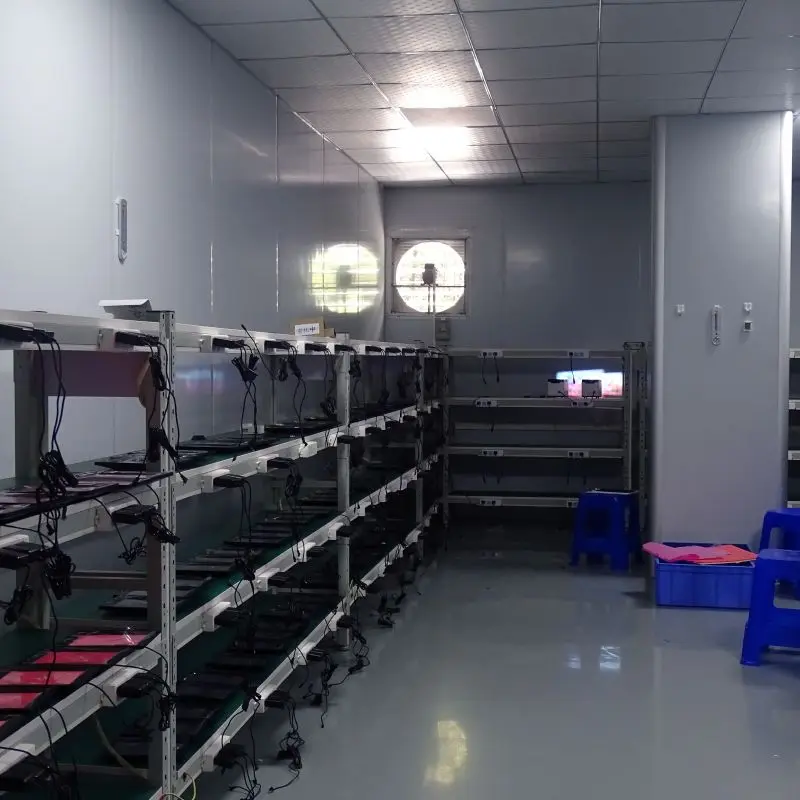
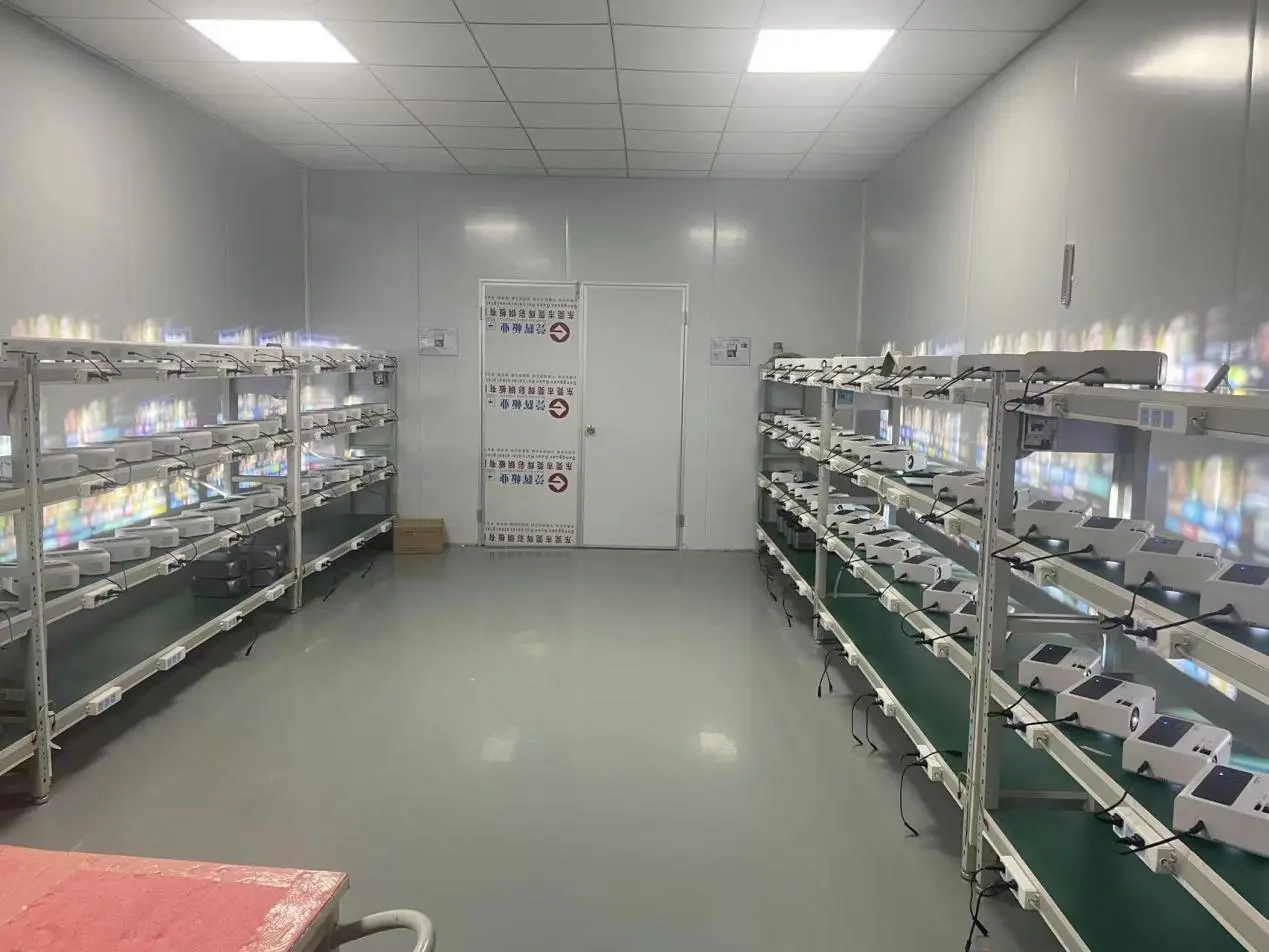
Our 4,000-square-meter modern assembly plant features dust-free workshops operating under 5S standards. Over 100 experienced assembly technicians build, align, and check each unit. These clean-room protocols protect delicate components like LCD arrays and lens groupings from ambient dust.
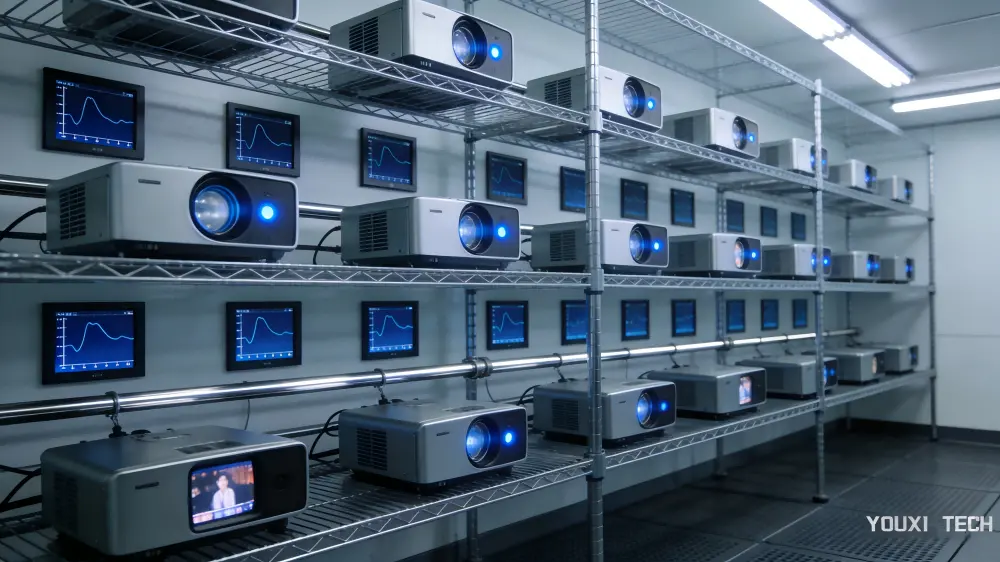
To control defect rates, we operate 12 specialized testing rooms. Our quality control team inspects raw incoming components, performs mid-assembly checks, and conducts random inspections on final products before they are packed.
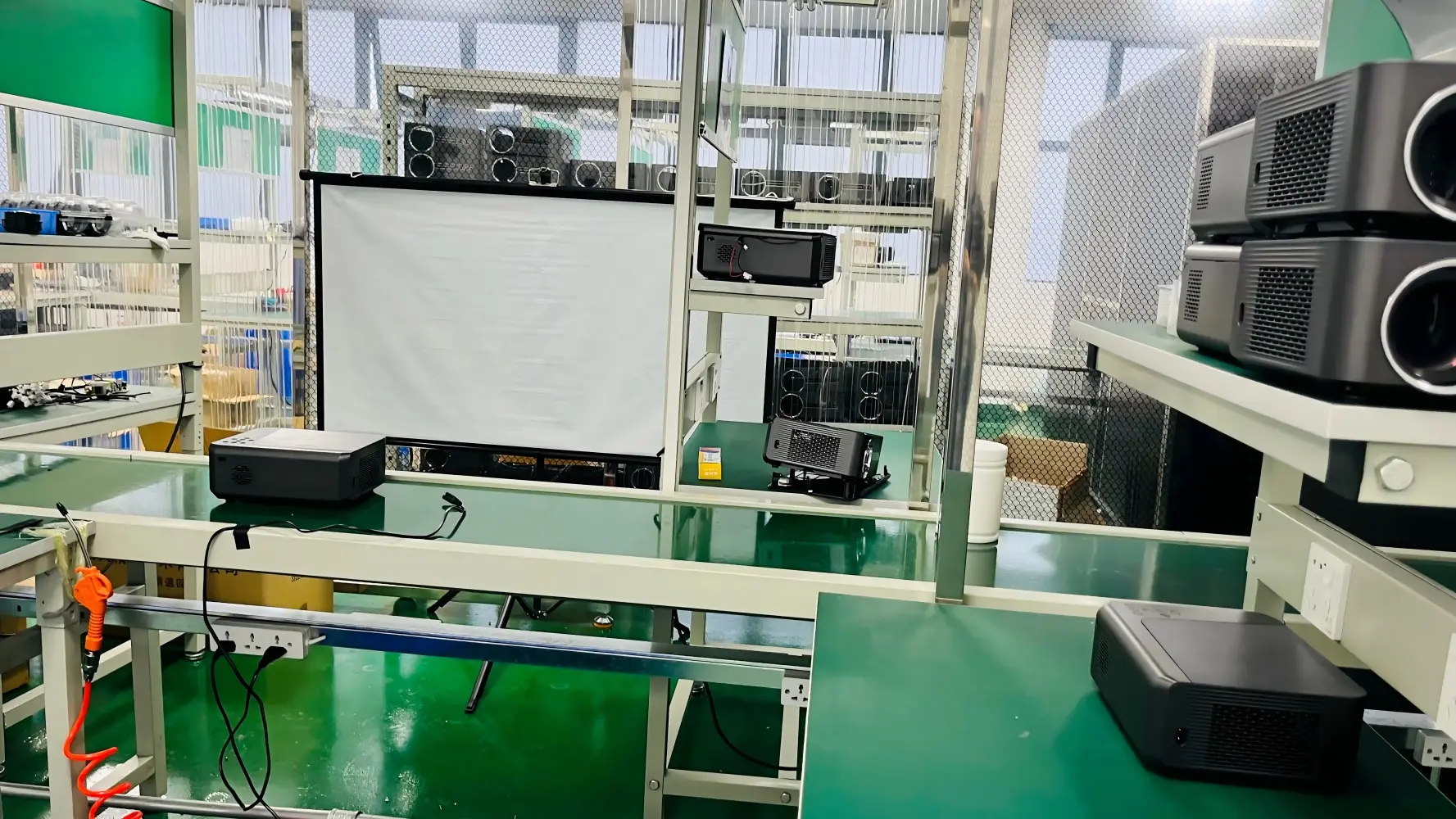
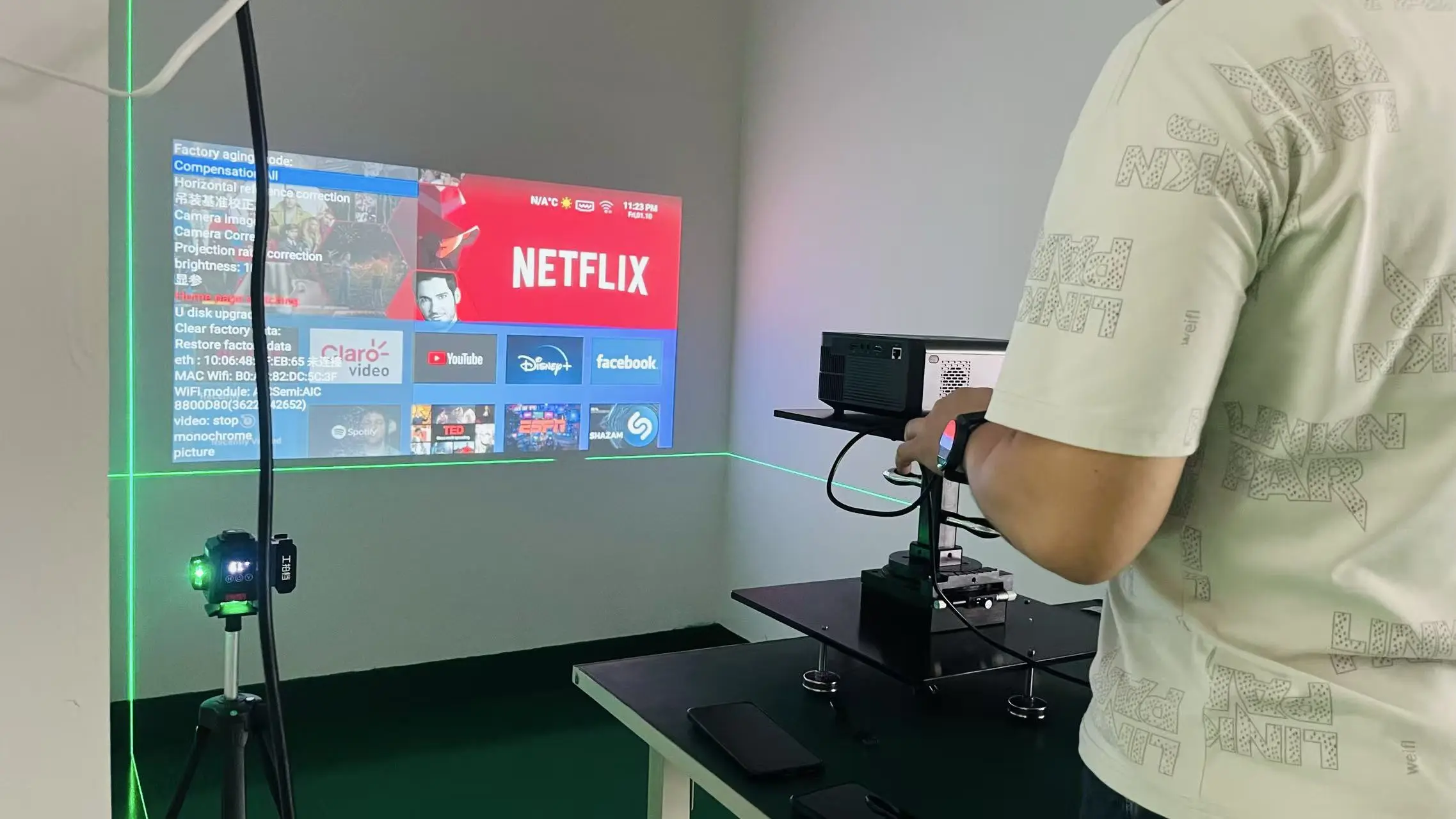
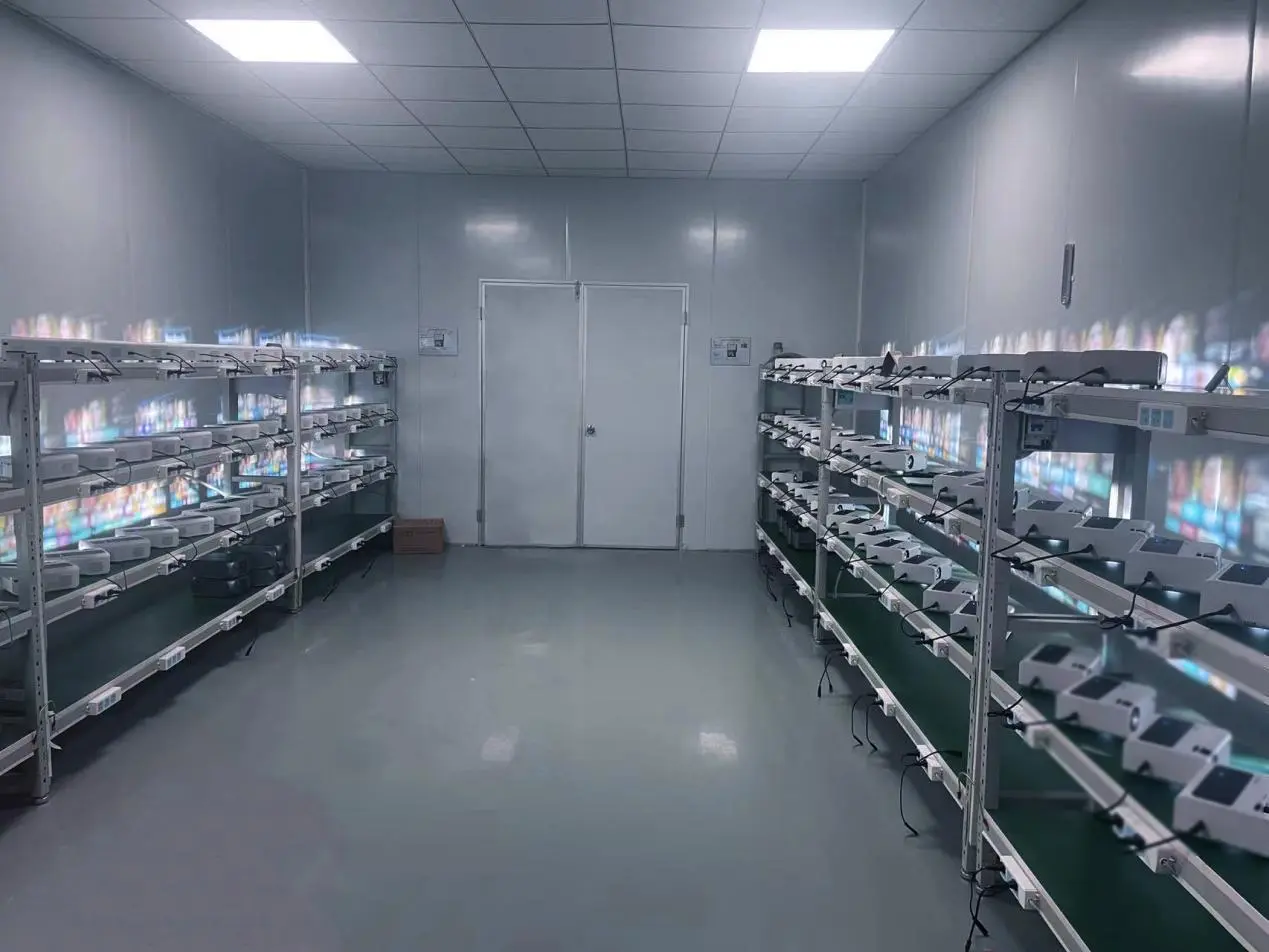
Located next to our main inspection rooms, our aging test facility can test over 200 units simultaneously. This continuous run-time analysis helps identify potential early component issues under sustained load before products leave the factory.
Consumer preferences vary by region, shifting the demand between QHD and UHD.
High demand for native 4K UHD home cinema systems, outdoor entertainment, and premium business projectors. Localized certifications like FCC and UL are essential.
Strong focus on CE/RoHS compliance and energy efficiency. Buyers lean toward highly efficient QHD platforms or eco-designed UHD projection units.
Very cost-sensitive markets. Buyers prioritize cost-effective QHD and 1080p smart devices with integrated Android systems, aiming for optimal value.
The optical manufacturing landscape is evolving rapidly. Key technological changes include:
Traditional open optical designs are prone to dust, which can cause dark spots on projected screens. Our next-generation QHD and UHD systems use fully sealed engines. This configuration isolates the LCD panels, DMD micro-mirrors, and light paths from outside air, extending performance and service life.
As smart SoCs grow more capable, on-board AI engines can upscale QHD input to UHD-like clarity. Combined with MEMC (Motion Estimation, Motion Compensation) tech, this delivers smoother frame transitions, making it valuable for action films and live gaming.
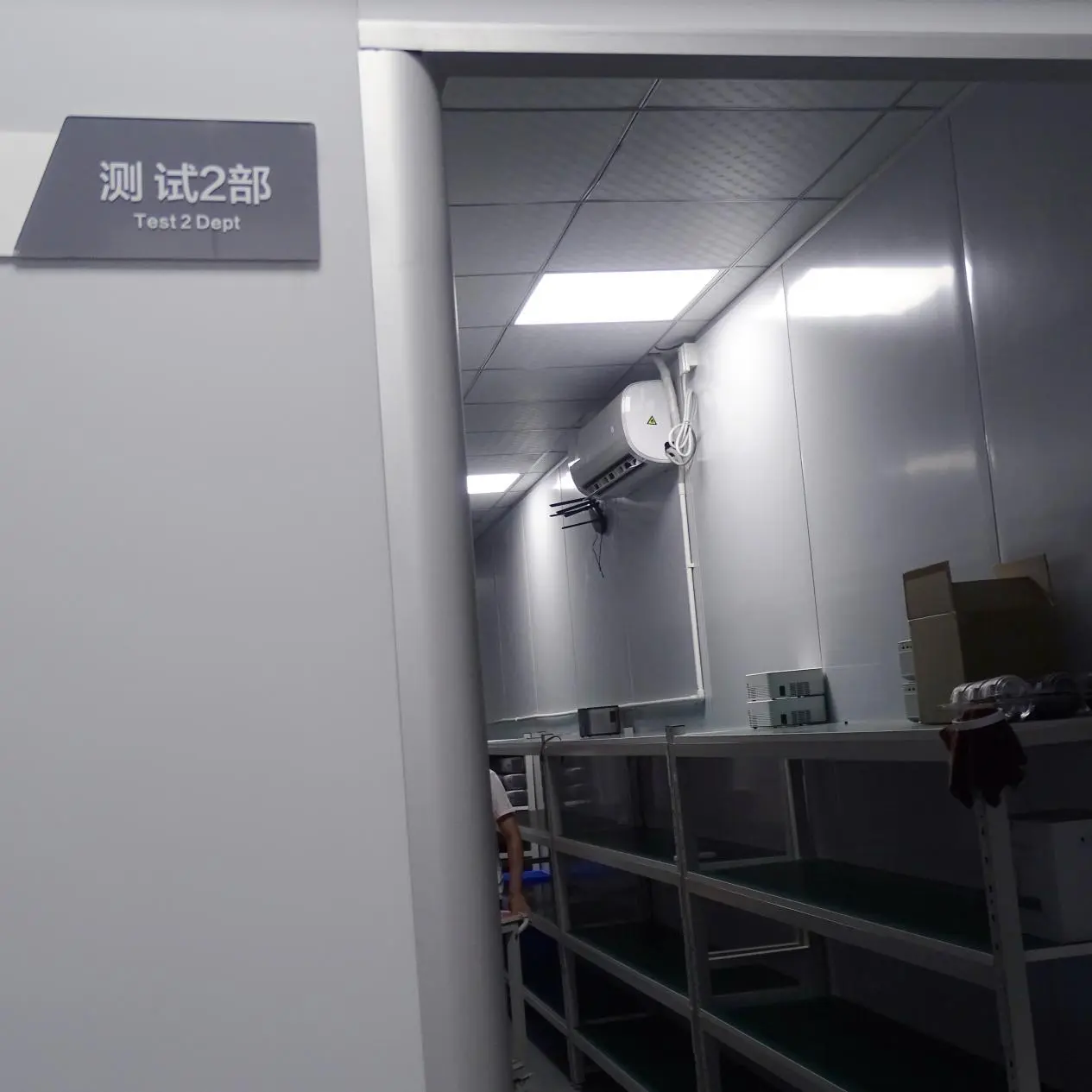
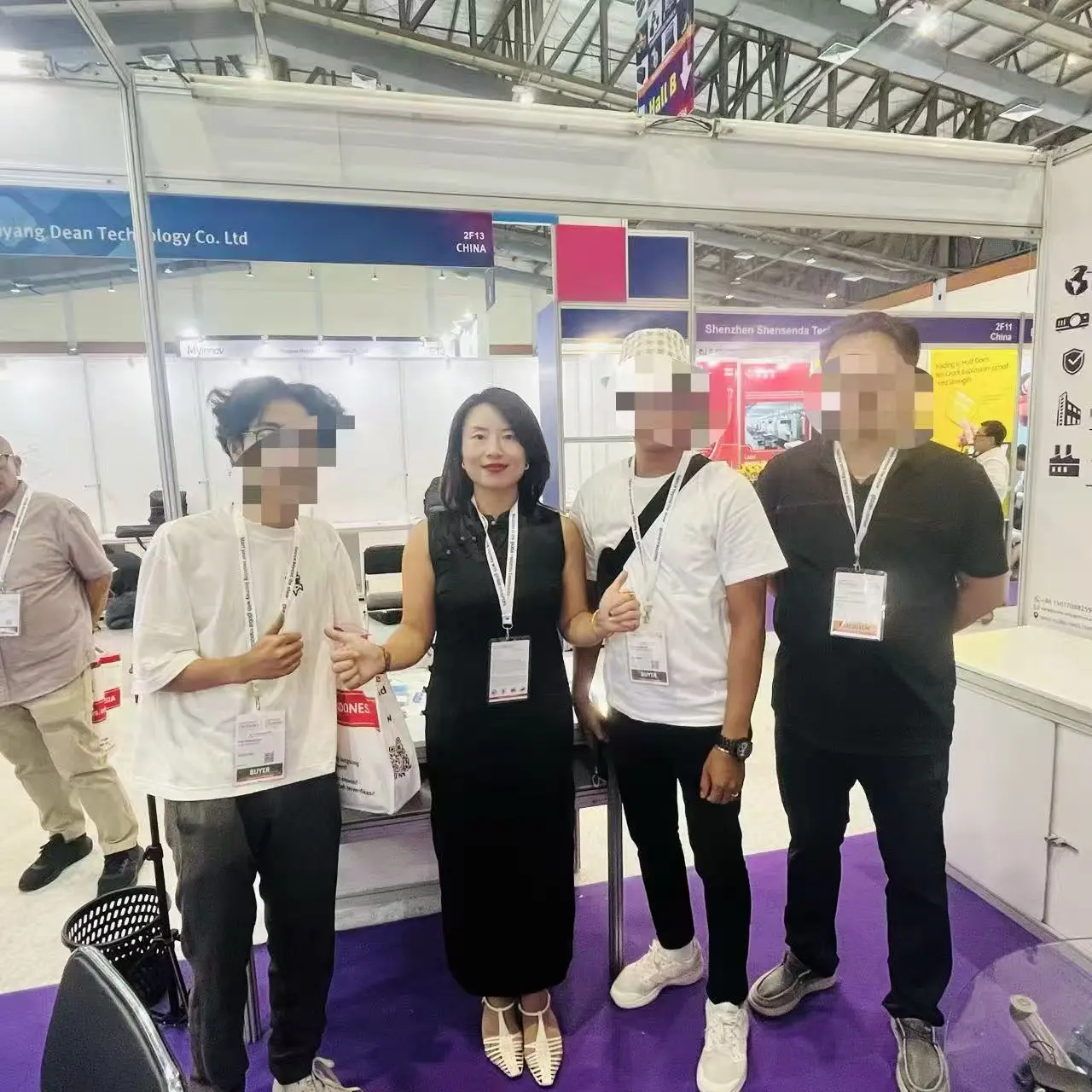
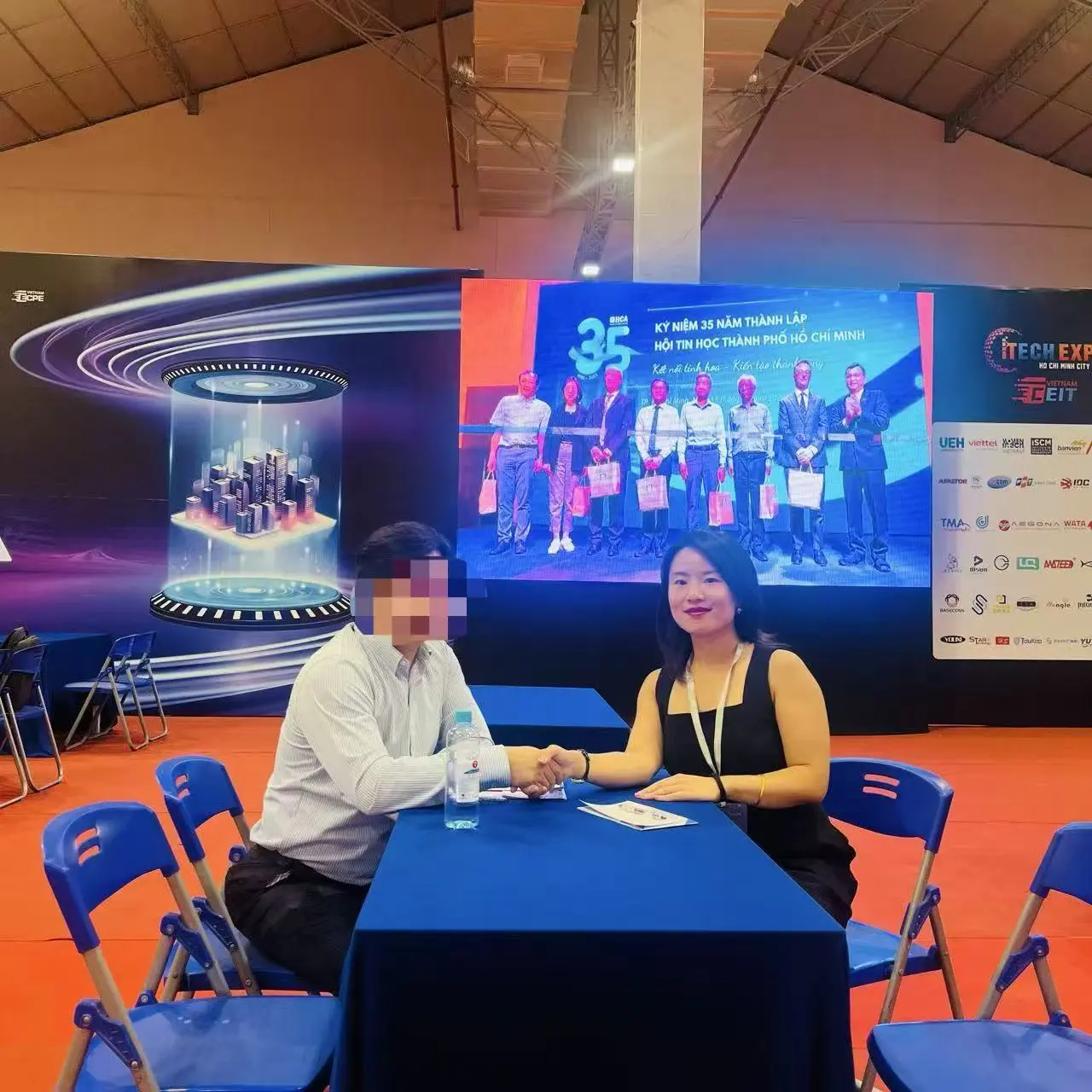
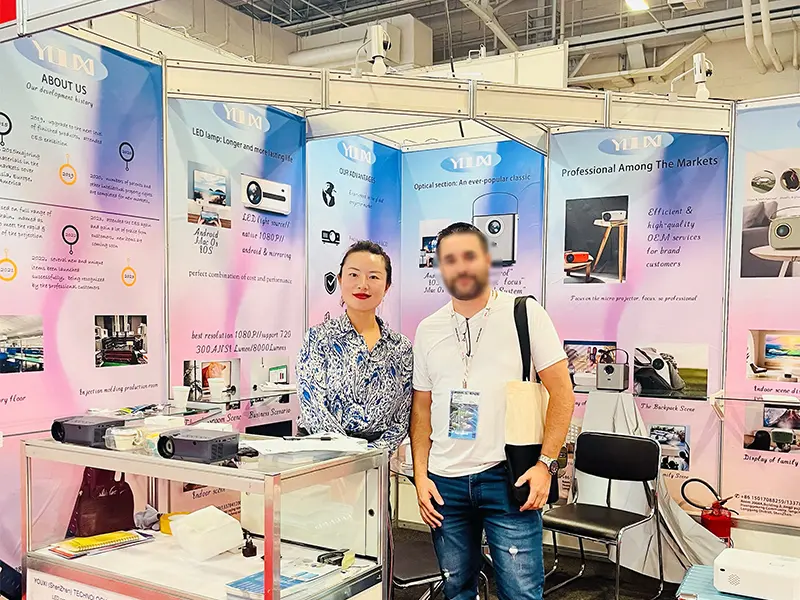
Take a closer look at our manufacturing processes and facility layout.
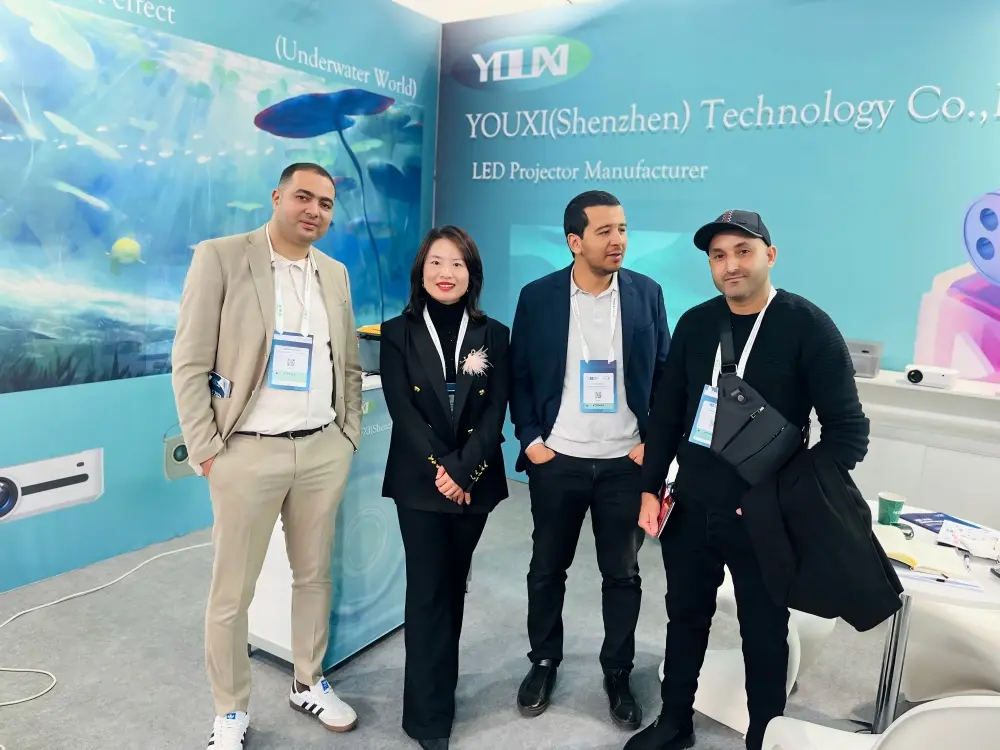

Exporting electronics globally requires careful attention to regional standards. Our products and processes are designed to meet diverse regulatory and operational requirements.
We support customized software configurations, allowing clients to pre-install custom Android ROMs, set up multi-language interfaces, and configure regional application stores.
All our projection modules are built to meet international certifications (CE, FCC, RoHS, CCC), simplifying customs clearance and local distribution.
Answers to common questions from our global distribution partners and purchasing agents.
 Youxi projection