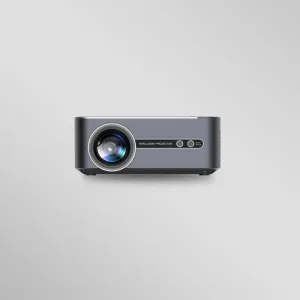
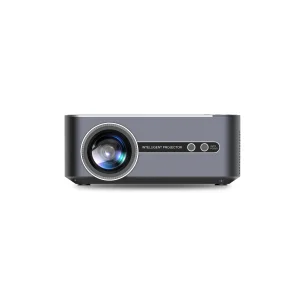
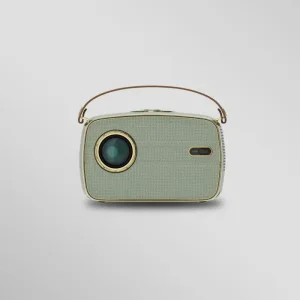
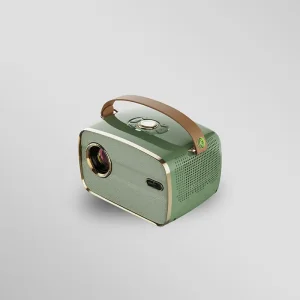
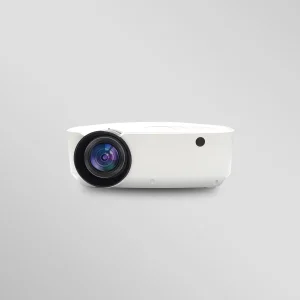
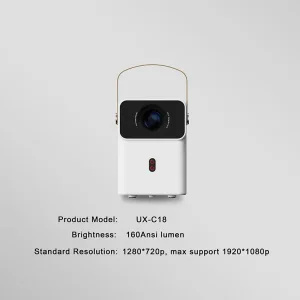
In the global display manufacturing ecosystem, contrast ratio remains the single most critical predictor of perceived image depth, color accuracy, and dynamic range. While brightness (measured in ANSI lumens) is highly valued for combating ambient light, it is the contrast ratio that determines whether a projected image appears vibrant and lifelike or washed out and flat. For engineering teams and B2B buyers working with projector factories, understanding the nuances of this optical metric is crucial for successful sourcing and market differentiation.
At its most fundamental level, the contrast ratio is the luminance ratio between the brightest white and the darkest black that a projection system can generate. A contrast ratio of 3000:1 means the brightest white point is 3,000 times brighter than the darkest black point. However, in industrial practice, this metric is split into two distinct testing methodologies: Full On/Full Off (FOFO) and ANSI Contrast. Recognizing the difference is essential when auditing factory specification sheets.
This measures the ratio between a completely white screen (100% signal) and a completely black screen (0% signal). It represents the maximum dynamic potential of the light valve engine. While FOFO values can exceed 20,000:1 or even 100,000:1 in high-end laser systems using dynamic dimming, they do not accurately represent real-world intra-frame detail.
Tested using a 4x4 checkerboard pattern of alternating black and white rectangles, ANSI contrast measures the system's ability to keep light from bleeding from white zones into black zones. It is the gold standard for optical engineering because it mimics actual cinematic and document-viewing conditions. A native ANSI contrast of 300:1 is considered excellent.
To deliver true high contrast, factories must optimize the entire light path. This includes deploying high-extinction-ratio polarizers, anti-reflective optical coatings on lenses to reduce internal scattering, and precise aperture control (dynamic irises) to modulate light flow in real-time depending on the scene content.
The global projection market is undergoing a significant transition. Traditional ultra-high-pressure mercury lamp systems are rapidly being phased out by eco-friendly Solid State Illumination (SSI) platforms, including Light Emitting Diodes (LED) and direct diode Laser engines. In industrial, commercial, and education sectors, the demand for higher contrast is driven by the shift towards high-resolution content (4K and beyond) and HDR standards like HDR10 and Dolby Vision.
From a manufacturing standpoint, achieving competitive contrast ratios at viable price points requires a deep understanding of localized demands. For instance, in home theater markets across North America and Europe, buyers seek a minimum FOFO contrast of 5000:1 paired with deep black levels. In contrast, corporate and educational buyers in Asian and Latin American markets prioritize brightness to handle ambient light, accepting FOFO contrast ratios around 1500:1 to 3000:1 as long as ANSI lumens exceed 3,500.
This disparity highlights why custom OEM/ODM manufacturers like Youxi (Shenzhen) Technology Co., Ltd. offer tailorable optomechanical designs. By optimizing the polarization beamsplitters (PBS) and light-pipe structures within the projection engine, factories can fine-tune units to deliver either maximum light output or deep black levels, depending on the client's application.
To assist procurement managers, optical engineers, and quality assurance directors in mapping out their product portfolios, we have compiled the benchmark contrast parameters across the main projection technologies currently manufactured in modern factories.
FOFO: 1,000:1 – 2,500:1
ANSI: 150:1 – 250:1
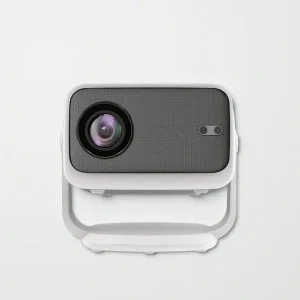
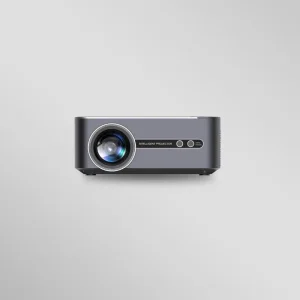
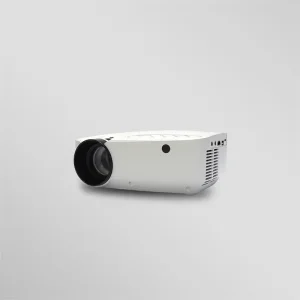
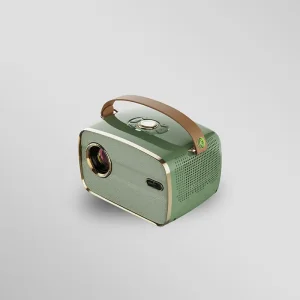
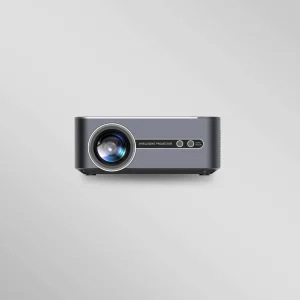
Highly cost-effective. Commonly utilized in portable smart projectors (e.g., Android/Google TV platforms). Requires high-performance polarizers and cooling systems to prevent thermal degradation of the LCD panel, which can degrade contrast over time.
FOFO: 2,000:1 – 5,000:1
ANSI: 250:1 – 500:1
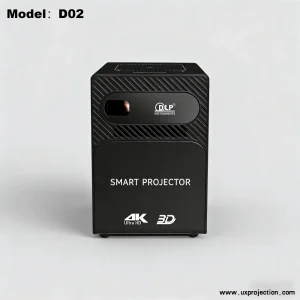
Utilizes Texas Instruments DMD chips. Offers exceptional pixel fill factors and high ANSI contrast. Excellent for business, home theater, and portable cinema applications where optical durability and image clarity are paramount.
FOFO: 10,000:1 – 100,000:1 (Dynamic)
ANSI: 400:1 – 600:1
The premium tier of commercial projection. By dynamically modulating the laser light source output frame-by-frame, these engines achieve black levels that rival emissive displays, making them perfect for premium home theaters.
For factories, the primary challenge is to balance contrast with optical efficiency. High contrast typically requires blocking unwanted stray light, which inevitably reduces total light output. An experienced manufacturer will optimize the F-number of the projection lens and design custom internal light baffles to maximize contrast without sacrificing brightness.
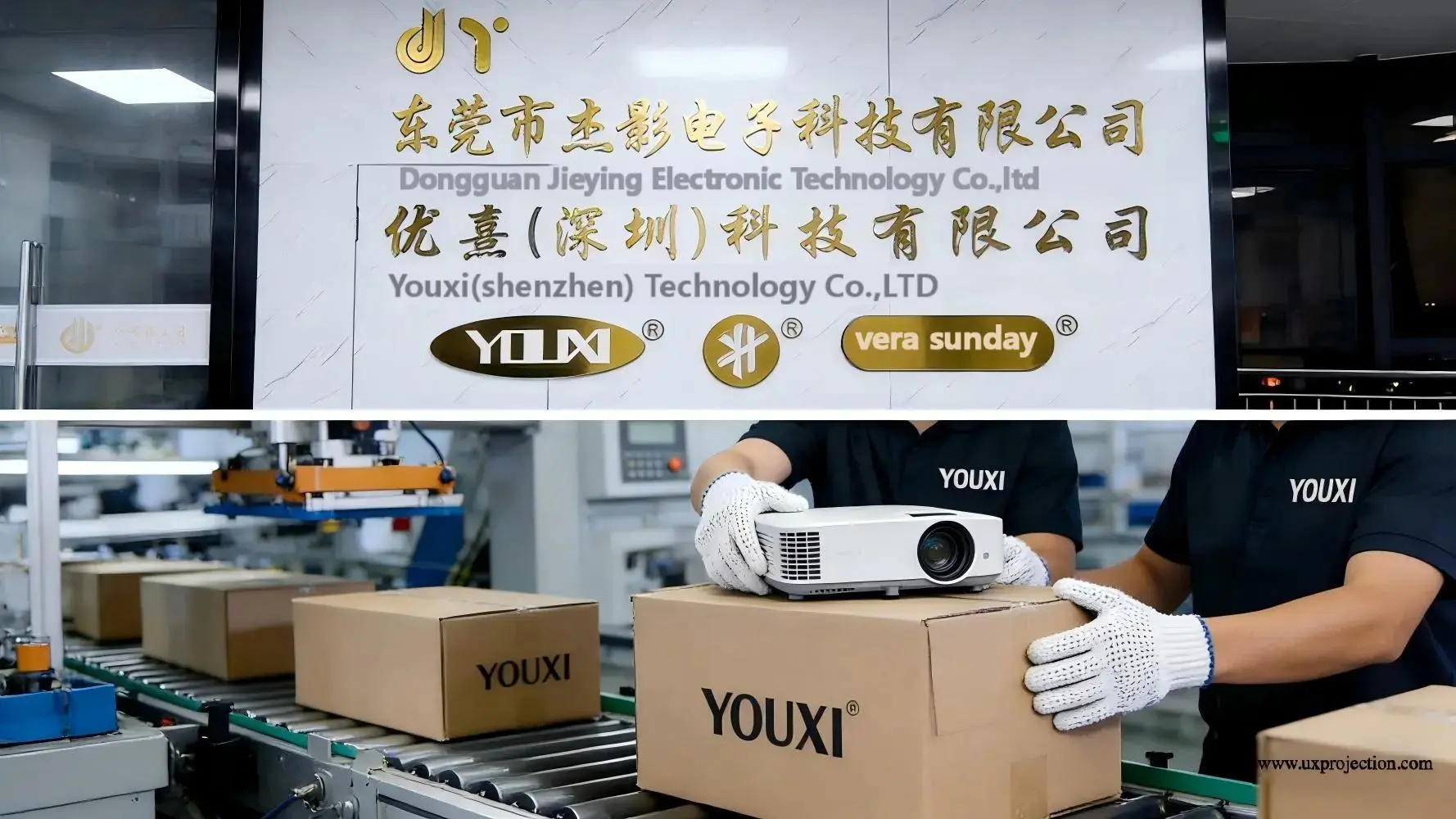
Youxi (Shenzhen) Technology Co., Ltd., founded in April 2021, specializes in the research, development, manufacturing, and integration of intelligent projection systems and wearable smart devices. Our company maintains end-to-end capabilities across the product lifecycle—from R&D and precision assembly to quality assurance—ensuring full compliance with international standards at every stage, from raw material procurement to finished product delivery. Committed to sustainable operations, Youxi integrates energy-efficient design, eco-conscious material selection, and waste-reduction practices into our business model, contributing meaningfully to green manufacturing initiatives.
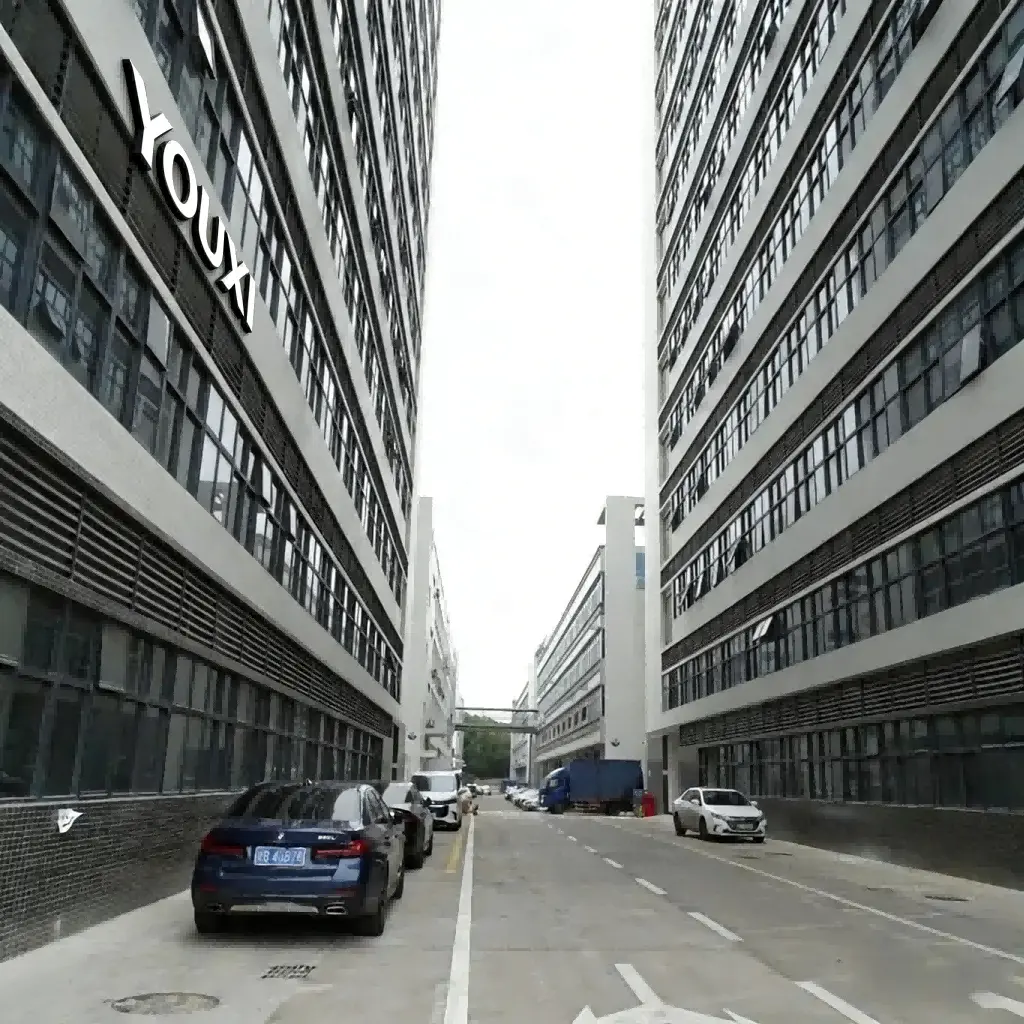
Headquartered in Shenzhen—a leading innovation hub in Southern China—the company benefits from strategic proximity to the Hong Kong Port, with a travel time of approximately 40 minutes. To support scalable production, Youxi operates a dedicated assembly facility spanning approximately 1,000 square meters in Fenggang Town, Dongguan City (a 25-minute drive from headquarters). Which currently employs around 100 professionals and maintains a monthly production capacity exceeding 30,000 units. Its robust quality management system, certified supply chain, and vertically integrated operational framework ensure consistent product reliability and timely delivery.
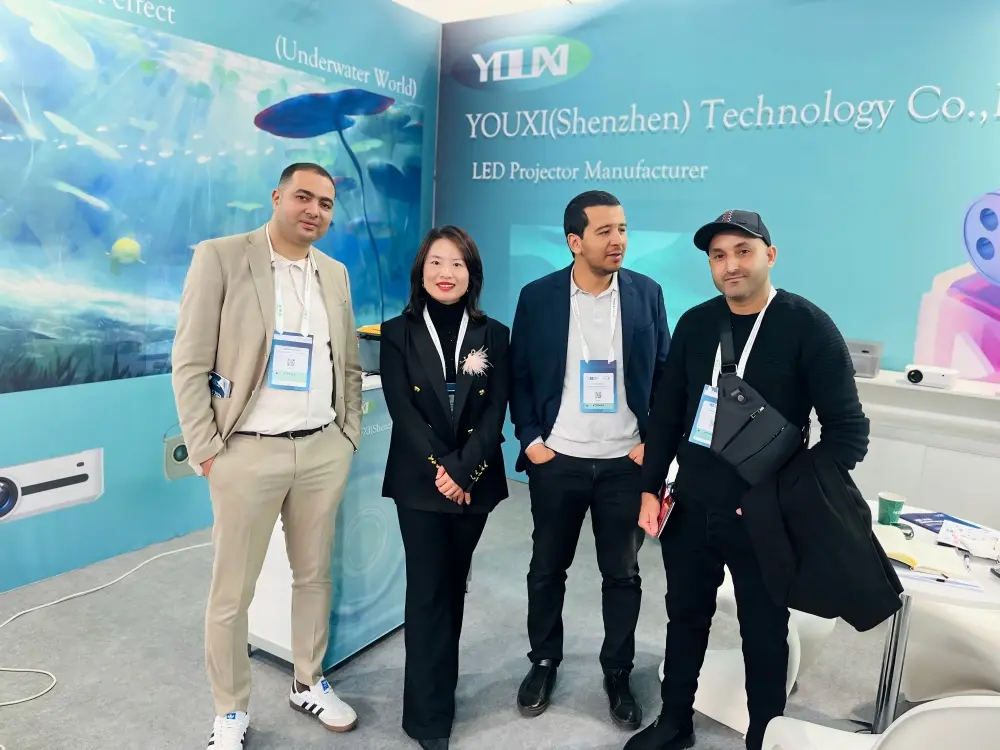

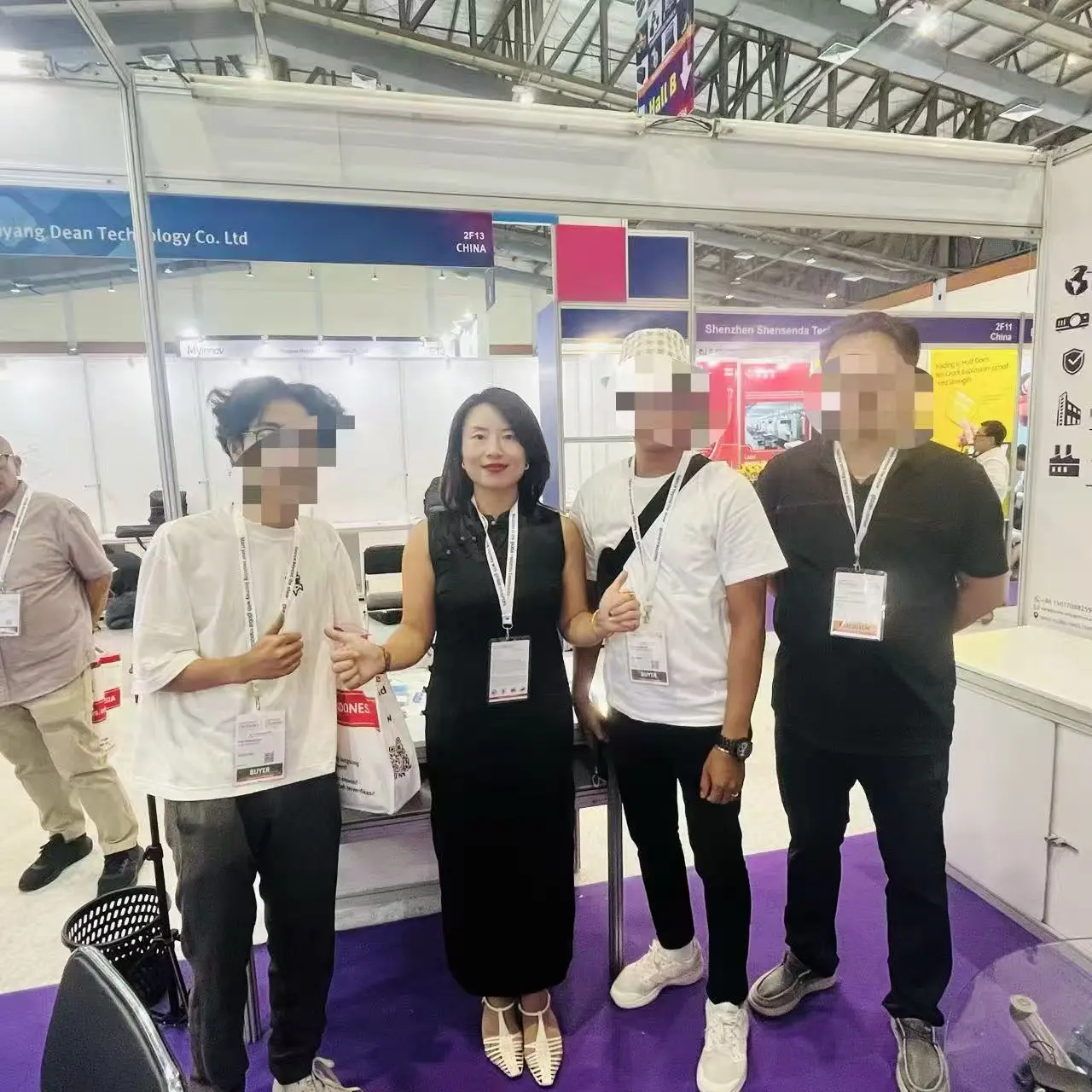
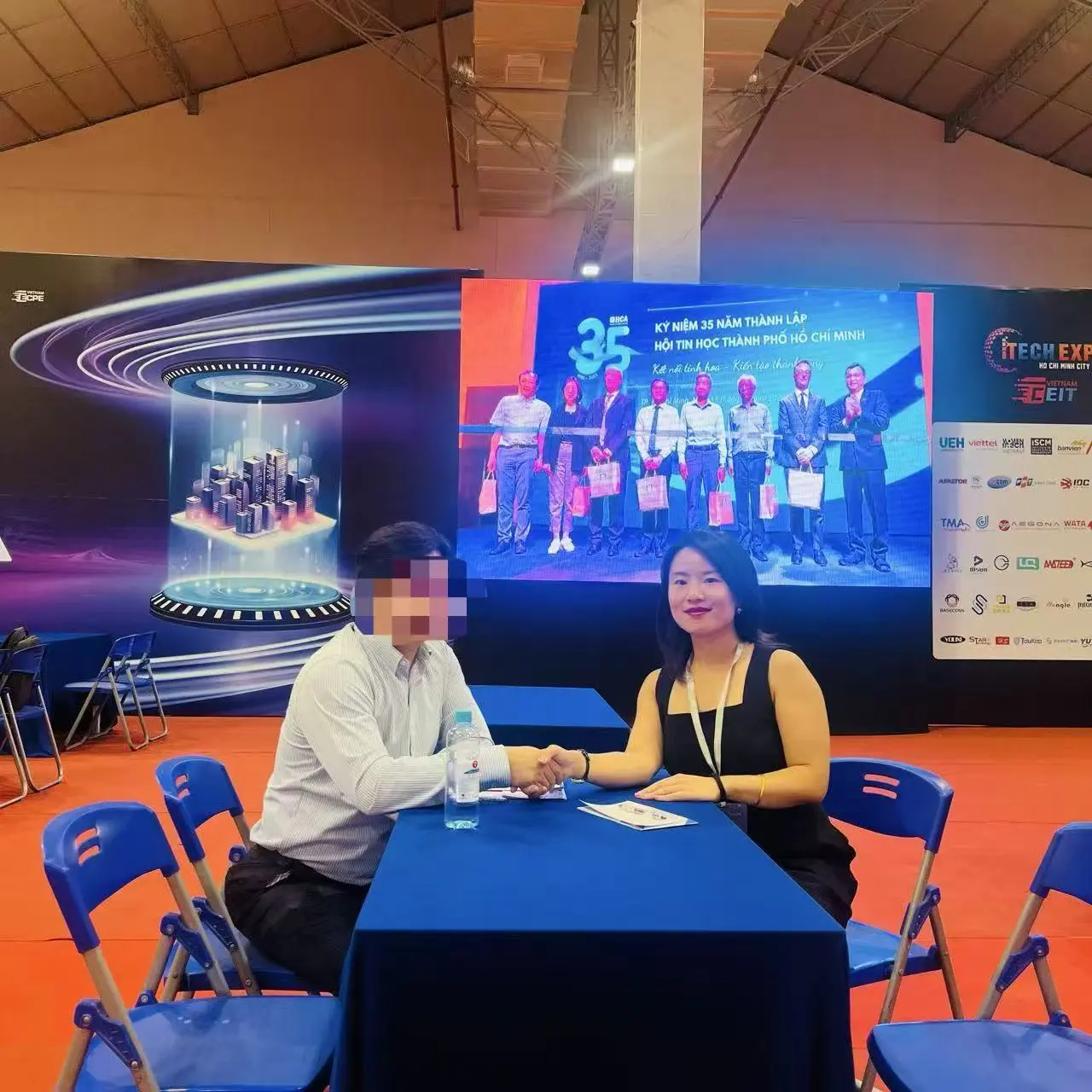
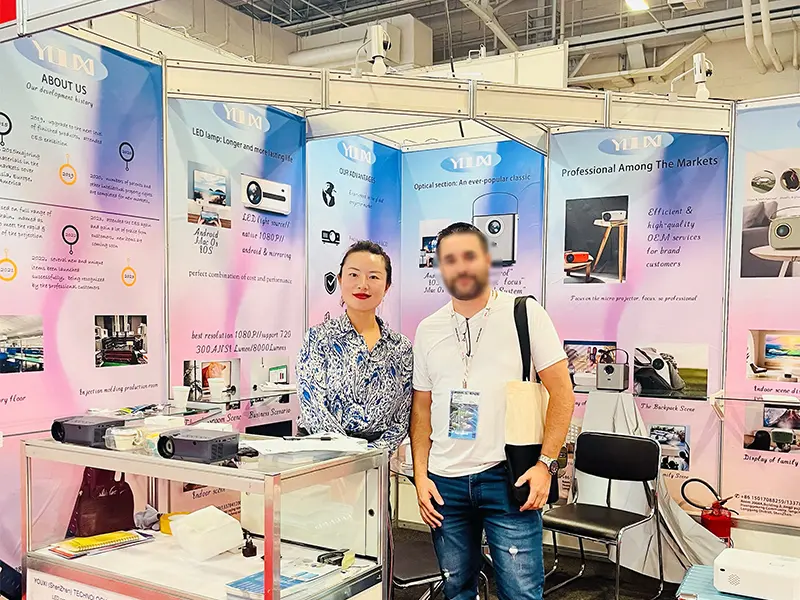
Our production facility features specialized workshops designed to support high-contrast light engine assembly under strict quality control.
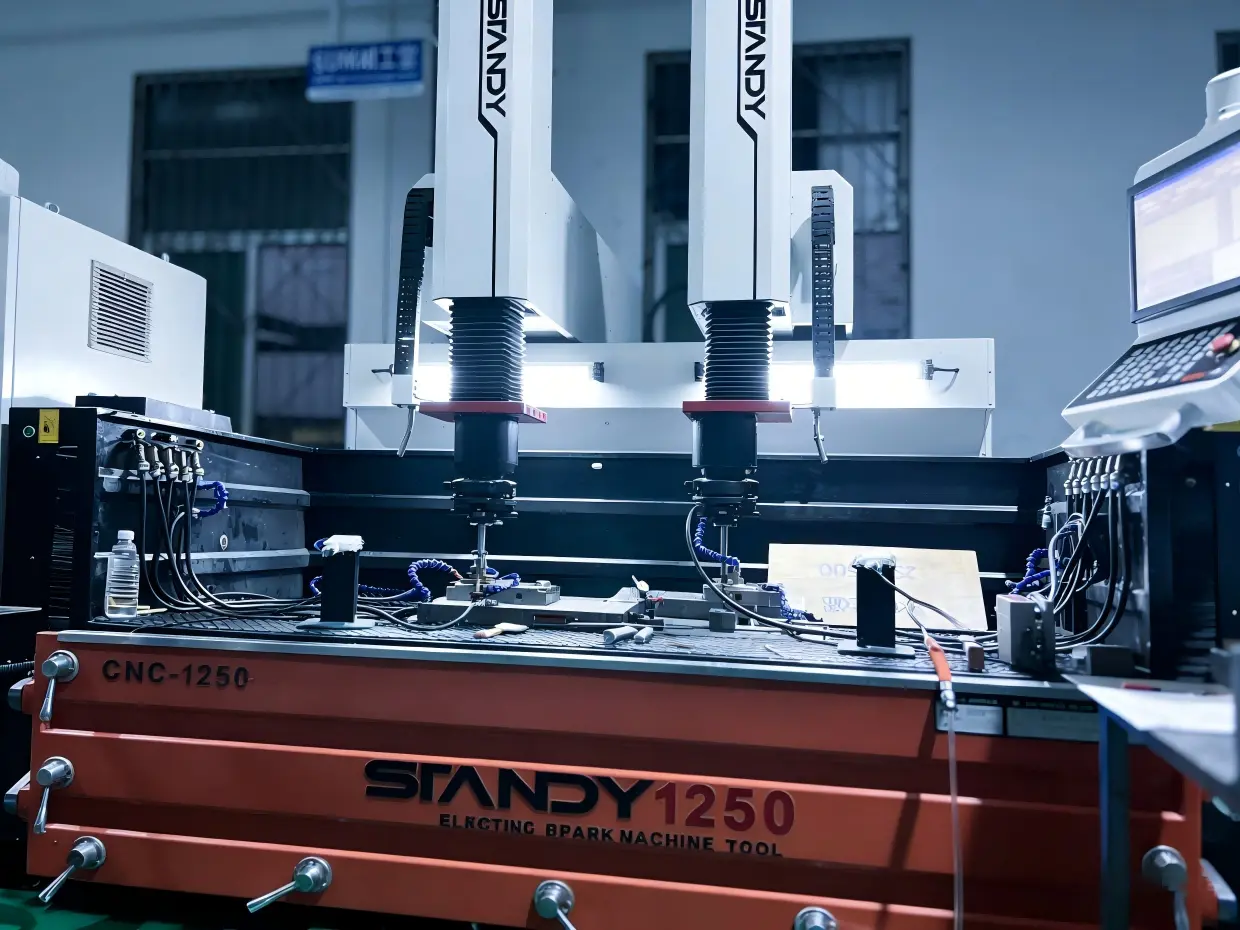
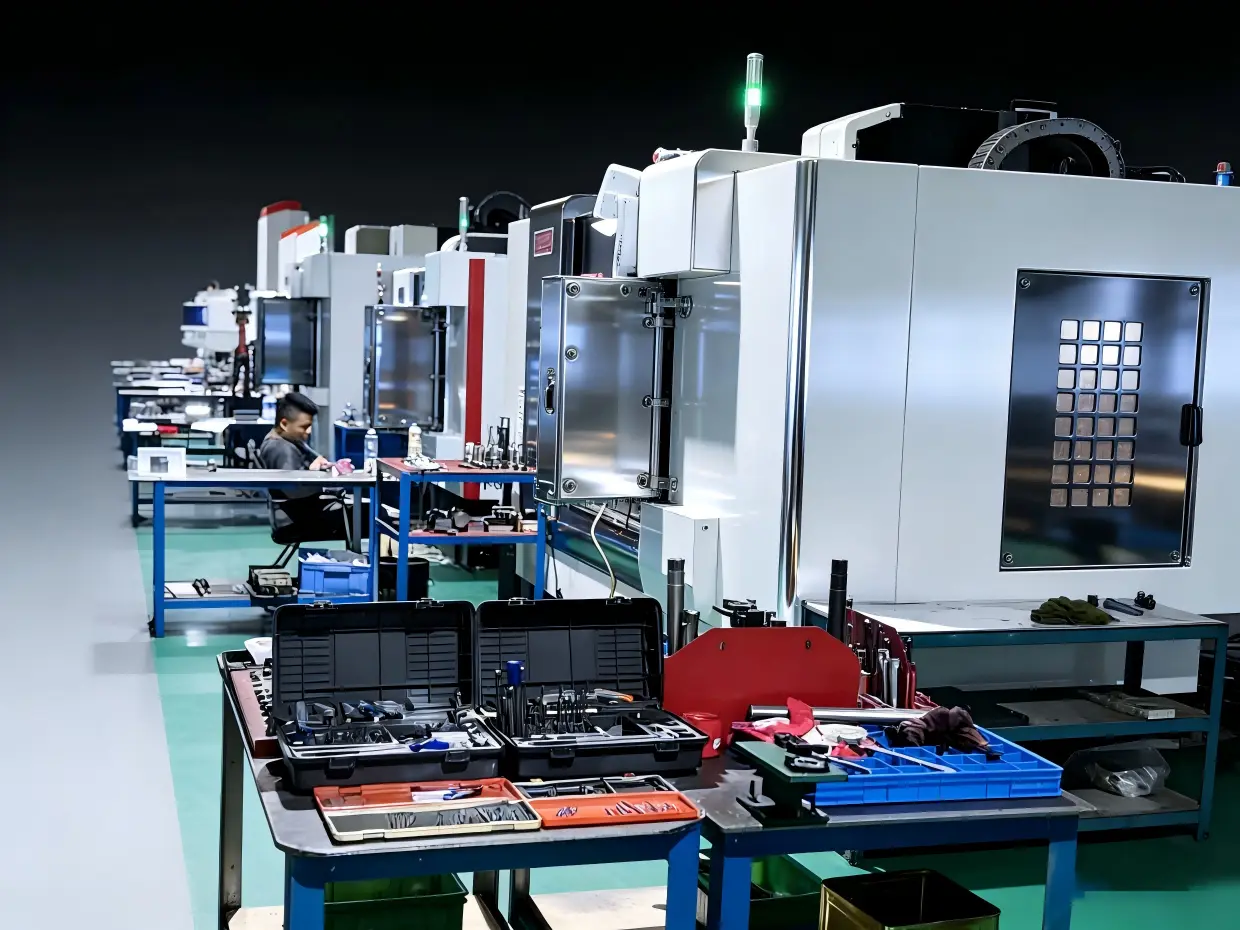
Our mold and injection molding workshop is located next to our assembly facility, equipped with sophisticated digital machines that exceed standard market tolerances. This precise mechanical design prevents light leakage along the optical chassis—a key driver of poor native contrast ratio.
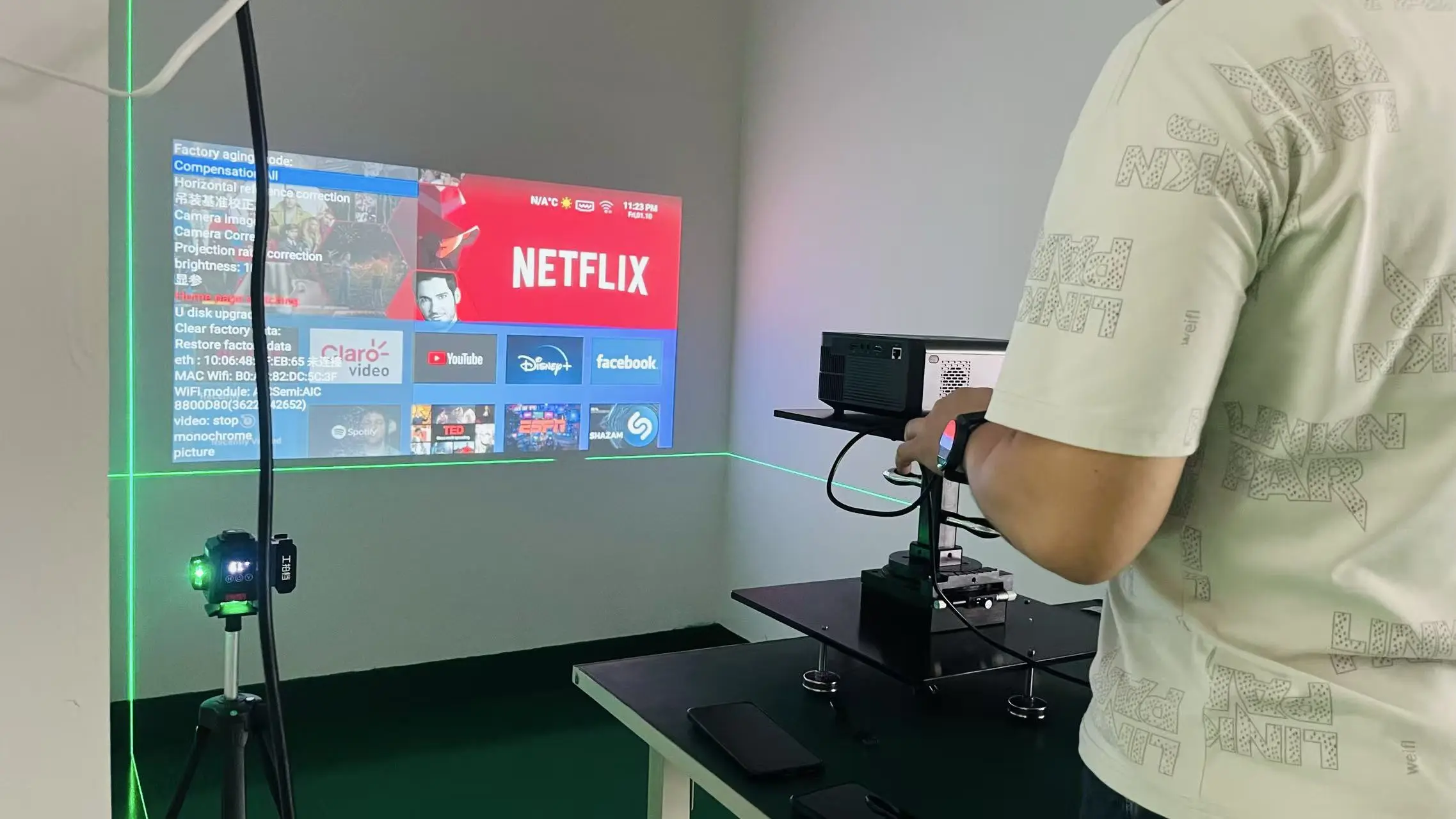
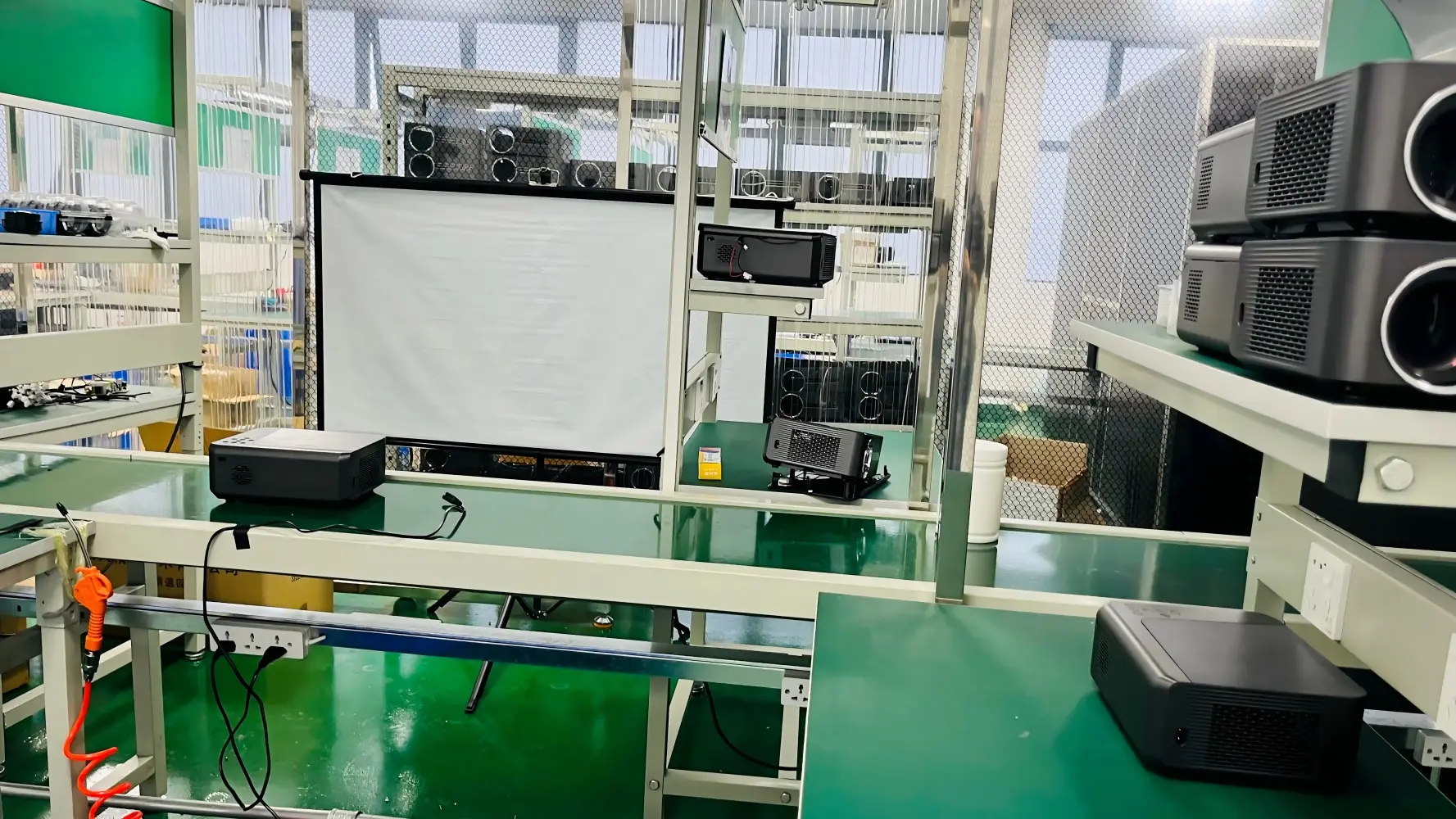
Spanning 4,000 square meters, our facility includes production, injection molding, assembly, and testing workshops. Guided by 5S dust-free clean room standards, our workforce of over 100 professionals supports a monthly assembly capacity of up to 50,000 units.
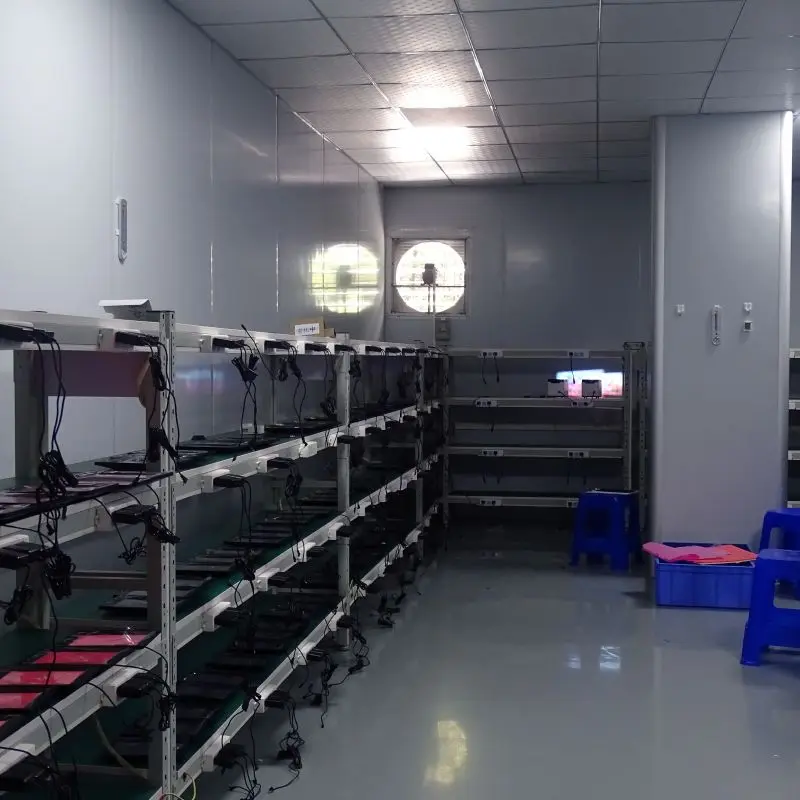
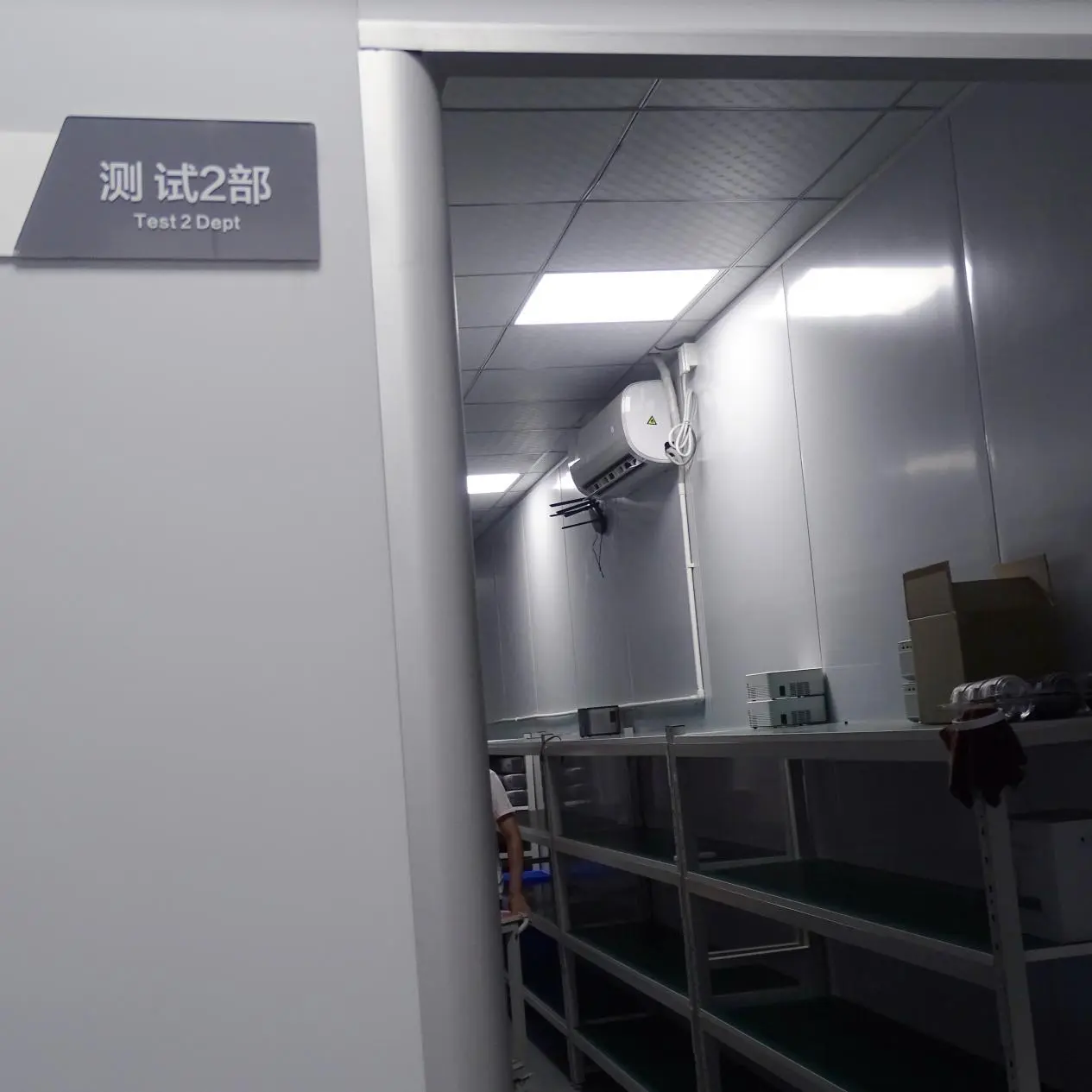
Equipped with 12 distinct optical darkrooms, our professional quality control team runs three rounds of testing: incoming raw material inspections, first-off checks post-assembly, and pre-shipment random sampling.
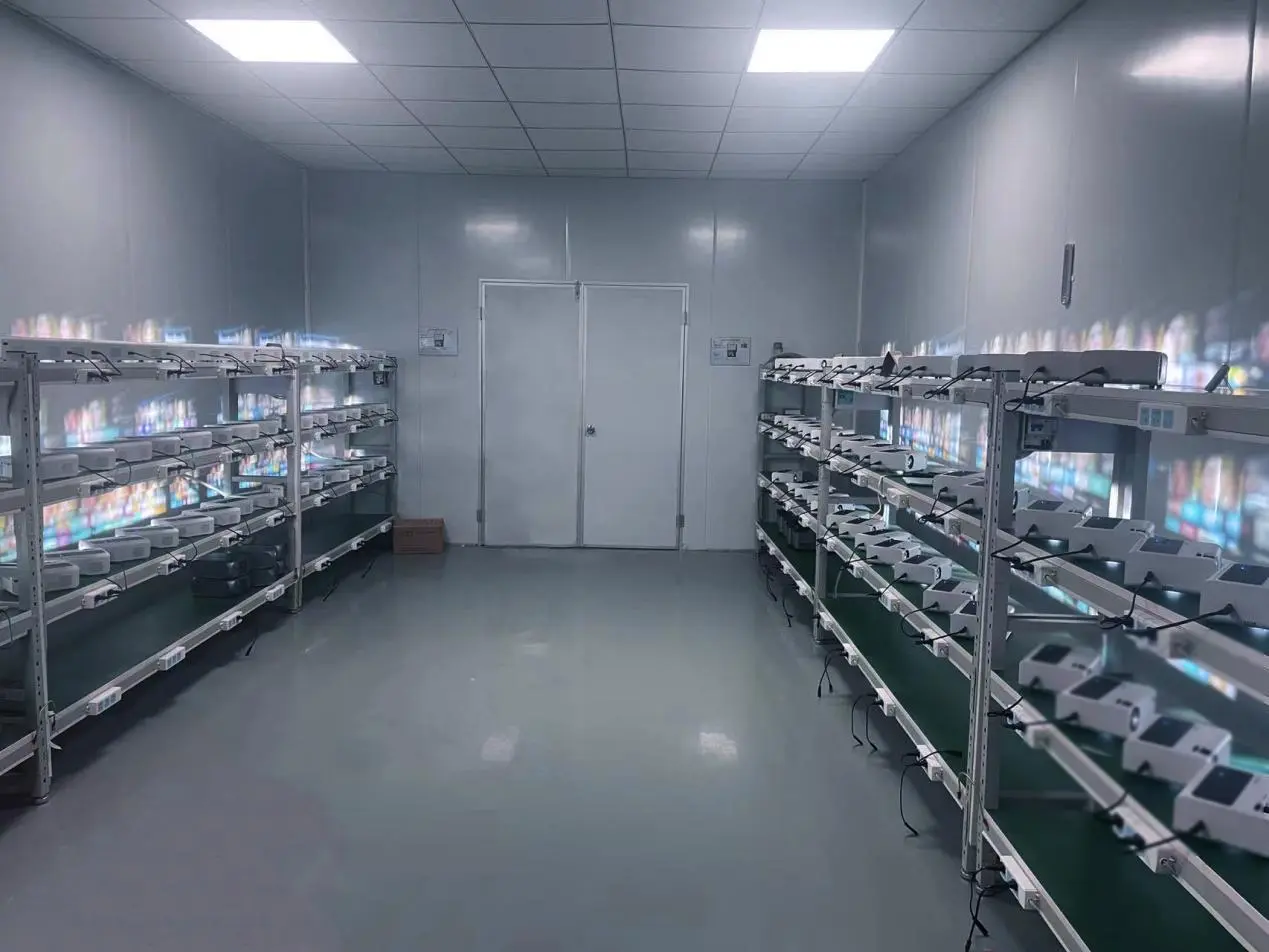
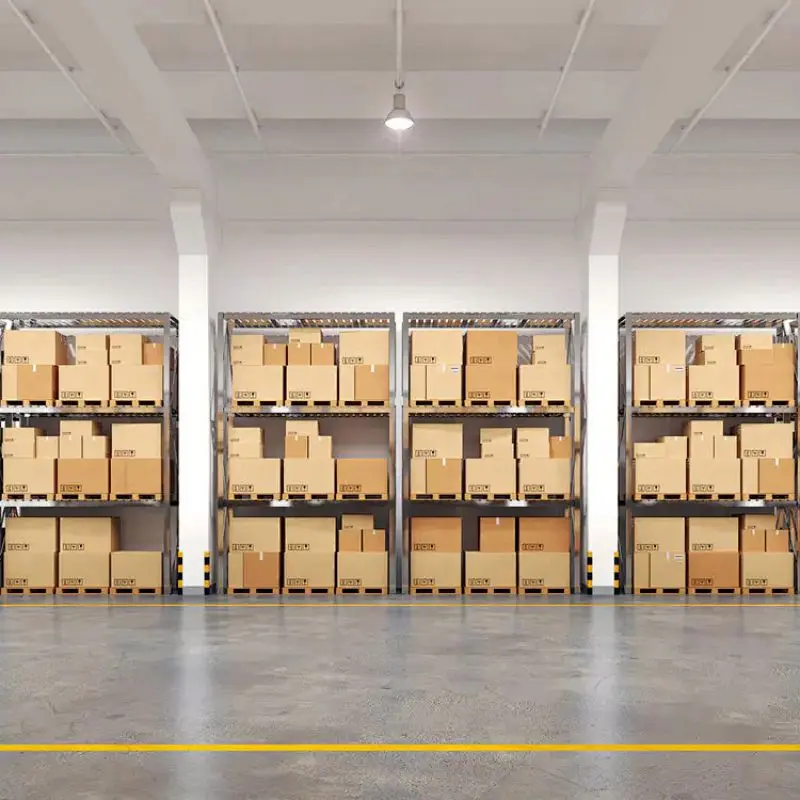
Our dedicated aging room accommodates over 200 units simultaneously for thermal stress testing, helping stabilize internal polarizers and light filters. Adjacent to our packaging line is a 300 square meter warehouse, facilitating secure logistics and rapid dispatch.
For B2B buyers, sourcing projectors with the correct contrast ratio and brightness specifications is critical. Over-specifying contrast for bright environments often wastes resources, while under-specifying for cinematic applications leads to customer dissatisfaction and product returns.
To help you navigate this balance, Youxi Technology offers vertical solutions tailored to specific commercial use cases:
For outdoor projection (e.g., backyard cinema), dynamic lighting conditions require a projector with a native contrast ratio of at least 1,500:1 to 2,000:1. However, brightness is equally critical. For optimal outdoor viewing after twilight, look for a projector that outputs at least 500 ANSI lumens paired with high-quality screen fabrics.
This difference occurs because many retail-facing specification sheets list FOFO (Full On/Off) Contrast or Dynamic Contrast, which are tested under dark, laboratory conditions. The true metric to look for is ANSI Contrast (typically between 150:1 and 400:1). At Youxi Technology, our darkrooms measure both metrics to provide distributors with realistic, real-world performance values.
Single-panel or 3-panel LCD projectors rely on polarizing filters to control light transmission. If these polarizers degrade due to high heat, their light blocking efficiency drops, which degrades the native contrast. Because of this, our factory uses high-quality polarizers alongside dual-fan active cooling systems to maintain contrast stability over long operation cycles.
We maintain consistency through precise optical alignment in our 5S clean assembly rooms and comprehensive QA testing. Every optical light valve is calibrated using specialized spectroradiometers. This mechanical precision prevents DMD panel tilt errors or LCD panel misalignment, keeping contrast deviations within a tight 5% margin.
Yes. In rooms with ambient light, standard white screens reflect light in all directions, which degrades contrast. Sourcing an Ambient Light Rejecting (ALR) or grey screen helps absorb off-axis ambient light, keeping dark regions dark and significantly improving the perceived contrast ratio.
 Youxi projection