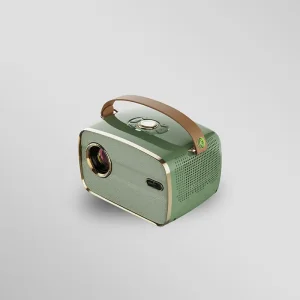
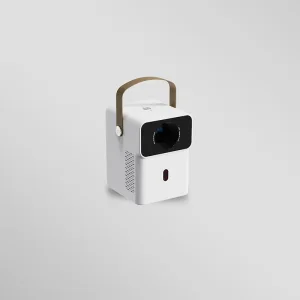
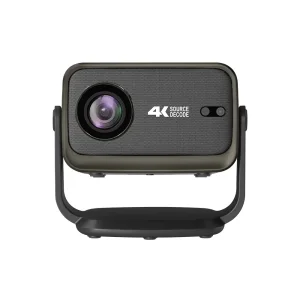
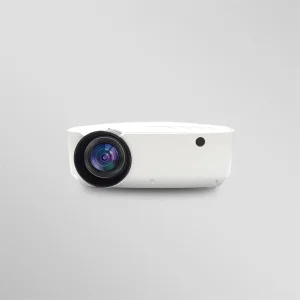
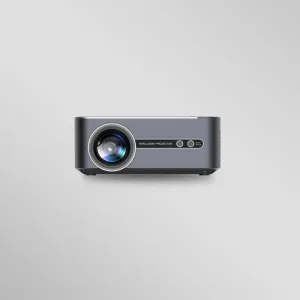
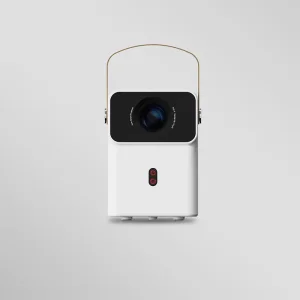
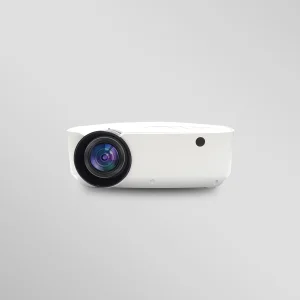
Explore our tier-one manufactured projection systems, custom IoT wearables, and factory direct solutions optimized for retail and distribution partners.
In global electronics procurement, understanding the parameters of "what is the resolution for projector systems" is not just about pixel counts. It is an intricate financial optimization balance. When B2B procurement officers, institutional buyers, and consumer electronic brands seek out projector factories and request quotes, they navigate complex terminologies: Native Resolution vs. Supported Resolution, LCD light polarization, DLP DMD chip sizes, and dynamic contrast ratios.
Understanding these variables directly influences the unit economics of a purchase order. Selecting the wrong optical specifications can lead to unsellable inventory or excessive returns. Conversely, over-specifying resolution for basic educational use cases unnecessarily inflates landing costs. This whitepaper establishes a clear, engineering-grade blueprint for global sourcing managers to successfully analyze resolution metrics, evaluate manufacturing capability, and secure optimal manufacturing quotes.
Every commercial projector carries two distinct resolution designations. Understanding this distinction is vital for accurate contract negotiations with projector manufacturers:
This is the physical pixel matrix etched onto the micro-display panel (LCD, LCoS, or DLP DMD chip). A native 1080P projector possesses exactly 1920 horizontal pixels by 1080 vertical pixels. This resolution determines the physical image clarity and true capability of the hardware module, independent of input signals.
This refers to the internal processing board's ability to decode an incoming high-definition video signal. For example, a projector with a native 720P resolution can "support" a 4K input file. The video decoding chip downscales the 4K signal to output it onto the 720P physical screen display.
Many low-tier suppliers list "4K Supported" prominently in marketing materials while masking the low native resolution of 480P or 720P. Sourcing executives must specify the physical native resolution in development contracts and purchase orders to avoid quality and legal disputes.
Technical Pro-Tip for Importers: When requesting quotes, require factories to supply the exact specification of the physical panel. For instance, for DLP projectors, request the TI (Texas Instruments) DMD chip size (e.g., 0.23" DMD for portable native 720p, 0.33" DMD for mainstream 1080p, or 0.47" DMD for native 4K UHD resolutions).
The landscape of display electronics is rapidly evolving. We track the industry paradigm shifts shaping the next decade of commercial projection technology.
Traditionally, cost-effective models utilized native 480P (WVGA). Today, consumer expectations have pushed the entry-level baseline to Native 720P and Native 1080P. Commercial, education, and mid-to-high-end home theaters require Native 4K (UHD). Projector factories are currently upgrading production lines to support the next era of optical technology:
How Shenzhen and Dongguan's manufacturing ecosystems leverage unparalleled integration to supply cost-effective global display technologies.
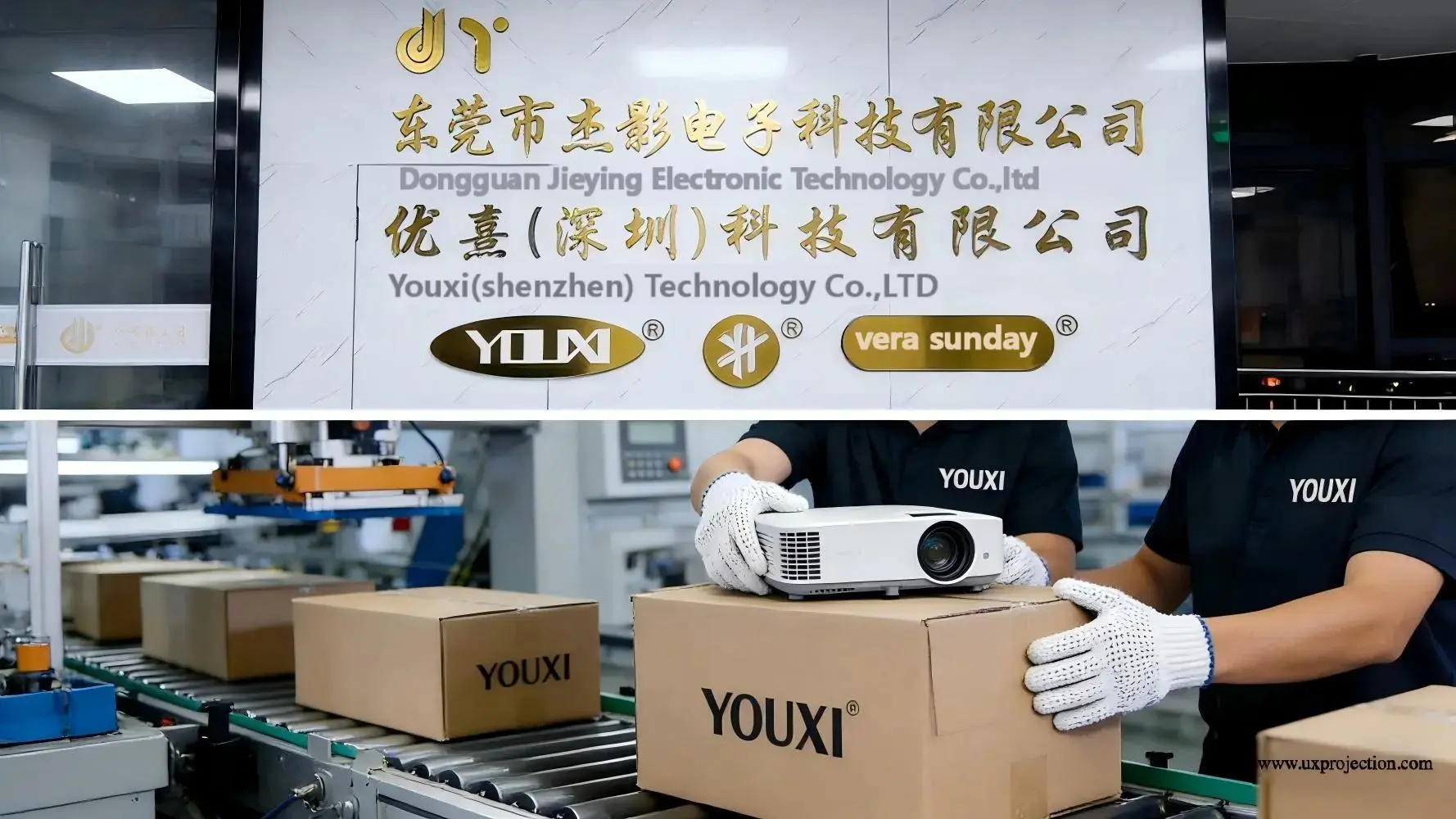
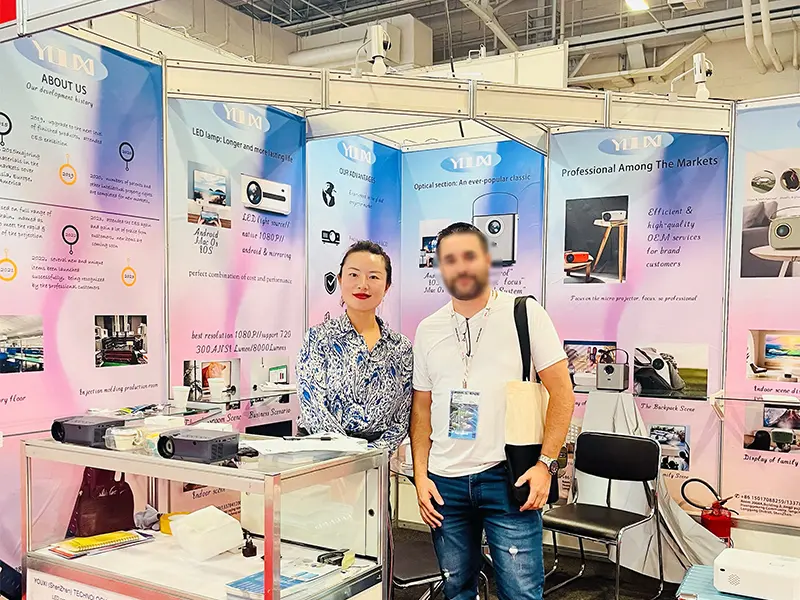
To understand the economics of projector manufacturing quotes, one must look at the supply chain integration. Youxi (Shenzhen) Technology Co., Ltd., founded in April 2021, specializes in the research and development, manufacturing, and integration of intelligent projection systems and wearable smart devices. The company maintains end-to-end capabilities across the product lifecycle—from R&D and precision assembly to quality assurance—ensuring full compliance with international standards at every stage, from raw material procurement to finished product delivery. Committed to sustainable operations, Youxi integrates energy-efficient design, eco-conscious material selection, and waste-reduction practices into our business model, contributing meaningfully to green manufacturing initiatives.
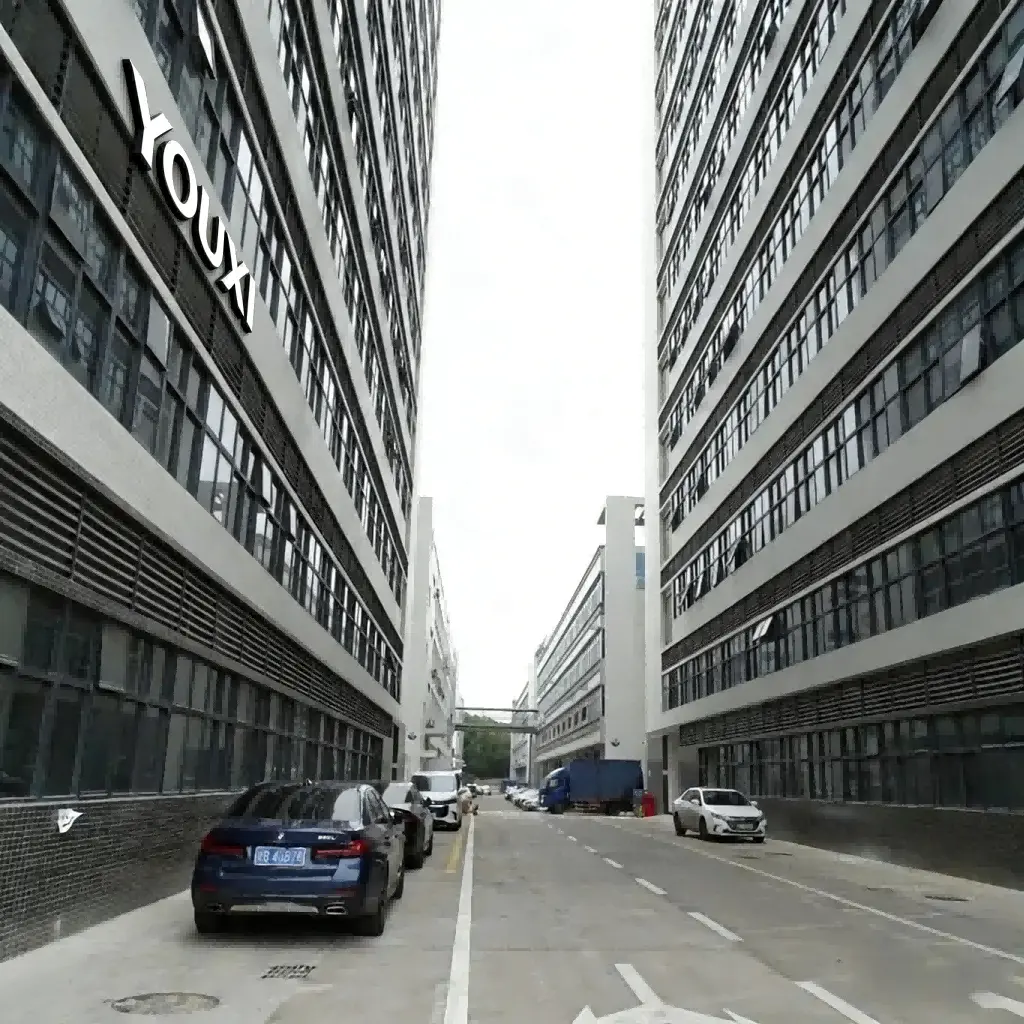
Headquartered in Shenzhen—a leading innovation hub in Southern China—the company benefits from strategic proximity to the Hong Kong Port, with a travel time of approximately 40 minutes. To support scalable production, Youxi operates a dedicated assembly facility spanning approximately 1,000 square meters in Fenggang Town, Dongguan City (a 25-minute drive from headquarters). Which currently employs around 100 professionals and maintains a monthly production capacity exceeding 30,000 units. Its robust quality management system, certified supply chain, and vertically integrated operational framework ensure consistent product reliability and timely delivery.
Youxi offers comprehensive service solutions, including branded product development, OEM/ODM customization, and material-specified manufacturing (MSM). We also actively pursue strategic partnerships through authorized distribution and joint venture models. Prospective partners and clients are welcome to contact us at any time for technical consultation, collaboration proposals, or commercial inquiries.
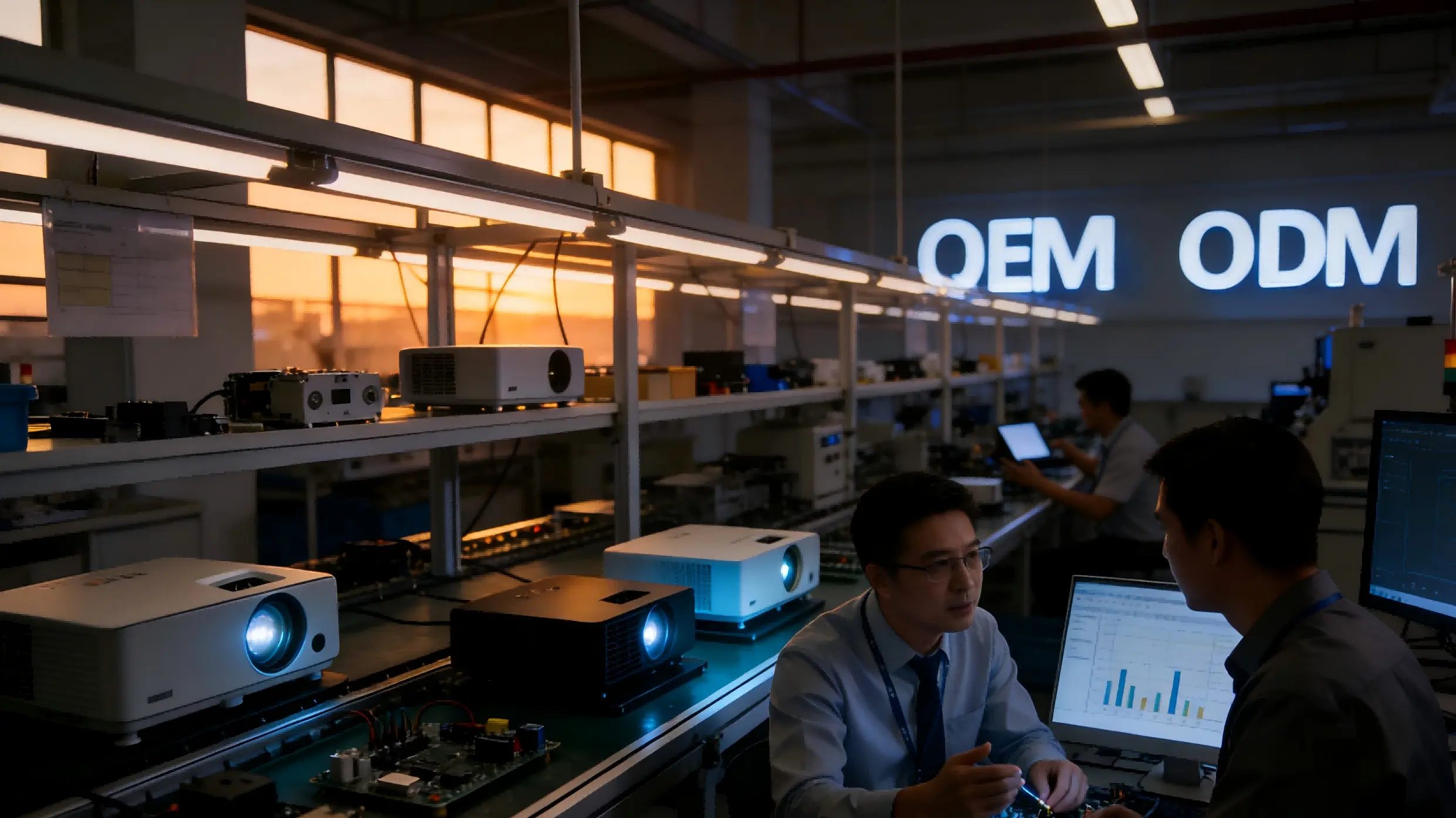
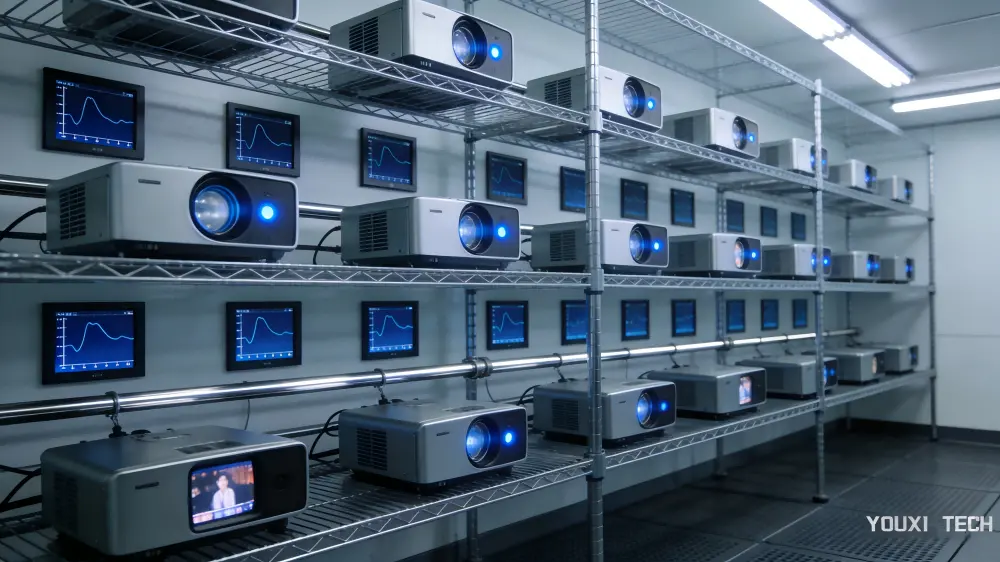
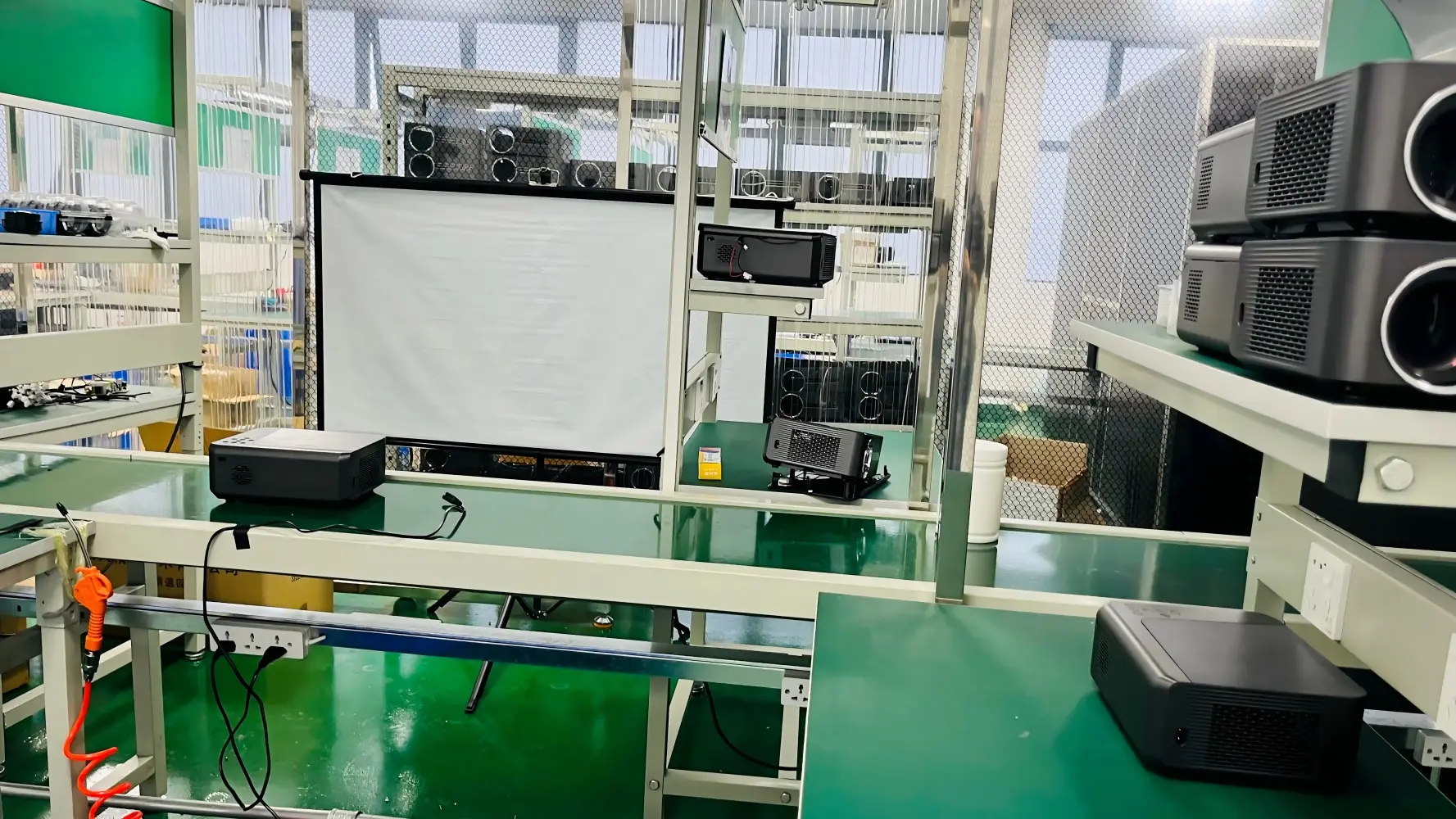
An inside look at our facilities and standard operating procedures for mold design, clean assembly, and reliability testing.
The mold and injection molding workshop is located next to our factory, equipped with sophisticated digital machines above conventional market standards to ensure a good foundation for each product. By controlling housing manufacturing internally, we dramatically lower quote lead times and safeguard intellectual property rights for OEM clients.
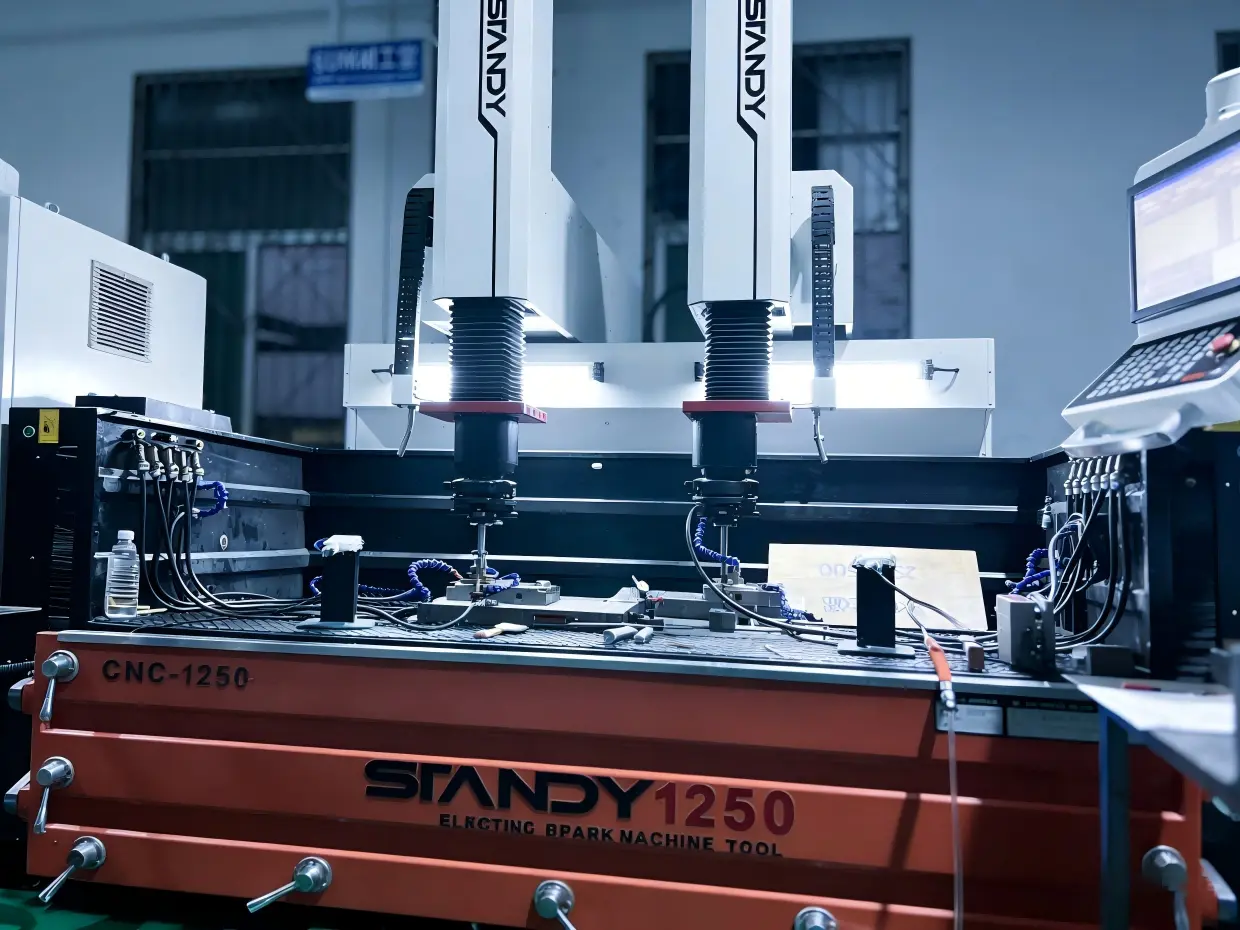
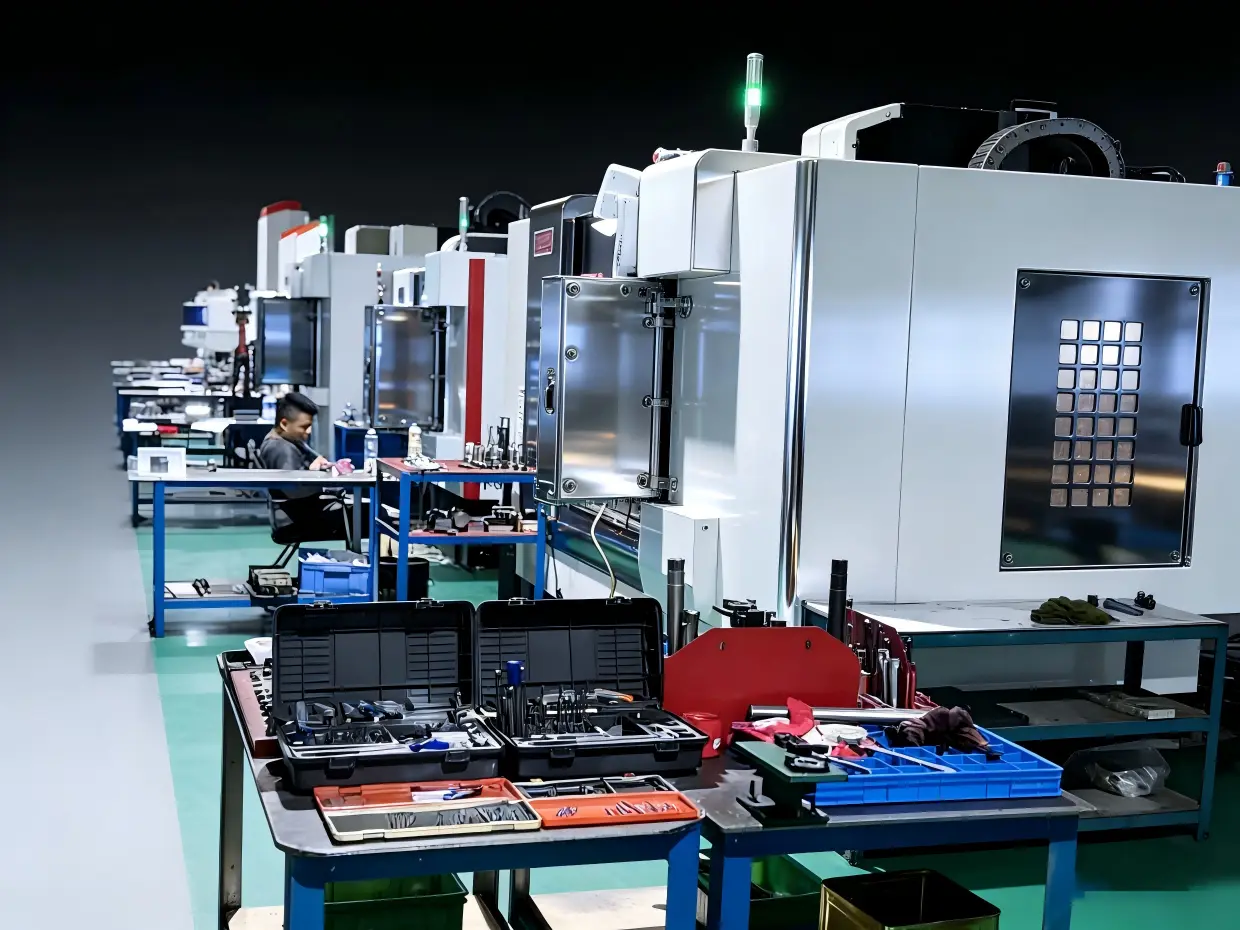
Covering an area of 4,000 square meters, the factory is equipped with production, injection molding, assembly, and testing workshops with large volume. After recent large-scale adjustments and screening, there are about more than 100 qualified assembly workers who are reasonably distributed in different departments, all with good professional & ethical qualities.
Modern workshop for production and assembly, we introduce the most advanced manufacturing equipment, CNC machines, and high-end test instruments. In order to meet our clients' different requirements, we set the workshops based on 5S standards, offering dust-free options for every unit of product. Under this framework, our monthly production and assembly capacity is up to 50,000 units!
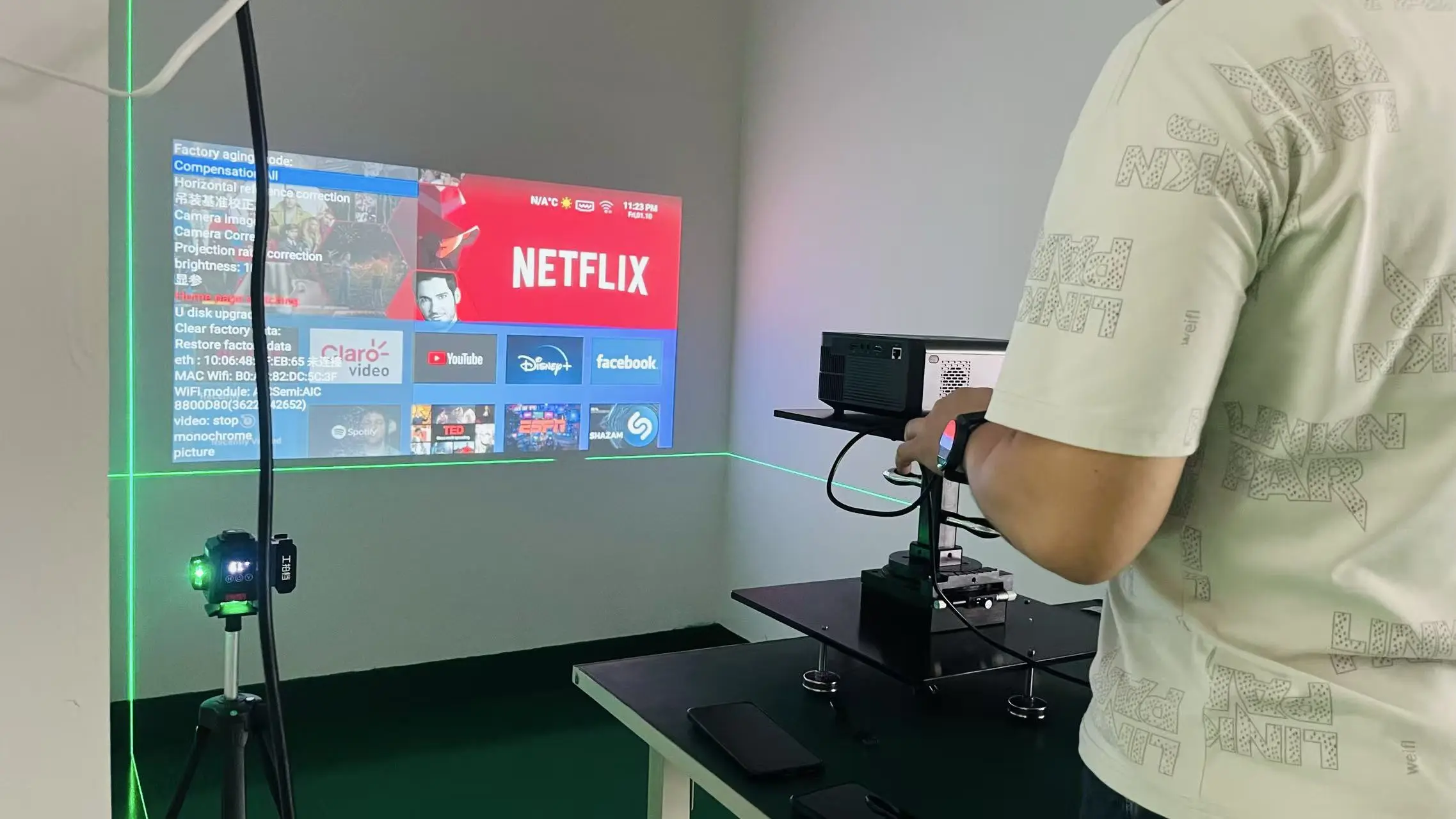
In order to ensure the performance of each machine and minimize the after-sale defect rate for customers, we have equipped two groups of test rooms, containing a total of 12 test rooms. Professional and senior quality inspectors test incoming material, complete the first inspection after finishing assembly, and perform random sample inspections before final shipment.
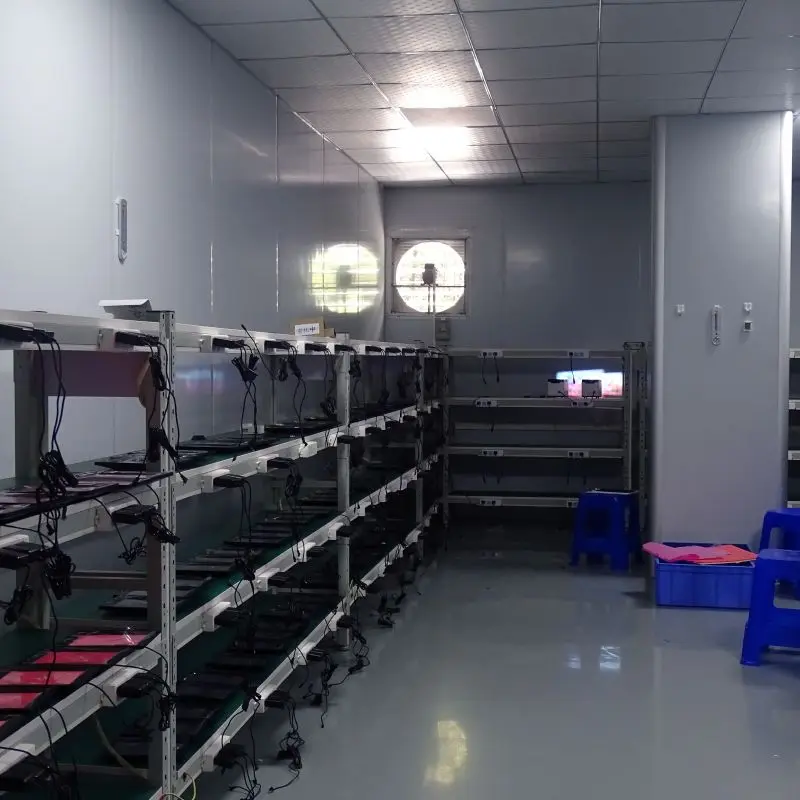
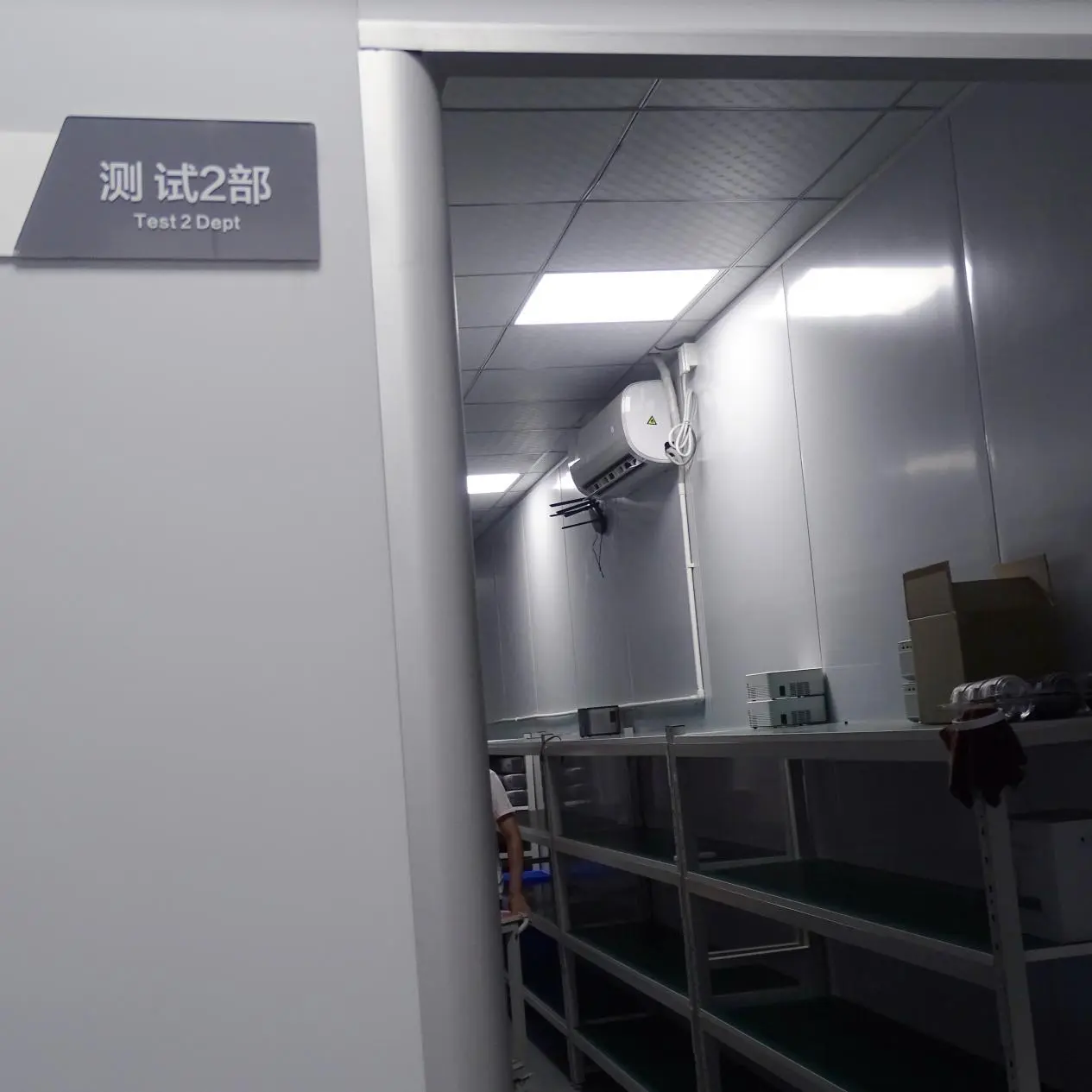
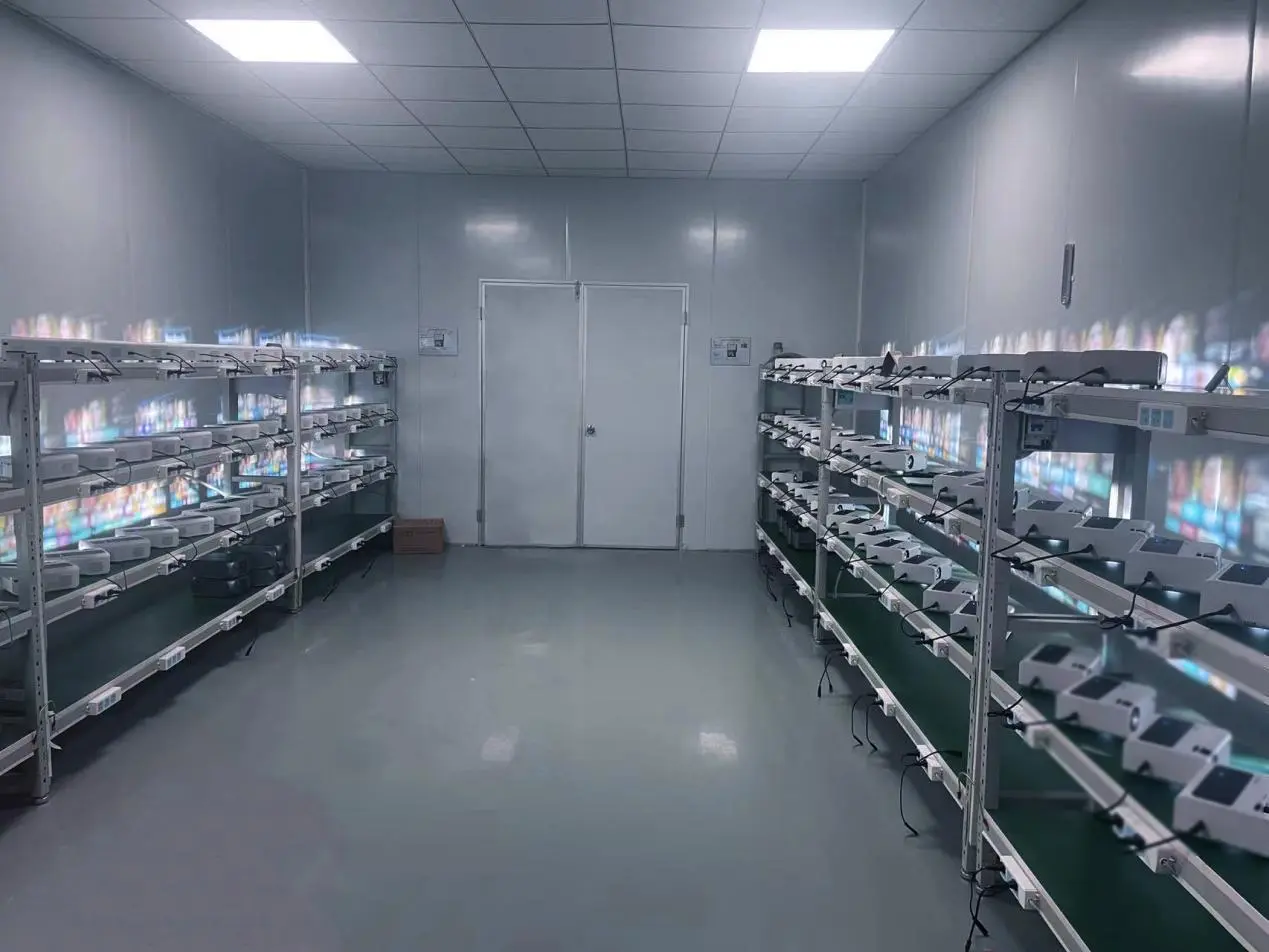
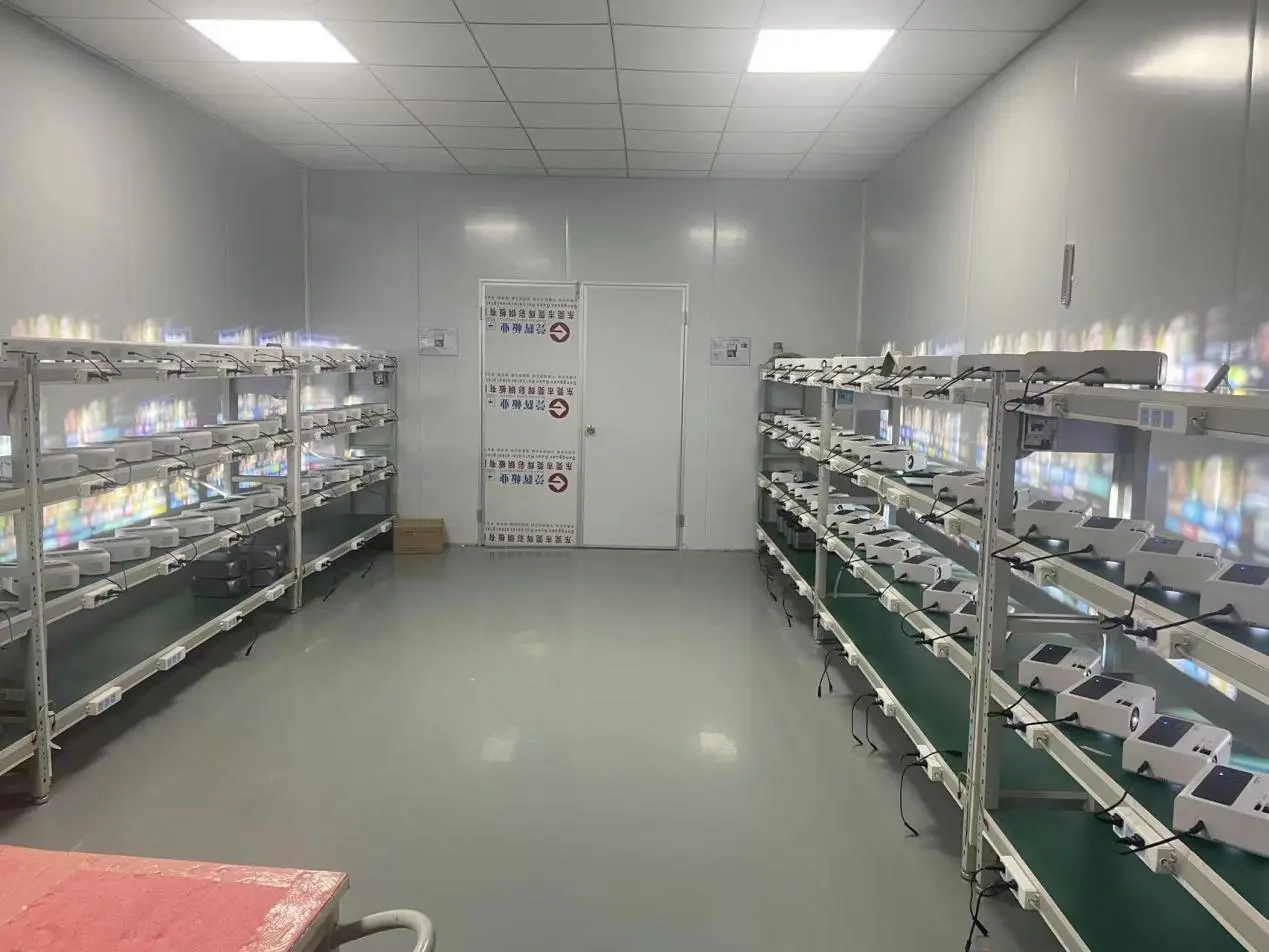
The aging test room is situated adjacent to the functional test room in order to improve work efficiency and reduce errors. It can accommodate at least 200 machines running high-temperature aging tests simultaneously, verifying long-term power board reliability and thermal management systems.
Our warehouse spans a 300 square meter area for finished products, located directly next to the packaging line. This layout enables rapid cargo packing and container loading for swift transit to port terminals.
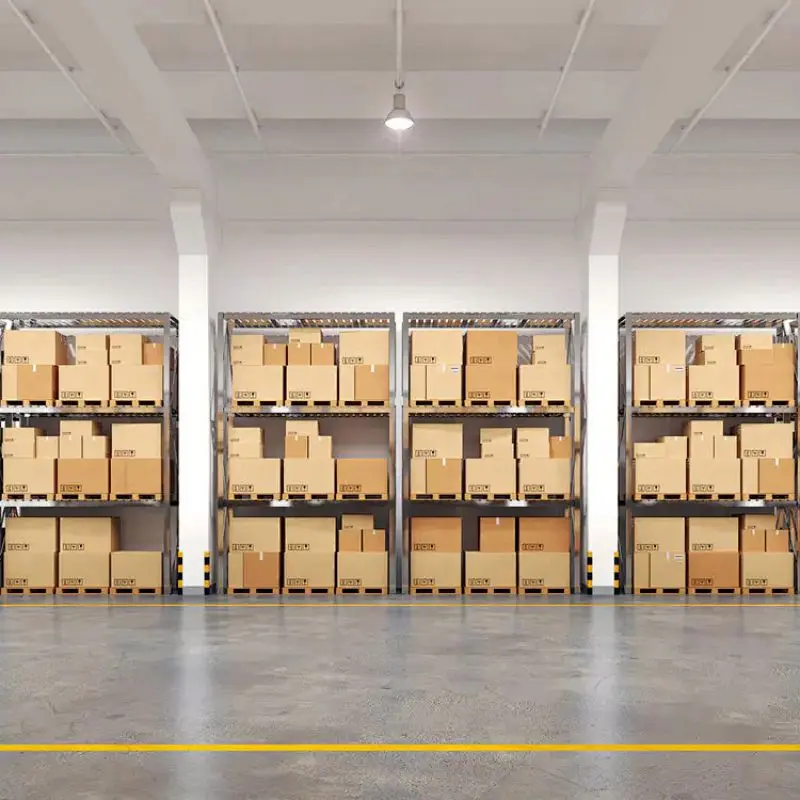
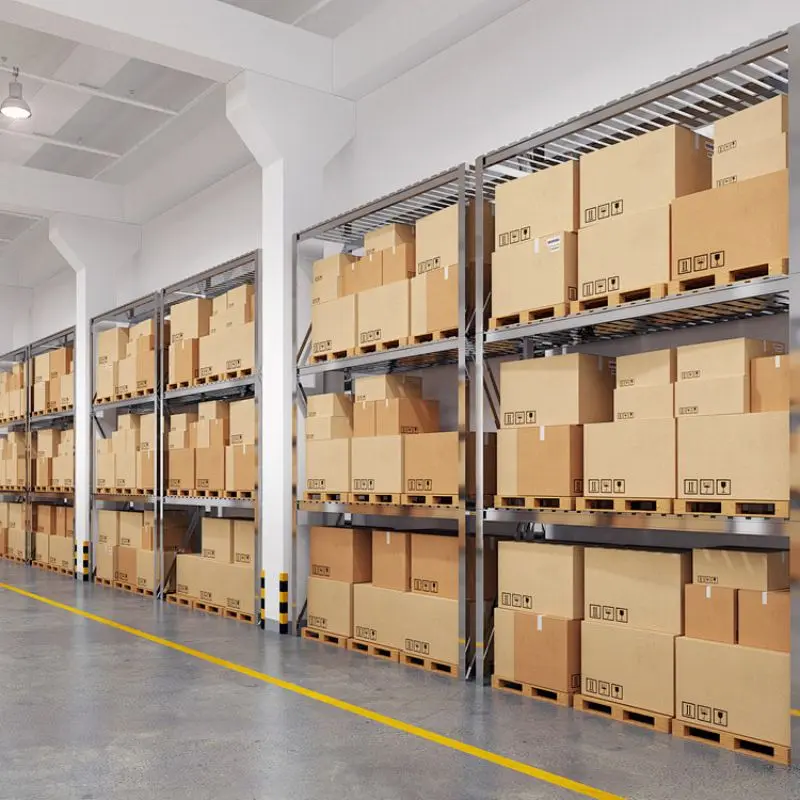
The above details outline the primary departments of our production facility. Thank you for your review. If you have any further questions, please leave a message; our technical and sales staff will reply as soon as possible.
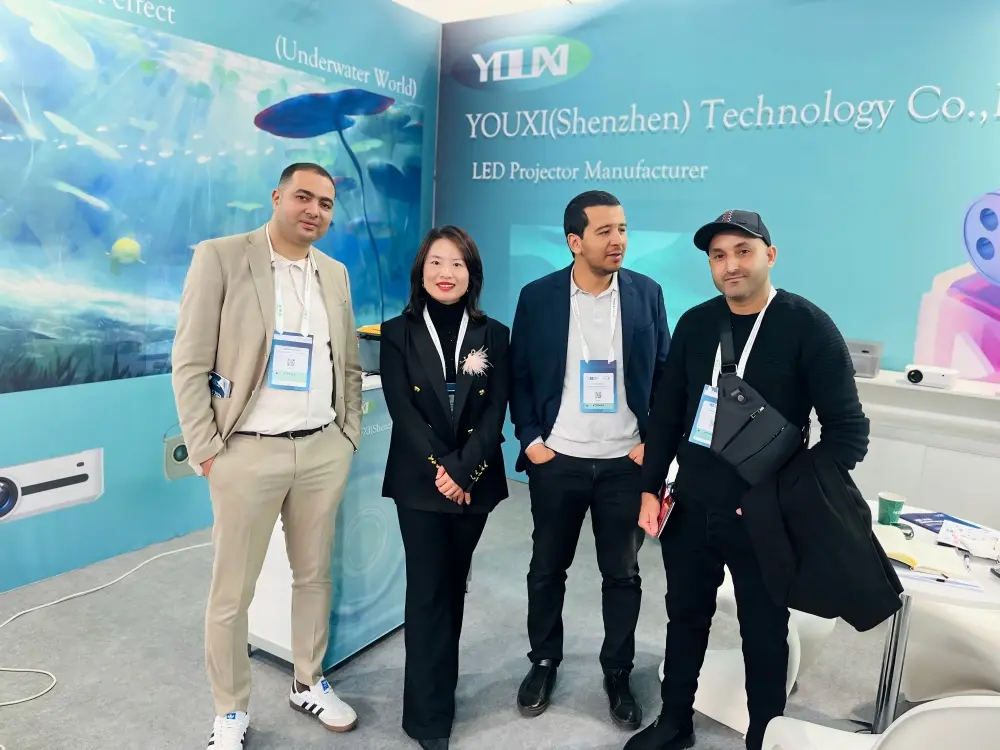
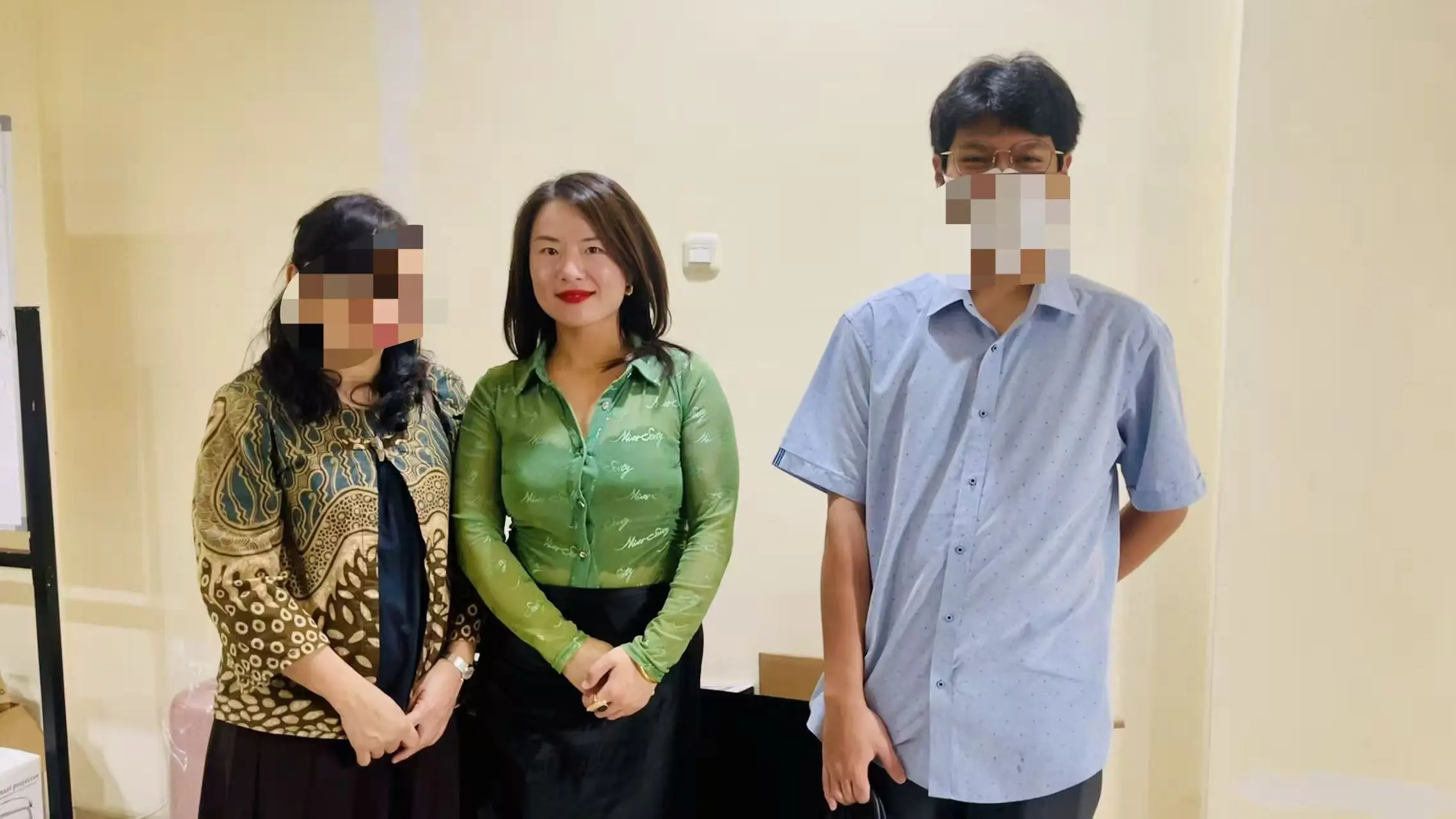
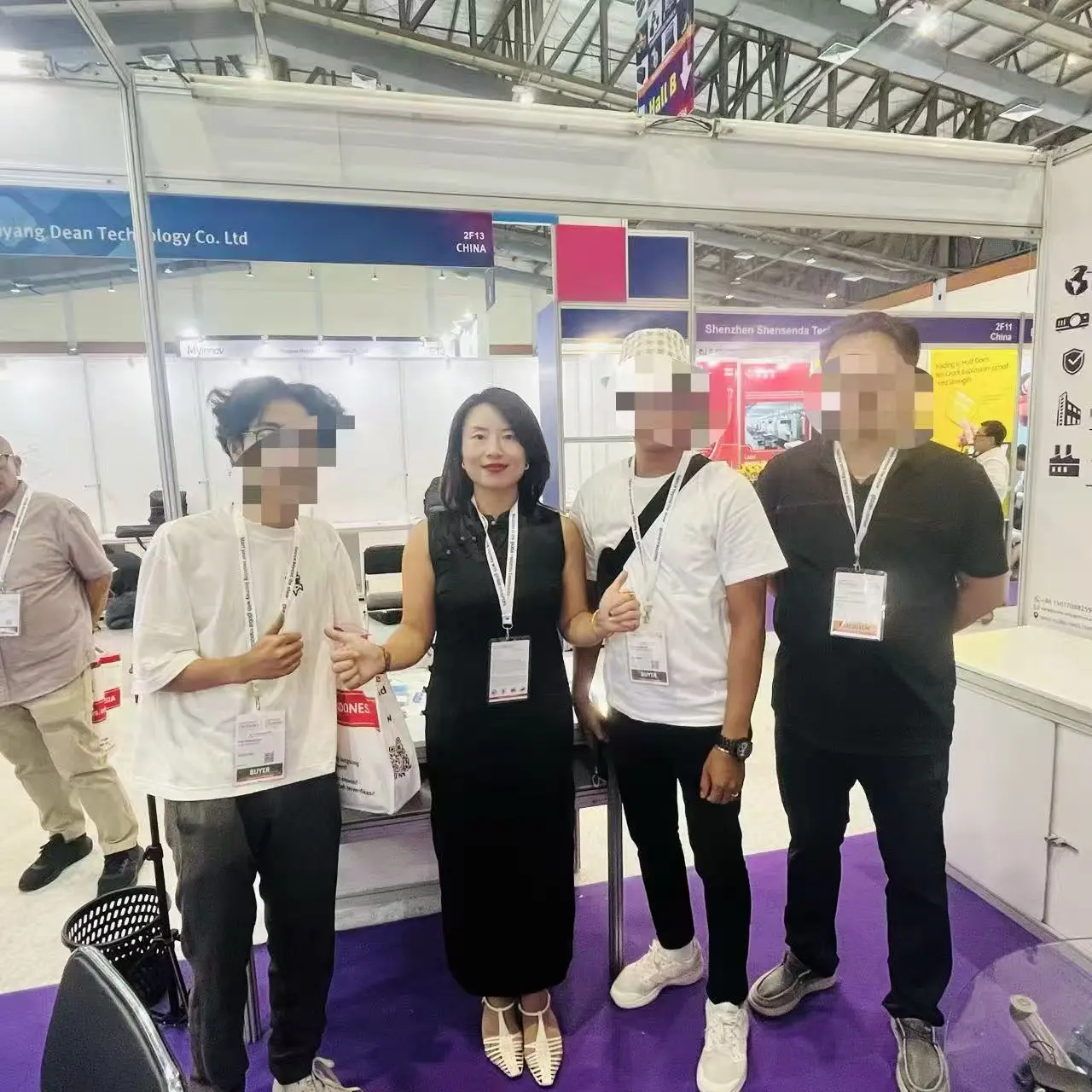
A comparative framework to help procurement officers target the optimal resolution profile for specific vertical markets.
Requires high-clarity native 1080P or 4K to project legible text documents, calculations, and detailed diagrams in bright classrooms. High-brightness LED light sources (400 ANSI Lumens minimum) are standard.
Requires native 1080P or native 4K with deep contrast ratios (e.g., 2000:1 to 5000:1) and support for HDR10. Interfacing with Android operating systems (for Netflix/YouTube apps) is crucial here.
Highly dynamic mini models optimized for battery-powered use cases. Native 720P acts as the sweet spot, providing crisp outdoor movie displays while keeping power draw low enough for portable power banks (Type-C inputs).
Entering international consumer electronic channels requires strict compliance with localized regulatory bodies. Importers sourcing from projector factories must verify that all quotes account for testing and certification costs.
Our manufacturing workflow guarantees compliance with global requirements: CE, RoHS, and FCC markings for Europe and North America; PSE certifications for Japan; and KC certificates for South Korea. In addition, our integrated smart platforms support multi-language firmware localization (supporting 28+ languages), customized user manuals, and regional power adapter configurations. This ensures seamless custom clearance and market readiness upon arrival.
An actionable breakdown of how optical manufacturers calculate OEM/ODM price quotes based on technical specifications.
When drafting an RFQ (Request for Quote) for project resolution setups, price calculations are determined by key hardware components. Sourcing teams can control costs by understanding these variables:
DLP optical engines command a premium due to high TI DMD chipset costs, but they offer ultra-compact profiles and superior native contrasts. Single-LCD engines offer highly competitive pricing, making them suitable for entry-level consumer and promo-gift markets.
Brightness levels directly dictate LED array and cooling system costs. Standard consumer portable models require 100-200 ANSI Lumens. Professional home cinema systems require 300-500 ANSI Lumens, driving up structural manufacturing quotes due to heat dissipation designs.
Choosing an integrated smart Android board (with dual-band Wi-Fi 6 and Bluetooth modules) adds approximately $8-$15 to the unit cost compared to basic multi-media versions, but it enhances final retail value and software longevity.
Expert technical answers to common queries raised by international buyers and sourcing agents.
What is the minimum native resolution recommended for business projectors?
For business and classroom environments where presentations, text spreadsheets, and detailed charts are shown, we recommend a minimum Native 1080P resolution. Lower resolutions like 480P or native 720P can cause text pixilation, reducing readability on screens larger than 80 inches.
Why is there a large variance in quotes for 4K projectors?
Price differences stem from "Native 4K" vs. "4K Support". Native 4K projectors use expensive high-end DMD chips or triple-LCD systems to output 8.3 million distinct pixels. "4K Support" refers to 1080P or 720P projectors that accept 4K input signals but output them in lower native resolutions. Sourcing managers must clarify this to evaluate quotes fairly.
What is the average lead time for custom OEM projector factory orders?
Standard OEM orders with logo prints, customized retail boxes, and localized firmware require 25 to 30 days. Full ODM projects involving custom structural design and injection molds require 60 to 90 days, depending on prototype sign-off timelines.
How does Youxi control the defect rate on mass projection products?
Our quality control process is built on four key pillars: Incoming Quality Control (IQC), In-Process Quality Control (IPQC) across 5S cleanrooms, 100% operational testing in our 12 specialized test rooms, and 24-hour continuous aging tests for 200 units simultaneously prior to custom packaging.
Can factories customize smart projector operating systems?
Yes, our software engineering division offers custom Android ROM compilation. This includes booting animation injection, pre-installed client software application packages, customized user interface designs, and direct OTA firmware update servers.
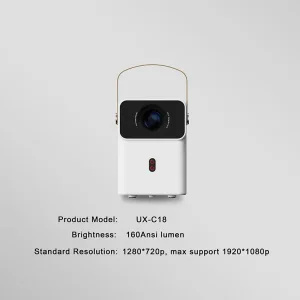
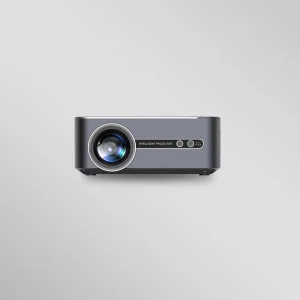
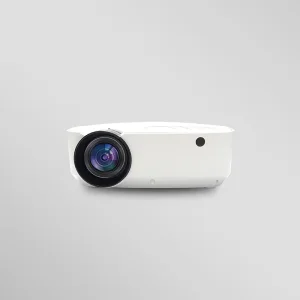
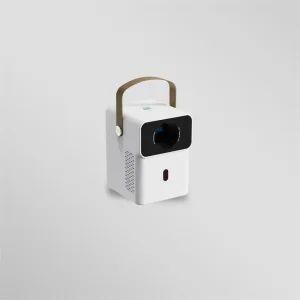
Analyze detailed technical parameters of our advanced projectors. Select target modules to request customized factory quotes.
 Youxi projection