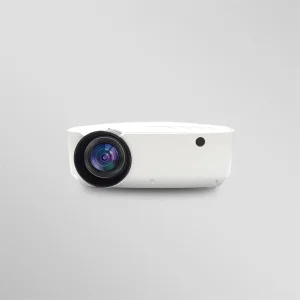
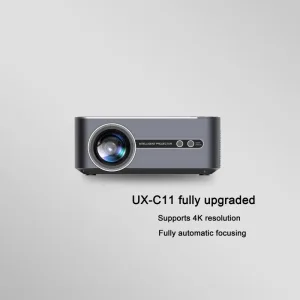
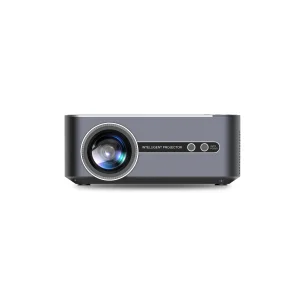
Explore our high-performance solutions optimized for high-brightness, outdoor entertainment, and enterprise productivity.
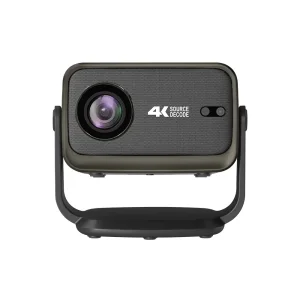
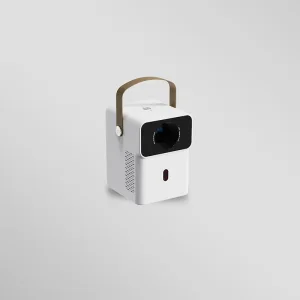
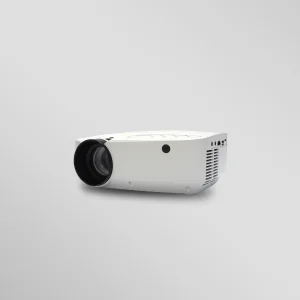
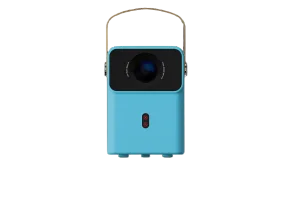
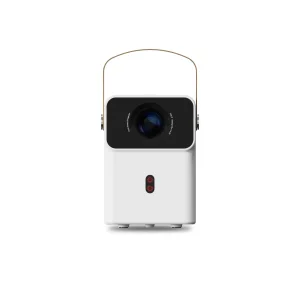
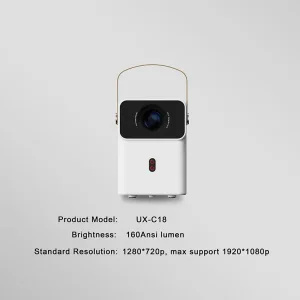
A comprehensive analysis of why the Amlogic T950S SoC has become the global benchmark for high-end smart projection engines.
In the rapidly transforming global digital projection market, processing capacity is no longer just a supporting feature—it is the central pillar of user experience. The Amlogic T950S chipset is a highly integrated System-on-Chip (SoC) designed specifically to meet the high computational demands of modern smart projectors. Combining a high-performance quad-core ARM Cortex processor with a robust ARM Mali-G31 MP2 GPU, the T950S provides the mathematical and graphics processing baseline necessary to run resource-heavy smart OS platforms like Google TV and Android TV smoothly.
Crucially, the chip excels in hardware-accelerated video decoding. By natively supporting 4K H.265/VP9 10-bit rendering up to 60 frames per second, alongside HDR10 and HLG (Hybrid Log-Gamma) capabilities, it allows compact smart projectors to produce high-dynamic-range imagery that was once restricted to physical screens. For B2B buyers and global distributors, choosing an Amlogic T950S-based projector means offering clients a future-proof device that maintains low latency, rich colors, and stable performance.
Features a quad-core architecture paired with the ARM Mali-G31 MP2 GPU, ensuring efficient multi-tasking, fast application loading, and smooth visual rendering without bottlenecking.
Supports native decoding of premium formats like HDR10 and HLG. Captures ultra-high-definition color depths and preserves visual fidelity in dark or high-contrast scenes.
Built-in network acceleration features complement dual-band Wi-Fi and Bluetooth protocol stacks, reducing audio-to-video synchronization latency to imperceptible levels.
| Chipset Parameter | Amlogic T950S Specification | Direct Impact on Projector Performance |
|---|---|---|
| CPU Architecture | Quad-core ARM Cortex-A53 / A55 | Ultra-smooth UI navigation, rapid boot times, and efficient app multitasking. |
| GPU Core | ARM Mali-G31 MP2 (supports OpenGL ES 3.2, Vulkan 1.1) | Enables advanced graphic rendering, 3D UI transitions, and gaming performance. |
| Video Processing Unit | 4K@60fps H.265, VP9, and AVS2-P2 decoding | Decodes 4K content flawlessly, ensuring high performance with minimal buffer. |
| HDR Standards | HDR10, HLG, and HDR10+ processing | Improves shadow detail, local contrast, and overall color depth on screen. |
| Display Interface | HDMI 2.1 input support, V-by-One, LVDS output | Ensures high-speed data transmission from external media players, consoles, and inputs. |
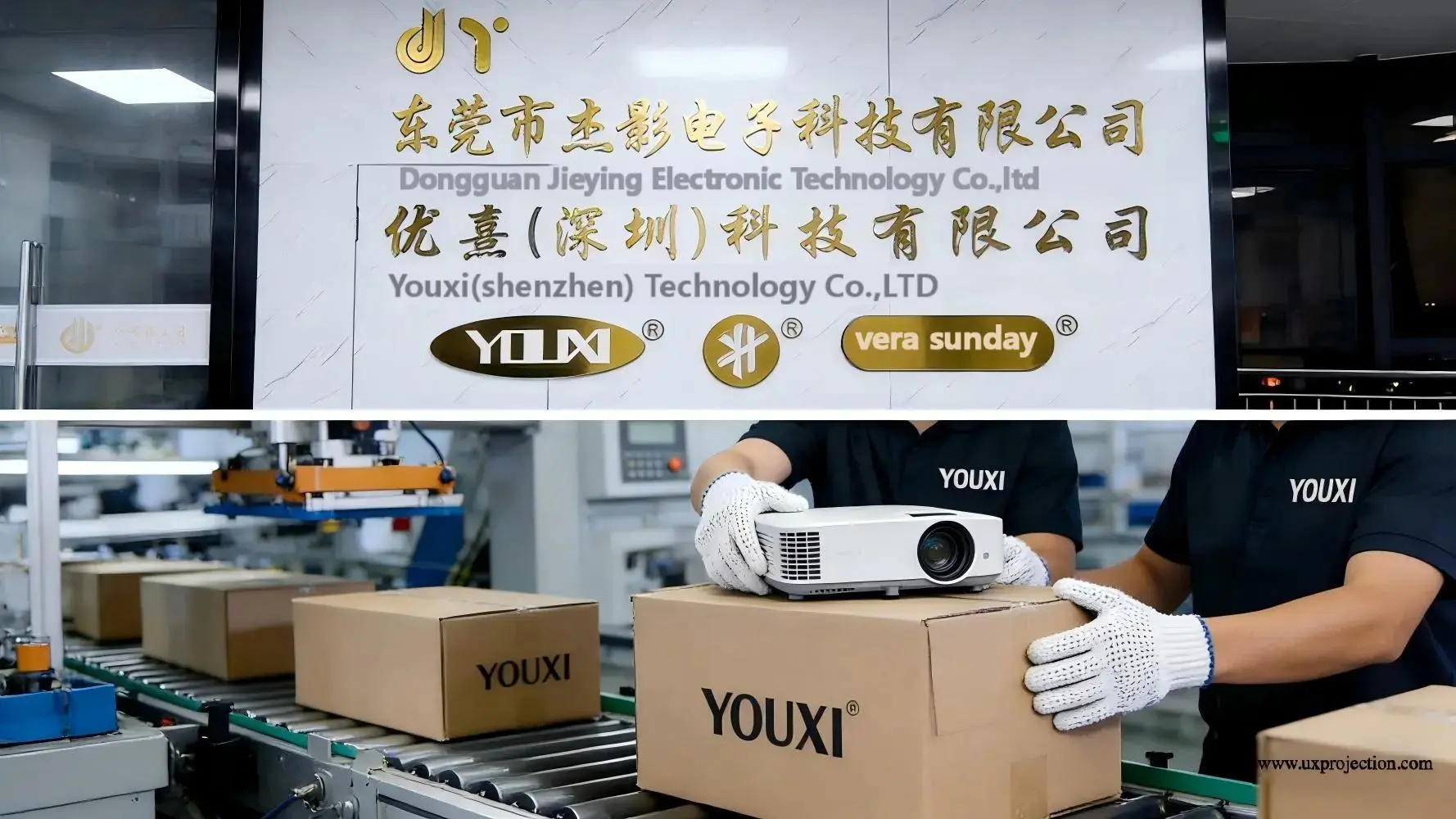
Founded in April 2021, Youxi (Shenzhen) Technology Co., Ltd. specializes in the advanced research, development, precision manufacturing, and integration of intelligent projection systems and wearable smart devices. We maintain fully integrated, end-to-end capabilities across the product life cycle—from basic concept modeling, structural and optical path engineering, and precision assembly to rigorous quality assurance testing. This structured workflow ensures that international certification standards are met at every step, from raw material inspection to final product delivery.
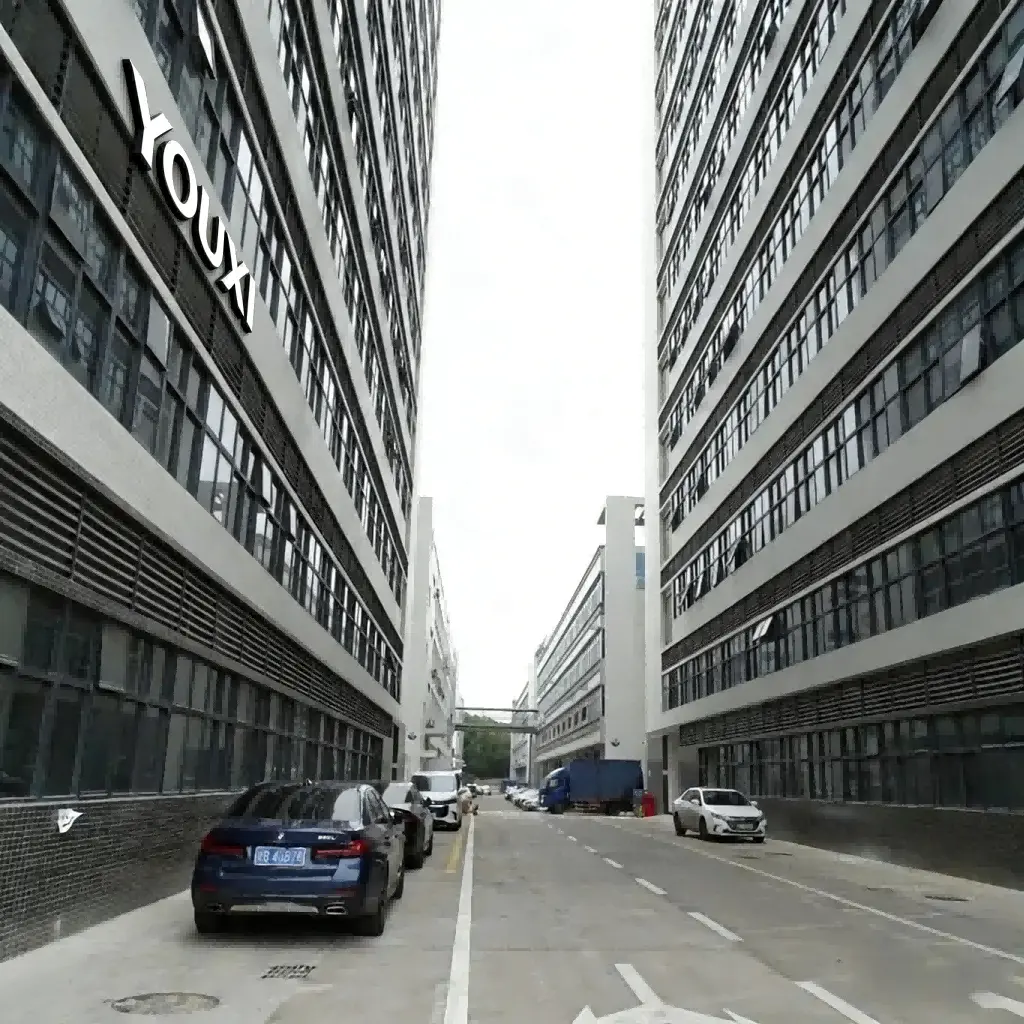
Headquartered in the global electronics hub of Shenzhen, China, we operate with a strategic proximity to the Hong Kong Port (an approximate 40-minute commute), facilitating rapid international logistics and shipping operations. To support mass production scalability, Youxi maintains a 1,000-square-meter modern assembly facility in Fenggang Town, Dongguan City. Our team of roughly 100 professionals supports a monthly production and assembly capacity of up to 50,000 units. Committed to sustainability, we actively integrate energy-efficient structural design, non-hazardous material selection, and waste reduction methods into our daily factory management.
How the structural alignment of China’s supply chain delivers cost-effectiveness and unmatched efficiency.
Our manufacturing sites in Shenzhen and Dongguan sit within the world’s most dense supply chain ecosystem. From resistors to optical lenses and the Amlogic T950S SoC itself, component procurement times are reduced to hours rather than weeks.
We host a mold and injection molding workshop adjacent to our main production line. Utilizing high-end, computerized digital machines that exceed standard market baselines, we maintain complete control over chassis design, wall thickness, and thermal vents.
With an experienced R&D department and highly skilled line operators, we reduce the transition period from CAD designs to working physical prototypes down to 15 days, providing global buyers with an invaluable first-mover market advantage.
In the global market, business models depend on the ability to react to consumer shifting trends. The smart projection sector has evolved past basic bulb replacement systems; clients now demand integrated media platforms. By integrating the Amlogic T950S chipset directly into our hardware design pipelines, Youxi bypasses standard external controller boards. This reduces physical device footprints, lowers energy draw, and mitigates signal loss across interfaces, translating to longer product lifespans and a lower warranty return rate for our global partners.
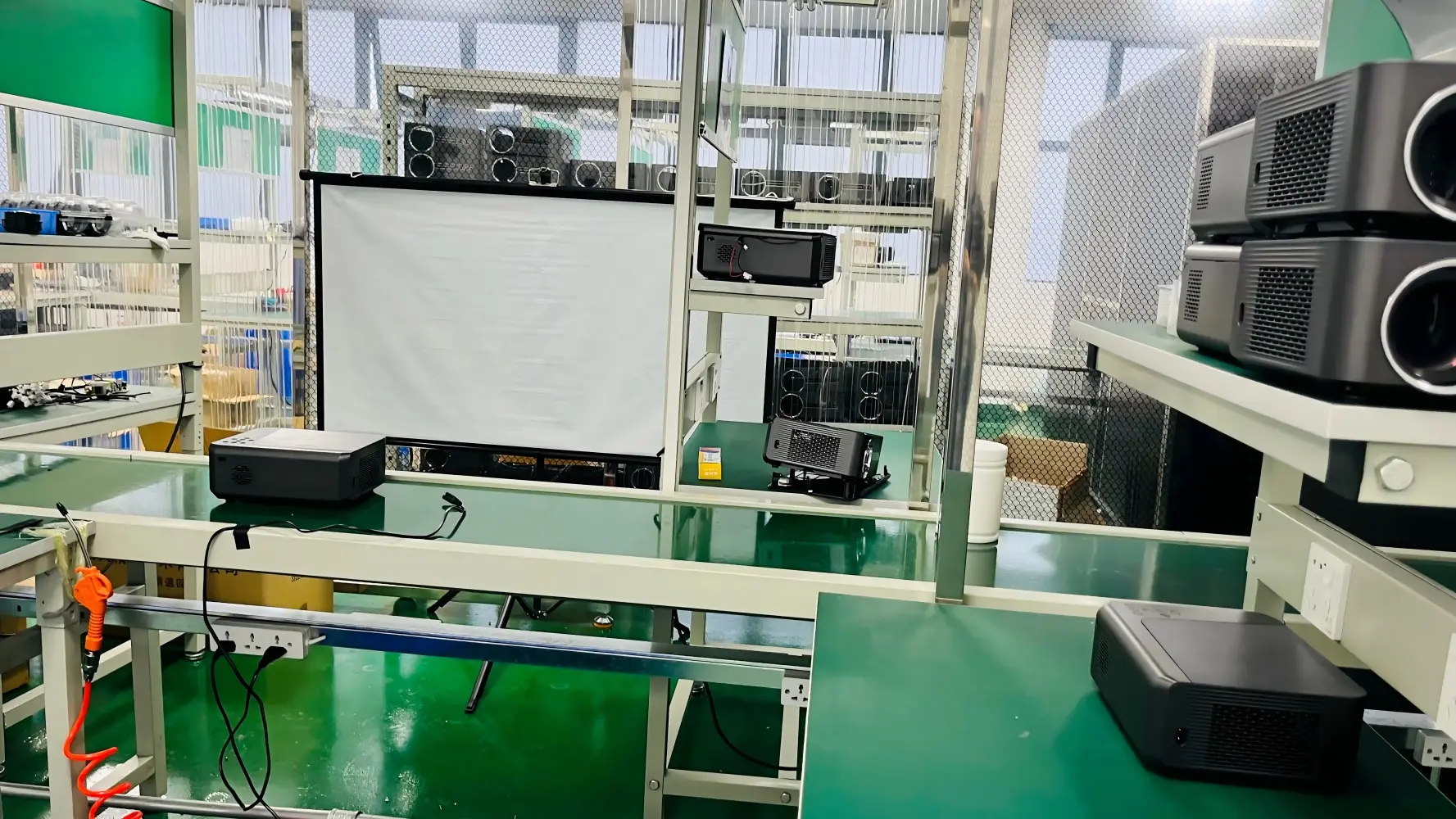
An inside look at our 5S-standard facilities, precision testing protocols, and aging test setups.
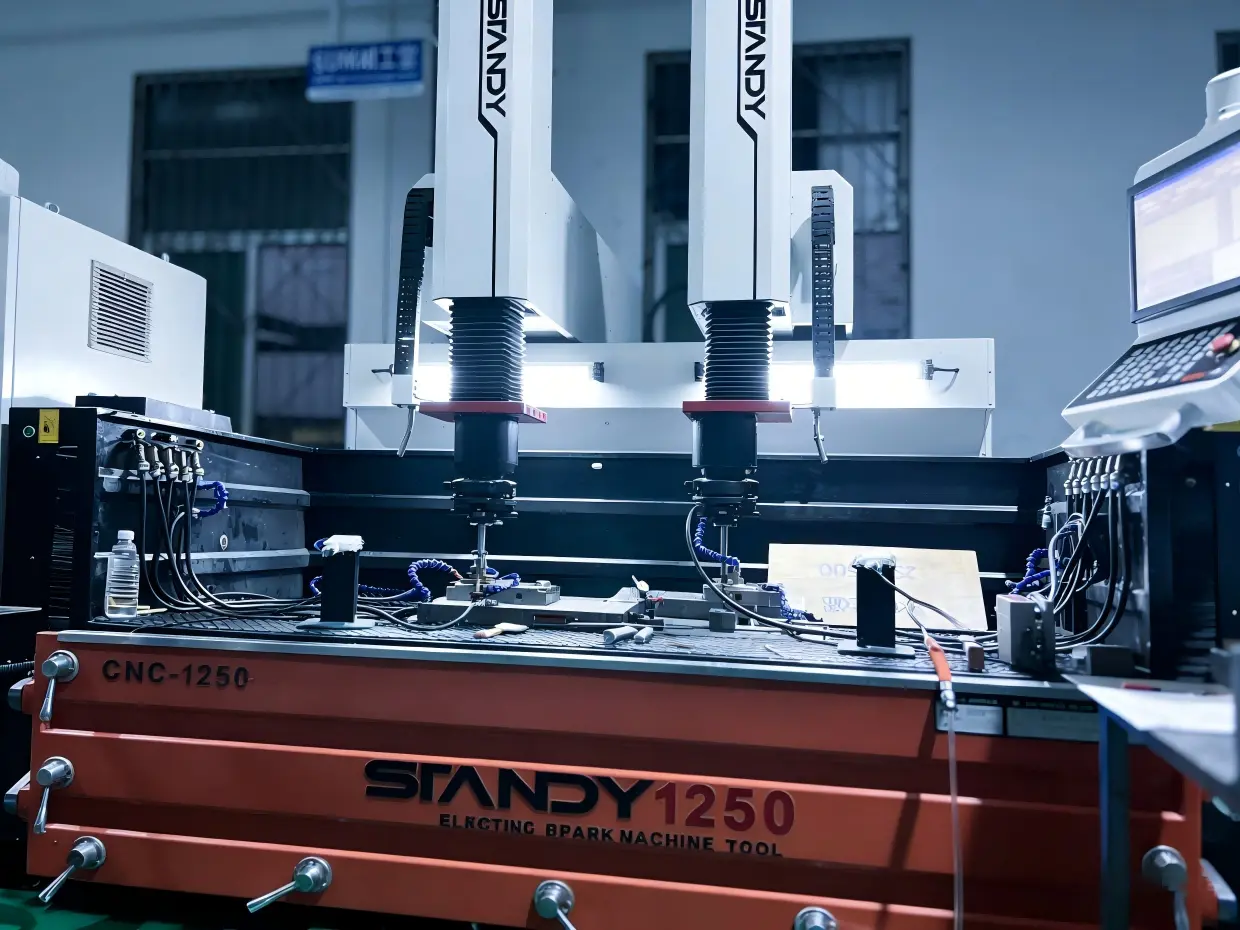
Our dedicated mold and injection workshop features digital machinery that shapes the optical chamber and structural chassis of each smart projector, preventing light leaks and misalignment.
Spanning 4,000 square meters, our main assembly floors are maintained under dust-free conditions. Dust contamination in the optical pathway is the leading cause of black spots on projections; our strict environment mitigates this issue entirely.
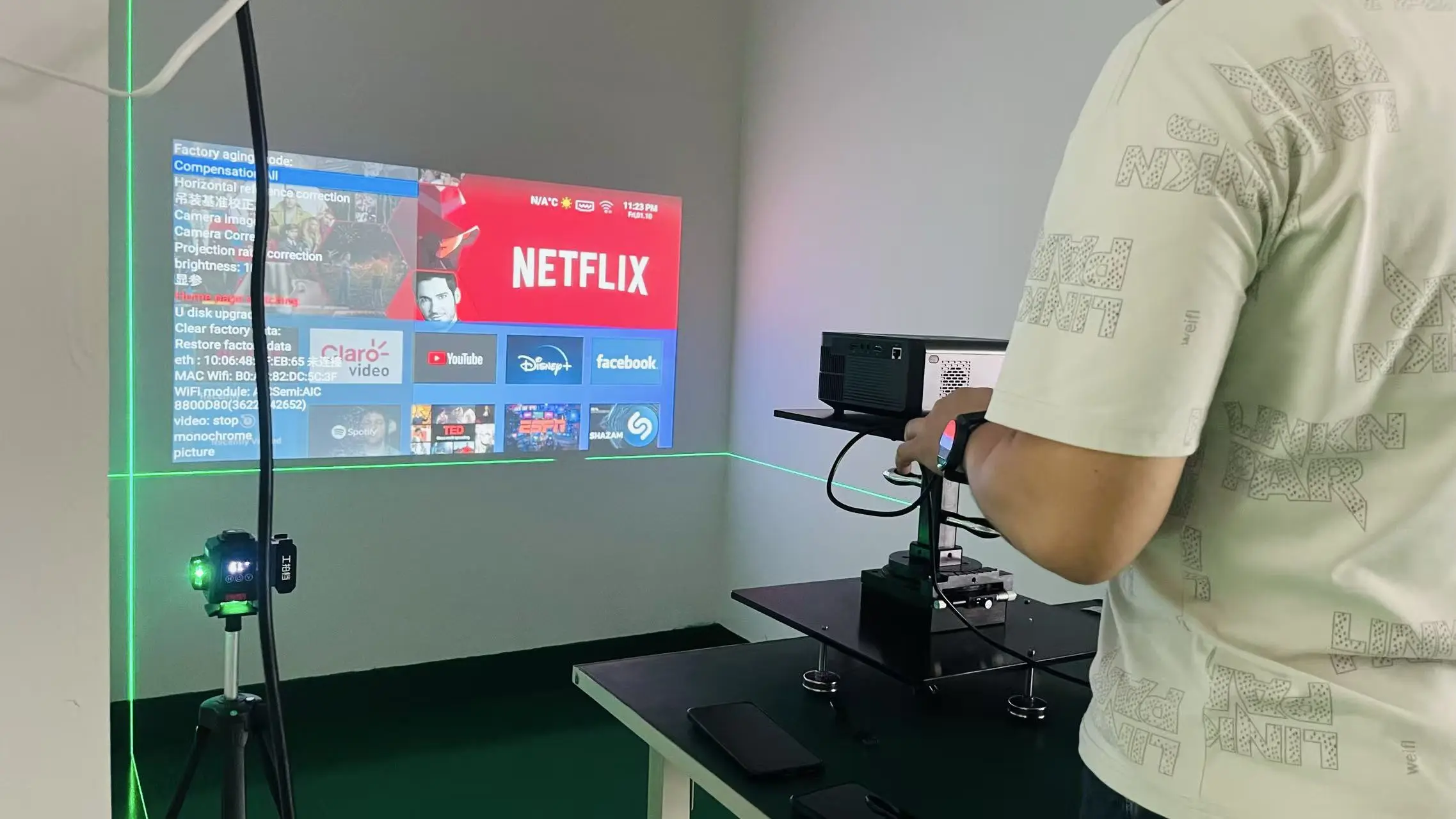
Equipped with 12 testing rooms, our senior quality inspectors carry out rigorous performance tests on incoming optical engines, immediate functional tests post-assembly, and final checks prior to palletization.
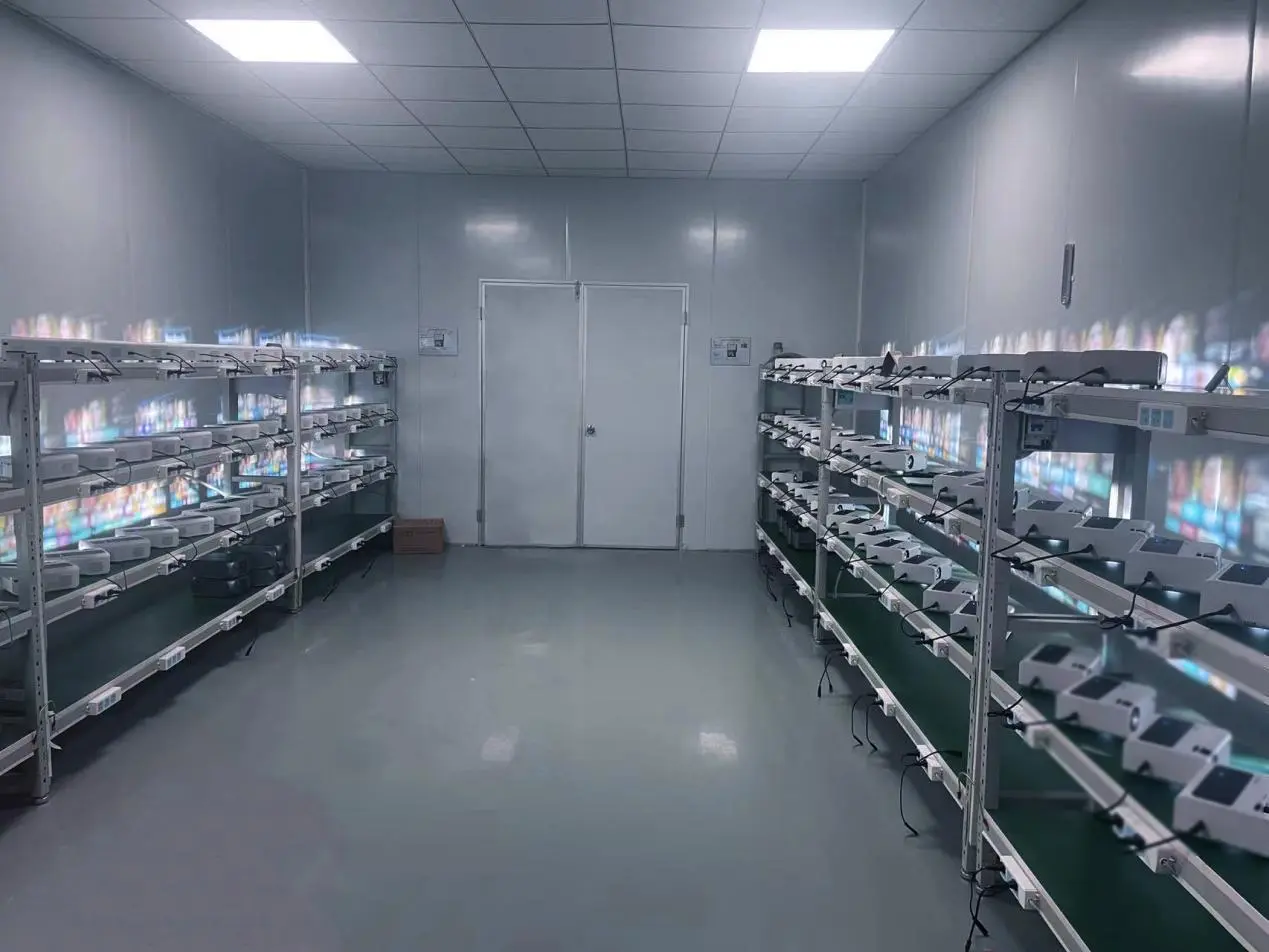
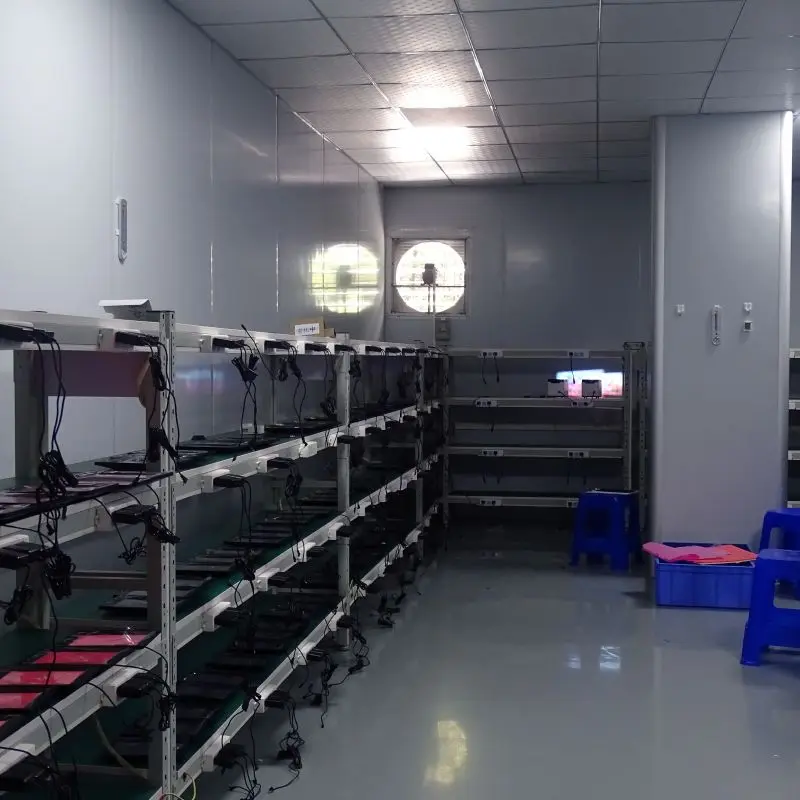
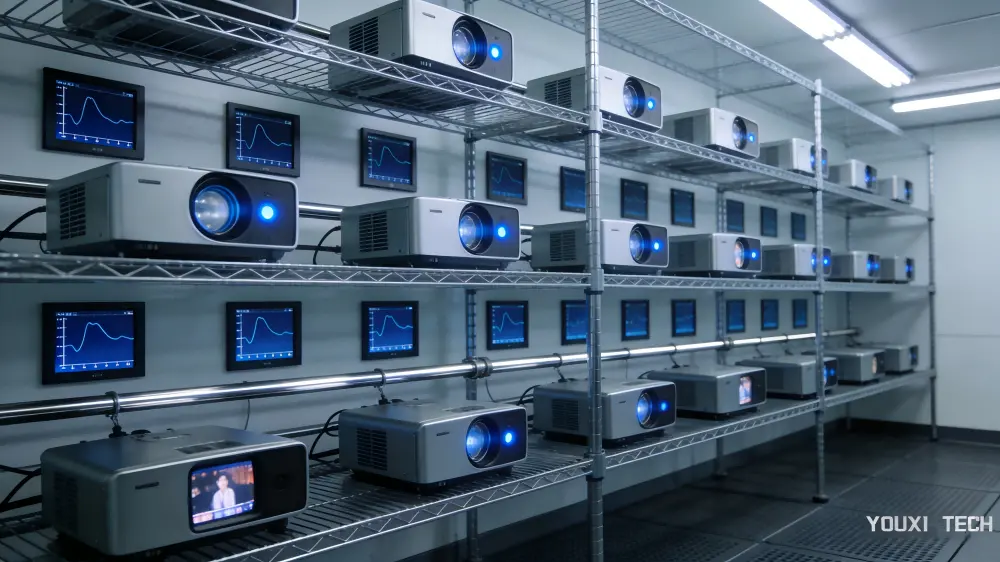
To identify early components failure rates, our aging test room runs up to 200 projectors simultaneously, testing them continuously under simulated load states for extended cycles before packaging.
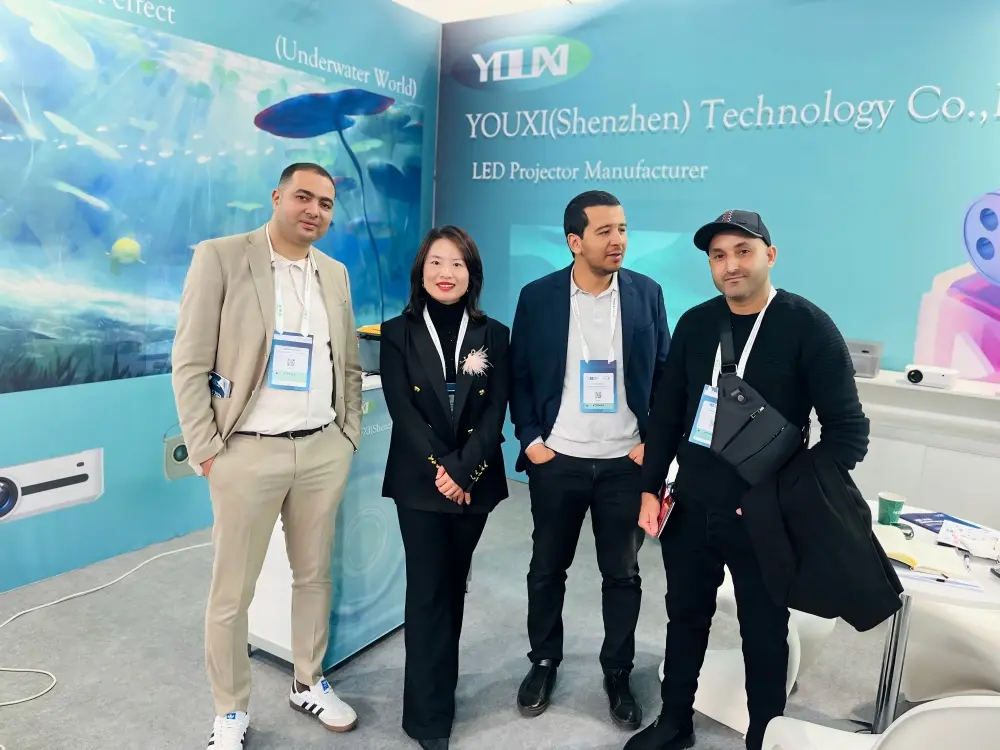
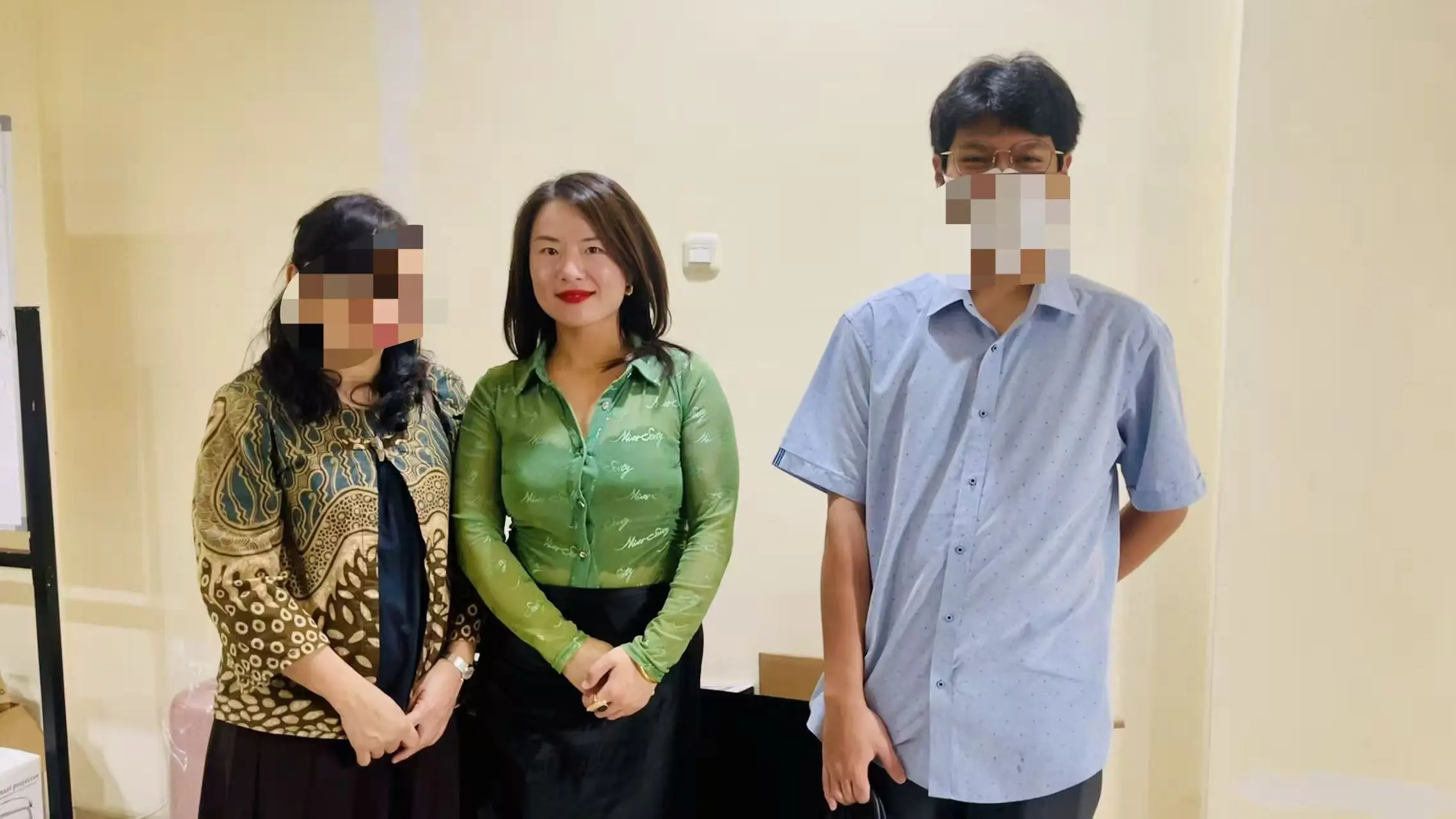
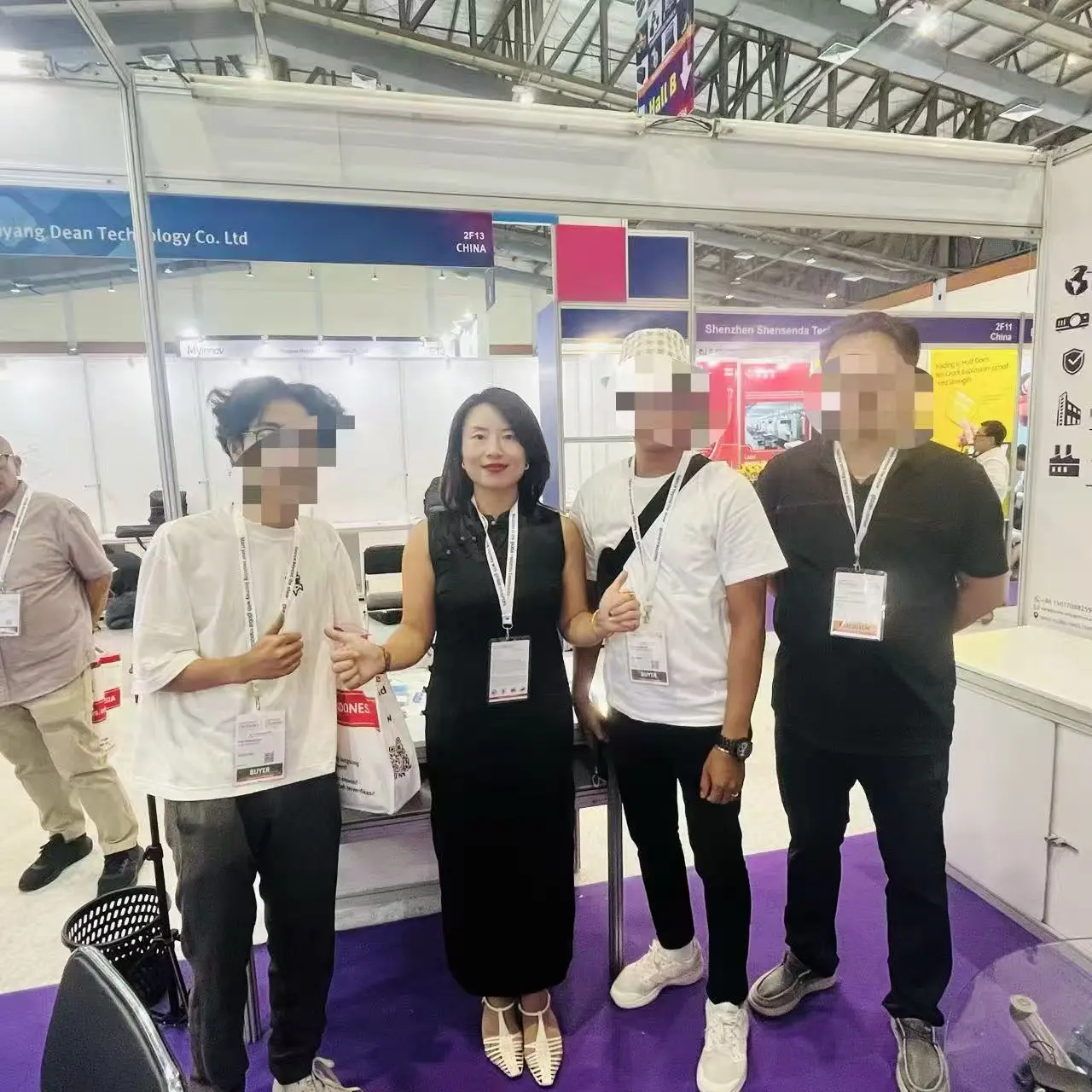
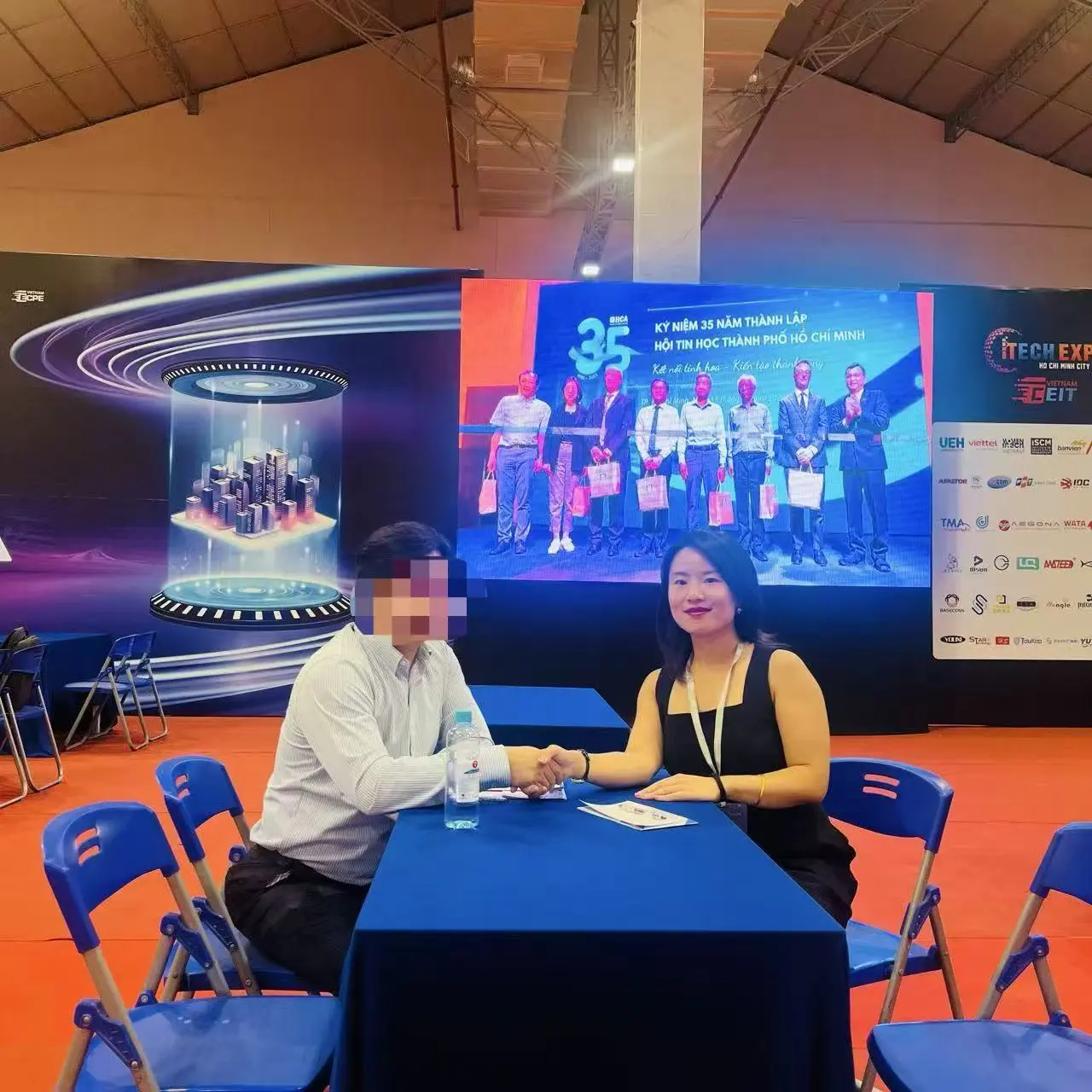
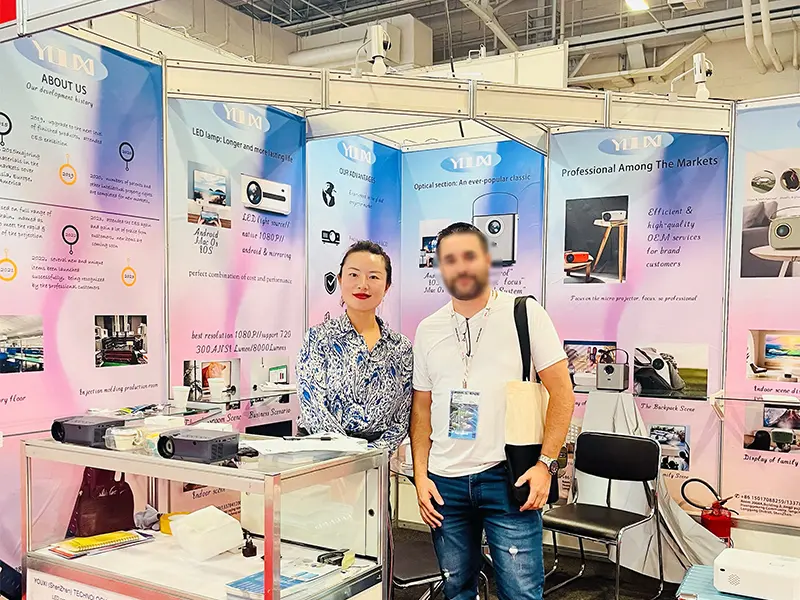
Our export operations are designed to serve markets in Europe, North America, Southeast Asia, and the Middle East. With reliable logistics partnerships, we ensure container loading and dispatch are executed smoothly. Below are some of our operational and logistics footprints:
How Amlogic T950S projectors address specialized demands across commercial, consumer, and educational channels.
Low rendering delays and high-resolution capabilities make these units ideal for spreadsheets, slide presentations, and video conferencing software. Seamless screen mirroring allows multiple team members to connect wirelessly without cables.
Equipped with native decoding of 4K streams and high-luminance output, these systems deliver cinematic quality on blank walls or specialized screens, satisfying the rising consumer demand for portable backyard home theaters.
By running educational apps locally on the Android OS, these projectors operate as standalone interactive tools. Teachers can present online video courses directly, bypass complex system setups, and reduce setup times.
The projector market is rapidly moving toward fully sealed optical engines. Traditional open engines often experience dust entry over time, leading to color degradation, yellow spots, and cooling issues. Sealed engines isolate the optical components, extending their operational lifespan. Additionally, buyers increasingly look for intelligent setup features such as auto-focus, auto-keystone correction, and screen obstacle avoidance. By leveraging the processing power of the Amlogic T950S SoC, these real-time camera-assisted adjustments execute in seconds, making modern projectors highly portable and user-friendly.
Understanding cost structures, customization tiers, and manufacturing models to optimize your import returns.
When requesting a wholesale projector price list, distributors must look beyond the base unit cost. Projector pricing is shaped by several key components: the light engine type (LED vs. Laser), native resolution (720P vs. 1080P), lumen rating (ANSI), and the internal SoC version. The Amlogic T950S chip commands a slight premium over entry-level chipsets, but it offers substantial savings by reducing software debugging times, minimizing app crashes, and supporting long-term Android system updates.
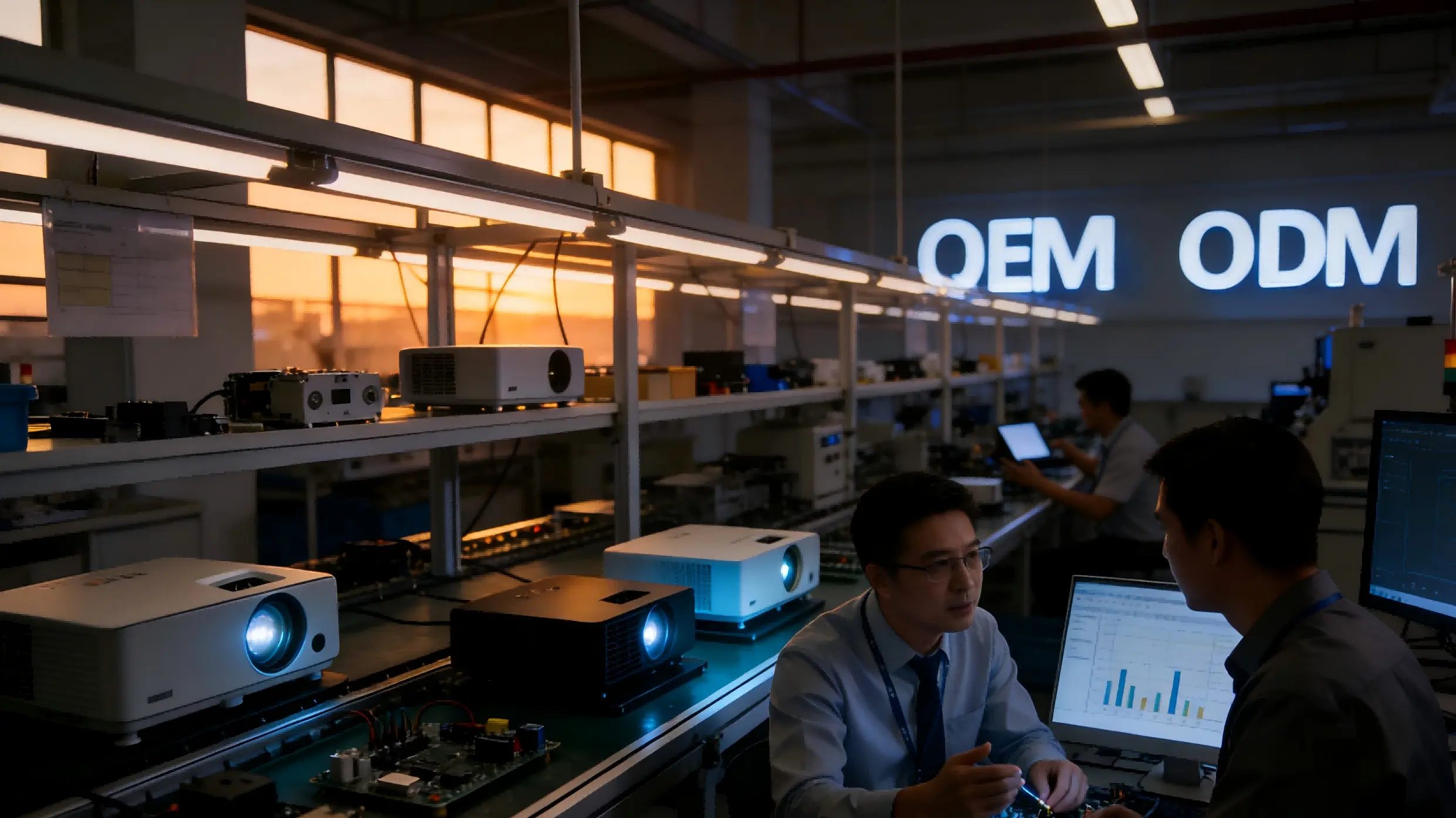
Furthermore, custom requirements will directly influence quotes. At Youxi, we offer three main sourcing models:
Ideal for established brands wanting to apply custom logos, personalized packaging, and custom boot animations to our existing hardware structures. MOQs start at modest levels with fast shipping windows.
For custom mold requirements, dedicated PCB motherboard layouts, customized port configurations (e.g., dual HDMI, specific audio outputs), and unique thermal solutions. We manage the development from concept to tooling.
For large enterprise clients who specify proprietary components (such as specialized glass lenses, high-end LEDs, or custom wireless modules). We integrate these directly into our production lines.
Technical and commercial answers to simplify your strategic purchasing decisions.
The Amlogic T950S features a quad-core architecture with native 4K decoding and HDR10 support. It provides the processing overhead required to run modern Android applications and streaming platforms without lagging, which drastically reduces end-user product returns due to system freezes.
Our sealed optical engines isolate the LCD panels, mirrors, and lenses from the external environment. This prevents dust accumulation (which creates black spots on screen) and prolongs the projector's operational lifespan compared to open-air optical engines.
Pricing is determined by: (1) Optics: resolution (720P vs. 1080P) and brightness (ANSI Lumens); (2) Software licenses (e.g., official Netflix or Google TV certifications); (3) Customization level: customized packaging, custom logos, or bespoke injection tooling; (4) Total order volume.
For standard OEM branding on existing models, delivery is usually completed within 20 to 30 days. For custom ODM orders requiring tooling modifications, the timeline typically spans 45 to 60 days to allow for tooling trials, validation, and trial production runs.
We deploy a multi-stage testing process. Raw materials undergo incoming inspections, followed by a check immediately post-assembly. Before shipment, random sample inspections are conducted, and units undergo continuous parallel aging tests in our dedicated chambers running up to 200 units simultaneously.
Discover our selection of native 1080P, ultra-zoom, and short-throw business projectors for global delivery.
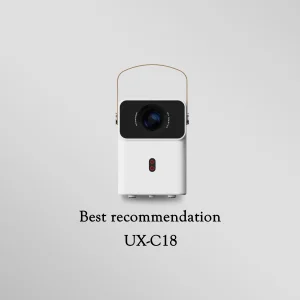
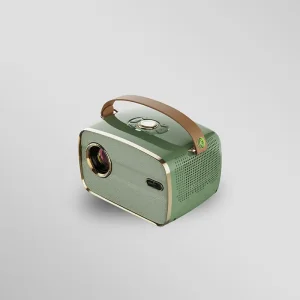
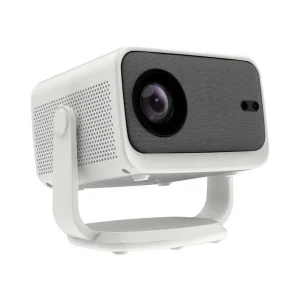
 Youxi projection