
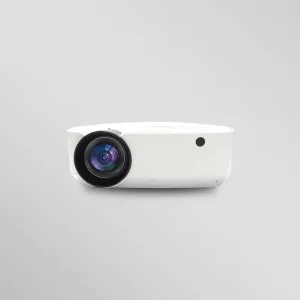
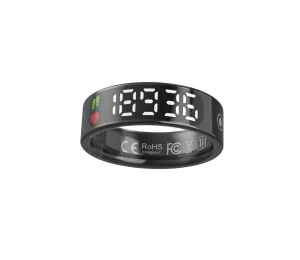
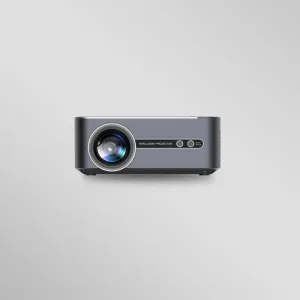
The landscape of global projection technology has undergone a fundamental paradigm shift. Historically centered on traditional optical manufacturing corridors in Western Europe and Japan, the global supply chain has consolidated within China's high-tech manufacturing clusters. Today, Chinese projector brands and factories account for over 75% of global output, transitioning from basic hardware assembly to leading the frontier of modern optoelectronic development. This revolution is driven by hyper-localized supply chains, vertical integration, and rapid iterations of intelligent projection systems.
Chinese manufacturers have redefined projection performance by pioneering advancements in Solid-State Light Sources (SSL), including Solid-State LED and Direct Laser Diode engines. The optical valley of Southern China, with Shenzhen and Dongguan at its core, provides instant access to key raw materials: optical-grade high-transmittance glass, precise LED drivers, advanced heatsink profiles, and sophisticated CMOS/LCD panel matrices. This dense network allows Chinese manufacturers to prototype, test, and scale advanced projection devices at a fraction of the time required by international competitors.
From mechanical design and optical calculations to hardware schematic layout and customizable Android ROM development, we manage the entire lifecycle to guarantee structural integrity.
Optical engine assemblies require strict environmental control. Our dedicated 5S dust-free environments eliminate sub-micron particles, preventing optical spots and dead pixels.
Our QA process spans three key phases: Incoming Quality Control (IQC) on optoelectronic components, Input Process Quality Control (IPQC) post-assembly, and final Pre-Shipment Inspections.
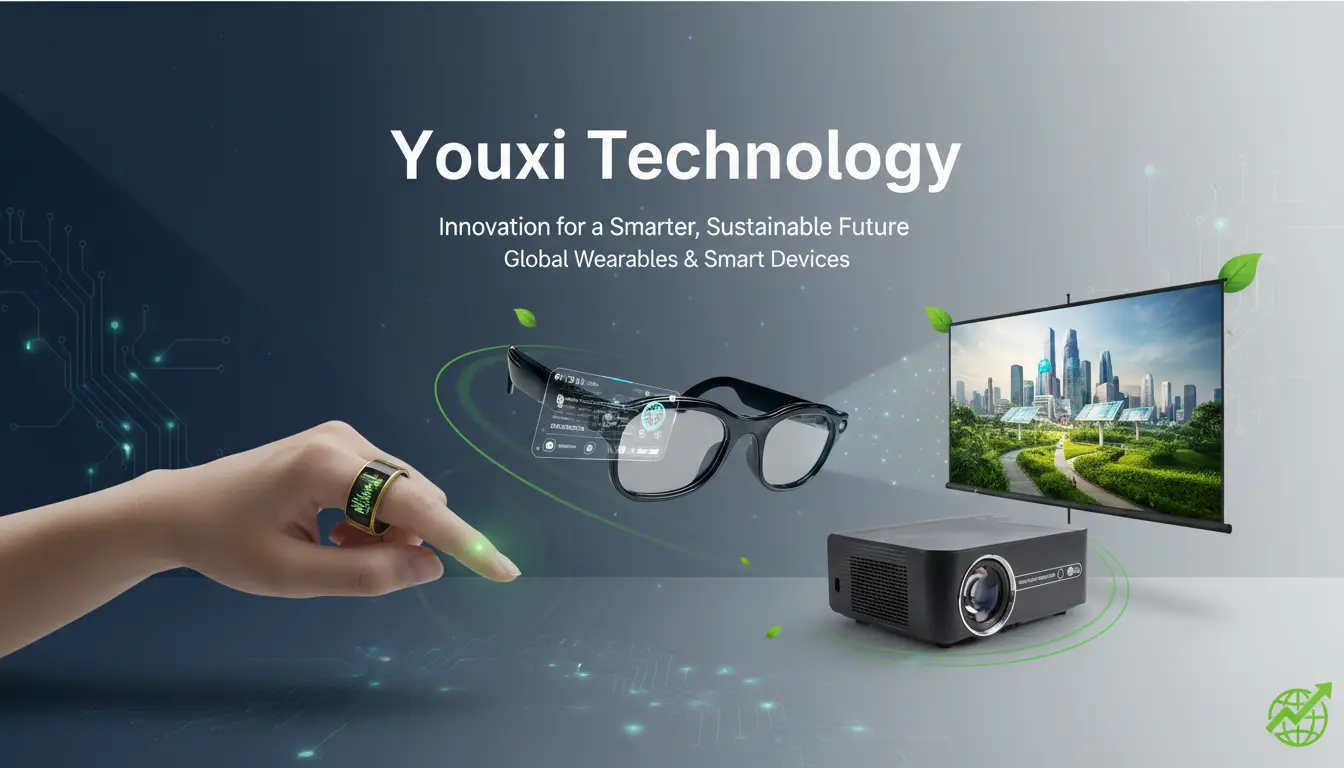
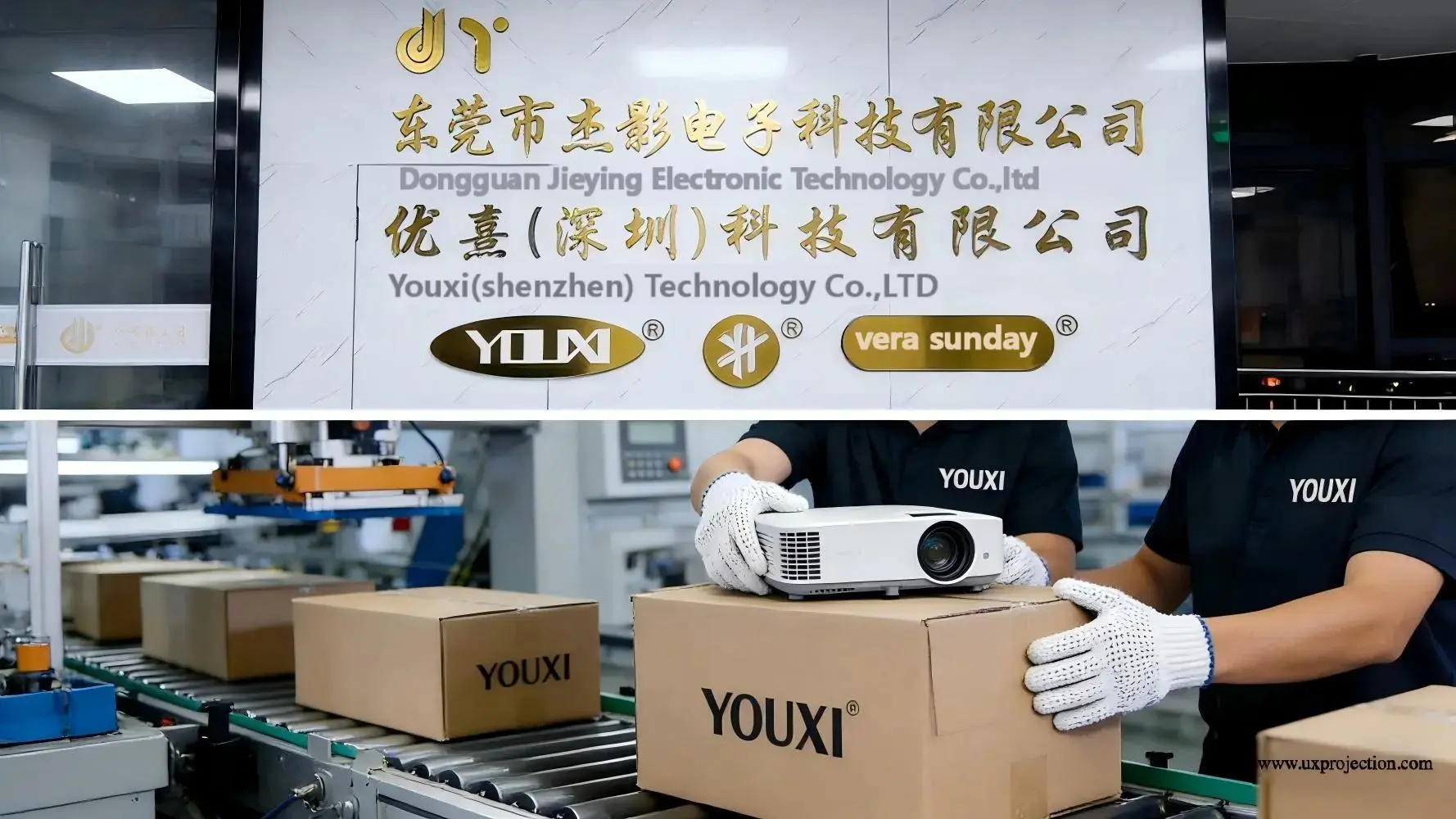
Established in April 2021, Youxi Technology has emerged as a premier manufacturer specializing in the research, development, and system integration of intelligent projection hardware and consumer smart wearables. Our operational model focuses on combining high-performance optical output with modern smart operating software. By maintaining complete control over our design processes, optoelectronic assemblies, and validation matrices, we ensure that every projector meets strict international standards, including CE, FCC, RoHS, and CCC.
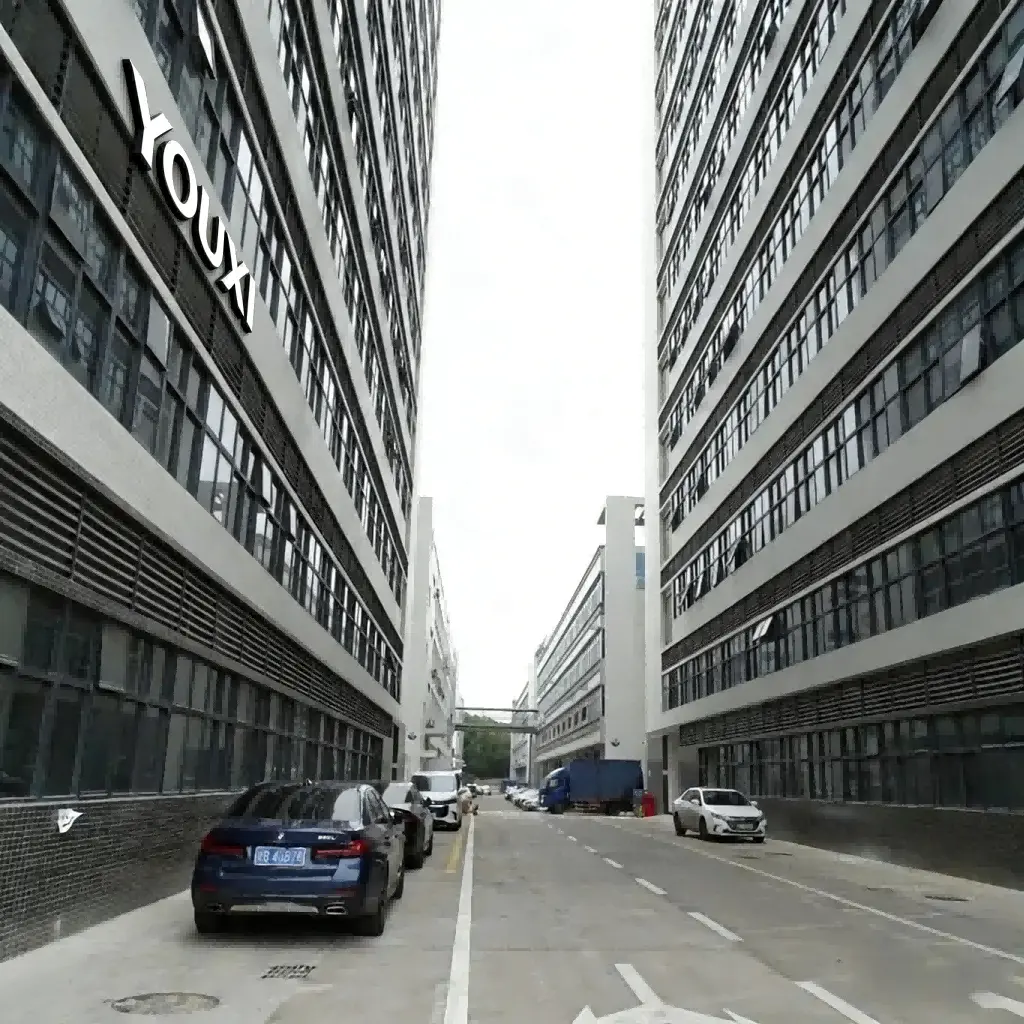
Headquartered in Shenzhen, a global hub for hardware innovation, our core design team operates in close proximity to major component providers. To scale manufacturing, we operate a specialized 1,000-square-meter assembly and optical alignment facility in Fenggang Town, Dongguan City. This facility bridges the gap between R&D and mass assembly, utilizing advanced production infrastructure, automated optical alignment fixtures, and standardized testing systems.
Direct photographic insights from our production facilities, showing our cleanrooms, specialized optical labs, and shipping staging docks.
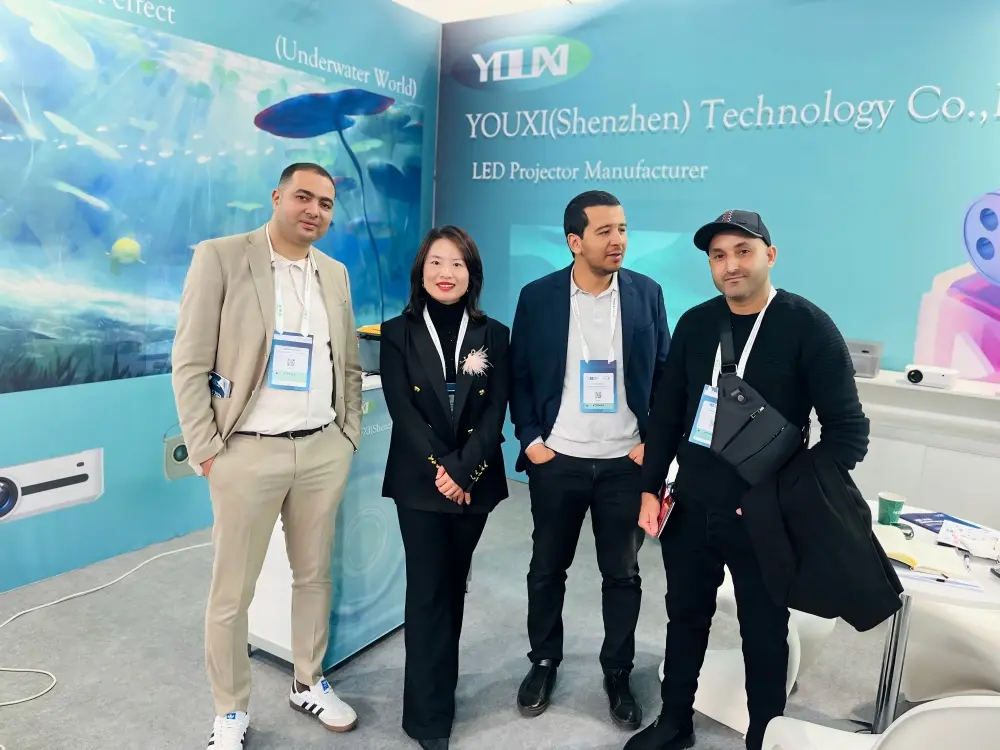
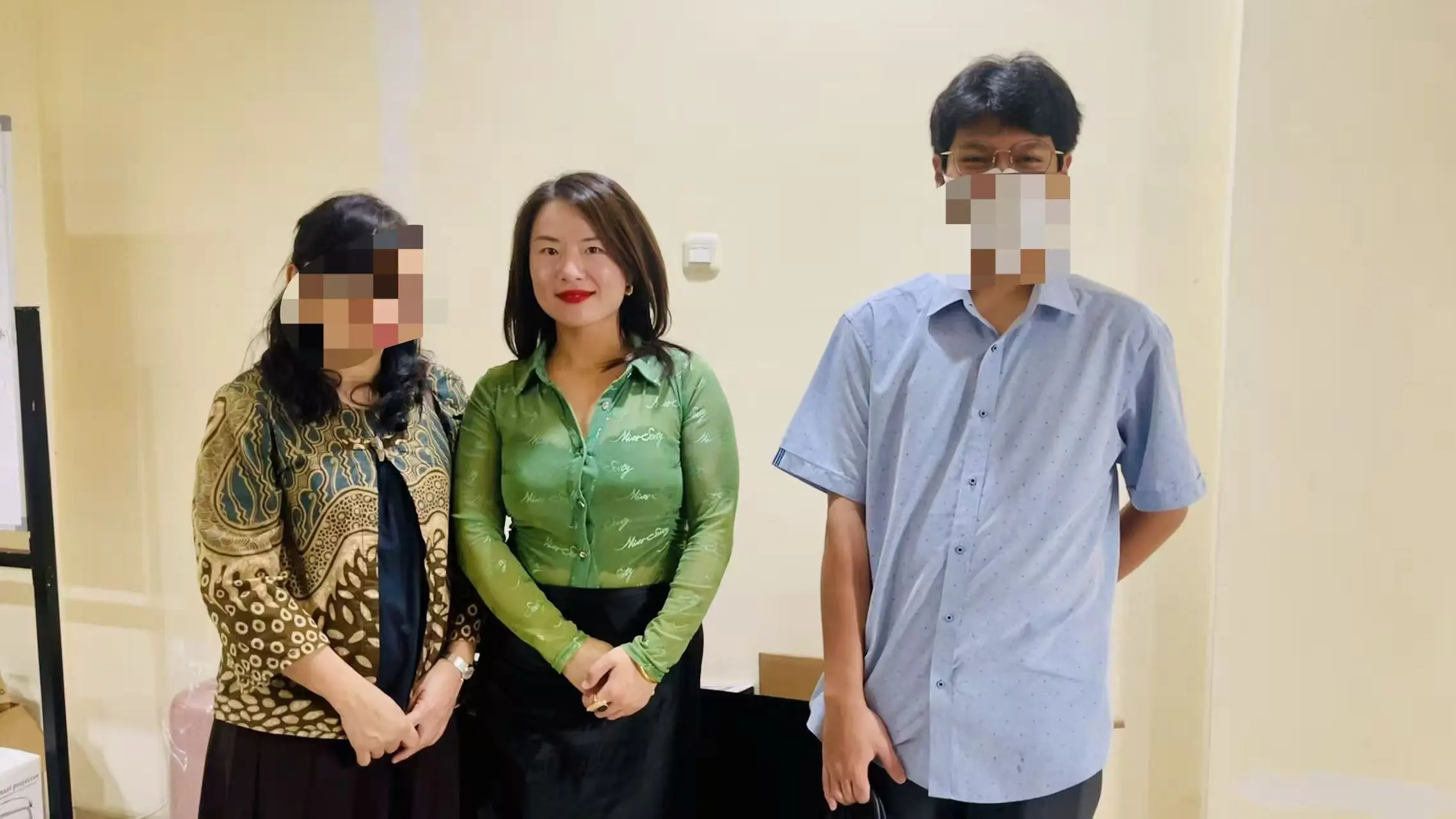
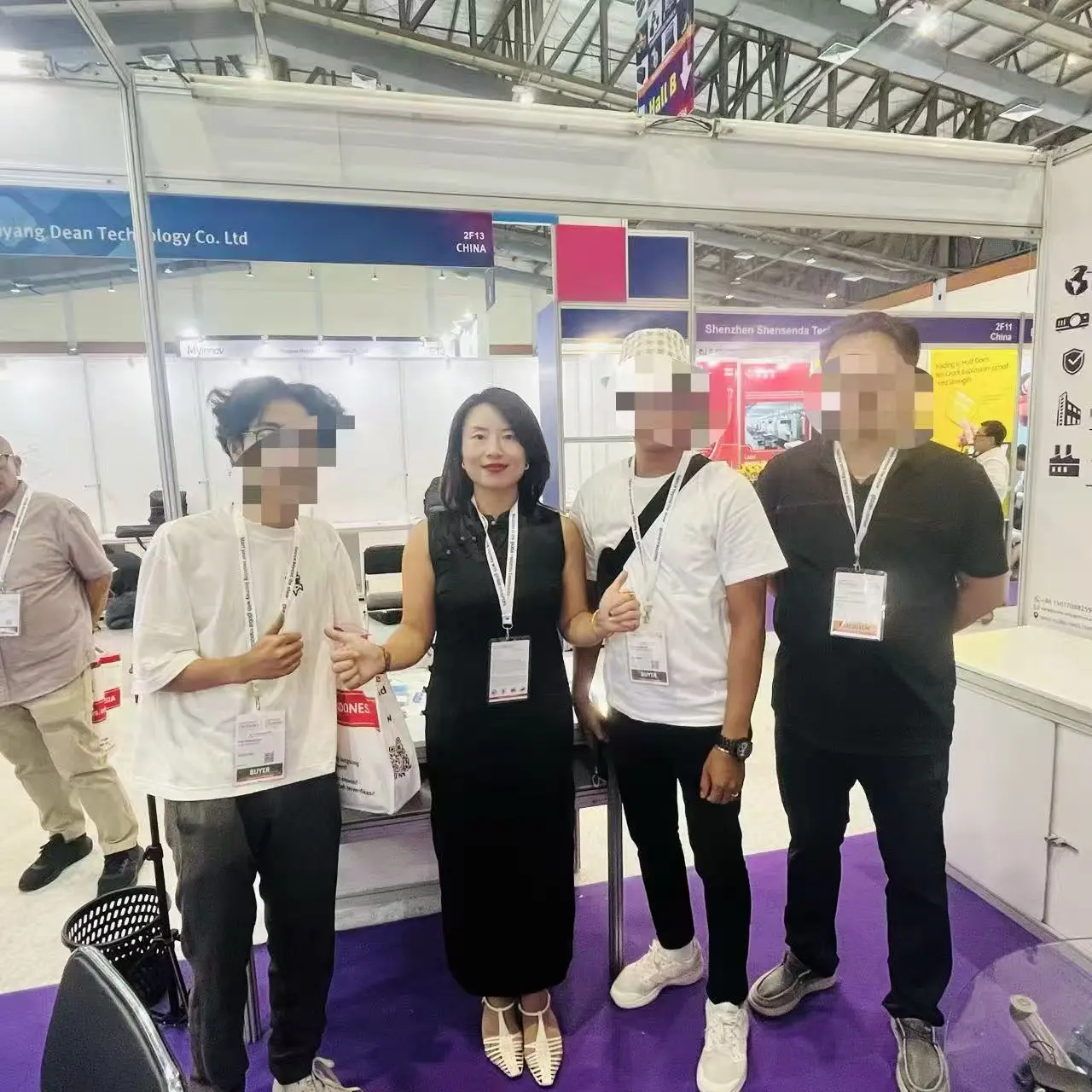
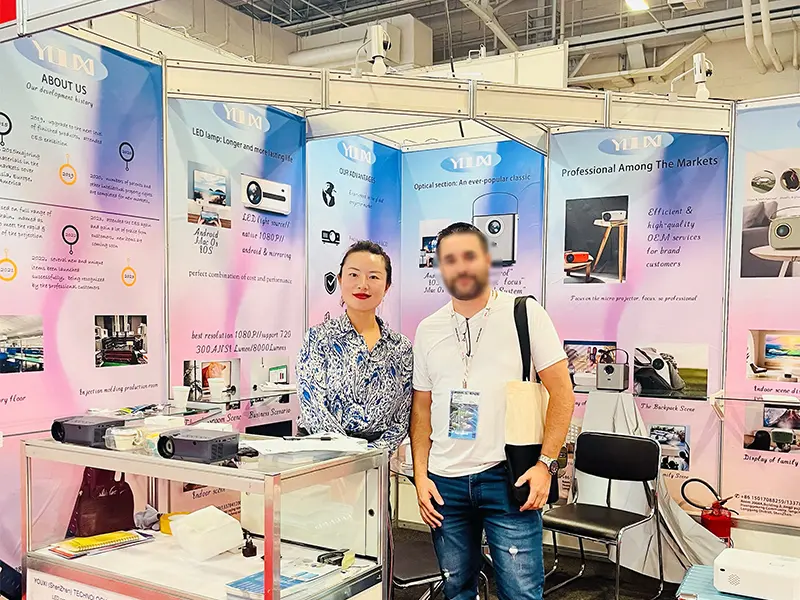
Examine the five key phases of our manufacturing process. We ensure high-transmittance optical light paths, clean mechanical builds, and reliable electronics.
The industrial and mechanical design of a projector requires precise structural engineering. Our mold and injection molding facility is located adjacent to our main assembly lines. Equipped with high-precision CNC machining centers and advanced plastic injection machinery, this facility produces projector enclosures with low tolerances. This precise chassis manufacturing ensures proper optical component alignment, minimizes light leakage, and supports structured thermal airflow patterns designed to prevent internal heat buildup.
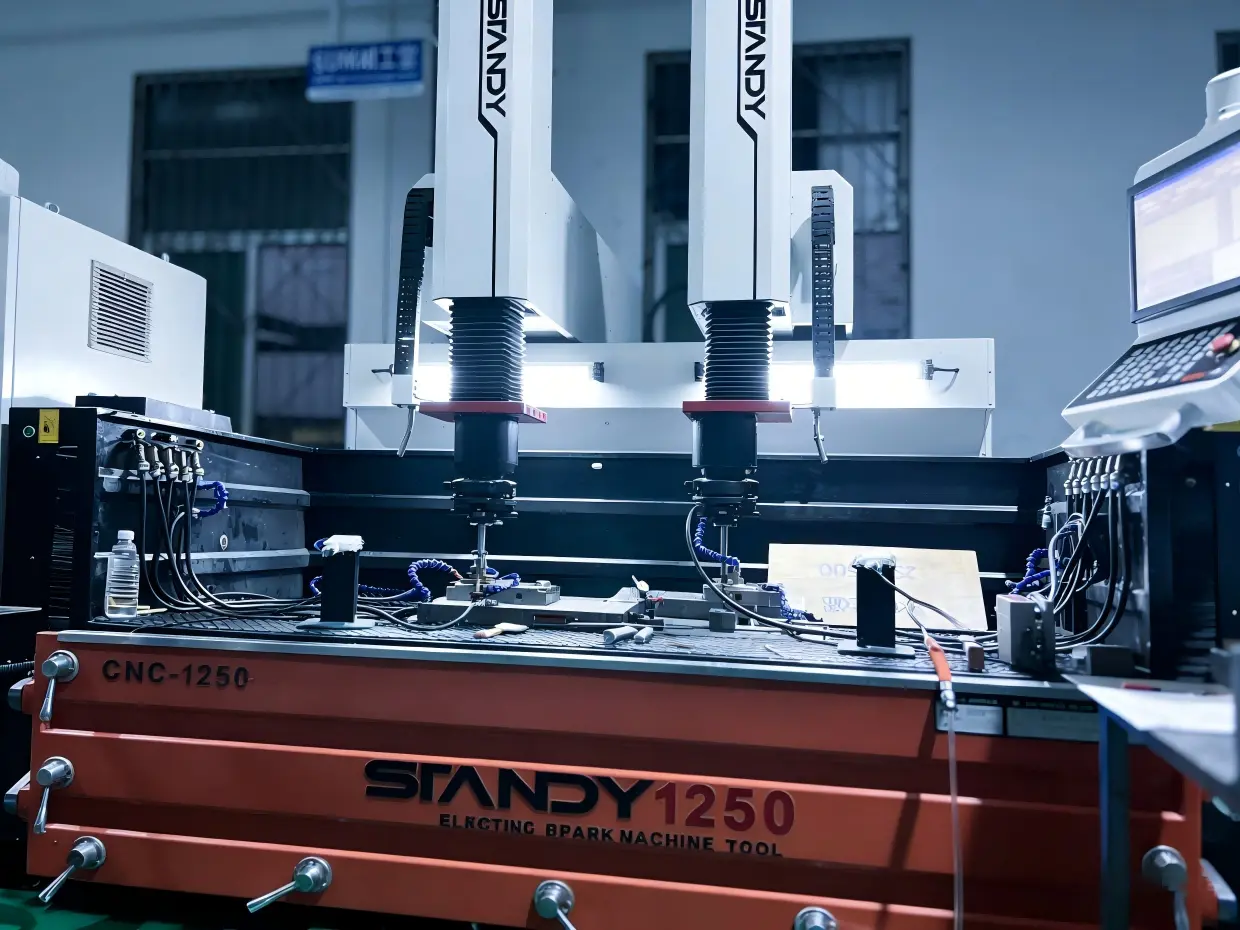
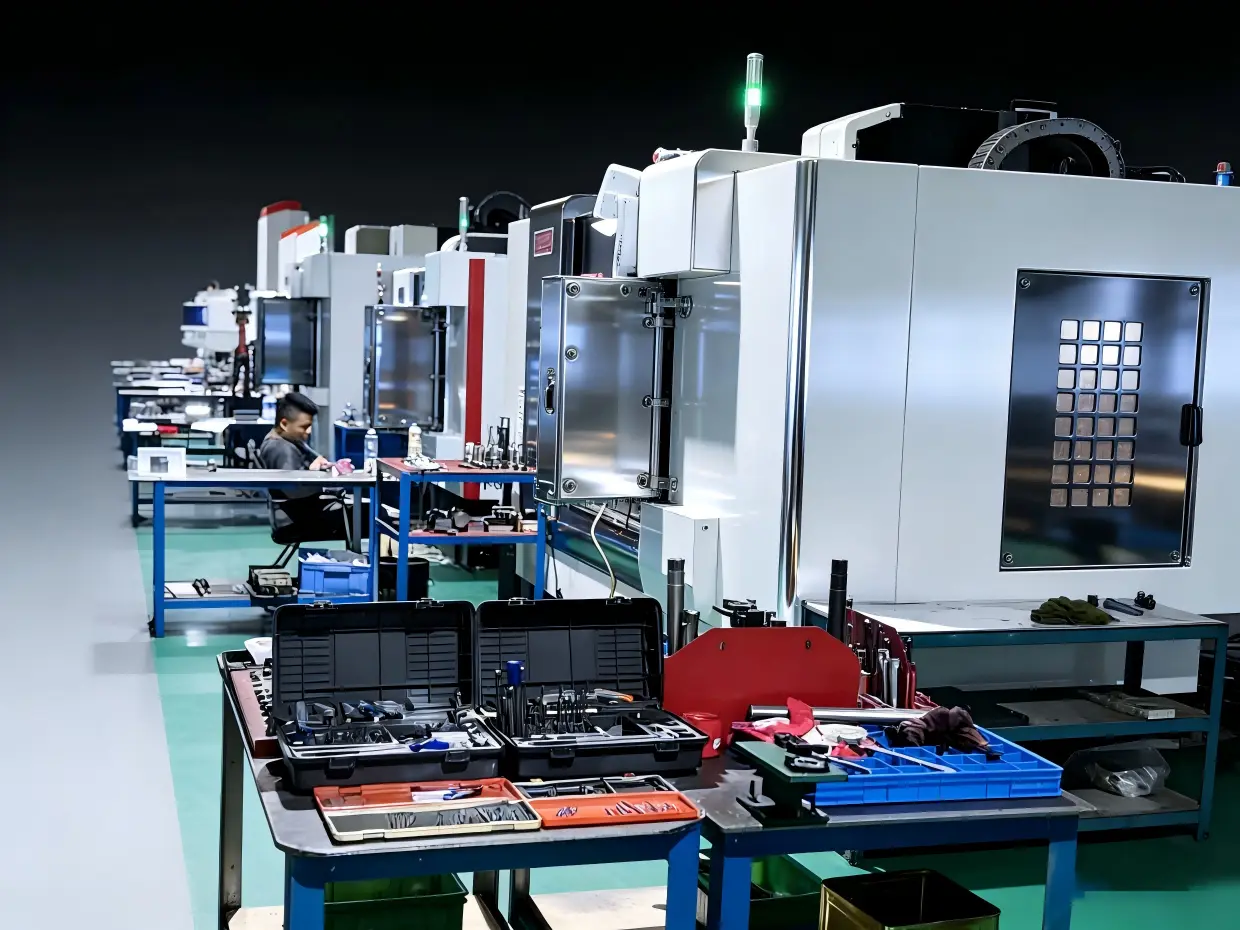
Spanning a dedicated area of 4,000 square meters, our main manufacturing floors are divided into raw material staging, component assembly, and electronic testing. We maintain standardized 5S cleanroom assembly environments for all optical engine operations. This setup keeps the light paths, LCD matrices, mirrors, and condenser lenses free from dust particles, eliminating optical spots on the projected image. Our team of over 100 technicians produces up to 50,000 units monthly under high efficiency.
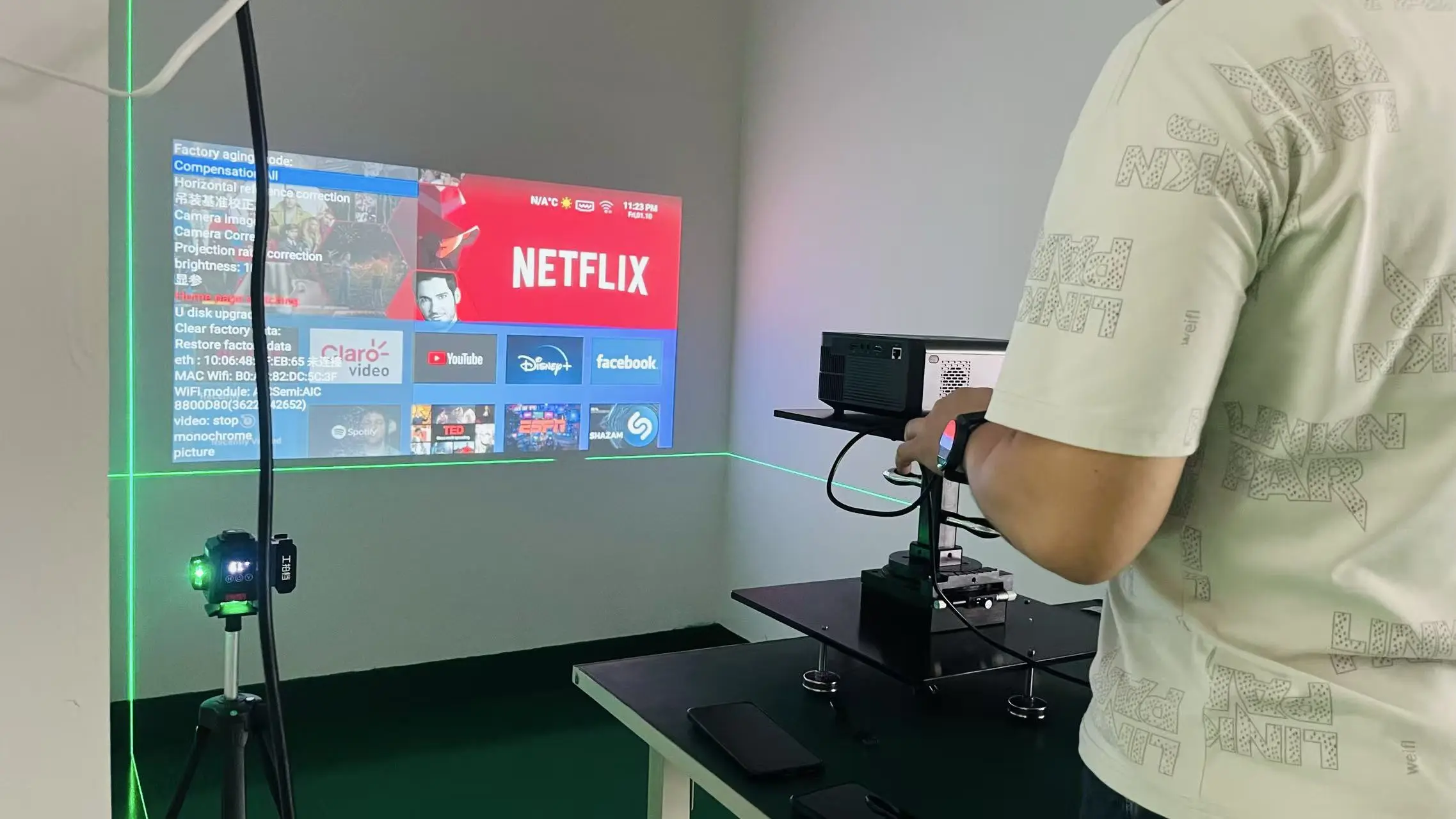
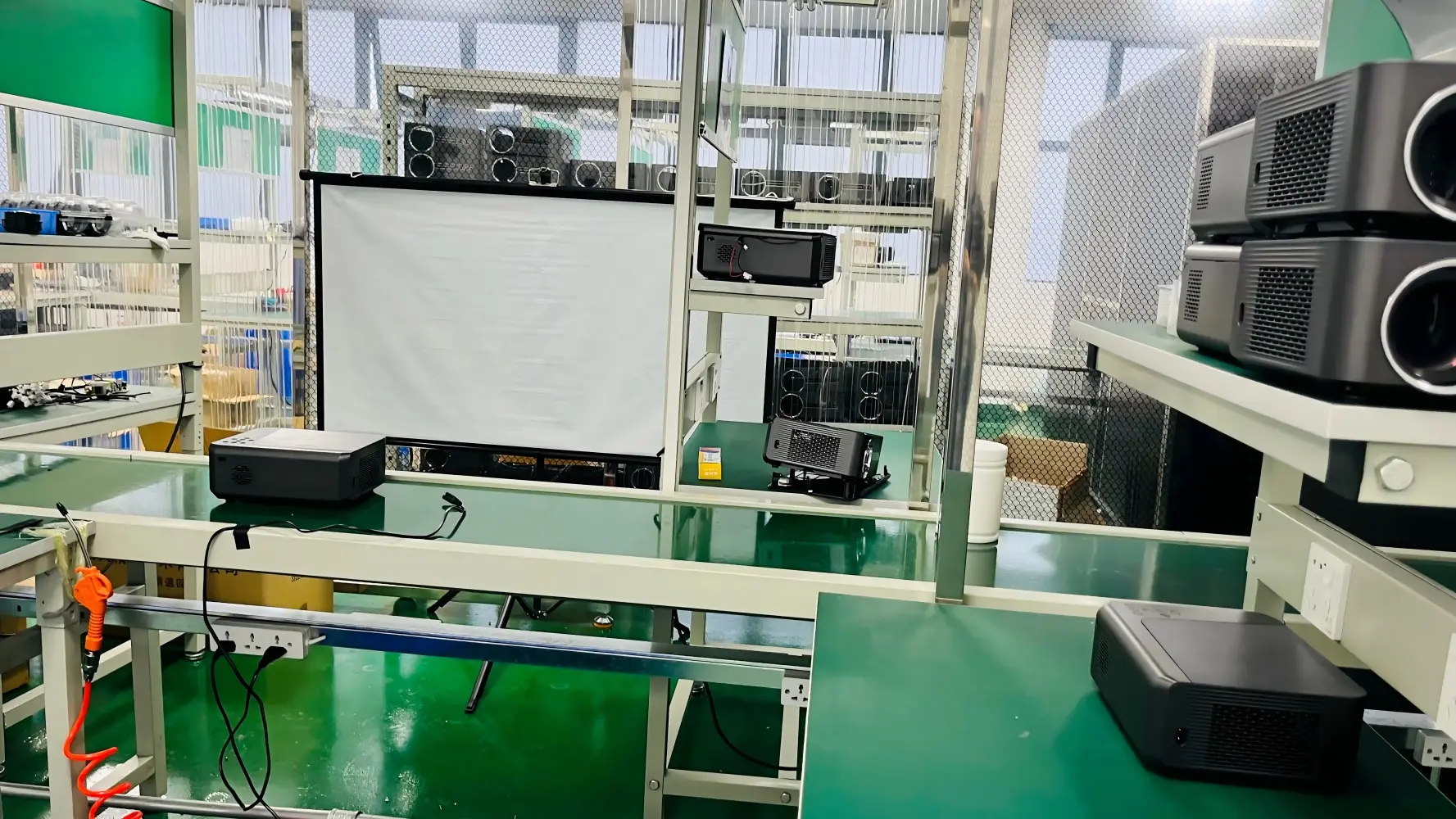
To reduce post-sale defect rates, we operate 12 specialized diagnostic test rooms staffed by trained QA inspectors. Every device undergoes strict testing at multiple stages: initial structural evaluation, optic path inspection, focus sweep validation, and software interface testing. We use colorimeters, illuminance meters, and high-resolution cameras to verify that parameters such as ANSI lumen output, NTSC color gamut coverage, and MTF (Modulation Transfer Function) focus sharpness match target specifications.
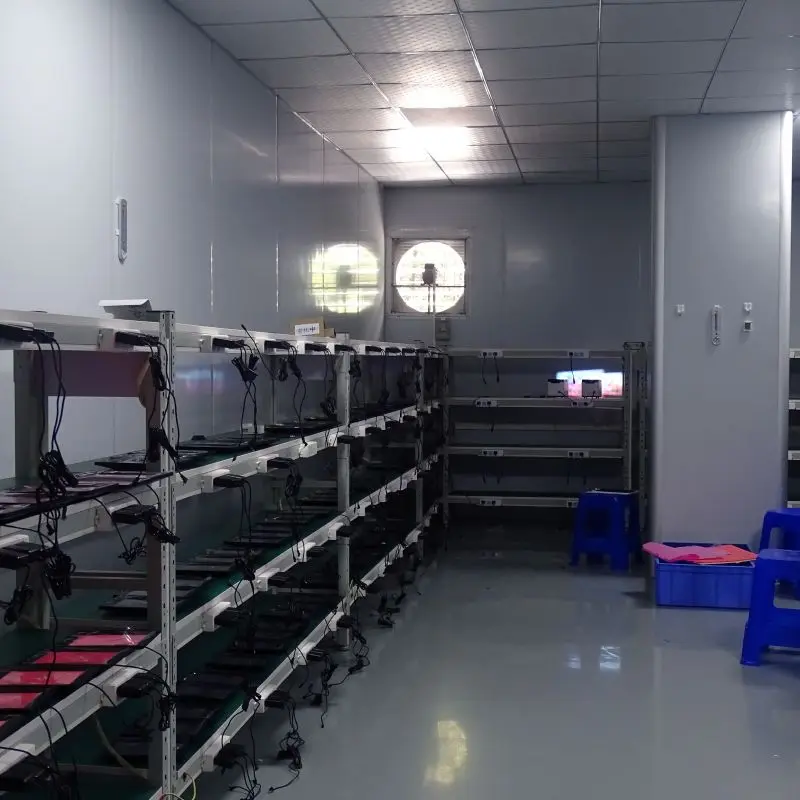
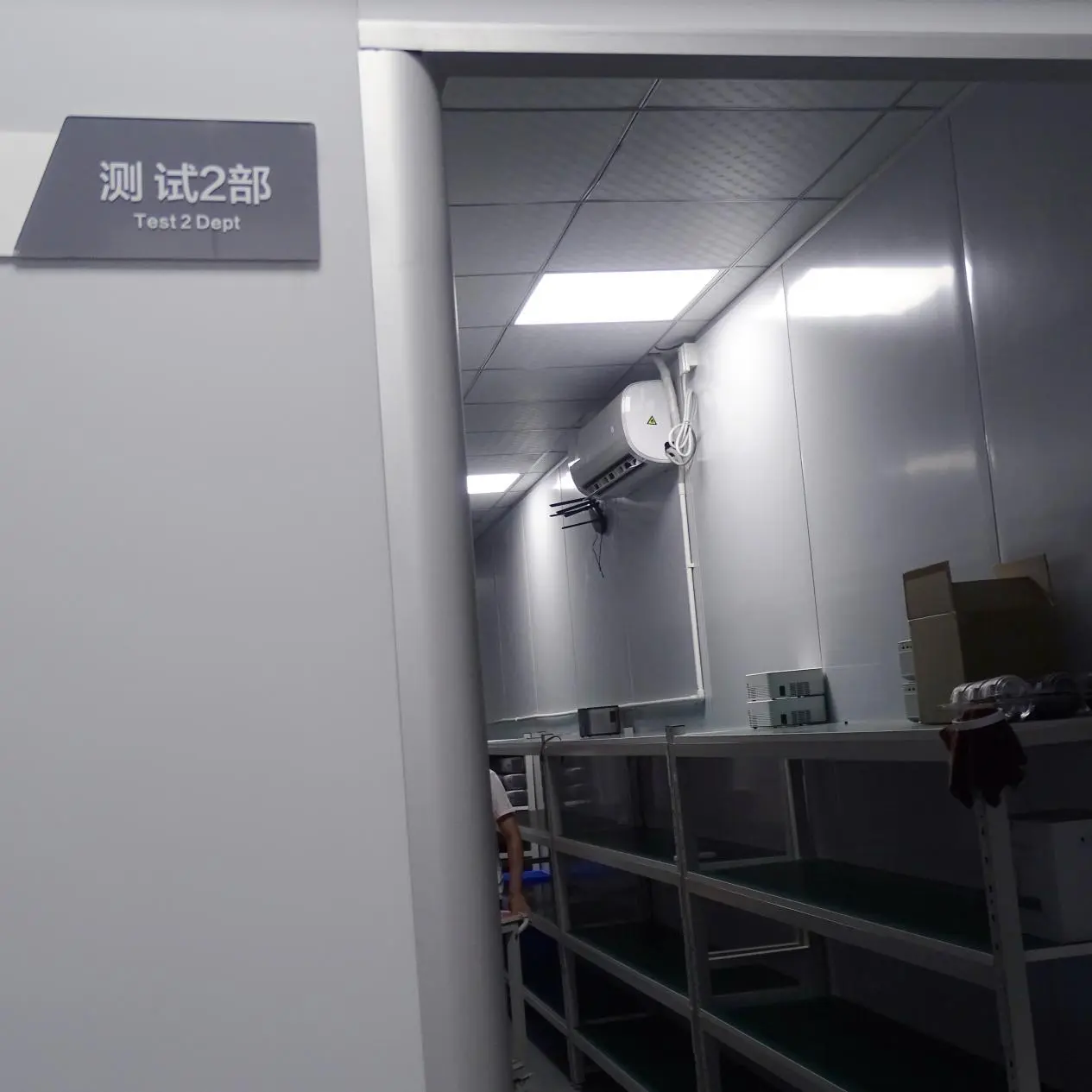
Infant mortality of optoelectronic components remains a primary source of hardware failure in projection devices. To screen for these early failures, we run high-temperature thermal stress tests. Located next to our testing rooms, our temperature-controlled aging chambers can run tests on up to 200 projectors simultaneously. Each unit undergoes continuous operational testing for at least 4 to 8 hours. During this phase, we monitor power draw, LED temperature control, fan noise, and wireless connection stability under full thermal loads.
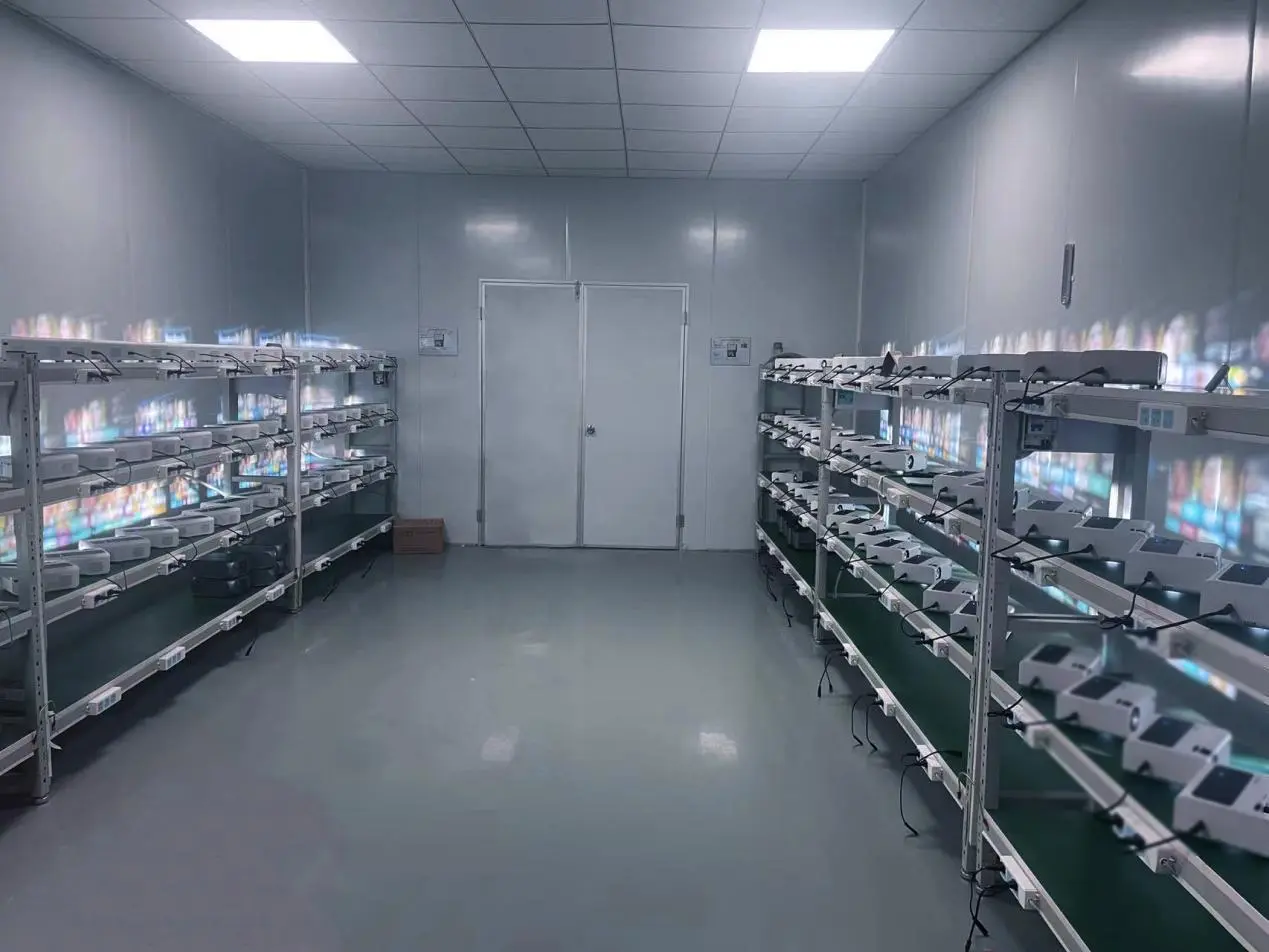
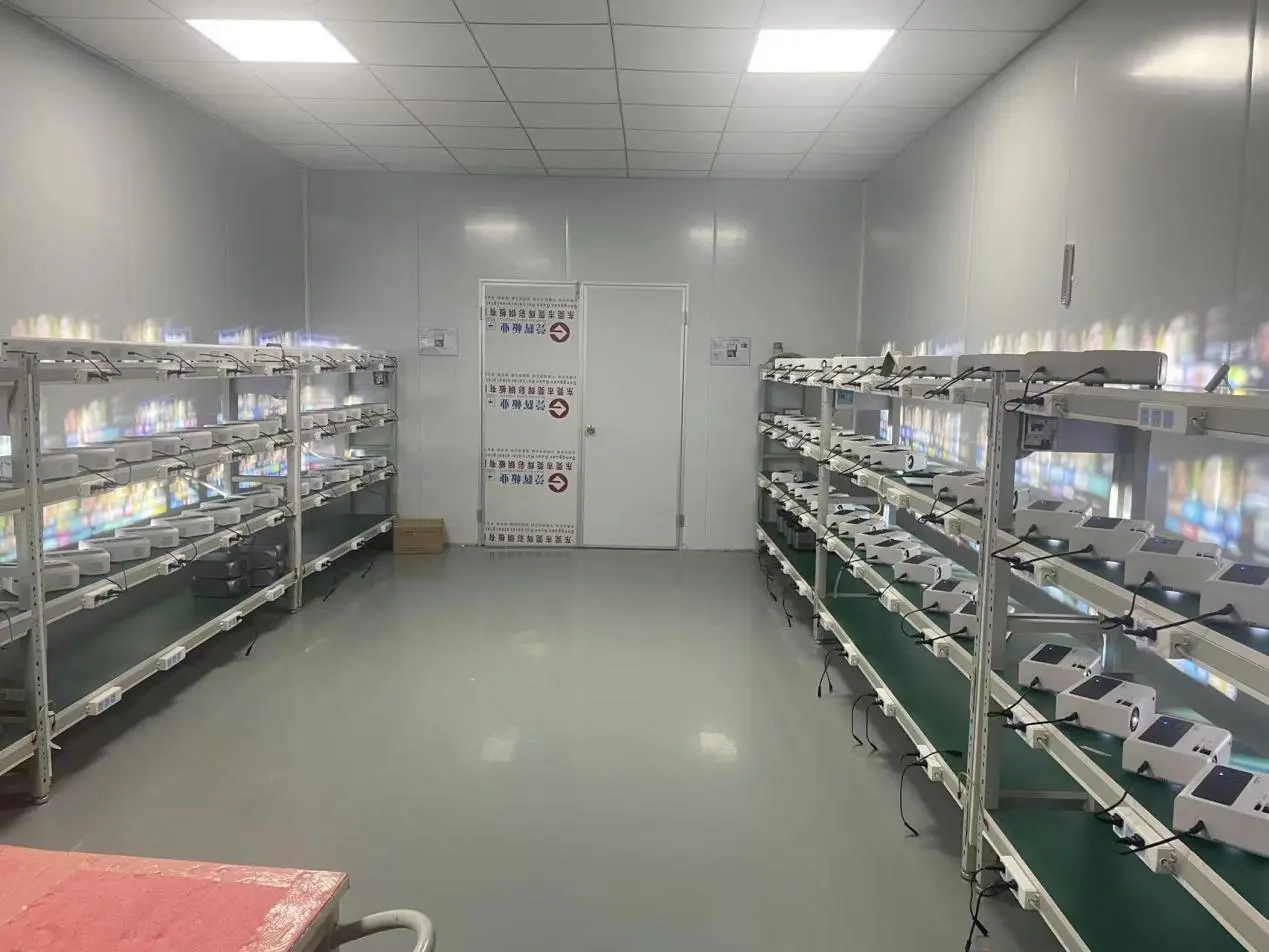
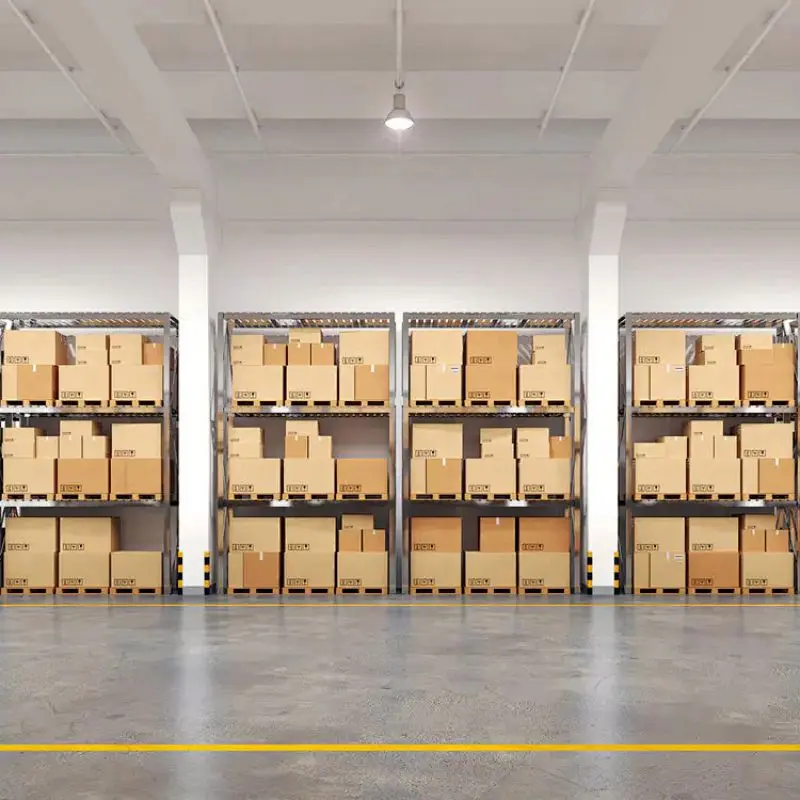
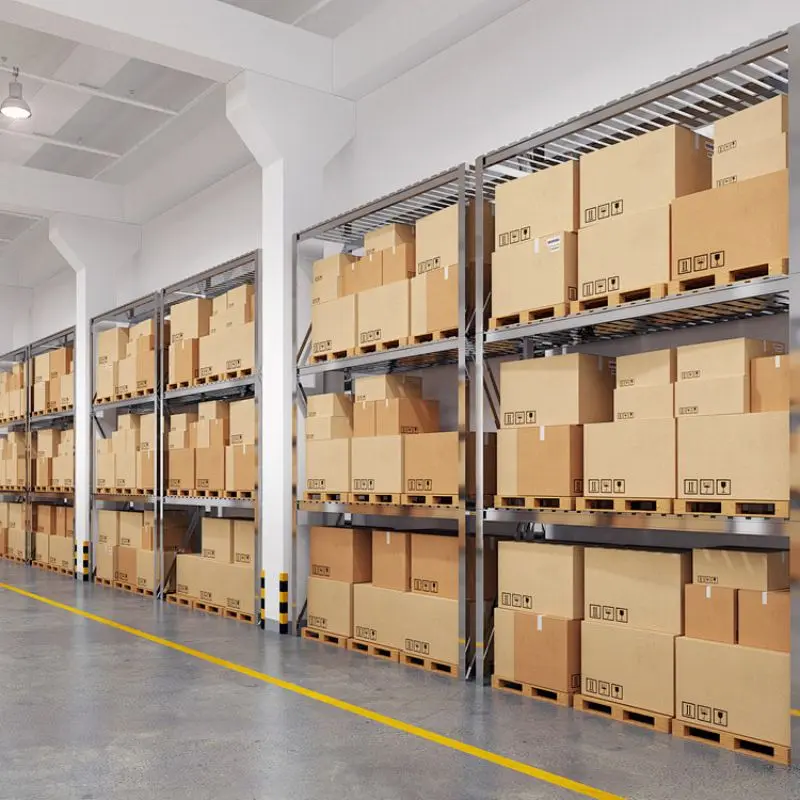
Once products are verified and packaged, they are moved to our 300-square-meter warehouse, located near the packaging area. Our inventory management system tracks all stock, keeping production runs separated by color, OEM branding, firmware versions, and regional certifications. This system ensures clean separation of batches and accurate logistics handoffs, allowing us to quickly load shipping containers for global delivery.
When sourcing smart projectors, B2B procurement managers must evaluate the core optical architecture: Single-Panel LCD vs. Digital Light Processing (DLP) engines. Single-panel LCD systems use a high-density liquid crystal panel paired with a powerful white LED light source. The light passes through the LCD panel to create the image. This approach is highly cost-effective and produces sharp 1080P and 4K resolutions, making it ideal for budget-conscious home theaters and entry-level business displays. Modern closed-path LCD designs from Chinese factories protect the optical engine from dust, reducing maintenance and extending operating life.
Conversely, DLP technology relies on a DMD (Digital Micromirror Device) chip combined with a color wheel or multi-channel LEDs. The DMD chip contains millions of microscopic mirrors that tilt toward or away from the light source to project pixels. DLP systems offer high native contrast, excellent fast-motion handling, and compact designs, making them popular for portable outdoor displays and premium home theater systems. Understanding these technical trade-offs allows buyers to align their product specs with local market demands.
Smart Operating Systems & Custom ROMs: Standard projectors have evolved into standalone smart hubs. Modern designs integrate quad-core ARM processors, dedicated GPUs, and customized Android OS layers. This software enables native streaming, screen casting via Miracast or AirPlay, and automatic updates over Wi-Fi.
Auto-Focus & Digital Keystone Correction: Traditional manual focus ring adjustments are being replaced by automated alignment systems. By pairing Time-of-Flight (ToF) sensors and front-facing CMOS camera modules with DSP algorithms, today's projectors automatically adjust focus and keystone correction within seconds of placement.
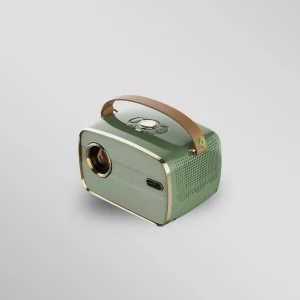
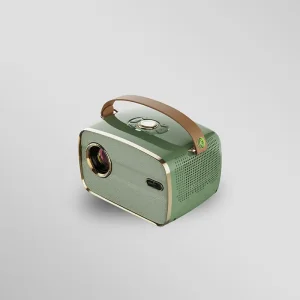
1. Portable Home & Cinematic Living Room Setups: Today's consumers expect large-screen entertainment without bulky hardware. Lightweight, modern home projectors fit easily into residential spaces. Equipped with Android systems, built-in stereo speakers, and low-noise cooling systems, these units function as portable entertainment hubs.
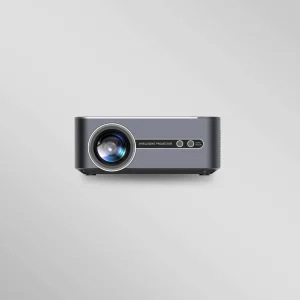
2. High-Brightness Business Office & Classroom Presentations: Professional environments require reliable projection, often in rooms with ambient light. High-output LED and laser light sources, combined with detailed glass lenses, ensure presentation slides remain clear and readable. Features like auto-focus and quick-setup options help minimize meeting downtime.
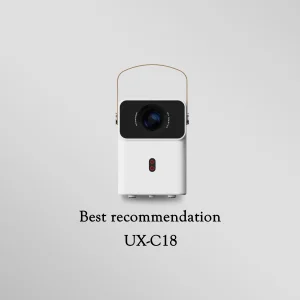
3. Rugged Outdoor Portability & Adventure Kits: The outdoor projector segment has grown significantly. These units feature compact enclosures, built-in rechargeable batteries, robust Wi-Fi connections, and shock-resistant designs, making them ideal for camping trips and backyard movie nights.
4. Multi-Display Setups & Creative Signage: Short-throw and ultra-short-throw projectors are increasingly used in commercial retail displays, digital art galleries, and immersive exhibits, delivering large-scale visual installations in compact spaces.
"Procurement decisions should look beyond cost per unit. Evaluating lens quality, color accuracy, thermal cooling noise, and software compatibility ensures a reliable product that minimizes warranty returns."
For importers, distributors, and brand owners, navigating Chinese manufacturing hubs requires an understanding of regional supply chain dynamics. Selecting a production partner involves evaluating more than just quoted unit prices. Buyers must assess the supplier's technical capability, production capacity, and quality management systems.
A key factor in this evaluation is the proximity of the manufacturing facility to major shipping hubs. For example, Youxi Technology's main offices in Shenzhen sit close to the region's core component suppliers, while our primary assembly site in Fenggang, Dongguan is positioned within easy reach of Shenzhen's logistics networks. Located just 40 minutes from the Port of Hong Kong, this setup enables fast container loading, efficient customs handling, and reliable shipping schedules to international markets.
We support customized branding options, including silk-screened logos, custom startup animations, modified packaging designs, and custom-molded enclosures to help partners build distinct product identities.
For projects with specific requirements, we build to custom material sheets, integrating specified optics, processors, and interface layouts to meet regional market standards.
We ensure our products are ready for import by complying with regional regulations, including CE, FCC, RoHS, and WEEE standards, facilitating smooth customs processing.
Direct, technical answers addressing the key procurement, logistics, and quality assurance questions asked by international buyers.
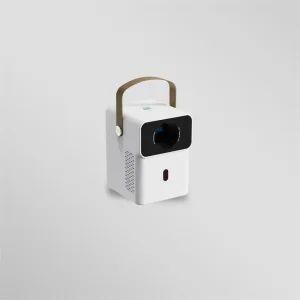
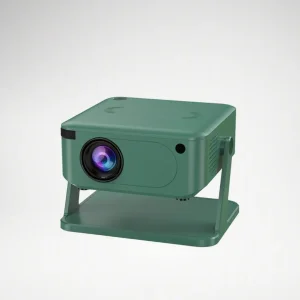
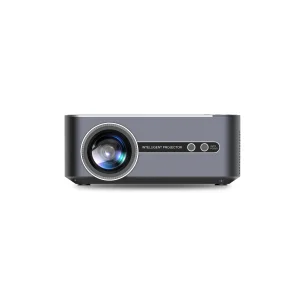
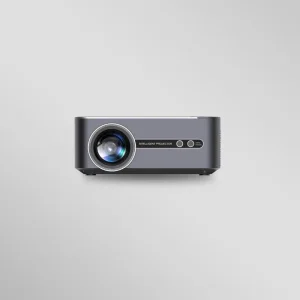
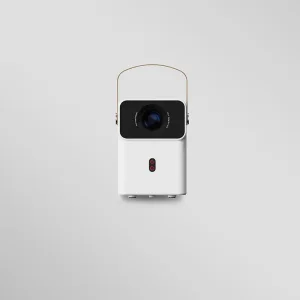
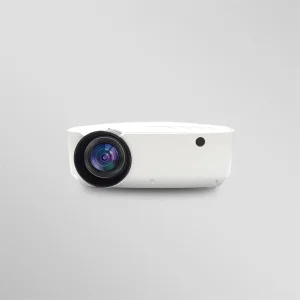
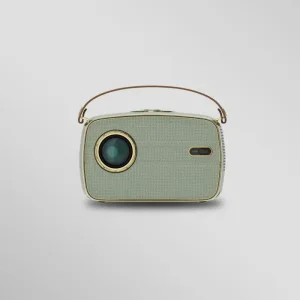
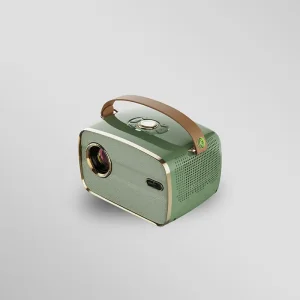
Have technical specifications, customization requests, or project requirements to discuss? Our engineering and sales team is available to review your inquiry and provide detailed feedback.
 Youxi projection