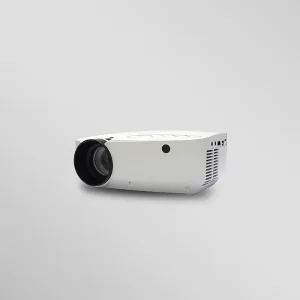
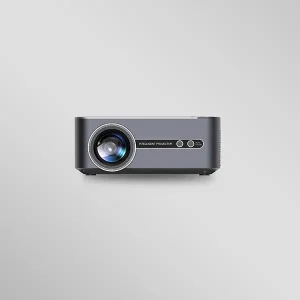
Explore our leading commercial, residential, and portable projection systems built on advanced optical engines and high-efficiency manufacturing standards.
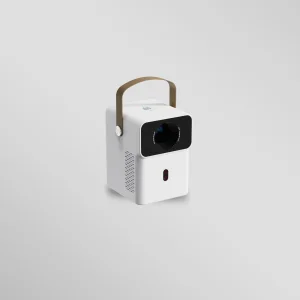
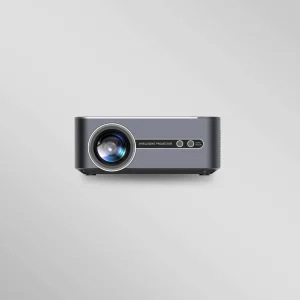
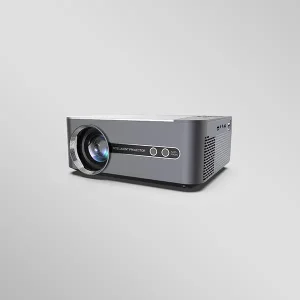

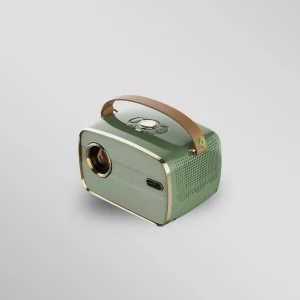
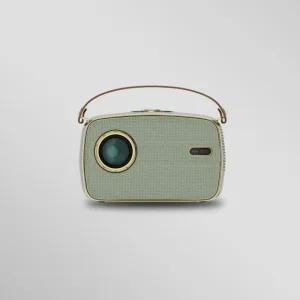
Over the past decade, the global projection landscape has undergone a monumental structural shift. Previously dominated by legacy Japanese and European projection brands, the marketplace has transitioned towards vertically integrated manufacturing bases in mainland China. Today, the term Chinese Projector Factory denotes not just cost-efficient assembly lines, but the global epicenter of optical research, optomechanical miniaturization, software integration, and consumer-grade smart projection innovation.
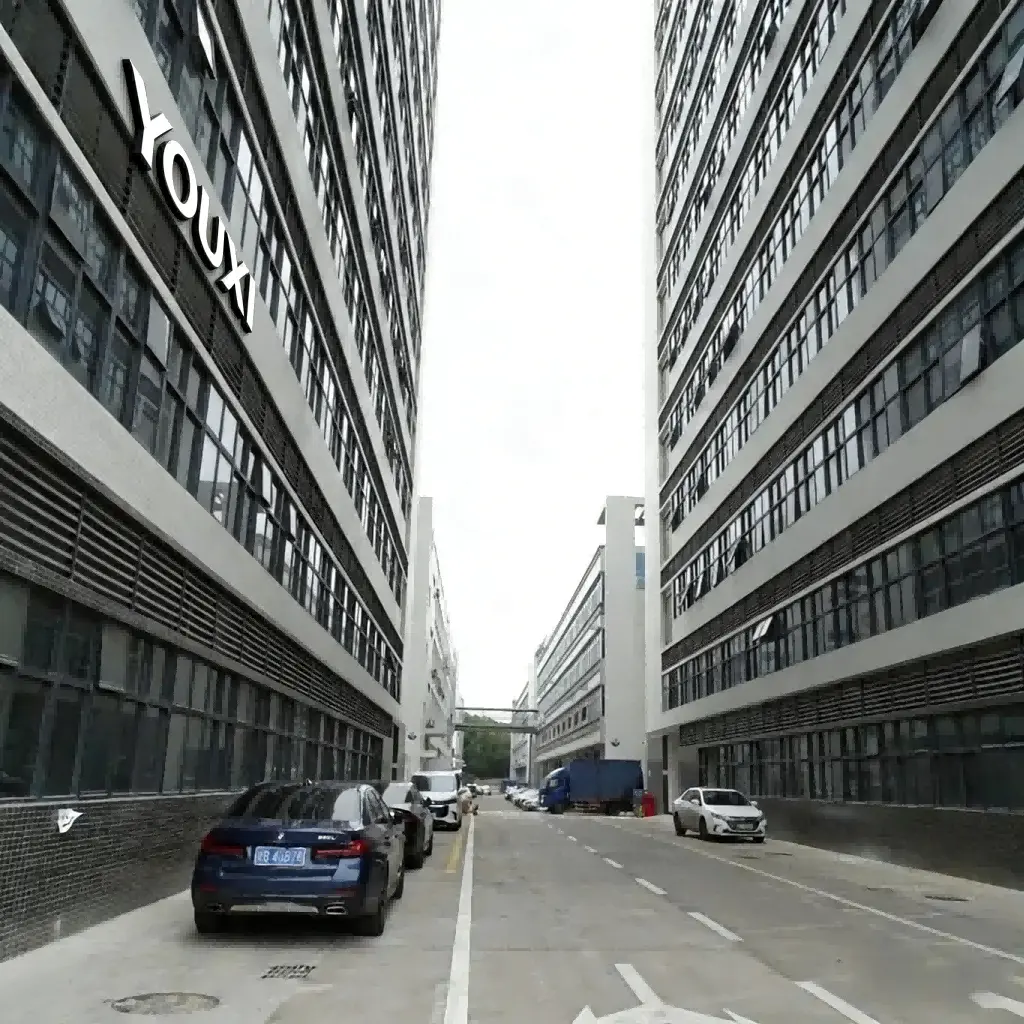
What differentiates leading Chinese projector factories is their unparalleled proximity to the electronic components supply ecosystem. In cities like Shenzhen and Dongguan, companies like Youxi (Shenzhen) Technology Co., Ltd. orchestrate complex networks containing optical lens manufacturers, LED light source developers, semiconductor distributors, and plastic injection molding facilities within a 50-kilometer radius. This geographic configuration drastically reduces production lead times and permits rapid iteration of design drafts into commercial products.
Modern projection architectures rely on highly synchronized optomechanical assemblies. Whether engineering a pocket-sized 720P HD entry-level device or a native 1080P/4K smart home theater system, factories must coordinate high-precision injection molds, advanced liquid cooling pathways, and dust-resistant optical chambers. By leveraging a high-volume supply chain, Chinese manufacturers offer customizable, enterprise-ready optical solutions at price points that accelerate market penetration for global distributors.
To fully understand projector quality, B2B procurement professionals must analyze the internal components of the projection apparatus:
Strategic logistics are essential for overseas business continuity. Headquartered in Shenzhen, Youxi (Shenzhen) Technology Co., Ltd. is located within 40 minutes of Hong Kong Port. This geographical advantage enables seamless transit from our Dongguan assembly facility to ships destined for North America, Europe, and Asia. It minimizes customs clearance delays and ensures predictable delivery cycles for high-volume orders.
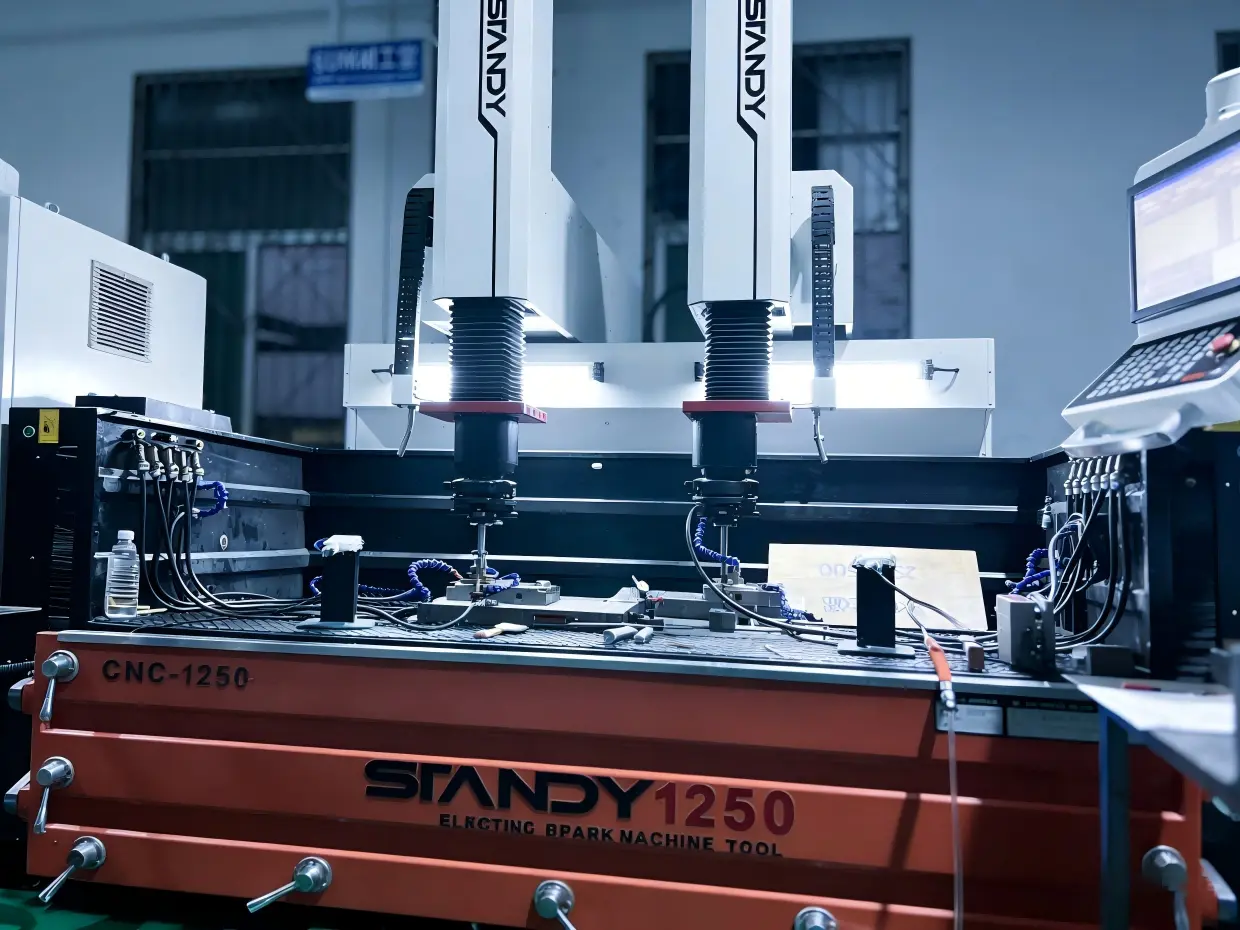
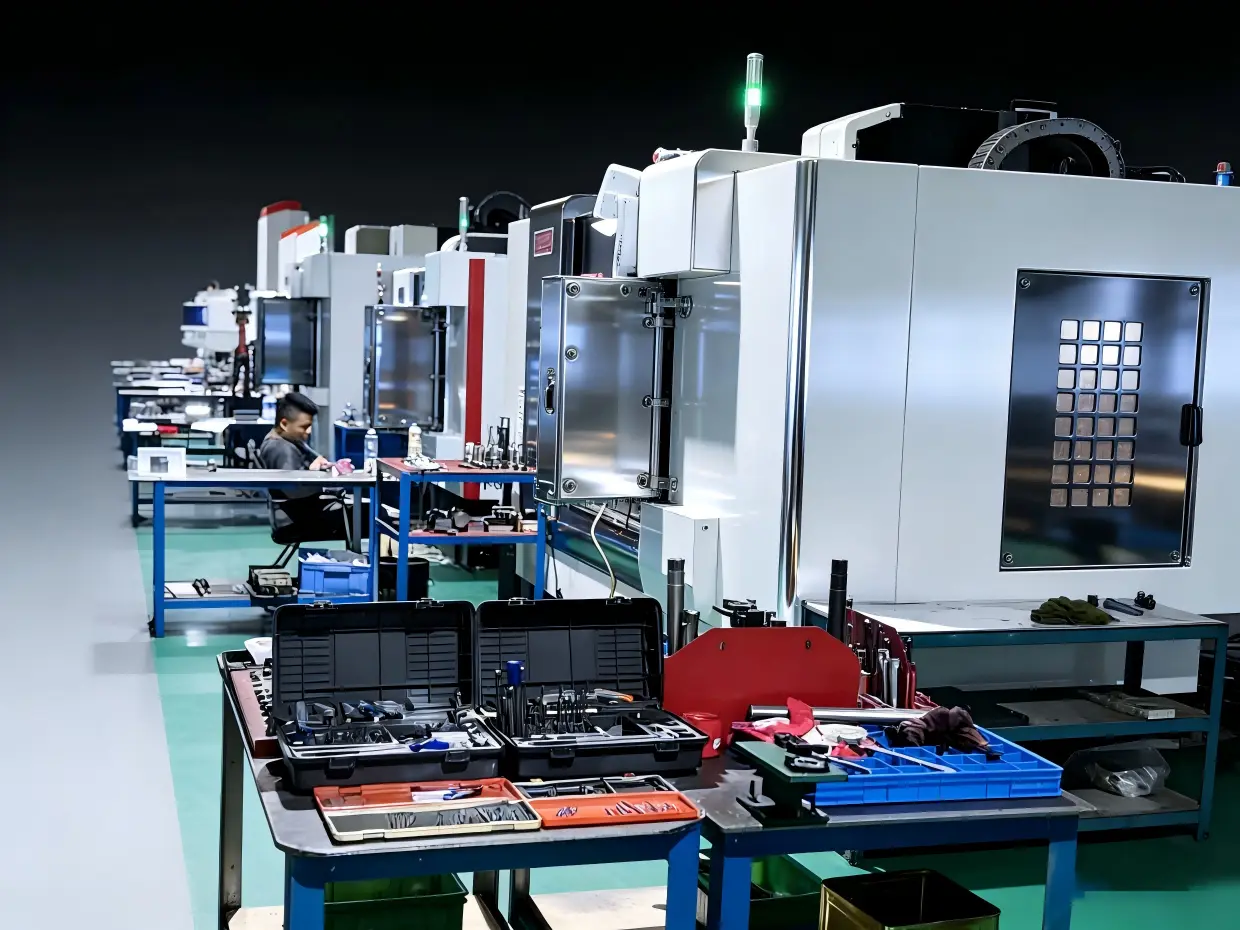
The structural integrity of a projector enclosure directly impacts thermal dissipation and optical alignment. Our tooling workshop operates high-end digital CNC machinery and electrical discharge machining (EDM) equipment to fabricate precision molds. This setup minimizes physical tolerance variations, which is critical for optical lenses and projection paths.
Our facility runs high-clamping-force injection molding machines, ensuring each chassis has uniform wall thickness, high impact resistance, and optimal acoustic properties to damp internal cooling fan noise.
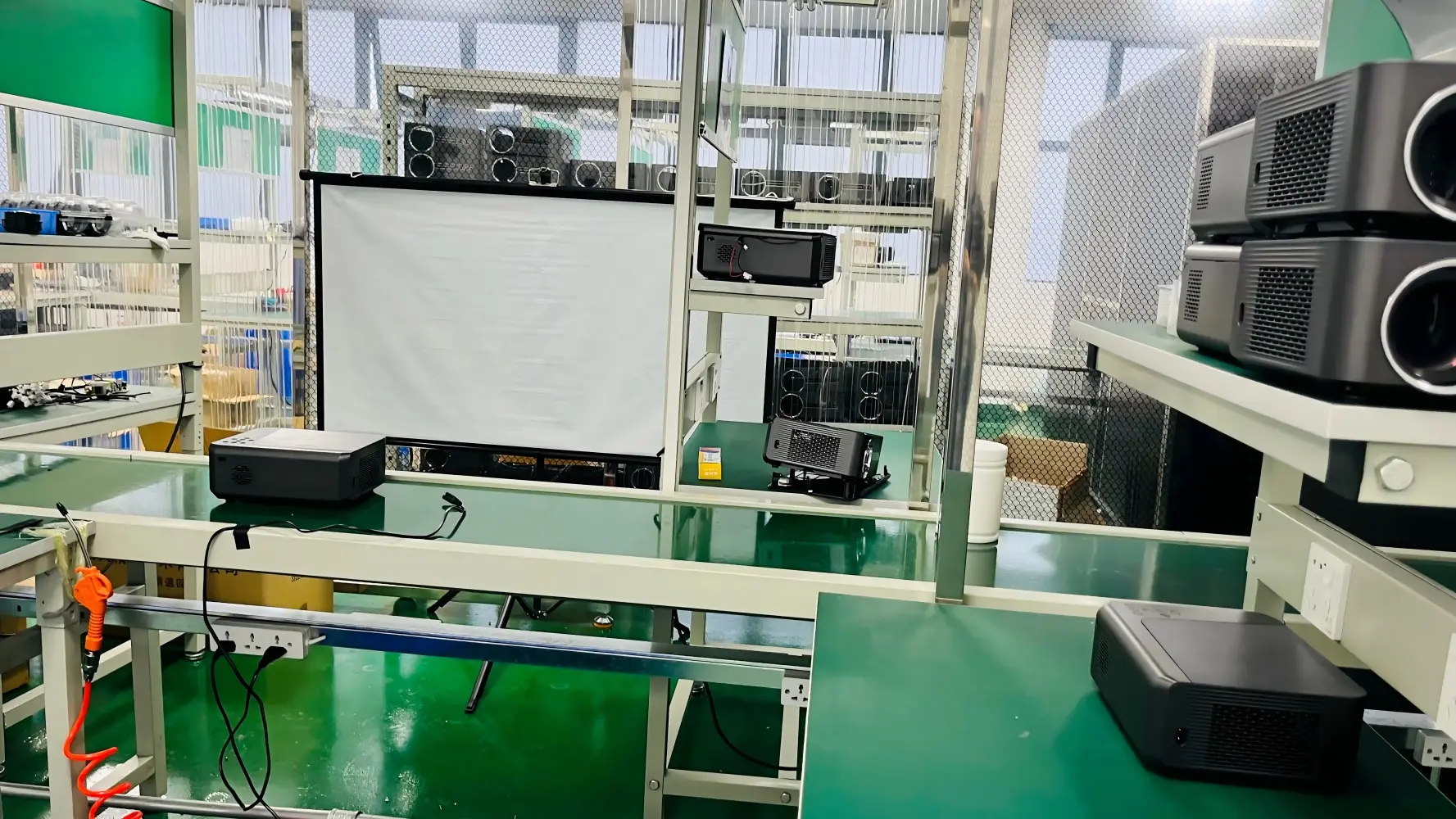
Optical assemblies are highly sensitive to dust. A single microscopic particle on an LCD polarizer or a DMD chip can cause permanent shadows on the projected image. To prevent this, our 4,000-square-meter Dongguan assembly factory utilizes 5S dust-free cleanroom protocols for key assembly stages.
Our workforce of over 100 technicians is trained to handle delicate optoelectronic assemblies, including heat sink attachments, mainboard connections, and optical lens installations. This balanced production system supports a monthly capacity of up to 50,000 units.
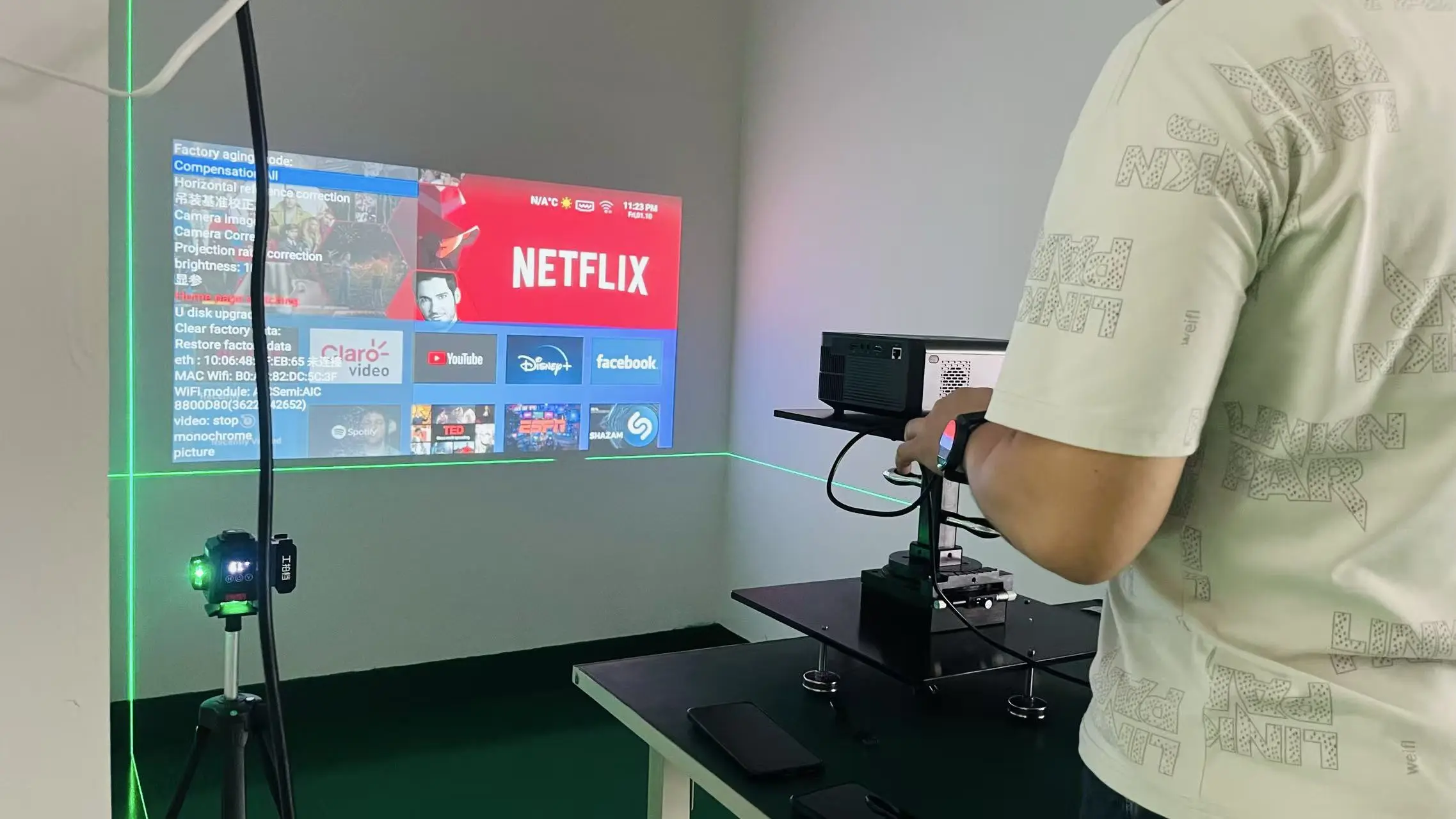
We operate 12 dedicated optical testing rooms to evaluate each projector's performance before shipment. Quality assurance inspectors use optical power meters and colorimeters to measure essential parameters, including ANSI/ISO lumens, color temperature, and color gamut coverage.
Every unit undergoes a three-stage inspection: incoming material quality checks, post-assembly functional calibration, and pre-shipment sampling audits. This process ensures consistent white balance, focus sharpness, and keystone correction functionality.
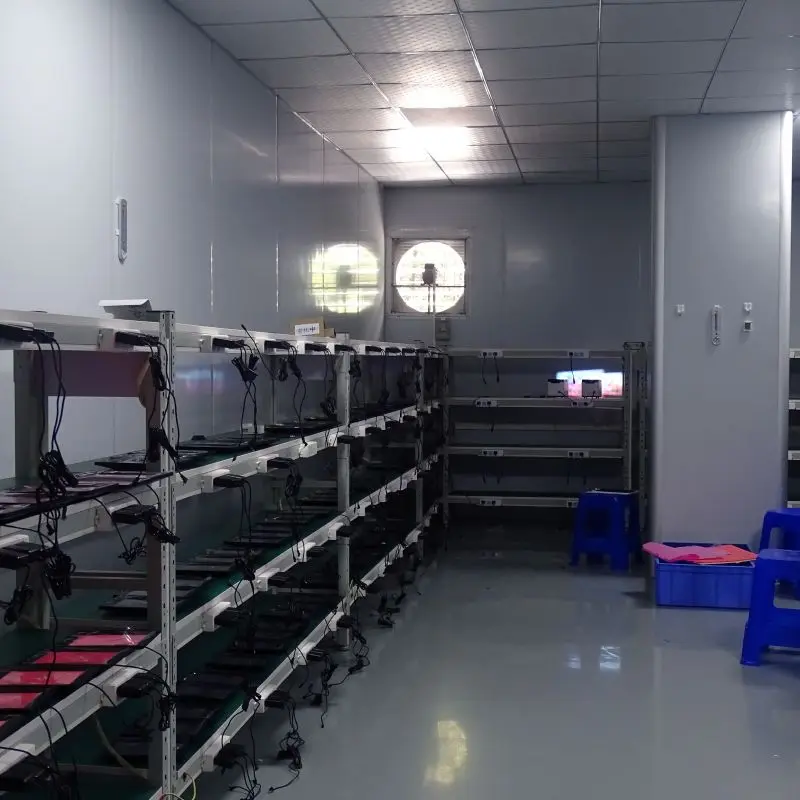
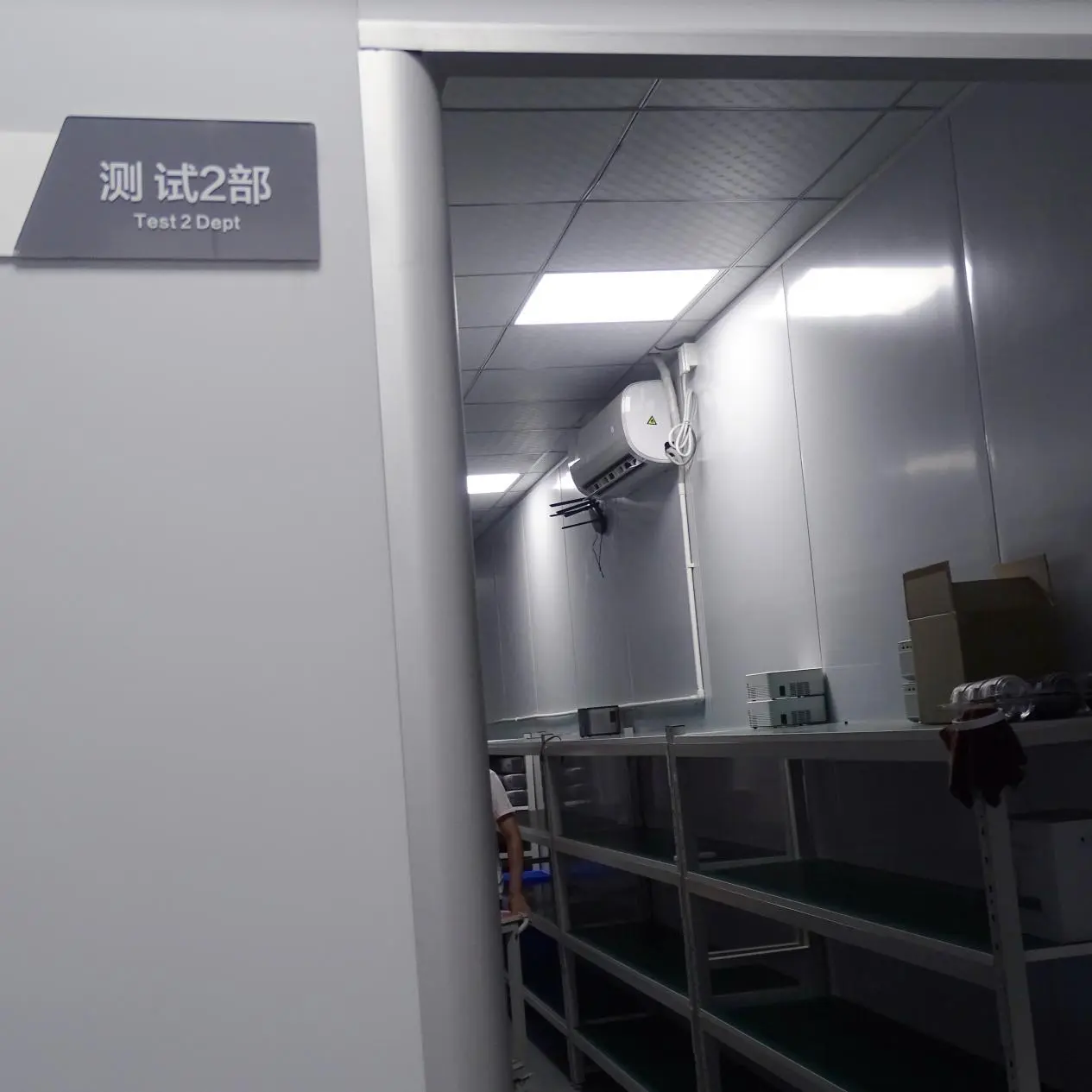
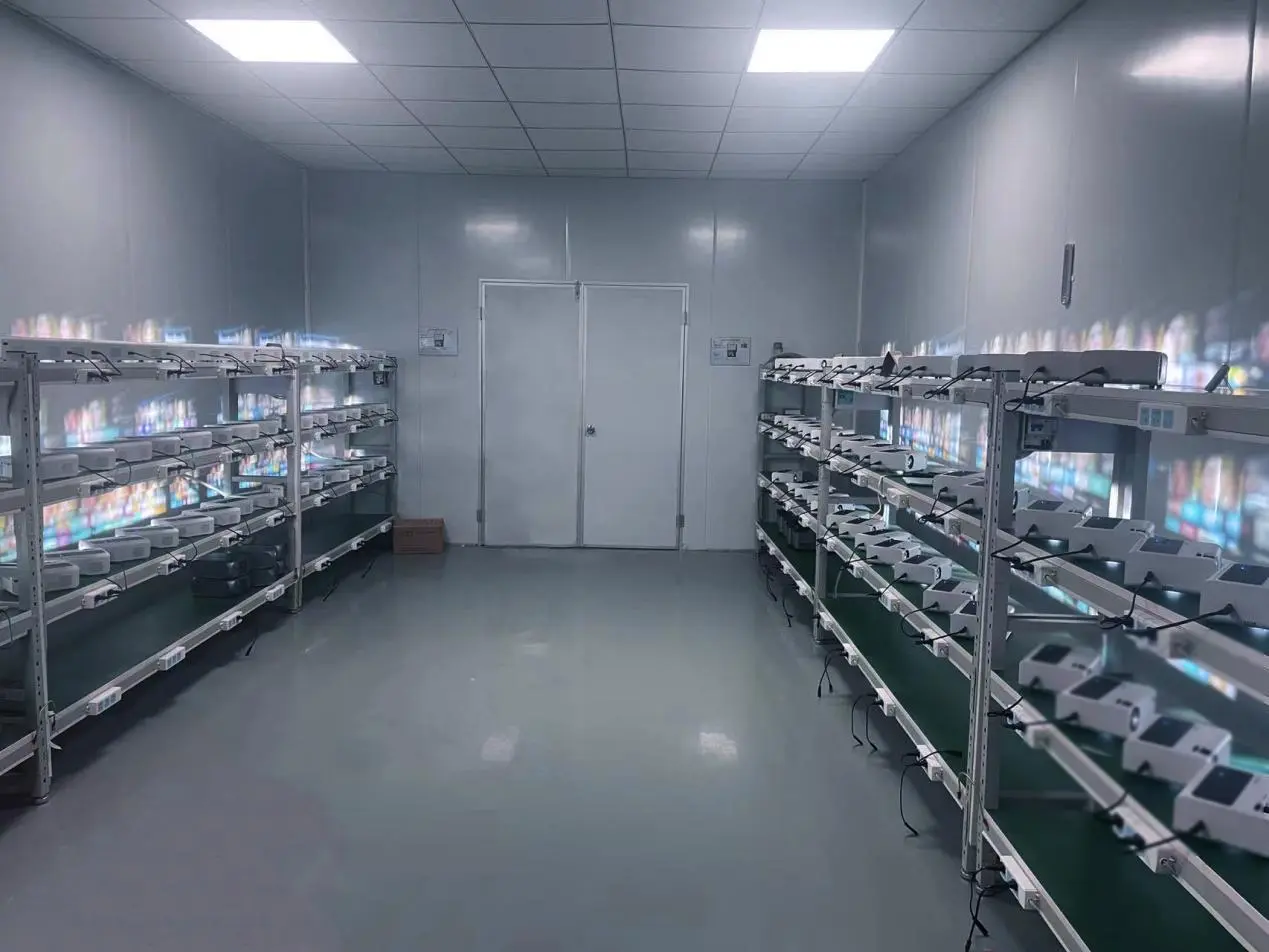
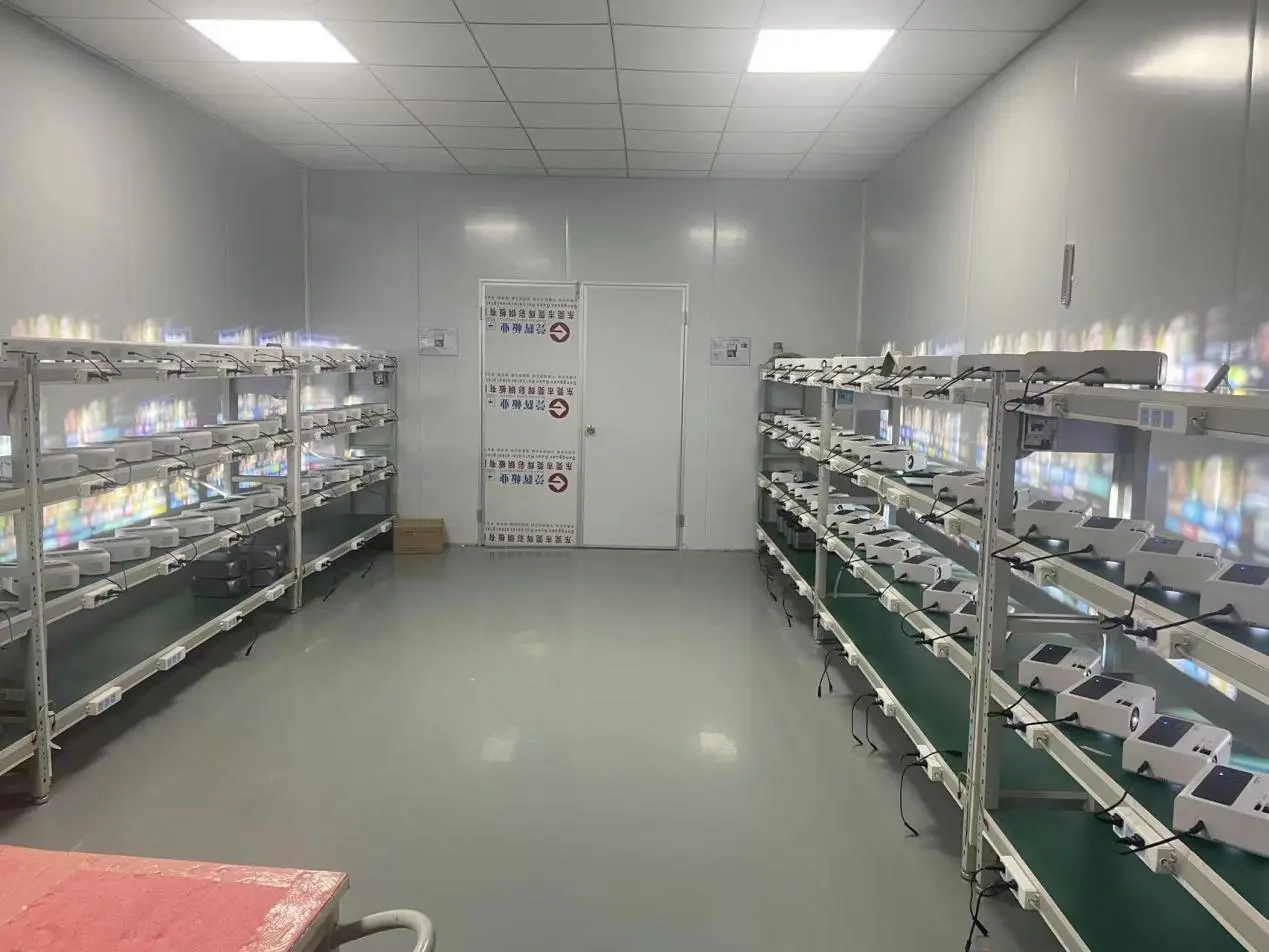
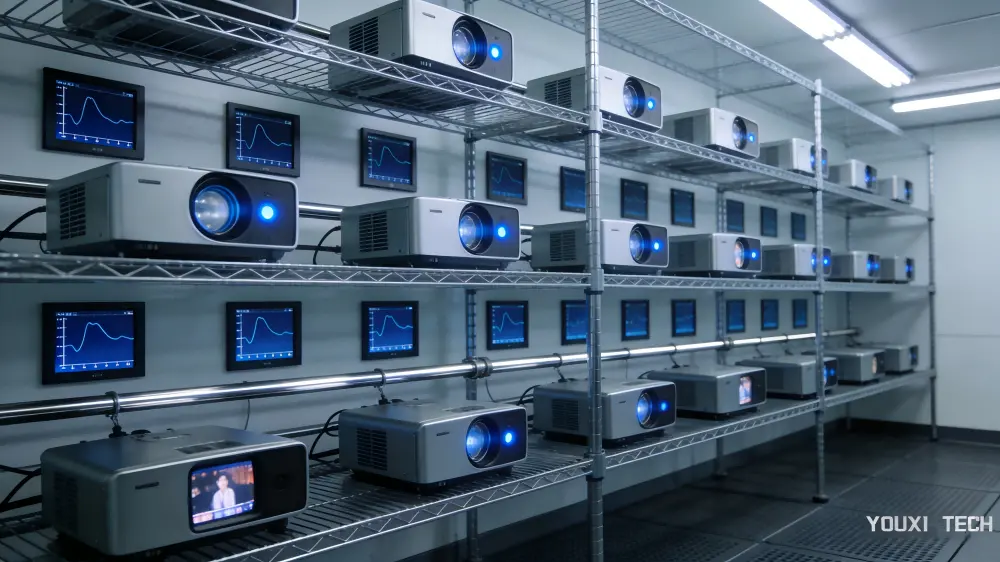
Infant mortality of microelectronics and thermal failure of LED driver boards are major quality risks for projection equipment. To mitigate these risks, our quality control team subjects every completed projector to a continuous high-temperature burn-in test.
Our specialized aging facility can test up to 200 projectors simultaneously. By running the units under high-heat loads, we check the stability of LED modules, cooling fans, and internal power supplies. This step helps identify and isolate potential component failures before shipping.
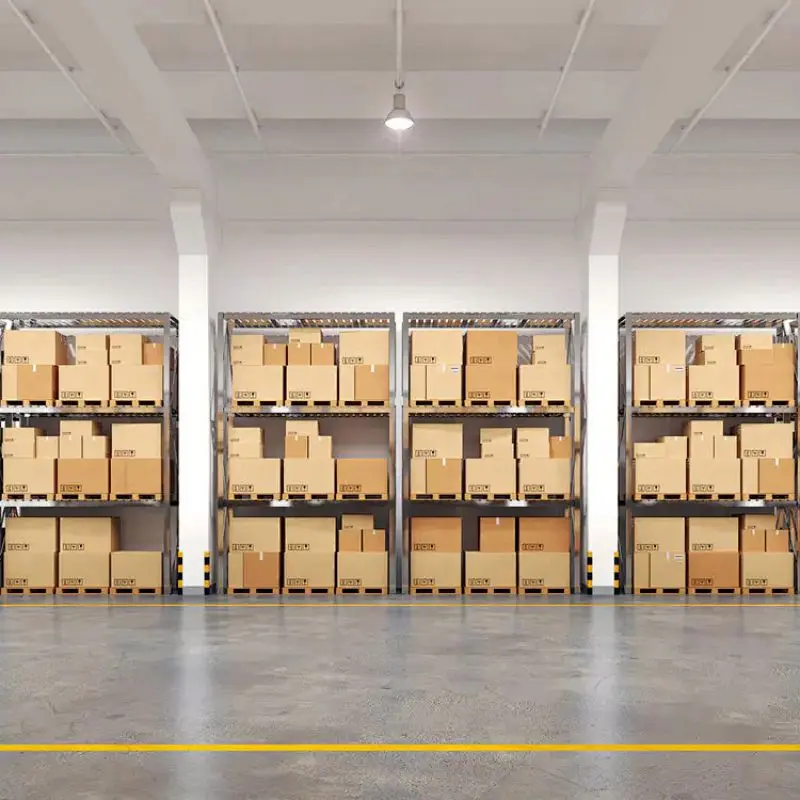
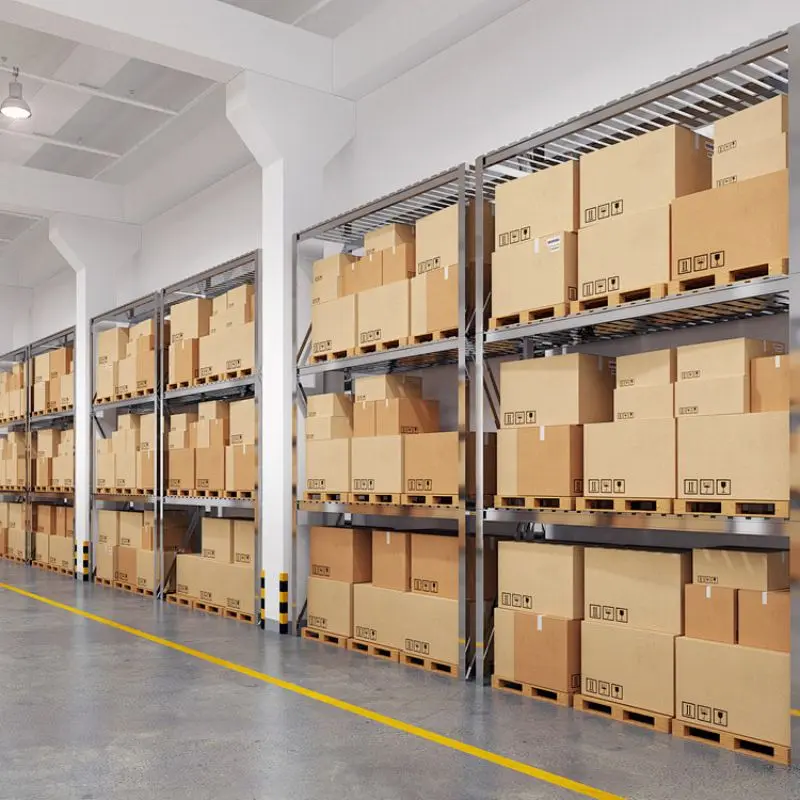
Our 300-square-meter finished goods warehouse is located adjacent to the packaging line. The facility is climate-controlled to protect electronic and optical components from moisture ingress and extreme temperatures.
We use automated inventory systems to track shipments, helping to ensure secure packaging and accurate loading for global transport. This systematic workflow supports safe transit to ports in Shenzhen and Hong Kong.
Aligning future tech developments with specific corporate and consumer applications globally.
Developing sealed optical paths, high-efficiency liquid-vapor cooling systems, and advanced light source modules to increase brightness and color accuracy while reducing thermal footprint.
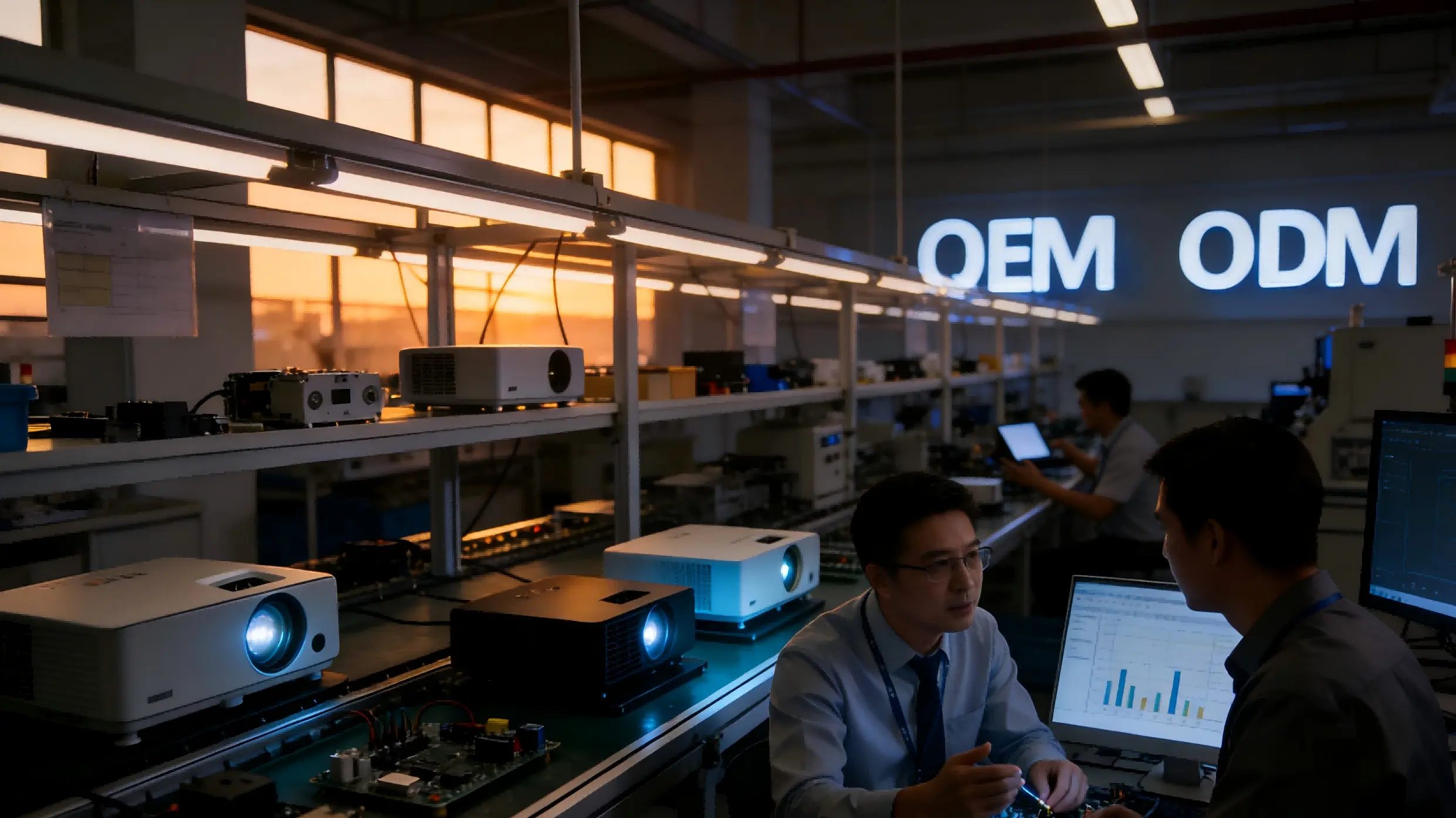
Providing OEM and ODM solutions to integrate custom launcher interfaces, localized voice search systems, and specific I/O ports tailored for regional markets.
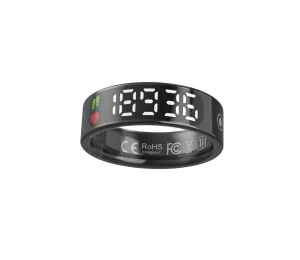
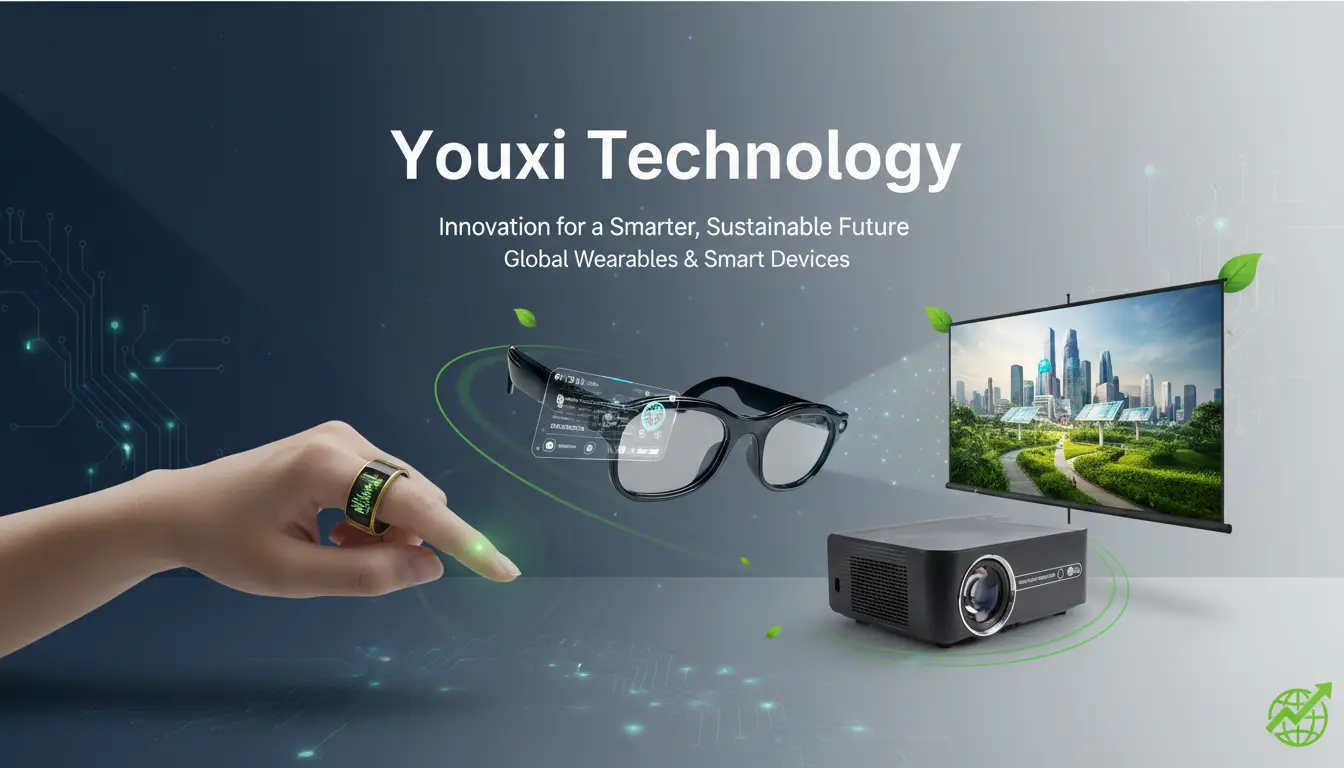
Extending smart projection capabilities to connect with wearable hardware, including Smart Rings and AI-enabled glasses, creating integrated personal ecosystem solutions.
Direct technical answers to common queries from global B2B procurement managers and system integrators.
Complete your hardware lineup with our specialized high-lumen, wireless, and Google TV integrated projection systems.
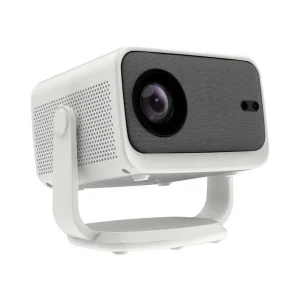
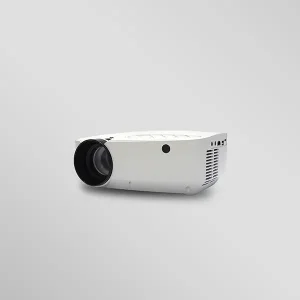
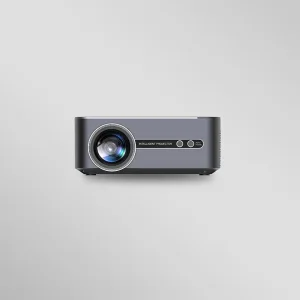
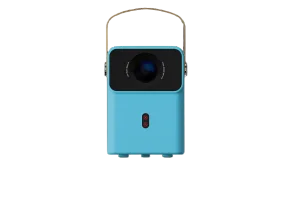
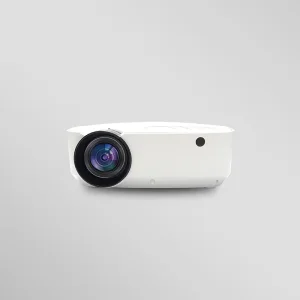
 Youxi projection