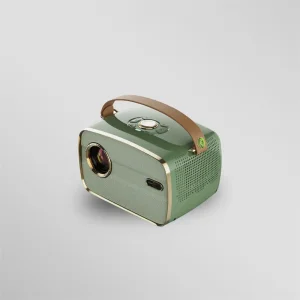
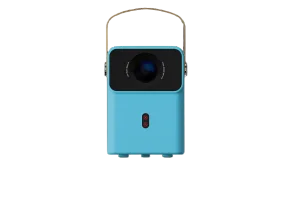
Premium OEM/ODM hardware portfolio engineered for high-bandwidth video processing and seamless gaming console connectivity.
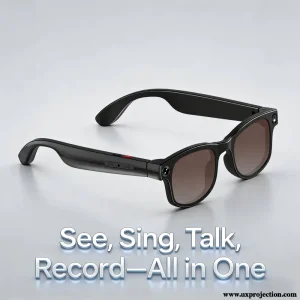
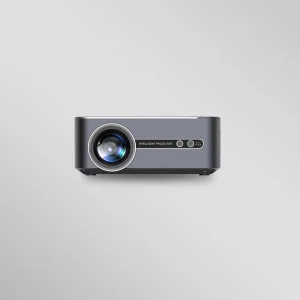
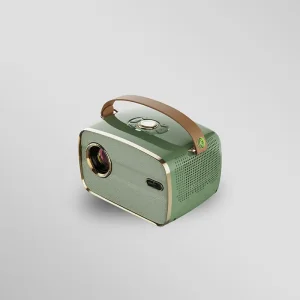
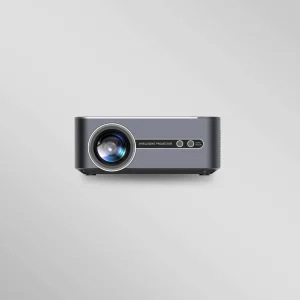
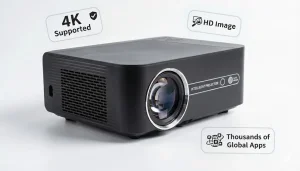
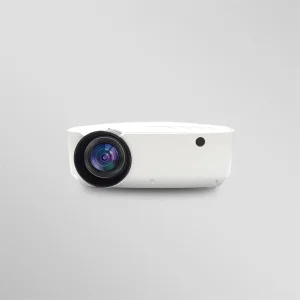
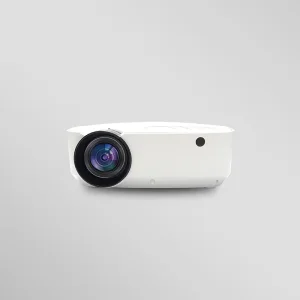
A B2B integration guide addressing bandwidth limits, latency optimization, and EDID handshake matching.
Connecting a Sony PlayStation 5 to a projection setup requires sustained high-bitrate video transmission. The console utilizes HDMI 2.1 protocols, supporting up to 4K resolution at 120Hz. Traditional low-end projectors are limited by older HDMI 1.4 or 2.0 standards, which restrict playback to 1080p at 60Hz. Smart integration systems must feature an adaptive EDID (Extended Display Identification Data) microcontroller to dynamically downscale signals or optimize tone-mapping protocols, preventing blackouts and screen flicker.
Input lag is the primary performance bottleneck in console projection. Standard smart projector engines have a processing latency between 80ms and 150ms due to auto-keystone correction and digital zoom algorithms. Gamers require latency below 30ms (ideally <15ms) for competitive fast-paced action. Dynamic bypass channels, or "Game Mode" pipelines, deactivate digital geometric correction ICs, routing the raw HDMI video payload straight to the light source DMD/LCD driver board.
Projectors lack high-fidelity surround sound transducers. Audio signals must be routed to external soundbars or receivers. Setting up a PS5 involves passing the multichannel Dolby Atmos or DTS:X bitstream through the projector's HDMI eARC (Enhanced Audio Return Channel) out to an audio processor. Without eARC hardware validation in the projector chipset, downstream processing causes a noticeable audio delay relative to the projection display.
To build a lag-free gaming room or theater system, installers use three primary routing methods depending on B2B target applications:
The demand for gaming-focused displays has moved beyond desktop monitors and TV screens. Smart home theater system integrators, boutique hotels, esports cafes, and consumer electronics distributors are seeing a surge in customer requests for ultra-short-throw (UST) and portable projectors capable of handling high-end consoles like the PS5 and Xbox Series X.
As game developers target dynamic 120 FPS targets, legacy projectors running single-channel LCD architectures or old DLP color wheels fail to meet visual expectations. B2B buyers now prioritize sourcing options featuring custom firmware support for high refresh rates, Auto Low Latency Mode (ALLM), and modern LED/Laser light engines.

Explore custom deployment profiles optimized for different residential and commercial environments.
Ideal for families seeking an immersive, cinematic media space. The system must support ambient light rejection (ALR) screens, HDR10 high contrast, and automated focus/keystone features. Integrators need reliable HDMI eARC configurations to pipe Dolby Atmos to wall-mounted speakers.
Requires robust thermal dissipation systems designed to handle 24/7 continuous operation. Key features include locked physical control interfaces, high brightness (ANSI lumens) to fight indoor lighting, and direct low-latency hardware channels to minimize competitive lag.
Calls for rugged, portable projectors equipped with internal battery options, compact profiles, and Bluetooth audio outputs. High audio compatibility with portable sound accessories ensures an engaging multiplayer setup under the stars.
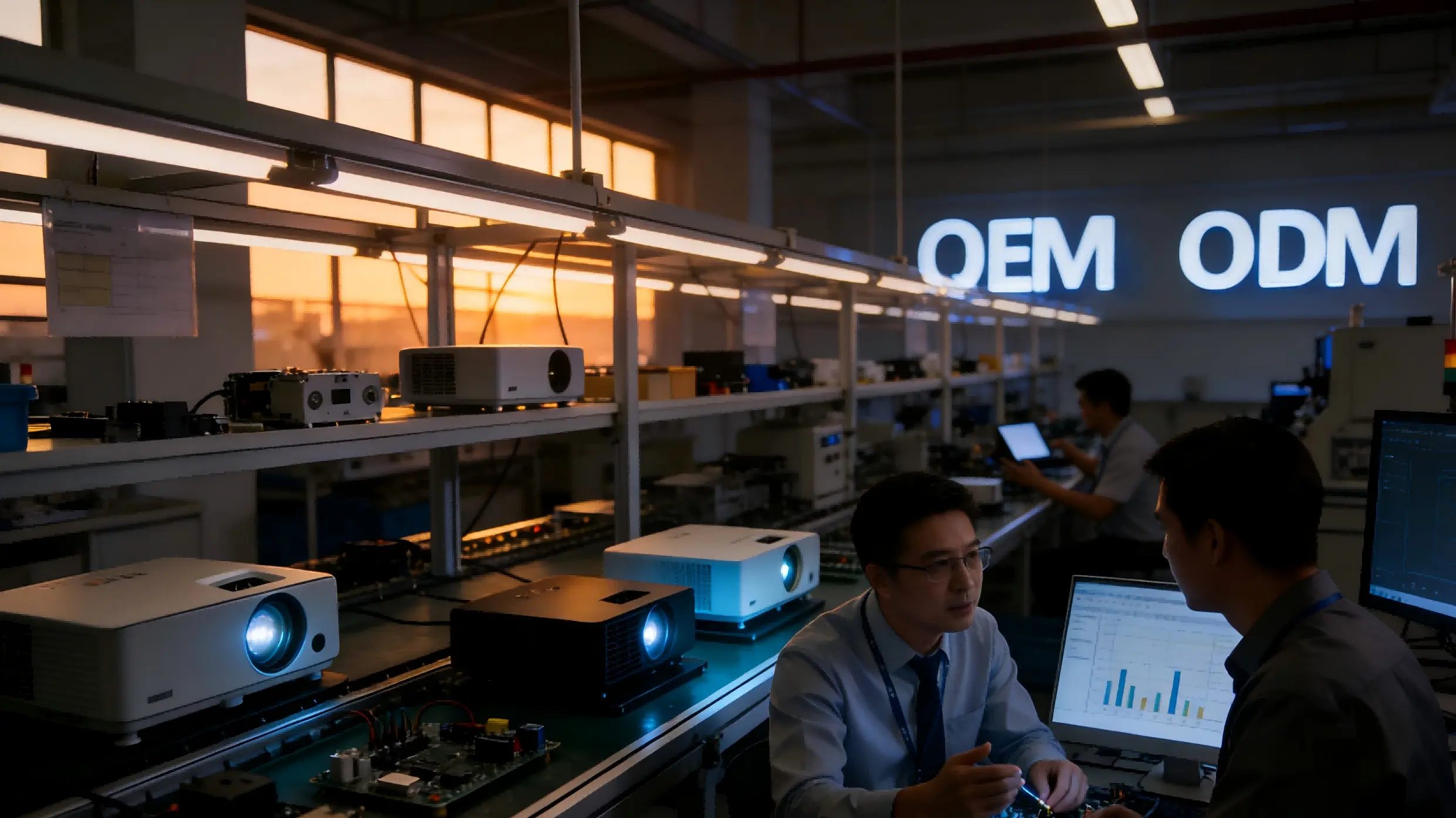
Providing vertically integrated R&D, precision manufacturing, and customized OEM/ODM distribution solutions.
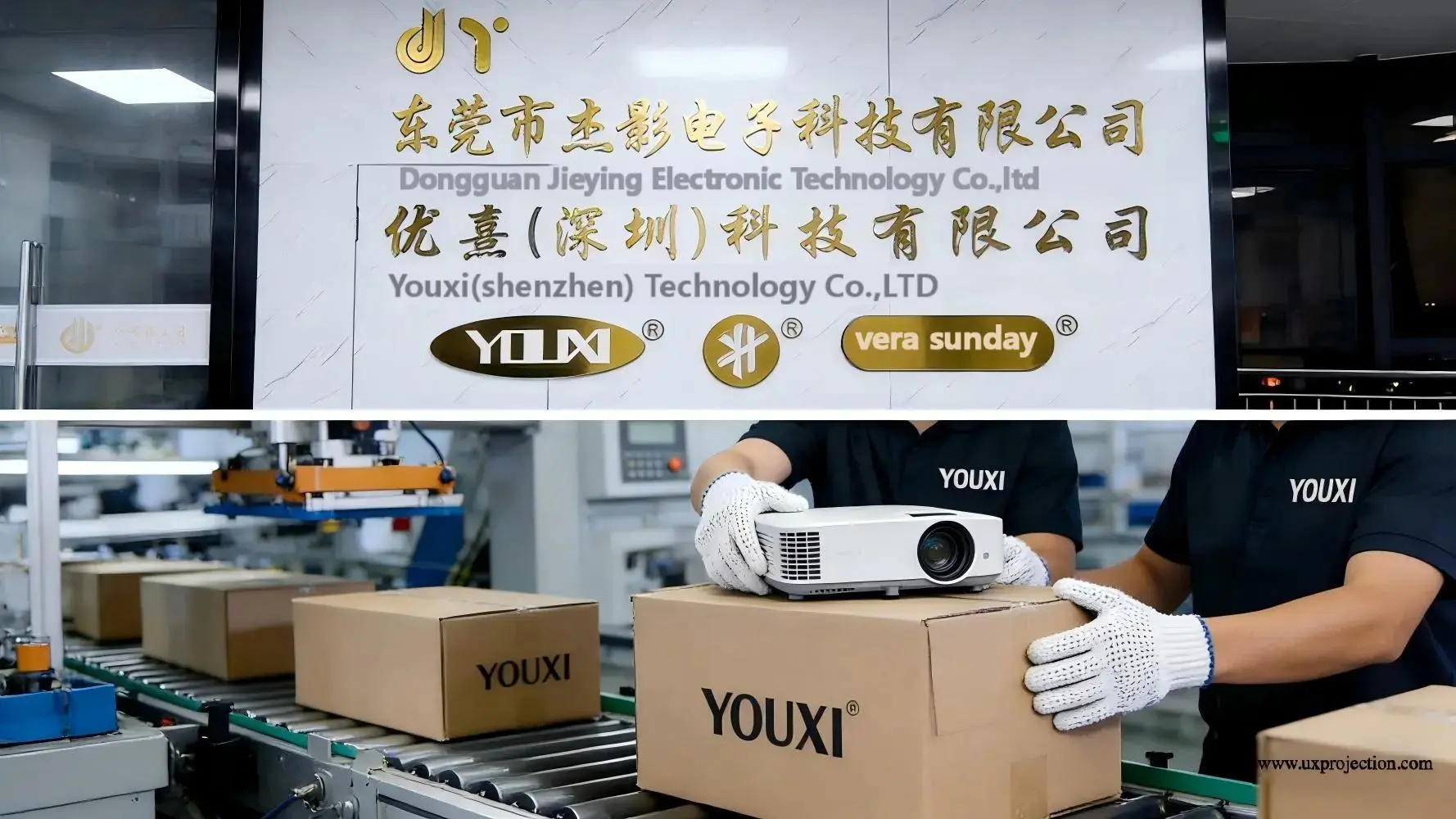
Founded in April 2021, Youxi (Shenzhen) Technology Co., Ltd. specializes in the research, development, assembly, and production of smart projection systems and wearable devices. We manage every phase of the product lifecycle—from optical prototyping and precision tooling to finished assembly and QA validation. Our goal is to ensure full compliance with international testing requirements for global distribution. Committed to sustainable manufacturing, Youxi integrates energy-efficient design, eco-friendly materials, and waste-reduction protocols across our lines, supporting green manufacturing initiatives.
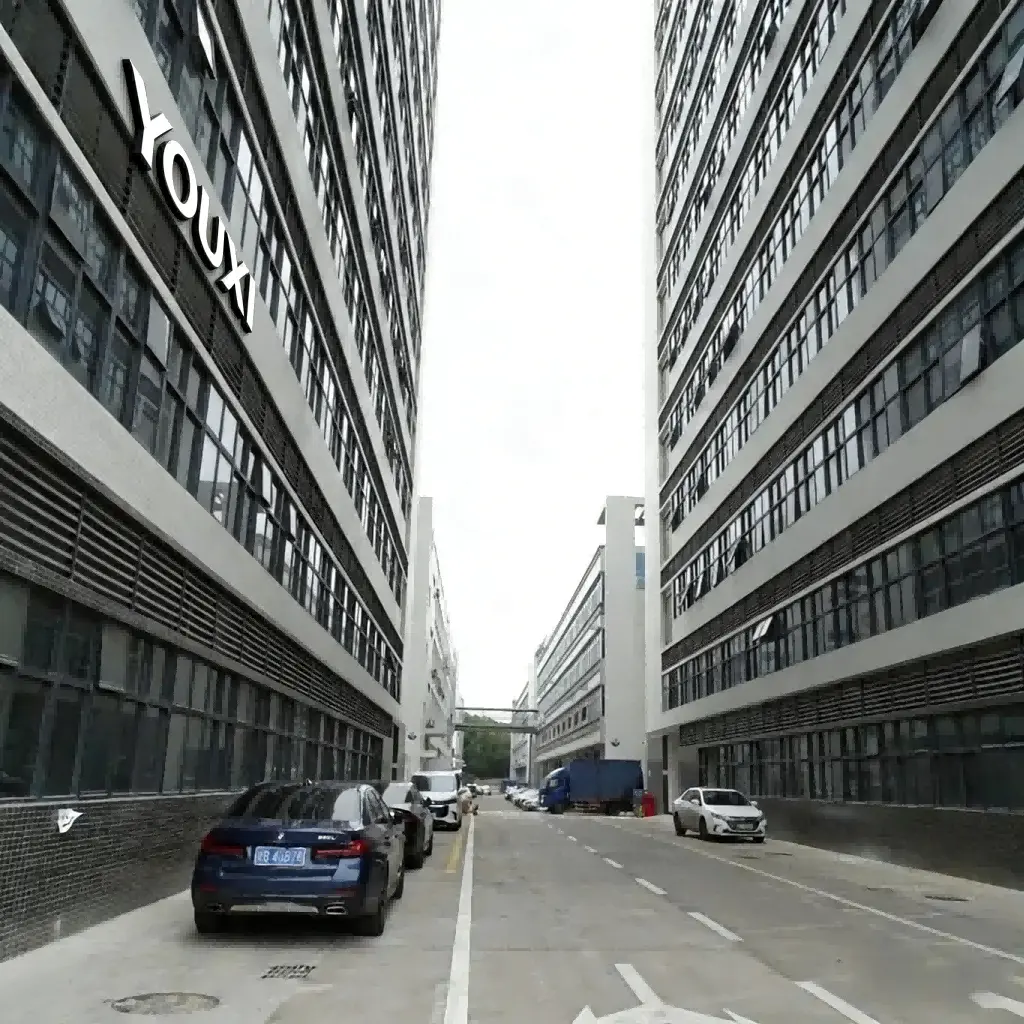
Headquartered in the technology innovation hub of Shenzhen, China, we operate with a major logistics advantage, located just 40 minutes from the Hong Kong Port. To support high-volume distribution, Youxi operates a dedicated assembly facility spanning 1,000 square meters in Fenggang Town, Dongguan City (a 25-minute drive from headquarters). The facility currently employs approximately 100 professionals and has a monthly production capacity exceeding 30,000 units. Our quality management system, audited supply chains, and vertical production capabilities ensure reliable product deliveries.
Youxi offers versatile manufacturing models: branded inventory distribution, full OEM/ODM product engineering, and Material-Specified Manufacturing (MSM). We actively build strategic partnerships through authorized distribution networks and joint ventures.
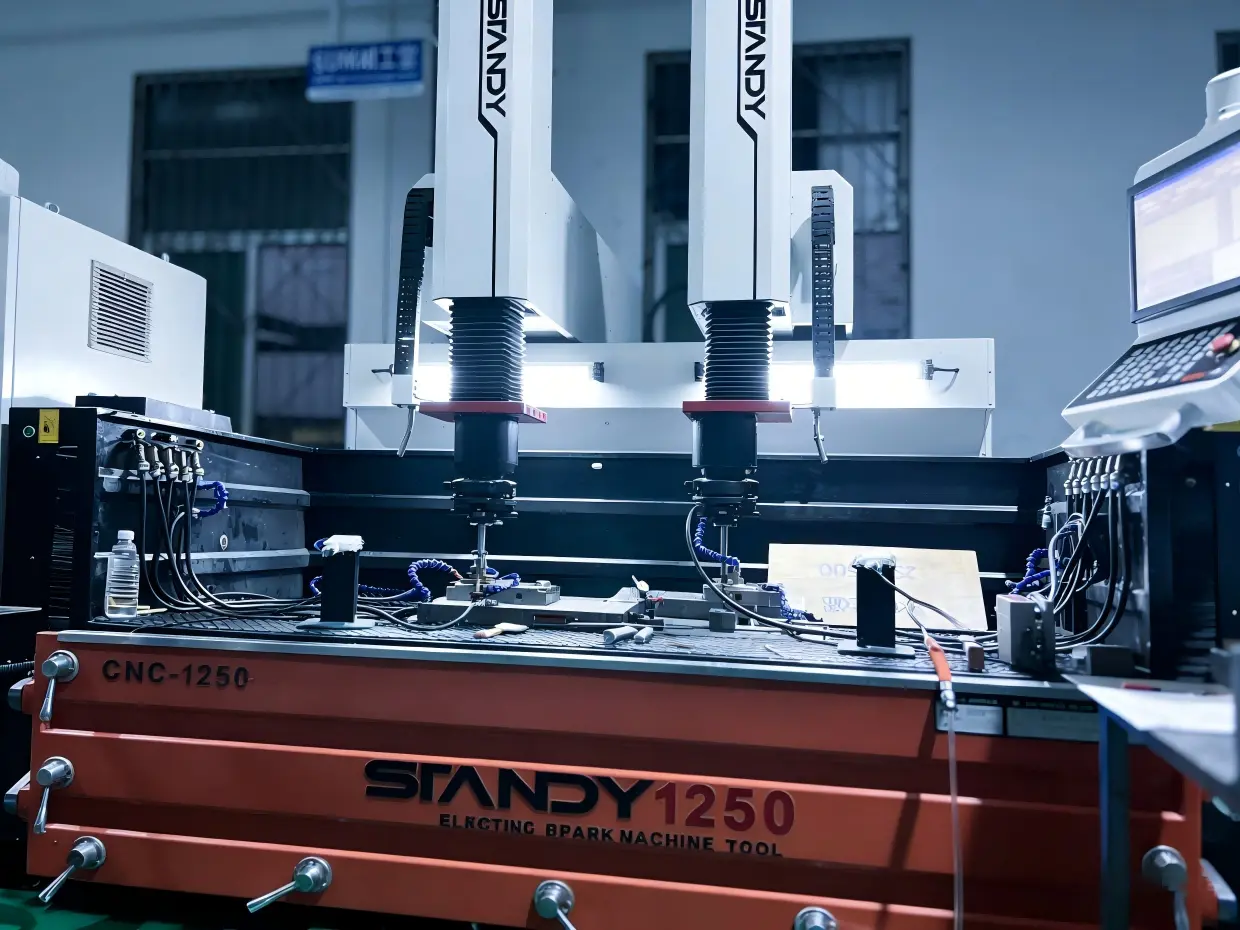
Our mold and injection workshop features digital machines that exceed conventional market standards. This provides a stable manufacturing foundation for every housing and optical bracket.
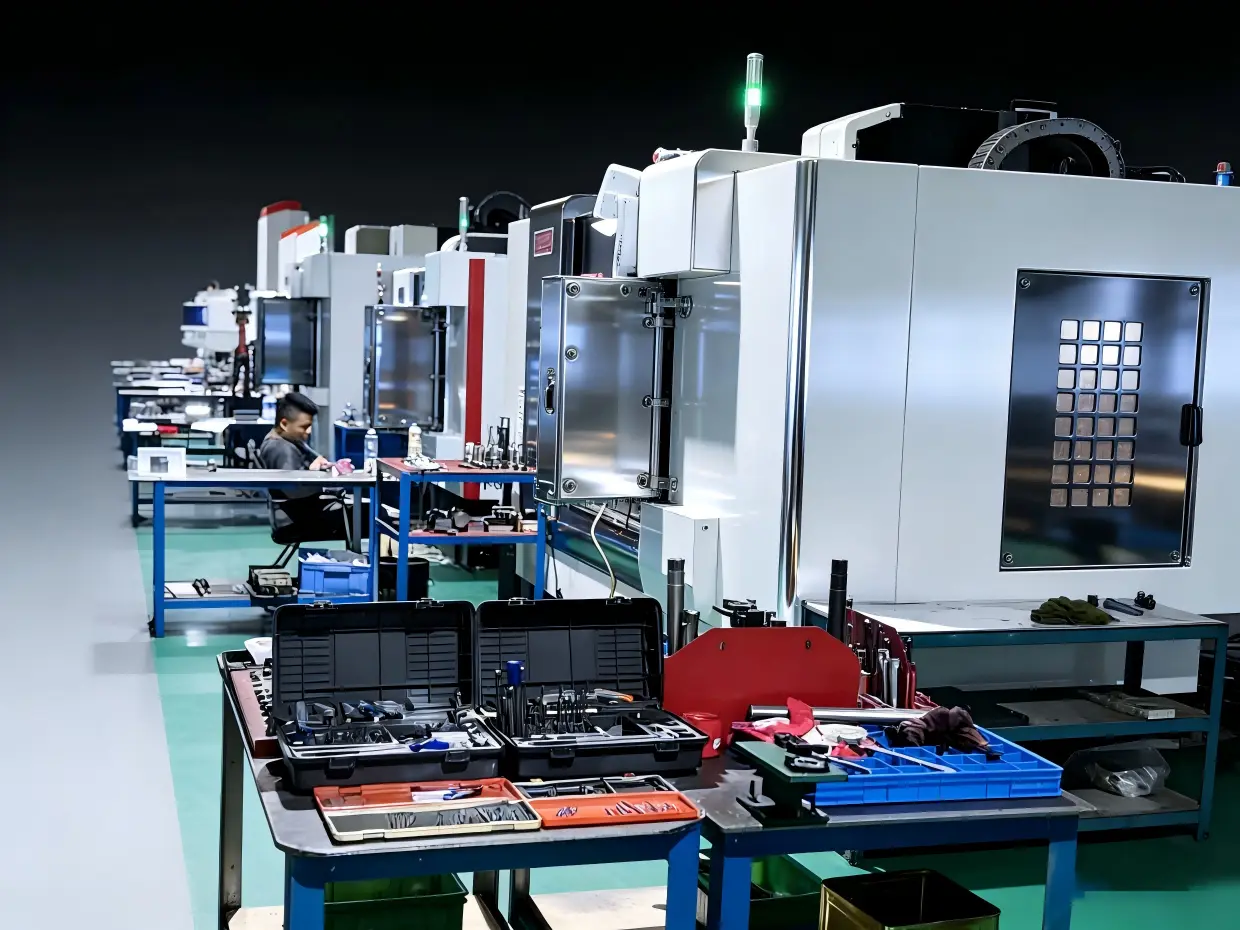
Advanced thermal-dynamic analysis ensures we produce warp-free plastic parts, ensuring perfect alignment for the optical lens system.
Spanning 4,000 square meters, our assembly floor features dust-free sections aligned with 5S cleanliness guidelines to protect sensitive optical arrays.
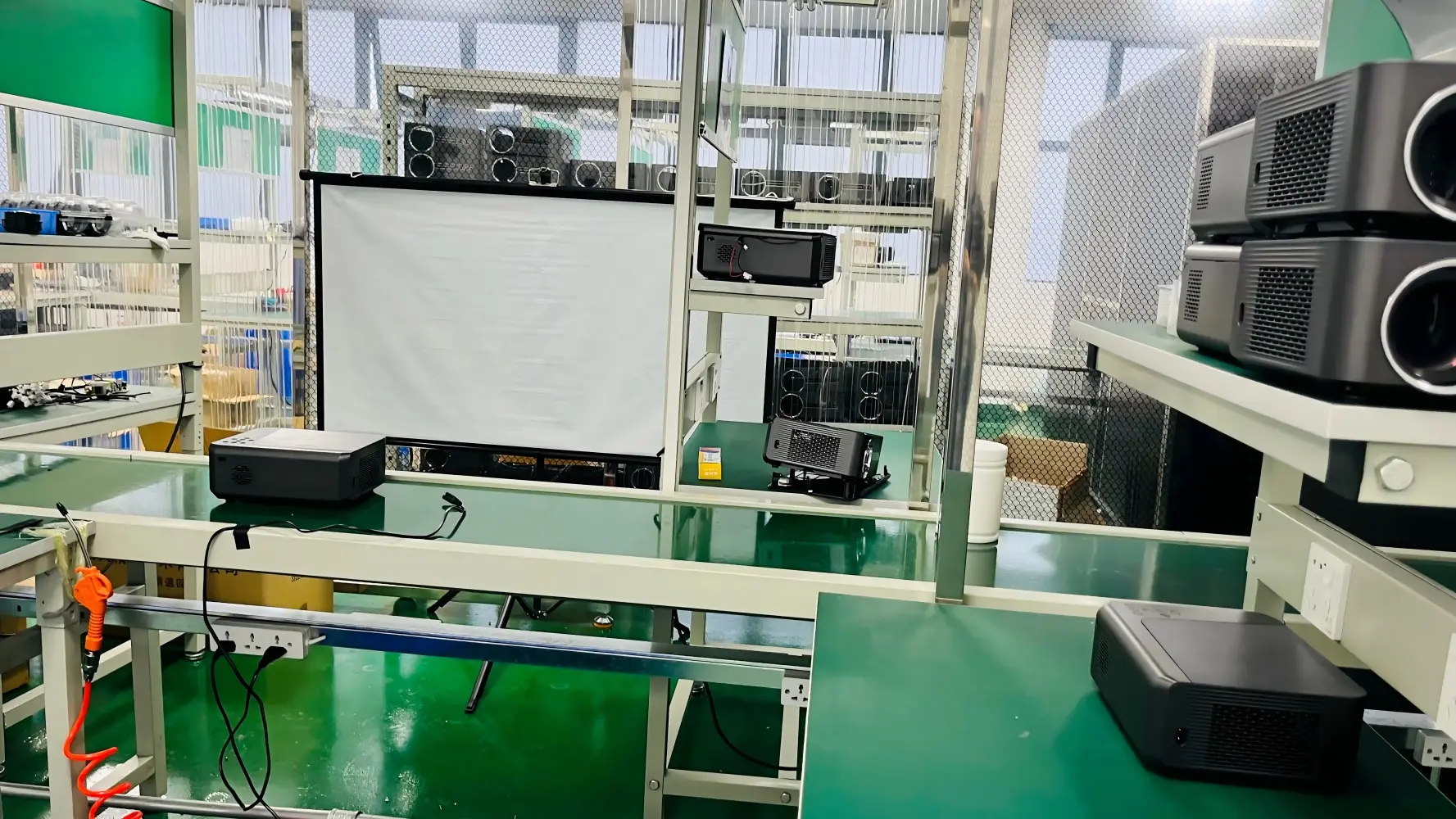
With a staff of 100 skilled operators and CNC equipment, our monthly output can reach up to 50,000 units during peak demand periods.
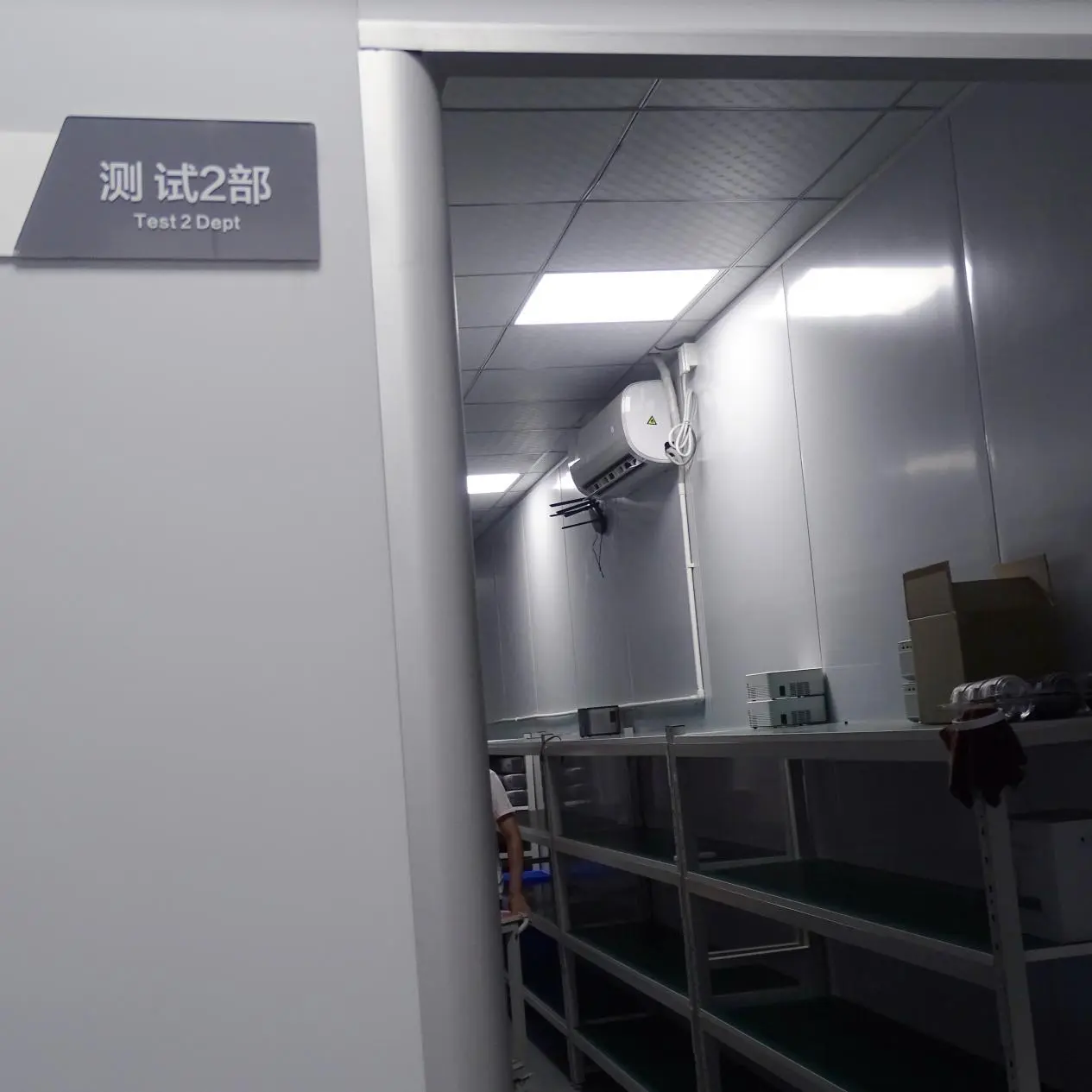
Our quality department runs 12 dedicated inspection rooms to verify hardware, testing components upon arrival, after assembly, and prior to shipping.
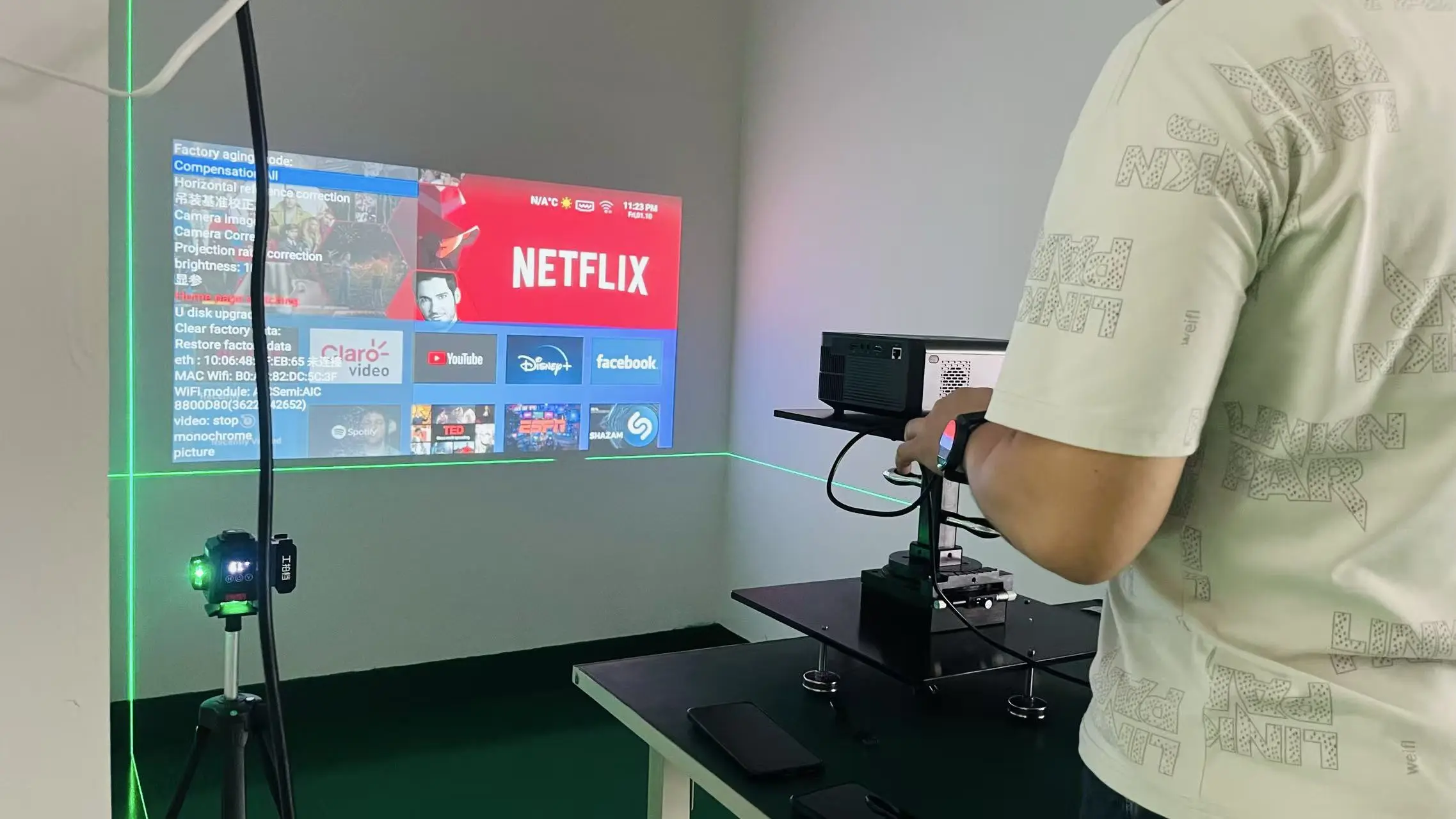
Each unit undergoes digital sensor analysis to check projection brightness, color accuracy, keystone response, and software features.
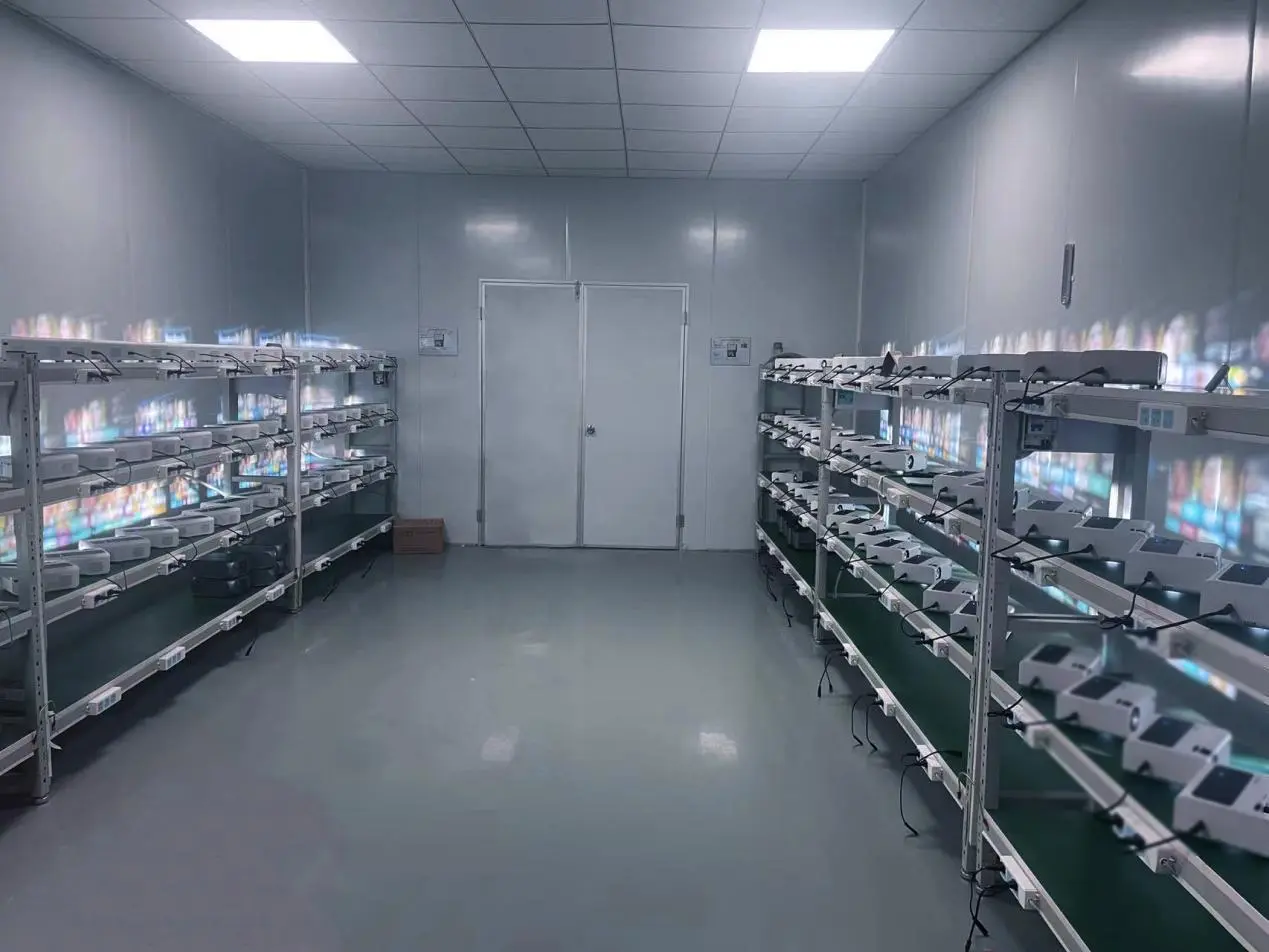
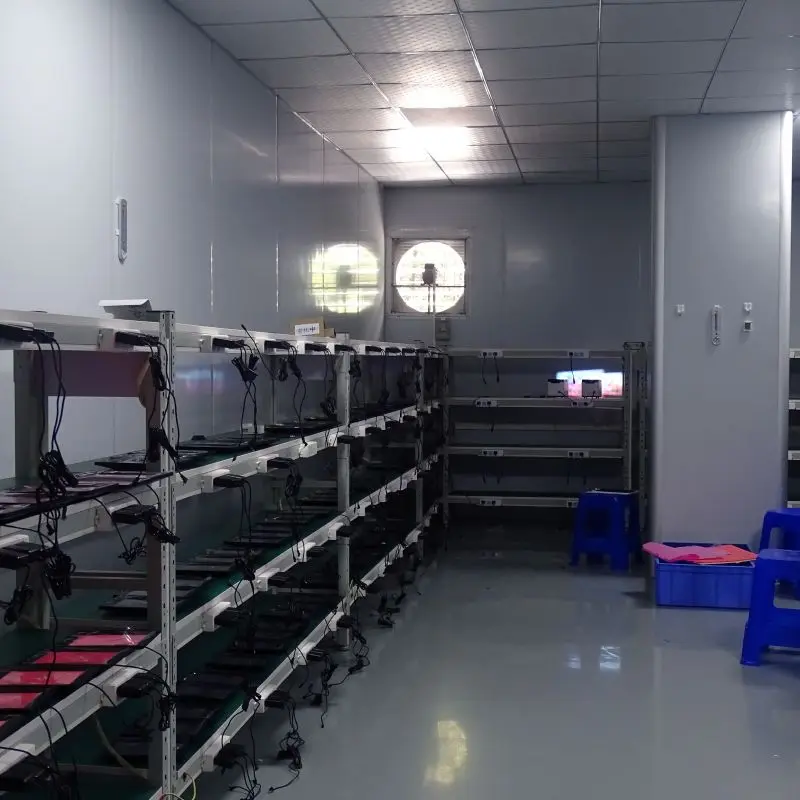
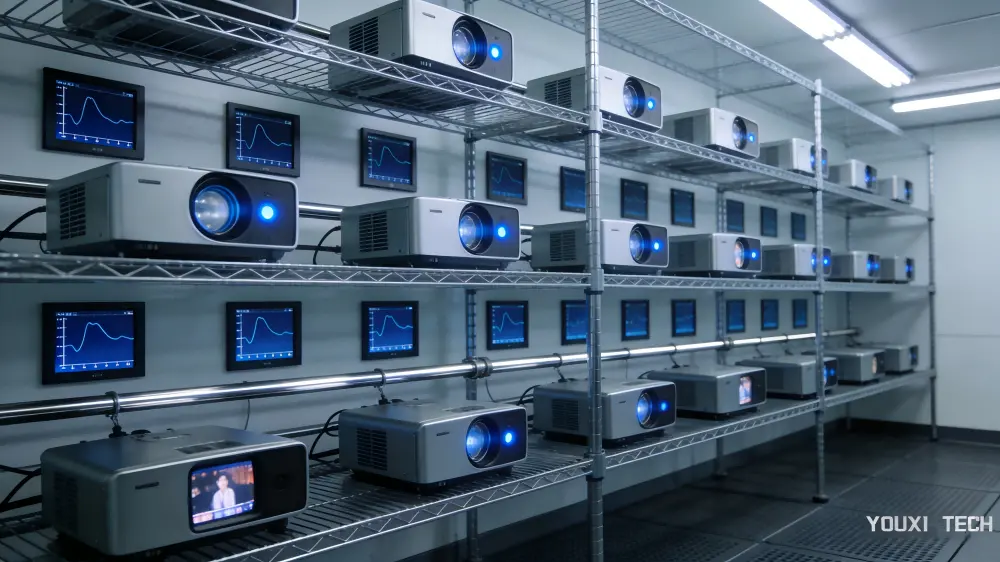
Our specialized burn-in bays test up to 200 projectors simultaneously, running intensive video cycles to check thermal stability and driver reliability.
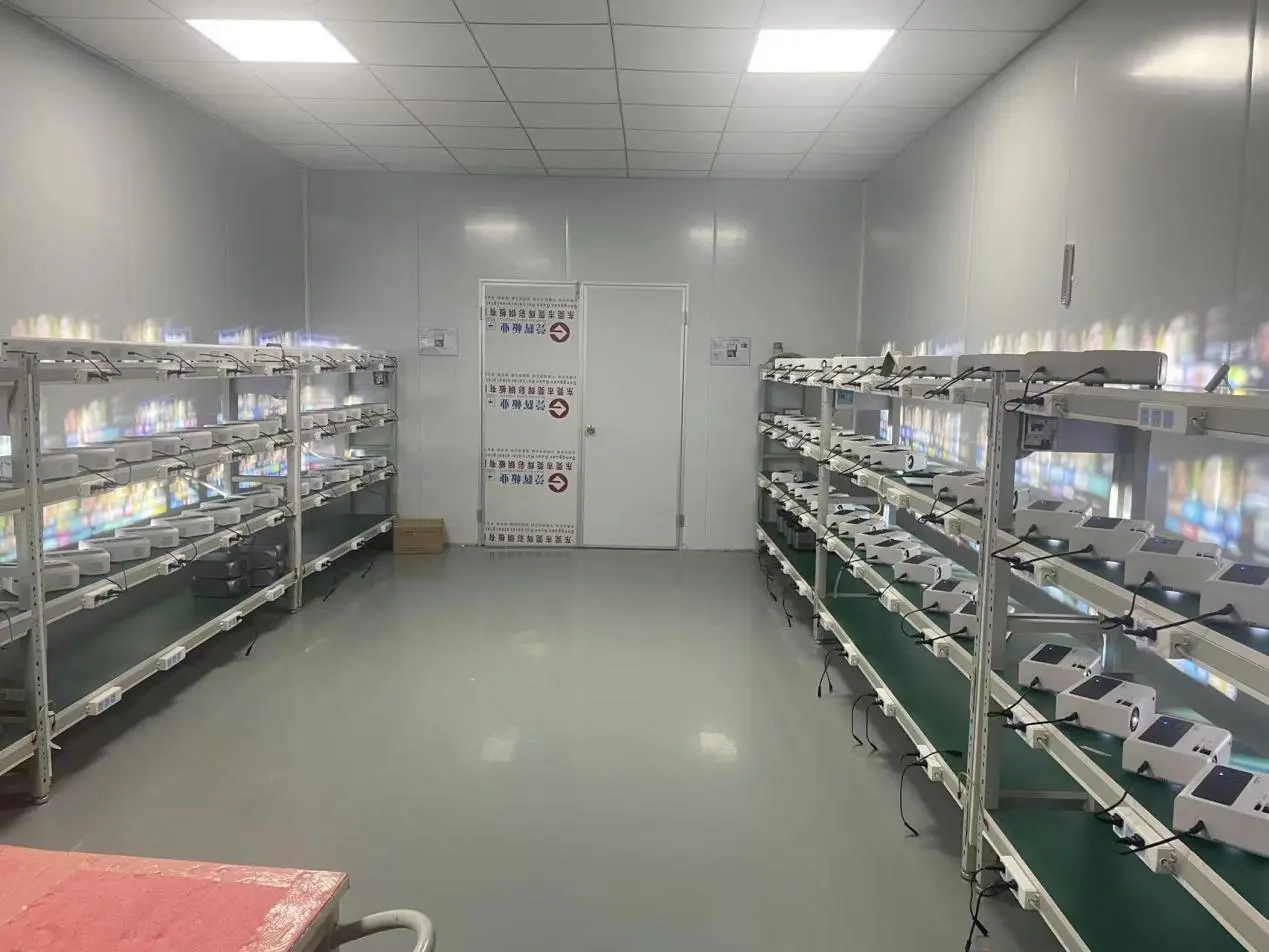
Thermal sensors track internal hot-spots during active use, validating passive heatsink configurations and keeping fan noise minimal.

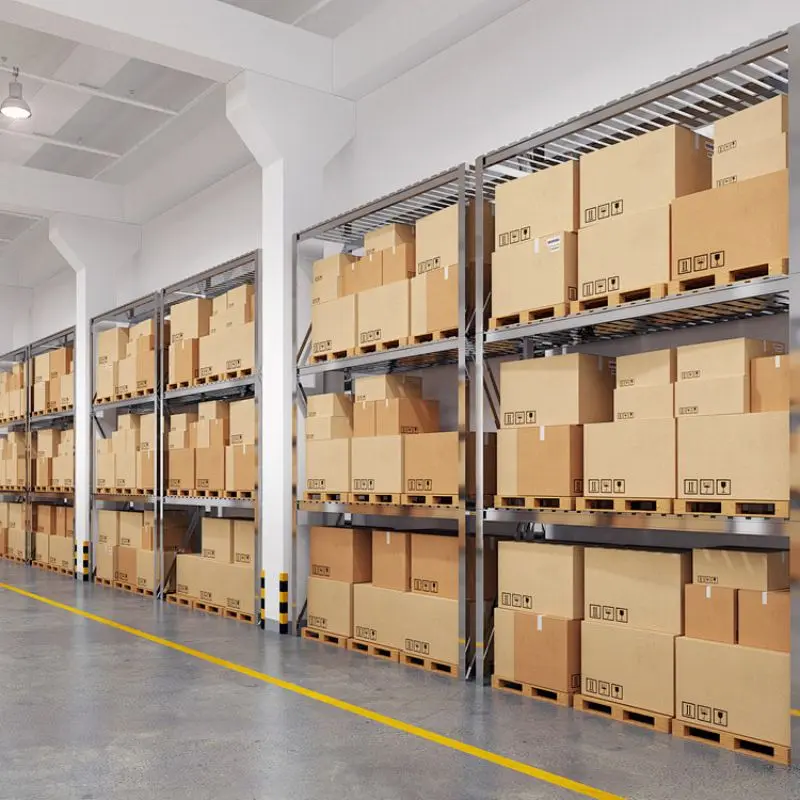
A climate-controlled 300-square-meter warehouse keeps packed systems secure and organized right next to our final shipping stations.
Standard design parameters for gaming console-ready projectors built in our manufacturing facility.
| Feature Parameter | Enterprise Target Standard | Impact on PS5 Performance |
|---|---|---|
| HDMI Version Interface | HDMI 2.1 / eARC Supported | Enables 4K @ 120Hz signal input, HDR metadata transfer, and uncompressed audio return. |
| Direct Input Latency | <15ms (Dedicated Game Mode bypassed) | Reduces button-to-screen delay, vital for first-person shooters and combat titles. |
| Native Aspect Ratio | 16:9 / Support 21:9 Ultra-Wide Emulation | Matches native PS5 rendering ratios without scaling artifact distortion. |
| Light Source engine | Sealed Optical Engine LED / DLP Laser Hybrid | Prevents internal dust spots, offering long lifetimes (up to 30,000 hours) with high color saturation. |
| Keystone Correction Mode | Hardware Bypass Auto-Correction | Bypasses software scaling to maintain low latency when the console is active. |
| Audio Pass-through | Dolby Atmos / DTS:X Passthrough via eARC | Routes high-fidelity spatial surround audio directly to receiver setups. |
Next-generation innovations in optical processing and game-console projection systems.
We are expanding our UST (Ultra-Short Throw) product lines, using red-and-blue dual laser light sources to hit higher BT.2020 color gamut coverages while keeping projection distances under 20cm from the wall.
Developing hardware-based AI keystone chips that run instant real-time optical calibrations in under 1 second without interrupting HDMI game feeds.
Collaborating with chipset partners to develop affordable native 120Hz projection options, making fast refresh rates accessible for budget-friendly home theaters.
Our active shipping, logistical routes, and international presence across major electronic markets.
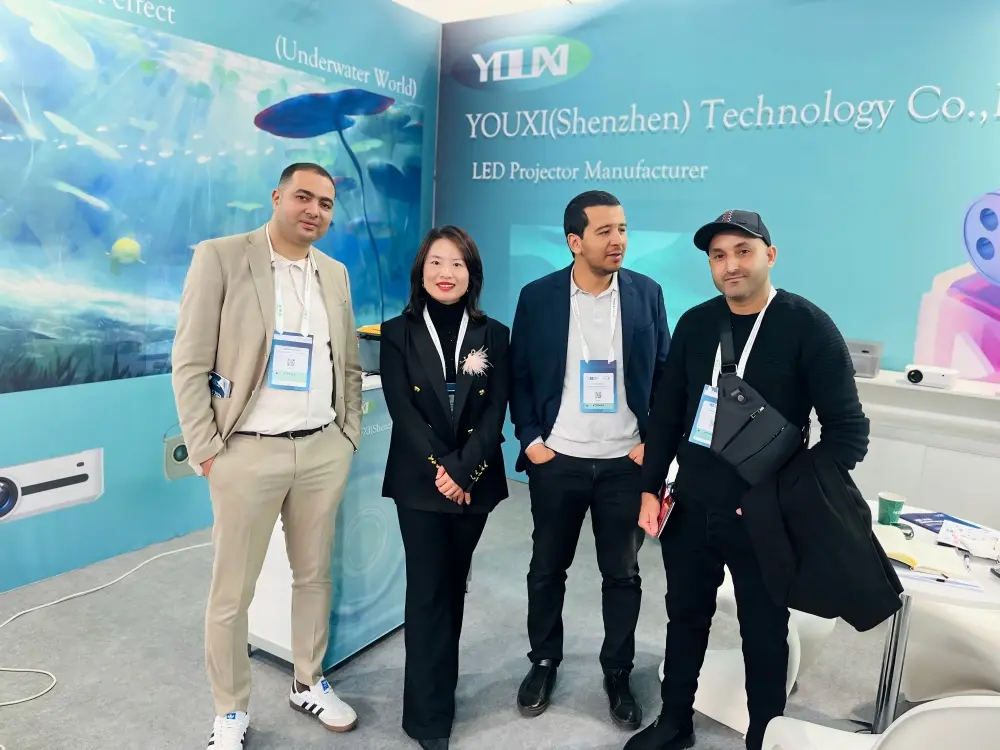
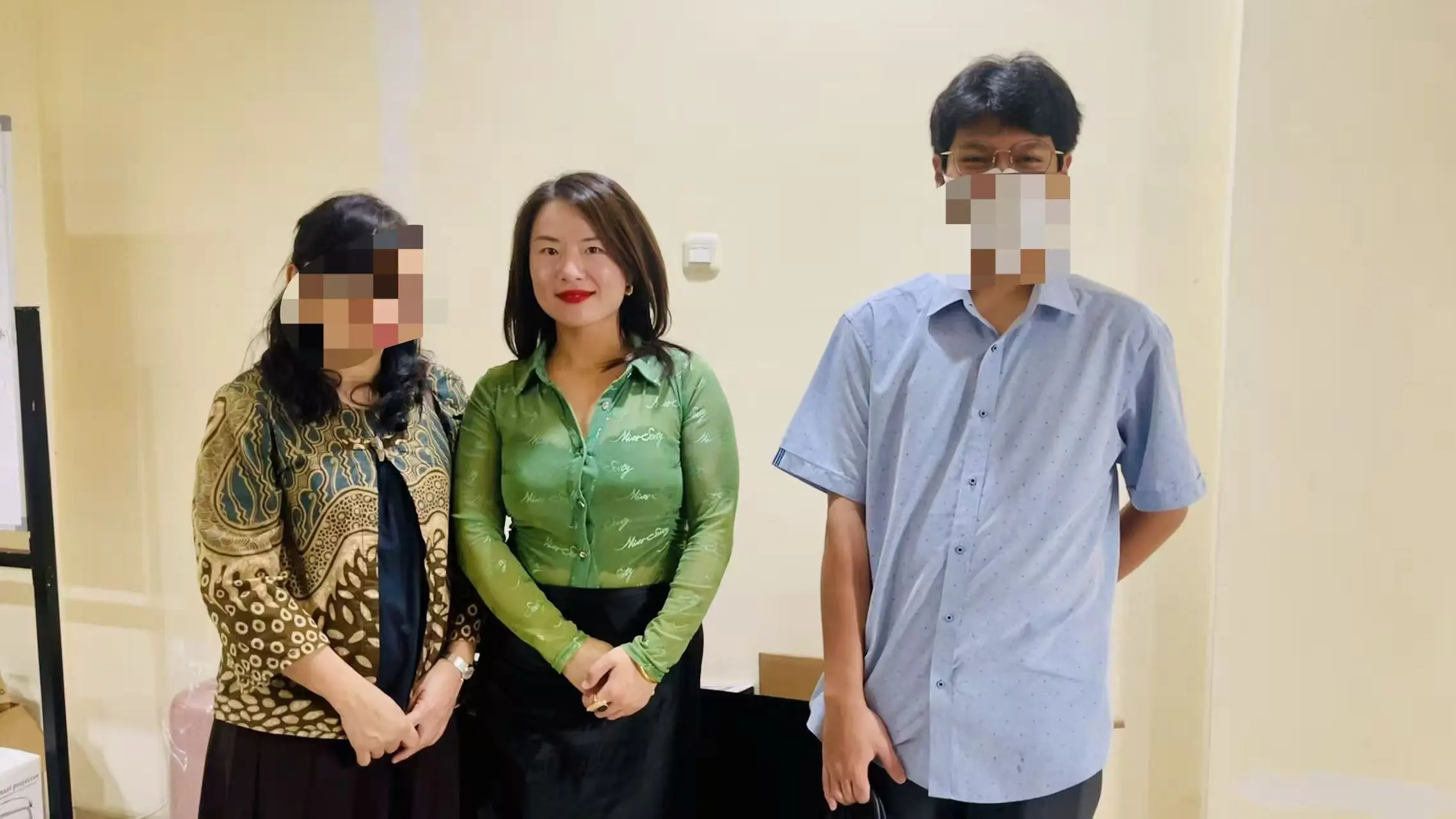
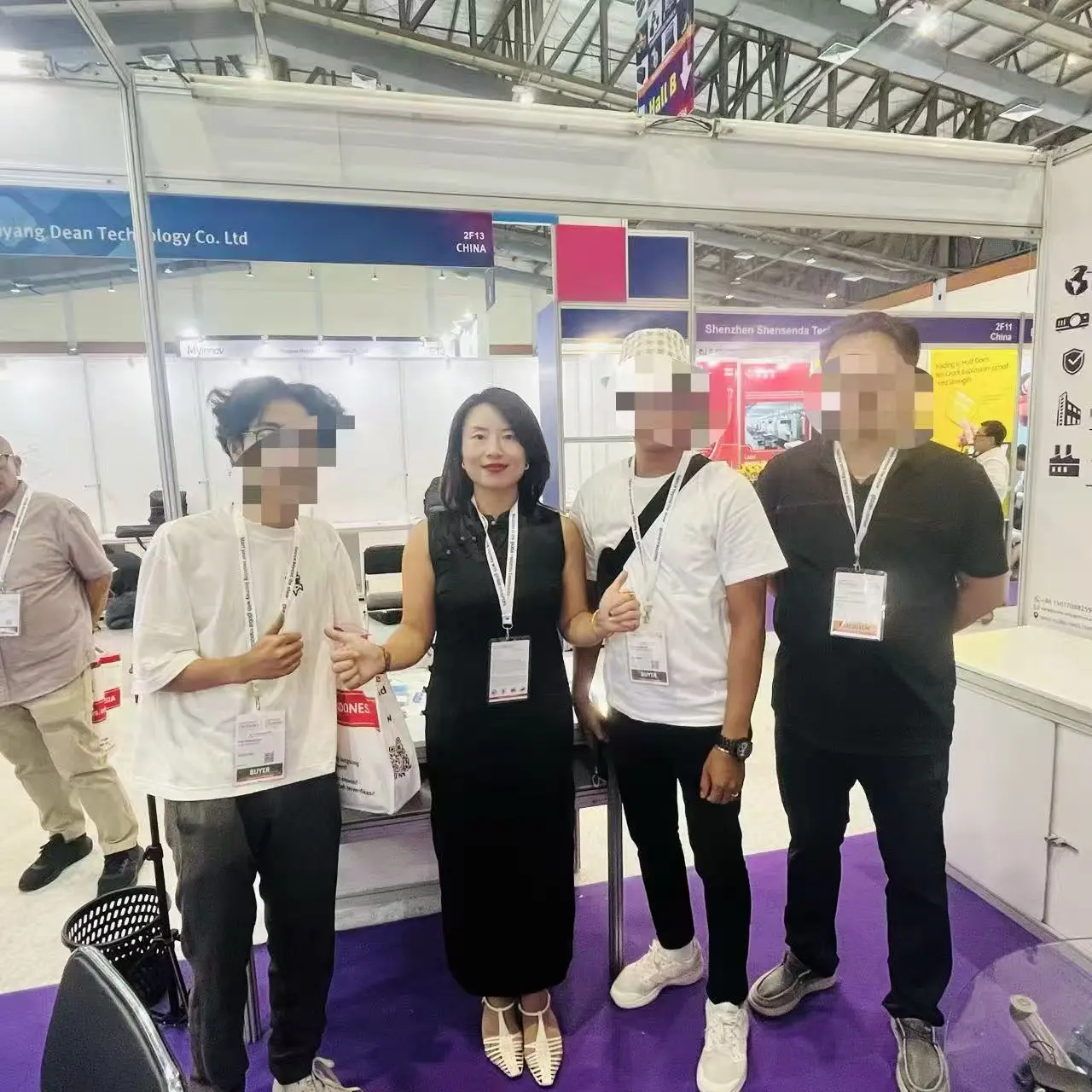
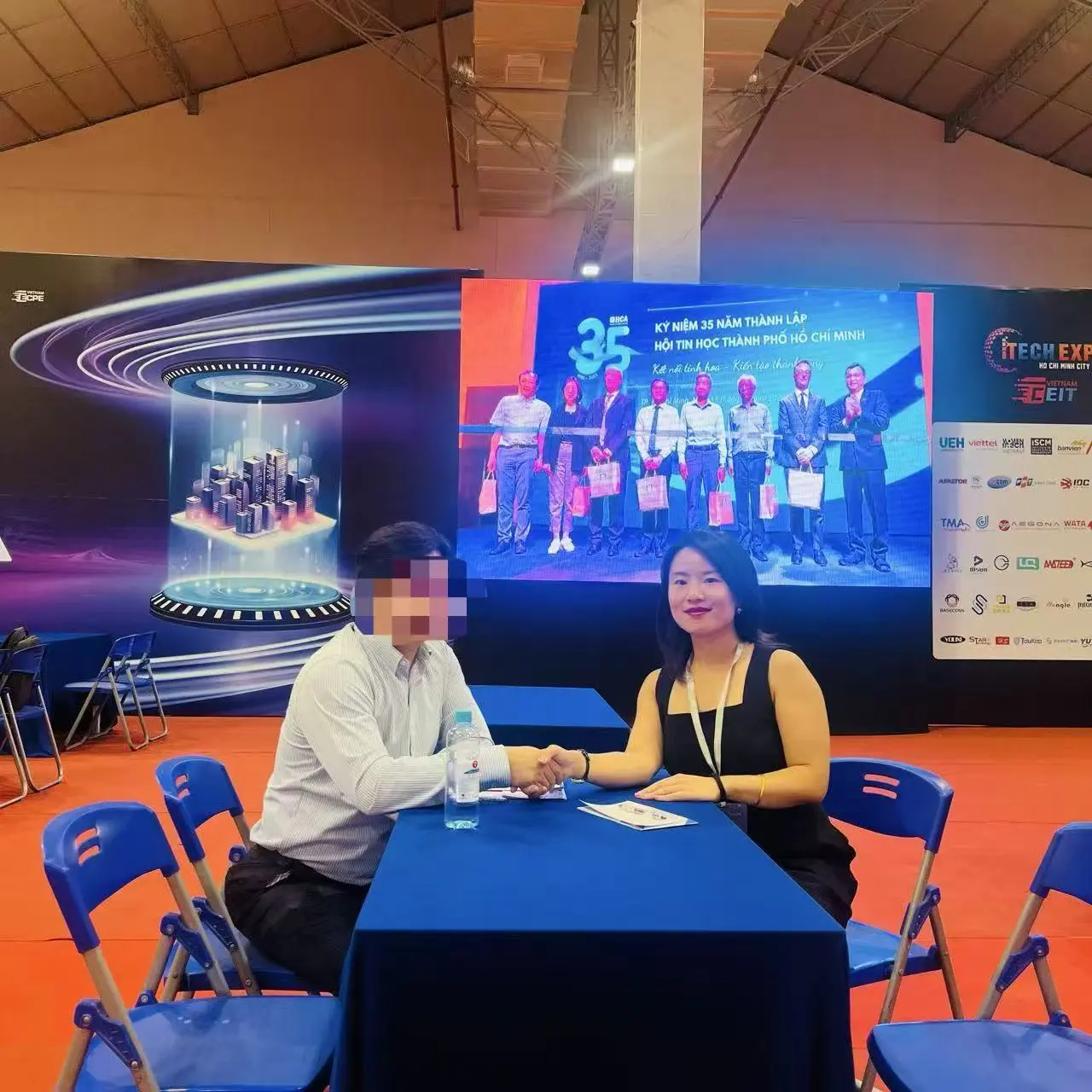
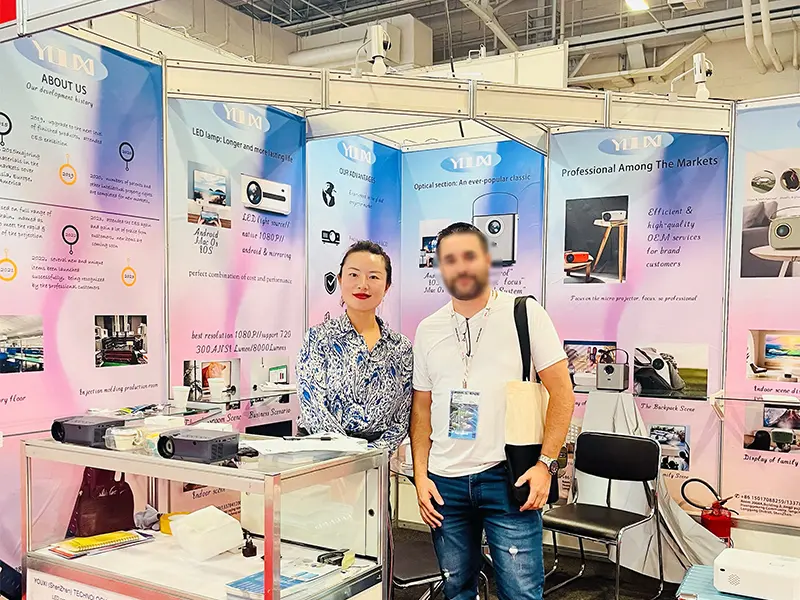
To support B2B importers worldwide, our manufacturing processes undergo regular third-party audits. Every smart projector shipping from our Dongguan facility meets key international regulatory standards:
Common questions from B2B buyers and system integrators regarding PS5-projector integration.
Explore our full catalog and request factory-direct wholesale pricing or customized project quotes.
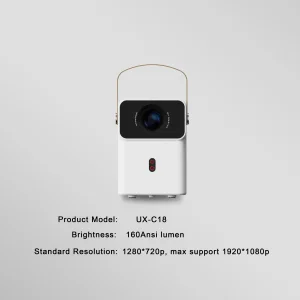
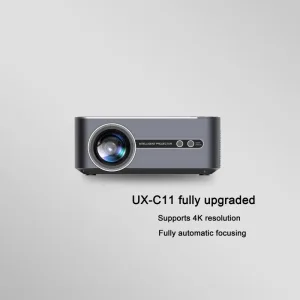
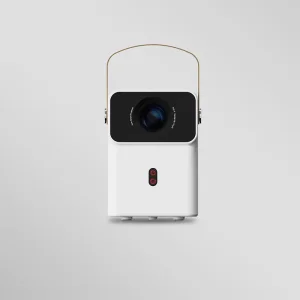
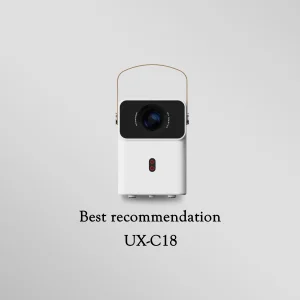
 Youxi projection