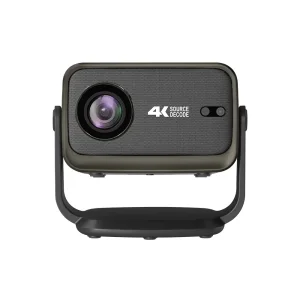
Premium intelligent display systems engineered for ultimate color accuracy, high lumen output, and continuous performance. Explore our wholesale pricelists and OEM customization quotes.
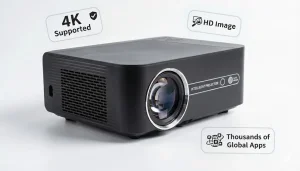
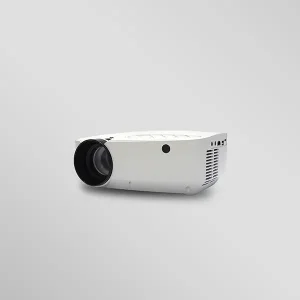
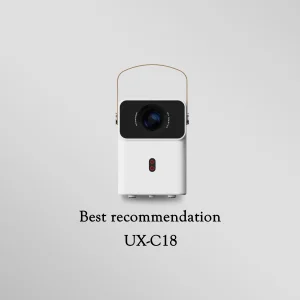
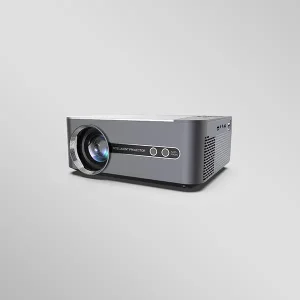
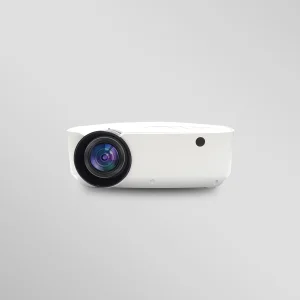
In the modern visual technologies ecosystem, the term ANSI Lumens stands as the ultimate benchmark defined by the American National Standards Institute to measure actual projector light output. Unlike misleading marketing claims utilizing "lux" or "marketing lumens," ANSI lumens present a verified, scientific measure of brightness across a projected space. In today's commercial landscapes—spanning smart corporate meeting spaces, educational auditoriums, hospitality backdrops, and interactive immersive galleries—high ANSI projectors (typically ranging from 800 to 5000+ ANSI lumens for solid-state LED and LCD units) have become critical infrastructure components.
The global shift toward digitalization, paired with the integration of smart operating systems (such as Official Google TV and Android Open Source Project), requires display systems capable of battling high ambient light. Enterprise clients and educational buyers are no longer content with dim, low-contrast projections that require complete room darkening. The priority has shifted toward highly durable, low-decay optical engines that maintain high contrast and color fidelity over a standard 30,000-hour lifecycle.
Furthermore, structural shifts toward eco-conscious design require high ANSI projectors to operate with superior electrical-to-optical conversion ratios. As energy consumption laws tighten globally, manufacturing centers must design optical engines that deliver maximum output while minimizing thermal waste and keeping decibel levels under 30dB. This balance of brightness, acoustics, thermal stability, and integrated smart software forms the cornerstone of modern optical B2B procurement.

Why Southern China acts as the silicon valley of projection technologies, bringing unmatched supply chain synergy, cost optimization, and speed-to-market.
By housing mold injection, PCB SMT design, precision optical lens processing, and final assembly within a 30-minute radius in the Shenzhen-Dongguan cluster, lead times are cut by 40% compared to other regions.
Whether it is integrating licensed Google TV and Netflix interfaces or establishing customized physical I/O ports, these advanced factories deliver full-service customization solutions at competitive costs.
Proximity to the major Hong Kong logistics ports (within 40 minutes from Shenzhen HQ) allows B2B buyers to transition from factory floor production to sea, rail, or air container shipments seamlessly.
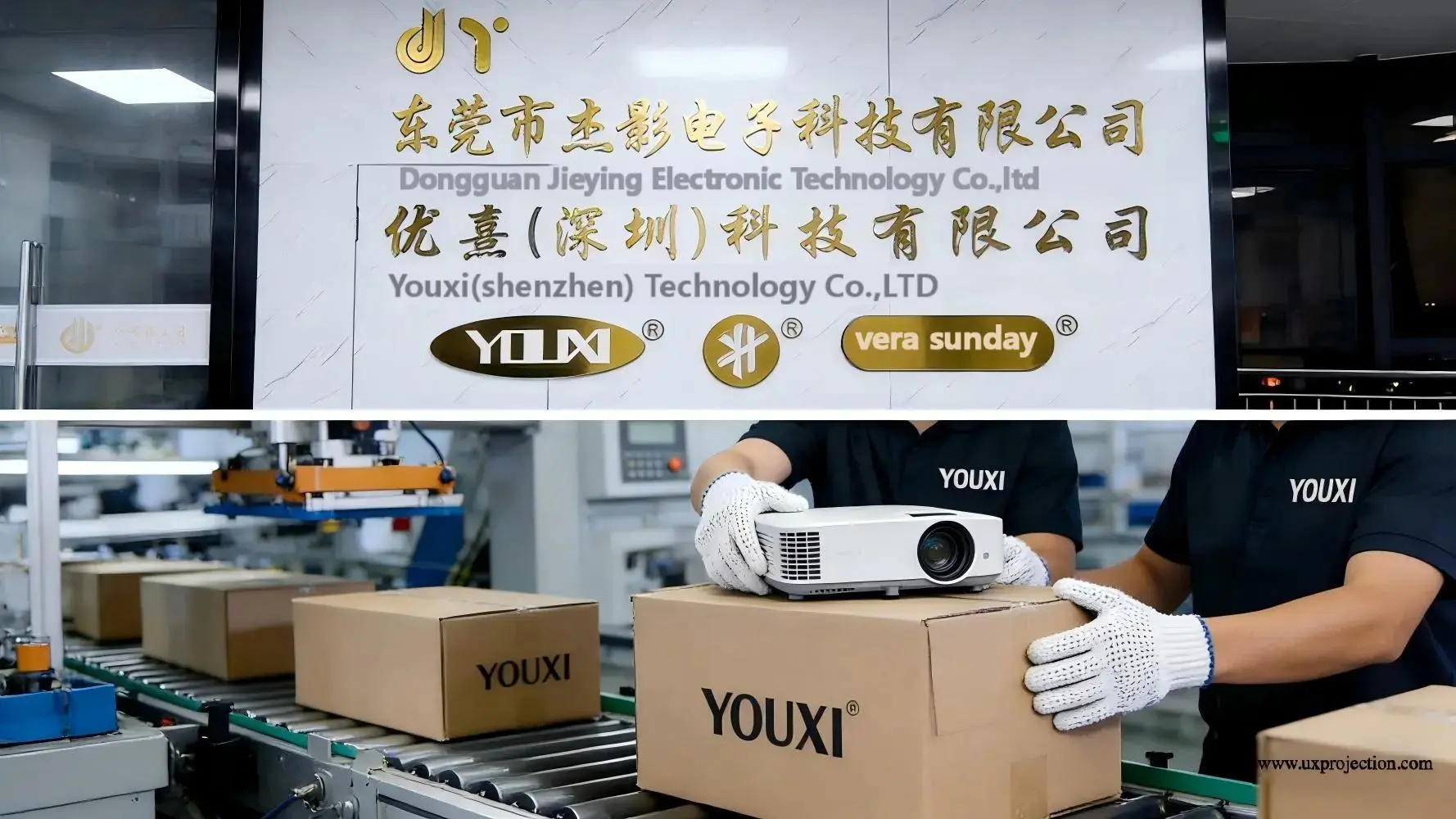
At the center of this industrial synergy stands Youxi (Shenzhen) Technology Co., Ltd., established in April 2021. Youxi manages a fully integrated operational structure containing technical research and development, plastic mold design, dust-free assembly, quality inspection, and supply chain logistics. Operating a dedicated 4,000-square-meter manufacturing and assembly hub in Fenggang Town, Dongguan City (a 25-minute drive from the Shenzhen HQ), the facility is managed by over 100 highly skilled technicians. With a monthly production run capacity reaching 50,000 units, Youxi delivers scalable, high-grade projection solutions to brand owners, wholesalers, and enterprise buyers worldwide.
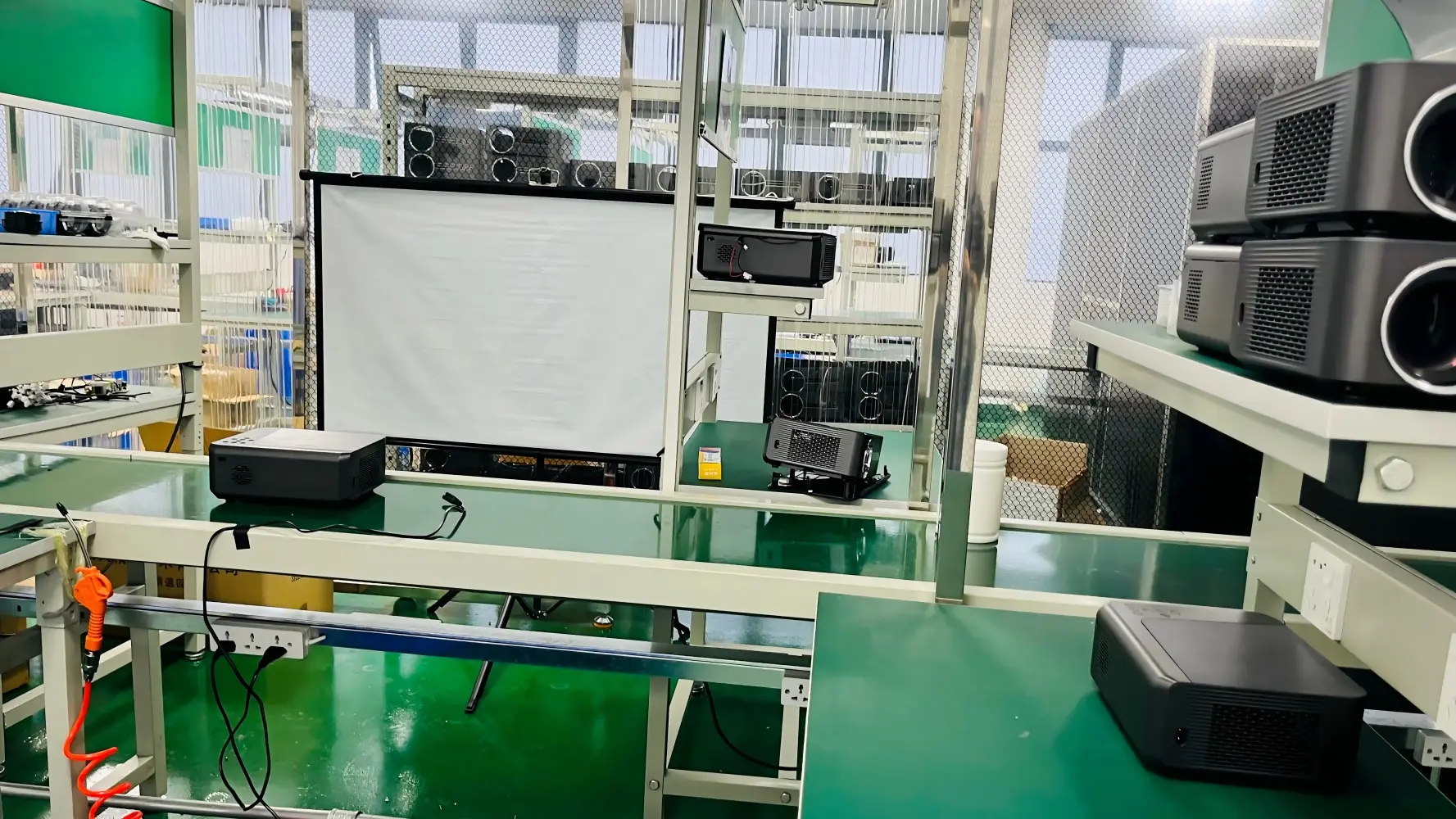
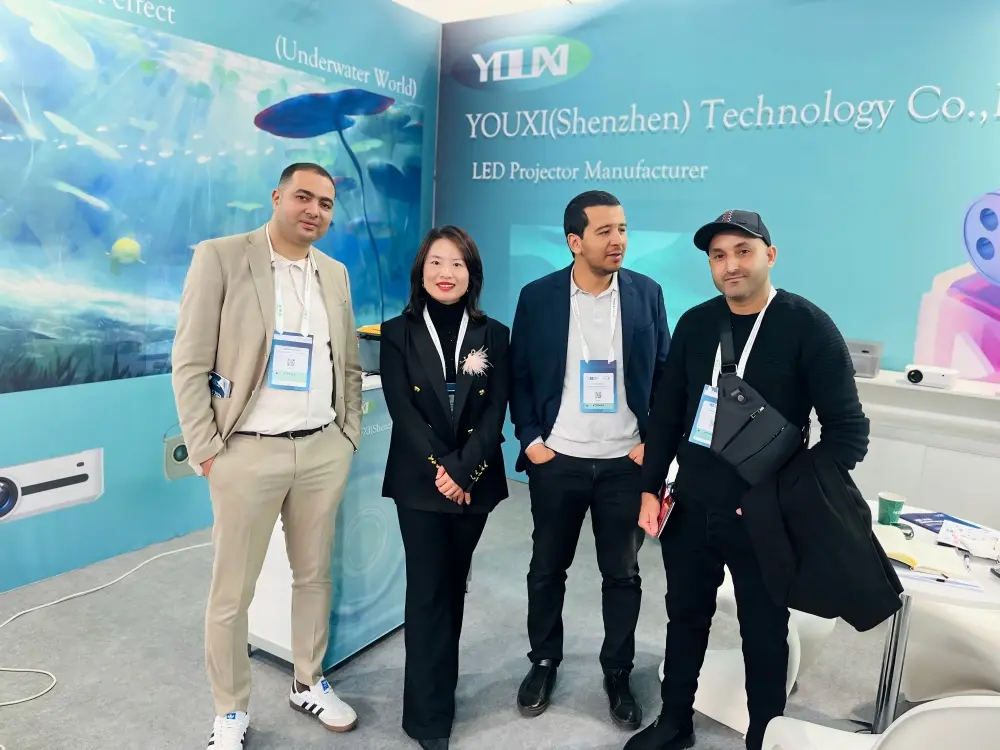

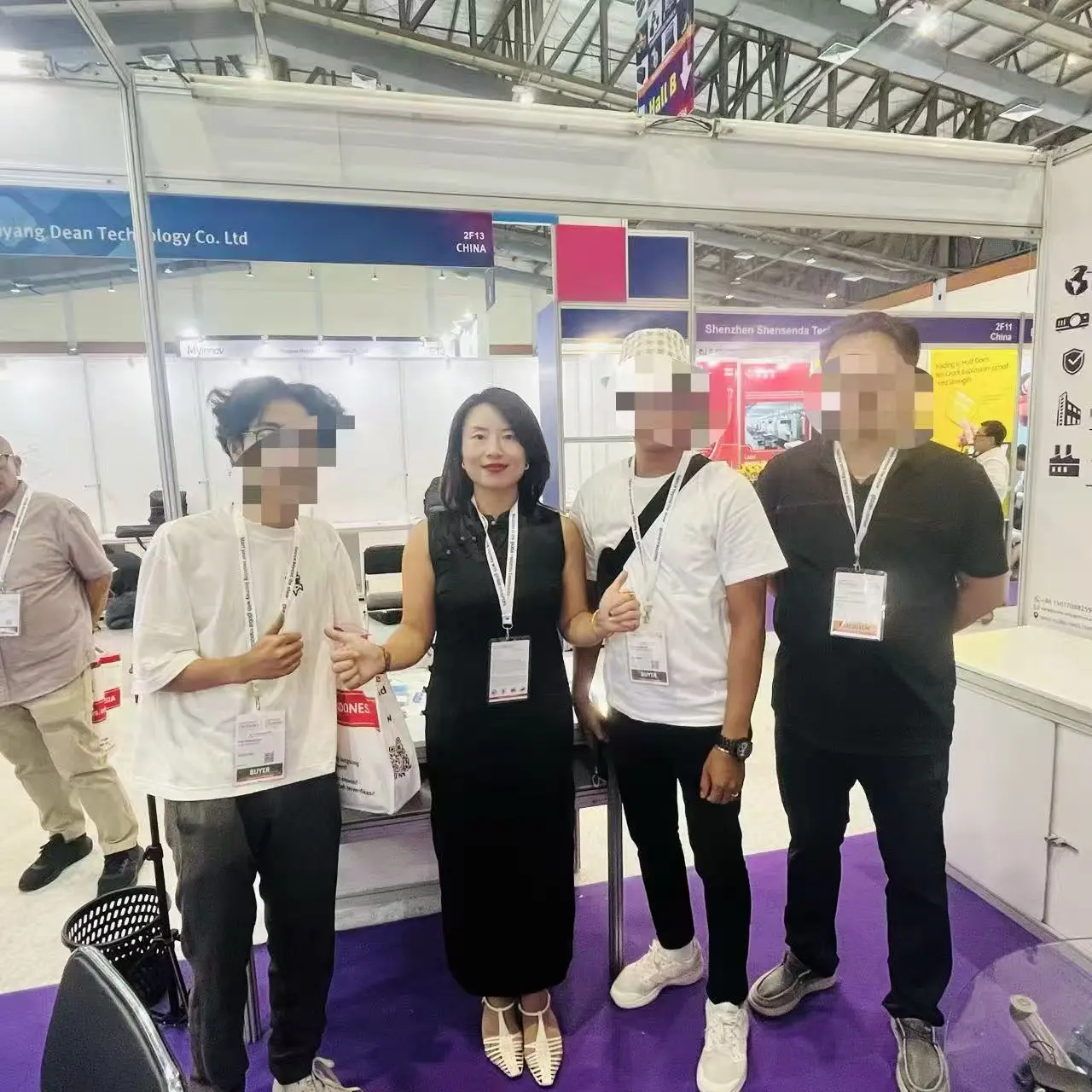
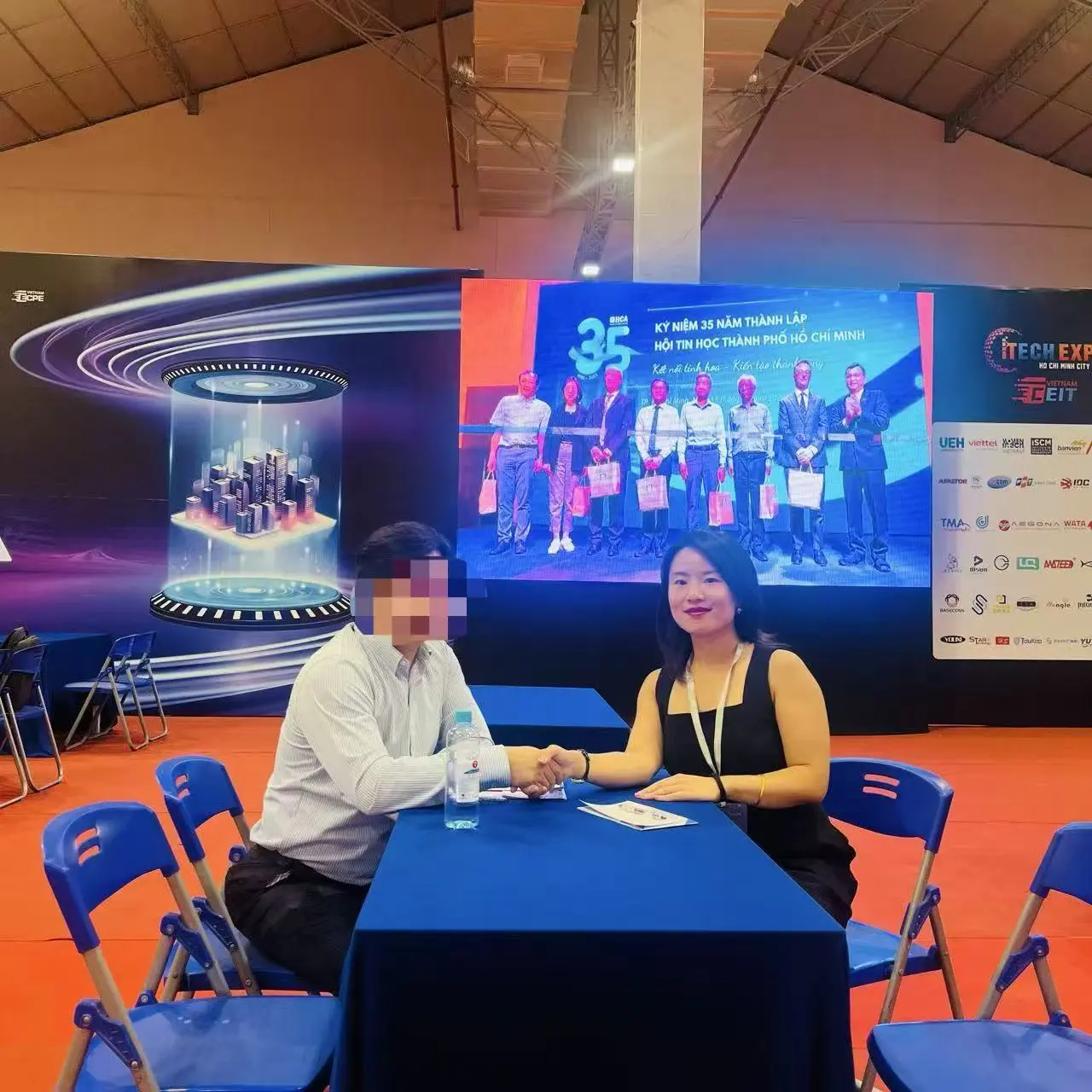
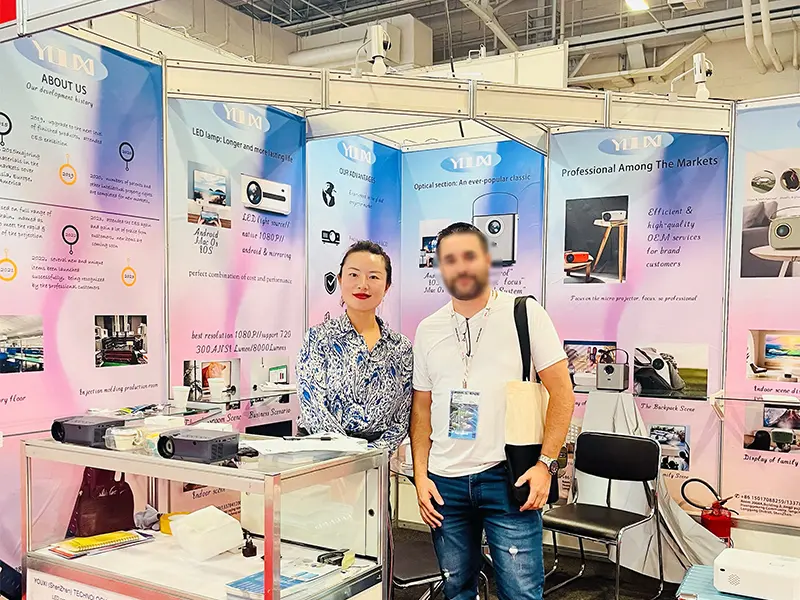
Discover how we combine precision engineering, strict dust management, and intensive QC testing to deliver top-tier optical performance in every unit.
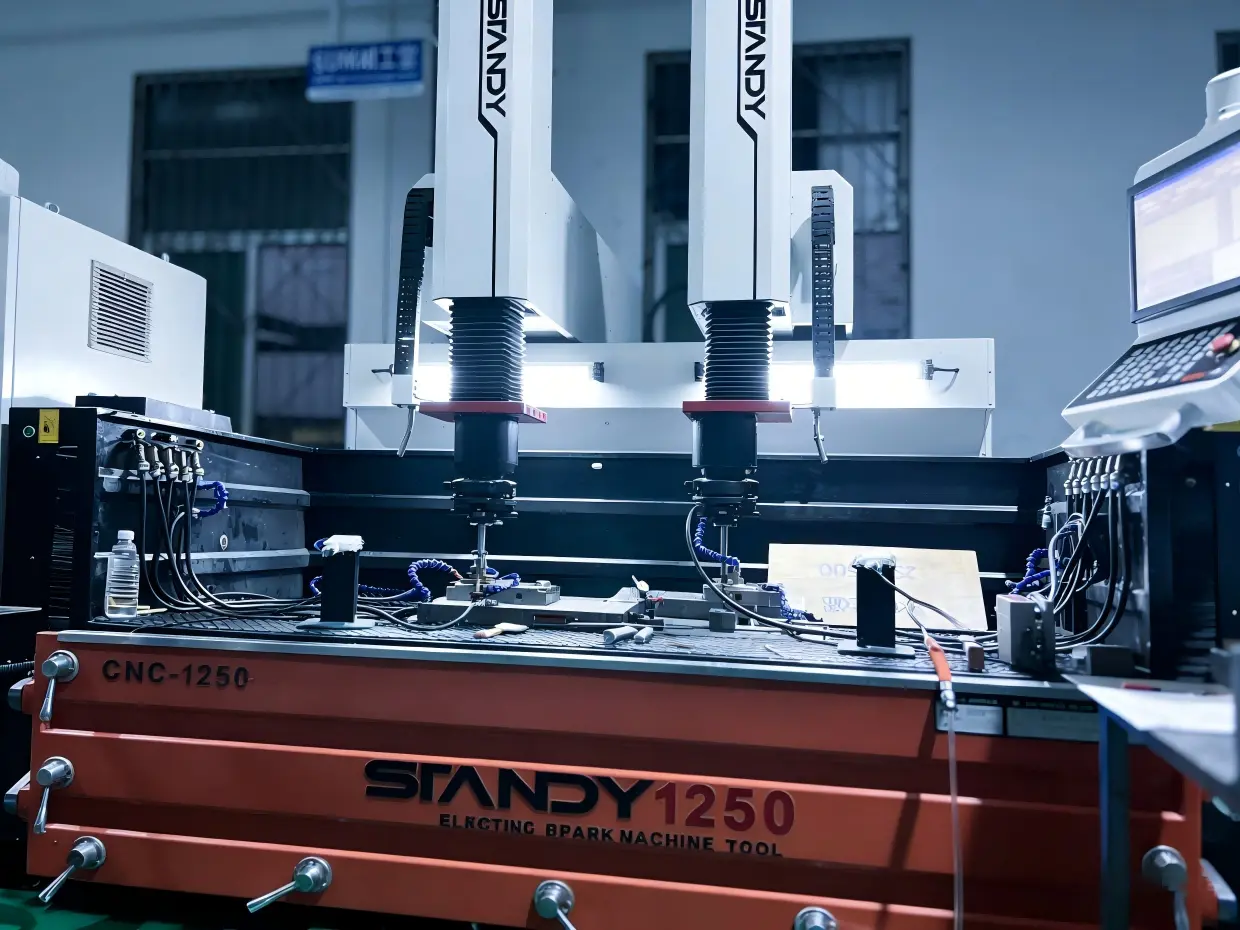
A high ANSI projector requires zero light leaks and absolute structural alignment to prevent dust infiltration. Our dedicated mold and injection workshop is situated adjacent to the main assembly factory, equipped with CNC tooling and precise molding machines that exceed conventional market standards. This allows us to guarantee structural tolerances of less than 0.05mm, ensuring a robust foundation for every optical housing unit.
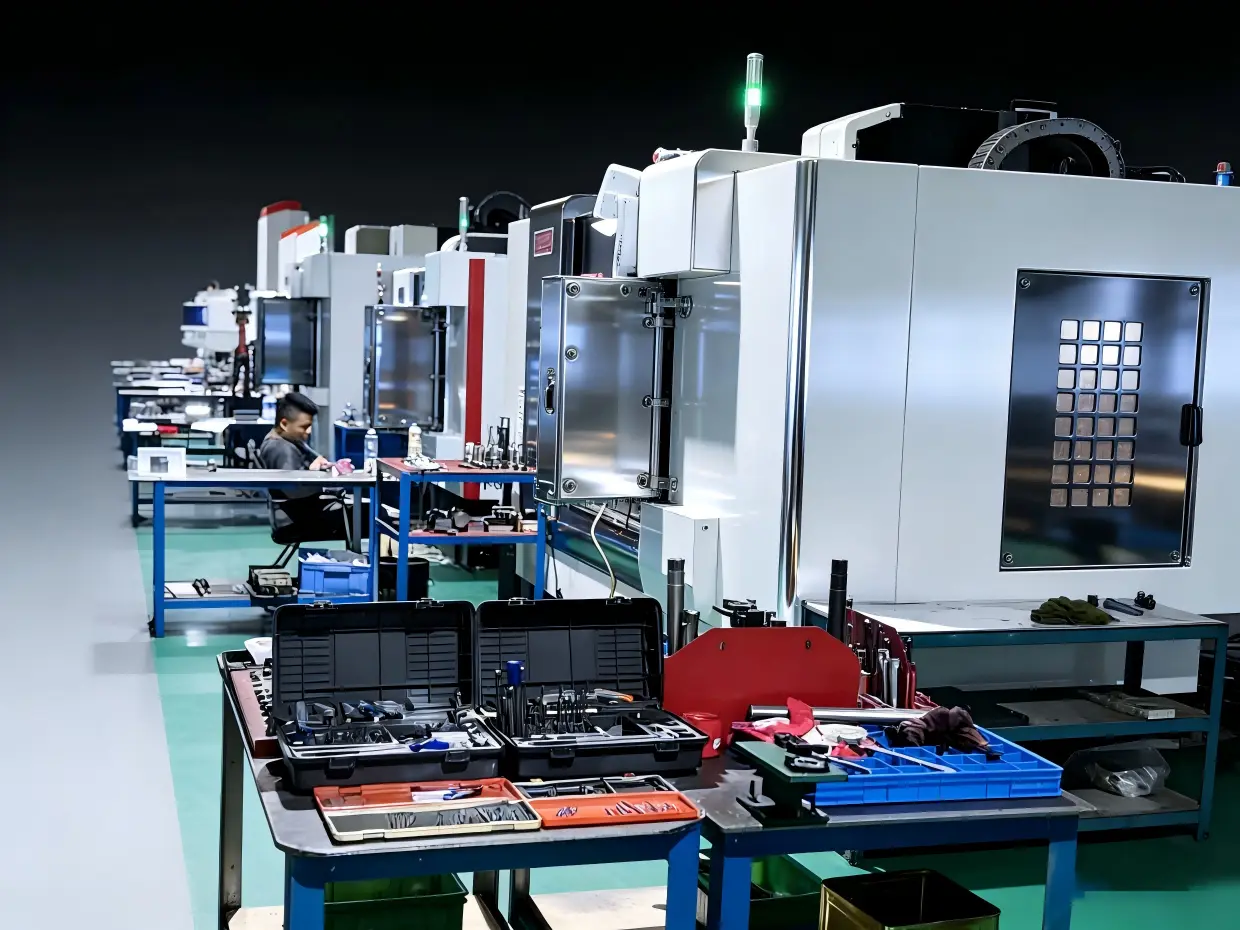
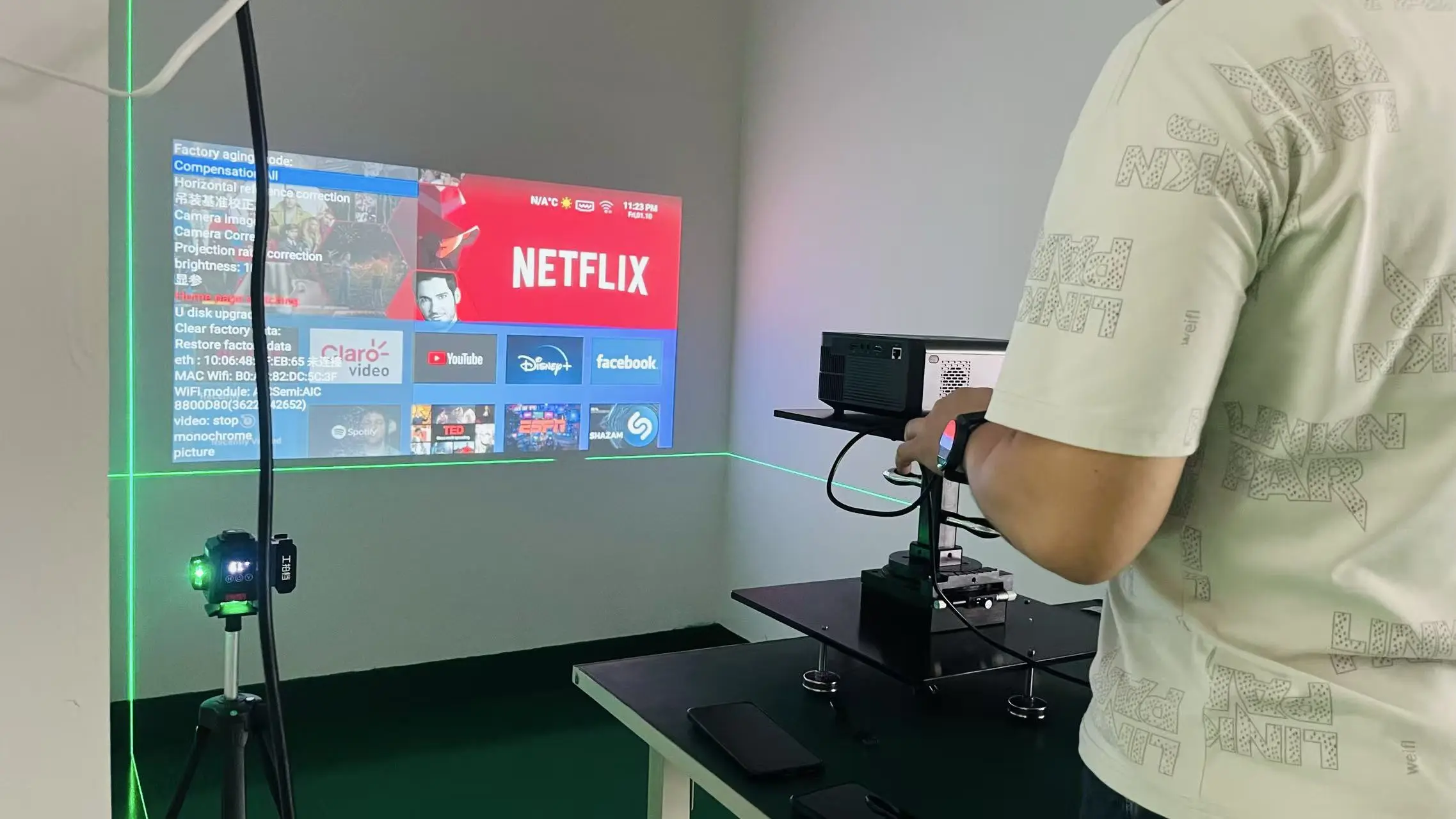
Dust is the primary enemy of single LCD and DLP projection systems, causing black spots on the screen and accelerating heat buildup. Our 4,000-square-meter facility features cleanroom zones designed specifically for light path assembly. Our 100+ highly trained assembly technicians operate under strict 5S standards, using high-end alignment systems and automated screwdriving machines to maximize efficiency and consistency across all assembly runs.
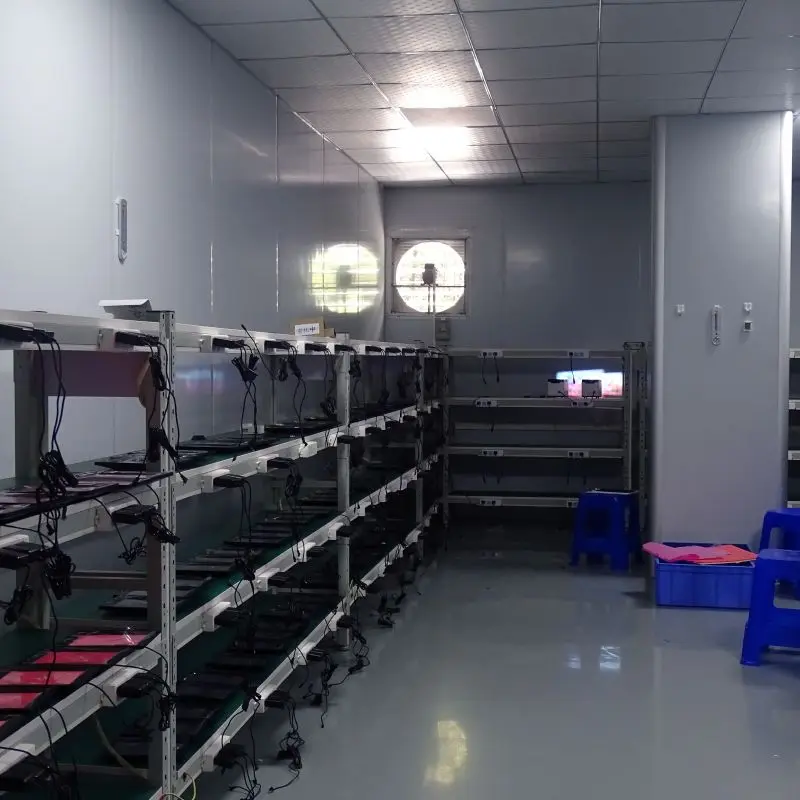
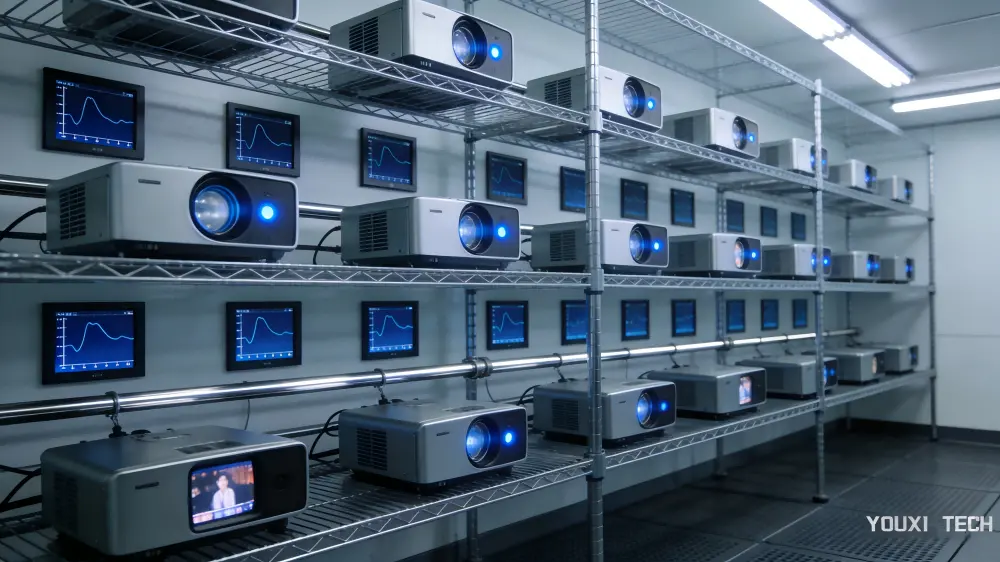
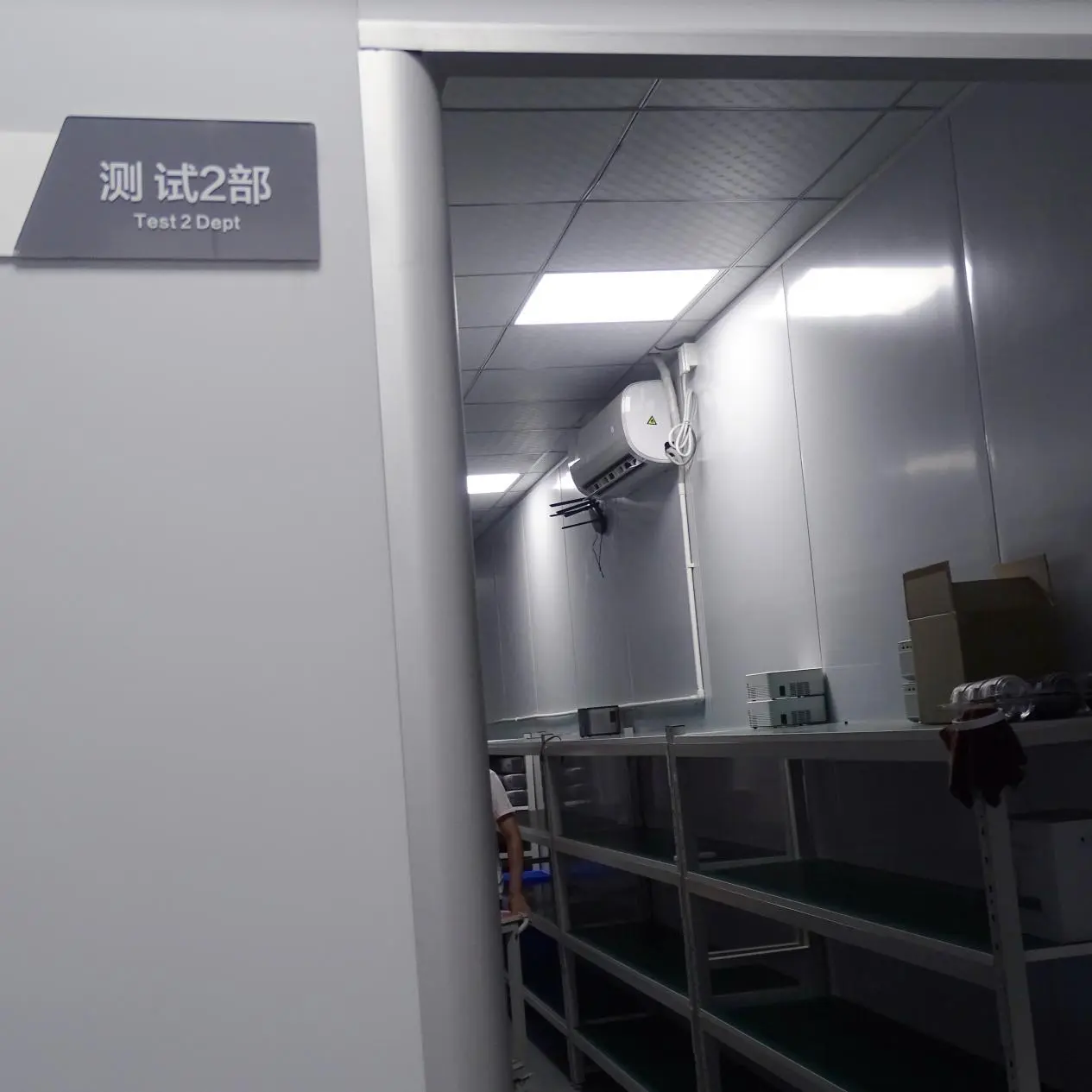
To ensure brightness uniformity and prevent focus drop-off, our testing division manages 12 specialized test rooms. Our quality control team runs an intensive three-stage inspection protocol: initial checks of incoming raw optical glass/LEDs, a primary functional analysis immediately following final assembly, and a pre-shipping sample test using specialized photometers and colorimeters.
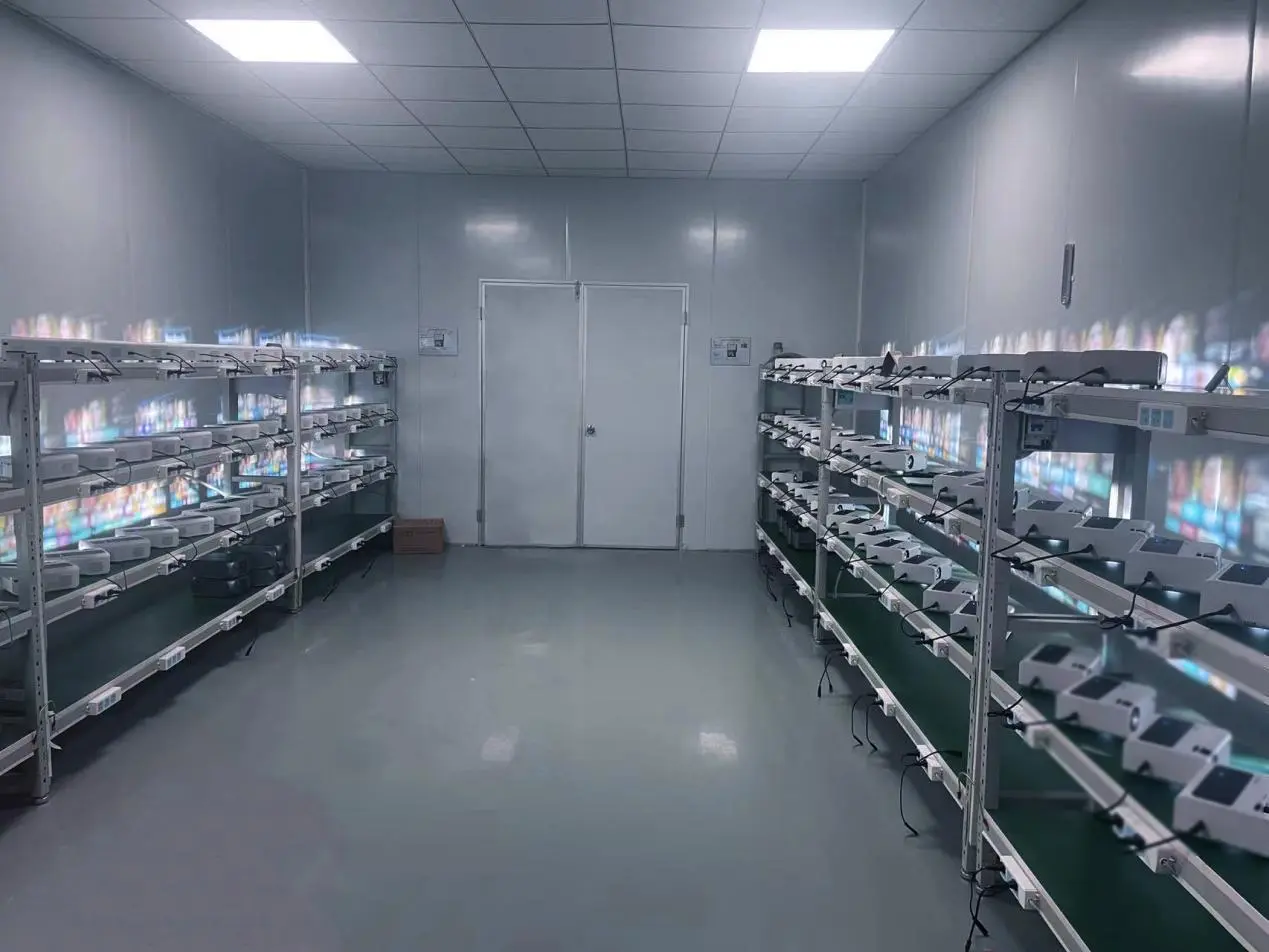
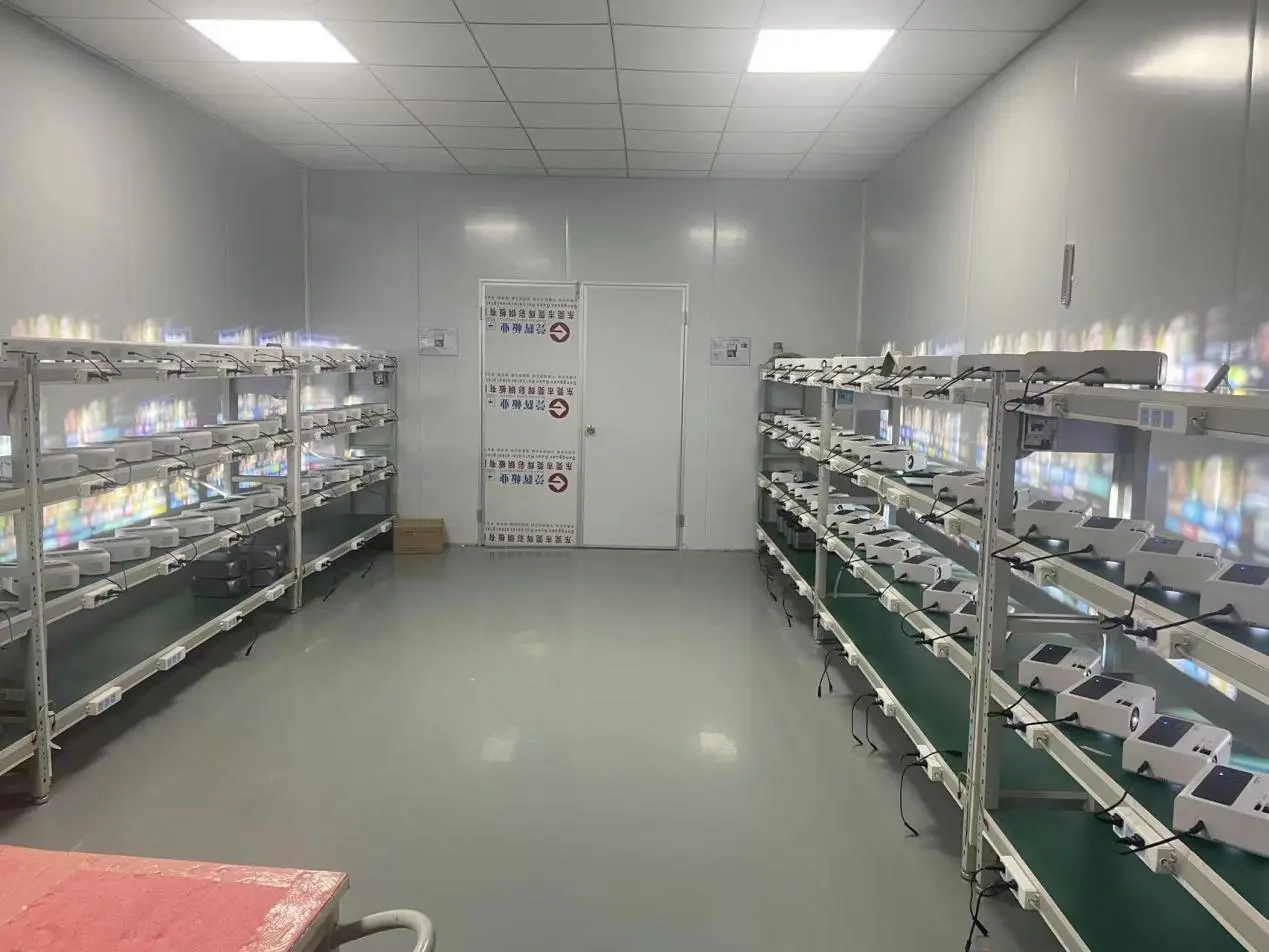
High-brightness light engines generate intense heat, making thermal dissipation critical. To confirm long-term reliability and minimize RMA rates for our global distributors, our burn-in facility supports continuous testing of at least 200 projectors simultaneously. Every single projector undergoes rigorous thermal and electrical stress testing to identify potential early component degradation.
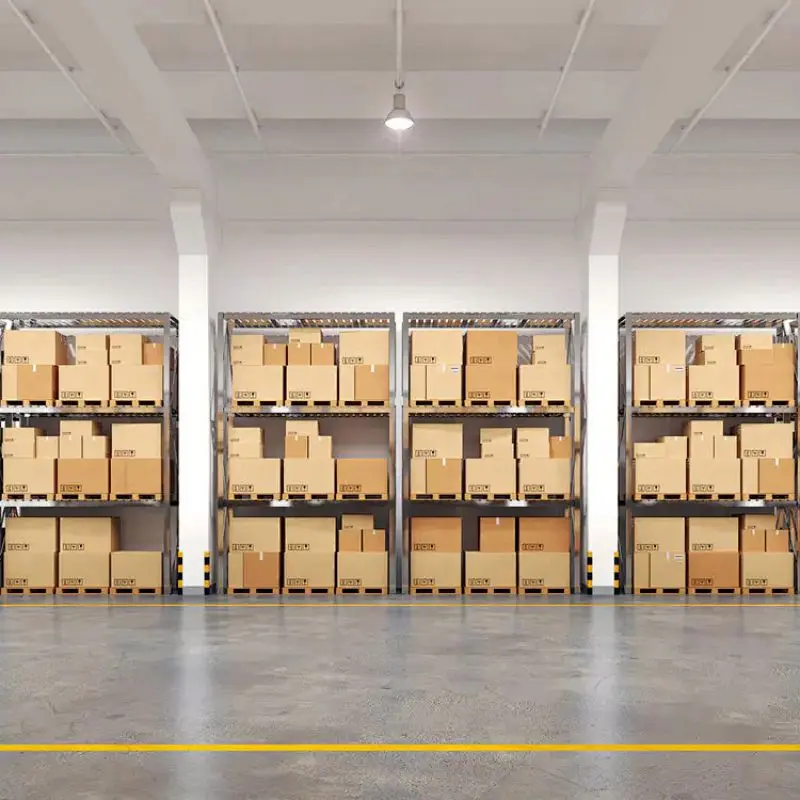
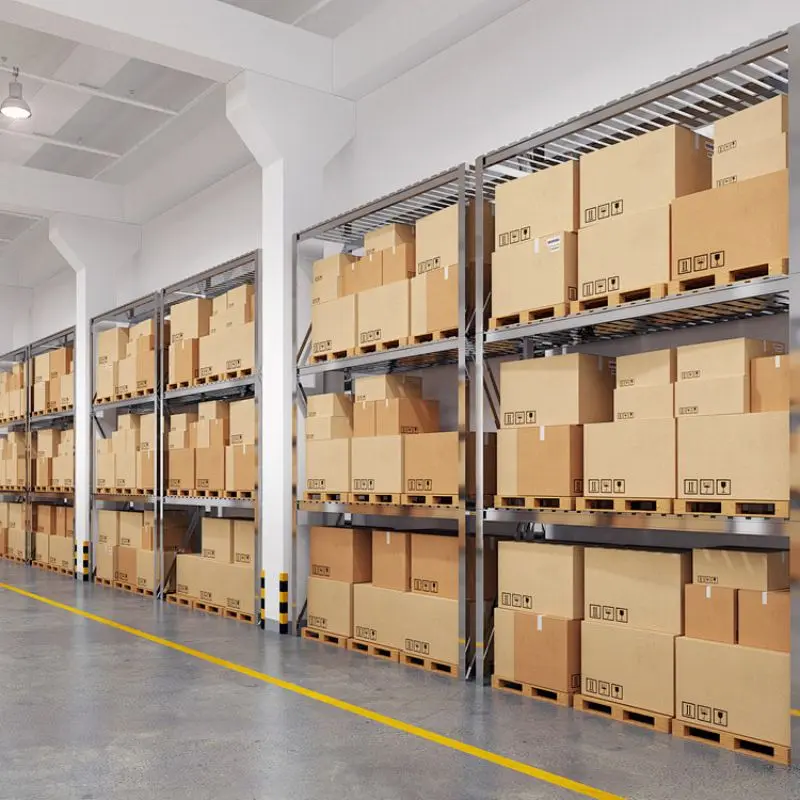
Finished projectors are packaged using shockproof materials to protect the delicate optical alignments from damage during B2B shipping. Our 300-square-meter finished goods warehouse operates adjacent to the packaging line, enabling direct loading and efficient logistics dispatching.
How global clients utilize our High ANSI projection devices to deliver superior visual outcomes across various applications.
Consumers want a plug-and-play smart TV replacement. Our projectors feature Official Google TV and native Netflix L1 support, displaying crisp 1080P resolution even during daytime hours without requiring blackout drapes.
Interactive meeting rooms and modern classrooms require bright, clear screens for legible presentations. With auto-focus, keystone calibration, and interface options like HDMI 2.1, these projectors integrate seamlessly with laptops, tablets, and networks.
Gamers demand low latency, variable refresh rates, and seamless Bluetooth connectivity. With dual-band Wi-Fi and low-latency modes, our portable models provide immersive large-screen gaming experiences without lagging or pixel drop-off.
Navigating the wholesale procurement of high ANSI projectors requires a clear understanding of the key manufacturing cost drivers. Enterprise sourcing managers should focus on these four main elements:
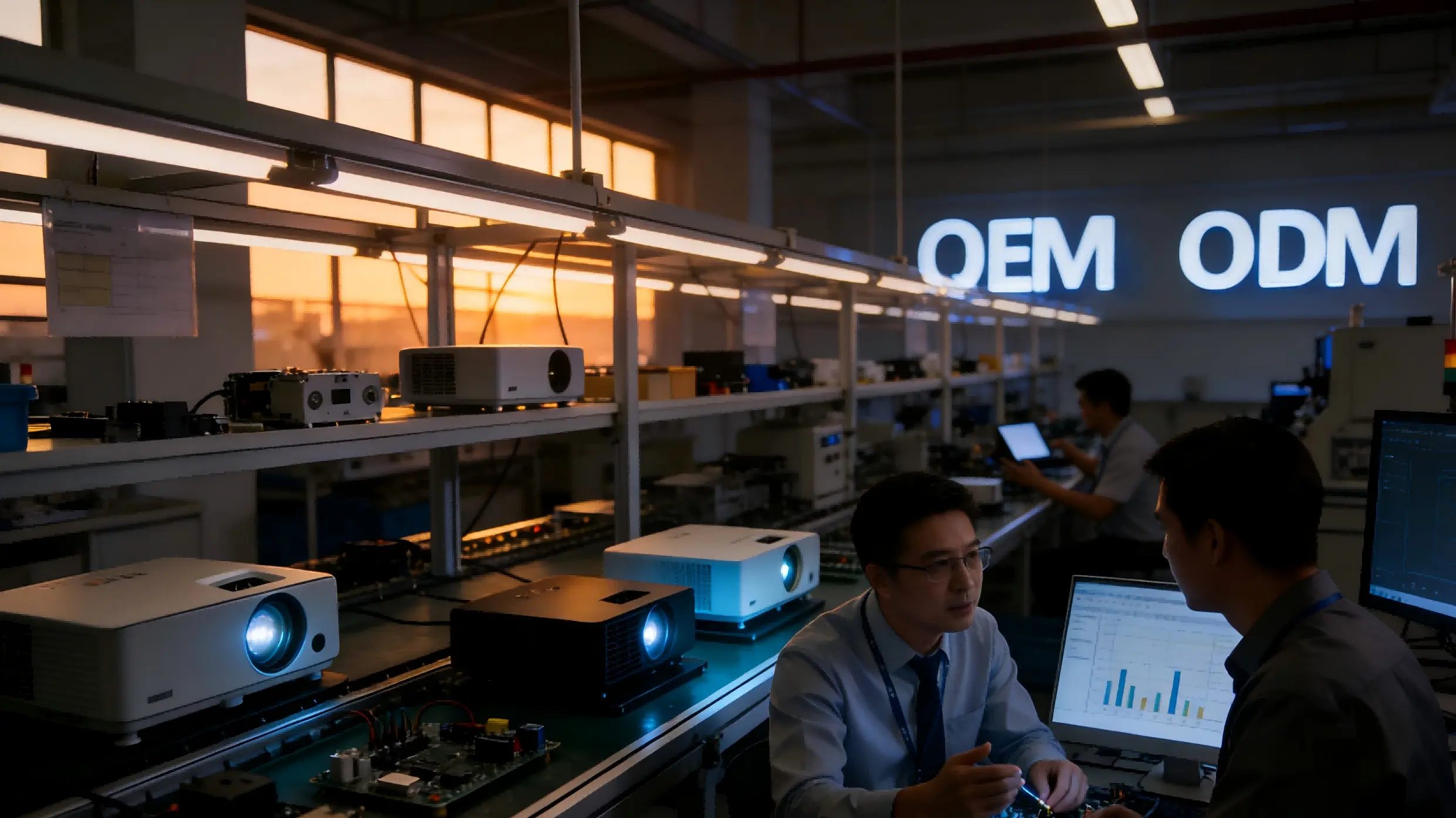
At Youxi Technology, we offer flexible manufacturing solutions, including OEM, ODM, and Material-Specified Manufacturing (MSM). This enables buyers to adjust components—such as optical glass layers, plastic finishes, or inputs—to meet their precise market requirements and budget constraints.
| Category | Lumen Range | Est. Price Range |
|---|---|---|
| Portable Entry | 150 - 300 ANSI | Request Quote |
| Standard Smart Home | 350 - 800 ANSI | Request Quote |
| Premium High-ANSI | 800 - 1500+ ANSI | Request Quote |
| Commercial Custom | 2000+ ANSI | Custom Project |
*Prices vary based on volume, licensing requirements, smart chip integration, and custom packaging designs.
Get answers to common technical, logistics, and customization questions from our optical manufacturing experts.
Premium projection hardware designed for commercial presentations, educational environments, and smart home theater applications.
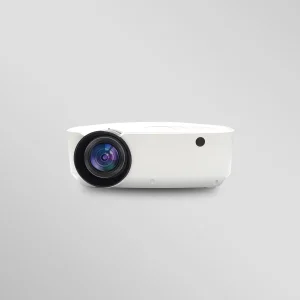
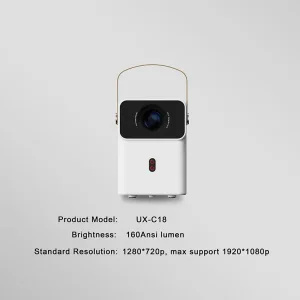
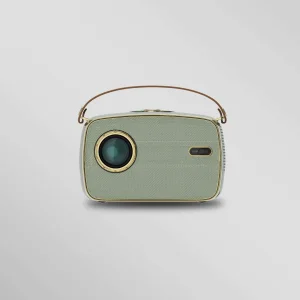
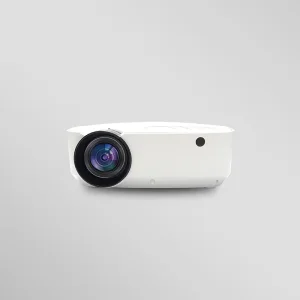
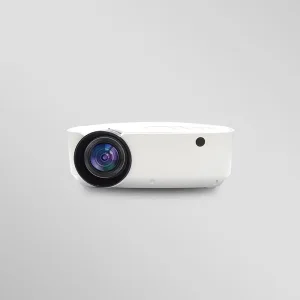
Contact our engineering and sales teams to request a custom OEM/ODM quote, schedule a factory inspection, or receive a complete catalog and wholesale pricelist.
Request Catalog & Pricelist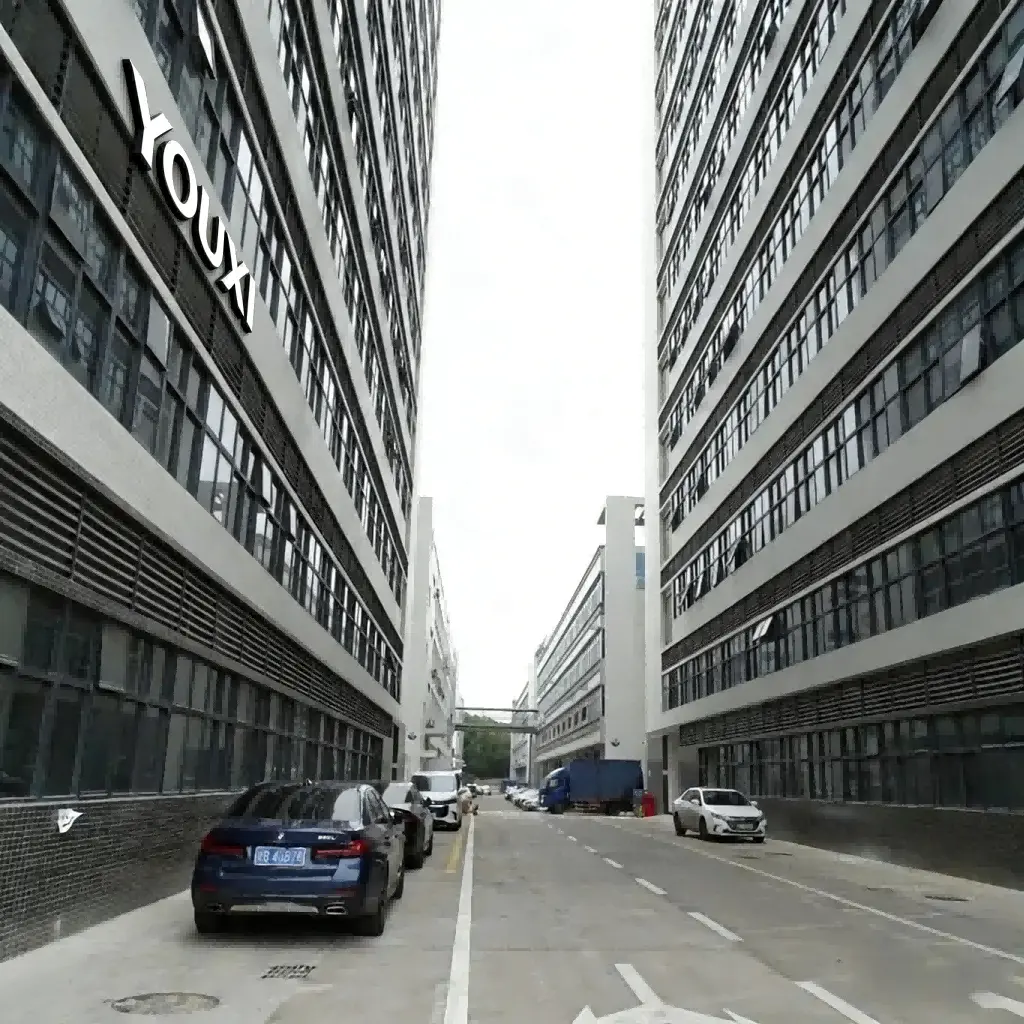
 Youxi projection