Explore our leading commercial-grade and home projection systems, custom-engineered for global B2B projects, retailers, and distributors.
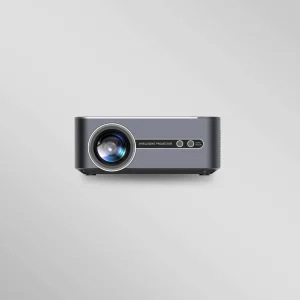
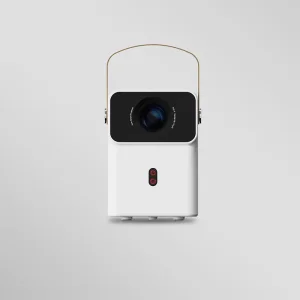
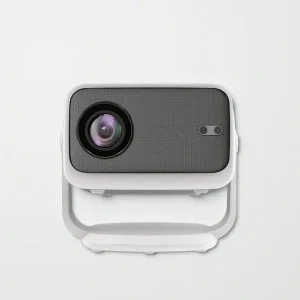
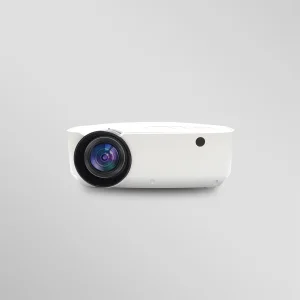
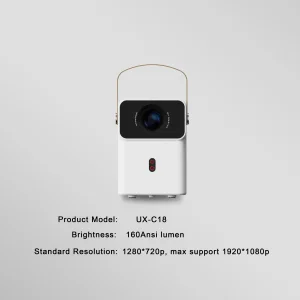
For B2B procurement managers, sourcing agents, and electronics brands, looking at simple descriptions like "high-quality projector" is not enough. The global projection market is highly fragmented, with optical engines, light paths, system configurations, and international compliance drastically altering final retail value and field durability.
When requesting quotes and studying a pricelist, buyers must analyze optical architectures—such as Closed vs. Open Optical Engines, Single LCD vs. DLP panels, and native resolutions versus artificial decoding limits. Selecting an optical solution requires a comprehensive technical approach to ensure product longevity and high consumer satisfaction.
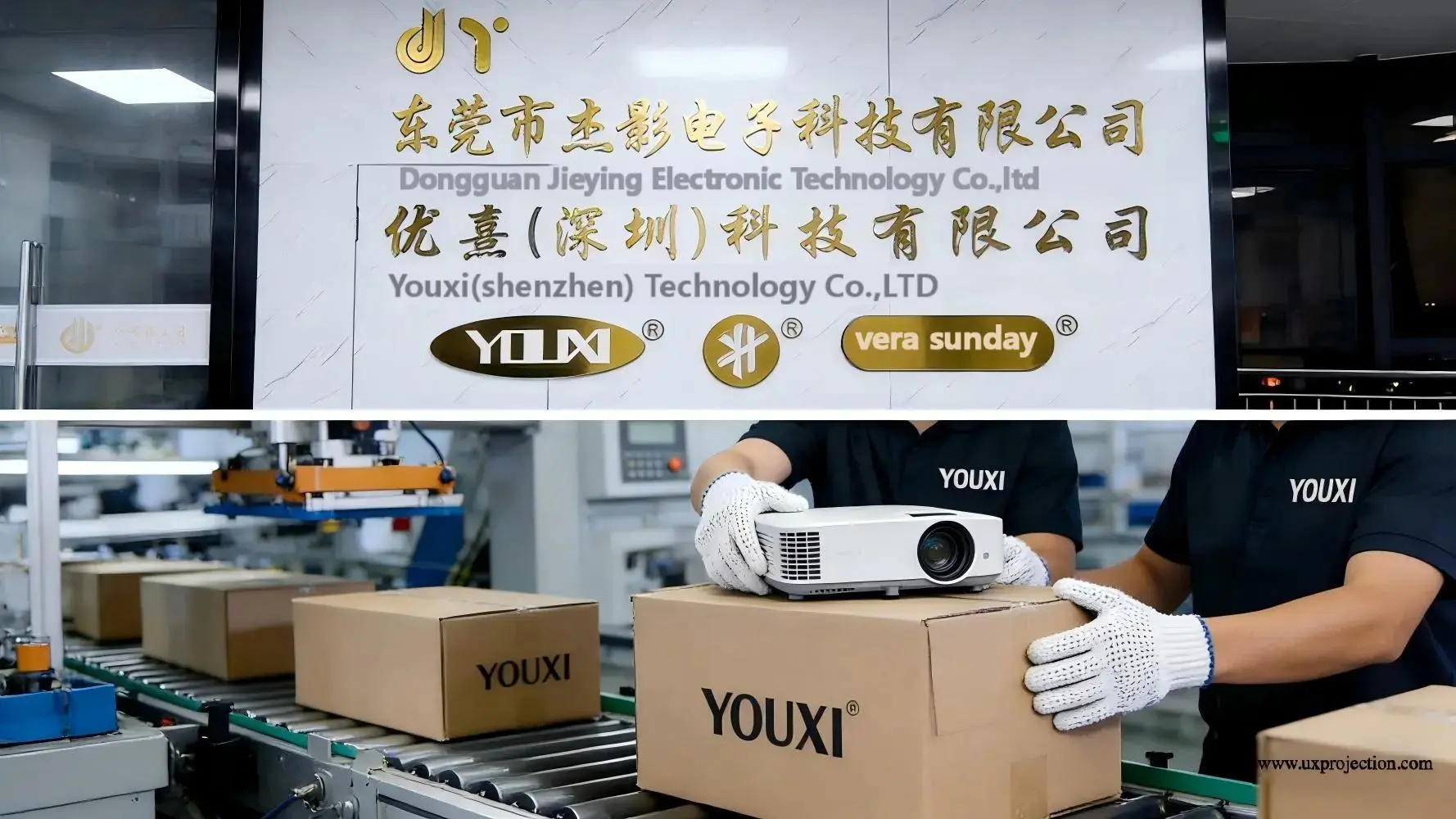
A vertically integrated powerhouse in intelligent projection systems research, development, and high-precision assembly.
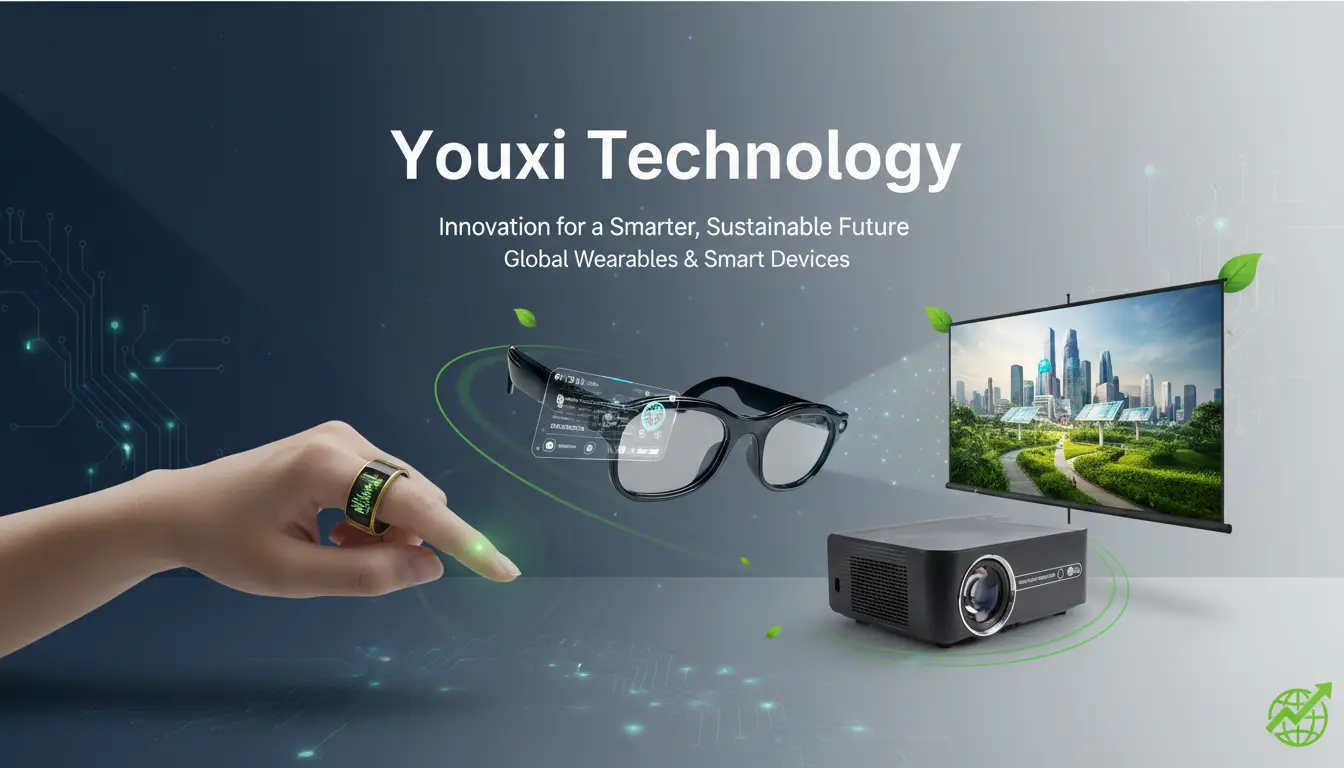
Founded in April 2021, Youxi (Shenzhen) Technology Co., Ltd. specializes in the research, development, assembly, and vertical integration of high-performance intelligent projection systems and premium smart wearables. Our organization operates on a design-first methodology, keeping complete operational ownership over the product lifecycle—from raw PCB layout and industrial design (ID) to precision injection molding, optomechanical alignment, and intensive quality control.
Our corporate headquarters is strategically located in Shenzhen, Southern China's premium hardware development hub. This geographical advantage places our engineering team just 40 minutes away from the Hong Kong Port, facilitating accelerated shipping, simplified ocean transit, and fast customs processing. To scale our production to global demand, we operate an assembly facility spanning approximately 1,000 square meters in Fenggang Town, Dongguan City, allowing us to combine cost-effective assembly workflows with strict testing standards.
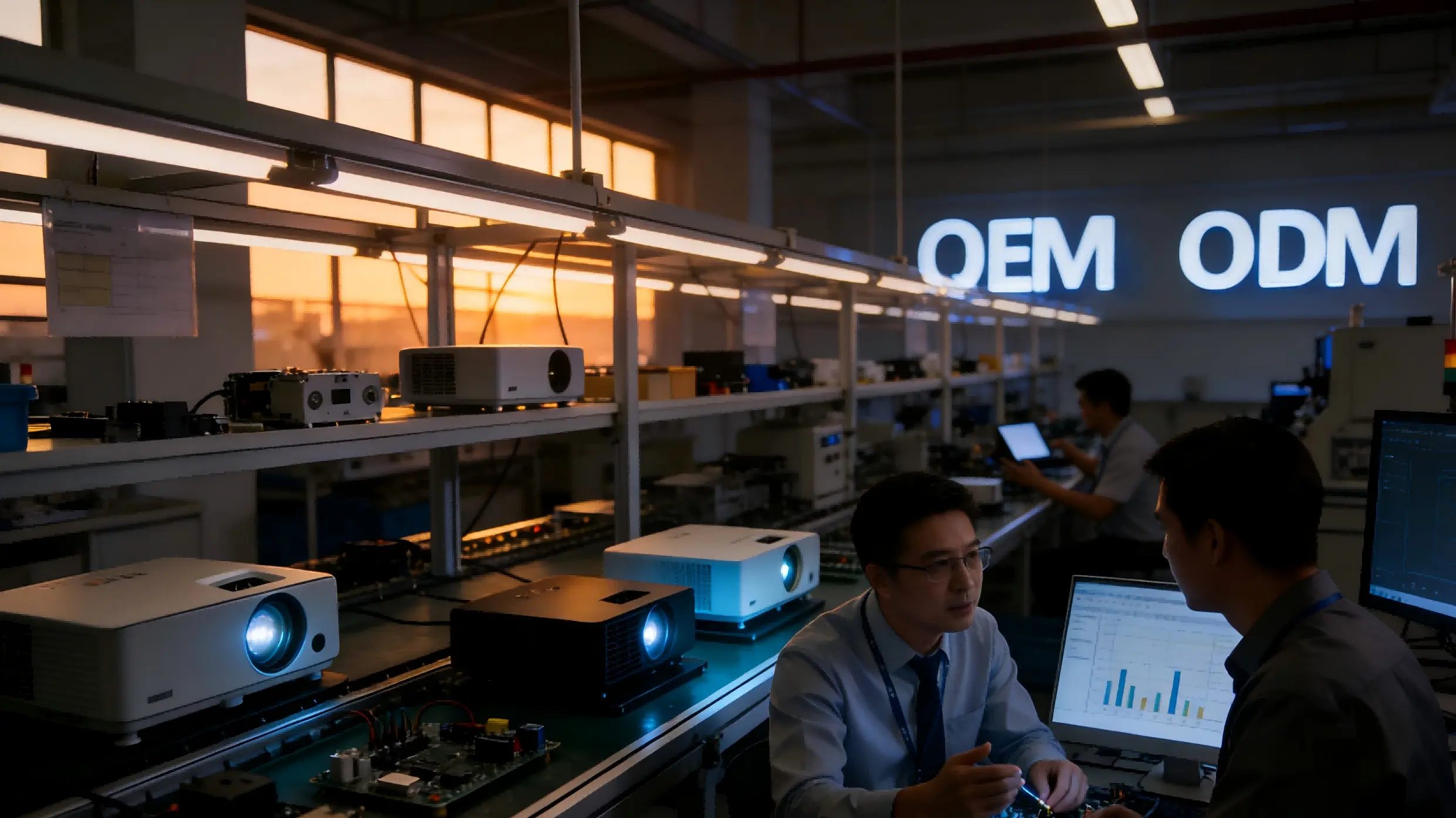
We work with international partners through a variety of collaboration options, including Original Equipment Manufacturing (OEM), Original Design Manufacturing (ODM), and Material-Specified Manufacturing (MSM). By managing our supply chain end-to-end, we keep manufacturing waste low, improve energy efficiency, and maintain strict environmental compliance.
Tour our state-of-the-art facilities and specialized production departments in Shenzhen and Dongguan.
Located right next to our assembly facility to cut down logistics lag times, our injection workshop features digital molding machinery that meets strict engineering tolerances. This ensures every plastic enclosure has consistent wall thickness and heat dissipation channels.
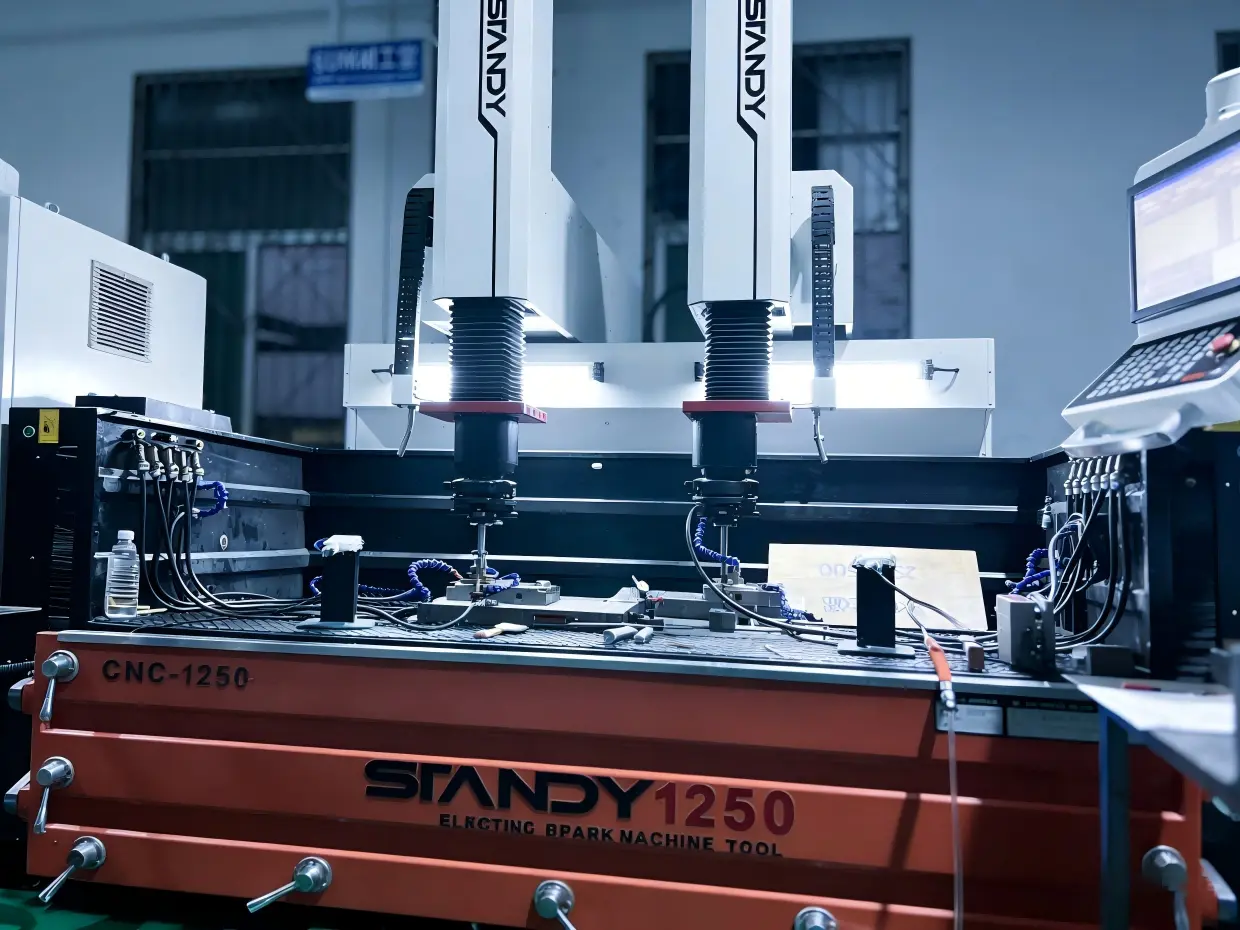
Operating within a 4,000 square meter footprint, our main assembly floors use 5S dust-free work structures. Over 100 trained line operators build, align, and construct optoelectronics parts under static-free conditions.
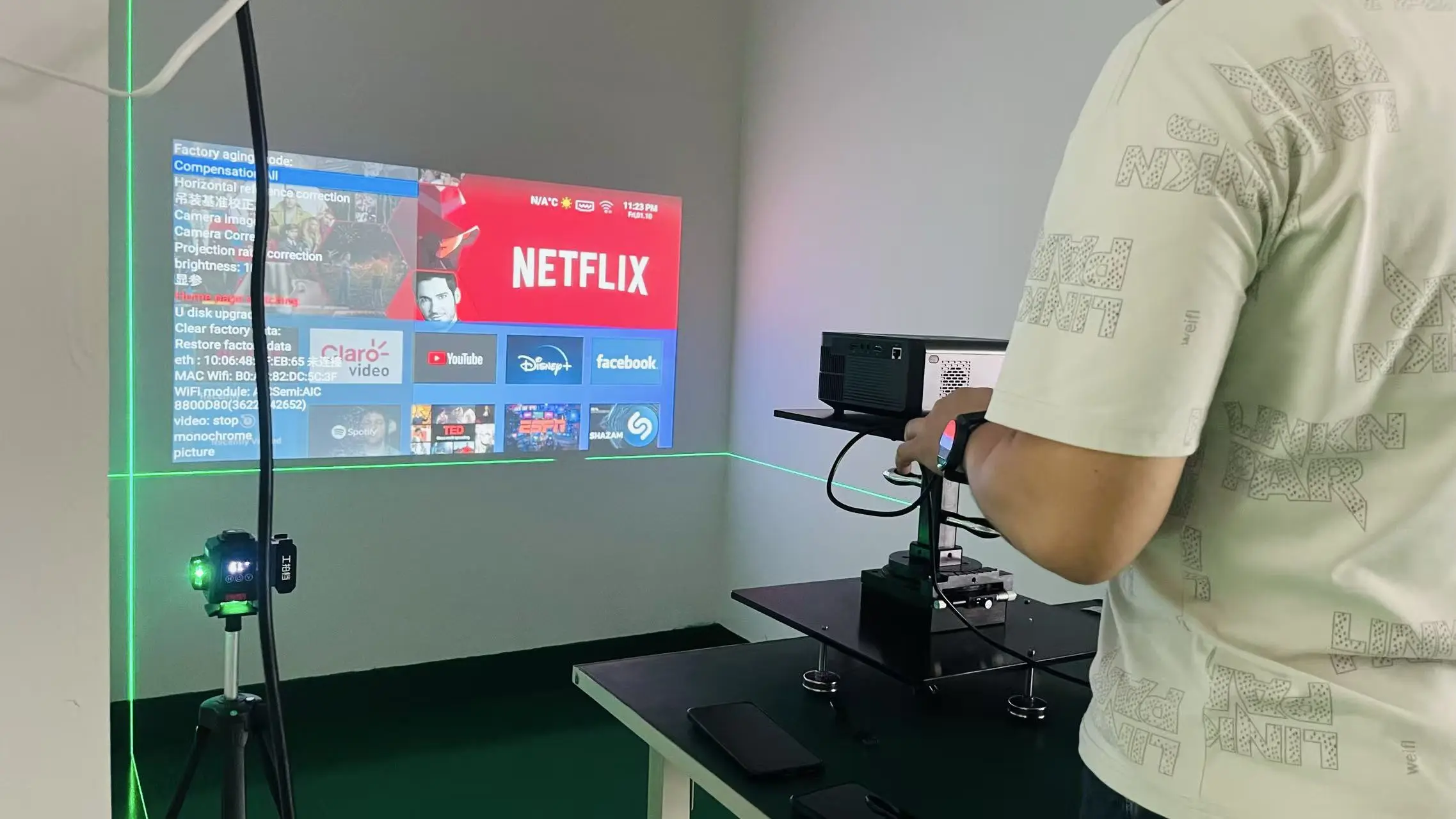
We control defect rates using two independent QA inspection teams operating across 12 specialized test rooms. Our quality process includes checking incoming parts, inspecting the first assembled piece on the line, and performing random audits before shipping.
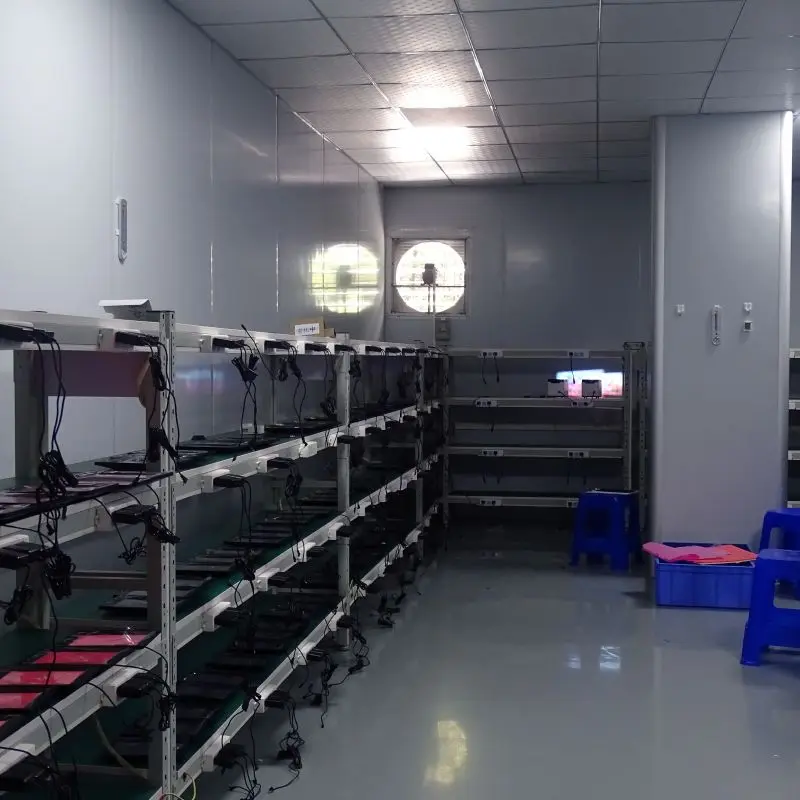
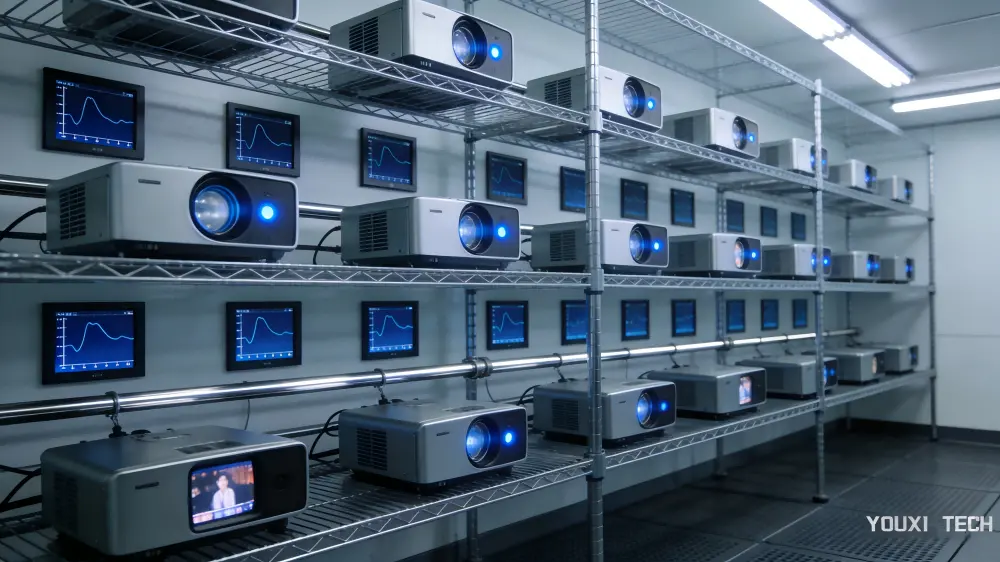
Our high-load aging room sits next to our quality testing area to keep logistics moving efficiently. This facility allows us to run up to 200 projectors at the same time, checking for thermal stability, color shifting, and power issues over long operational runs.
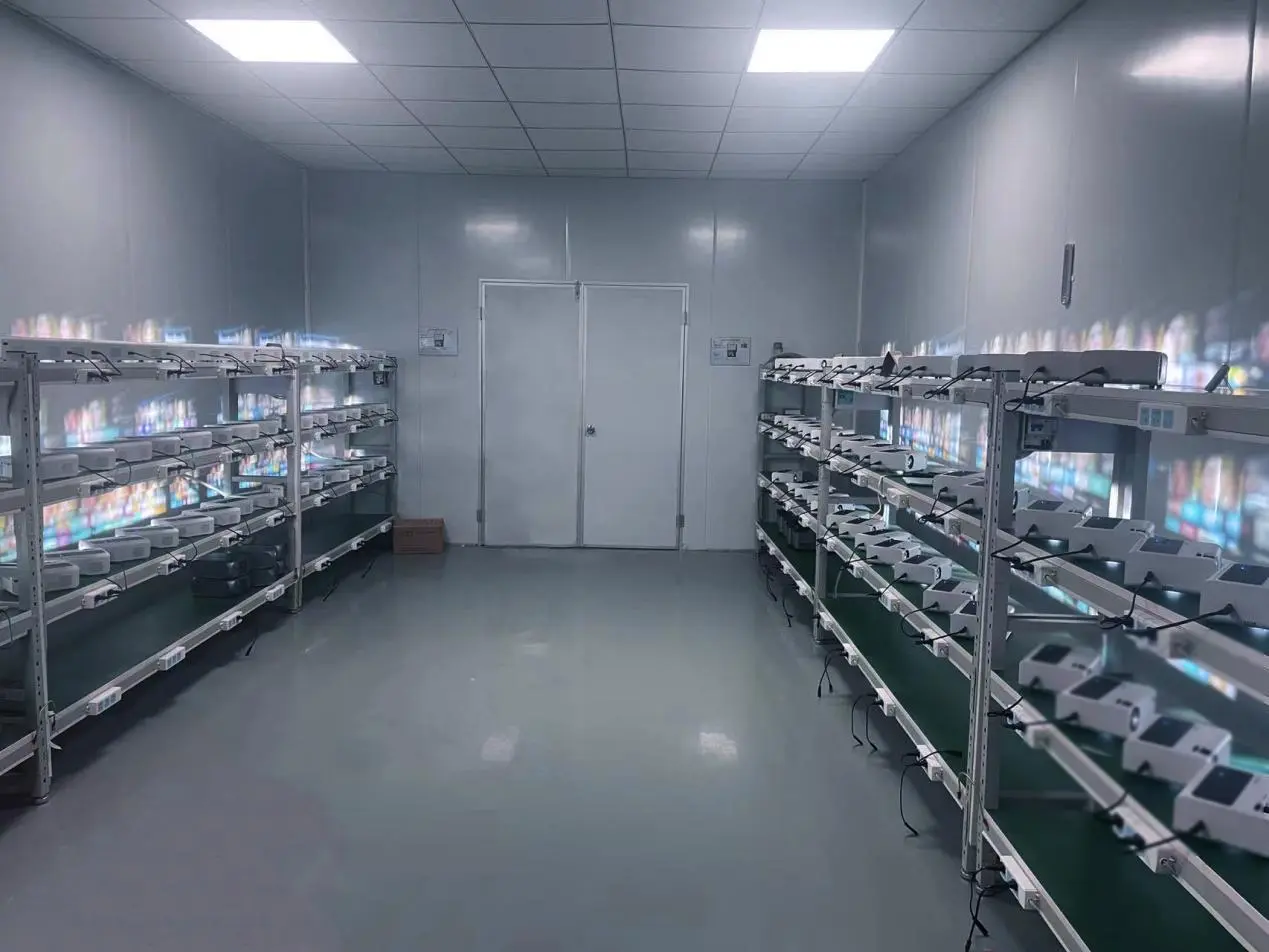
Our 300 square meter warehouse is positioned next to the packaging area, allowing finished goods to move straight to dispatch and shipping. We control humidity and temperature levels here to protect optical systems from moisture and dust.
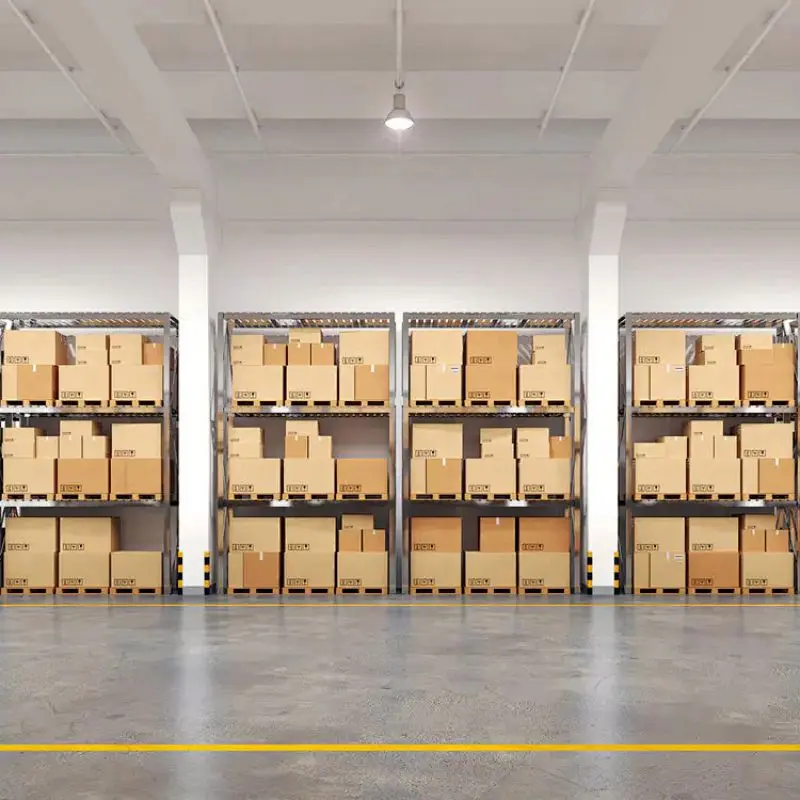
We integrate all parts of our production chain, working closely with local glass lens manufacturers, LED source producers, and packaging suppliers. This setup allows us to offer shorter lead times and keep product quality stable across production runs.
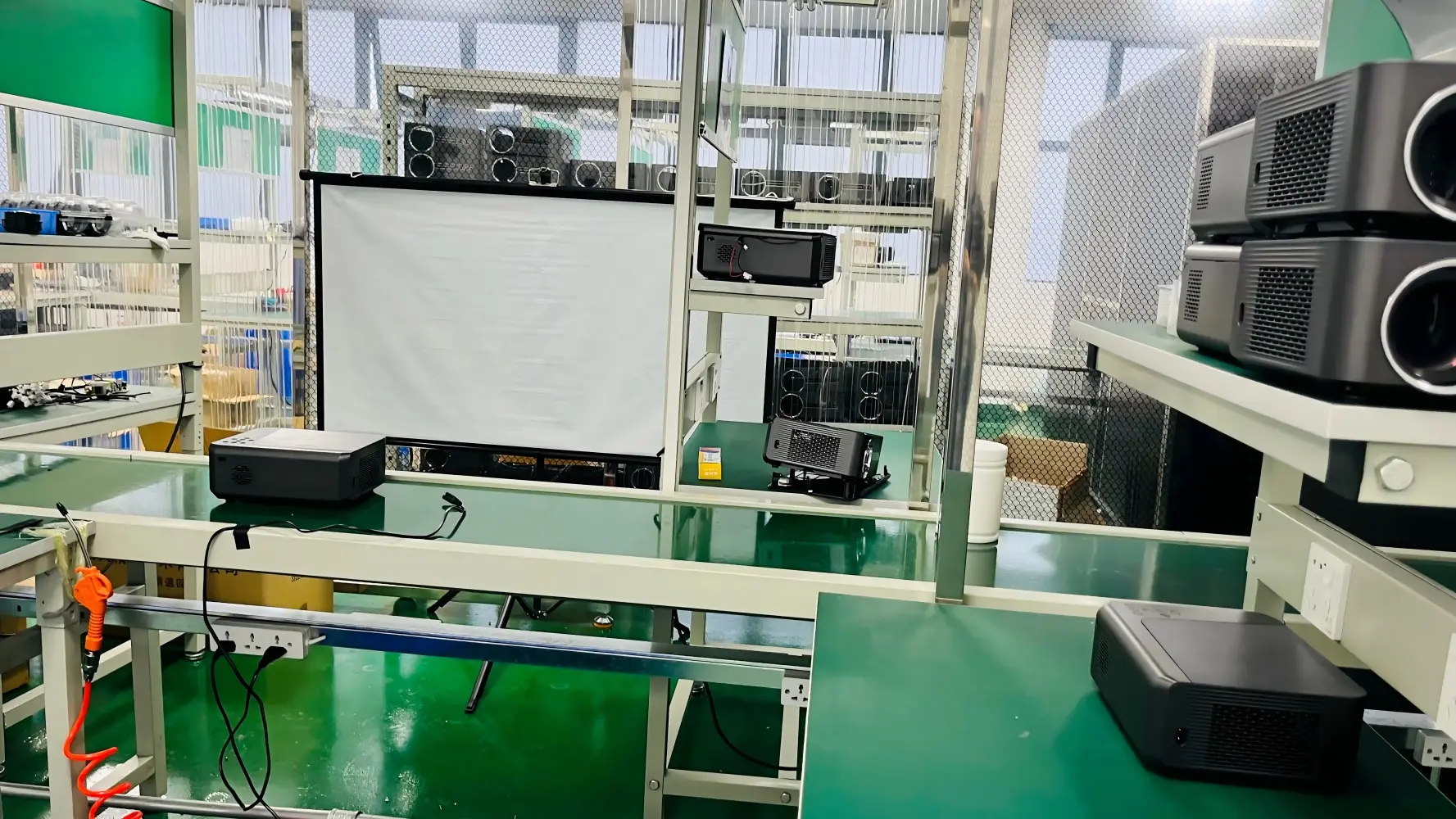
A B2B technical guide detailing projector engineering, light engines, and operating systems.
Open optical configurations are cheaper, but they quickly accumulate dust on the LCD panel, causing screen spots and heat issues. Our engineering team focuses on fully enclosed liquid-cooled LED engines. This design isolates the light path, protecting glass elements and polarizers to keep projection quality clear over time.
We are shifting our optical design toward high-efficacy, solid-state LED sources and hybrid blue laser modules. By using efficient light source arrays, we can output up to 1,500 ANSI Lumens of color-accurate brightness while maintaining a working lifespan of over 30,000 hours.
Modern projectors need to adjust automatically to different projection angles. By combining Time-of-Flight (ToF) distance sensors, camera modules, and hardware acceleration on our central processor, our systems can focus and correct vertical/horizontal keystone distortion in under 3 seconds.
In B2B projector sales, software integration is just as important as optical specifications. Generic projectors run basic mobile versions of Android, which lack authorization for streaming applications. This restricts resolutions to standard definition (480p) on Netflix or Amazon Prime Video due to Widevine DRM limitations. Our premium models, such as the C30 Official Google TV & Netflix Projector, are built with certified SoC chipsets that support Widevine L1 DRM. This allows users to stream content in Native 1080p and 4K, giving retail brands a significant competitive edge.
How we tailor projection systems to meet different commercial and residential requirements.
Modern meeting spaces require high brightness, readable text projection, and easy screen-sharing. Our business-focused models feature dual-band 2.4G/5G Wi-Fi, low fan noise (under 30dB), native 1080p resolution, and direct Microsoft Office compatibility. These specs allow team members to run presentations straight from USB drives or smartphones without needing a laptop.
Home theaters require rich colors, deep contrast, and native Smart OS software. Our home projectors include built-in stereophonic sound systems, HDR10 decoding, and official Google Assistant support. This lets users stream directly from Netflix and Prime Video without needing an external streaming stick.
Outdoor use demands rugged, lightweight enclosures, easy-to-carry handles, and versatile power options. We build our portable projectors with built-in battery packs, Type-C charging ports, and ruggedized shells. These features make it simple to set up a movie night at a campsite or stream video on the go.
An overview of the components, customization options, and volume considerations that determine projector manufacturing costs.
B2B pricing for projection systems depends on several main variables. When comparing quotes from manufacturers, it is important to review the detailed bill of materials (BOM) rather than looking only at the total price. Key cost drivers include:
| Component Group | Technical Options Available | Impact on BOM Cost | Target Market Tier |
|---|---|---|---|
| Optical Engine | Single LCD (Open Light Path) vs. Sealed LCD Engine vs. DLP Panel | Baseline to High (+120%) | Entry-level to Professional Enterprise |
| Resolution & Chips | Native 720P vs. Native 1080P vs. Native 4K UHD (Texas Instruments DLP) | Moderate to High (+150%) | Value Retail to Premium Cinema Systems |
| Core Processing Unit | Rockchip Entry Chips vs. High-Performance Mediatek/Amlogic Chips | Low to Moderate (+35%) | Standard Projection to Fast Gaming/4K Streaming |
| Software OS licenses | Basic Android Open Source vs. Certified Android TV / Google TV | Moderate (Licensing & Certification Fees) | Global Branded Retail Sales |
| Customization Scope | Custom Silk-screen Logo, Customized Boot Animation, Redesigned Shell Molds | Tooling Costs / Scaled by Volume | All OEM/ODM Partners |
Our sales team works to deliver transparent pricing sheets that clearly show all costs up front. This helps you budget accurately for shipping, customs fees, and local testing requirements. We also offer customization options for boot screens, product color schemes, custom user interfaces, and retail packaging designs to help fit your brand identity.
Ensuring smooth import processes and full market authorization across international borders.
For European and North American markets, our projection systems are designed to meet standard regulatory requirements, including CE, FCC, RoHS, WEEE, and REACH. This helps streamline importing and supports compliance for retail placement.
We work to avoid intellectual property issues at customs. All our units are produced under valid licensing arrangements, covering HDMI royalty standards, Dolby Audio decoding, and Bluetooth SIG registrations.
Operating out of Shenzhen and Dongguan, our logistics team handles direct deliveries to the Hong Kong port within 40 minutes. We can coordinate shipments via FOB, CIF, DDP, or air freight to suit your project timeline.
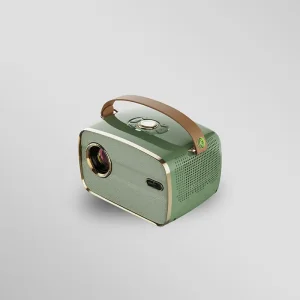
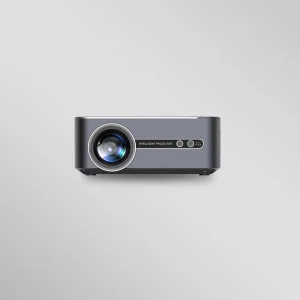
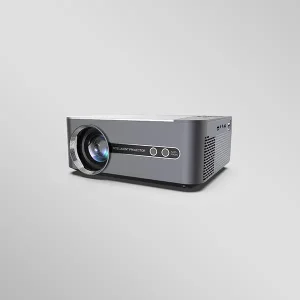
Additional options featuring short-throw designs, customized operating systems, and flexible input options.
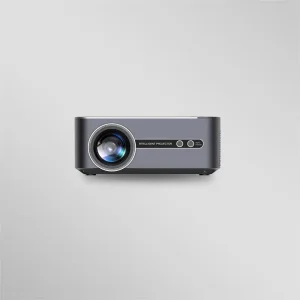
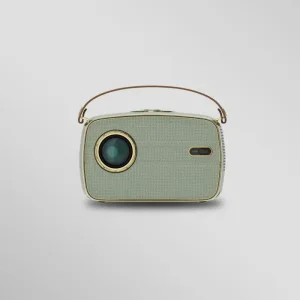
Common questions from buyers regarding minimum order quantities, customization, and lead times.
A look at our production facilities, supply chains, and testing processes.
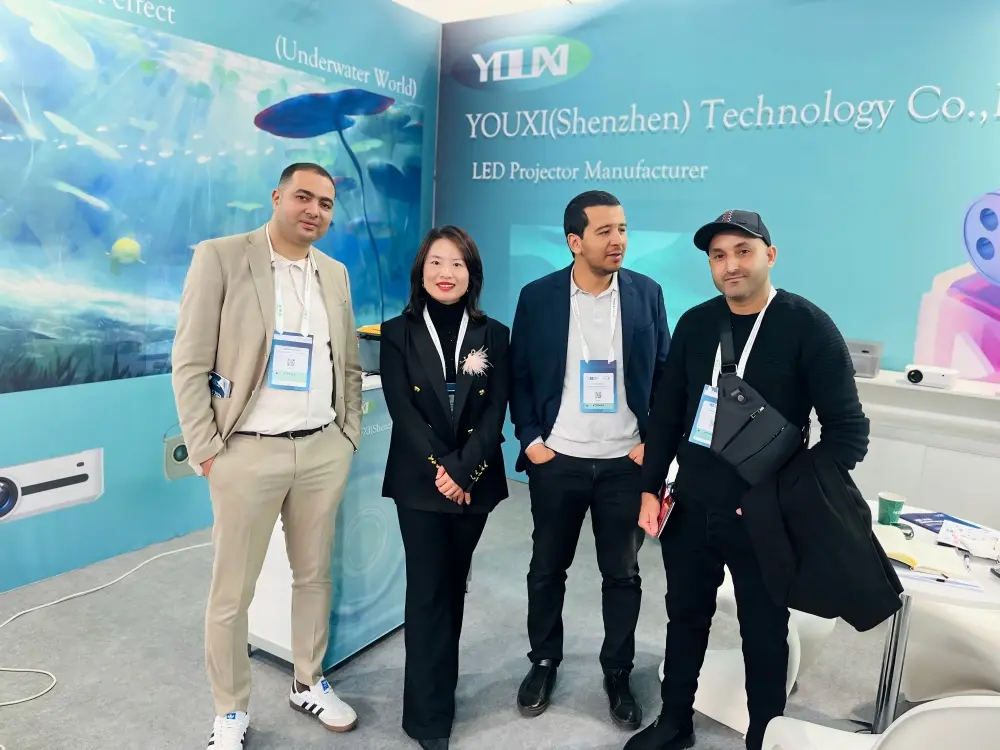
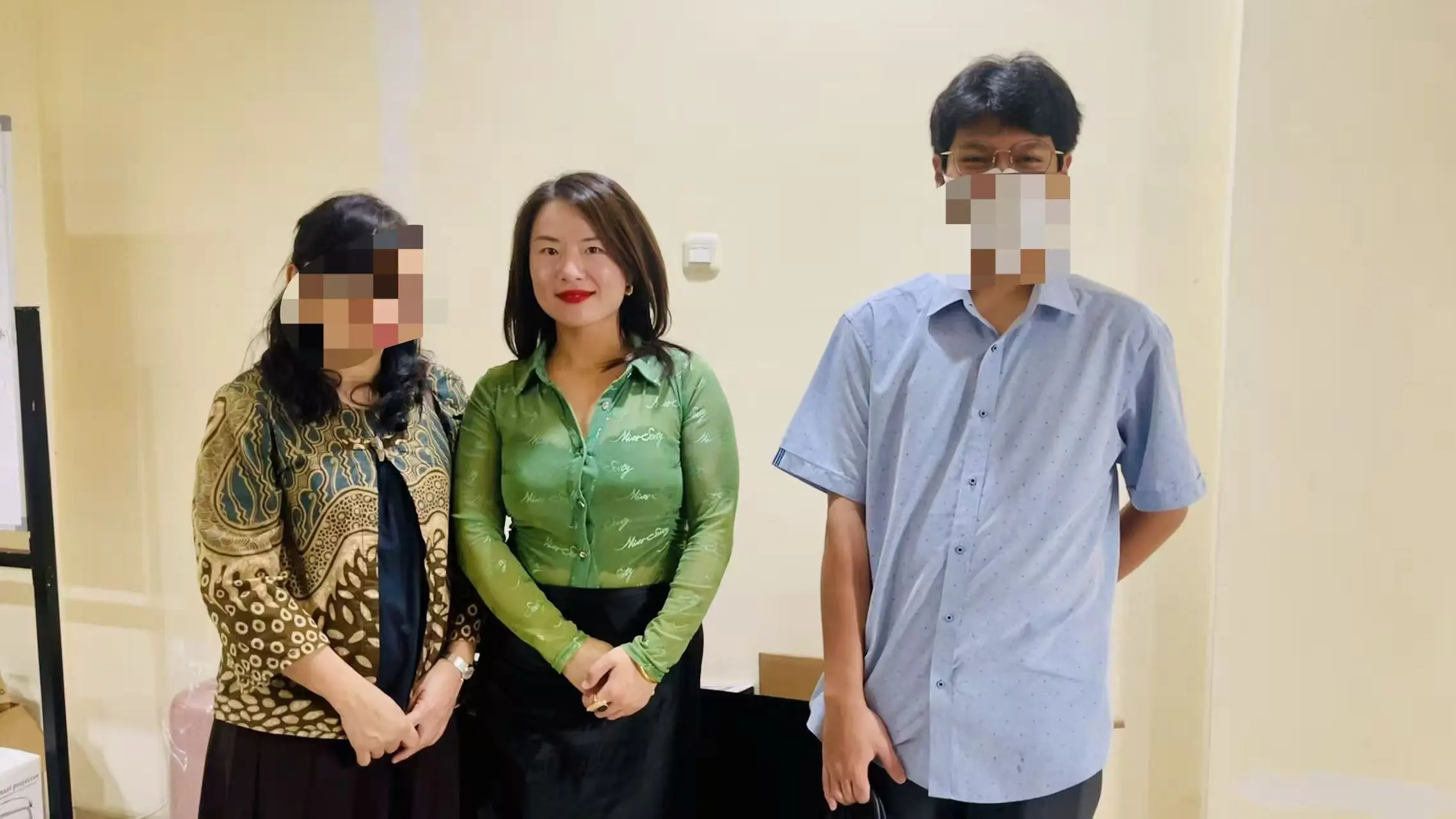
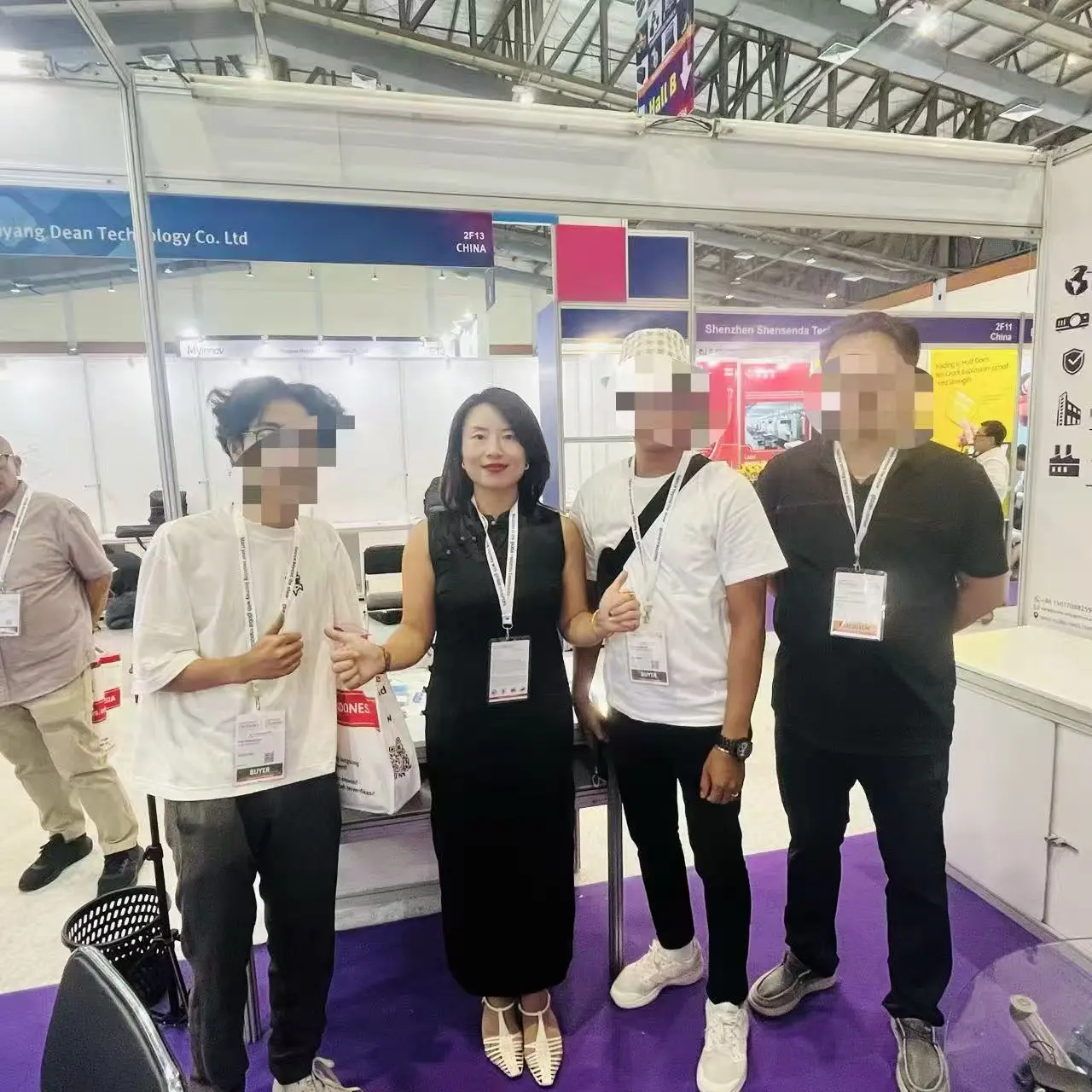
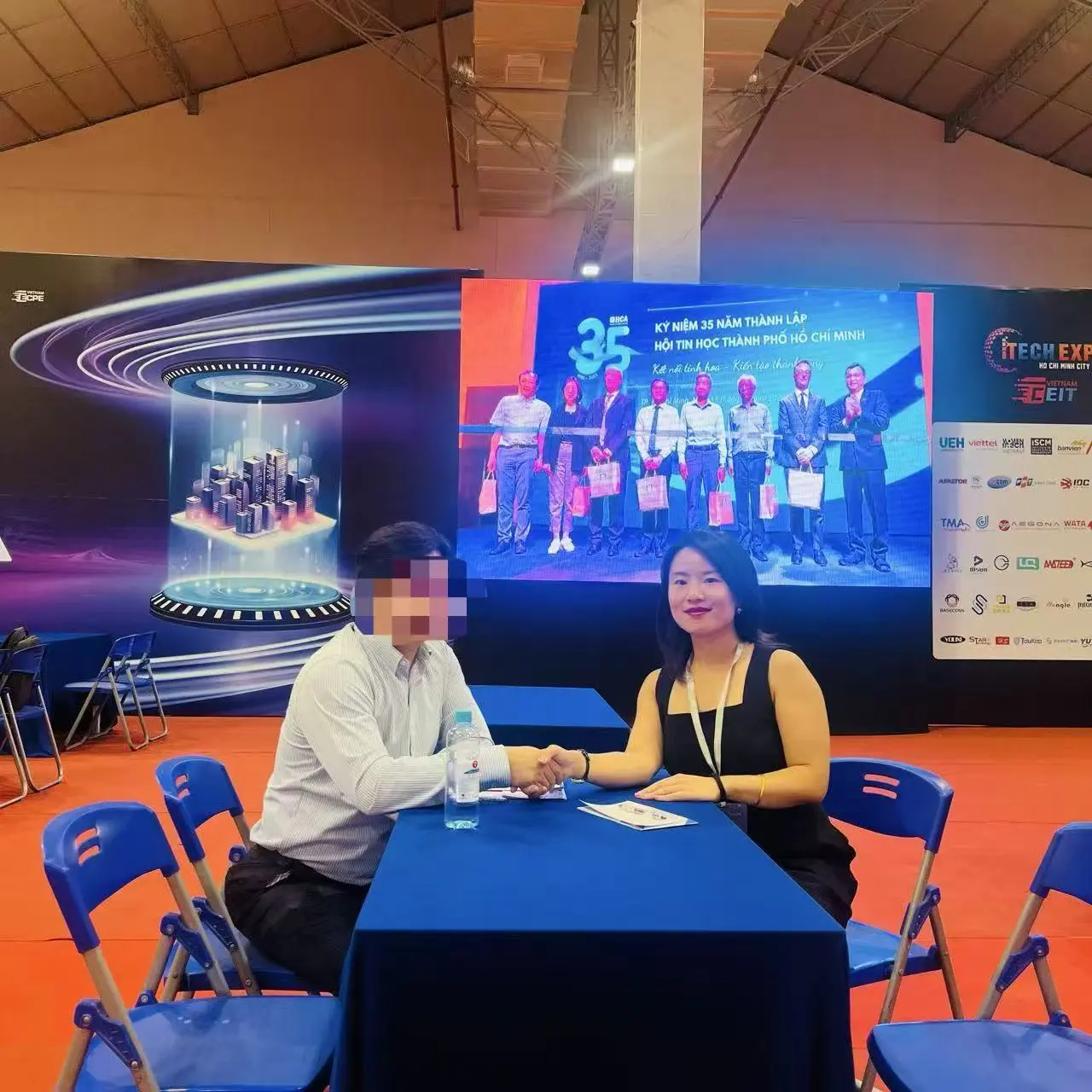
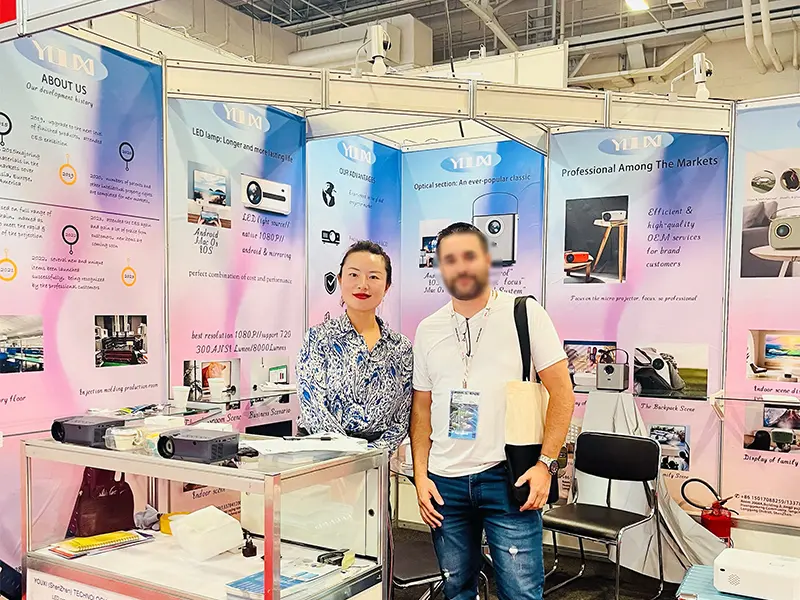
Whether you need a custom system integration, authorized brand distribution, or pricing lists for commercial project quotes, our engineering and sales teams are available to assist with your requirements.
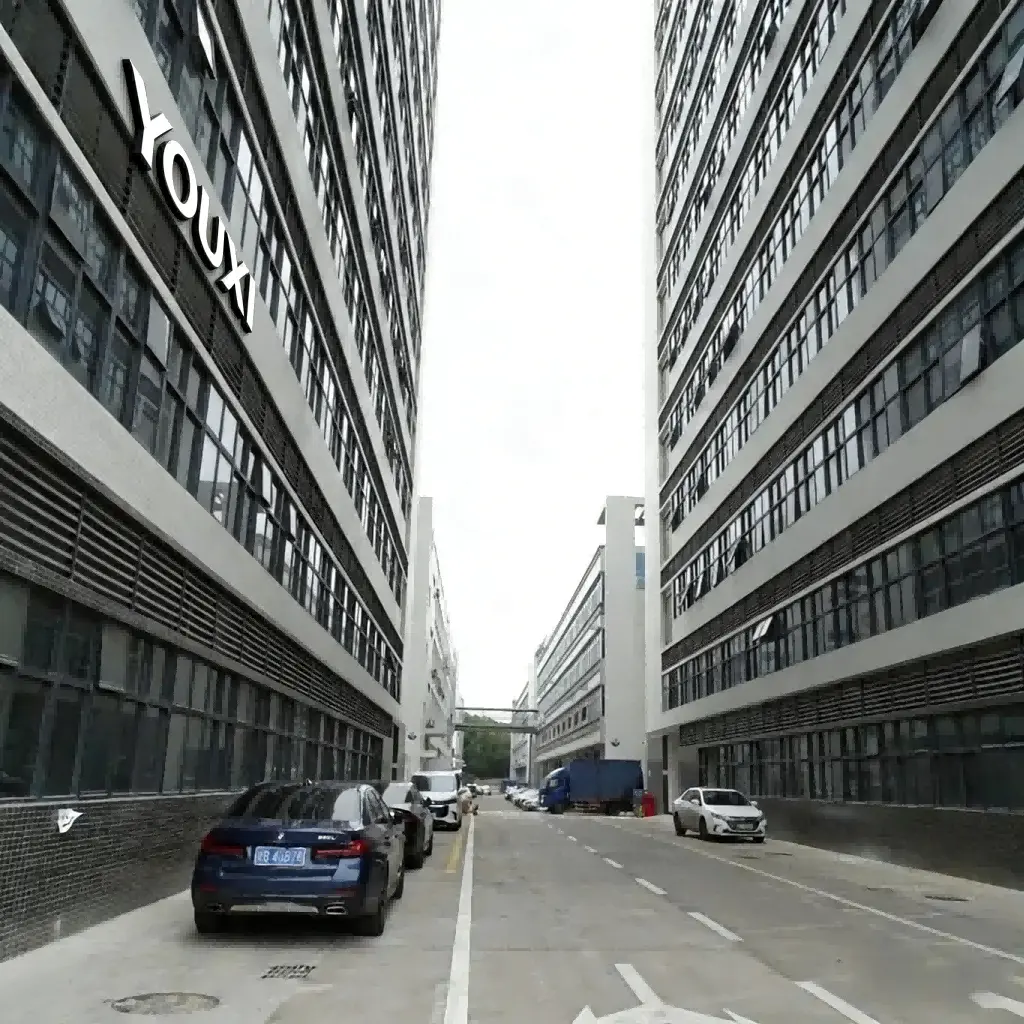
 Youxi projection