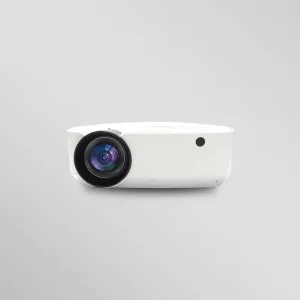
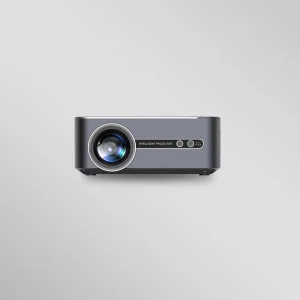
Explore our top-performing projection models engineered for dynamic brightness outputs, high ambient light rejection, and crystal-clear contrast metrics.
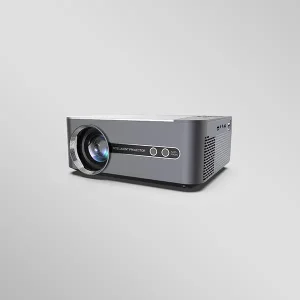
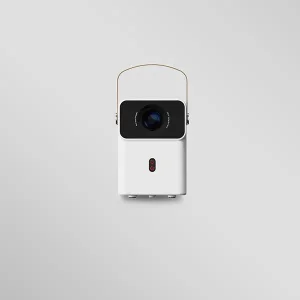
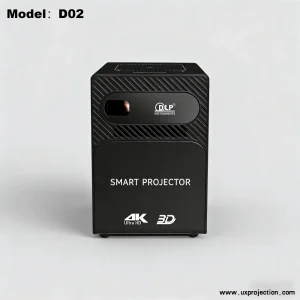
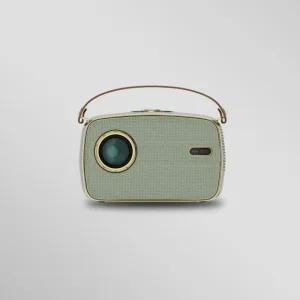
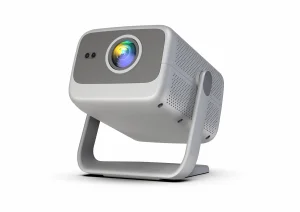
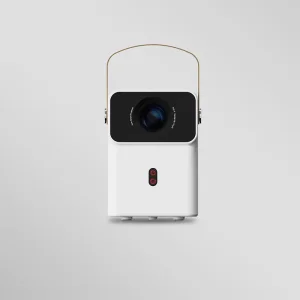
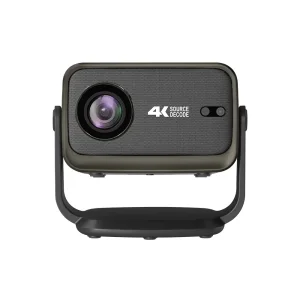
For procurement officers and importers, selecting the correct optical output metrics is vital. Understanding the physics of projection light, transmission efficiencies, and standardized measurements helps eliminate marketing exaggerations and secures true value.
The projection industry frequently features different lumen specifications, creating confusion. ANSI Lumens, standardized by the American National Standards Institute, measure the brightness of the light projected on a surface. It averages brightness values at 9 distinct points across a white screen, providing a reliable real-world indicator.
By contrast, Light Source Lumens measure raw output at the lamp itself, before light passes through polarizers, LCD panels, lenses, or color wheels. This value is typically 3x to 5x higher than the actual ANSI value due to internal light loss. LED Lumens incorporate the Helmholtz-Kohlrausch (H-K) effect, which makes human eyes perceive saturated colors as brighter than they appear under standard measurements. In B2B environments, ANSI Lumens remain the industry standard for objective comparison.
| Lumen Metric | Measurement Zone | Real-World Display Correlation | Applicable Technology |
|---|---|---|---|
| ANSI Lumens | Screen Surface (9 points) | High (Standardized) | All Projection Tech |
| LED Lumens | Perceived (H-K Effect) | Medium (Color-dependent) | LED Projectors Only |
| Light Source Lumens | Directly at Light Bulb | Low (Ignores Optical Loss) | Traditional Bulbs/Laser Engines |
Digital Light Processing uses digital micromirror devices (DMD) to deliver sharp, high-contrast images. Ideal for compact, long-lasting high-performance devices.
Liquid Crystal Display setups provide highly accurate color representation and excellent brightness performance, serving as a cost-effective choice for consumer home cinemas.
Laser and high-powered LED light systems provide extended lifetimes, minimal brightness decay, and eco-friendly performance compared to traditional high-pressure mercury lamps.
The international market is experiencing rising demand for specialized projection solutions. B2B buyers now look beyond simple brightness specs, evaluating the entire system value proposition, including total cost of ownership (TCO) and operational durability.
In mature markets like North America and Western Europe, buyers prioritize integration features like smart wireless casting, enterprise network security, and dynamic keystone adjustments. Corporate and educational facilities expect smart projectors to serve as secure nodes in unified communications networks.
In developing regions across Latin America and Southeast Asia, the main demand driver is finding highly cost-effective, adaptable smart systems. Importers in these areas seek robust, portable devices that can handle unstable electrical environments and resist dust intrusion.
Matching projector brightness levels with real-world target environments prevents over-specifying and optimizes procurement costs.
For home applications, brightness levels between 150 to 350 ANSI Lumens are ideal for controlled lighting environments. These setups emphasize color fidelity (Rec. 709 gamut), quiet cooling systems, and integrated Android smart operating systems for direct access to apps like YouTube and Netflix.
Workplace and educational spaces require brightness values ranging from 400 to 1000+ ANSI Lumens to maintain contrast under ambient office lighting. Key features include dual-band Wi-Fi, screen casting, and flexible input options like HDMI and Type-C.
Portable devices rely on high-capacity internal batteries, fast USB-C power delivery, and automatic vertical and horizontal keystone correction. These features ensure quick, hassle-free setup in outdoor environments, camper vans, or varying locations.
Founded in April 2021, Youxi (Shenzhen) Technology Co., Ltd. is a specialized manufacturer dedicated to the research, development, and assembly of smart projection systems and wearable devices.
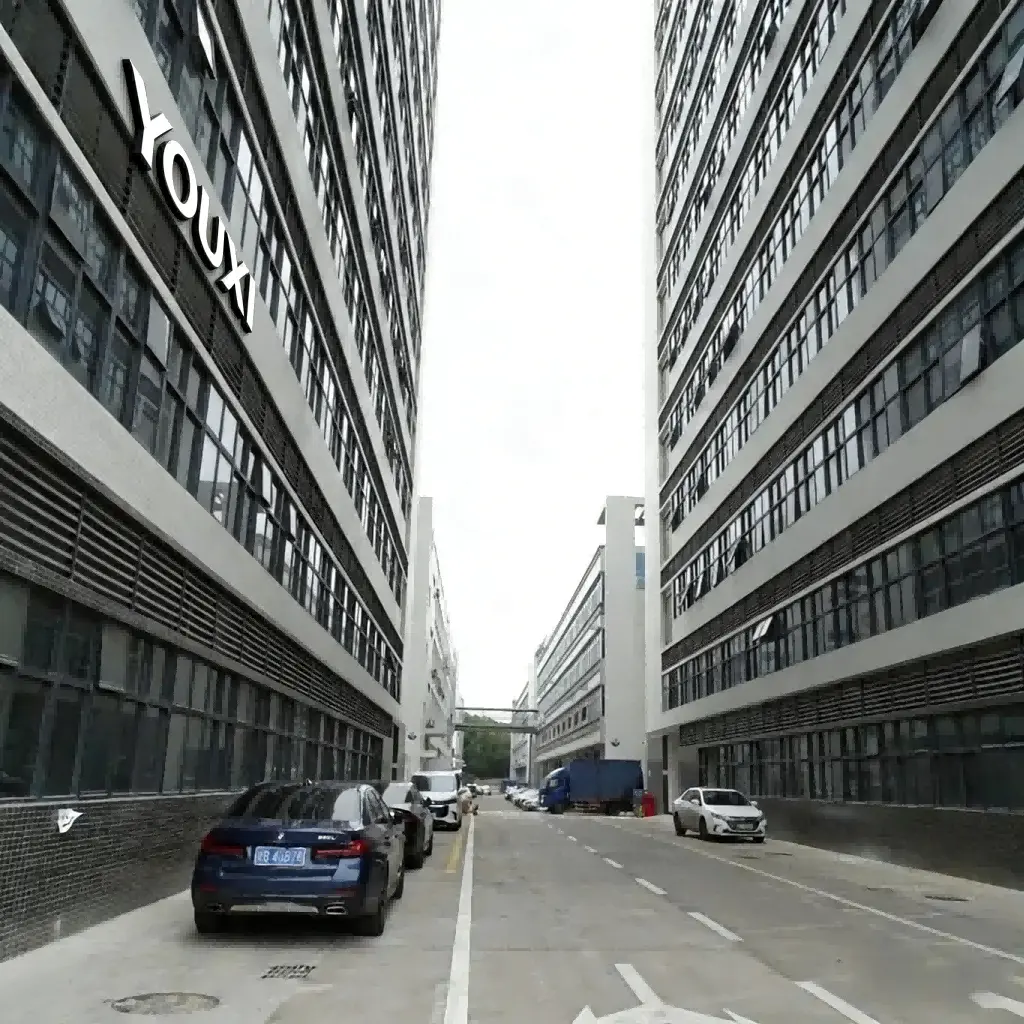
Our headquarters in Shenzhen, Southern China's electronics hub, provides excellent access to logistics infrastructure. Located 40 minutes from the Hong Kong Port, the company manages raw materials and coordinates international shipments efficiently.
For large-scale manufacturing, Youxi runs a specialized assembly plant covering 1,000 square meters in Fenggang Town, Dongguan City, just a 25-minute drive from the head office. The facility operates with approximately 100 professionals, maintaining a monthly production capacity of over 30,000 units. A strong quality assurance system, vetted supply network, and vertically integrated production model ensure reliable output and on-time shipments.
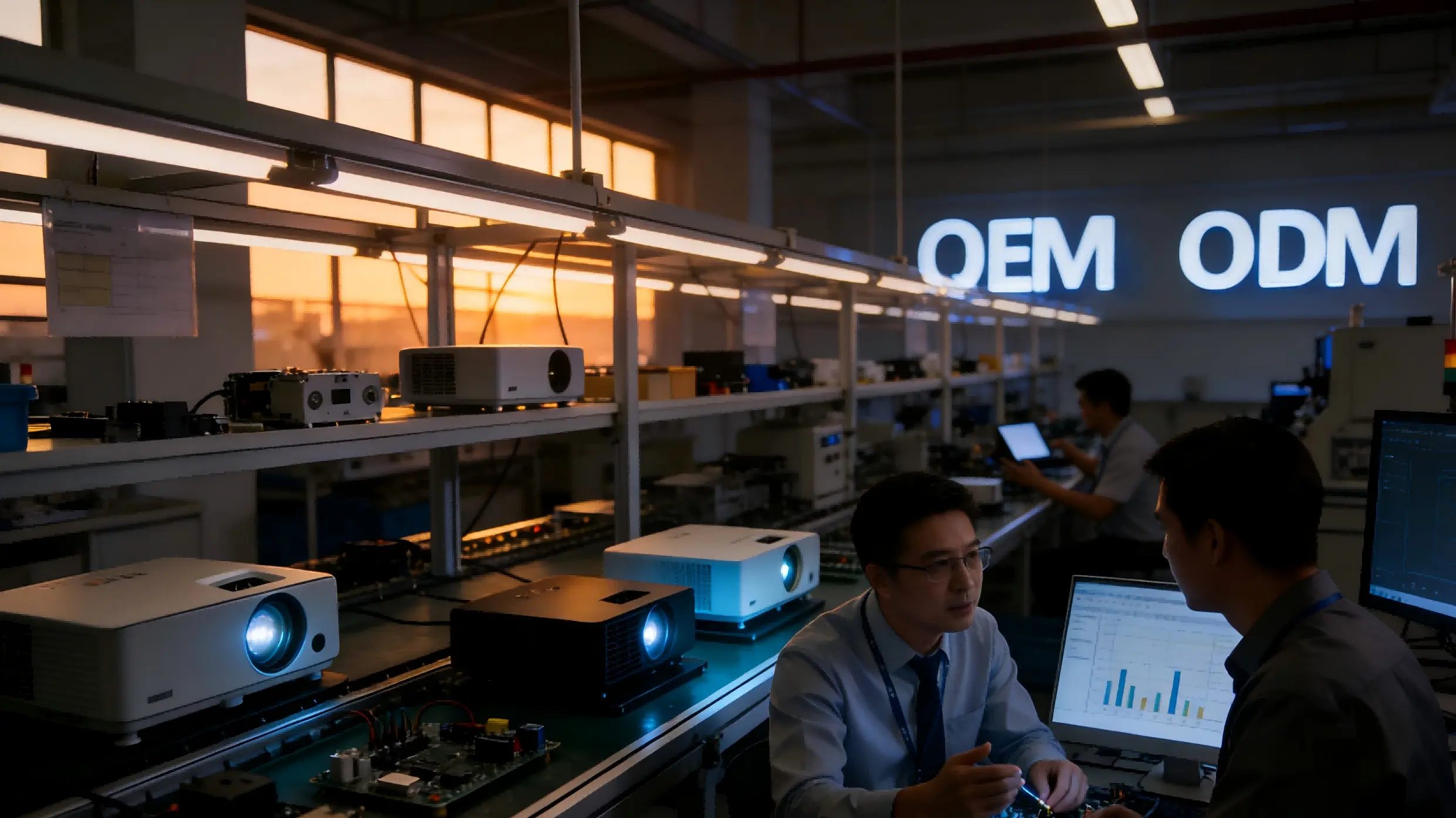
We provide versatile business options, including OEM/ODM design services, Custom Brand development, and Material-Specified Manufacturing (MSM). We also seek long-term partnerships through regional distribution agreements and joint-venture projects.
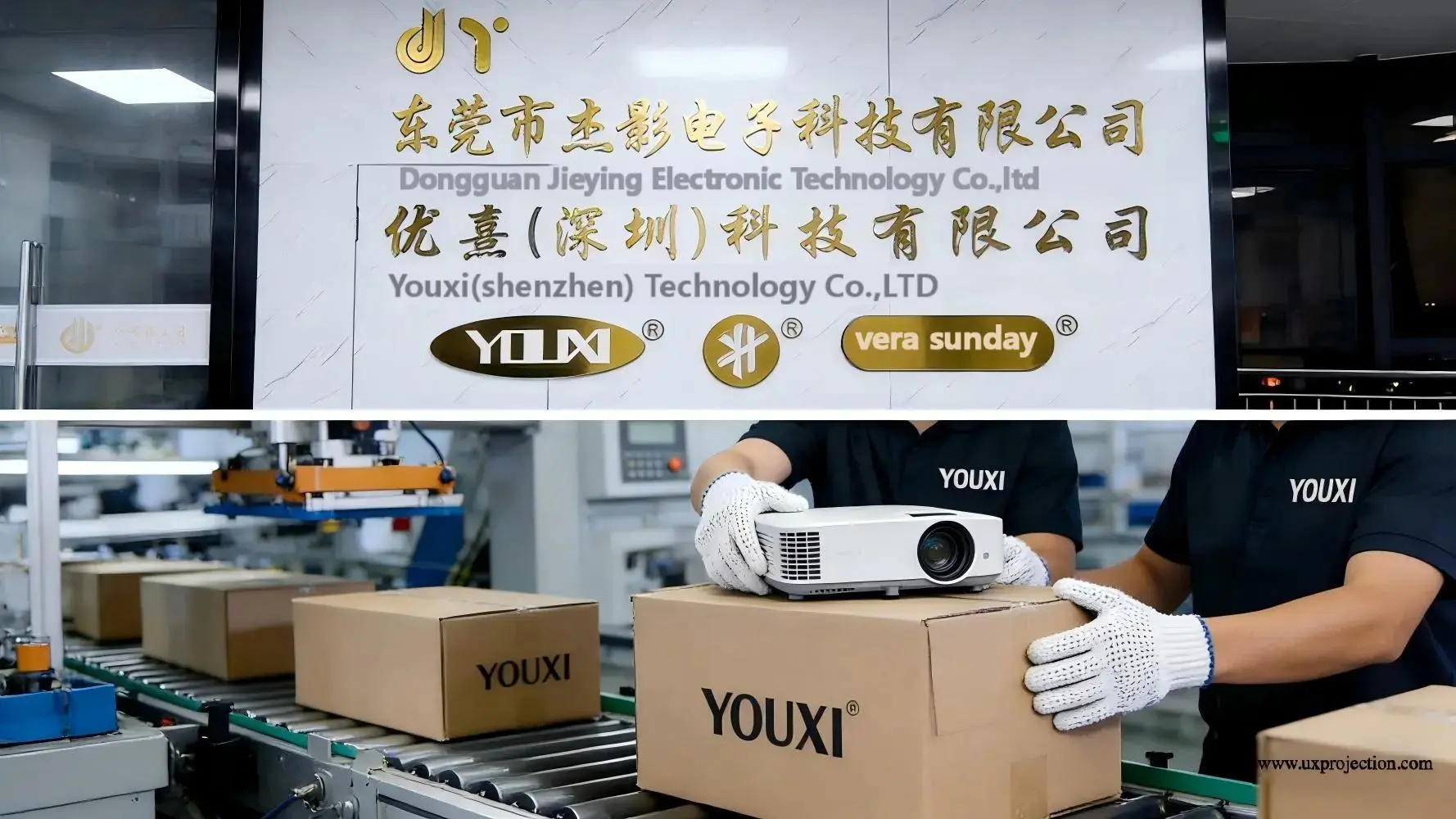
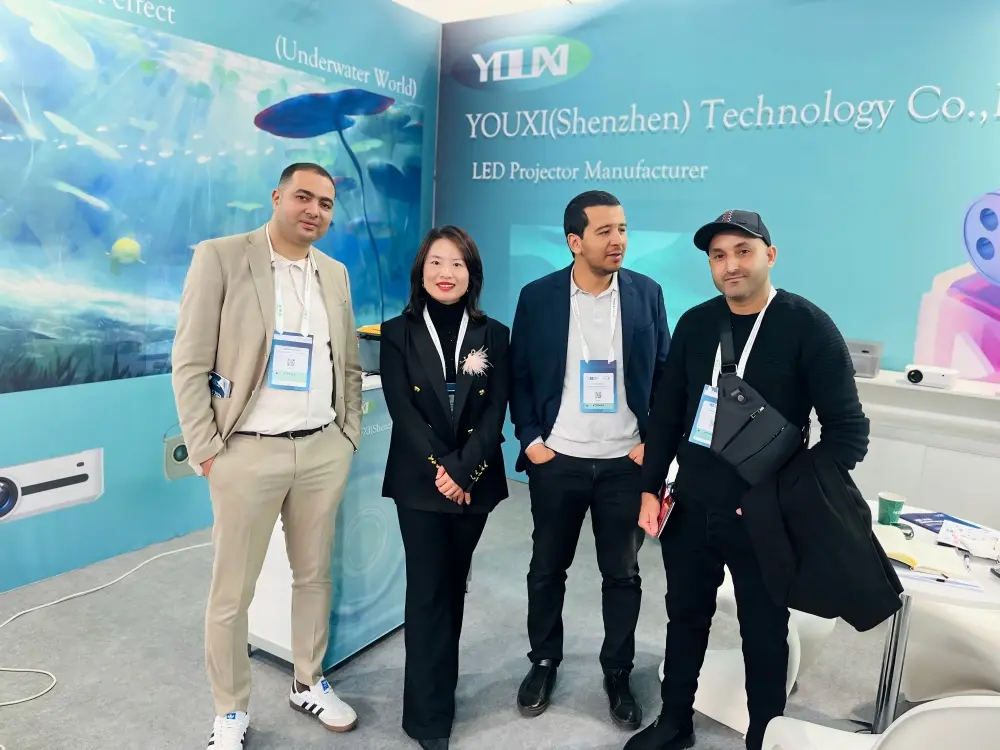
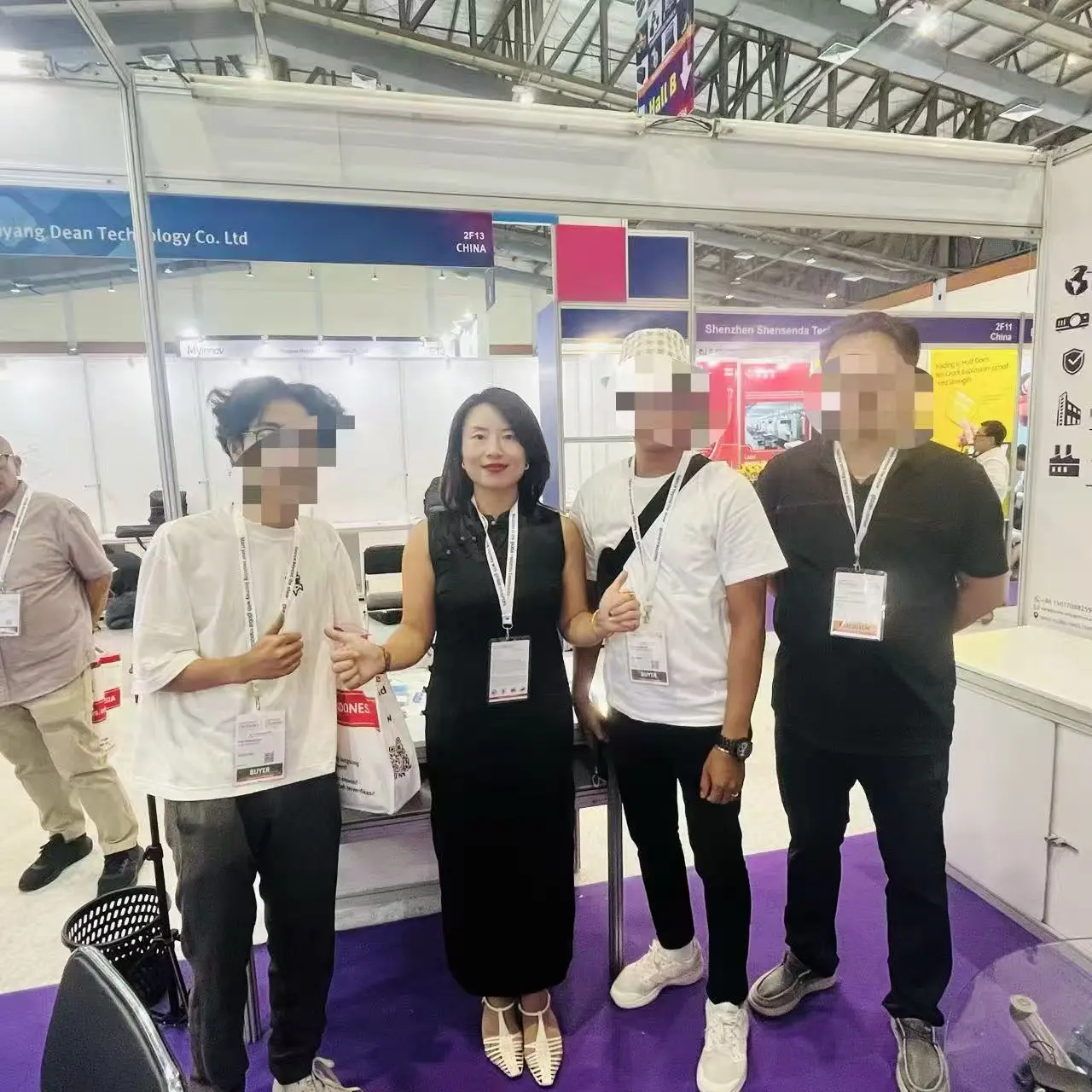
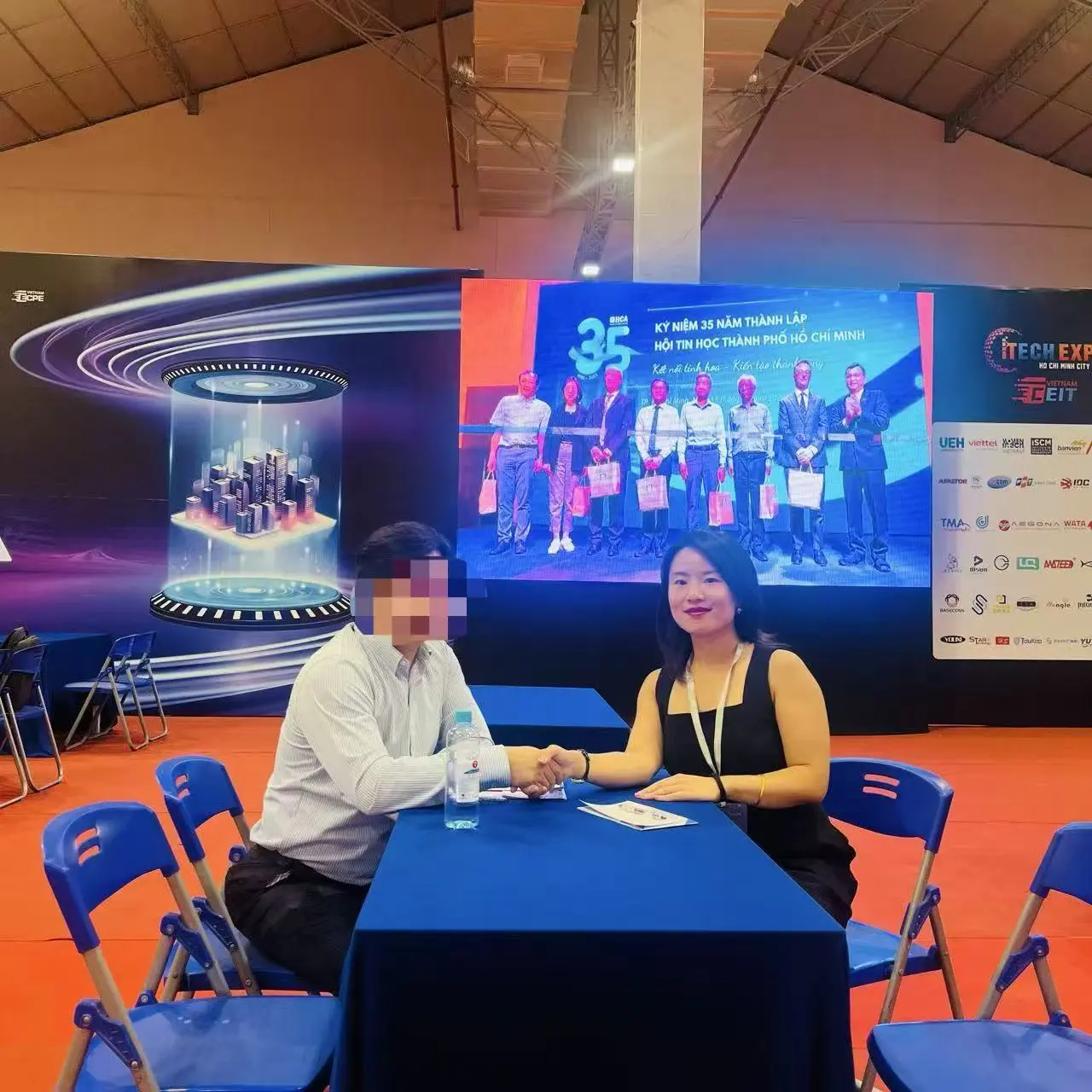
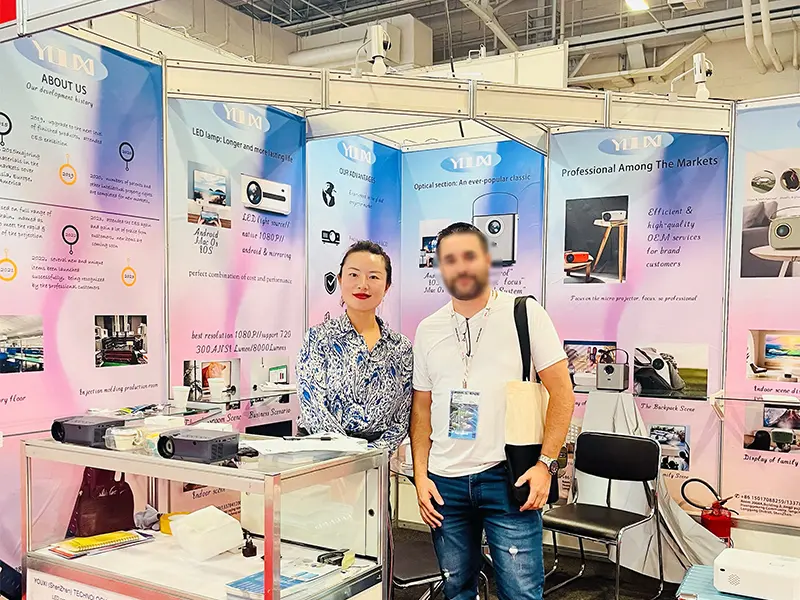
The Shenzhen-Dongguan electronics hub offers significant advantages, including rapid prototyping, consolidated component sourcing, and integrated testing facilities.
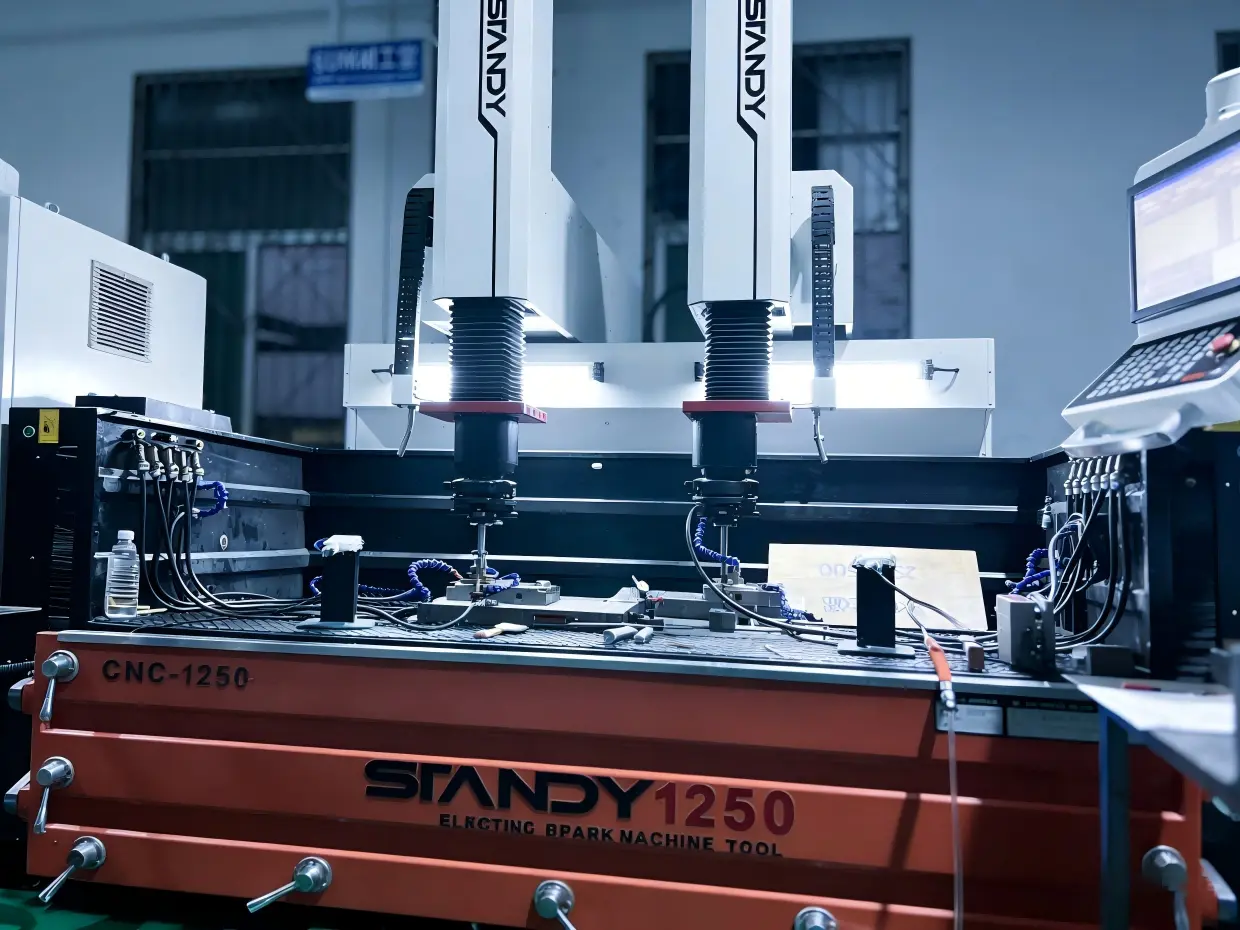
Our dedicated tooling and injection molding workshops operate adjacent to the main factory, utilizing digital machinery that exceeds standard market specifications. This close proximity ensures high housing precision and consistent component fit from the start of production.
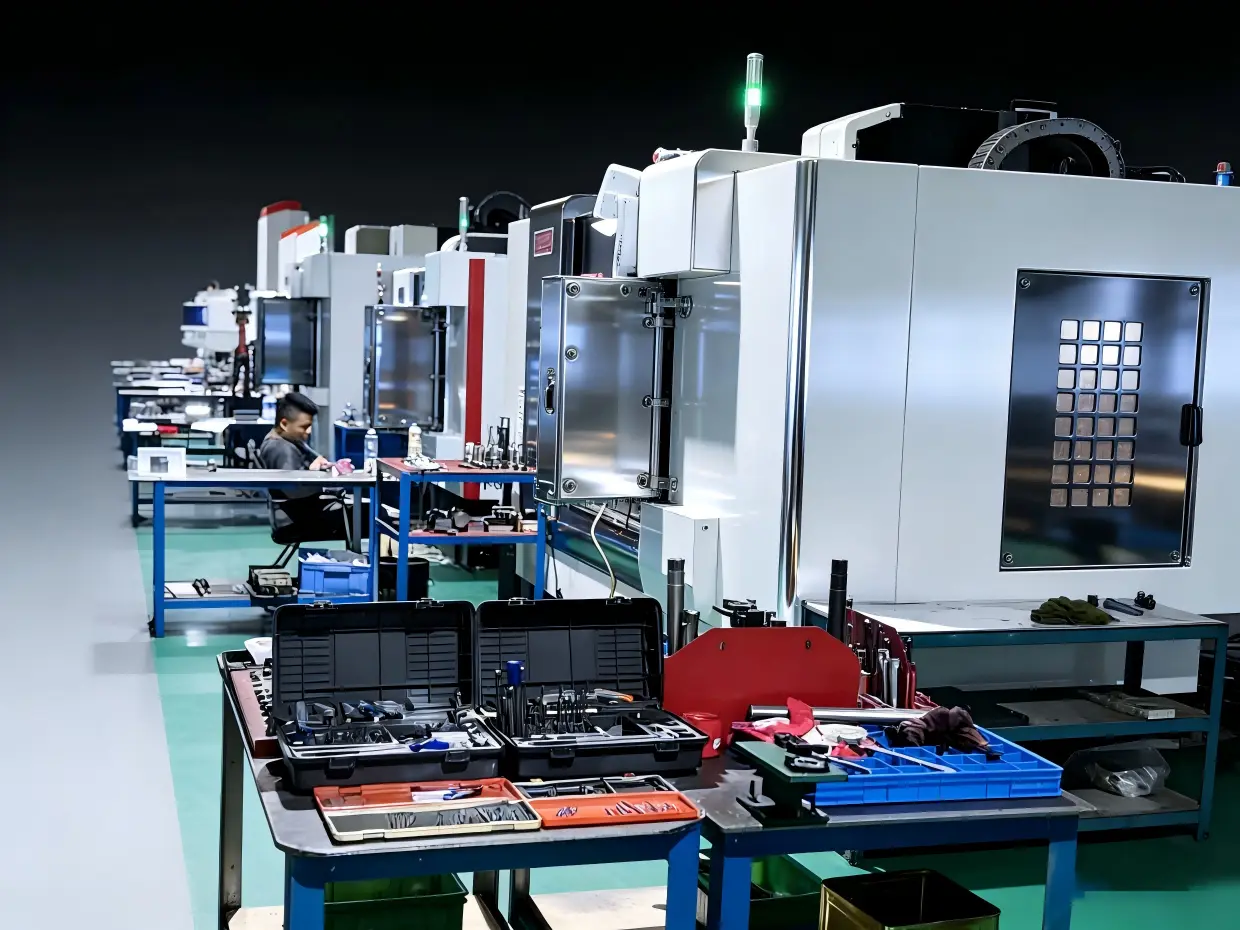
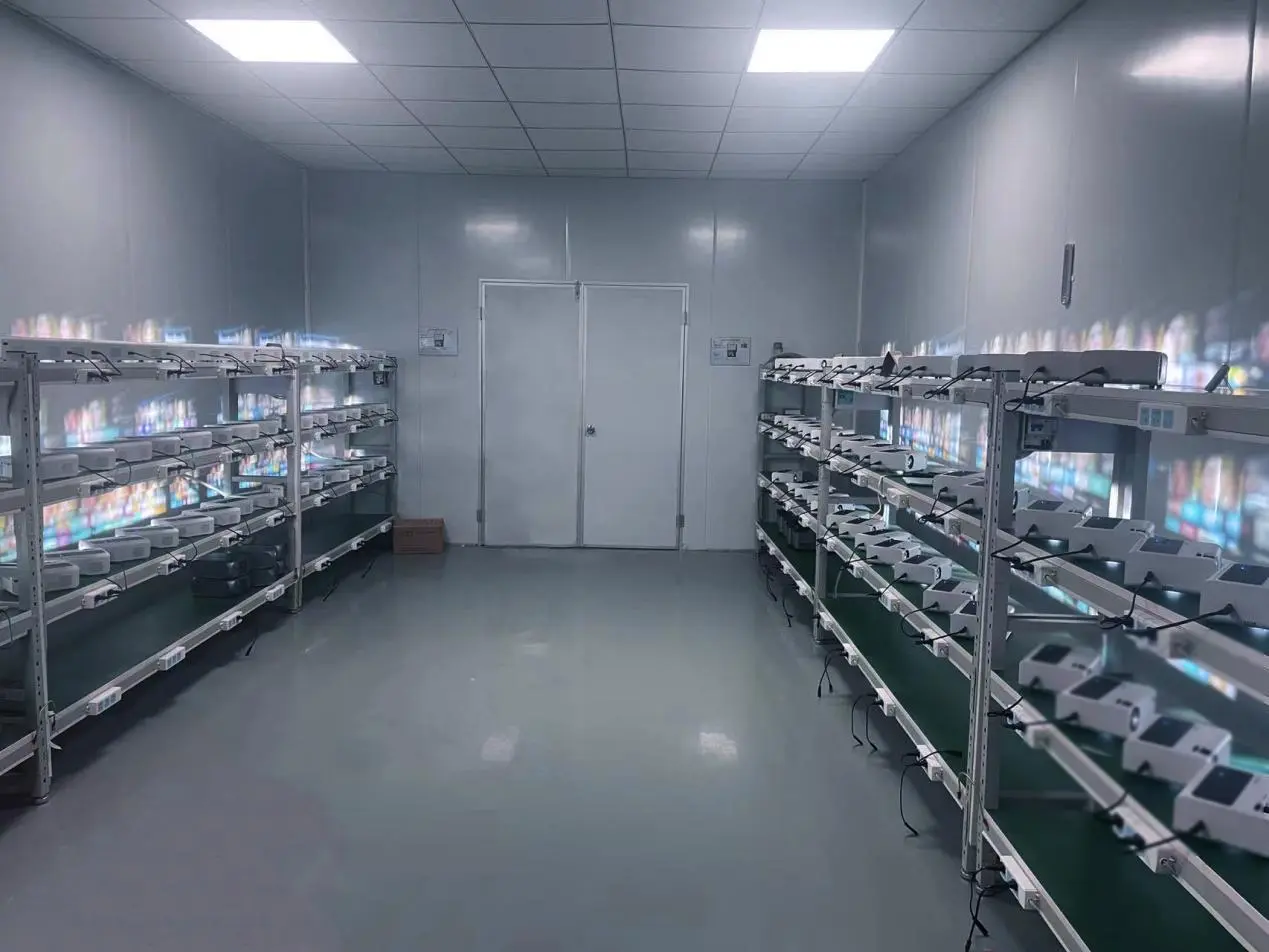
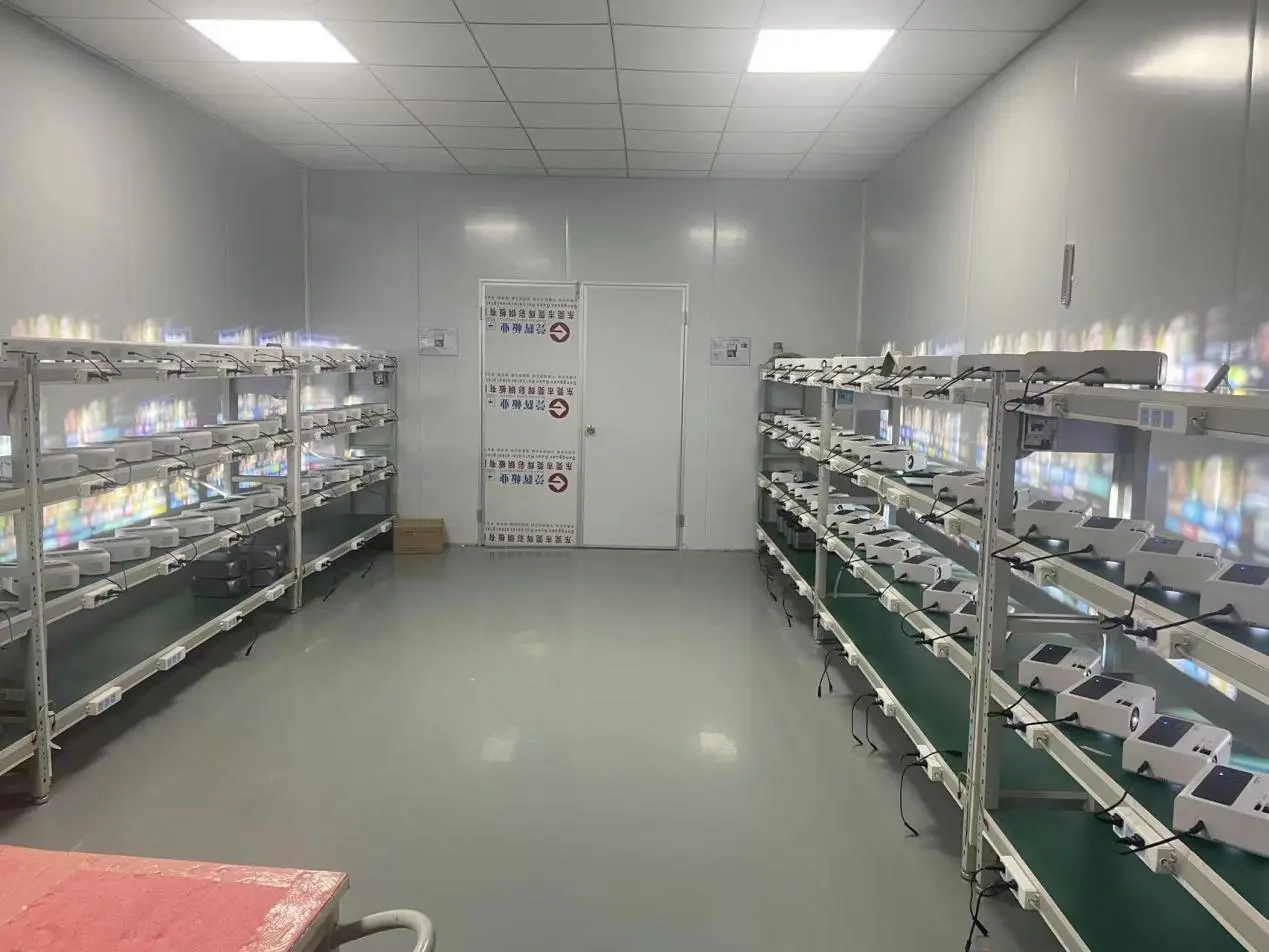
Our production floor spans 4,000 square meters. The plant integrates injection molding, assembly, and quality verification departments under one roof. Our team of over 100 technicians works across structured departments under strict 5S dust-free guidelines. This dust-free environment is critical for preventing spot defects on LCD panels and optical prisms, helping us achieve a monthly production capacity of up to 50,000 units.
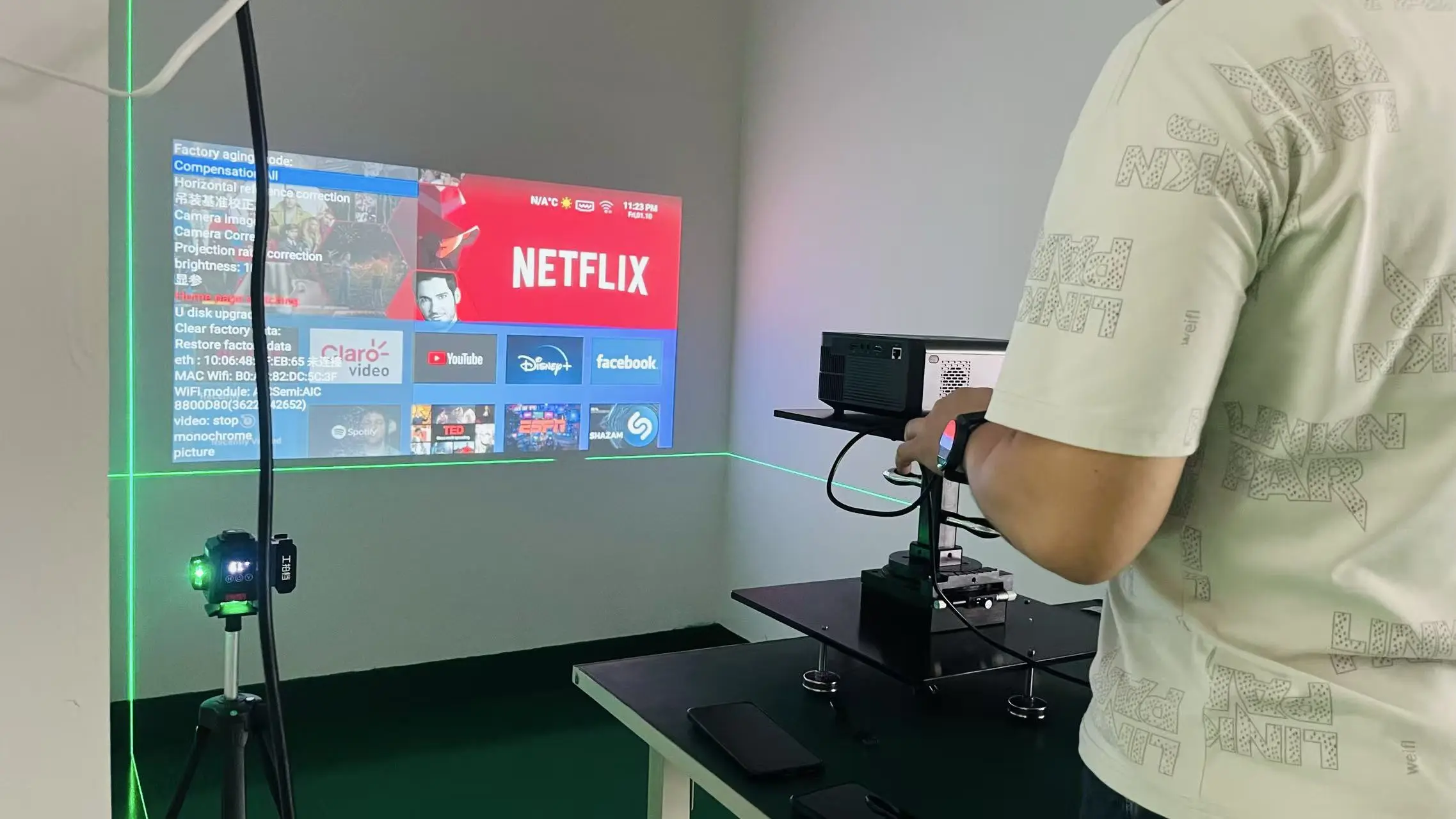
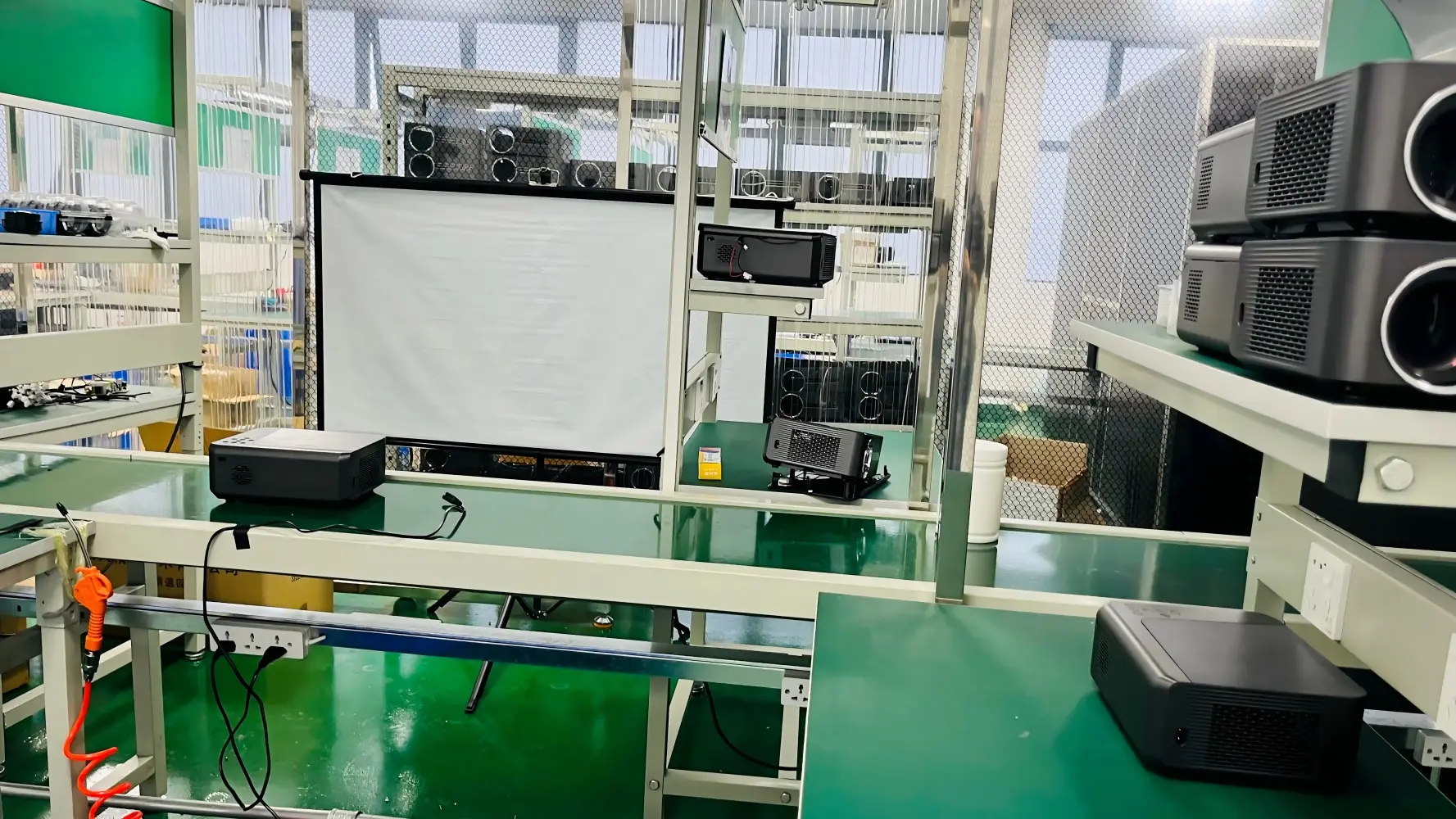
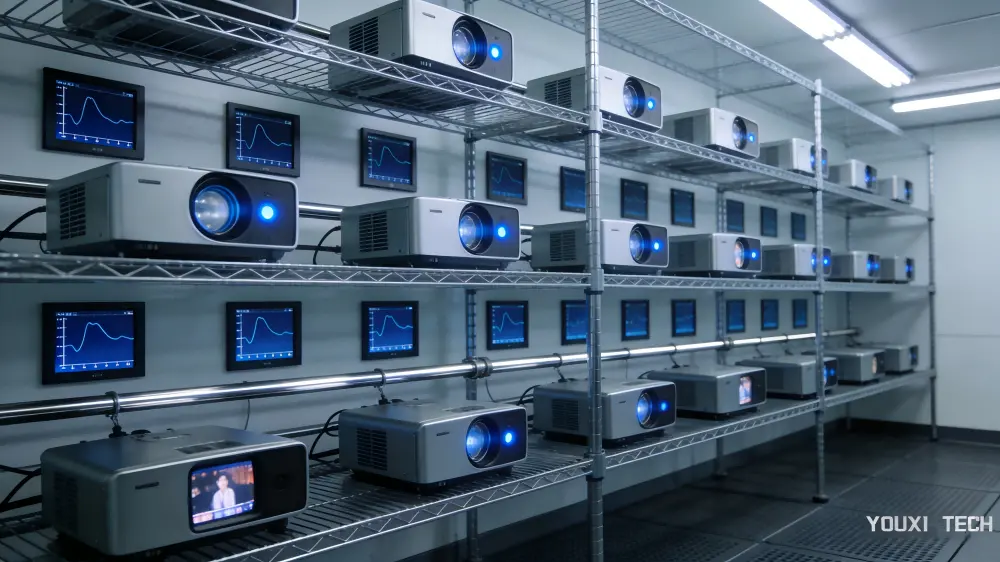
To reduce post-sale defect rates, we operate two distinct testing wings containing 12 separate test rooms. Quality inspectors run full functional tests on incoming optoelectronic components, conduct first-inspection checks on assembled products, and perform statistical spot checks before final packaging.
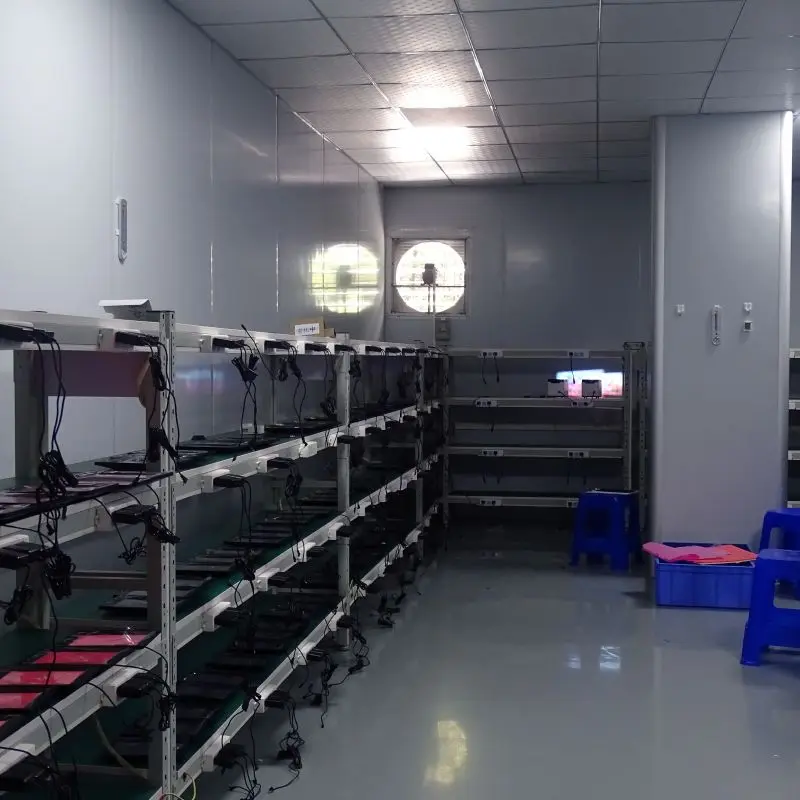
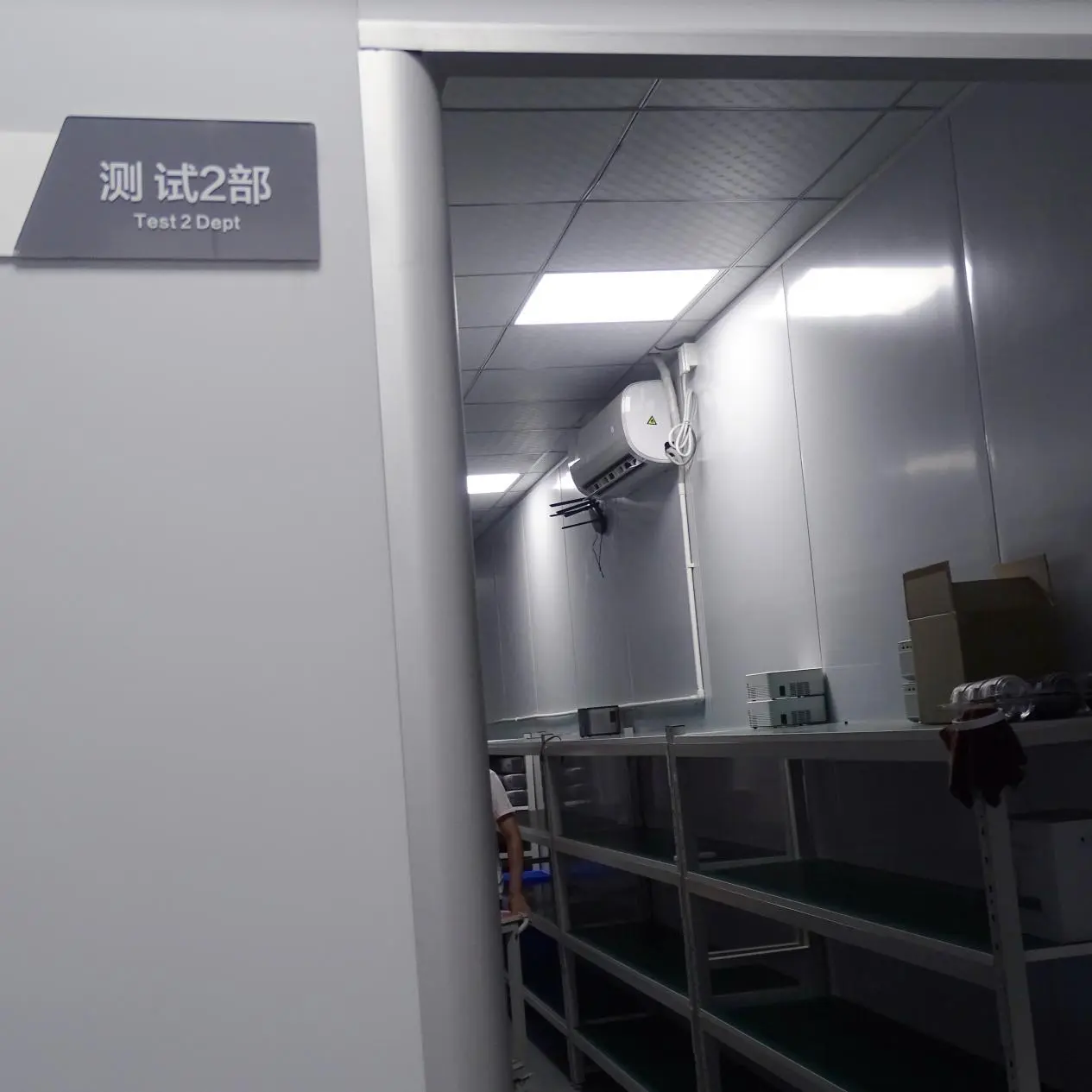
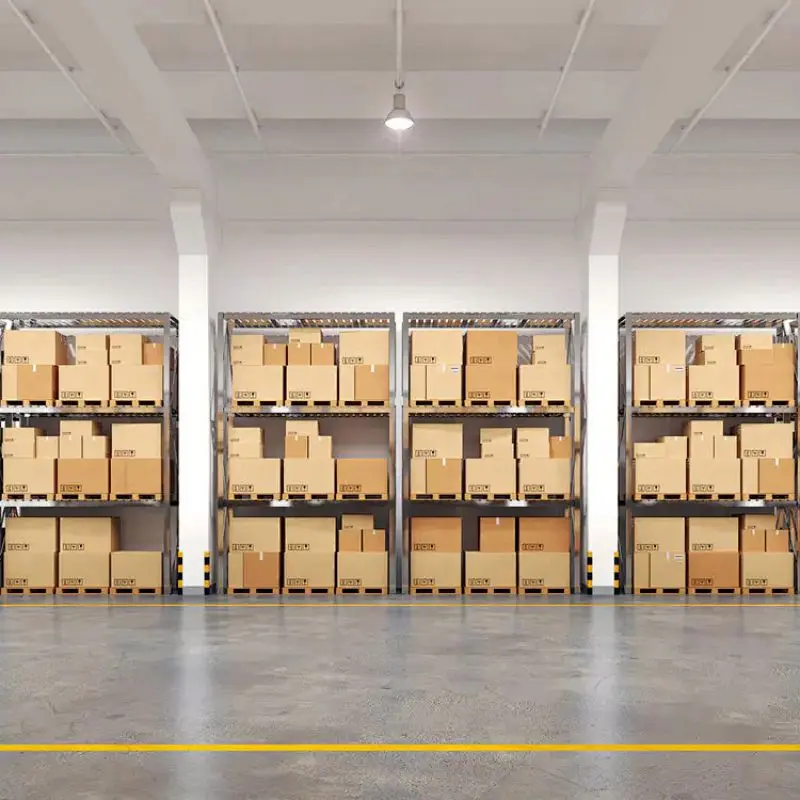
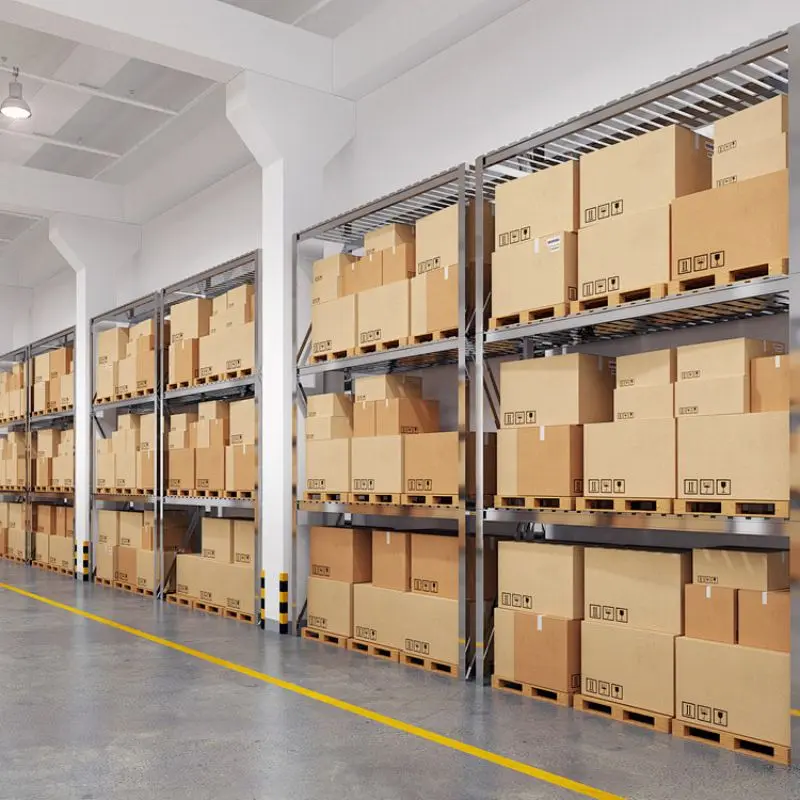
The aging test department is positioned next to our quality testing rooms to streamline handling. The facility can accommodate at least 200 units on continuous burn-in test racks simultaneously. Our 300-square-meter finished goods warehouse ensures safe, moisture-controlled storage next to the final packaging line.
As display demands shift toward higher resolution and energy-efficient designs, our engineering roadmap focuses on key optical improvements:
We are refining LCD panel light transmission and implementing advanced LED chips to increase ANSI lumens output while maintaining current power consumption levels.
Developing onboard AI chips to run real-time autofocus, multi-angle auto-keystone correction, obstacle avoidance, and intelligent screen-fit adjustments.
Researching laser-LED hybrid light engines to blend the color purity of lasers with the cost-effective stability of LEDs, bringing cinema-grade visual quality to consumer products.
Navigating international trade requirements demands strict attention to regulatory standards and product certification.
We build our projection systems to meet key regional standards, including CE, FCC, RoHS, and CCC, facilitating customs clearance and retail distribution.
We adapt hardware configurations to suit specific target markets, offering localized power adapters, customizable startup UI screens, specific input ports, and localized language menus.
Our engineering and sales support divisions assist clients through the entire procurement process, providing firmware updates, configuration support, and supply chain tracking.
Find answers to common questions about ANSI Lumens specifications, customizable options, and manufacturing procedures.
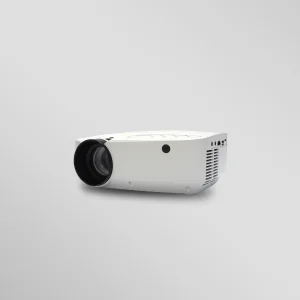
Browse our full range of portable, smart, and high-brightness projectors designed to meet diverse regional demands.
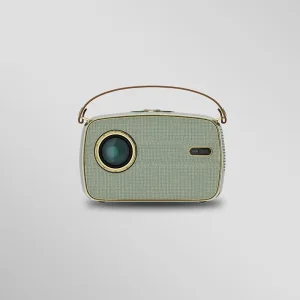
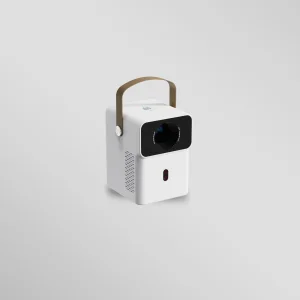
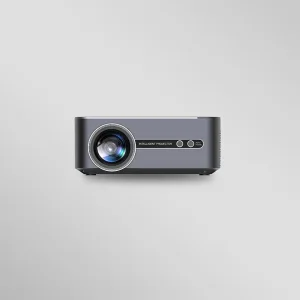
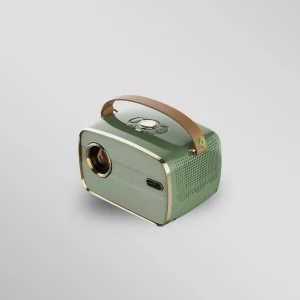
Get in touch with our technical and sales teams for custom specifications, interface modifications, pricing sheets, and minimum order requirements.
 Youxi projection