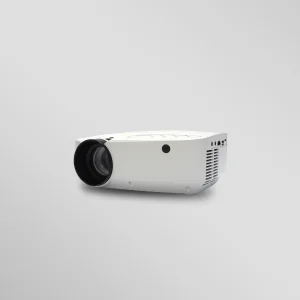
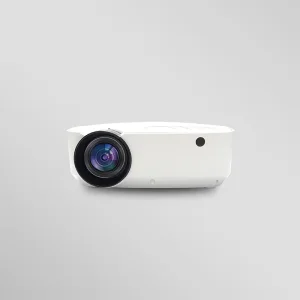
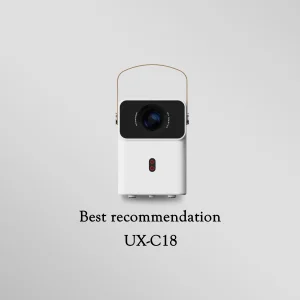
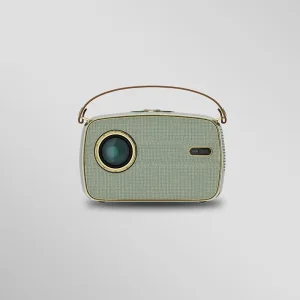
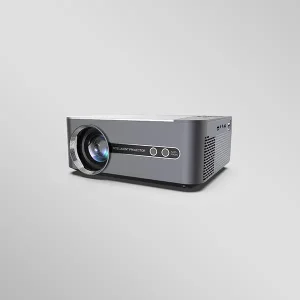
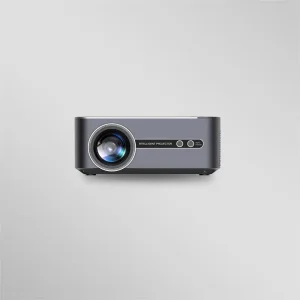
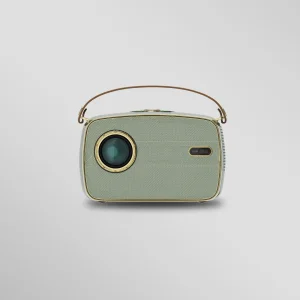
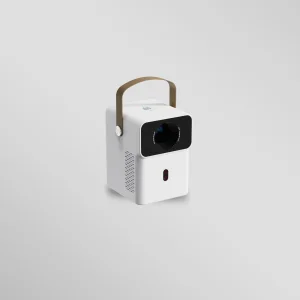
The global projection and optoelectronic display industries are undergoing a massive shift towards high-fidelity spatial resolution. From standard definitions of the past to FHD (Full High Definition, 1920x1080 pixels), QHD (Quad High Definition, 2560x1440 pixels), and UHD (Ultra High Definition, 3840x2160 pixels), the expectations of enterprise buyers and consumers alike have escalated. Resolution is no longer just about pixel counts; it is about light transmission efficiency, color volume reproduction, and processing power.
In smart projection manufacturing, micro-display panels (such as LCD, DLP, and LCoS) require customized optical engines to accurately project high-resolution outputs. FHD has become the baseline standard for entry-to-mid-range office and smart home cinema systems. QHD serves as a crucial bridge, particularly in high-frame-rate environments, gaming projectors, and executive meeting rooms where fine details are required without demanding the massive bandwidth overhead of 4K. Meanwhile, UHD represents the pinnacle of visual clarity, delivering immersive experiences with over 8.3 million distinct pixels. Achieving true UHD output requires sophisticated optical lens coatings, high-lumen illumination sources (such as laser or multi-die LED arrays), and robust heat dissipation mechanics to prevent thermal degradation of the optical elements.
1920 x 1080 px
2560 x 1440 px
3840 x 2160 px
50,000 Units / Mo
To assist procurement managers, display engineers, and B2B buyers in making informed sourcing decisions, the matrix below details the primary technical metrics that differentiate professional display standards.
| Display Standard | Pixel Grid Array | Ideal Application Profile | Optoelectronic Light Engines | Bandwidth & Hardware Overhead |
|---|---|---|---|---|
| FHD (1080p) | 1920 x 1080 | Portable Cinema, Budget Classrooms, Outdoor Entertainment | 1-Chip LCD / 0.33" DMD DLP | Low; compatible with standard HDMI 1.4/2.0 and mid-tier SOCs. |
| QHD (2K) | 2560 x 1440 | High-refresh Gaming, Executive Conferencing, Technical Modeling | 0.47" DMD DLP / High-Density LCD | Moderate; benefits from HDMI 2.0 and specialized graphics processing. |
| UHD (4K) | 3840 x 2160 | Commercial Cinema, Premium Home Theater, High-End Simulation | 0.47" / 0.66" DMD with XPR / 3-LCD | High; requires HDMI 2.1, HDCP 2.2, and premium multi-core SOCs. |
Enterprise purchasing departments are no longer evaluating hardware solely on initial unit costs. The current procurement landscape prioritizes Total Cost of Ownership (TCO), long-term lamp or laser life, power efficiency, and hardware integration capabilities. Large system integrators and distributors actively seek factories that can customize smart projection firmware, alter hardware interface configurations, and design specific chassis colors or structural mounting solutions.
At Youxi Technology, we offer a dynamic range of manufacturing models. Our OEM (Original Equipment Manufacturer) services allow brands to utilize our existing structural designs and optical blocks while customizing branding, startup screens, box packaging, and local user interface configurations. Our ODM (Original Design Manufacturer) services go deeper, providing custom circuit board (PCB) layouts, specialized ports (such as RS-232 for automation systems or optical audio output), and entirely custom cosmetic enclosures.
Additionally, our Material-Specified Manufacturing (MSM) program allows clients to mandate specific third-party components (such as specific premium LEDs, optical glass modules, or audio drivers) to match strict local corporate policies or market demands.
Modern smart projection systems must serve as integrated hubs rather than isolated output devices. To support macro-industry applications, our solutions include:
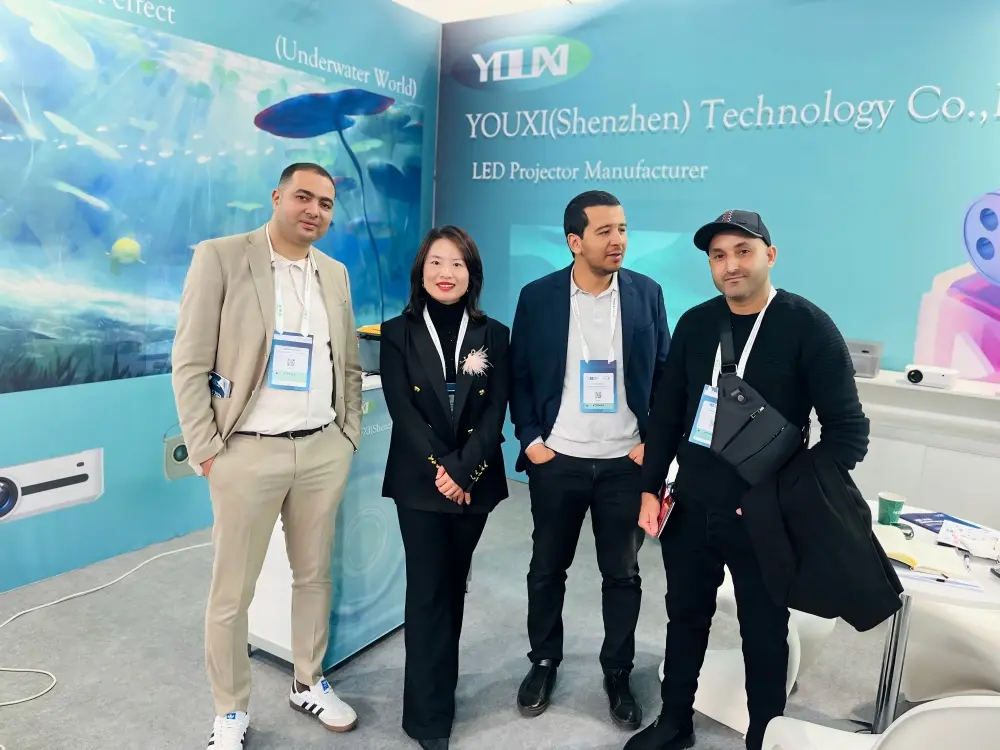
Founded in April 2021, Youxi (Shenzhen) Technology Co., Ltd. specializes in the research, development, engineering, and manufacturing of smart projection systems and wearable smart devices. By maintaining full vertical control over the entire product lifecycle—from initial optical path R&D to precision injection molding, SMT assembly, and strict quality assurance protocols—we guarantee compliance with international requirements. Committed to environmental stewardship, we design products with low standby power requirements and use eco-conscious materials to align with green manufacturing principles.
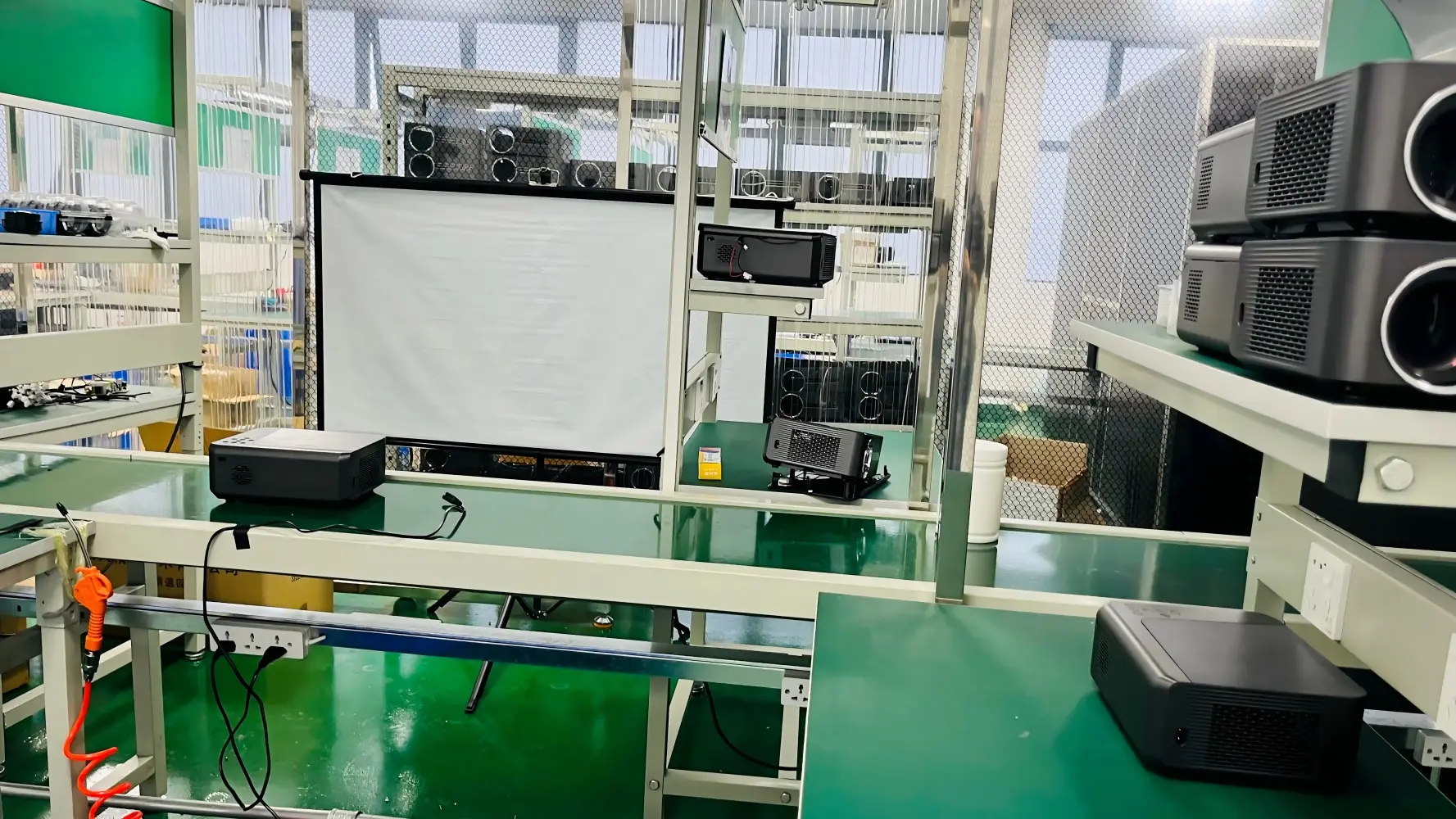
Our headquarters is strategically located in Shenzhen, South China's leading tech hub, roughly 40 minutes from the Hong Kong Port for efficient international logistics. To support high-volume distribution, we run a specialized assembly facility spanning 1,000 square meters in Fenggang Town, Dongguan City. With a workforce of around 100 professionals, our manufacturing output exceeds 30,000 projection units per month.
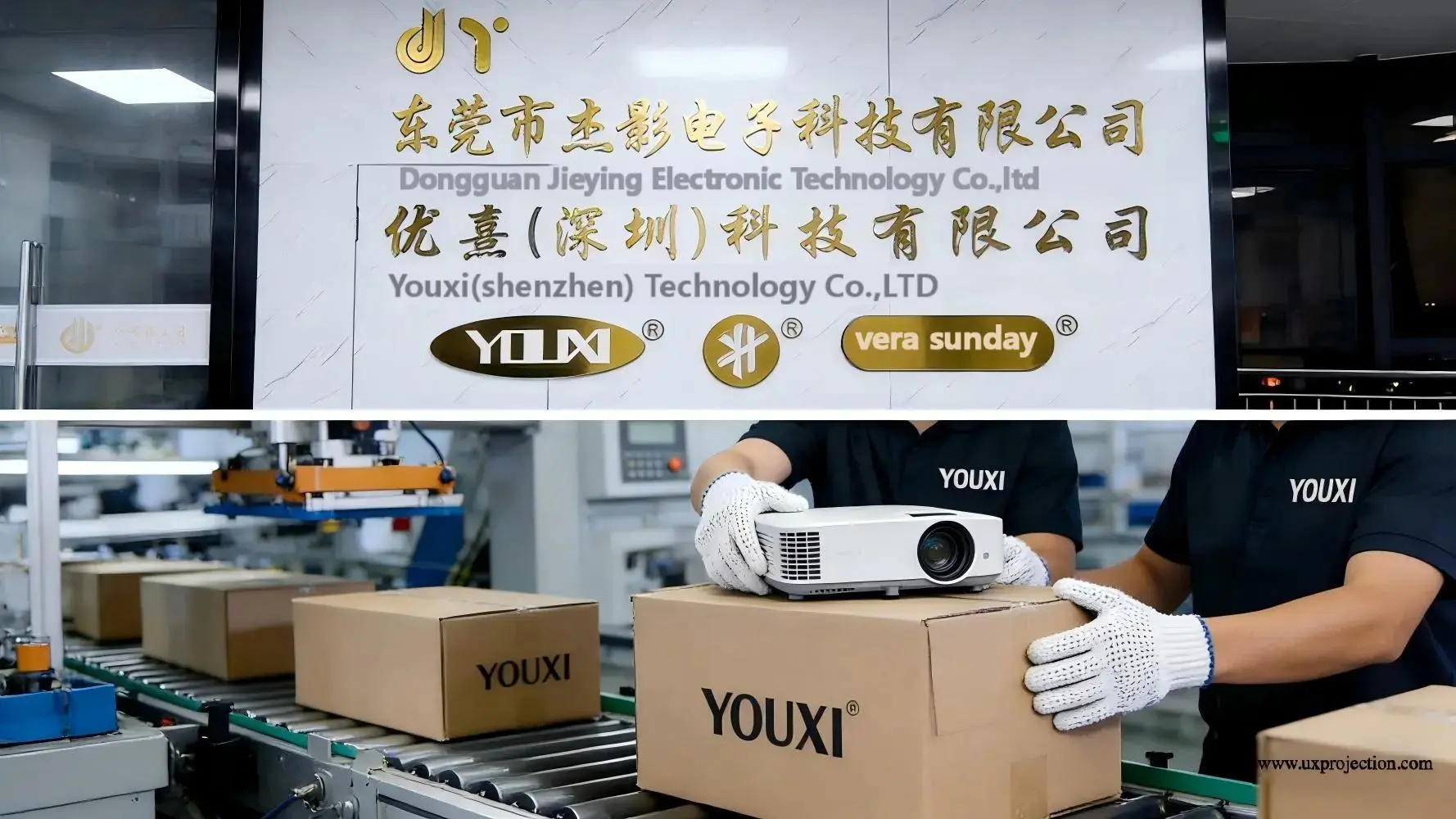
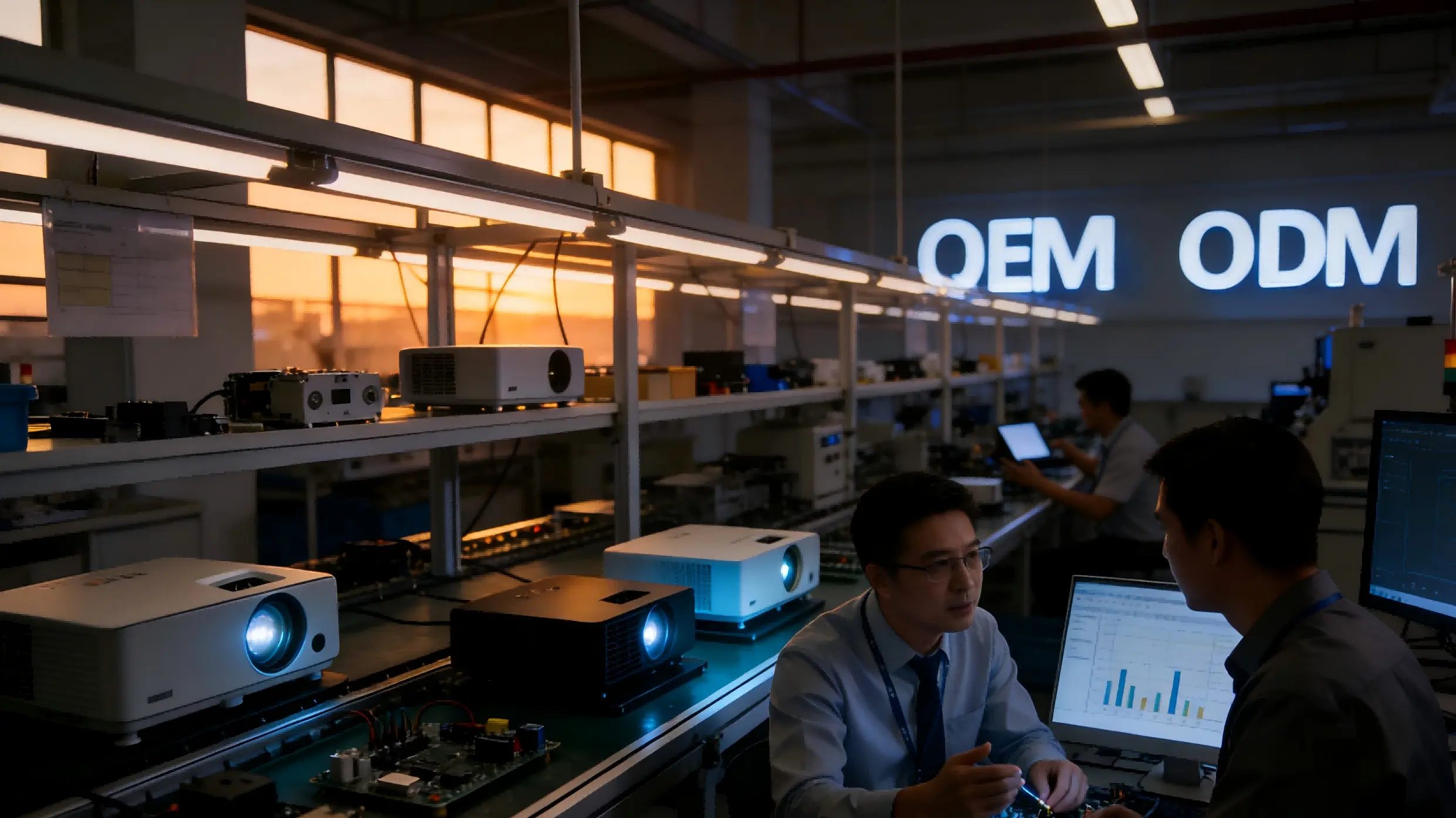
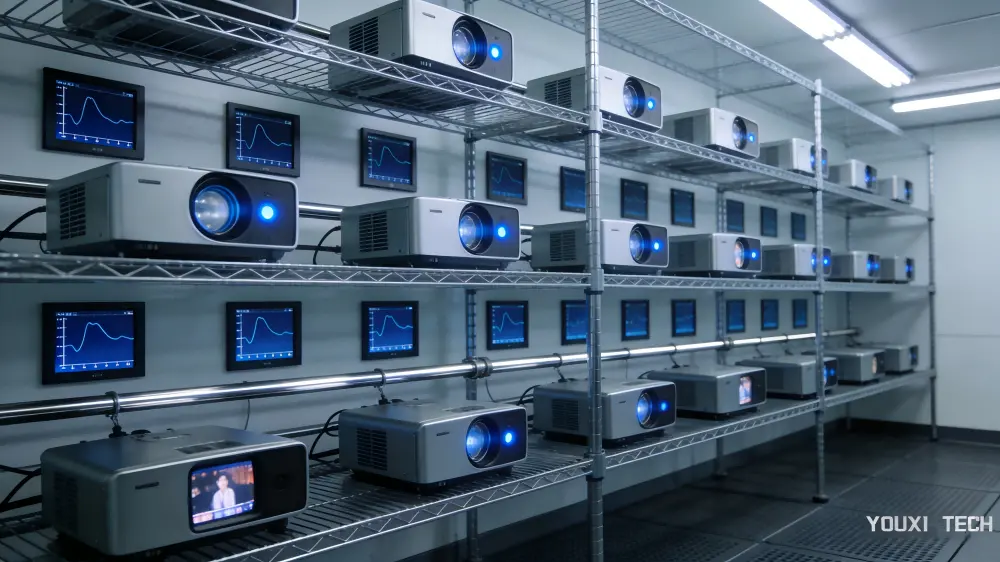
Our manufacturing ecosystem features five critical departments designed to manage quality and reduce defects:
Quality control at Youxi Technology is built around standardized tests designed to address real-world usage scenarios:
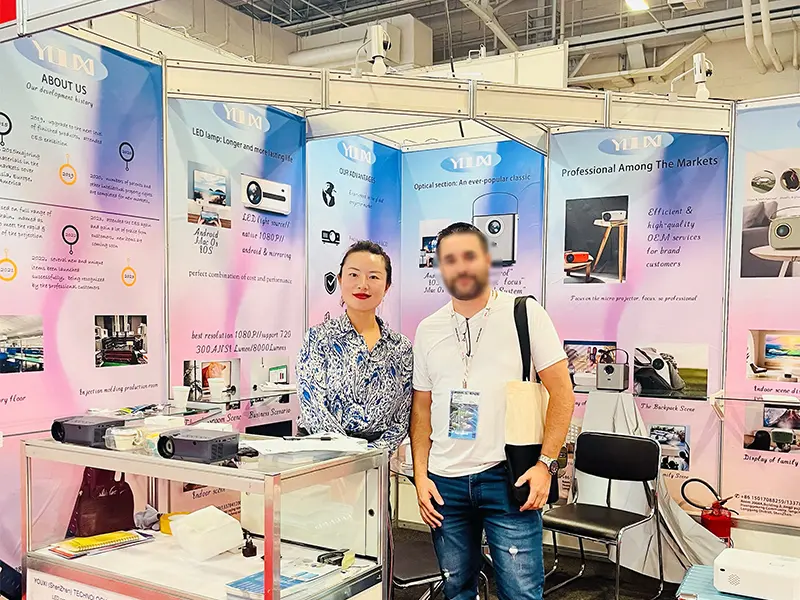
B2B buyers face challenging import regulations, custom clearings, and certification processes. Sourcing from a partner that understands these requirements helps prevent customs delays.
Our factory processes comply with CE, FCC, and RoHS guidelines, enabling direct entry into European, North American, and Asian markets. Furthermore, our close proximity to the Hong Kong port (approximately 40 minutes from headquarters) provides access to international shipping routes. We offer flexible trade terms including FOB (Free on Board), CIF (Cost, Insurance, and Freight), and EXW (Ex Works), and provide documentation such as MSDS reports for batteries and Certificate of Origin (CO) paperwork to simplify international customs clearance.
The global projection market is evolving beyond simple light source technology toward smart, responsive display systems. As an innovative manufacturer, Youxi is planning its research and development roadmap around three key technology phases:
Standard LED light sources are shifting toward hybrid solid-state systems that combine laser diodes and high-efficacy LEDs. This development delivers higher ANSI lumens while maintaining rich color reproduction, satisfying the demand for projectors that work in brightly lit living rooms and commercial boardrooms.
Manual keystone and focusing tools are being replaced by automated spatial adjustments. Future projection systems integrate dedicated neural processing units (NPUs) that run AI algorithms to calculate distance, wall color, and geometric distortion in real time. This allows the system to adjust focus, correct keystone distortion, and avoid wall obstructions instantly.
By combining our core smart wearable technologies with projection engines, we aim to design unified personal display ecosystems. This includes portable near-eye displays alongside compact pico-projectors, enabling user-friendly interactive displays for both professional meetings and home media systems.
Native resolution refers to the exact physical pixel count of the micro-display panel (LCD or DMD chip) inside the projector. Supported resolution indicates that the internal processor can decode the incoming video file (such as a 4K file) and downscale it to fit the display's native resolution (like 720p or 1080p).
We use multi-fan cooling configurations with smart temperature sensors. When the internal optical block heats up, the fans dynamically adjust their speeds to maintain a low operating temperature. This design helps prevent heat damage to the optics while keeping fan noise to a minimum.
For standard OEM projects with logo silk-printing and custom packaging, the typical production time is 25 to 30 days once packaging designs are approved. Complex ODM customization orders involving custom PCB layouts or structural changes require an additional 45 to 60 days for R&D, prototype validation, and certification testing.
Yes, our engineering department can customize the smart operating systems (Android/Linux) to run custom startup software, disable consumer menus, or integrate RS-232 and IP-based commands for automated commercial control systems.
We offer a standard 12-month warranty on our projection systems. For bulk B2B shipments, we can provide 1% to 2% spare components or replacement units alongside the shipment to assist with quick local service turnarounds.
 Youxi projection