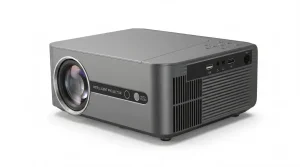
When assessing projection technology, the term ANSI Lumens stands as the industry-standard metric defined by the American National Standards Institute. Unlike generic "Marketing Lumens" or "LED Lumens" which frequently rely on mathematically inflated measurements of raw light source output, ANSI Lumens measure the actual light projected onto a screen under precise test parameters. Specifically, it divides the screen into a 3x3 grid, measuring light output at nine distinct points, and averages these values before multiplying by the projected area in square meters. This guarantees that parameters like center-to-corner brightness uniformity are accurately reflected.
For B2B procurement, understanding what constitutes a "good" ANSI lumen rating is central to matching hardware specifications with the intended environment. An incorrect estimation leads to either washed-out, illegible presentations (insufficient lumens) or unnecessary expenditure on high-wattage cooling systems (excessive lumens). Choosing the right rating requires calculating the ambient lux of the installation space, the reflectivity (gain) of the projection surface, and the maximum desired screen size.
Standard LED lumens only capture light at the source block, ignoring optical engine light loss. ANSI Lumens represent the net brightness that actually reaches the viewer.
Measurement uniformity prevents hot-spotting. A premium projector maintains a brightness uniformity ratio above 85% across all nine measurement nodes.
True ANSI ratings should ideally account for Color Light Output. If the color brightness is significantly lower than white brightness, colors will look dull.
Analyzing application vectors to guide commercial procurement and architectural integration.
Determining a "good" ANSI lumen benchmark depends entirely on the ambient light conditions and screen size of the application scenario. There is no one-size-fits-all answer; instead, there is an optimal spectrum of light values mapped to specific user experiences:
For controlled, ultra-dark environments such as outdoor campsites at night or pitch-black bedrooms. These units prioritize compact thermal management, low battery drain, and USB-C power delivery.
Optimized for dimly lit rooms or home theaters with controlled light. This range balance native contrast ratios (crucial for cinematic black levels) with enough brightness to display HDR10+ content vibrant.
The sweet spot for meeting rooms and educational classrooms where windows cannot be fully blacked out. This level of brightness keeps presentations, spreadsheets, and videos clear without causing eye strain.
Designed for large lecture halls, auditoriums, public digital signage, and museum projection mapping. These high-end systems use laser-phosphor or dual-lamp engines to push through heavy ambient light over long distances.
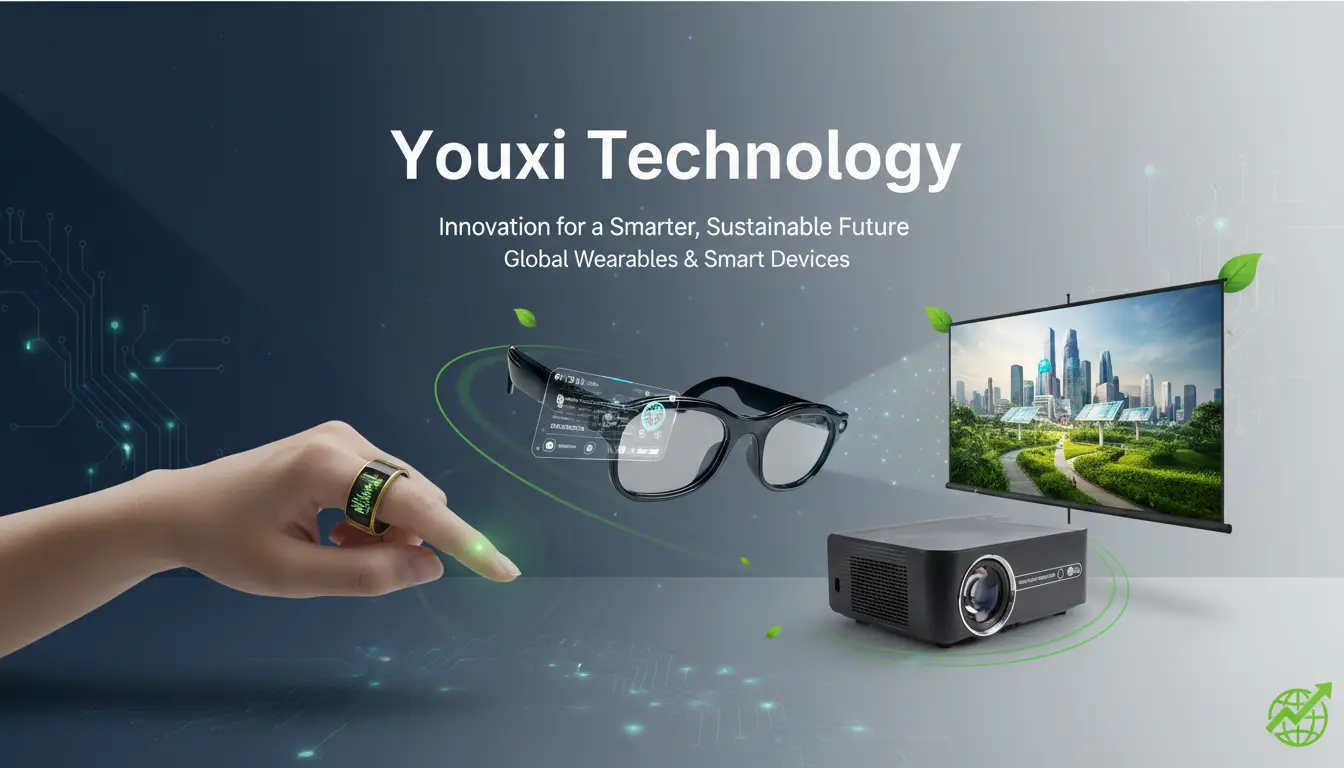
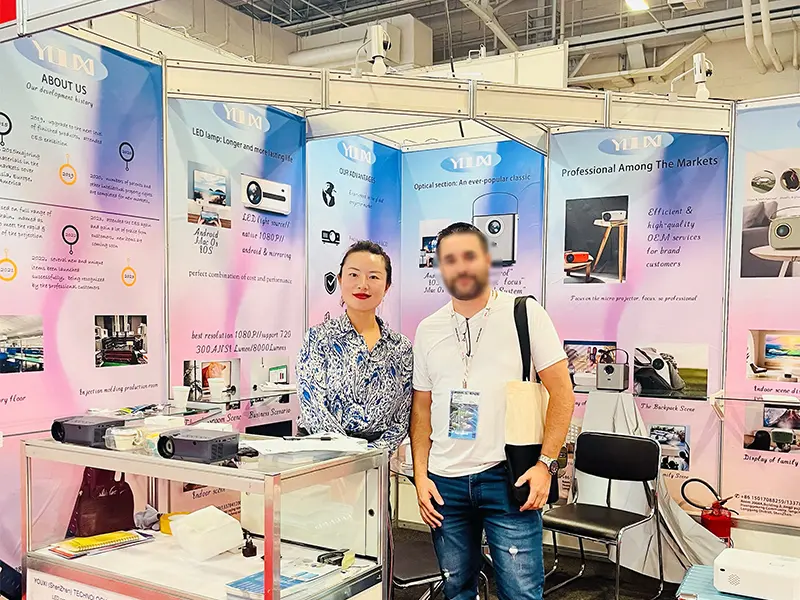
Youxi (Shenzhen) Technology Co., Ltd., founded in April 2021, specializing in the research and development, manufacturing, and integration of intelligent projection systems and wearable smart devices. Our company maintains end-to-end capabilities across the product lifecycle—from R&D and precision assembly to quality assurance—ensuring full compliance with international standards at every stage, from raw material procurement to finished product delivery. Committed to sustainable operations, Youxi integrates energy-efficient design, eco-conscious material selection, and waste-reduction practices into our business model, contributing meaningfully to green manufacturing initiatives.
Headquartered in Shenzhen—a leading innovation hub in Southern China—the company benefits from strategic proximity to the Hong Kong Port, with a travel time of approximately 40 minutes. To support scalable production, Youxi operates a dedicated assembly facility spanning approximately 1,000 square meters in Fenggang Town, Dongguan City (a 25-minute drive from headquarters). Which currently employs around 100 professionals and maintains a monthly production capacity exceeding 30,000 units. Its robust quality management system, certified supply chain, and vertically integrated operational framework ensure consistent product reliability and timely delivery.
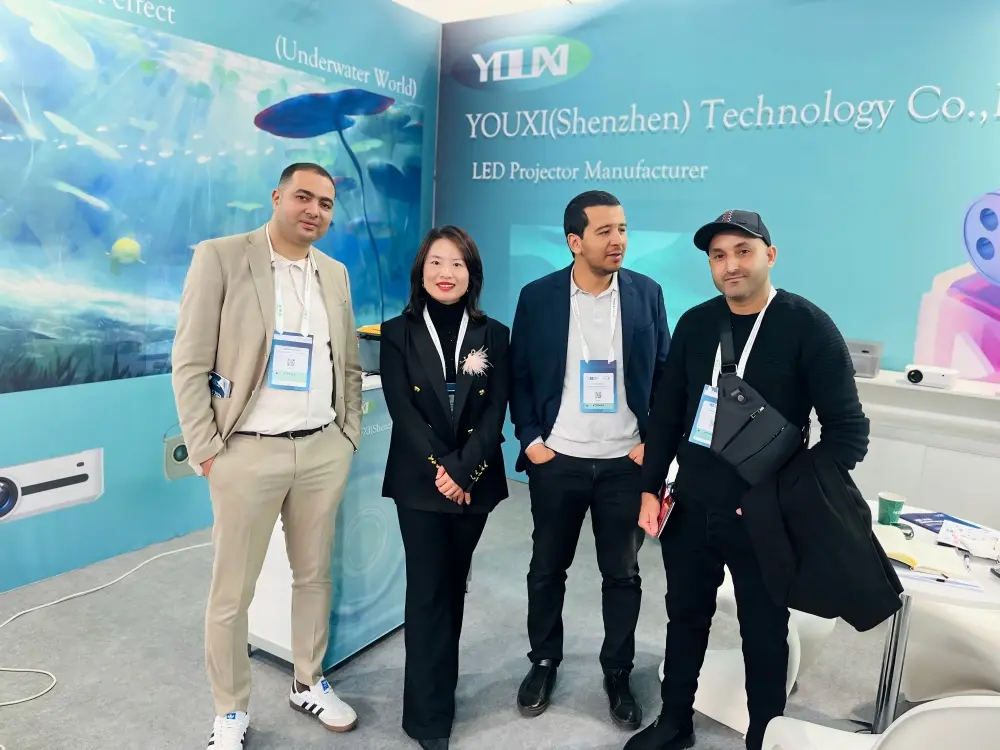
Youxi offers comprehensive service solutions, including branded product development, OEM/ODM customization, and material-specified manufacturing (MSM). We also actively pursue strategic partnerships through authorized distribution and joint venture models. Prospective partners and clients are welcome to contact us at any time for technical consultation, collaboration proposals, or commercial inquiries.
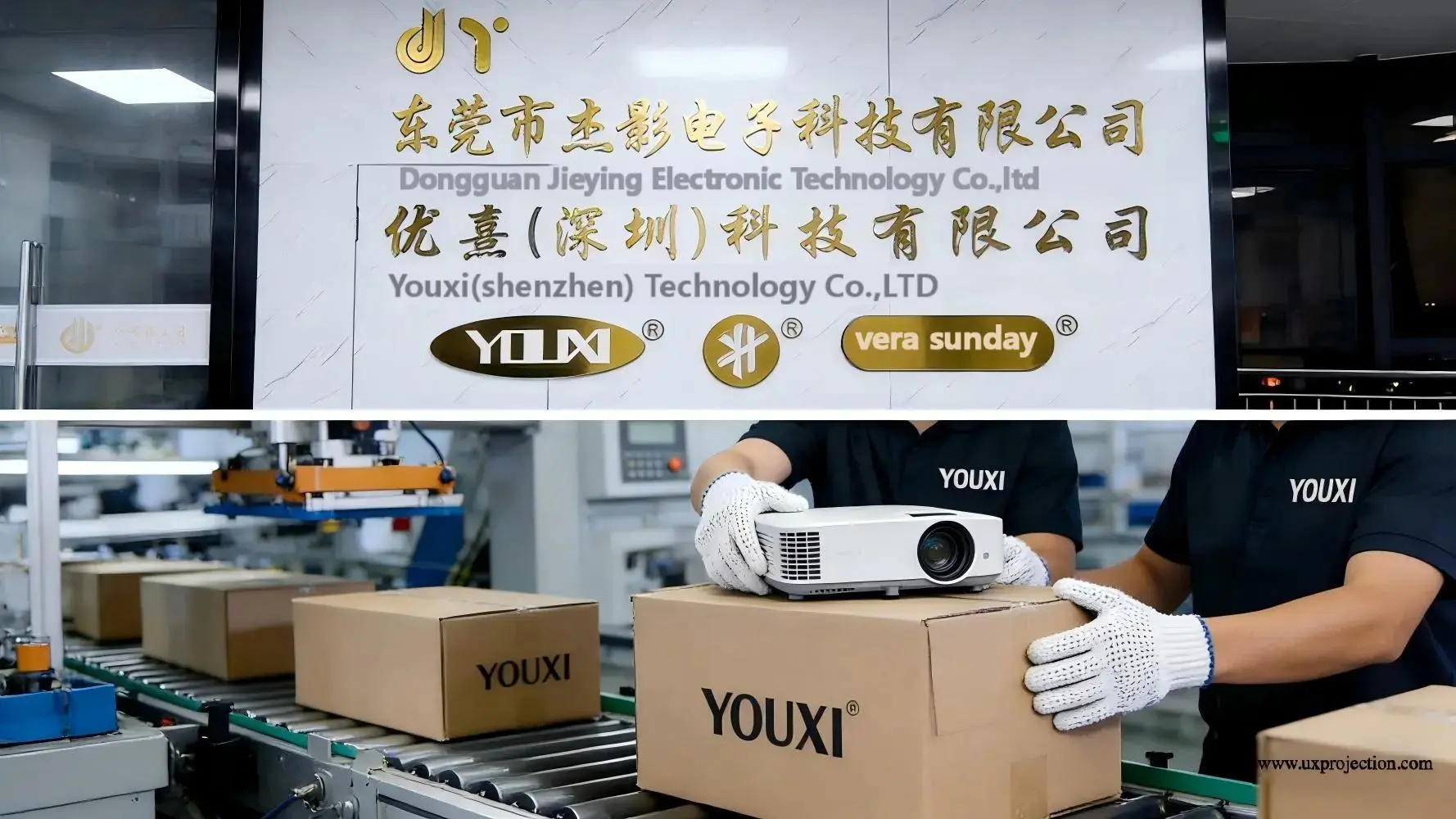
A deep dive into our manufacturing infrastructure designed for quality and reliability.
To ensure high standards of performance and color output, Youxi maintains tight quality control across all assembly, validation, and storage phases. Here is a breakdown of our production facility divisions:
The mold and injection molding workshop is located next to our factory, equipped with sophisticated digital machines above conventional market standards to ensure a good foundation for each product.
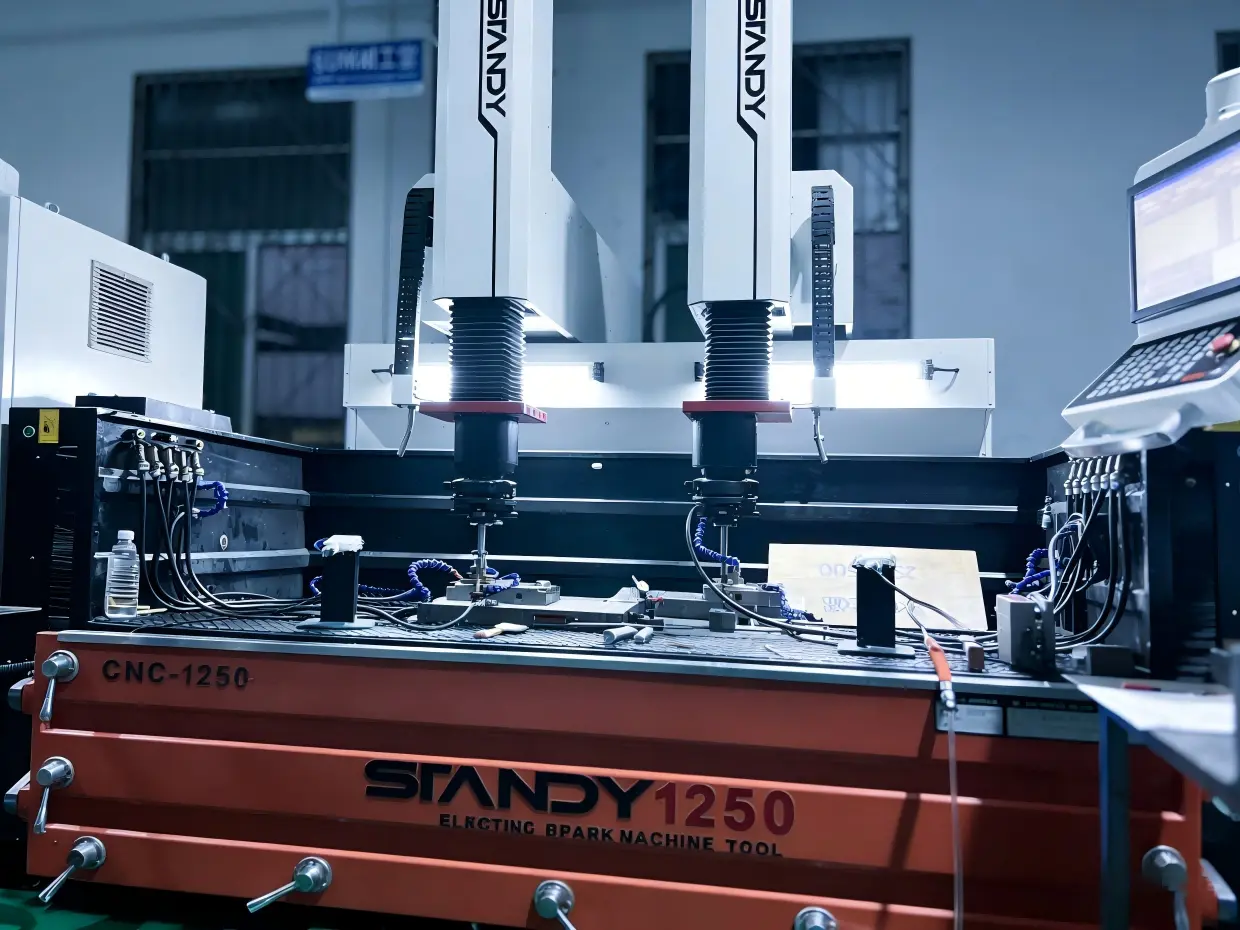
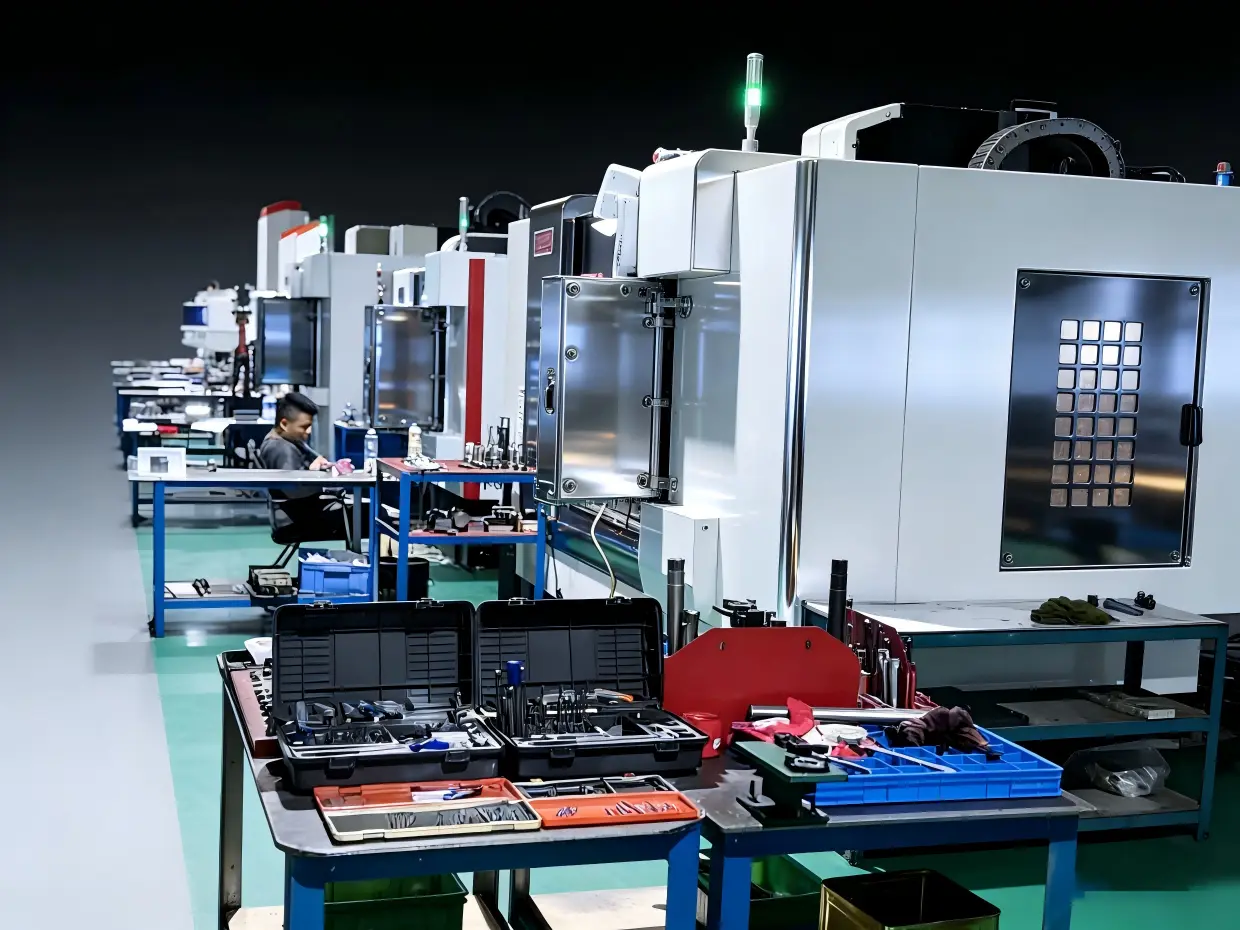
Covering an area of 4000 square meters. The factory is equipped with production, injection molding, assembly, and testing workshops with large volume. After the recent large-scale adjustment and screening, there are about more than 100 qualified assembly workers which are reasonably distributed in different departments and all with good professional & ethical quality.
Modern workshop for production and assembly, we introduce the most advanced manufacturing equipment, CNC machines, high-end test instruments. In order to meet our clients’ different requirements, we set the workshops based on 5S standard dust-free available for every unit of product., our monthly production and assembly capacity is up to 50000 units!
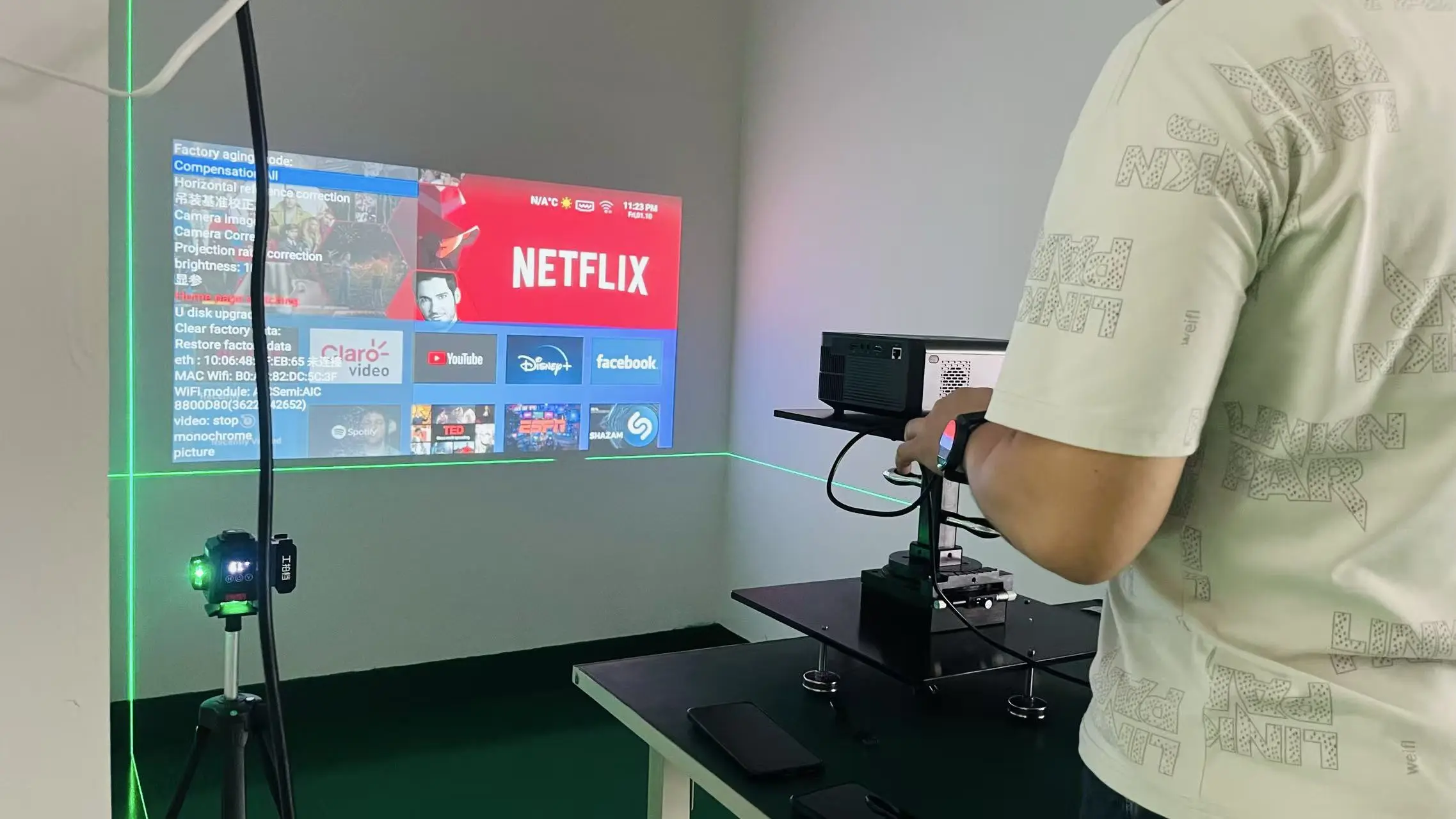
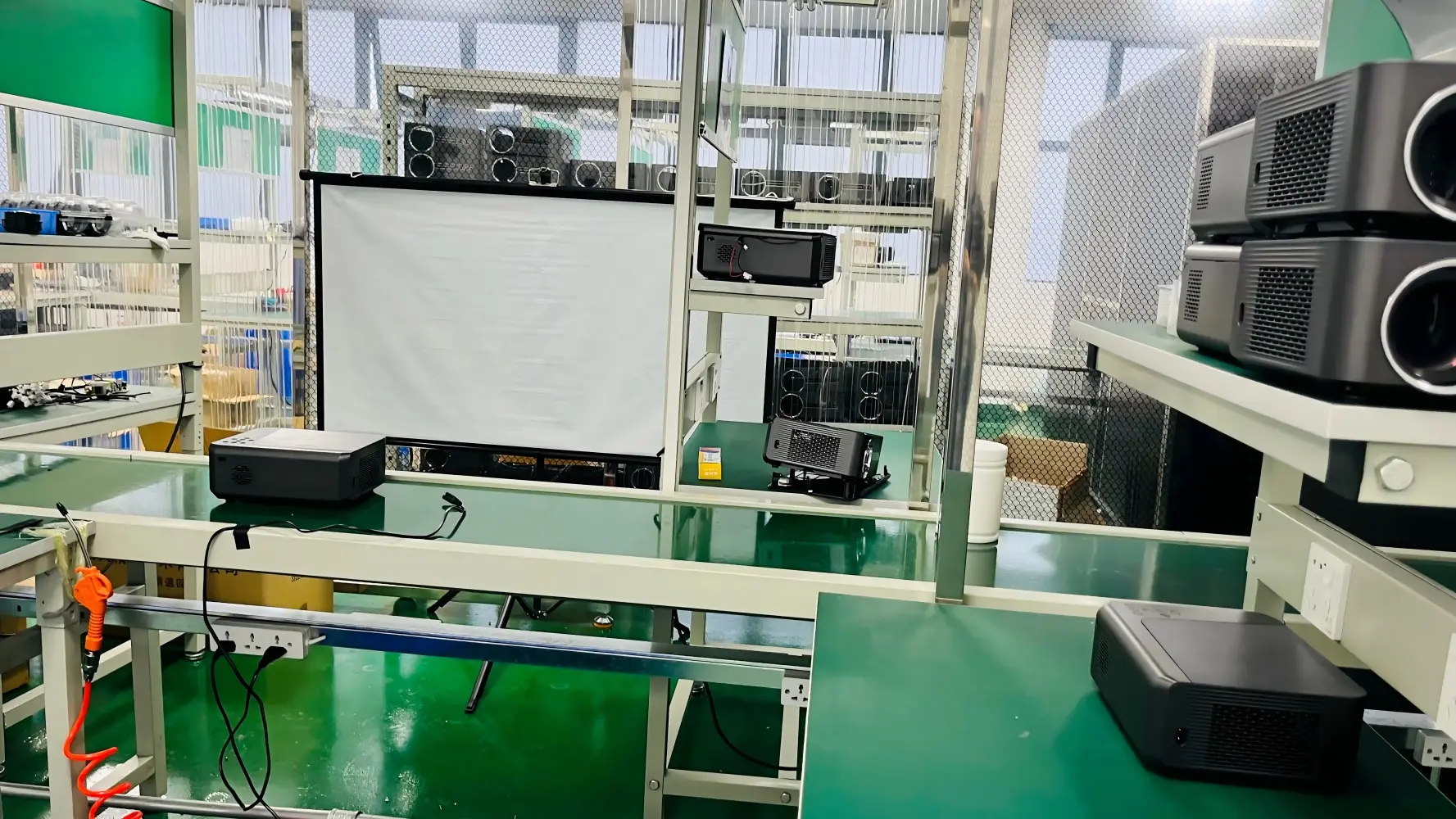
In order to ensure the performance of each machine, it is more possible to control the after-sale defect rate for customers, we have equipped two groups of test rooms, a total of 12 test rooms, by professional and senior quality inspectors to test the incoming material, the first inspection after finishing assembly, and sample inspection before shipment.
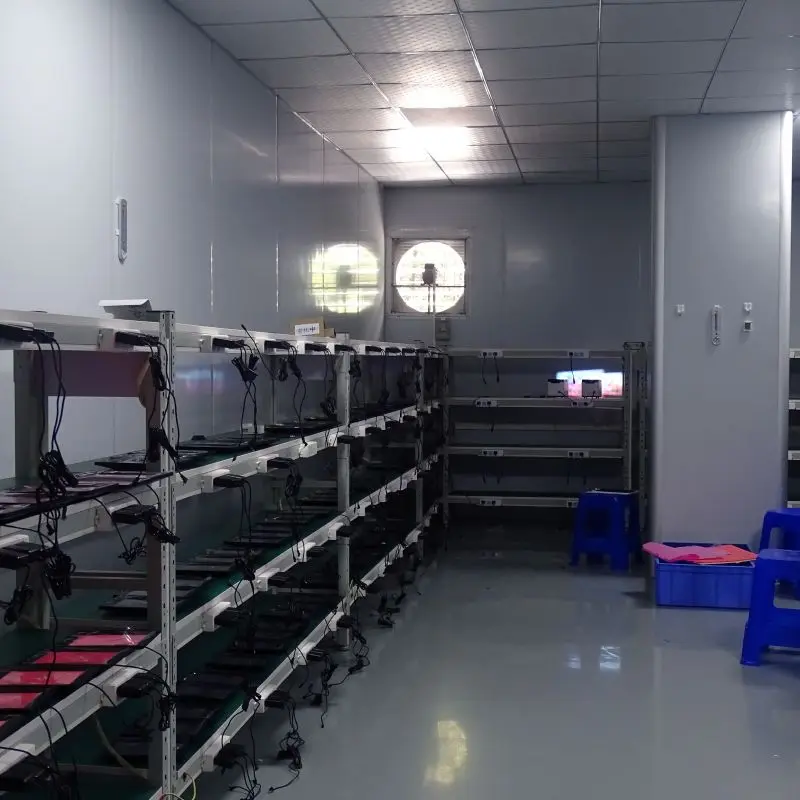
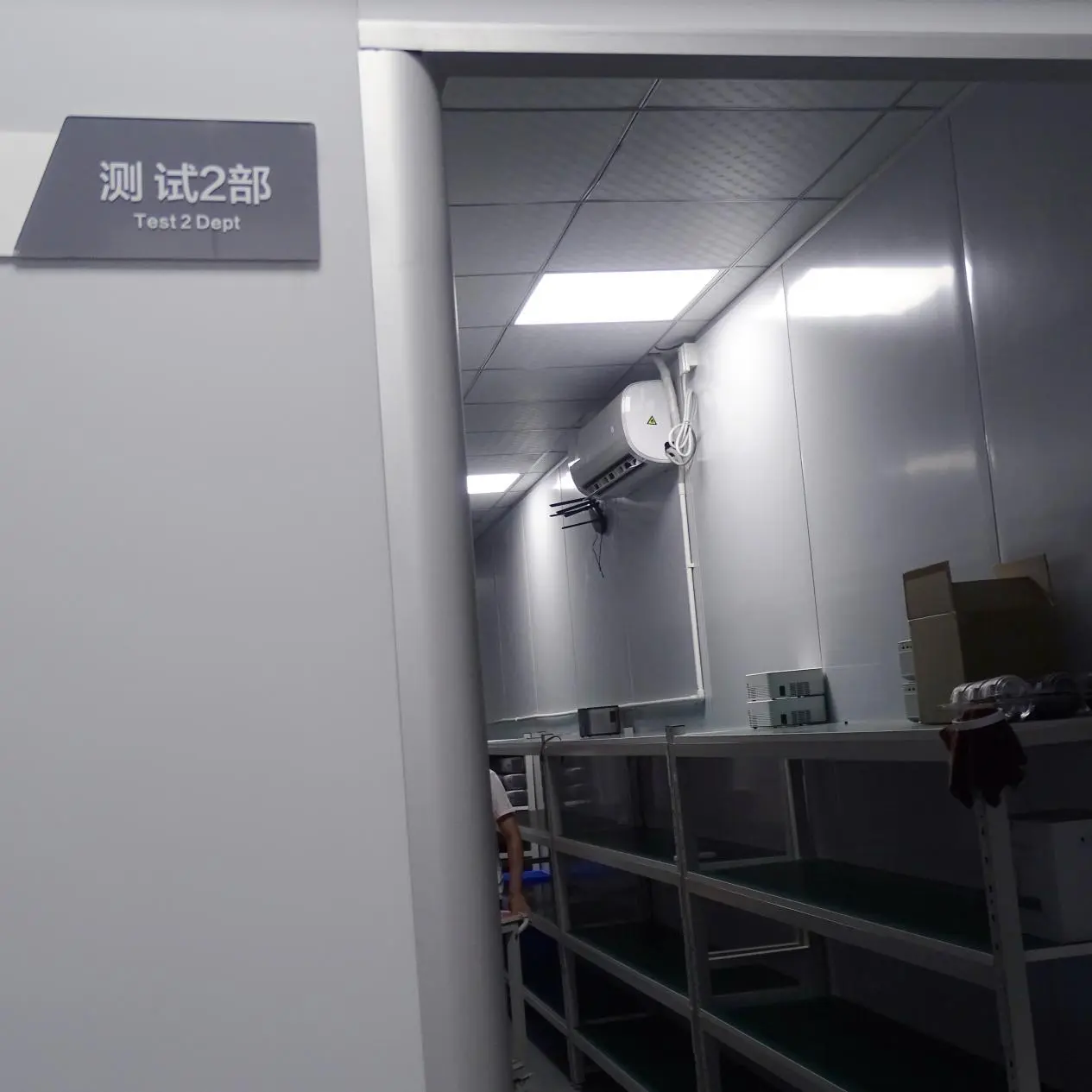
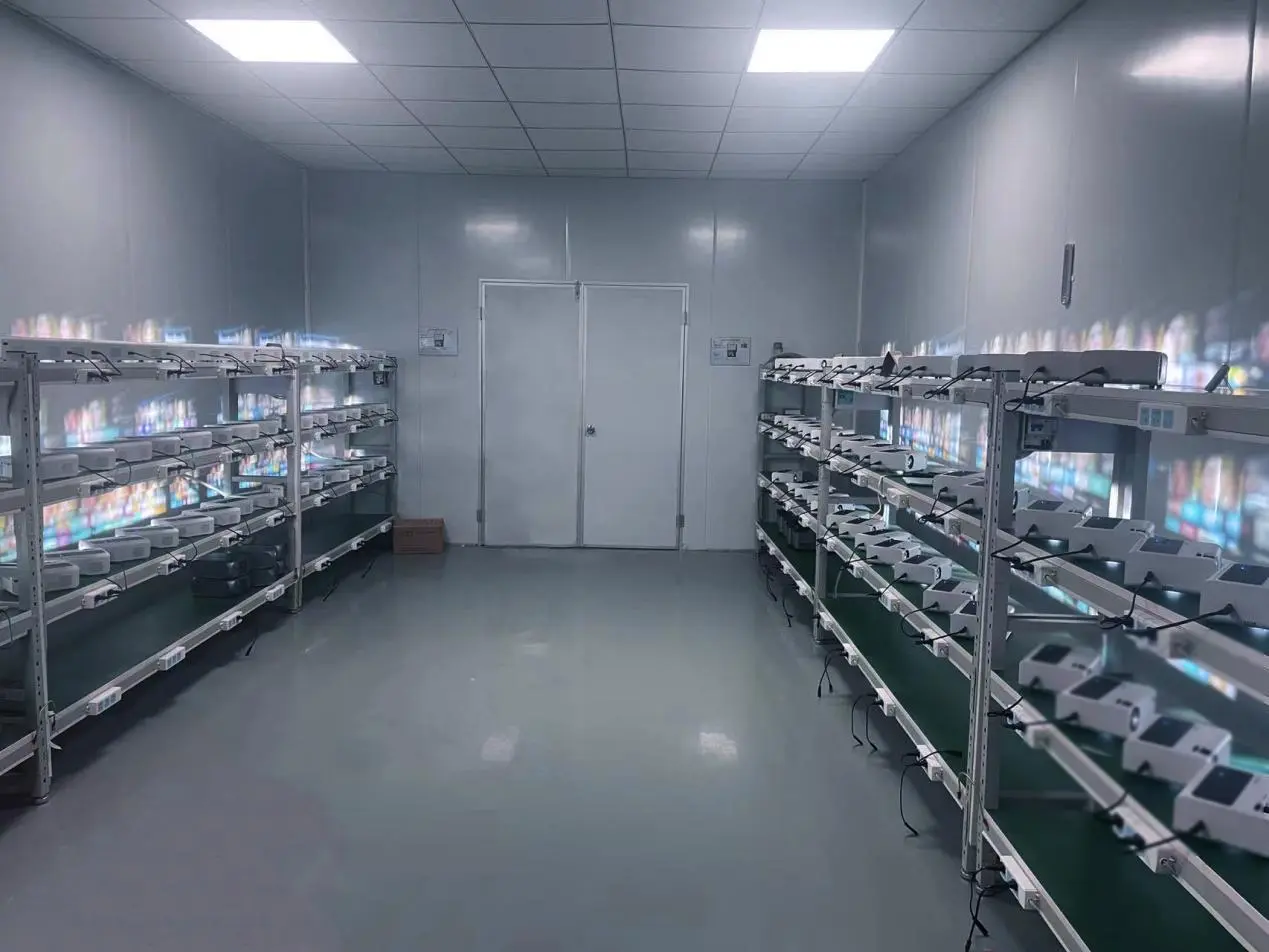
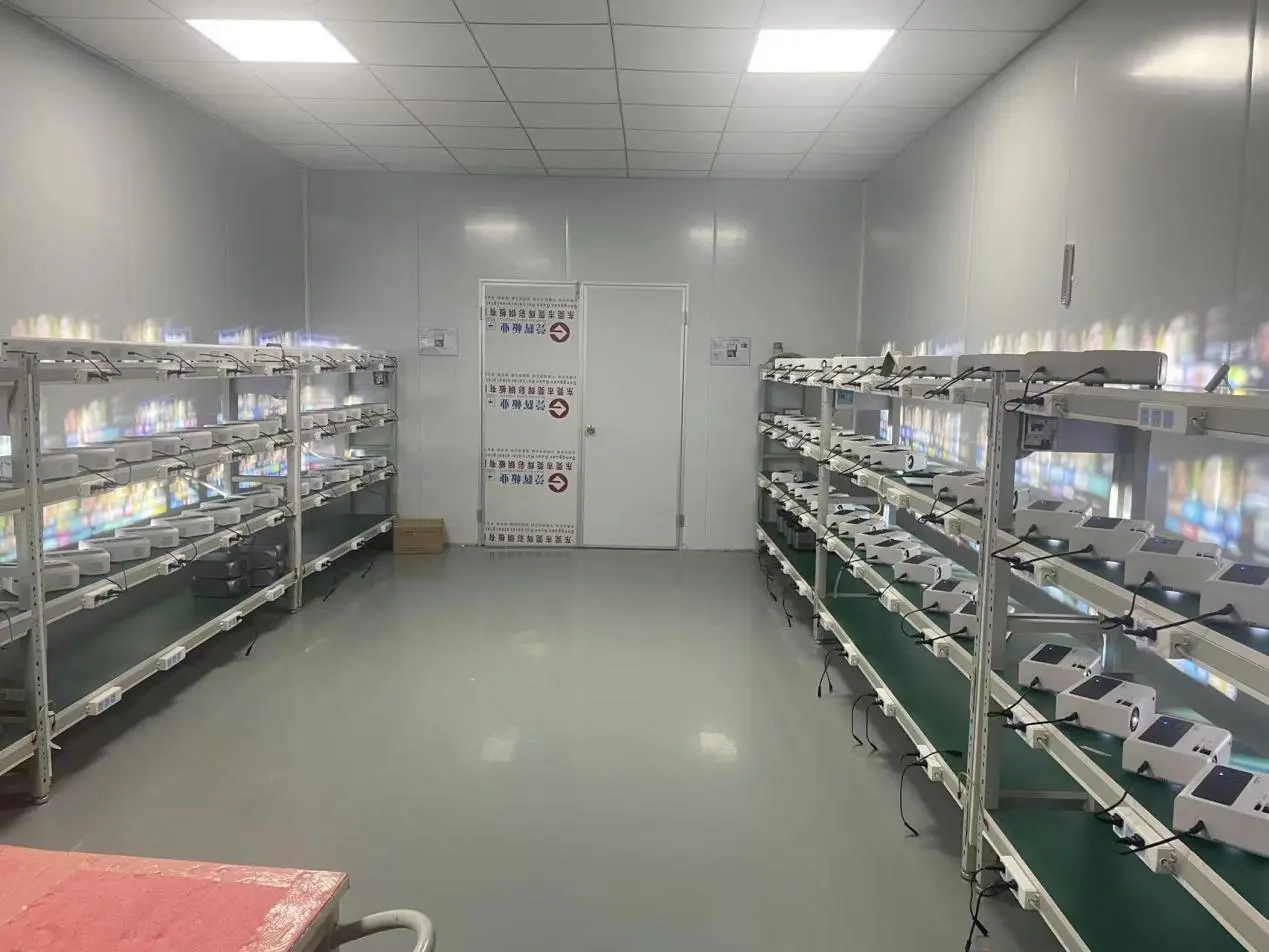
The aging test room is next to the functional test room in order to improve work efficiency and reduce work errors, and can allow at least 200 machines for aging test at the same time.
Warehouse covering a 300 square meters area for the finished products next to packaging line.
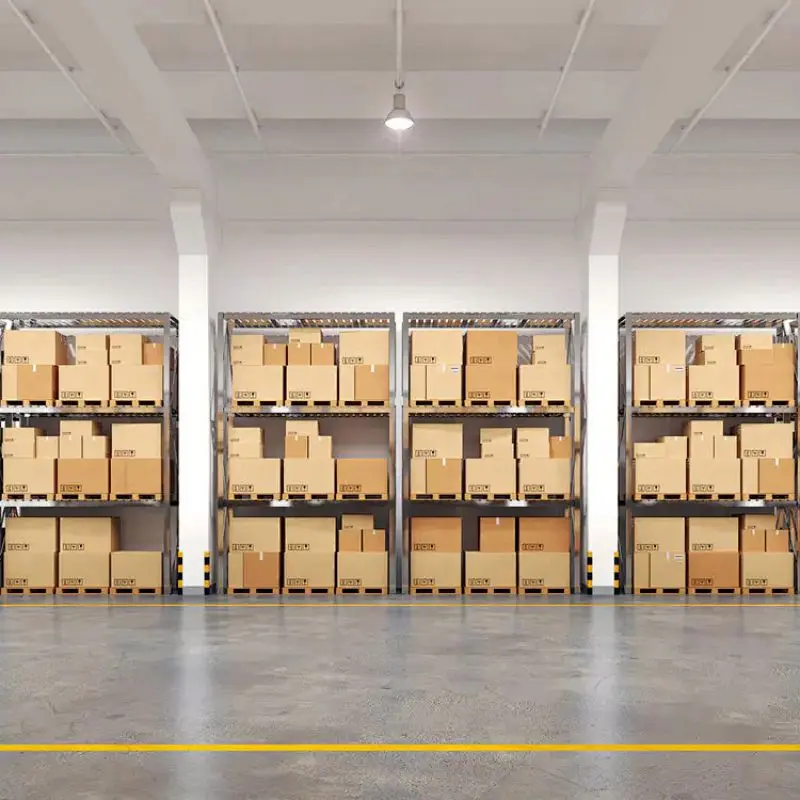
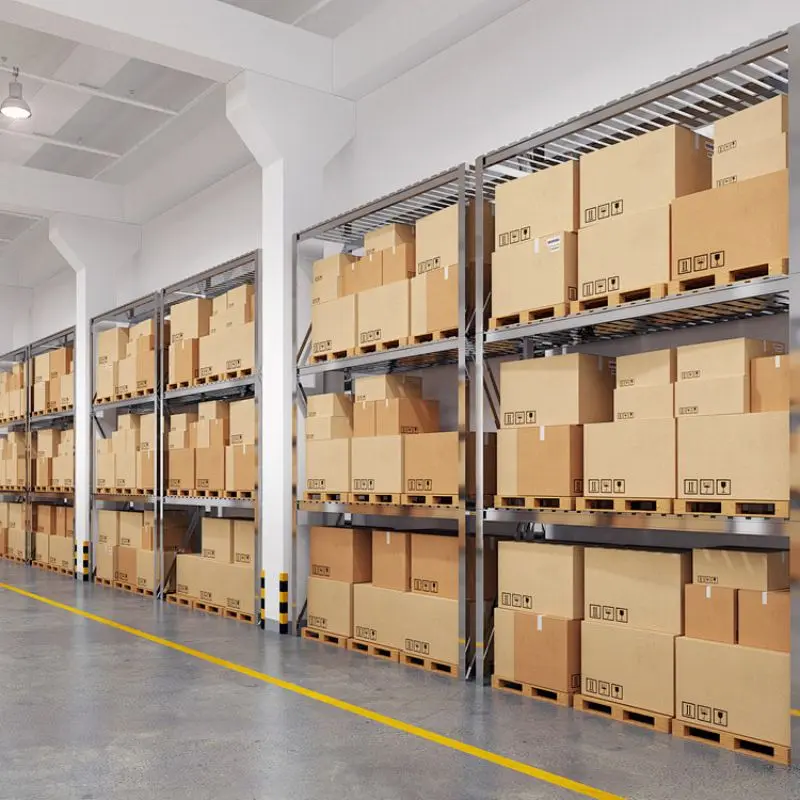
The above is the introduction of the main departments of our production line, thank you very much for your patience to see the end, if you have any other questions, please feel free to leave a message to us, our professional technical or sales staff will answer your questions as soon as possible. I hope we'll see you there again!
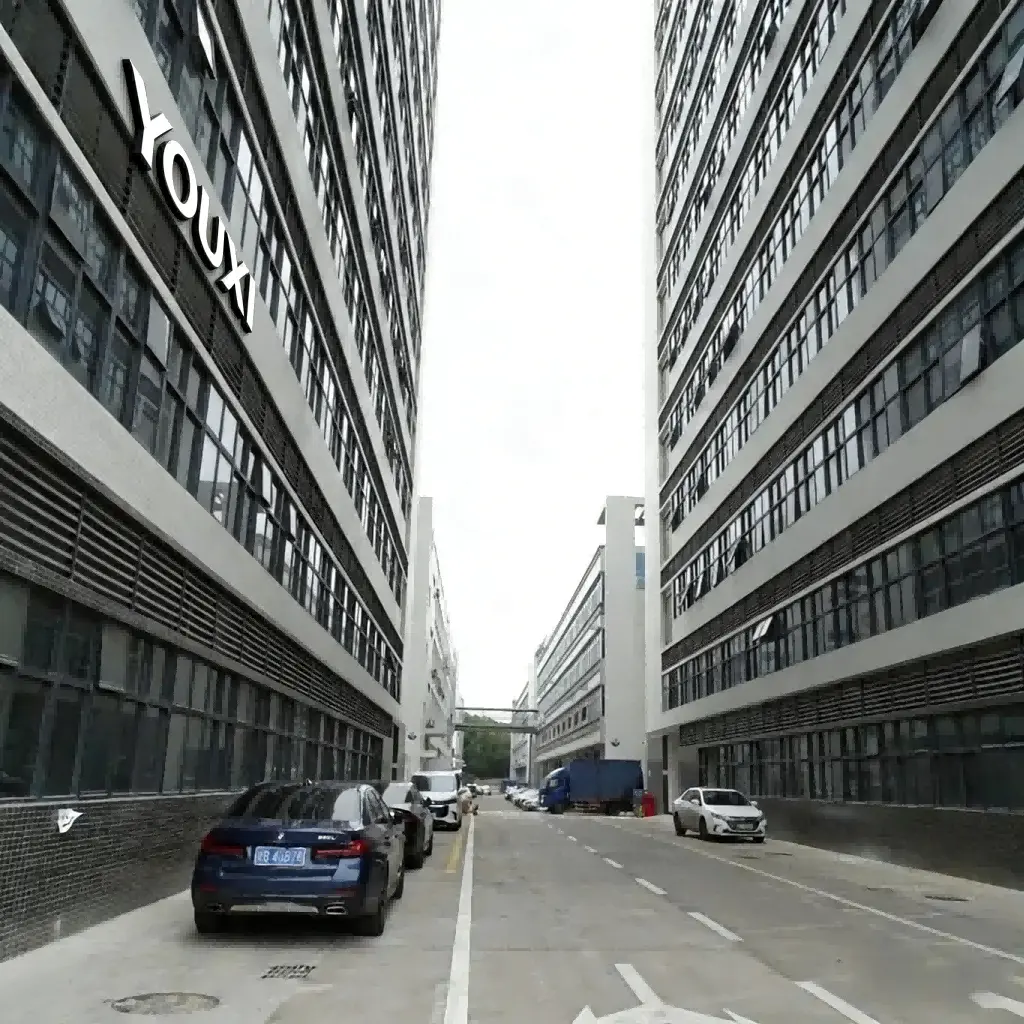
Deploying display networks across regions requires meeting strict local compliance, safety, and optical radiation standards. As an OEM/ODM vendor, Youxi products are engineered to align with global market entry regulations, including FCC (US), CE (Europe), CCC (China), RoHS environmental directives, and eye-safety laser certifications (IEC 60825-1).
Moreover, our manufacturing processes prioritize environmental sustainability. From using Lead-Free solder in PCB production to incorporating recycled polymers in our injection-molded chassis, we align our operations with ecological initiatives. Our global logistics partners, supported by our strategic proximity to Hong Kong Port, ensure efficient supply chain flow, reducing transit energy footprints and customs processing times.
All active components and chassis polymers comply with RoHS restriction limits on heavy metals, ensuring safety throughout product lifecycles and disposal.
Protects adjacent electronic networks from electromagnetic interference, crucial in corporate office environments and university classrooms.
Close proximity to logistics ports allows us to process exports smoothly, offering standard documentation support for customs clearance globally.
The optoelectronic landscape is rapidly transitioning toward high-density solid-state light sources. Youxi Technology’s R&D initiatives focus on bringing together three core developmental pathways: Hybrid Laser-LED engines, Dynamic AI Luminance Auto-Calibration, and Super-Resolution 4K Up-scaling.
Over the next few years, standard LED light sources will be phased out in mid-to-high tiers for compact laser-phosphor packages. This shift increases the native color gamut to Rec. 2020 while keeping power consumption low. Additionally, on-board AI modules will use integrated camera arrays to detect ambient room lux and automatically tune contrast and black-level clipping, ensuring an optimal image regardless of changing room conditions.
Answers to common industry queries regarding ANSI lumens and procurement specifications.
 Youxi projection