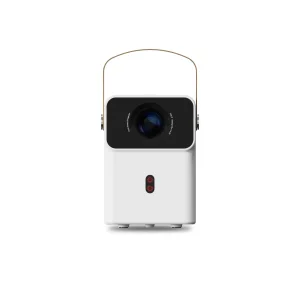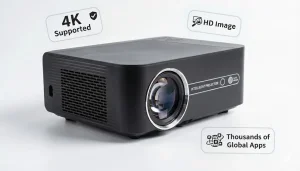
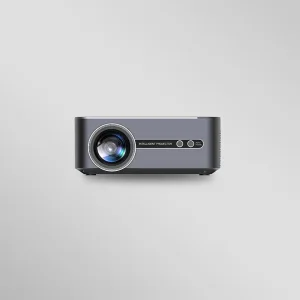
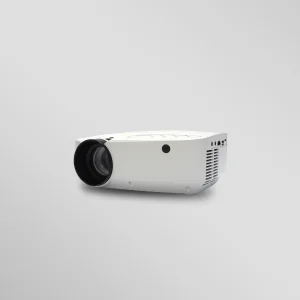
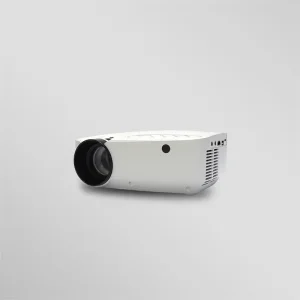

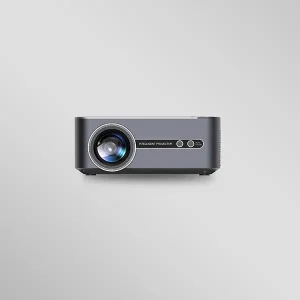
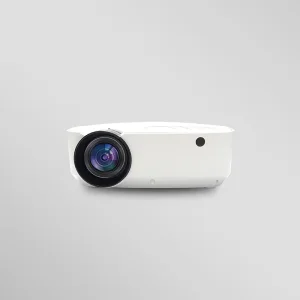
In the rapidly transforming landscape of visual displays, the demand for 4K resolution paired with a 120Hz refresh rate has transitioned from a niche enthusiast requirement to a vital standard across global B2B sectors. Enterprise presentation environments, large-scale educational spaces, interactive simulator installations, and competitive gaming arenas now look to high-performance projection as a primary solution. Achieving a true 4K output at a stable 120Hz requires a complex integration of fast-switching DMD chipsets, high-bandwidth interface protocols like HDMI 2.1, sophisticated dynamic frame interpolation (MEMC), and highly responsive optical engines.
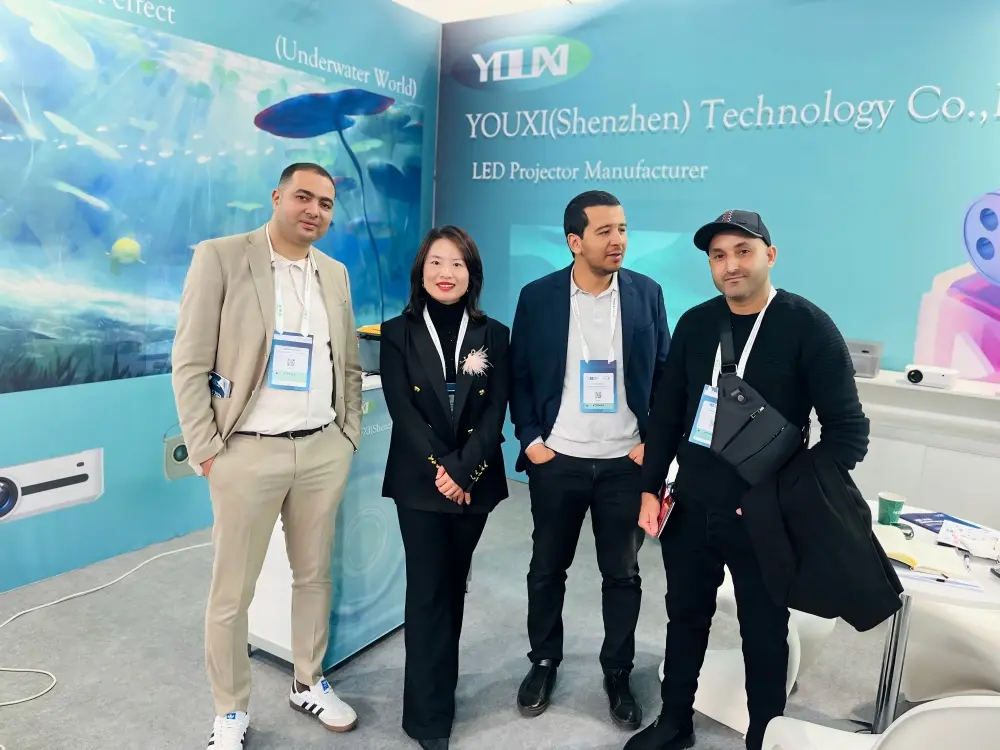
Our operation, Youxi (Shenzhen) Technology Co., Ltd., established in April 2021, operates directly at the interface of R&D engineering and scaled precision manufacturing. Focused on smart projection systems and wearable devices, we manage the full lifecycle from early-stage optomechanical design to vertical factory manufacturing, serving clients worldwide who require rigorous optical output standards and strict production quality controls.
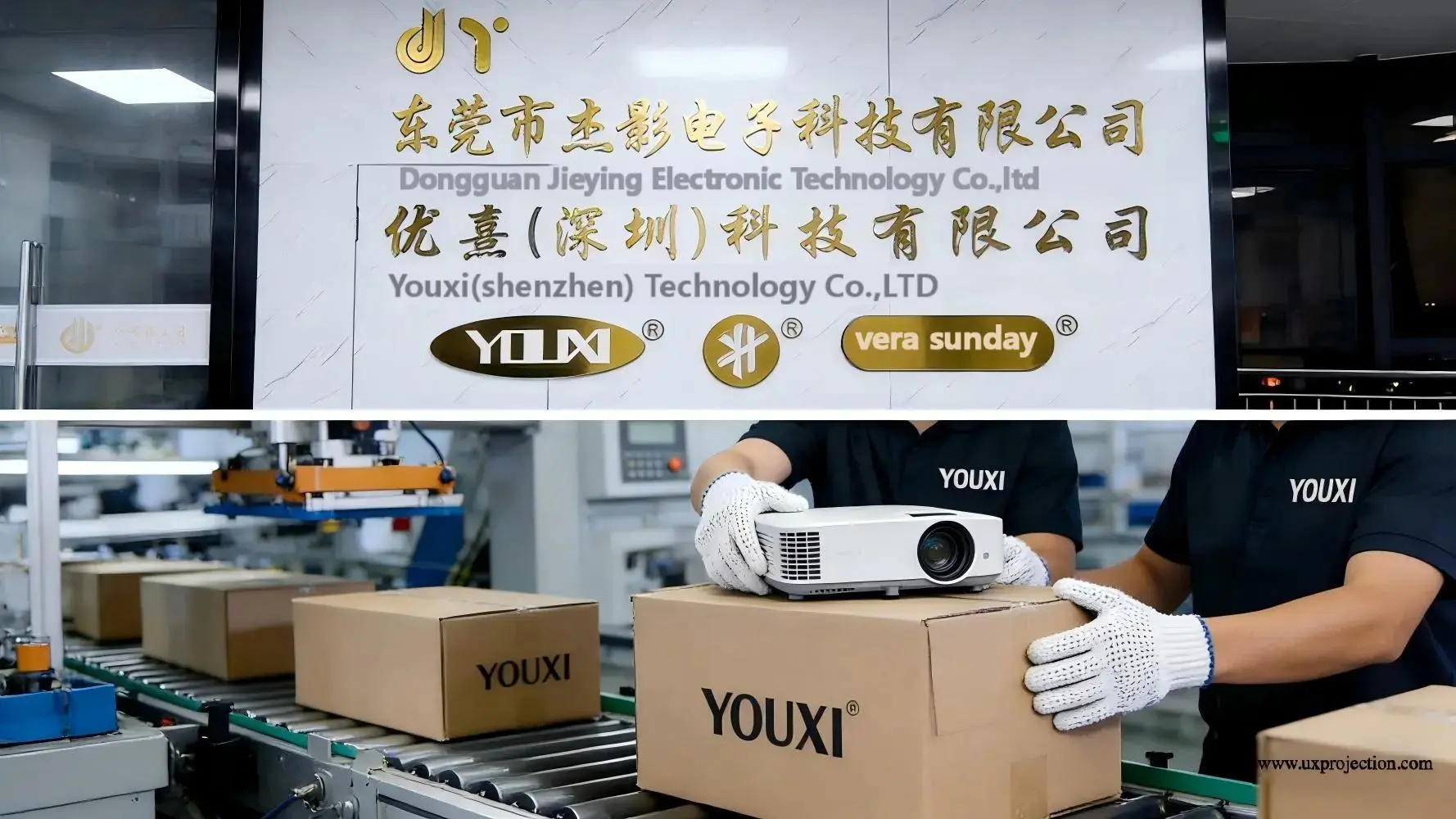
Youxi (Shenzhen) Technology Co., Ltd. integrates state-of-the-art optoelectronic design with automated precision assembly, delivering robust performance guarantees for global partners.
Developing ultra-high-definition, high-refresh-rate projection equipment involves overcoming significant engineering barriers. The shift toward solid-state light sources, combined with smarter processing platforms, shapes the contemporary optical market. Key technological changes driving the industry include:
Modern projectors rely on Multi-Laser (RGB Laser) and Advanced LED matrices to replace standard UHP lamps. This ensures stable color gamuts (covering up to 110% BT.2020) and continuous operation lifetimes exceeding 25,000 hours with minimal color shift.
Adopting HDMI 2.1 chipsets allows raw transmission of 4K content at 120Hz without lossy compression. Coupled with eARC support, systems deliver low input lag (below 8.5ms), suitable for real-time visualization and simulation training.
Onboard AI chips handle real-time calculations for keystone correction, active autofocus, obstacle avoidance, and ambient wall color matching, allowing rapid and dynamic setup adjustments in variable spaces.
Monthly Units Factory Output
Average 4K 120Hz Latency Range
Full System Quality Control Inspection
Mean Time to Failure (MTTF) of Optomechanics
Our primary manufacturing centers in Shenzhen and Dongguan utilize one of the world's most dense technology supply networks. For international buyers, sourcing from a vertically integrated manufacturer provides key operational advantages:
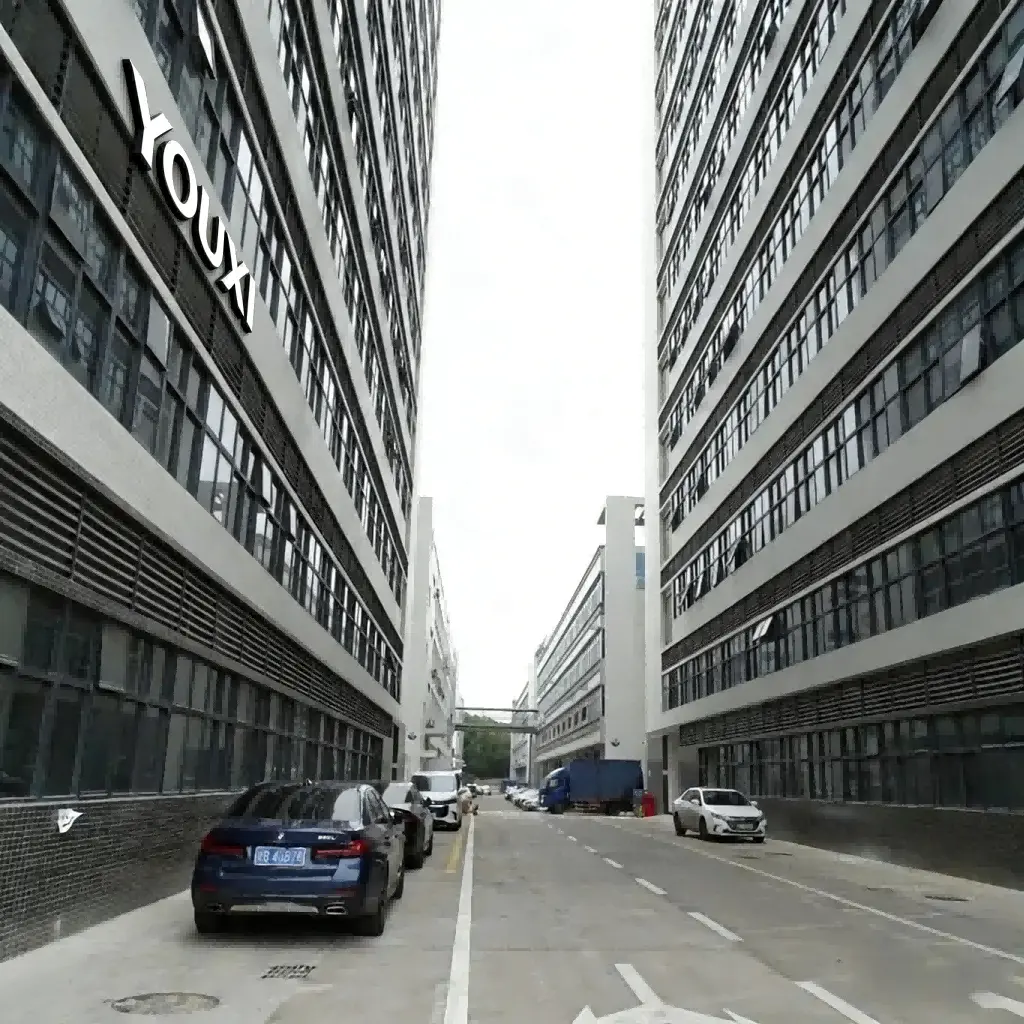
Geographic and Logistics Positioning: Our headquarters are located in Shenzhen, positioning us within a major innovation corridor in Southern China. With direct access to Hong Kong Port (located roughly 40 minutes away), we streamline international shipping, customs clearances, and air freight logistics, cutting standard export lead times.
Precision Component Sourcing: The Pearl River Delta cluster houses essential supply chain elements, including optical prism polishers, specialized lens arrays, high-power LED drivers, and advanced dynamic cooling fan suppliers. This allows us to source quality raw materials and build functional prototypes within short turnaround windows.
Scalable Production Infrastructure: To support large-scale distribution, our 1,000-square-meter assembly facility in Fenggang Town, Dongguan (located a 25-minute drive from headquarters) operates alongside a larger 4,000-square-meter combined system facility. This framework manages a workforce of over 100 technicians, supporting a monthly assembly output of over 30,000 units to comfortably handle bulk purchase orders.
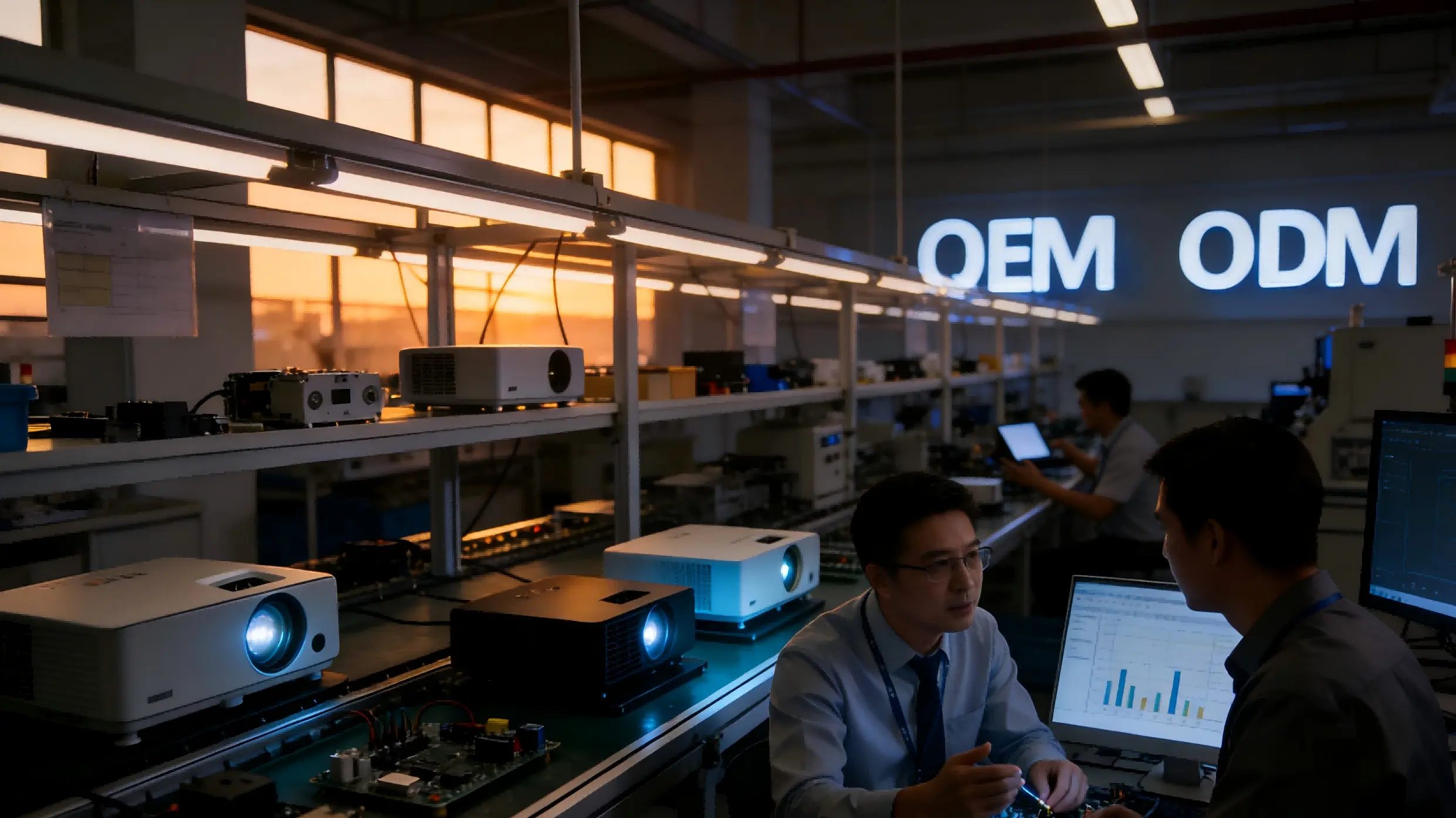
To ensure high quality across our product lines, we maintain clean-room standards and multi-stage optoelectronic diagnostics at every stage of the manufacturing cycle.
Our dedicated mold and injection facilities are situated adjacent to the main assembly building, housing high-precision digital molding machinery. Using precise physical molds ensures that every plastic cover, structural internal rib, and optical mount is built to tight tolerances, minimizing light leakage and alignment errors in the final optical paths.
Custom designs for customer branding are built, verified, and adjusted in-house to protect industrial design specifications and ensure consistent quality across large production runs.
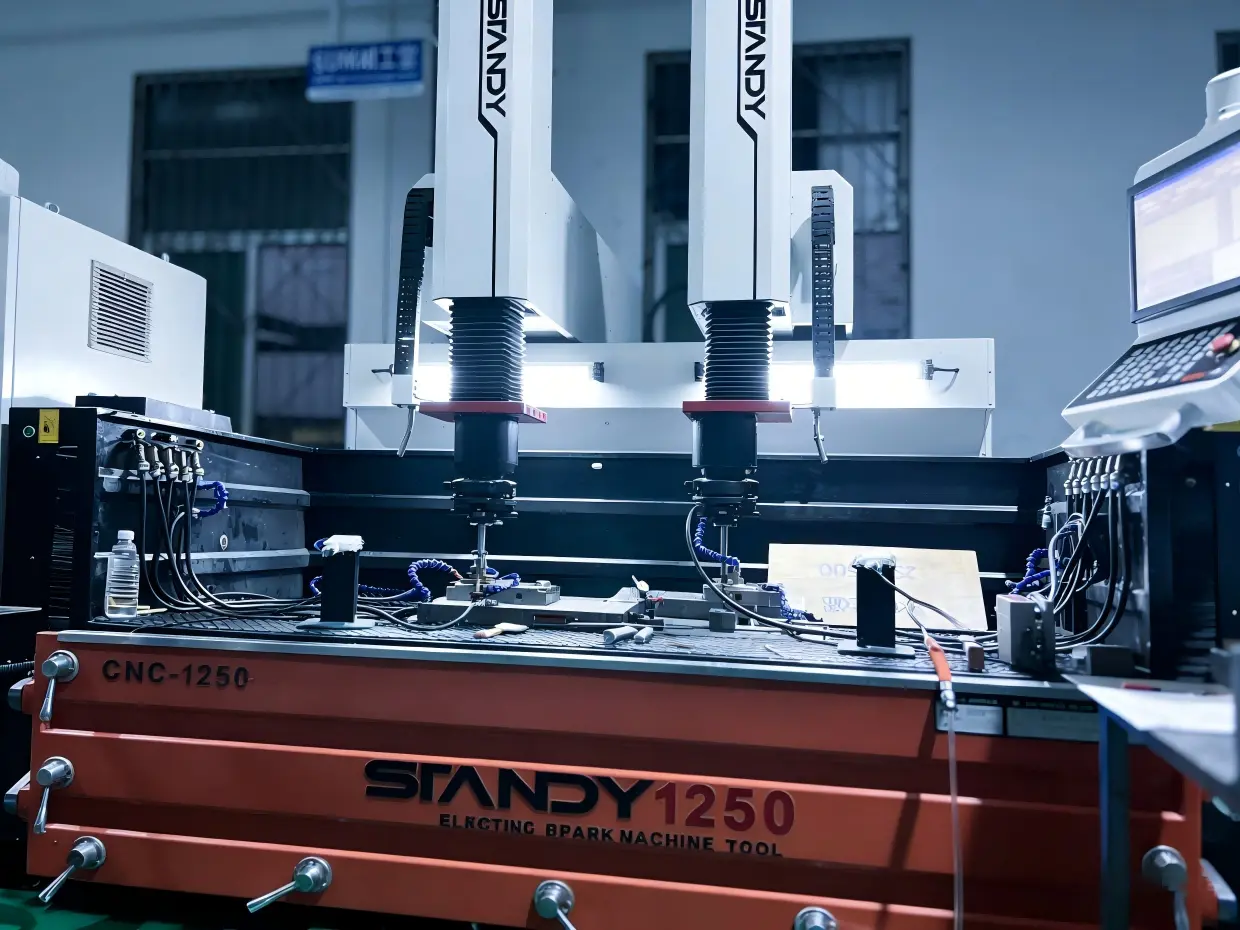
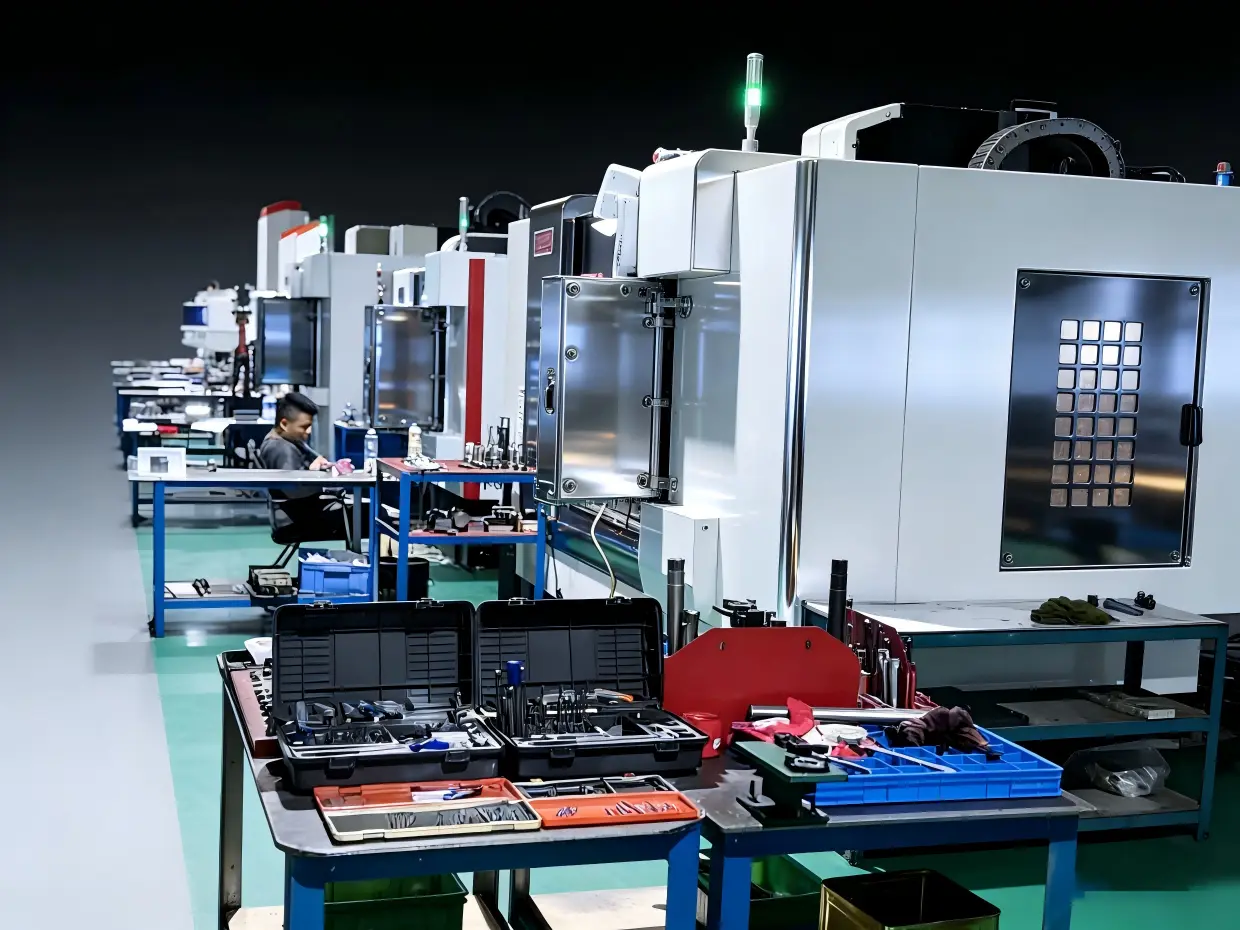
Our main assembly space spans 4,000 square meters, featuring modern production lines, component testing stations, and calibration instrumentation. Assembly operations conform to strict 5S standards, reducing airborne dust particles to protect exposed DMD surfaces, front optical elements, and internal polarizers from contamination.
Our assembly lines maintain a monthly output capacity of up to 50,000 units under peak schedules, supported by qualified operators trained in electrostatic discharge (ESD) safety protocols and high-frequency testing.
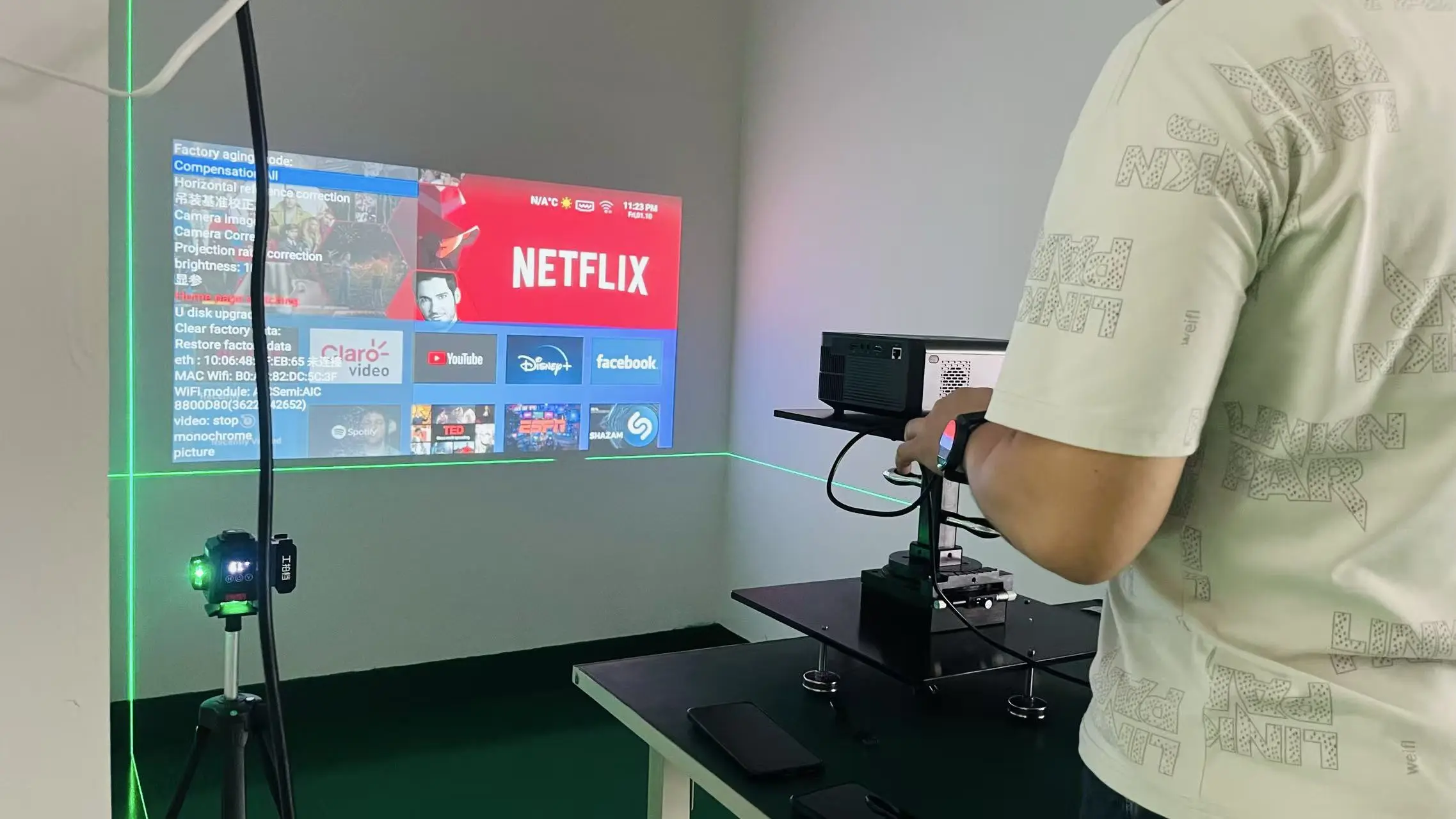
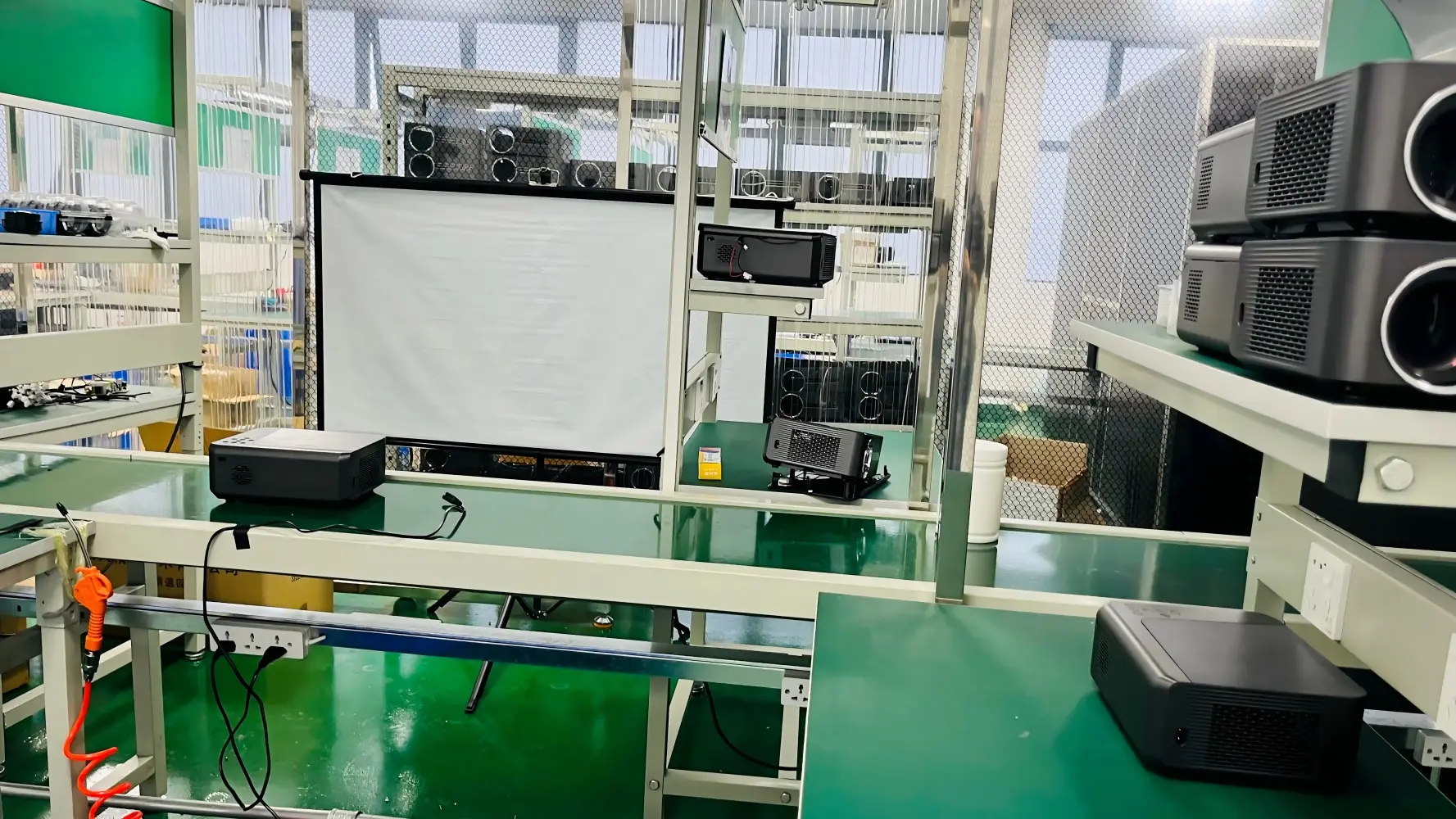
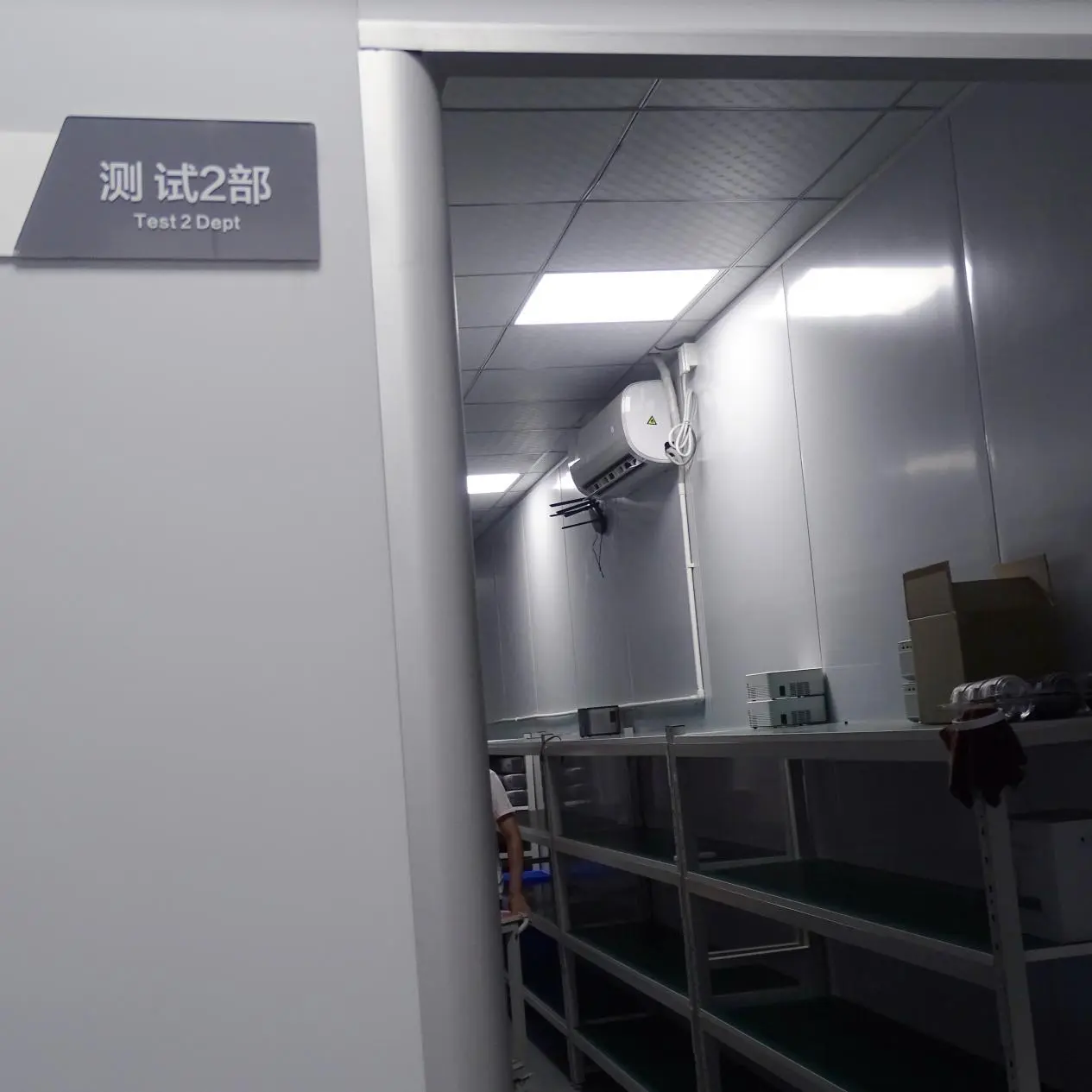
To reduce post-sale defect rates and verify functional specs (including ANSI lumens, contrast ratios, and color accuracy), we operate 12 testing rooms. Professional quality inspectors perform dynamic testing on incoming materials, first-article assemblies, and pre-shipment product batches.
Tests include multi-point color temperature profiling, focal uniformity assessments, interface port validation, and acoustic noise testing of internal fans.
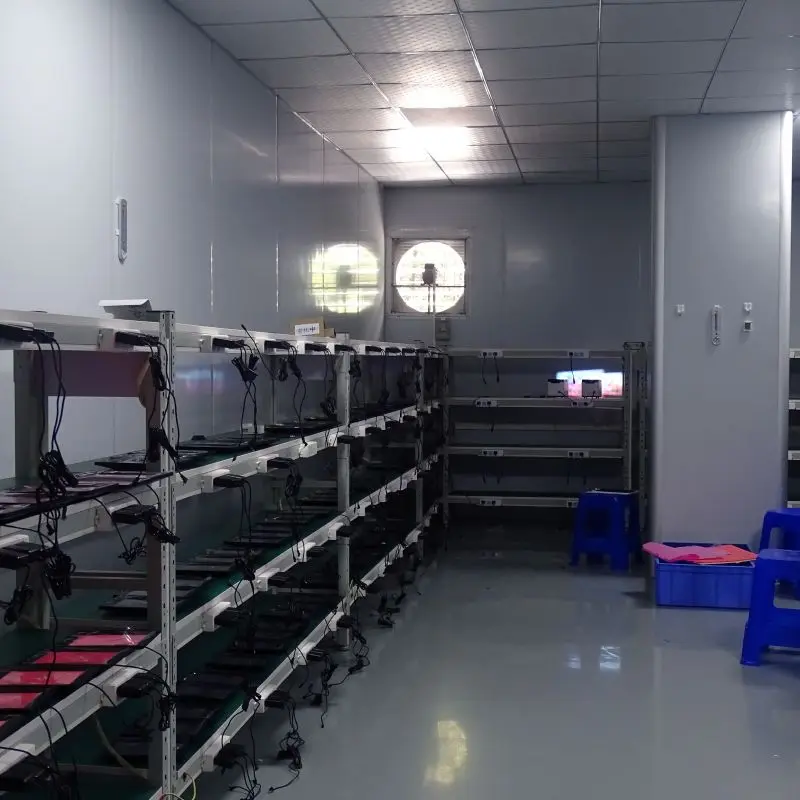
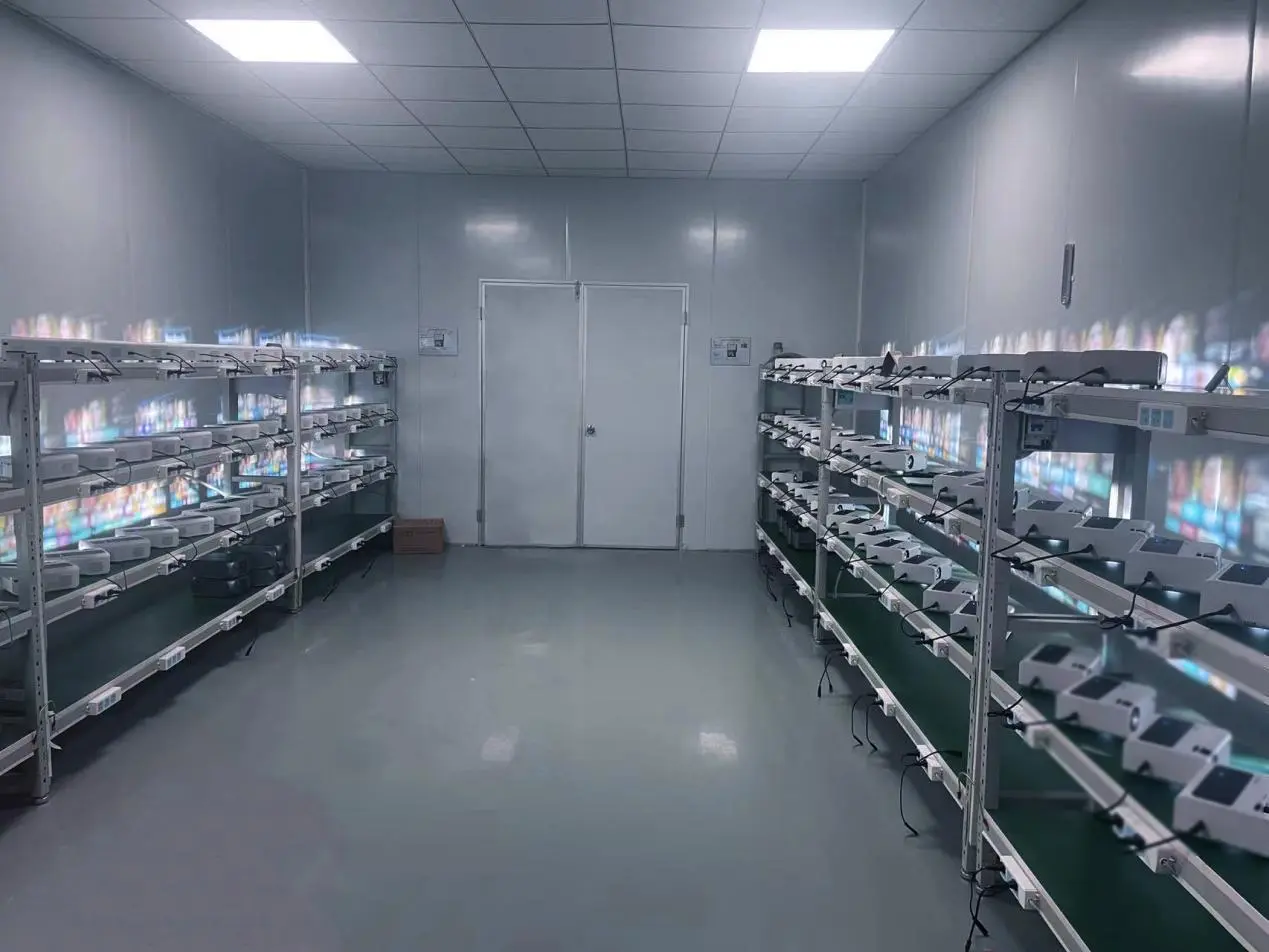
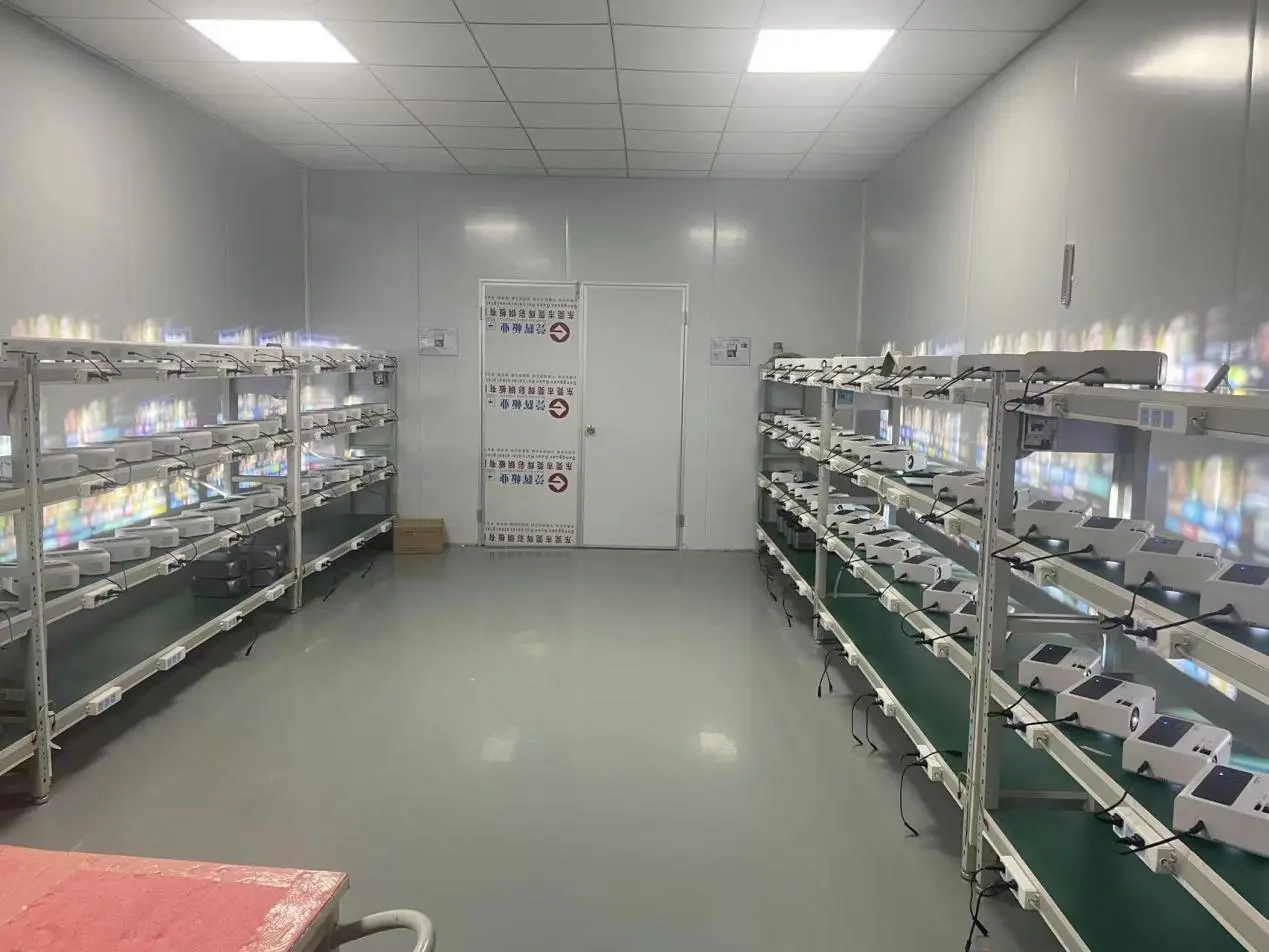
High-brightness projectors produce heat that must be effectively managed. Our aging test facility runs continuous electrical and thermal stress evaluations, supporting concurrent testing for over 200 projectors.
Every unit undergoes continuous operation burn-in cycles (ranging from 4 to 12 hours) to detect early-stage component issues with drivers, power modules, or light source arrays before final packaging.
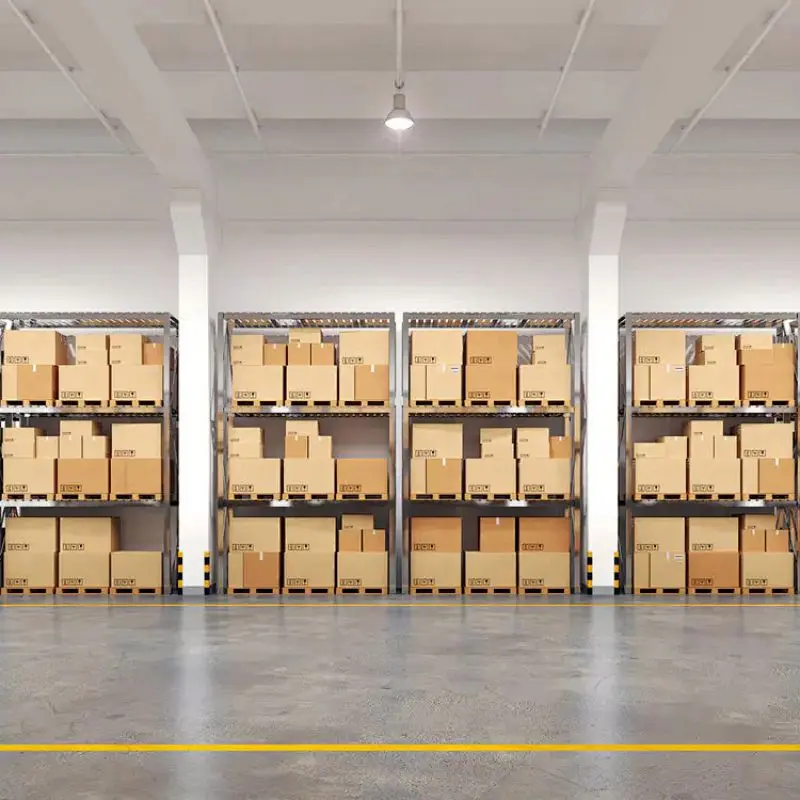
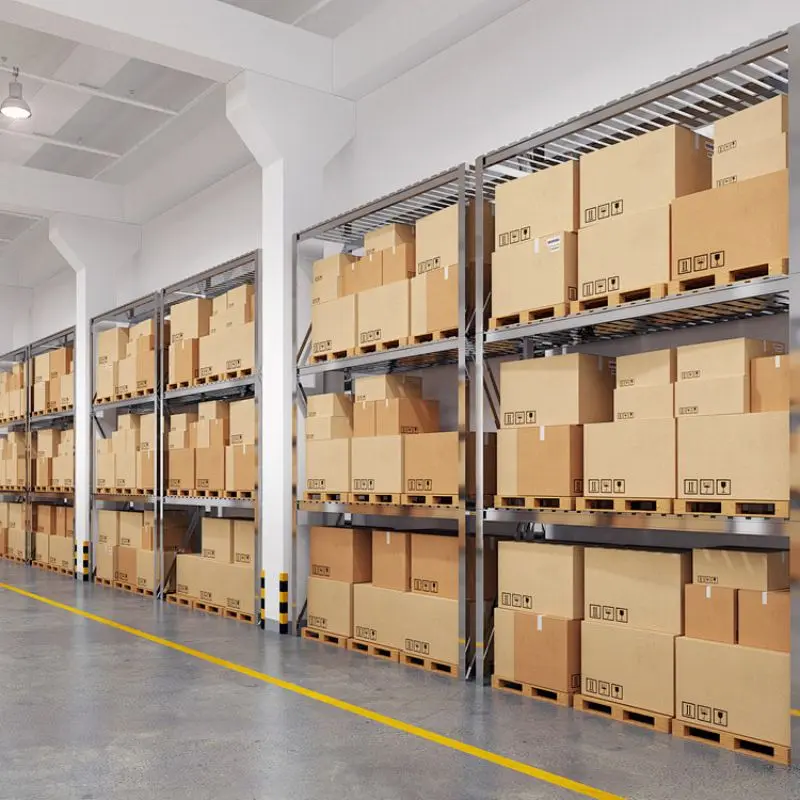
We maintain a 300-square-meter dry warehouse next to the final packaging lines. The facility manages finished products in humidity-controlled environments, utilizing inventory tracking to streamline dispatch and container loading processes.
Selling optical equipment into diverse regions requires adherence to localized safety, environmental, and radio frequency regulations. We support our global partners with certified production processes and customizable supply structures.
Our products are designed and manufactured to meet global compliance requirements, including CE, FCC, RoHS, and CCC. We provide documentation for laser class safety, electromagnetic compatibility, and hazardous material limitations to support straightforward market clearance.
We offer customization services across our product line. This includes structural adjustments, private branding, custom packaging, system integration, boot screen customization, and targeted lens changes (such as short-throw ratios).
For clients with established material standards, we offer direct assembly and manufacturing using specified brands of power systems, optical components, and wireless modules, helping buyers meet local vendor requirements.
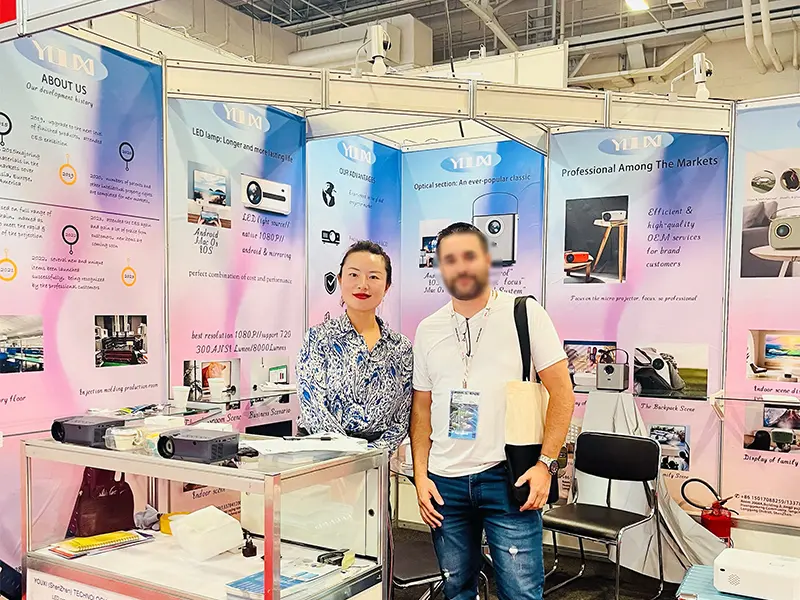
High refresh rate, high-resolution projection offers unique solutions for diverse environments where traditional flat-panel screens face size or mobility limitations:
In modern boardrooms and control centers, high-resolution screens help maintain the readability of detailed spreadsheets, text charts, and video streams. 120Hz playback ensures smooth scrolling and navigation during real-time demonstrations.
Flight simulators, automotive trainers, and military training systems require low display latency and fluid motion to create realistic simulations. Low input latency and high frame rates help reduce motion sickness for operators in simulator environments.
Museums, galleries, and retail showrooms use projection mapping to create interactive visitor experiences. High refresh rates prevent flickering and visual distortions when exhibits are photographed or filmed by visitors.
Discuss your specifications, request custom design quotes, or schedule a physical factory audit at our Shenzhen headquarters and Dongguan production facility.
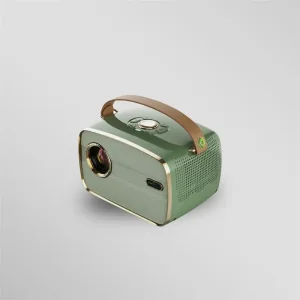
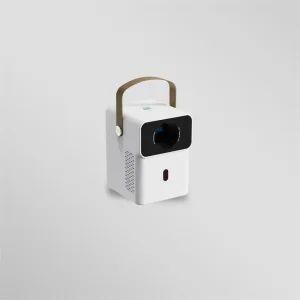
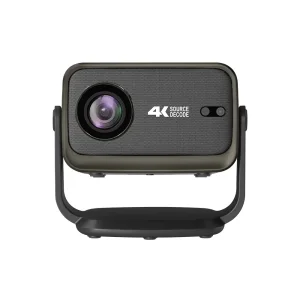
 Youxi projection